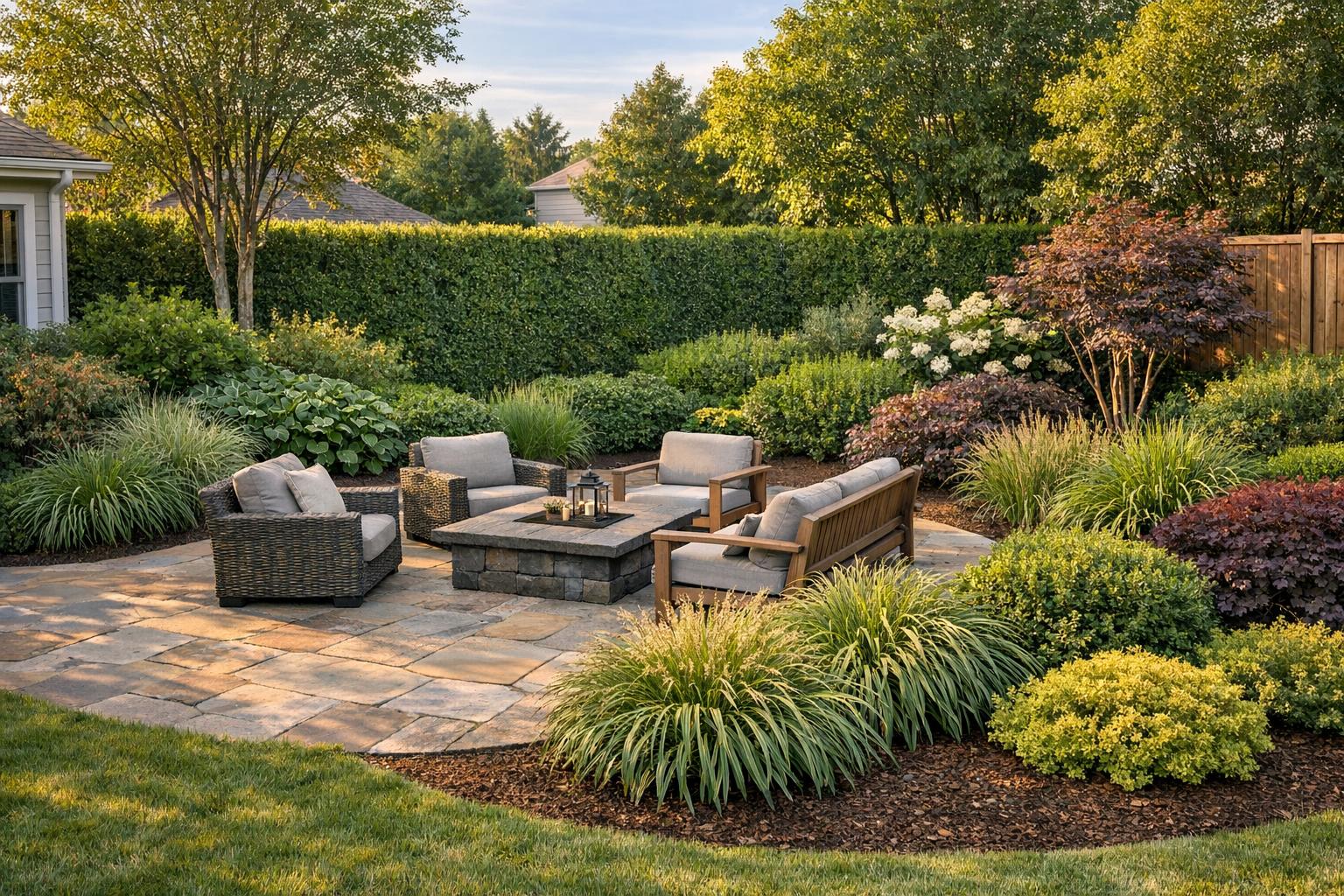
Many homeowners want low-maintenance plants, but that phrase means different things depending on the household. Some want plants that need less water. Others want fewer pruning chores, slower growth, or cleaner year-round structure. The best plant choices usually come from matching the plant to the site and the homeowner’s actual care habits instead of looking for one magic category of easy plants.
A beautiful plant can still feel high-maintenance if it is wrong for the soil, sun, water schedule, or amount of space available.

Start with site conditions and care habits
Sun exposure, heat, wind, irrigation type, and local climate should all shape plant selection. So should the homeowner’s real maintenance routine. A plant that needs regular shaping may be fine for one property and frustrating on another.
Think about growth habit, not just current size
Plants that outgrow the space quickly often become maintenance problems even if they are healthy. Homeowners should compare mature width, pruning needs, leaf drop, and how the plant behaves through different seasons.
Use maintenance goals to narrow the palette
It often helps to connect plant choices to broader goals like privacy, low-water use, pollinator support, or cleaner front-yard curb appeal. The low-maintenance landscaping guide, plant material comparison guide, and low-water landscaping guide all support that process.
Leave a Reply