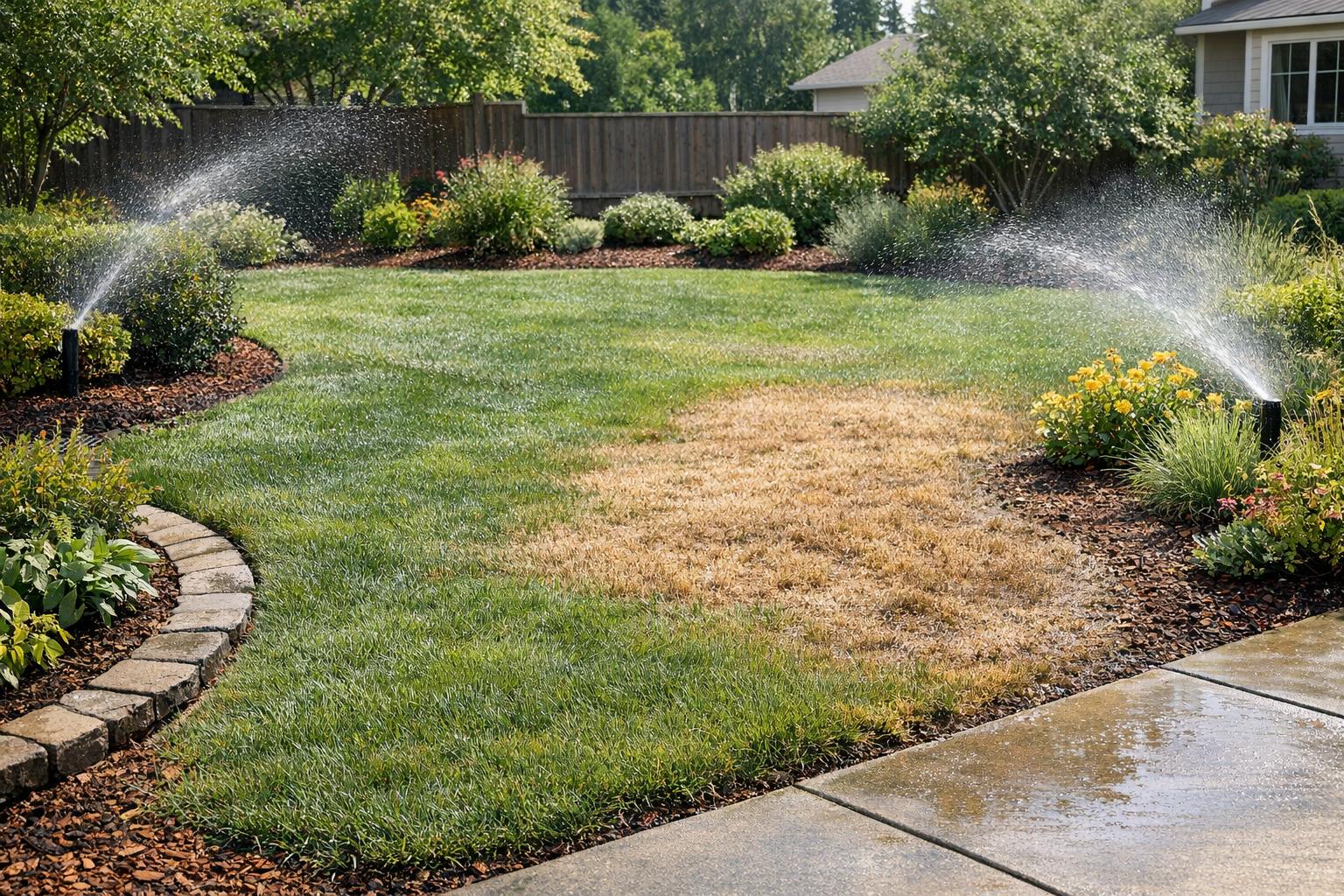
Maintenance and Ownership

Maintenance and ownership guides that explain what happens after installation, from cleaning and sealing to ongoing care and protection.

Start with the service type

Landscaping Services Guideposts

Use these guides to understand what each service includes before comparing providers or requesting quotes.

Core service explainers

Start here when you are still deciding what kind of landscaper or outdoor contractor you need.

Compare before you hire

Use these pages when two services or surface choices sound similar but lead to different scopes.

Hire smarter

Planning And Contractor Comparison

Use this hub when you are moving from ideas into estimates, bids, and contractor conversations.

Before requesting estimates

These guides help define scope and compare companies before the first site visit.

Budget with better assumptions

Cost Guides And Calculators

Use this hub to move from rough budget ranges into the details that usually change quotes.

Calculator starting points

Open the calculator hub or a cost guide when you need a quick planning range.

High-impact cost decisions

These pages help compare choices where price, lifespan, and maintenance tradeoffs matter.

Understand the build

Installation And Site-Work Pathways

Use these guides to understand sequencing, site prep, access, and the details that affect long-term performance.

Hardscape and site prep

These projects often depend on base prep, demolition, grading, drainage, and access.

Drainage and retaining work

Use these when water, grade, or slope stability is part of the project.

Choose materials with ownership in mind

Material And Finish Decision Paths

Use these guides when appearance, maintenance, replacement, and budget all affect the right material choice.

Surface and finish comparisons

Compare outdoor surfaces before committing to a driveway, patio, or lawn direction.

Landscape material planning

Use these pages when quantity, delivery, or long-term maintenance are the main concern.

Protect the investment

Maintenance And Ownership Next Steps

Use these guides to understand ongoing care, seasonal refreshes, and when maintenance points to a bigger fix.

Maintenance planning

These guides help compare recurring service, seasonal work, and refresh projects.

When upkeep becomes repair

Use these when repeated maintenance problems suggest drainage, surface, or material issues.

  • What an Irrigation Estimate Should Include

    What an Irrigation Estimate Should Include

    Irrigation estimates should separate repair, retrofit, and redesign. A broken sprinkler head is not the same as poor zone layout, low pressure, controller problems, or a system that no longer fits the planting and lawn areas.

    Use this guide before approving sprinkler repair, drip conversion, controller upgrades, or a new irrigation system.

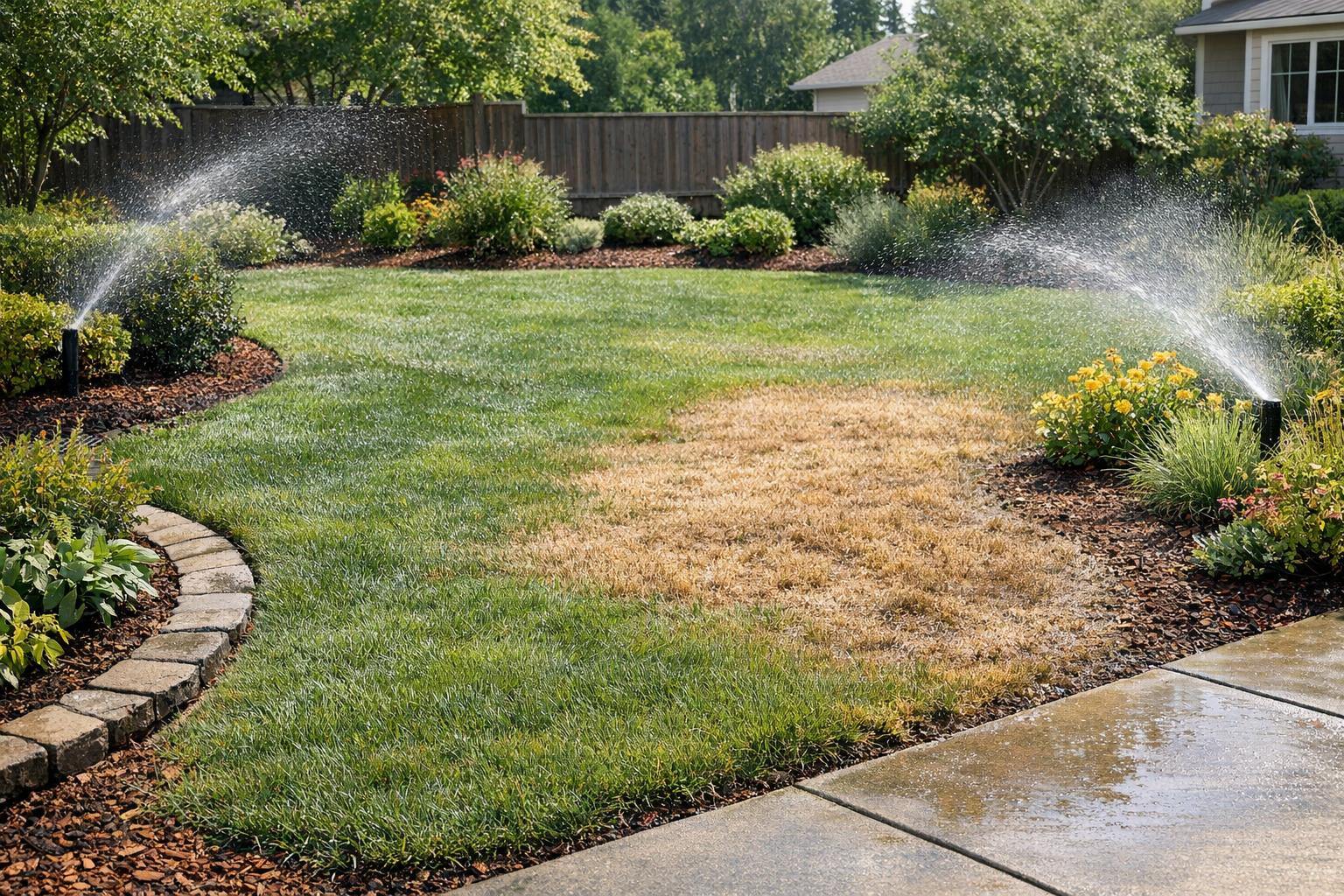
    What an Irrigation Estimate Should Include related example showing Irrigation detail relevant to controller checks, head alignment, and maintenance
    This irrigation example gives homeowners a visual reference for comparing layout, materials, and maintenance tradeoffs before starting the project.

    What the company should inspect

    • Controller settings, valves, heads, nozzles, pressure, leaks, and coverage gaps
    • Lawn zones, planting-bed zones, drip areas, slopes, shade, and overspray
    • Whether the estimate is repair, partial retrofit, or full replacement
    • How the system will be tested and adjusted after work is complete

    Estimate irrigation cost before approving scope

    Use this calculator to compare repair, retrofit, and new-system ranges before reviewing the written proposal.

    What an Irrigation Estimate Should Include related example showing Residential irrigation project relevant to homeowner quote comparison and watering-system scope review
    This related irrigation detail helps show how site conditions and finish choices can change the homeowner's plan.

    Irrigation Cost Calculator

    Estimate irrigation pricing based on area, system style, number of zones, and controller choice.


    What should be written in the proposal

    • Number of zones, controller work, valve work, head/nozzle replacements, and drip materials
    • Trenching, restoration, smart controls, sensors, pressure regulation, and permits if needed
    • Exclusions for hidden line breaks, root conflicts, electrical issues, or low supply pressure
    • Seasonal maintenance, programming support, and warranty terms

    Use this with Irrigation Companies Near Me and Irrigation System Guide.

    What an Irrigation Estimate Should Include related example showing Pet-Friendly Backyard Landscaping relevant to homeowner warning signs and maintenance decisions
    This related irrigation detail helps show how site conditions and finish choices can change the homeowner's plan.

  • Irrigation Companies Near Me: Repair, Replacement, or New System?

    Irrigation Companies Near Me: Repair, Replacement, or New System?

    Irrigation companies can solve very different problems: broken heads, poor coverage, controller issues, leaks, pressure problems, drip conversion, valve failures, or full system replacement. The right hire depends on whether the system needs repair, redesign, or a new installation.

    This guide helps homeowners compare irrigation companies near them by diagnosis, repair scope, water efficiency, planting needs, and long-term maintenance.


    Separate repair problems from design problems

    Some irrigation problems are simple repairs. Others reveal that the system no longer matches the yard. New planting beds, artificial turf, patios, shade changes, or lawn removal can all make an old sprinkler layout inefficient.

    Irrigation Companies Near Me: Repair, Replacement, or New System? related example showing Irrigation detail relevant to planning mistakes, zoning, and controller decisions
    This irrigation example gives homeowners a visual reference for comparing layout, materials, and maintenance tradeoffs before starting the project.
    • Dry spots may be caused by broken heads, pressure issues, or poor layout.
    • Wet spots may point to leaks, low-head drainage, overspray, or bad scheduling.
    • Planting beds may need drip irrigation instead of spray heads.
    • A renovated yard may need zone changes before new plants or lawn go in.

    Estimate irrigation system cost

    Use this calculator to compare repair, retrofit, and new irrigation-system ranges before asking companies for a site visit.

    Irrigation Cost Calculator

    Estimate irrigation pricing based on area, system style, number of zones, and controller choice.


    What an irrigation company should inspect

    A useful estimate should inspect controller settings, valves, heads, pressure, coverage, leaks, slope, plant types, and whether the system fits the current yard. If the company only swaps broken parts, it may miss the reason those parts are failing or wasting water.

    Irrigation Companies Near Me: Repair, Replacement, or New System? related example showing Residential yard showing irrigation zones, sprinklers, and planting areas that affect project cost
    This related irrigation detail helps show how site conditions and finish choices can change the homeowner's plan.

    Use this page with Irrigation System Guide and Landscape Maintenance Services Guide when ownership and upkeep are part of the decision.


    Questions to ask before approving work

    • Is this a repair, a partial retrofit, or a full redesign?
    • Will the company check coverage after repairs are complete?
    • Are controller programming, rain sensors, or smart controls included?
    • What maintenance should happen seasonally to prevent repeat issues?

    A good irrigation company helps the homeowner understand whether the system can be tuned, needs targeted repair, or should be redesigned around the way the yard is used now.

    Irrigation Companies Near Me: Repair, Replacement, or New System? related example showing Pet-Friendly Backyard Landscaping relevant to homeowner warning signs and maintenance decisions
    This related irrigation detail helps show how site conditions and finish choices can change the homeowner's plan.

  • Landscape Maintenance Services Guide

    Landscape Maintenance Services Guide

    Landscape maintenance services can mean very different things depending on the company. Some providers focus on mowing and cleanup. Others manage planting beds, mulch, irrigation checks, seasonal pruning, pest monitoring, and small improvement projects. Homeowners get better results when they compare the actual service scope rather than the label.

    This guide explains how to compare landscape maintenance services, what should be included in a written plan, and how to avoid paying for a recurring visit that does not match the property.


    Start with the type of maintenance the yard needs

    A new landscape, a mature planted yard, a low-maintenance gravel design, and a lawn-heavy property all need different service plans. Homeowners should decide whether they mainly need routine upkeep, seasonal cleanup, plant health support, irrigation checks, or periodic refreshes.

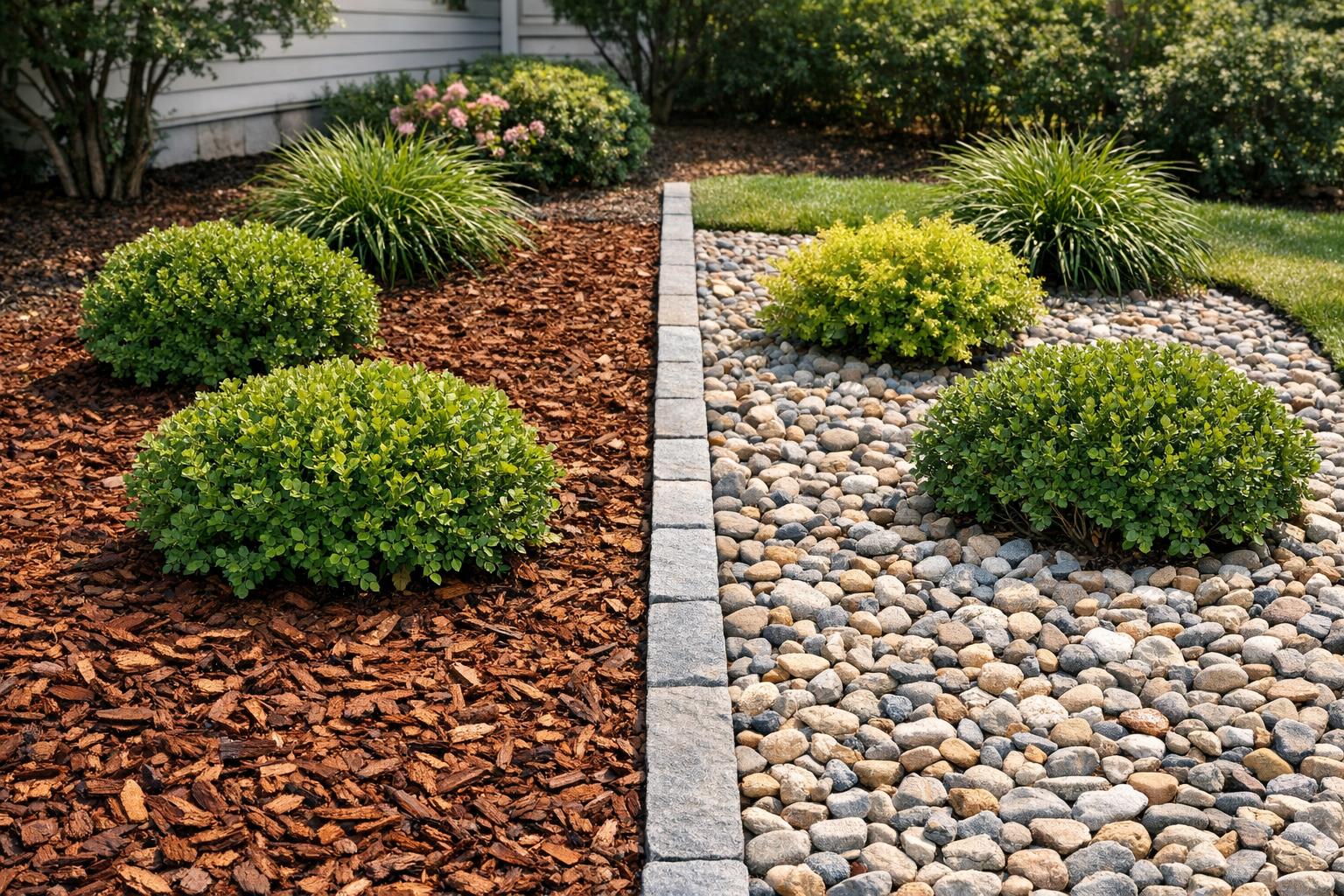
    Landscape Maintenance Services Guide related example showing Low-water landscape bed materials including rock and mulch relevant to drought-conscious groundcover selection
    This low maintenance example gives homeowners a visual reference for comparing layout, materials, and maintenance tradeoffs before starting the project.
    • Routine mowing, edging, blowing, and debris cleanup
    • Planting-bed weeding, pruning, mulch, and soil care
    • Irrigation checks, controller adjustments, and leak spotting
    • Seasonal cleanup, leaf removal, refresh planting, and storm recovery

    Estimate maintenance-related refresh costs

    Use these calculators to frame broad landscape refresh costs and common mulch material or installation ranges before comparing service plans.

    Landscaping Cost Range Calculator

    Estimate a broad landscaping budget range for common homeowner project types before comparing quotes.

    Mulch Cost Calculator

    Estimate mulch quantity plus material and installation cost ranges for planting beds.


    What a maintenance proposal should include

    A useful maintenance proposal should say what happens during each visit, what happens seasonally, and what is excluded. Vague language such as general cleanup or yard care can lead to mismatched expectations.

    Landscape Maintenance Services Guide related example showing Residential landscape materials relevant to low-maintenance outdoor design choices
    This related low maintenance detail helps show how site conditions and finish choices can change the homeowner's plan.
    • Visit frequency and expected tasks by season
    • Pruning limits and whether plant health monitoring is included
    • Mulch, fertilizer, soil amendments, or material allowances
    • Irrigation inspection frequency and repair process
    • How extra work, storm cleanup, or refresh projects are priced

    Homeowners comparing recurring care with bigger improvements can also use Landscape Maintenance Plans and How to Compare Landscaping Companies.


    How to compare pricing without losing scope

    The cheapest maintenance plan may skip the work that keeps the landscape healthy. A higher monthly number may be better value if it includes bed care, irrigation attention, seasonal pruning, and proactive communication. Homeowners should compare what the plan prevents, not only what it costs.

    • Ask what tasks happen every visit versus only on request.
    • Clarify whether materials are included or billed separately.
    • Ask who decides when plants need pruning, replacement, or treatment.
    • Confirm how missed visits, weather delays, and seasonal surges are handled.

    When maintenance becomes a small improvement project

    Some maintenance problems are symptoms of a design or installation issue. Repeated mulch washout may point to drainage. Struggling plants may point to irrigation, soil, or sun exposure. A lawn that keeps thinning may need grading, soil prep, or a different surface choice. Good maintenance providers should be willing to flag these patterns instead of repeating the same temporary fix.

    Landscape Maintenance Services Guide related example showing Pet-Friendly Backyard Landscaping detail relevant to warning signs, wear, and maintenance decisions
    This related low maintenance detail helps show how site conditions and finish choices can change the homeowner's plan.

    The right maintenance service protects the original investment and helps the homeowner notice problems early. That makes the yard easier to own, not just cleaner after each visit.


  • Drainage Pop-Up Emitter Placement Guide

    Drainage Pop-Up Emitter Placement Guide

    Drainage Pop-Up Emitter Placement helps homeowners narrow a real landscaping decision before paying for design, materials, or installation. The best answer usually depends on discharge location, lawn use, and freezing risk, not just the first option that looks good in a photo.

    Why homeowners should plan this early

    This decision can affect budget, maintenance, access, drainage, safety, and how the finished yard feels after the project is complete. Planning it early gives a landscaper clearer direction and helps prevent expensive rework.

    Drainage Pop-Up Emitter Placement Guide related example showing Drainage detail relevant to pooling, runoff shifts, and warning signs
    This drainage example gives homeowners a visual reference for comparing layout, materials, and maintenance tradeoffs before starting the project.

    What to compare before choosing

    Compare the site conditions, mature sizes, installation requirements, and maintenance tradeoffs. A good choice should solve the immediate problem while still making sense after plants grow, weather changes, or the space gets used every week.

    Drainage Pop-Up Emitter Placement Guide related example showing Drainage detail relevant to planning mistakes, runoff diagnosis, and grading decisions
    This related drainage detail helps show how site conditions and finish choices can change the homeowner's plan.

    Questions to ask before approving the work

    • What would you recommend for this exact location, and what would you avoid?
    • How will this choice affect maintenance after the first season?
    • Are there material, layout, or plant alternatives that cost less but still perform well?
    • What access, drainage, or clearance issues should be solved before installation?

    How this fits into the larger project

    Use this guide with the How to Choose the Right Yard-Grading Plan Guide so the detail supports the broader layout, budget, and long-term ownership plan.

    What homeowners should remember

    The best drainage pop-up emitter placement choice is not only attractive. It should help homeowners release collected water without creating a new nuisance while staying realistic about cost, upkeep, and the conditions already present in the yard.


  • Smart Irrigation Rain Sensor Guide

    Smart Irrigation Rain Sensor Guide

    Smart Irrigation Rain Sensor helps homeowners narrow a real landscaping decision before paying for design, materials, or installation. The best answer usually depends on weather shutoff, water savings, and controller compatibility, not just the first option that looks good in a photo.

    Why homeowners should plan this early

    This decision can affect budget, maintenance, access, drainage, safety, and how the finished yard feels after the project is complete. Planning it early gives a landscaper clearer direction and helps prevent expensive rework.

    Smart Irrigation Rain Sensor Guide related example showing Irrigation detail relevant to planning mistakes, zoning, and controller decisions
    This irrigation example gives homeowners a visual reference for comparing layout, materials, and maintenance tradeoffs before starting the project.

    What to compare before choosing

    Compare the site conditions, mature sizes, installation requirements, and maintenance tradeoffs. A good choice should solve the immediate problem while still making sense after plants grow, weather changes, or the space gets used every week.

    Smart Irrigation Rain Sensor Guide related example showing Irrigation detail relevant to controller checks, head alignment, and maintenance
    This related irrigation detail helps show how site conditions and finish choices can change the homeowner's plan.

    Questions to ask before approving the work

    • What would you recommend for this exact location, and what would you avoid?
    • How will this choice affect maintenance after the first season?
    • Are there material, layout, or plant alternatives that cost less but still perform well?
    • What access, drainage, or clearance issues should be solved before installation?

    How this fits into the larger project

    Use this guide with the How to Choose the Right Irrigation Layout Guide so the detail supports the broader layout, budget, and long-term ownership plan.

    What homeowners should remember

    The best smart irrigation rain sensors choice is not only attractive. It should help homeowners avoid watering when the yard does not need it while staying realistic about cost, upkeep, and the conditions already present in the yard.


  • Irrigation Pressure Problem Guide

    Irrigation Pressure Problem Guide

    Irrigation Pressure Problem helps homeowners narrow a real landscaping decision before paying for design, materials, or installation. The best answer usually depends on spray distance, leaks, zones, and system age, not just the first option that looks good in a photo.

    Why homeowners should plan this early

    This decision can affect budget, maintenance, access, drainage, safety, and how the finished yard feels after the project is complete. Planning it early gives a landscaper clearer direction and helps prevent expensive rework.

    Irrigation Pressure Problem Guide related example showing Irrigation detail relevant to planning mistakes, zoning, and controller decisions
    This irrigation example gives homeowners a visual reference for comparing layout, materials, and maintenance tradeoffs before starting the project.

    What to compare before choosing

    Compare the site conditions, mature sizes, installation requirements, and maintenance tradeoffs. A good choice should solve the immediate problem while still making sense after plants grow, weather changes, or the space gets used every week.

    Irrigation Pressure Problem Guide related example showing Irrigation detail relevant to controller checks, head alignment, and maintenance
    This related irrigation detail helps show how site conditions and finish choices can change the homeowner's plan.

    Questions to ask before approving the work

    • What would you recommend for this exact location, and what would you avoid?
    • How will this choice affect maintenance after the first season?
    • Are there material, layout, or plant alternatives that cost less but still perform well?
    • What access, drainage, or clearance issues should be solved before installation?

    How this fits into the larger project

    Use this guide with the How to Choose the Right Irrigation Layout Guide so the detail supports the broader layout, budget, and long-term ownership plan.

    What homeowners should remember

    The best irrigation pressure problems choice is not only attractive. It should help homeowners diagnose weak coverage before replacing the whole system while staying realistic about cost, upkeep, and the conditions already present in the yard.


  • Irrigation Head Spacing Guide

    Irrigation Head Spacing Guide

    Irrigation Head Spacing helps homeowners narrow a real landscaping decision before paying for design, materials, or installation. The best answer usually depends on coverage overlap, pressure, and plant zones, not just the first option that looks good in a photo.

    Why homeowners should plan this early

    This decision can affect budget, maintenance, access, drainage, safety, and how the finished yard feels after the project is complete. Planning it early gives a landscaper clearer direction and helps prevent expensive rework.

    Irrigation Head Spacing Guide related example showing Irrigation detail relevant to controller checks, head alignment, and maintenance
    This irrigation example gives homeowners a visual reference for comparing layout, materials, and maintenance tradeoffs before starting the project.

    What to compare before choosing

    Compare the site conditions, mature sizes, installation requirements, and maintenance tradeoffs. A good choice should solve the immediate problem while still making sense after plants grow, weather changes, or the space gets used every week.

    Irrigation Head Spacing Guide related example showing Irrigation detail relevant to planning mistakes, zoning, and controller decisions
    This related irrigation detail helps show how site conditions and finish choices can change the homeowner's plan.

    Questions to ask before approving the work

    • What would you recommend for this exact location, and what would you avoid?
    • How will this choice affect maintenance after the first season?
    • Are there material, layout, or plant alternatives that cost less but still perform well?
    • What access, drainage, or clearance issues should be solved before installation?

    How this fits into the larger project

    Use this guide with the How to Choose the Right Irrigation Layout Guide so the detail supports the broader layout, budget, and long-term ownership plan.

    What homeowners should remember

    The best irrigation head spacing choice is not only attractive. It should help homeowners water lawns and beds evenly without dry arcs while staying realistic about cost, upkeep, and the conditions already present in the yard.


  • Walkway Winter Ice Planning Guide

    Walkway Winter Ice Planning Guide

    Walkway Winter Ice Planning helps homeowners narrow a real landscaping decision before paying for design, materials, or installation. The best answer usually depends on drainage, shade, surface texture, and snow storage, not just the first option that looks good in a photo.

    Why homeowners should plan this early

    This decision can affect budget, maintenance, access, drainage, safety, and how the finished yard feels after the project is complete. Planning it early gives a landscaper clearer direction and helps prevent expensive rework.

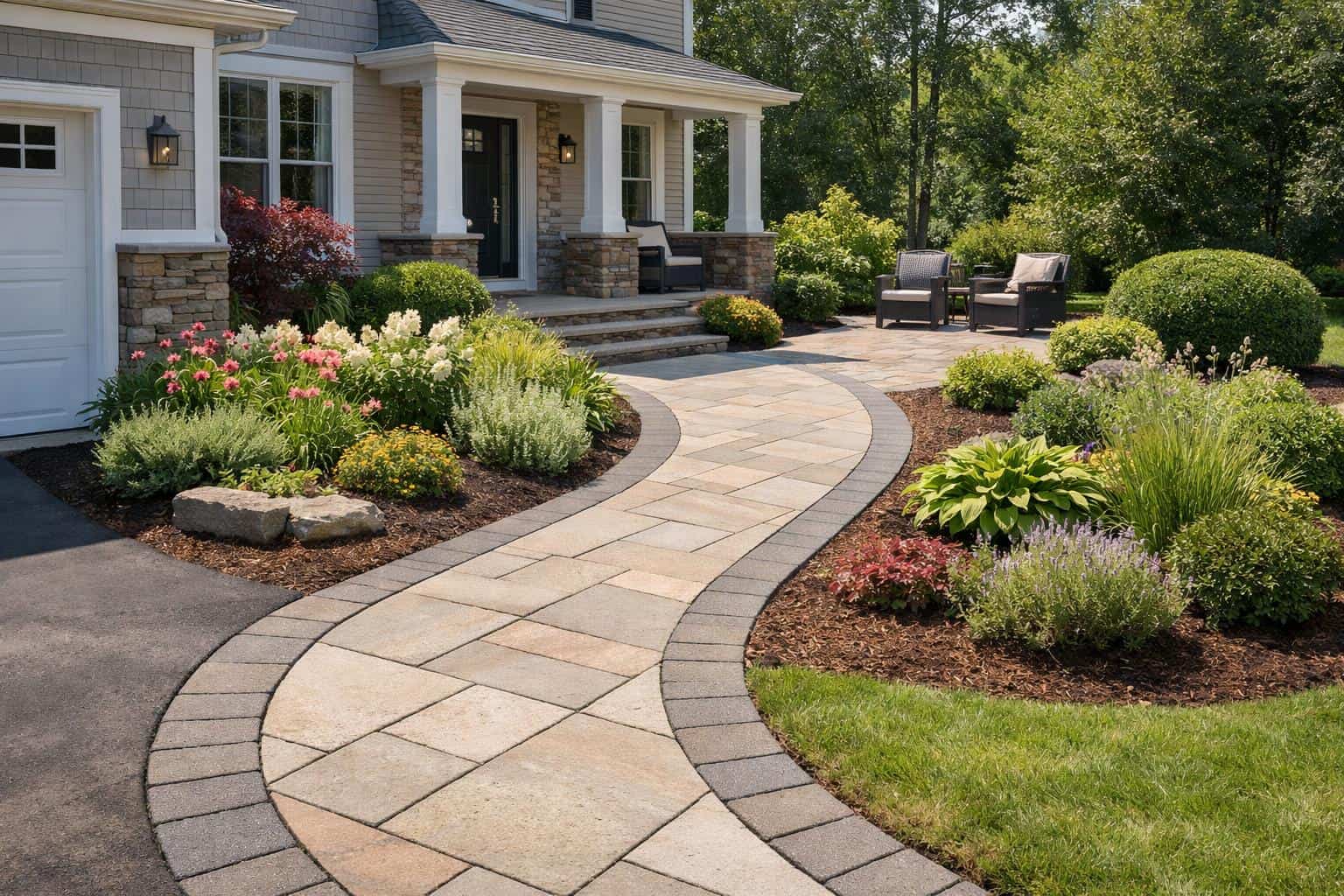
    Walkway Winter Ice Planning Guide related example showing Front entry walkway with edging, planting beds, and material detail relevant to pathway cost planning
    This walkway example gives homeowners a visual reference for comparing layout, materials, and maintenance tradeoffs before starting the project.

    What to compare before choosing

    Compare the site conditions, mature sizes, installation requirements, and maintenance tradeoffs. A good choice should solve the immediate problem while still making sense after plants grow, weather changes, or the space gets used every week.

    Walkway Winter Ice Planning Guide related example showing Walkway detail relevant to settling, edge wear, and warning signs
    This related walkway detail helps show how site conditions and finish choices can change the homeowner's plan.

    Questions to ask before approving the work

    • What would you recommend for this exact location, and what would you avoid?
    • How will this choice affect maintenance after the first season?
    • Are there material, layout, or plant alternatives that cost less but still perform well?
    • What access, drainage, or clearance issues should be solved before installation?

    How this fits into the larger project

    Use this guide with the Walkway and Pathway Installation Guide for Homeowners so the detail supports the broader layout, budget, and long-term ownership plan.

    What homeowners should remember

    The best walkway winter ice planning choice is not only attractive. It should help homeowners reduce slippery problem areas before winter while staying realistic about cost, upkeep, and the conditions already present in the yard.


  • Walkway Planting Setback Guide

    Walkway Planting Setback Guide

    Walkway Planting Setback helps homeowners narrow a real landscaping decision before paying for design, materials, or installation. The best answer usually depends on mature width, wet foliage, and path clearance, not just the first option that looks good in a photo.

    Why homeowners should plan this early

    This decision can affect budget, maintenance, access, drainage, safety, and how the finished yard feels after the project is complete. Planning it early gives a landscaper clearer direction and helps prevent expensive rework.

    Walkway Planting Setback Guide related example showing Front entry walkway with edging, planting beds, and material detail relevant to pathway cost planning
    This walkway example gives homeowners a visual reference for comparing layout, materials, and maintenance tradeoffs before starting the project.

    What to compare before choosing

    Compare the site conditions, mature sizes, installation requirements, and maintenance tradeoffs. A good choice should solve the immediate problem while still making sense after plants grow, weather changes, or the space gets used every week.

    Walkway Planting Setback Guide related example showing Walkway detail relevant to settling, edge wear, and warning signs
    This related walkway detail helps show how site conditions and finish choices can change the homeowner's plan.

    Questions to ask before approving the work

    • What would you recommend for this exact location, and what would you avoid?
    • How will this choice affect maintenance after the first season?
    • Are there material, layout, or plant alternatives that cost less but still perform well?
    • What access, drainage, or clearance issues should be solved before installation?

    How this fits into the larger project

    Use this guide with the Walkway and Pathway Installation Guide for Homeowners so the detail supports the broader layout, budget, and long-term ownership plan.

    What homeowners should remember

    The best walkway planting setback choice is not only attractive. It should help homeowners keep plants from crowding the walkway after they grow while staying realistic about cost, upkeep, and the conditions already present in the yard.


  • Walkway Gravel Depth Guide

    Walkway Gravel Depth Guide

    Walkway Gravel Depth helps homeowners narrow a real landscaping decision before paying for design, materials, or installation. The best answer usually depends on base preparation, comfort, and migration, not just the first option that looks good in a photo.

    Why homeowners should plan this early

    This decision can affect budget, maintenance, access, drainage, safety, and how the finished yard feels after the project is complete. Planning it early gives a landscaper clearer direction and helps prevent expensive rework.

    Walkway Gravel Depth Guide related example showing Front entry walkway with edging, planting beds, and material detail relevant to pathway cost planning
    This walkway example gives homeowners a visual reference for comparing layout, materials, and maintenance tradeoffs before starting the project.

    What to compare before choosing

    Compare the site conditions, mature sizes, installation requirements, and maintenance tradeoffs. A good choice should solve the immediate problem while still making sense after plants grow, weather changes, or the space gets used every week.

    Walkway Gravel Depth Guide related example showing Walkway detail relevant to settling, edge wear, and warning signs
    This related walkway detail helps show how site conditions and finish choices can change the homeowner's plan.

    Questions to ask before approving the work

    • What would you recommend for this exact location, and what would you avoid?
    • How will this choice affect maintenance after the first season?
    • Are there material, layout, or plant alternatives that cost less but still perform well?
    • What access, drainage, or clearance issues should be solved before installation?

    How this fits into the larger project

    Use this guide with the Walkway and Pathway Installation Guide for Homeowners so the detail supports the broader layout, budget, and long-term ownership plan.

    What homeowners should remember

    The best walkway gravel depth choice is not only attractive. It should help homeowners build gravel paths that do not feel loose or messy while staying realistic about cost, upkeep, and the conditions already present in the yard.

    Estimate gravel quantity and cost for a walkway

    Use these gravel calculators to connect walkway dimensions and depth with rough tonnage, material, delivery, and installation ranges.

    Gravel Calculator

    Estimate gravel volume and tonnage for paths, drainage areas, or decorative stone coverage.

    Gravel Cost Calculator

    Estimate gravel tonnage, delivery, and installation cost ranges for stone coverage projects.