Design Ideas & Inspirations

Start with the service type

Landscaping Services Guideposts

Use these guides to understand what each service includes before comparing providers or requesting quotes.

Core service explainers

Start here when you are still deciding what kind of landscaper or outdoor contractor you need.

Compare before you hire

Use these pages when two services or surface choices sound similar but lead to different scopes.

Hire smarter

Planning And Contractor Comparison

Use this hub when you are moving from ideas into estimates, bids, and contractor conversations.

Before requesting estimates

These guides help define scope and compare companies before the first site visit.

Budget with better assumptions

Cost Guides And Calculators

Use this hub to move from rough budget ranges into the details that usually change quotes.

Calculator starting points

Open the calculator hub or a cost guide when you need a quick planning range.

High-impact cost decisions

These pages help compare choices where price, lifespan, and maintenance tradeoffs matter.

Understand the build

Installation And Site-Work Pathways

Use these guides to understand sequencing, site prep, access, and the details that affect long-term performance.

Hardscape and site prep

These projects often depend on base prep, demolition, grading, drainage, and access.

Drainage and retaining work

Use these when water, grade, or slope stability is part of the project.

Choose materials with ownership in mind

Material And Finish Decision Paths

Use these guides when appearance, maintenance, replacement, and budget all affect the right material choice.

Surface and finish comparisons

Compare outdoor surfaces before committing to a driveway, patio, or lawn direction.

Landscape material planning

Use these pages when quantity, delivery, or long-term maintenance are the main concern.

Protect the investment

Maintenance And Ownership Next Steps

Use these guides to understand ongoing care, seasonal refreshes, and when maintenance points to a bigger fix.

Maintenance planning

These guides help compare recurring service, seasonal work, and refresh projects.

When upkeep becomes repair

Use these when repeated maintenance problems suggest drainage, surface, or material issues.

  • Small Space Backyard Design Ideas That Are Actually Buildable

    Small Space Backyard Design Ideas That Are Actually Buildable

    Small backyard design works best when every choice earns its space. A compact yard can support dining, lounging, planting, privacy, pets, and storage, but usually not all in full size at the same time. The goal is to choose a layout that feels intentional instead of crowded.

    These ideas focus on buildable decisions homeowners can discuss with a designer, landscaper, or patio contractor. They avoid fantasy layouts that look good in a photo but fail once furniture, doors, gates, utilities, and maintenance access are considered.


    Start with one primary use

    A small yard gets easier to plan when one use becomes the anchor. That might be a dining patio, a lounge area, a pet-friendly surface, a planting retreat, or a low-maintenance outdoor room. Secondary features should support that primary use instead of competing with it.

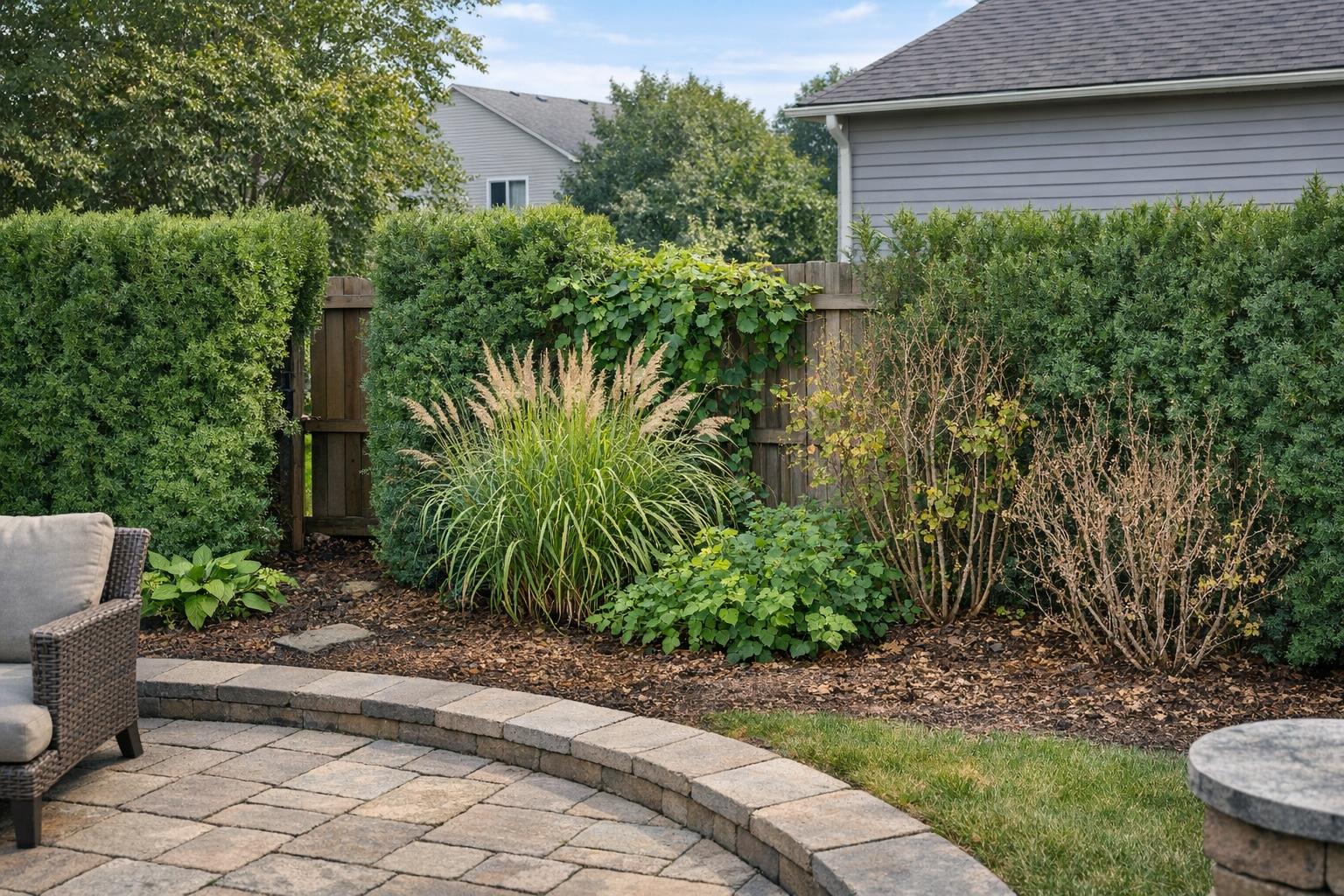
    Small Space Backyard Design Ideas That Are Actually Buildable related example showing Small Backyard Landscaping detail relevant to warning signs, wear, and maintenance decisions
    This backyard example gives homeowners a visual reference for comparing layout, materials, and maintenance tradeoffs before starting the project.
    • Dining-focused yards need a stable surface and clear path from the house.
    • Lounge-focused yards need privacy, shade, and comfortable furniture clearance.
    • Pet-focused yards need durable surfaces and cleanup access.
    • Planting-focused yards need irrigation, soil planning, and room for mature growth.

    Estimate a small backyard project range

    Use these calculators to compare a whole-yard improvement range with a focused patio range before deciding which idea is realistic for your budget.

    Landscaping Cost Range Calculator

    Estimate a broad landscaping budget range for common homeowner project types before comparing quotes.

    Paver Patio Cost Calculator

    Estimate patio cost ranges using size, paver tier, prep complexity, and demolition assumptions.


    Use edges instead of filling the middle

    In many compact yards, the center should stay flexible. Placing planting, storage, privacy screens, lighting, or built-in seating along edges can make the space feel larger and easier to move through. This also leaves a clearer zone for furniture, pets, or kids.

    • Use narrow planting beds to soften fence lines.
    • Place vertical privacy screens only where the view problem exists.
    • Use built-in benches when loose furniture would crowd circulation.
    • Keep gates, utility access, and hose paths open.

    Choose materials that reduce visual clutter

    Small spaces usually look better when the material palette is restrained. Too many paver colors, edging styles, furniture finishes, and planting textures can make the yard feel smaller. A simple patio surface, one strong planting layer, and a few practical accents often work better than a packed feature list.

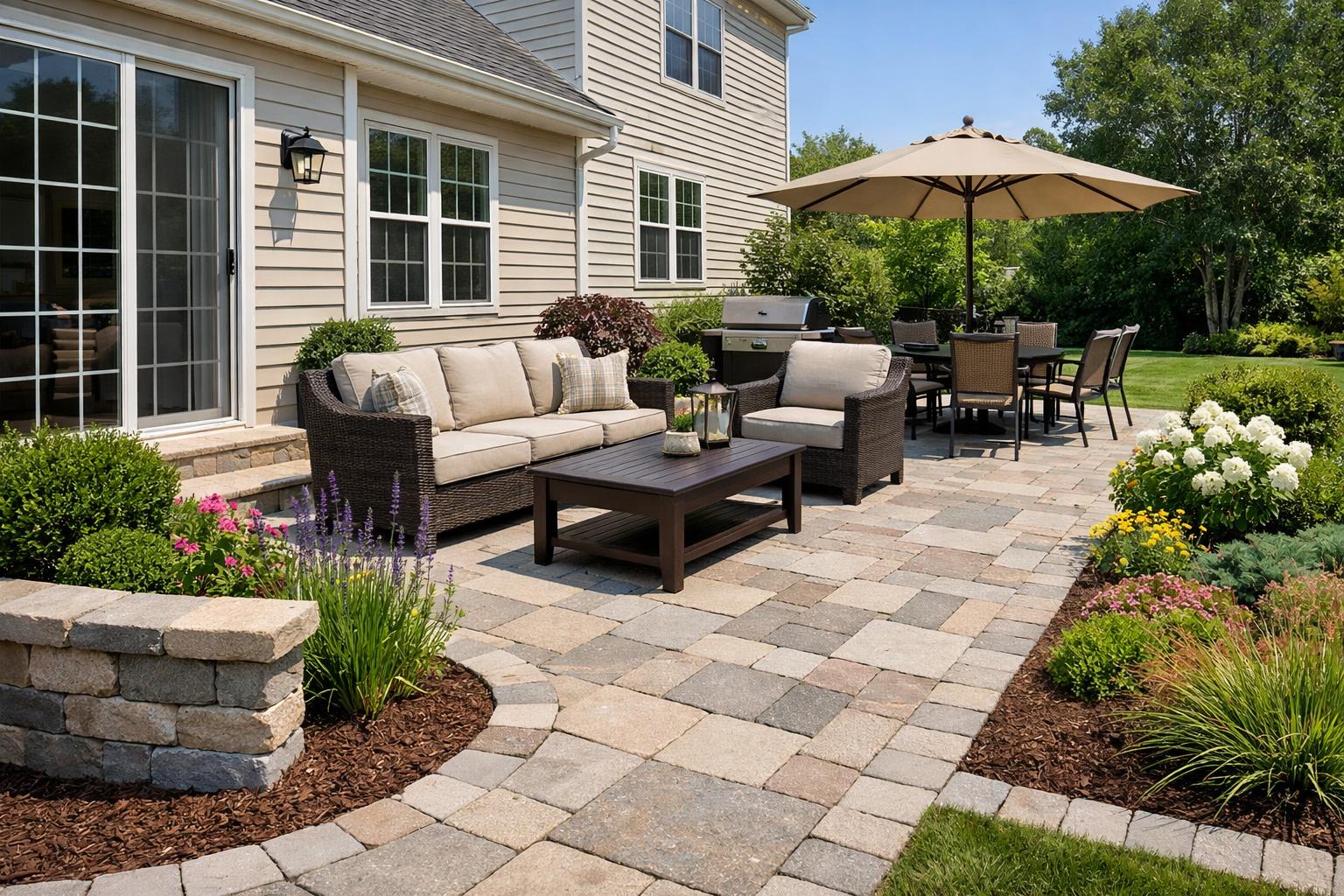
    Small Space Backyard Design Ideas That Are Actually Buildable related example showing Pet-friendly suburban backyard with durable lawn area, patio, and planting beds
    This related backyard detail helps show how site conditions and finish choices can change the homeowner's plan.

    Plan privacy without creating a box

    Privacy matters in small yards, but full-height screening on every side can feel heavy. Homeowners should screen the exact view that bothers them most and leave other edges softer. Layered shrubs, trellis panels, slim trees, and partial screens can make a yard feel private without closing it down.

    For privacy-specific planning, use Outdoor Privacy Solutions alongside this page.


    What to ask before building

    • Will the patio still fit furniture after accounting for chair movement?
    • Can materials, soil, and debris move through the side yard without damage?
    • Where will water go after new hardscape is installed?
    • Which plants will outgrow the space if they are not maintained?

    The best small backyard design is not the one with the most features. It is the one that makes the yard easier to use every week while staying realistic to install, maintain, and improve over time.

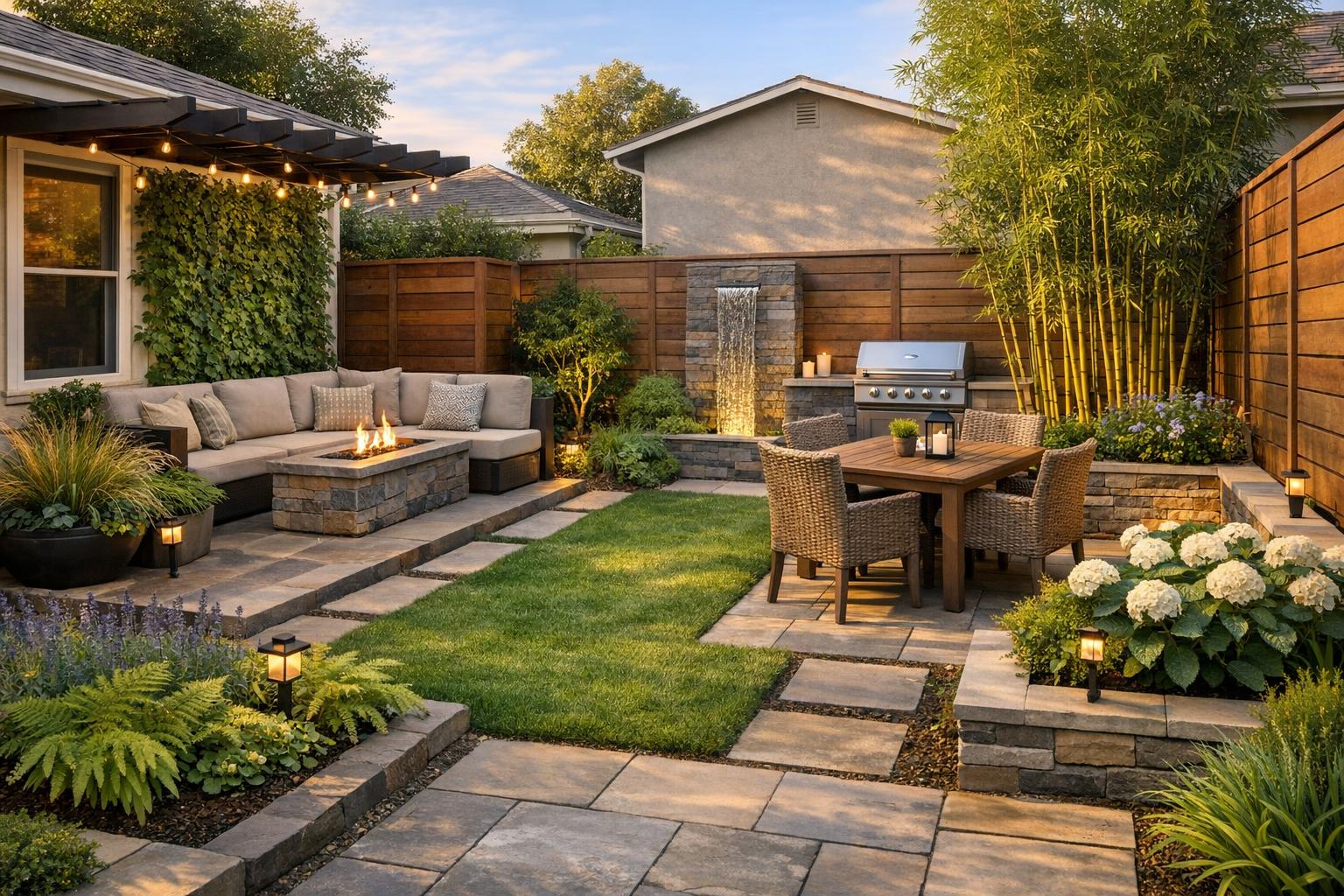
    Small Space Backyard Design Ideas That Are Actually Buildable related example showing Pet-Friendly Backyard Landscaping relevant to homeowner planning mistakes and layout decisions
    This related backyard detail helps show how site conditions and finish choices can change the homeowner's plan.

  • Backyard Renovation Planning Guide

    Backyard Renovation Planning Guide

    A backyard renovation works best when homeowners decide what the space needs to do before choosing features. A patio, new lawn, privacy screen, drainage fix, outdoor kitchen, play area, or planting refresh can all be useful, but they do not all belong in the first phase of every yard.

    This guide helps homeowners plan a backyard renovation in the right order: goals first, site conditions second, budget and phasing third, and contractor scope after the big decisions are clear enough to quote.


    Start with the backyard problem you are solving

    The strongest renovation plans begin with a use problem rather than a shopping list. A yard may feel too exposed, too muddy, too hot, too hard to maintain, or too awkward for entertaining. Naming that problem keeps the project from becoming a collection of disconnected upgrades.

    Backyard Renovation Planning Guide related example showing Small Backyard Landscaping detail relevant to planning mistakes, layout, and upkeep expectations
    This backyard example gives homeowners a visual reference for comparing layout, materials, and maintenance tradeoffs before starting the project.
    • Make the yard easier to use for dining, relaxing, or entertaining.
    • Fix drainage, slope, mud, or worn lawn areas before adding finish features.
    • Create privacy where neighbors, streets, or side yards feel too exposed.
    • Reduce maintenance with better materials, planting, irrigation, or layout choices.

    Homeowners still comparing broad outdoor-living ideas can pair this guide with Backyard Living Space Ideas by Budget and Yard Size.


    Check site conditions before designing the wish list

    Drainage, access, utilities, sun exposure, soil, existing trees, and elevation changes should influence the plan before materials are chosen. A beautiful patio can become frustrating if water moves toward the house, if furniture does not fit, or if the contractor has no practical access for base materials and equipment.

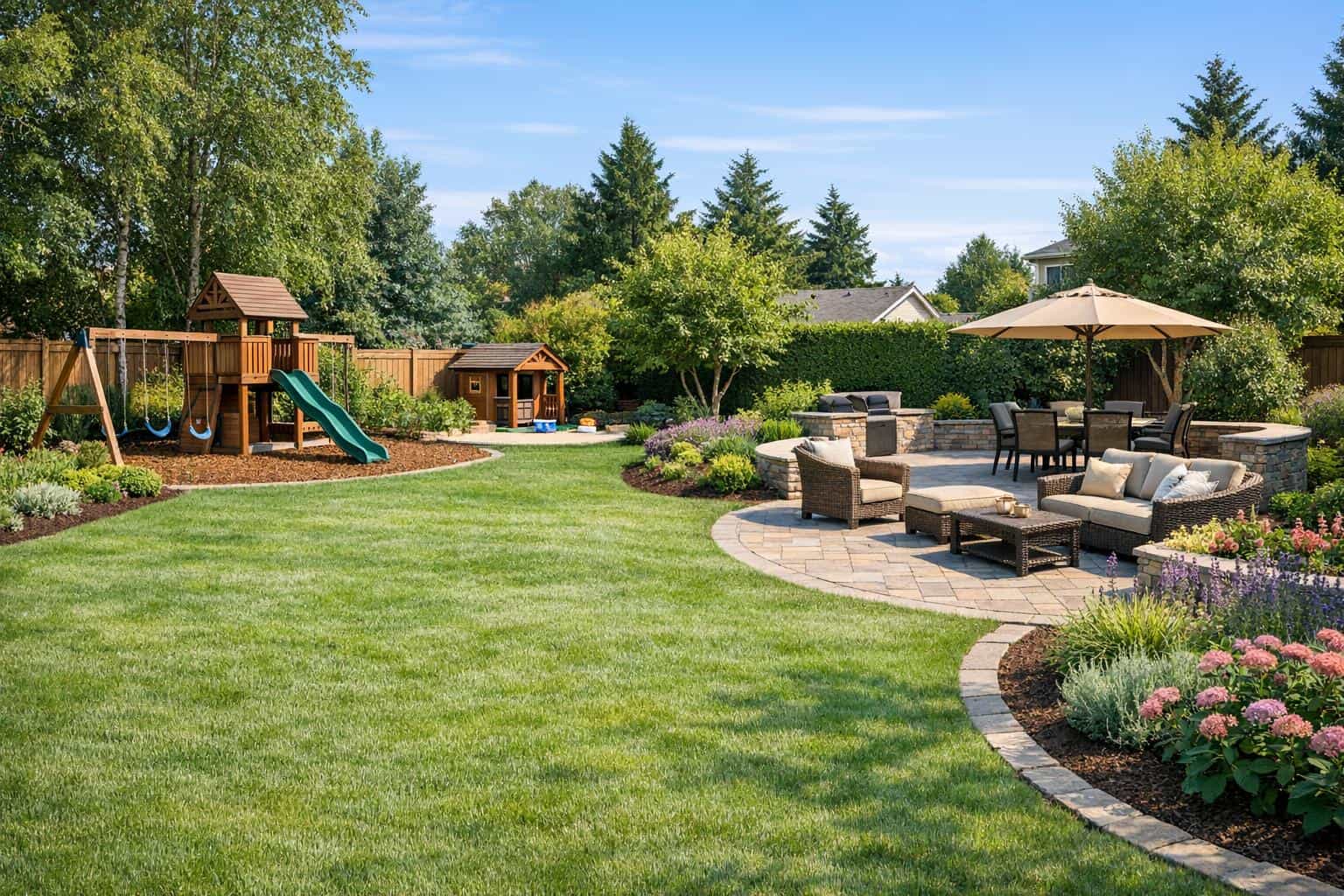
    Backyard Renovation Planning Guide related example showing Kid-friendly suburban backyard with lawn, patio, planting, and open family play space
    This related backyard detail helps show how site conditions and finish choices can change the homeowner's plan.
    • Where does water go during storms or irrigation cycles?
    • Which doors, gates, and side-yard paths control access?
    • Are there buried utilities, irrigation lines, or tree roots to protect?
    • Does the yard need grading, retaining, or drainage work before finish upgrades?

    Estimate the first backyard renovation range

    Use these calculators to compare a broad renovation range with a focused patio range before deciding what belongs in phase one.

    Landscaping Cost Range Calculator

    Estimate a broad landscaping budget range for common homeowner project types before comparing quotes.

    Paver Patio Cost Calculator

    Estimate patio cost ranges using size, paver tier, prep complexity, and demolition assumptions.


    Plan the renovation in phases

    Phasing is not just a budget tactic. It is a sequencing tool. Drainage, grading, retaining walls, and major hardscape usually need to come before planting, lighting, furniture, and decorative details. When phase one is planned with later phases in mind, the homeowner avoids paying twice for demolition, access, or layout changes.

    Backyard Renovation Planning Guide related example showing Pet-Friendly Backyard Landscaping relevant to homeowner warning signs and maintenance decisions
    This related backyard detail helps show how site conditions and finish choices can change the homeowner's plan.
    • Phase one: solve access, drainage, grading, and core layout.
    • Phase two: build the primary patio, path, lawn, or planting structure.
    • Phase three: add lighting, privacy, shade, furniture, and finish details.
    • Future phase: outdoor kitchen, fire feature, pergola, or secondary seating zone.

    What to ask contractors before hiring

    A backyard renovation often crosses trade boundaries, so the estimate should clarify who owns design, demolition, drainage, hardscape, planting, irrigation, lighting, cleanup, and warranty details. Homeowners should compare scope, not just total price.

    • What site conditions could change the price after work starts?
    • Which parts of the project should happen before hardscape or planting?
    • How will drainage and irrigation be protected or changed?
    • What is included in cleanup, soil prep, and final grading?

    The best backyard renovation plan gives the contractor enough clarity to quote accurately while leaving room for site-specific recommendations. That balance helps homeowners avoid both vague bids and overdesigned plans that are not realistic to build.


  • Outdoor Privacy Solutions for Backyards, Side Yards, and Patios

    Outdoor Privacy Solutions for Backyards, Side Yards, and Patios

    Privacy problems in a yard are rarely solved by planting something tall and hoping it fills in quickly. The best outdoor privacy solutions depend on where the exposure is coming from, how fast the homeowner needs relief, what kind of maintenance is acceptable, and whether the yard also needs better layout, shade, or circulation.

    This guide helps homeowners compare privacy solutions for backyards, side yards, and patios so they can choose an approach that actually fits the site instead of copying a photo that worked somewhere else.


    Start with the type of privacy problem

    Privacy can mean several different things. Some homeowners need to block a direct second-story sightline. Others want to make a patio dining area feel less exposed, soften a fence line, or create a more private side-yard walkway. The source of the exposure changes the right solution.

    • Direct side-to-side views from neighboring windows or yards
    • Overhead visibility from decks or second-story rooms
    • Exposure around patios, pools, hot tubs, or dining areas
    • Utility or service areas that look messy from key views

    When planting works best

    Planting is often the best solution when homeowners want privacy that feels softer and more integrated into the landscape. Trees, hedges, layered shrubs, and trellis planting can all work well, but they require enough rooting space, the right mature size, and a realistic maintenance plan.

    Outdoor Privacy Solutions for Backyards, Side Yards, and Patios related example showing Residential privacy landscaping scene with layered screening plants, planting beds, and fence line context
    This privacy example gives homeowners a visual reference for comparing layout, materials, and maintenance tradeoffs before starting the project.
    • Use evergreen screening for year-round coverage where space allows.
    • Use layered planting when the goal is to soften views instead of fully block them.
    • Use small trees or tall shrubs when overhead lines or narrow beds limit larger screening choices.
    • Plan for irrigation and pruning access before choosing dense privacy planting.

    Homeowners who want more planting-specific examples can also review Privacy Landscaping Guide and related pages such as Privacy Screening for Side Yards.


    When fences, screens, and structures make more sense

    Built privacy solutions are often better when the homeowner needs faster results, has very limited space, or wants to screen a specific activity zone like a patio, hot tub, or side-yard utility area. These solutions can also work well when planting is part of the final plan but cannot provide enough near-term coverage on its own.

    • Decorative fence panels for narrow spaces
    • Trellis screens with vines where airflow and filtered coverage are preferred
    • Pergolas, slatted walls, or privacy panels around patios and lounge areas
    • Hybrid approaches that combine a structural screen with planting

    How layout changes can improve privacy without building a full wall

    Sometimes the best privacy solution is not taller screening. Moving the dining table, rotating the seating direction, adding a planting island, or shifting the walkway can reduce exposure dramatically. This is why privacy planning often overlaps with broader patio and backyard design decisions.


    What homeowners should compare before choosing

    Estimate a privacy-focused landscape upgrade

    Privacy projects can include planting, screens, grading, patio adjustments, and lighting. Use this broad range calculator as a planning starting point before asking for bids.

    Landscaping Cost Range Calculator

    Estimate a broad landscaping budget range for common homeowner project types before comparing quotes.

    Privacy choices should be evaluated on more than appearance. Homeowners should compare speed of coverage, maintenance, mature size, irrigation needs, winter performance, and whether the solution creates a space that still feels open enough to enjoy.

    Outdoor Privacy Solutions for Backyards, Side Yards, and Patios related example showing Privacy landscaping project relevant to homeowner timeline planning and screening-installation sequencing
    This related privacy detail helps show how site conditions and finish choices can change the homeowner's plan.
    • How quickly the screen needs to work
    • Available planting width or structural footprint
    • Desired maintenance level over time
    • Whether the solution should fully block or only soften views
    • How the privacy treatment will affect adjacent circulation and usable space

    How to choose the right solution

    The right privacy solution is usually the one that matches the exact exposure problem and the homeowner’s tolerance for time, maintenance, and cost. Quick structural screening may make sense near a patio, while layered planting may be the better long-term move along a property edge. In many yards, the best answer is a combination of both.

    Outdoor Privacy Solutions for Backyards, Side Yards, and Patios related example showing Pet-Friendly Backyard Landscaping detail relevant to warning signs, wear, and maintenance decisions
    This related privacy detail helps show how site conditions and finish choices can change the homeowner's plan.

    Homeowners hire smarter when they treat privacy as a planning question rather than a single-product purchase. That approach leads to screens that feel intentional, useful, and integrated into the rest of the landscape.


  • Backyard Living Space Ideas by Budget and Yard Size

    Backyard Living Space Ideas by Budget and Yard Size

    A backyard living space does not have to mean a full luxury build with every feature installed at once. For most homeowners, the better question is how to create a yard that works better for daily use, entertaining, comfort, and long-term value within a realistic budget and a realistic amount of space.

    This guide organizes backyard living-space ideas by yard size and budget so homeowners can think more clearly about what to prioritize first and what can be phased later.


    What makes a backyard feel like a living space

    The best backyard living spaces are not defined by size alone. They work because circulation, seating, shade, lighting, and surface choices support how the household actually uses the yard. Even a modest space can feel intentional when there is a clear place to sit, move, gather, and transition between the house and the yard.

    • A defined surface for seating or dining
    • Enough circulation room so the area does not feel cramped
    • Comfort elements such as shade, privacy, or evening lighting
    • A relationship to planting that softens the edges instead of leaving the space exposed

    Ideas for smaller budgets

    Smaller budgets often work best when homeowners focus on one strong zone instead of too many unfinished upgrades. A compact patio, cleaned-up border planting, privacy screening in the right direction, and better lighting can transform how the space feels without forcing a full-yard rebuild.

    Backyard Living Space Ideas by Budget and Yard Size related example showing Small Backyard Landscaping detail relevant to planning mistakes, layout, and upkeep expectations
    This backyard example gives homeowners a visual reference for comparing layout, materials, and maintenance tradeoffs before starting the project.
    • A modest dining or lounge pad with better edge planting
    • Simple privacy screening where the space feels most exposed
    • Lighting that makes evening use easier and safer
    • Furniture layout that creates one clear activity zone

    Homeowners comparing smaller-space ideas should also review Small Backyard Landscaping Ideas and Backyard Landscaping Ideas and Planning for more detailed layout thinking.


    Ideas for medium-size yards and phased budgets

    Medium-size yards often have the best opportunity for phased improvement. Homeowners can create a first patio or seating area, then add shade, planting, lighting, or a secondary zone later. The key is to plan the full layout before phase one so the early investment does not block better options later.

    Backyard Living Space Ideas by Budget and Yard Size related example showing Kid-friendly suburban backyard with lawn, patio, planting, and open family play space
    This related backyard detail helps show how site conditions and finish choices can change the homeowner's plan.
    • Separate dining and lounge areas with a connected circulation path
    • Add shade structure or privacy planting after the primary layout is set
    • Use planting to divide zones instead of relying only on hardscape
    • Leave room for future outdoor kitchen, fire feature, or play area decisions

    Ideas for larger yards

    Larger yards can support multiple zones, but they can also become disjointed if too many features are added without a strong plan. A larger backyard living space should still feel organized. That usually means a primary gathering area, a supporting secondary use area, and landscape transitions that make the yard feel connected rather than scattered.

    Backyard Living Space Ideas by Budget and Yard Size related example showing Pet-Friendly Backyard Landscaping relevant to homeowner warning signs and maintenance decisions
    This related backyard detail helps show how site conditions and finish choices can change the homeowner's plan.
    • Primary entertaining patio close to the house
    • Secondary lounge, fire, or quiet retreat space farther into the yard
    • Walkway or planting transitions that connect the zones
    • Lighting, privacy, and maintenance planning that scales with the size of the space

    How budget should shape feature choices

    Estimate the first-phase backyard budget

    Use these calculators to compare a broad backyard improvement range with a more focused patio range before deciding what to phase first.

    Landscaping Cost Range Calculator

    Estimate a broad landscaping budget range for common homeowner project types before comparing quotes.

    Paver Patio Cost Calculator

    Estimate patio cost ranges using size, paver tier, prep complexity, and demolition assumptions.

    Budget should influence sequencing more than style. Homeowners usually get a better long-term result by building one strong, comfortable zone first instead of buying too many disconnected features at once. If the project will eventually include a pergola, kitchen, or privacy screen, those future plans should influence the first layout even if they are not part of the first phase.


    How to choose the right starting point

    The best starting point is the feature that will change day-to-day use the most. For some households that is a dining patio. For others it is shade, privacy, or a cleaner circulation path from the house. Backyard living-space planning works best when homeowners prioritize function first and let style grow from that foundation.

    A backyard becomes more usable when it reflects how people actually live. Budget and yard size matter, but the bigger advantage comes from planning the space in a way that feels intentional, comfortable, and realistic to build over time.


  • Patio Designer vs Patio Contractor Guide for Homeowners

    Patio Designer vs Patio Contractor Guide for Homeowners

    Many homeowners start a patio project by searching for a contractor when the bigger question is whether the layout has been thought through yet. Other homeowners hire for design help first when the project is already simple enough for a qualified contractor to build directly. The right path depends on the complexity of the yard, the number of decisions still unresolved, and how many connected features are involved.

    This guide explains the difference between a patio designer and a patio contractor so homeowners can decide what kind of help they need before spending money in the wrong order.


    What a patio designer does

    A patio designer helps homeowners solve layout and planning questions before installation begins. That may include circulation, furniture zones, relationship to the house, shade, privacy, planting integration, lighting, and how the patio fits into the broader backyard. Design work is especially useful when several outdoor-living features need to work together.

    Patio Designer vs Patio Contractor Guide for Homeowners related example showing Concrete, paver, and stone outdoor surfaces showing common patio and walkway material choices for homeowners
    This patio example gives homeowners a visual reference for comparing layout, materials, and maintenance tradeoffs before starting the project.
    • Organizes layout before materials are chosen
    • Helps define seating, dining, cooking, or lounge zones
    • Improves circulation and spacing around doors and pathways
    • Coordinates planting, privacy, shade, and outdoor-living features

    What a patio contractor does

    A patio contractor is responsible for building the project. That includes prep, excavation, base work, drainage details, material installation, edge conditions, and cleanup. Some contractors can also help refine layout decisions, but their core value is construction execution rather than concept development.

    Patio Designer vs Patio Contractor Guide for Homeowners related example showing Backyard privacy planting with gaps and overgrowth near a patio seating area
    This related patio detail helps show how site conditions and finish choices can change the homeowner's plan.
    • Site preparation and demolition
    • Base prep and compaction
    • Drainage planning within the construction scope
    • Paver, concrete, or stone installation
    • Transitions to lawn, planting beds, steps, or walkways

    Homeowners can compare this build-side role with pages like Patio Installation Guide and What a Patio Quote Should Include if they are already moving into the estimate phase.


    When homeowners need design first

    Design usually comes first when the patio is part of a larger backyard plan, when the space has awkward circulation, or when the homeowner is still deciding between multiple use patterns. It is also helpful when the yard needs privacy screening, lighting, kitchen space, or multiple seating areas that must feel connected instead of pieced together.

    Patio Designer vs Patio Contractor Guide for Homeowners related example showing Pet-Friendly Backyard Landscaping detail relevant to warning signs, wear, and maintenance decisions
    This related patio detail helps show how site conditions and finish choices can change the homeowner's plan.
    • The patio is part of a backyard renovation rather than a one-for-one replacement
    • There are unresolved questions about size, shape, and circulation
    • The project also includes planting, privacy, lighting, or grading decisions
    • The homeowner wants to compare more than one layout direction

    When a contractor-first approach is often enough

    Check the patio cost range before choosing the right help

    A rough patio range can make it easier to decide whether the biggest remaining risk is layout planning, construction scope, or both.

    Paver Patio Cost Calculator

    Estimate patio cost ranges using size, paver tier, prep complexity, and demolition assumptions.

    A contractor-first path can work well when the project is straightforward. That usually means the patio location is already clear, the homeowner knows the intended use, and the site does not require a more holistic redesign. In those situations, the contractor can often help with practical refinements while still keeping the job efficient.

    • Simple replacement of an existing patio footprint
    • A modest expansion with clear dimensions and use
    • No major unresolved grading, privacy, or circulation issues
    • Limited number of connected features beyond the patio surface itself

    How to avoid paying twice for the same decisions

    Homeowners sometimes pay separately for design and construction discussions that overlap without actually moving the project forward. The key is to define what decisions still need to be made and who should own them. Design should answer layout and concept questions. Construction should answer buildability, pricing, and execution questions.

    When both roles are needed, the handoff should be clean. That means the contractor receives enough design clarity to quote accurately, and the homeowner knows which decisions are already settled before installation starts.


    How to choose the right path

    If the yard still feels unresolved, design usually comes first. If the project is already clearly defined and mainly needs a competent build team, a contractor-first path often makes sense. Homeowners do best when they match the kind of help to the kind of uncertainty that remains.

    The smartest patio projects are not just well built. They are well planned. Choosing between a patio designer and a patio contractor is really a decision about whether the biggest remaining risk is layout uncertainty or construction execution.