Hiring and Planning

Hiring and planning guides that help homeowners compare contractors, ask better questions, and understand project expectations before work begins.

Start with the service type

Landscaping Services Guideposts

Use these guides to understand what each service includes before comparing providers or requesting quotes.

Core service explainers

Start here when you are still deciding what kind of landscaper or outdoor contractor you need.

Compare before you hire

Use these pages when two services or surface choices sound similar but lead to different scopes.

Hire smarter

Planning And Contractor Comparison

Use this hub when you are moving from ideas into estimates, bids, and contractor conversations.

Before requesting estimates

These guides help define scope and compare companies before the first site visit.

Budget with better assumptions

Cost Guides And Calculators

Use this hub to move from rough budget ranges into the details that usually change quotes.

Calculator starting points

Open the calculator hub or a cost guide when you need a quick planning range.

High-impact cost decisions

These pages help compare choices where price, lifespan, and maintenance tradeoffs matter.

Understand the build

Installation And Site-Work Pathways

Use these guides to understand sequencing, site prep, access, and the details that affect long-term performance.

Hardscape and site prep

These projects often depend on base prep, demolition, grading, drainage, and access.

Drainage and retaining work

Use these when water, grade, or slope stability is part of the project.

Choose materials with ownership in mind

Material And Finish Decision Paths

Use these guides when appearance, maintenance, replacement, and budget all affect the right material choice.

Surface and finish comparisons

Compare outdoor surfaces before committing to a driveway, patio, or lawn direction.

Landscape material planning

Use these pages when quantity, delivery, or long-term maintenance are the main concern.

Protect the investment

Maintenance And Ownership Next Steps

Use these guides to understand ongoing care, seasonal refreshes, and when maintenance points to a bigger fix.

Maintenance planning

These guides help compare recurring service, seasonal work, and refresh projects.

When upkeep becomes repair

Use these when repeated maintenance problems suggest drainage, surface, or material issues.

  • Retaining Wall Planning Guide for Homeowners

    Retaining Wall Planning Guide for Homeowners

    A retaining wall should be planned as a site problem first and a visible landscape feature second. Homeowners often start with block color, wall face, or price per square foot, but the wall’s real job is usually tied to slope, drainage, soil pressure, access, and how the yard will be used after the wall is built.

    This retaining wall planning guide helps homeowners organize the decisions that should happen before comparing estimates. It also points into the deeper retaining-wall guides on permits, access, materials, drainage, and bid review when a project needs more detail.


    Start with what the wall must do

    The first planning question is the wall’s purpose. A low decorative border, a garden terrace, a patio support wall, and a structural slope-retention wall have very different risks. If the purpose is unclear, contractors may price different assumptions and the homeowner may end up comparing bids that are not really the same job.

    • Decorative wall: mainly defines beds, edges, or small grade changes.
    • Terrace wall: creates flatter planting or lawn areas on a slope.
    • Patio or driveway support wall: protects usable hardscape from grade movement.
    • Slope-stability wall: may need engineering, permits, geogrid, and heavier drainage planning.

    For broader retaining-wall basics, start with Retaining Wall Guide for Homeowners.


    Check height, slope, and drainage before choosing materials

    Wall height, soil type, surcharge load, slope above or below the wall, and water movement affect the design more than the visible block style. Drainage behind the wall is especially important because trapped water can add pressure, stain the wall face, push soil, or shorten the useful life of the project.

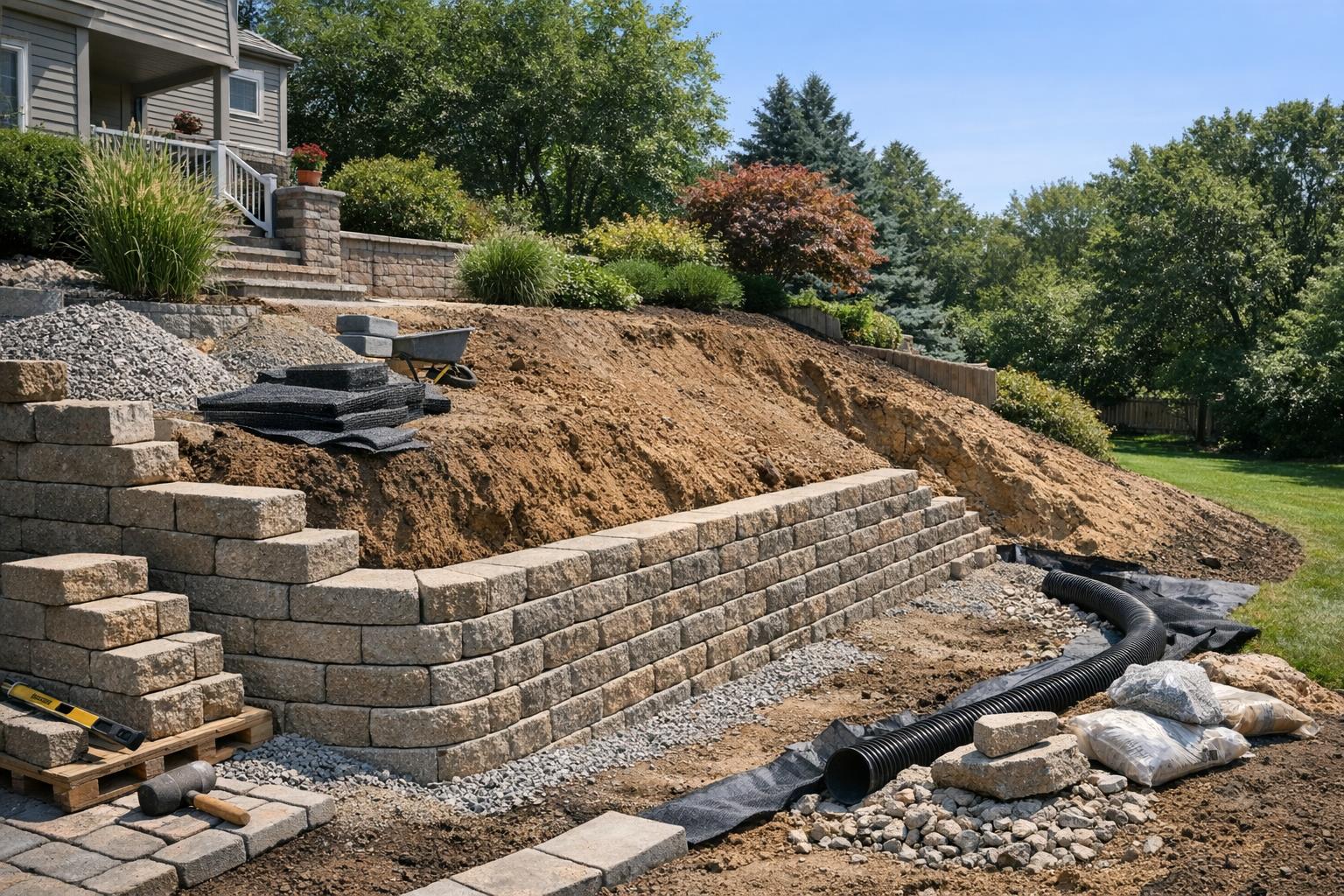
    Retaining Wall Planning Guide for Homeowners related example showing Residential retaining wall installation scene with excavation, blocks, and slope conditions
    This retaining wall example gives homeowners a visual reference for comparing layout, materials, and maintenance tradeoffs before starting the project.
    • Measure the approximate height change the wall must hold back.
    • Watch where roof runoff, irrigation, and storm water move during wet periods.
    • Ask whether the wall needs drain rock, pipe, filter fabric, weep holes, or surface drainage changes.
    • Clarify whether fences, patios, driveways, trees, or structures add load near the wall.

    Estimate retaining wall and drainage planning ranges

    Use these calculators to test how wall size, material, drainage, and broader site assumptions can change a rough planning range before reviewing contractor bids.

    Retaining Wall Cost Calculator

    Estimate retaining wall pricing with wall size, material type, drainage, and access assumptions.

    Drainage Cost Calculator

    Estimate drainage project pricing for swales, French drains, and catch basin style systems.


    Plan access and staging early

    Retaining walls usually require excavation, base material, backfill, drainage aggregate, block or concrete, and debris removal. A narrow side yard, steep slope, tight gate, protected planting area, or limited street access can change labor time and equipment options. These access details should be part of the estimate, not a surprise after the project starts.

    • Where can material be delivered and staged without blocking daily use?
    • Can small equipment reach the wall area, or will more work be done by hand?
    • What existing irrigation, lighting, plants, fences, or hardscape must be protected?
    • How will excavated soil and demolition debris leave the property?

    If access is tight, review Retaining Wall Access and Staging Guide before approving scope.


    Know when permits or engineering may matter

    Permit rules vary by location, wall height, surcharge, and nearby structures. Homeowners should ask contractors how they handle permit checks, drawings, engineering, inspection, and code-related changes. Even when a permit is not required, a wall that holds meaningful grade still needs a build plan that explains base, drainage, reinforcement, and backfill.

    For more detail, use Retaining Wall Permit Prep Guide and Retaining Wall Geogrid Planning Guide.


    What a retaining wall estimate should explain

    A strong estimate should make the hidden work visible. The proposal should explain wall purpose, height, length, material, base, excavation, drainage, backfill, reinforcement, access, cleanup, permits, and exclusions. If a quote focuses only on the wall face, the homeowner may not be seeing the performance-critical parts of the project.

    Retaining Wall Planning Guide for Homeowners related example showing Retaining wall detail relevant to leaning, cracking, and warning signs
    This related retaining wall detail helps show how site conditions and finish choices can change the homeowner's plan.
    • Wall dimensions, material, cap, and finish assumptions
    • Base preparation, excavation depth, and compaction approach
    • Drainage system, backfill material, and water outlet plan
    • Permit, engineering, access, demolition, and cleanup responsibilities

    Before choosing a contractor, compare this page with What a Retaining Wall Estimate Should Include and Retaining Wall Contractors Near Me.


    How to use this guide

    Use this page as the planning hub before turning a retaining wall idea into a quote request. The goal is not to design the wall yourself. The goal is to understand enough about purpose, water, soil, access, permits, and scope that contractor conversations become clearer and the final estimate is easier to compare.

  • What a Lawn Installation Estimate Should Include

    What a Lawn Installation Estimate Should Include

    A lawn installation estimate should explain why the chosen surface fits the yard. Sod, seed, hydroseed, and artificial turf have different prep needs, cost ranges, establishment timelines, and maintenance expectations.

    Use this checklist before approving lawn replacement, new lawn installation, or artificial turf work.


    The estimate should explain the prep

    • Removal of old lawn, weeds, debris, rocks, or failed turf
    • Grading, soil amendment, topsoil, compaction repair, and drainage issues
    • Irrigation inspection, repair, scheduling, or changes needed before installation
    • Surface choice, area, material quantity, seams, edges, and establishment plan
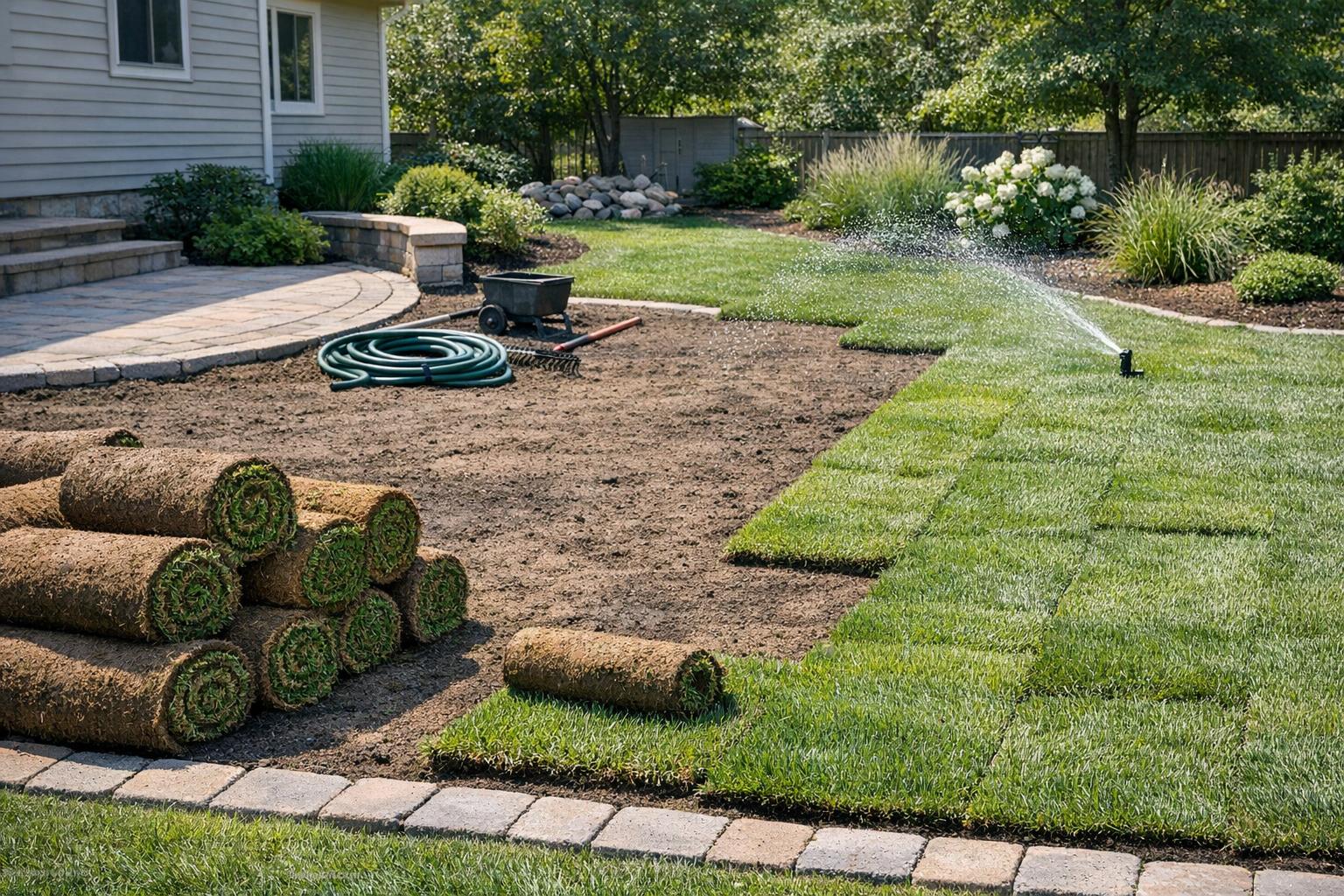
    Sod and lawn prep example showing irrigation, timing, and traffic planning issues before installation
    Prep, irrigation, and timing assumptions should be visible in the estimate before the lawn is installed.

    Compare lawn installation options

    Use these calculators to compare sod, seed, hydroseed, and artificial turf ranges before reviewing contractor proposals.

    Sod vs Seed Cost Calculator

    Compare rough installed cost ranges for sod, seed, and hydroseed on the same lawn area.

    Artificial Turf Cost Calculator

    Estimate artificial turf pricing with turf grade, removal needs, access, and install complexity.


    Ownership details that should not be vague

    • Watering schedule, mowing timing, first-use timing, and pet restrictions
    • Who is responsible if living grass fails during establishment
    • How shaded, sloped, wet, compacted, or high-traffic areas will be handled
    • Cleanup, disposal, warranty, excluded repairs, and follow-up visits
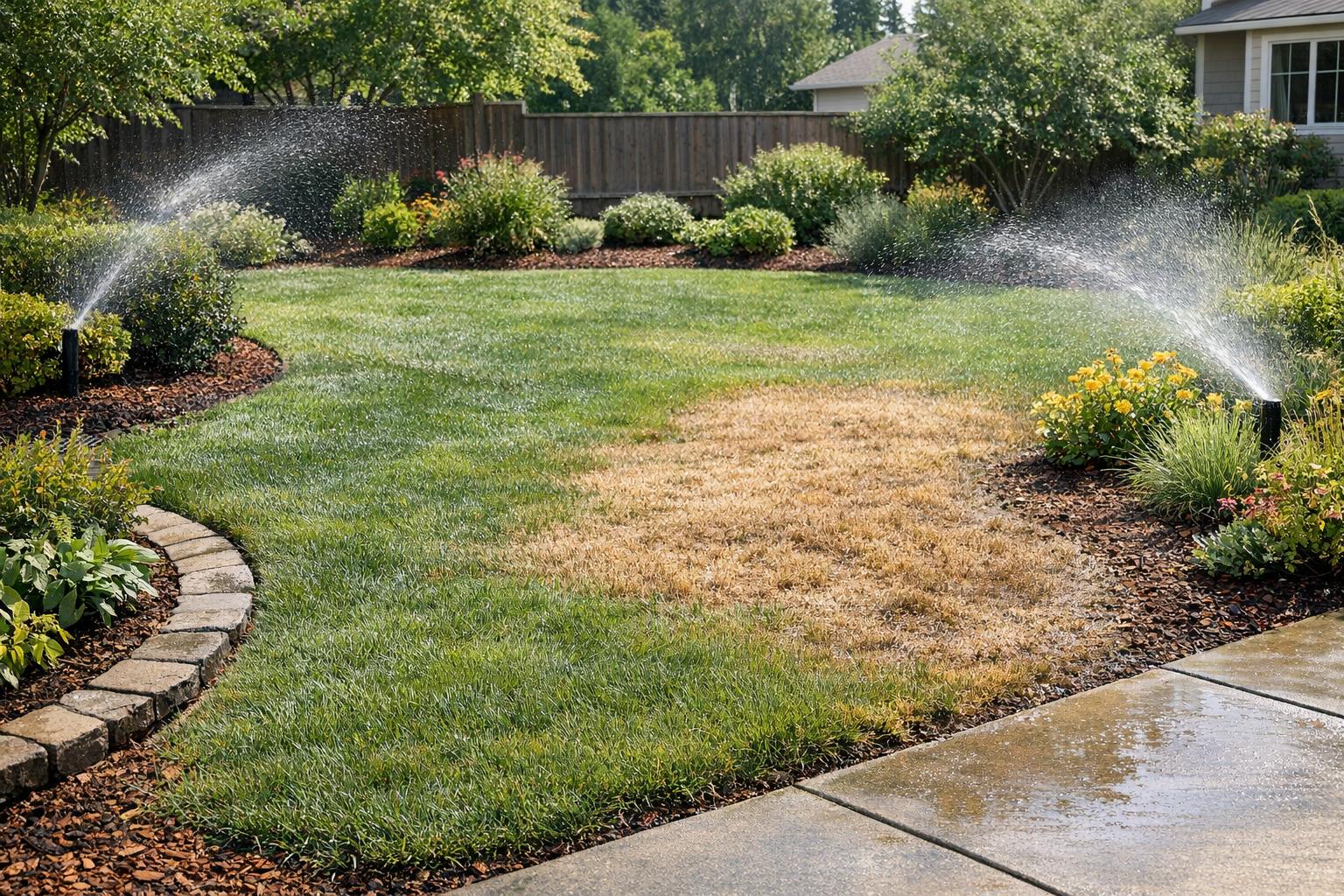
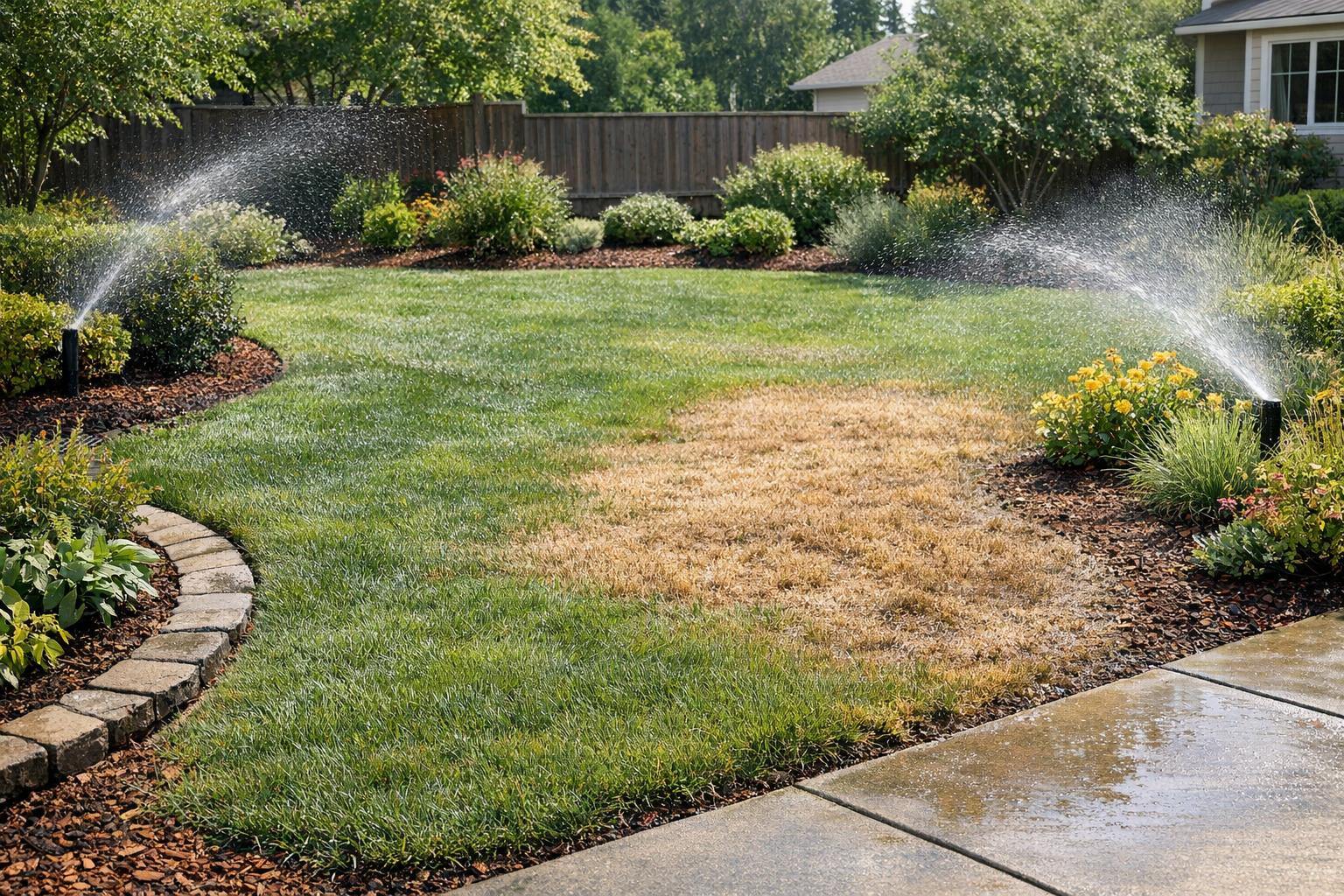
    Lawn warning sign example showing thinning, irrigation stress, and traffic damage
    Weak establishment, irrigation stress, and early wear are easier to discuss when the estimate defines ownership responsibilities.

    Use this with Lawn Installation Companies Near Me and Artificial Turf vs Sod.


  • What an Irrigation Estimate Should Include

    What an Irrigation Estimate Should Include

    Irrigation estimates should separate repair, retrofit, and redesign. A broken sprinkler head is not the same as poor zone layout, low pressure, controller problems, or a system that no longer fits the planting and lawn areas.

    Use this guide before approving sprinkler repair, drip conversion, controller upgrades, or a new irrigation system.

    What an Irrigation Estimate Should Include related example showing Irrigation detail relevant to controller checks, head alignment, and maintenance
    This irrigation example gives homeowners a visual reference for comparing layout, materials, and maintenance tradeoffs before starting the project.

    What the company should inspect

    • Controller settings, valves, heads, nozzles, pressure, leaks, and coverage gaps
    • Lawn zones, planting-bed zones, drip areas, slopes, shade, and overspray
    • Whether the estimate is repair, partial retrofit, or full replacement
    • How the system will be tested and adjusted after work is complete

    Estimate irrigation cost before approving scope

    Use this calculator to compare repair, retrofit, and new-system ranges before reviewing the written proposal.

    What an Irrigation Estimate Should Include related example showing Residential irrigation project relevant to homeowner quote comparison and watering-system scope review
    This related irrigation detail helps show how site conditions and finish choices can change the homeowner's plan.

    Irrigation Cost Calculator

    Estimate irrigation pricing based on area, system style, number of zones, and controller choice.


    What should be written in the proposal

    • Number of zones, controller work, valve work, head/nozzle replacements, and drip materials
    • Trenching, restoration, smart controls, sensors, pressure regulation, and permits if needed
    • Exclusions for hidden line breaks, root conflicts, electrical issues, or low supply pressure
    • Seasonal maintenance, programming support, and warranty terms

    Use this with Irrigation Companies Near Me and Irrigation System Guide.

    What an Irrigation Estimate Should Include related example showing Pet-Friendly Backyard Landscaping relevant to homeowner warning signs and maintenance decisions
    This related irrigation detail helps show how site conditions and finish choices can change the homeowner's plan.

  • What a Retaining Wall Estimate Should Include

    What a Retaining Wall Estimate Should Include

    A retaining wall estimate should do more than price visible wall face. The wall’s purpose, height, soil pressure, drainage, base, backfill, reinforcement, access, and permit needs all affect whether the wall performs over time.

    Use this page to compare retaining wall proposals before choosing a contractor or approving a material.

    What a Retaining Wall Estimate Should Include related example showing Retaining wall construction detail relevant to drainage, reinforcement, and quote scope for homeowners
    This retaining wall example gives homeowners a visual reference for comparing layout, materials, and maintenance tradeoffs before starting the project.

    Start with wall purpose and risk

    • Decorative garden wall, grade-retaining wall, patio support, driveway edge, or slope fix
    • Maximum exposed height and what sits above and below the wall
    • Drainage plan behind the wall and where collected water discharges
    • Whether engineering, permits, utility location, or inspections are required

    Estimate retaining wall range before bid review

    Use this calculator to test how wall size, material, drainage, access, demolition, and engineering assumptions can change the rough cost range.

    What a Retaining Wall Estimate Should Include related example showing Residential retaining wall installation scene with excavation, blocks, and slope conditions
    This related retaining wall detail helps show how site conditions and finish choices can change the homeowner's plan.

    Retaining Wall Cost Calculator

    Estimate retaining wall pricing with wall size, material type, drainage, and access assumptions.


    Scope details that protect the homeowner

    • Base depth, leveling pad, compaction, wall system, caps, geogrid, and backfill
    • Drain stone, pipe, outlets, filter fabric, weep details, and surface grading
    • Access limits, excavation, haul-off, cleanup, restoration, and excluded conditions
    • Warranty language for movement, leaning, drainage issues, and material defects

    Use this page with Retaining Wall Contractors Near Me and Retaining Wall Permit Prep.

    What a Retaining Wall Estimate Should Include related example showing Pet-Friendly Backyard Landscaping relevant to homeowner warning signs and maintenance decisions
    This related retaining wall detail helps show how site conditions and finish choices can change the homeowner's plan.

  • What a Drainage Estimate Should Include

    What a Drainage Estimate Should Include

    A drainage estimate should explain both the symptom and the water path. If a proposal names a French drain or catch basin but does not explain where the water comes from and where it will go, the homeowner is being asked to approve a solution without a diagnosis.

    Use this checklist to compare drainage proposals before approving trenching, grading, basin installation, or downspout work.

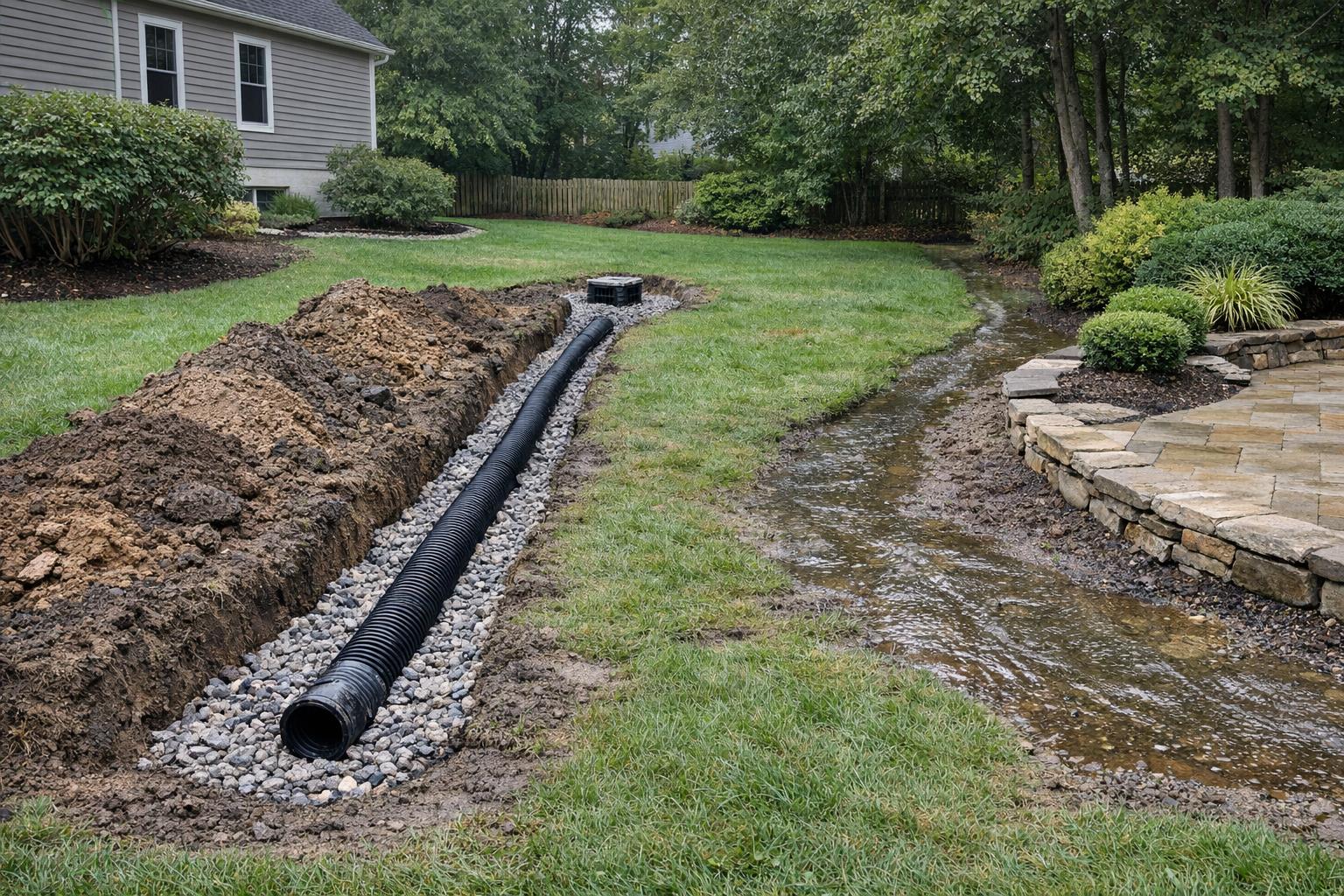
    What a Drainage Estimate Should Include related example showing Drainage detail relevant to pooling, runoff shifts, and warning signs
    This drainage example gives homeowners a visual reference for comparing layout, materials, and maintenance tradeoffs before starting the project.

    The estimate should name the diagnosis

    • Surface runoff, roof runoff, subsurface saturation, low spots, or grading issues
    • Where water currently collects and where it can safely discharge
    • Whether the work affects lawn, patio edges, planting beds, irrigation, or utilities
    • Which parts of the property will be restored after installation

    Estimate drainage scope before reviewing proposals

    Use this calculator to compare common drainage treatments before evaluating contractor estimates.

    What a Drainage Estimate Should Include related example showing Residential yard drainage project scene showing slope, runoff path, and site conditions that affect cost
    This related drainage detail helps show how site conditions and finish choices can change the homeowner's plan.

    Drainage Cost Calculator

    Estimate drainage project pricing for swales, French drains, and catch basin style systems.


    Details that should be written down

    • Drain type, length, depth, pipe, fabric, stone, basin, and outlet details
    • Grading, soil removal, trench restoration, seed, sod, mulch, or hardscape repair
    • Utility marking, permit assumptions, hidden condition exclusions, and warranty language
    • What happens if the planned outlet is blocked, too shallow, or not allowed

    Use this with Drainage Contractors Near Me and French Drain vs Surface Drain.

    What a Drainage Estimate Should Include related example showing Pet-Friendly Backyard Landscaping relevant to homeowner planning mistakes and layout decisions
    This related drainage detail helps show how site conditions and finish choices can change the homeowner's plan.

  • What a Hardscape Estimate Should Include

    What a Hardscape Estimate Should Include

    Hardscape estimates can look simple because the finished surface is visible and measurable. The real quality differences are usually below the surface: excavation depth, base material, compaction, drainage, edge restraint, and how the new work meets the rest of the yard.

    Use this checklist before approving a patio, walkway, driveway, wall, or outdoor surface proposal.

    What a Hardscape Estimate Should Include related example showing Landscape beds and groundcover materials relevant to homeowner quantity planning for mulch, soil, and decorative rock
    This materials example gives homeowners a visual reference for comparing layout, materials, and maintenance tradeoffs before starting the project.

    Core scope items to look for

    • Demolition, haul-off, excavation depth, and access assumptions
    • Base material, compaction method, edge restraint, bedding, and finish surface
    • Drainage slope, downspout conflicts, outlets, and restoration work
    • Material names, square footage, waste assumptions, cleanup, and warranty terms

    Estimate hardscape ranges before bid review

    Use these calculators to compare the rough size of patio, driveway, and retaining wall scopes before reviewing hardscape proposals.

    What a Hardscape Estimate Should Include related example showing Residential walkway and hardscape materials showing how different landscaping materials affect homeowner budgets
    This related materials detail helps show how site conditions and finish choices can change the homeowner's plan.

    Paver Patio Cost Calculator

    Estimate patio cost ranges using size, paver tier, prep complexity, and demolition assumptions.

    Driveway Cost Calculator

    Estimate driveway material plus labor ranges for gravel, asphalt, concrete, or paver installs.

    Retaining Wall Cost Calculator

    Estimate retaining wall pricing with wall size, material type, drainage, and access assumptions.


    Questions that reveal weak estimates

    • What base depth is included and why is it appropriate for this use?
    • How will water move after the surface is installed?
    • Which transitions, borders, steps, caps, or edge details are included?
    • What will cost extra if hidden conditions appear?

    For contractor fit, pair this with Hardscape Contractors Near Me and What a Patio Quote Should Include.

    What a Hardscape Estimate Should Include related example showing Pet-Friendly Backyard Landscaping detail relevant to warning signs, wear, and maintenance decisions
    This related materials detail helps show how site conditions and finish choices can change the homeowner's plan.

  • How to Compare Landscaping Bids Line by Line

    How to Compare Landscaping Bids Line by Line

    Landscaping bids are hard to compare when each company describes the work differently. One proposal may include demolition, grading, drainage, cleanup, and plant replacement. Another may show a lower total because those items are vague, excluded, or left for later change orders.

    This guide gives homeowners a practical way to compare landscaping bids line by line so the decision is based on scope and risk, not just the lowest number.

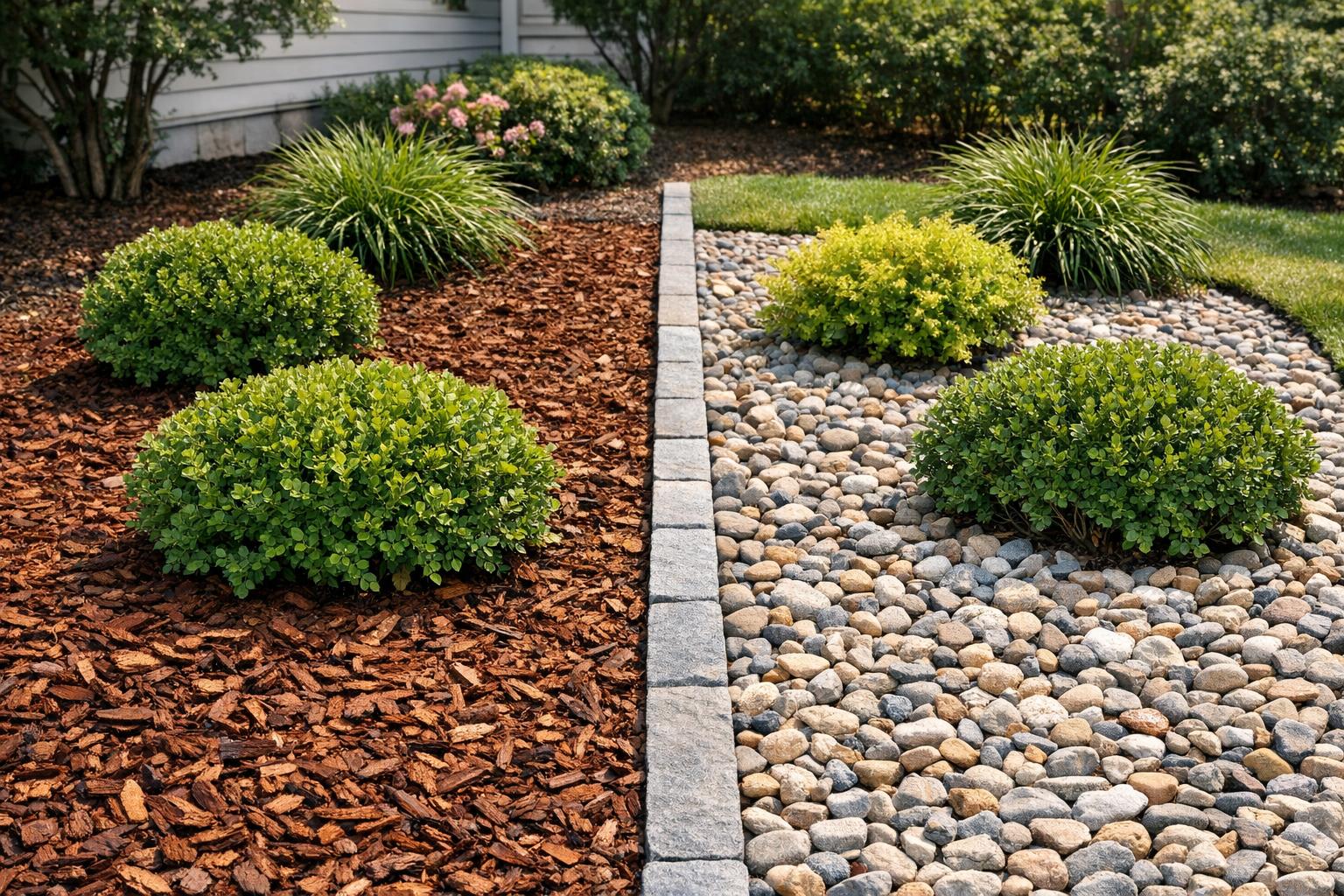
    How to Compare Landscaping Bids Line by Line related example showing Landscape beds and groundcover materials relevant to homeowner quantity planning for mulch, soil, and decorative rock
    This materials example gives homeowners a visual reference for comparing layout, materials, and maintenance tradeoffs before starting the project.

    Create the same comparison categories for every bid

    • Project goal and included work areas
    • Demolition, haul-off, access, grading, drainage, and prep
    • Named materials, quantities, allowances, and substitution rules
    • Labor, scheduling, cleanup, warranty, payment timing, and exclusions

    Pressure-test the total before comparing bids

    Use a rough planning range to spot bids that may be missing major assumptions before you ask contractors for clarification.

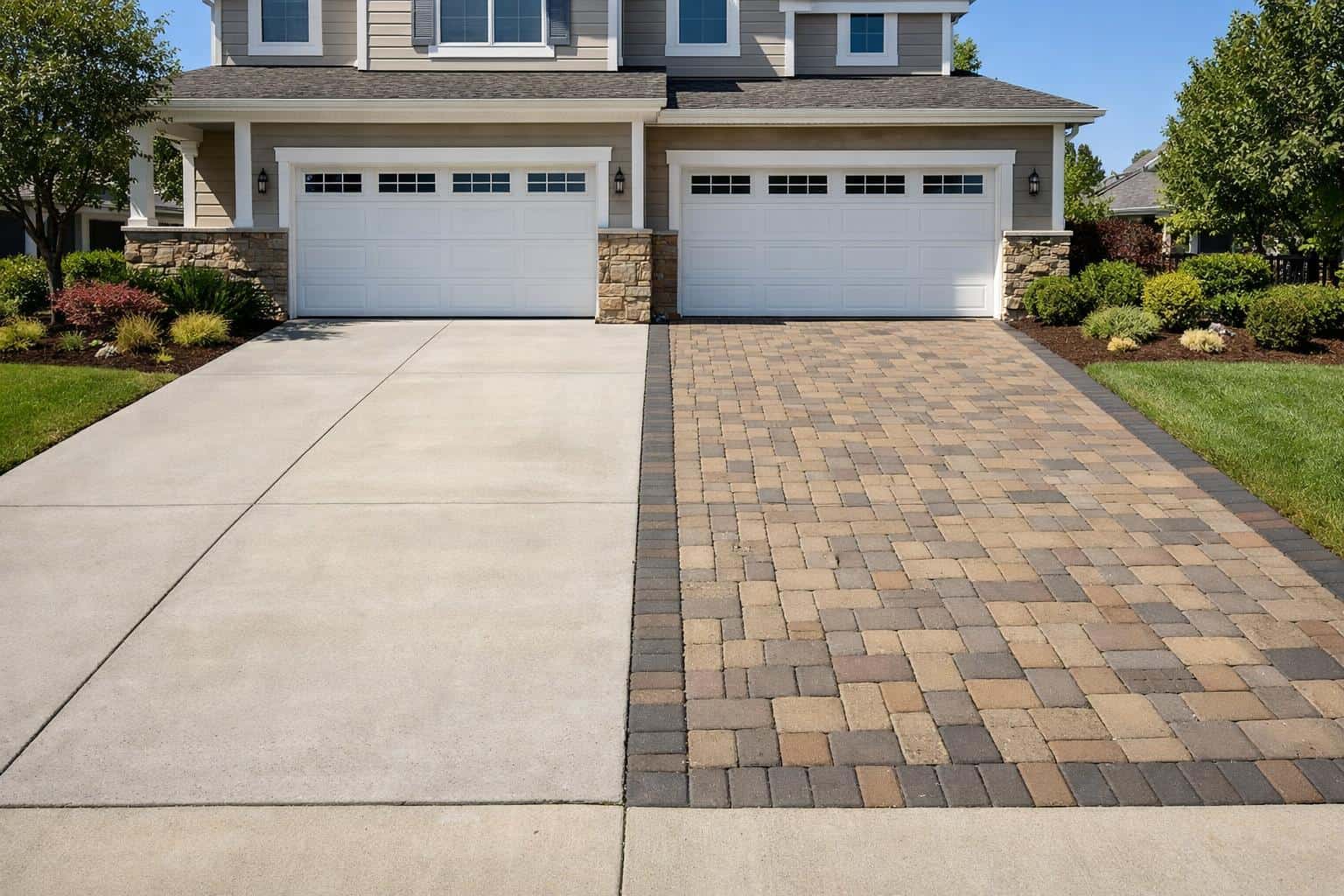
    How to Compare Landscaping Bids Line by Line related example showing Concrete, paver, and stone outdoor surfaces showing common patio and walkway material choices for homeowners
    This related materials detail helps show how site conditions and finish choices can change the homeowner's plan.

    Landscaping Cost Range Calculator

    Estimate a broad landscaping budget range for common homeowner project types before comparing quotes.


    Watch for hidden differences in scope

    The most important differences are often buried in what the bid does not say. A patio bid that skips base depth, a drainage bid that does not name the outlet, or a planting bid that omits irrigation changes can look cheaper until the project starts.

    How to Compare Landscaping Bids Line by Line related example showing Pet-Friendly Backyard Landscaping detail relevant to warning signs, wear, and maintenance decisions
    This related materials detail helps show how site conditions and finish choices can change the homeowner's plan.
    • Ask each contractor what is specifically excluded.
    • Confirm whether restoration and cleanup are included.
    • Separate allowances from fixed selections.
    • Ask what site conditions could change the price.

    Use this page with How to Compare Landscaping Companies and Landscape Designers Near Me vs Landscaping Companies.


  • Irrigation Companies Near Me: Repair, Replacement, or New System?

    Irrigation Companies Near Me: Repair, Replacement, or New System?

    Irrigation companies can solve very different problems: broken heads, poor coverage, controller issues, leaks, pressure problems, drip conversion, valve failures, or full system replacement. The right hire depends on whether the system needs repair, redesign, or a new installation.

    This guide helps homeowners compare irrigation companies near them by diagnosis, repair scope, water efficiency, planting needs, and long-term maintenance.


    Separate repair problems from design problems

    Some irrigation problems are simple repairs. Others reveal that the system no longer matches the yard. New planting beds, artificial turf, patios, shade changes, or lawn removal can all make an old sprinkler layout inefficient.

    Irrigation Companies Near Me: Repair, Replacement, or New System? related example showing Irrigation detail relevant to planning mistakes, zoning, and controller decisions
    This irrigation example gives homeowners a visual reference for comparing layout, materials, and maintenance tradeoffs before starting the project.
    • Dry spots may be caused by broken heads, pressure issues, or poor layout.
    • Wet spots may point to leaks, low-head drainage, overspray, or bad scheduling.
    • Planting beds may need drip irrigation instead of spray heads.
    • A renovated yard may need zone changes before new plants or lawn go in.

    Estimate irrigation system cost

    Use this calculator to compare repair, retrofit, and new irrigation-system ranges before asking companies for a site visit.

    Irrigation Cost Calculator

    Estimate irrigation pricing based on area, system style, number of zones, and controller choice.


    What an irrigation company should inspect

    A useful estimate should inspect controller settings, valves, heads, pressure, coverage, leaks, slope, plant types, and whether the system fits the current yard. If the company only swaps broken parts, it may miss the reason those parts are failing or wasting water.

    Irrigation Companies Near Me: Repair, Replacement, or New System? related example showing Residential yard showing irrigation zones, sprinklers, and planting areas that affect project cost
    This related irrigation detail helps show how site conditions and finish choices can change the homeowner's plan.

    Use this page with Irrigation System Guide and Landscape Maintenance Services Guide when ownership and upkeep are part of the decision.


    Questions to ask before approving work

    • Is this a repair, a partial retrofit, or a full redesign?
    • Will the company check coverage after repairs are complete?
    • Are controller programming, rain sensors, or smart controls included?
    • What maintenance should happen seasonally to prevent repeat issues?

    A good irrigation company helps the homeowner understand whether the system can be tuned, needs targeted repair, or should be redesigned around the way the yard is used now.

    Irrigation Companies Near Me: Repair, Replacement, or New System? related example showing Pet-Friendly Backyard Landscaping relevant to homeowner warning signs and maintenance decisions
    This related irrigation detail helps show how site conditions and finish choices can change the homeowner's plan.

  • Landscape Designers Near Me vs Landscaping Companies: Who Do You Need?

    Landscape Designers Near Me vs Landscaping Companies: Who Do You Need?

    Homeowners often search for landscape designers near them when the real question is whether the project needs design help, installation help, or both. A designer can clarify layout and materials before pricing. A landscaping company may be enough when the scope is already clear and the project mainly needs execution.

    This guide helps homeowners decide which kind of help to seek first so money is spent in the right order.


    When a landscape designer should come first

    Design help is usually most valuable when the yard has several connected decisions. That might include patios, privacy, planting, drainage, lighting, walkways, retaining walls, or phased construction. A designer can turn vague ideas into a plan that contractors can price more accurately.

    Landscape Designers Near Me vs Landscaping Companies: Who Do You Need? related example showing Landscape beds and groundcover materials relevant to homeowner quantity planning for mulch, soil, and decorative rock
    This materials example gives homeowners a visual reference for comparing layout, materials, and maintenance tradeoffs before starting the project.
    • The homeowner is unsure where major features should go.
    • The project affects several parts of the yard at once.
    • The budget needs phasing before installation begins.
    • Material, planting, drainage, and circulation decisions overlap.

    Frame the project size before choosing help

    Use this calculator to estimate a broad landscaping range before deciding whether design planning, installation pricing, or both should come first.

    Landscaping Cost Range Calculator

    Estimate a broad landscaping budget range for common homeowner project types before comparing quotes.


    When a landscaping company may be enough

    A landscaping company can often lead when the project is straightforward: replacing plants, installing sod, refreshing beds, building a simple patio, or handling defined maintenance work. Some companies also offer design-build services, which can be helpful when the design and installation need to stay connected.

    Landscape Designers Near Me vs Landscaping Companies: Who Do You Need? related example showing Concrete, paver, and stone outdoor surfaces showing common patio and walkway material choices for homeowners
    This related materials detail helps show how site conditions and finish choices can change the homeowner's plan.

    For company comparison, pair this with How to Compare Landscaping Companies and Backyard Renovation Planning Guide.


    How to avoid paying twice

    • Ask whether design fees are separate, credited, or built into installation pricing.
    • Confirm whether the plan includes enough detail for competing bids.
    • Avoid full construction estimates before the scope is clear enough to price.
    • Avoid overdesigning a small project that a qualified installer can solve directly.

    The right first hire depends on what is uncertain. If the uncertainty is layout, style, sequencing, or tradeoffs, start with design. If the uncertainty is mainly price and execution, start with qualified companies that can quote a defined scope.

    Landscape Designers Near Me vs Landscaping Companies: Who Do You Need? related example showing Pet-Friendly Backyard Landscaping detail relevant to warning signs, wear, and maintenance decisions
    This related materials detail helps show how site conditions and finish choices can change the homeowner's plan.

  • Lawn Installation Companies Near Me: Sod, Seed, Hydroseed, or Turf?

    Lawn Installation Companies Near Me: Sod, Seed, Hydroseed, or Turf?

    Lawn installation companies may recommend sod, seed, hydroseed, artificial turf, soil repair, irrigation changes, or grading before the new lawn goes in. The best option depends on budget, timeline, sun, water, pets, soil, and how much maintenance the homeowner will actually keep doing.

    This guide helps homeowners compare lawn installation companies near them by surface choice, prep work, establishment plan, and long-term ownership expectations.


    Start with why the old lawn failed

    Replacing a lawn without understanding the failure pattern can waste money. Thin turf may point to shade, compaction, poor soil, irrigation gaps, pet wear, drainage, or mowing practices. A good contractor should identify those issues before selling a new surface.

    Lawn Installation Companies Near Me: Sod, Seed, Hydroseed, or Turf? related example showing Lawn detail relevant to thinning, irrigation stress, and warning signs
    This lawn example gives homeowners a visual reference for comparing layout, materials, and maintenance tradeoffs before starting the project.
    • Is the lawn failing because of water, shade, traffic, soil, pests, or drainage?
    • Does the yard need grading or soil amendment before installation?
    • Will the irrigation system support the new lawn type?
    • Is the homeowner choosing living grass or a lower-maintenance artificial surface?

    Compare lawn establishment options

    Use these calculators to compare sod, seed, hydroseed, and artificial turf ranges for the same area before asking companies for site-specific bids.

    Sod vs Seed Cost Calculator

    Compare rough installed cost ranges for sod, seed, and hydroseed on the same lawn area.

    Artificial Turf Cost Calculator

    Estimate artificial turf pricing with turf grade, removal needs, access, and install complexity.


    Compare establishment and maintenance expectations

    Sod gives a fast finished look but needs careful watering during establishment. Seed can cost less but takes longer and is more exposed to washout or patchiness. Hydroseed can work well for larger areas. Artificial turf changes the maintenance profile but requires its own base prep, drainage, and heat considerations.

    Lawn Installation Companies Near Me: Sod, Seed, Hydroseed, or Turf? related example showing Residential lawn comparison showing fresh sod installation and newly seeded yard preparation
    This related lawn detail helps show how site conditions and finish choices can change the homeowner's plan.

    Use this guide with Artificial Turf vs Sod and Sod vs Seed before deciding.


    What to ask lawn installation companies

    • What soil prep, grading, or irrigation adjustment is included?
    • What watering schedule is needed after installation?
    • Who is responsible if sod fails during establishment?
    • How will seams, edges, slopes, pet areas, and shaded spots be handled?

    A strong lawn installation quote should make the first month of ownership clear. The homeowner needs to know not only what will be installed, but what care the new lawn needs to survive.

    Lawn Installation Companies Near Me: Sod, Seed, Hydroseed, or Turf? related example showing Pet-Friendly Backyard Landscaping relevant to homeowner planning mistakes and layout decisions
    This related lawn detail helps show how site conditions and finish choices can change the homeowner's plan.