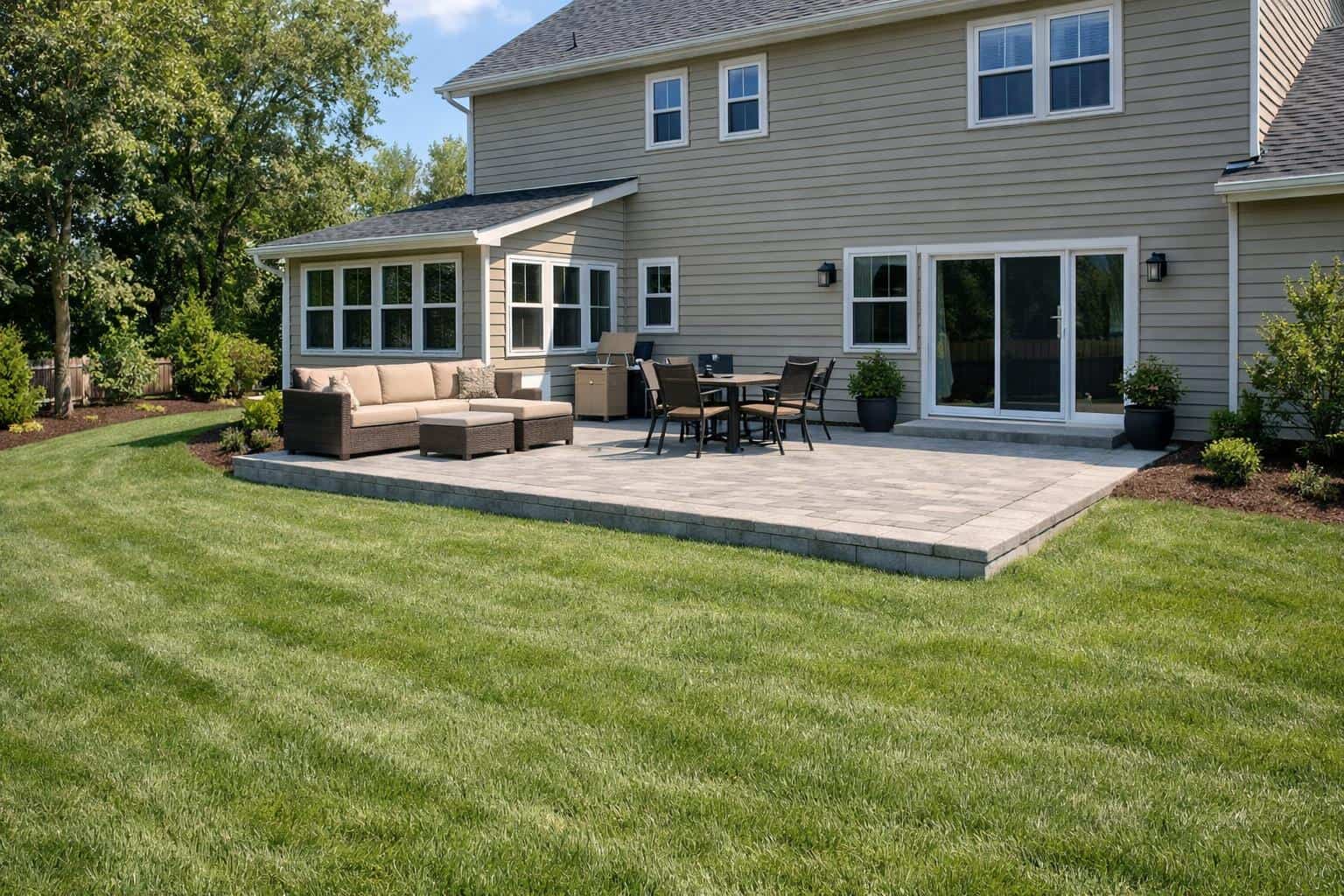
Regrading can feel expensive until homeowners compare it to the ongoing cost of water sitting in the wrong places, undermining the rest of the yard, or limiting how the property can be used.

Where regrading often adds the most value
- When yard shape is the root cause of repeated wet spots or bad runoff direction.
- When the corrected grade protects future patios, planting, or lawn from recurring water issues.
- When the change improves both drainage and how the yard can be used.
Why some regrading costs feel high
- Soil movement, access, shaping, and restoration all add labor.
- The visible low spot may only be one symptom of a broader grade problem.
- Good grading often has to be coordinated with drainage or landscape restoration work.
How to compare the value
- Ask what water problem the regrading truly solves.
- Compare the price to the cost of repeated soggy-yard fixes and damage below the slope.
- Think about what future landscape work the corrected grade protects.
Bottom line
The best grading value usually comes from solving the shape problem that keeps creating other landscape problems downstream.
For the broader overview, continue with Grading and Yard Leveling Guide for Homeowners.
Leave a Reply