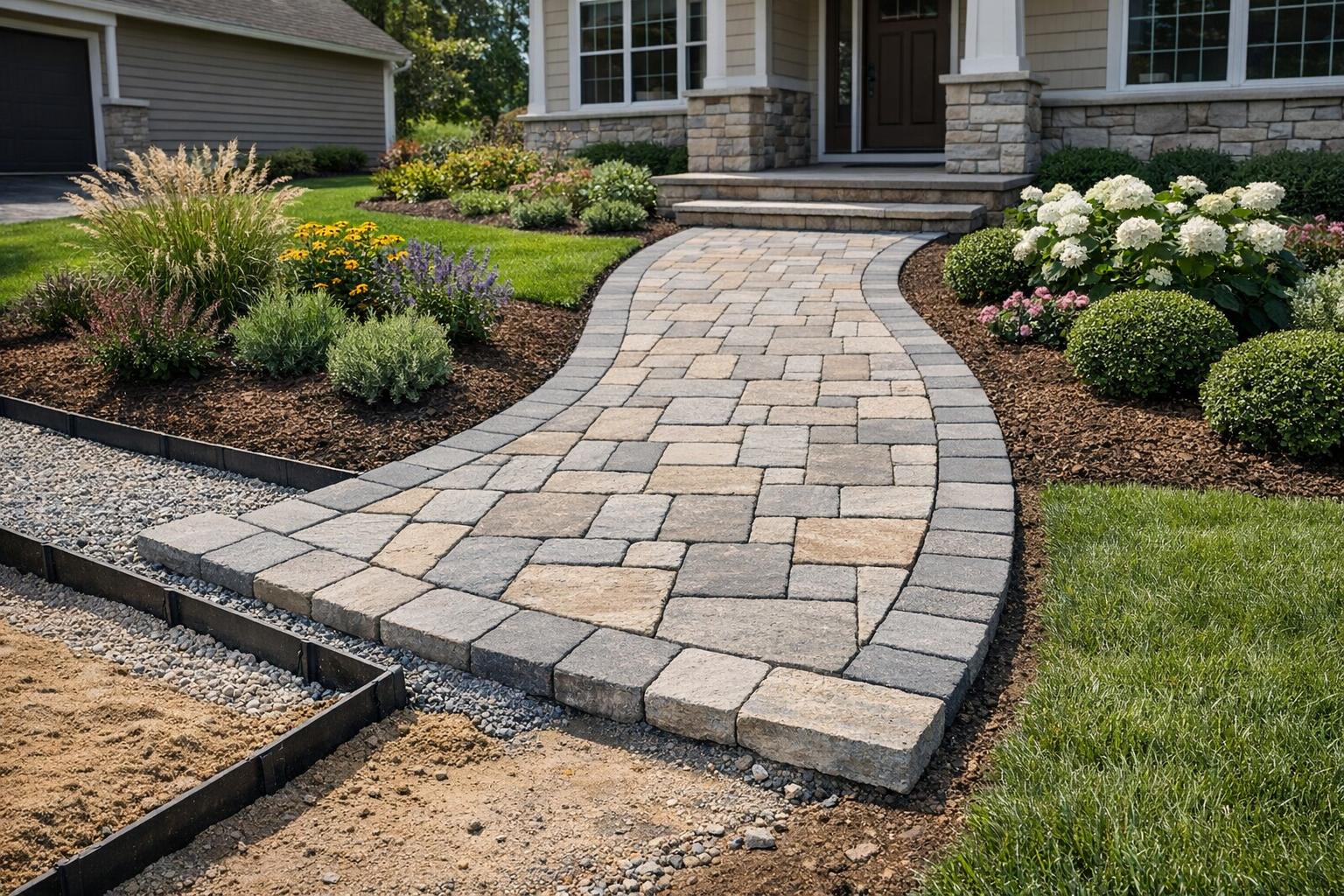
Landscaping material pricing is one of the most confusing parts of outdoor projects because homeowners are often seeing several types of pricing at once. Some materials are sold by the bag, some by the pallet, some by the square foot, and others by the cubic yard or ton. Delivery charges, waste factor, color or style upgrades, and local availability can all shift the final number.
That is why it helps to think of material cost in terms of both the product itself and the quantity format it is usually sold in.

Bulk materials versus packaged materials
Mulch, soil, compost, gravel, and decorative rock are often far more economical in bulk for larger projects, while bagged material may make sense for small refreshes or touch-up work. Homeowners should compare not just the sticker price, but also how much material is actually needed and whether delivery or pickup costs erase the apparent savings.
Hardscape material price differences can be substantial
Pavers, natural stone, concrete products, wall block, and specialty finishes often sit in very different pricing tiers. Pallet counts, special-order colors, pattern complexity, and regional availability all affect budget. A material that looks similar in a photo can land in a very different installed-price range once labor and waste are included.
Plants and specialty materials vary by size and season
Plant pricing often changes with size, container volume, species, and seasonal availability. The same is true for turf, seed blends, lighting fixtures, and irrigation components. Homeowners comparing prices should always ask what size, grade, or product level the quote actually assumes.
The materials overview guide, where-to-buy guide, and patio and walkway materials guide are useful companion reads when homeowners want a more practical buying plan.
Leave a Reply