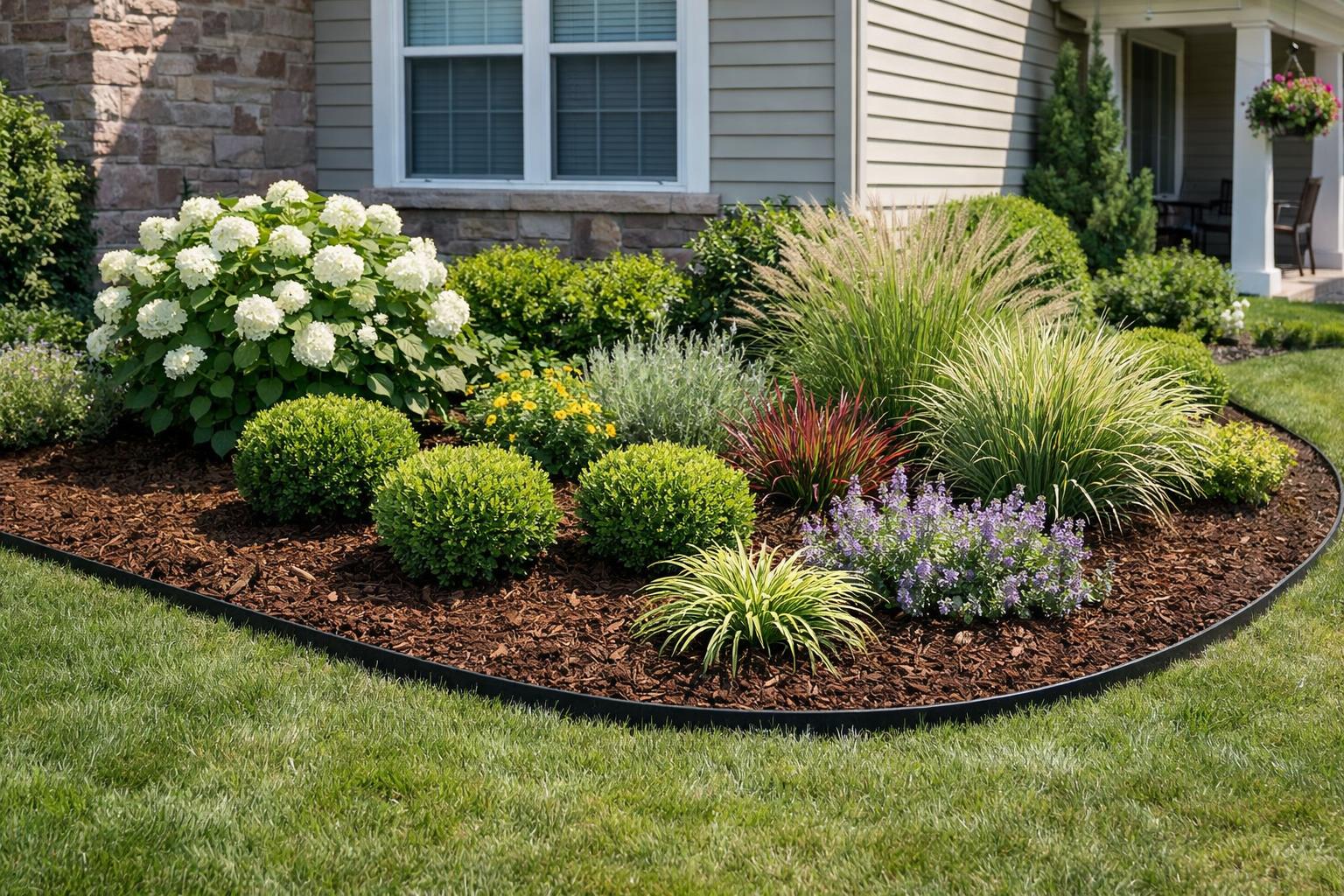
Plant shopping is one of the easiest places for homeowners to oversimplify a landscaping decision. Two plants may carry the same label but look very different in health, shape, size, or long-term suitability. That is why comparing nursery material should involve more than reading a species tag and checking the price.
The goal is to choose material that is healthy, appropriately sized, and genuinely suited to the site instead of simply choosing the largest plant on the lot.

Look at structure and visible health
Homeowners should pay attention to overall shape, signs of stress, foliage quality, broken branching, obvious dieback, and whether the plant looks balanced. For screening material, spacing and future growth habits matter as much as current height.
Ask about size, age, and care needs
Container size, maturity expectations, water needs, and transplant tolerance can all affect how the plant performs after installation. A bigger plant is not always better if the root system or site match is poor.
Compare nursery quality to project goals
Plant-buying decisions should still connect back to privacy, maintenance, shade, pollinator support, and visual style. The privacy landscaping guide, garden bed guide, and where-to-buy materials guide all help put nursery choices into context.

Leave a Reply