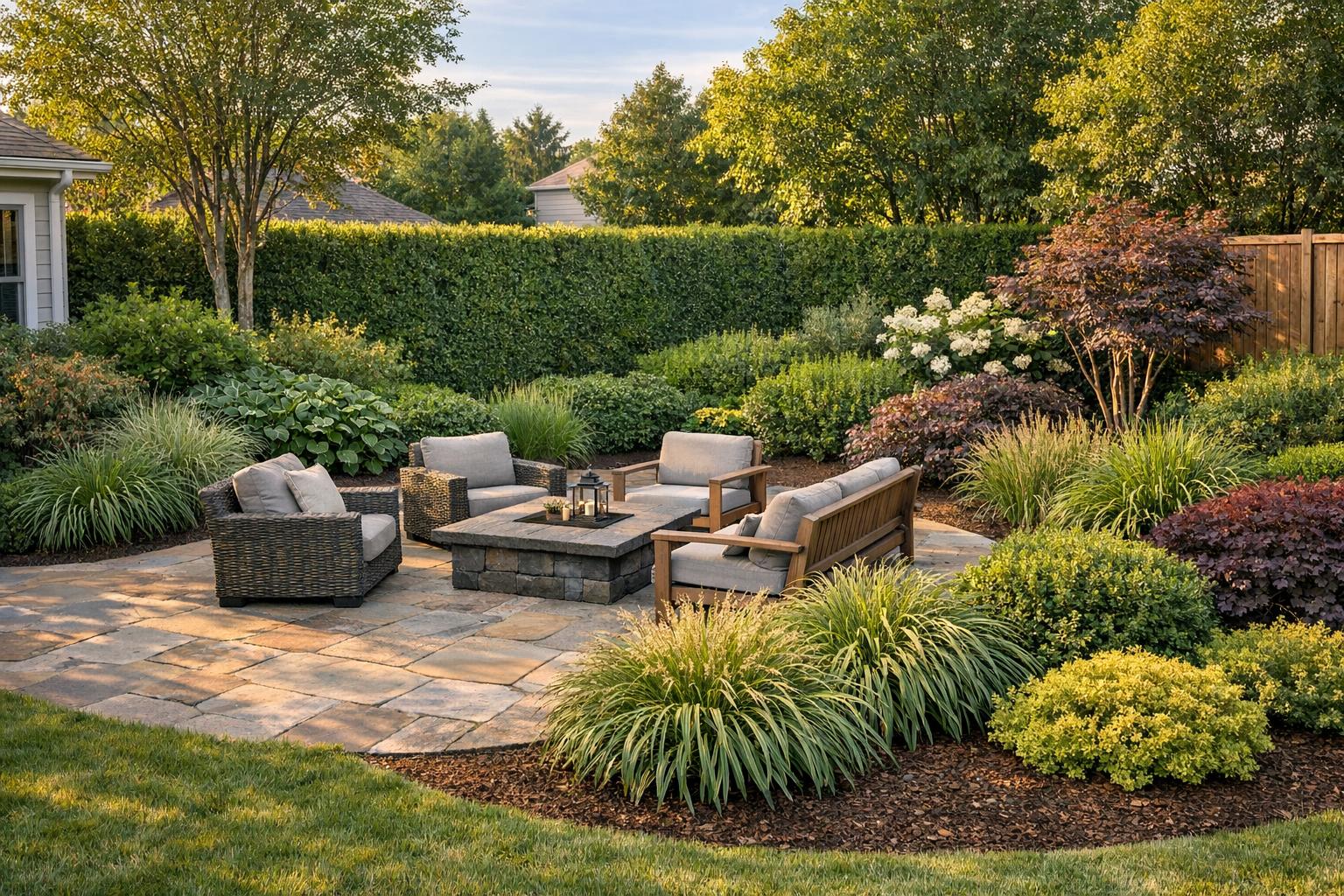
Privacy landscaping often looks easiest to maintain after the installation is finished, but long-term results depend on what happens in the seasons that follow. Watering consistency, pruning habits, plant health, gap management, and irrigation support all affect whether the screen becomes fuller or starts to thin out unevenly.
Many privacy screens struggle not because the original plan was poor, but because early maintenance habits do not match how the plants are expected to establish and grow.

Watering and growth management matter early
Newly installed screening plants often need more consistent support than homeowners expect. Watering patterns, irrigation adjustments, and watching for early stress can make a major difference in how evenly the screen fills in.
Pruning discipline and gap management matter later
Over-pruning, neglect, or ignoring weak spots in the screen can create thin areas that take a long time to correct. Seasonal checks help homeowners catch those issues before the privacy line loses density.
Maintenance works best when it follows the original strategy
The privacy landscaping expectations guide, privacy landscaping planning mistakes guide, and privacy landscaping guide help homeowners understand how to maintain the screen they actually built.
Leave a Reply