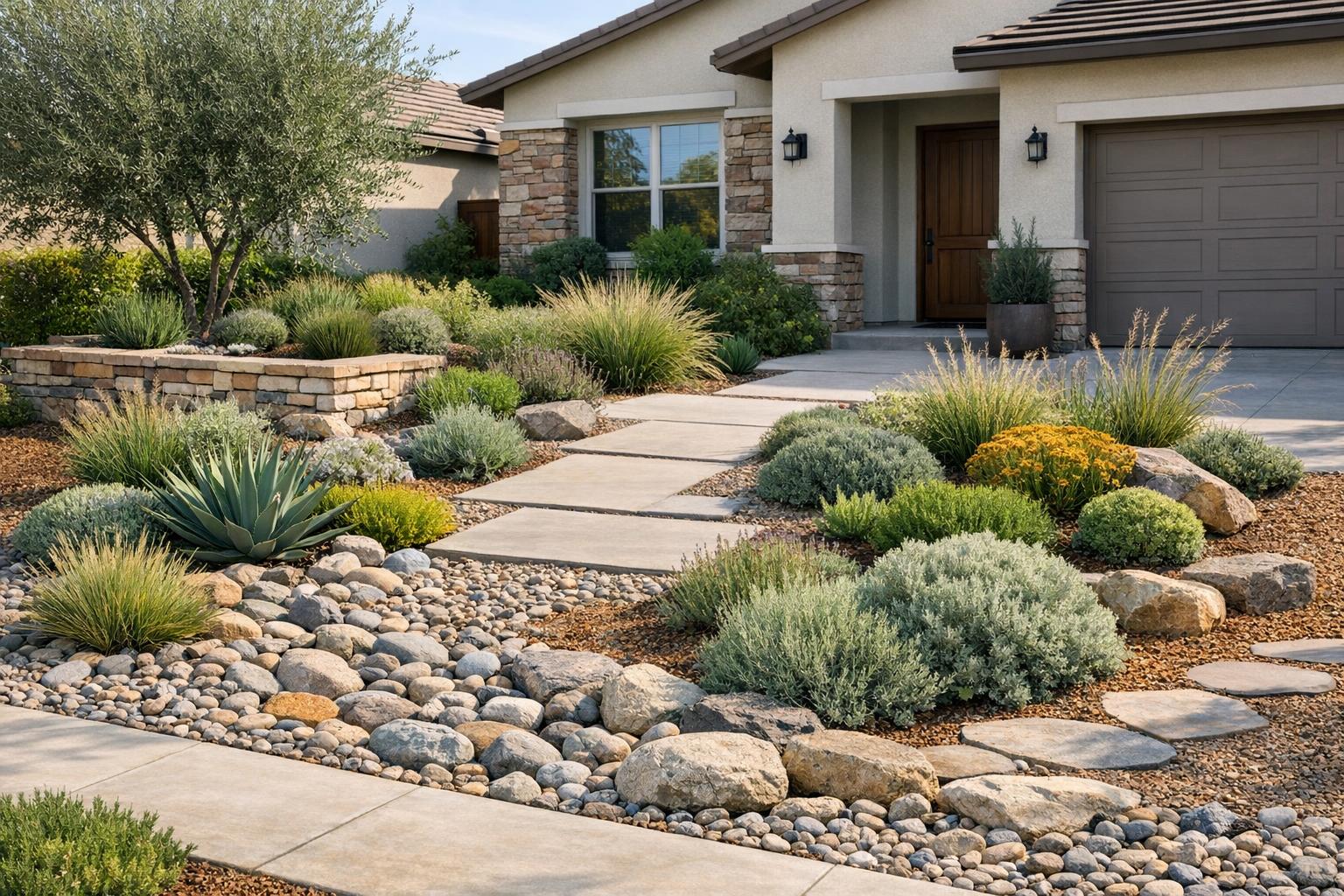
Homeowners often hear a material described as low maintenance without getting a clear explanation of what that actually means. Some products reduce watering but still need cleanup. Others hold their look well but are harder to refresh or repair. A truly low-maintenance choice usually depends on how the homeowner defines the work they most want to avoid.
That is why low maintenance should be treated as a set of tradeoffs, not a universal label.

Think beyond the first season
Some materials look very neat right after installation but become labor-heavy once weeds, settling, stain exposure, or edge drift appear. Others need occasional topping off but are simple to refresh. Long-term behavior matters more than first-impression neatness.

Compare cleanup, repairability, and refresh cycles
Homeowners should ask how the material handles debris, runoff, pet use, staining, fading, and small repairs. A material that is easy to touch up may feel lower-maintenance than one that lasts longer on paper but is frustrating to correct once it looks tired.
Maintenance depends on context
The low-maintenance landscaping guide, ground-cover lifespan guide, and low-water materials guide help connect those tradeoffs to real project choices.
Leave a Reply