Costs and Expectations

Cost and expectation guides focused on budgeting, lifespan, replacement decisions, and the real factors that shape landscaping quotes.

  • How Long Does a Retaining Wall Project Take Guide

    How Long Does a Retaining Wall Project Take Guide

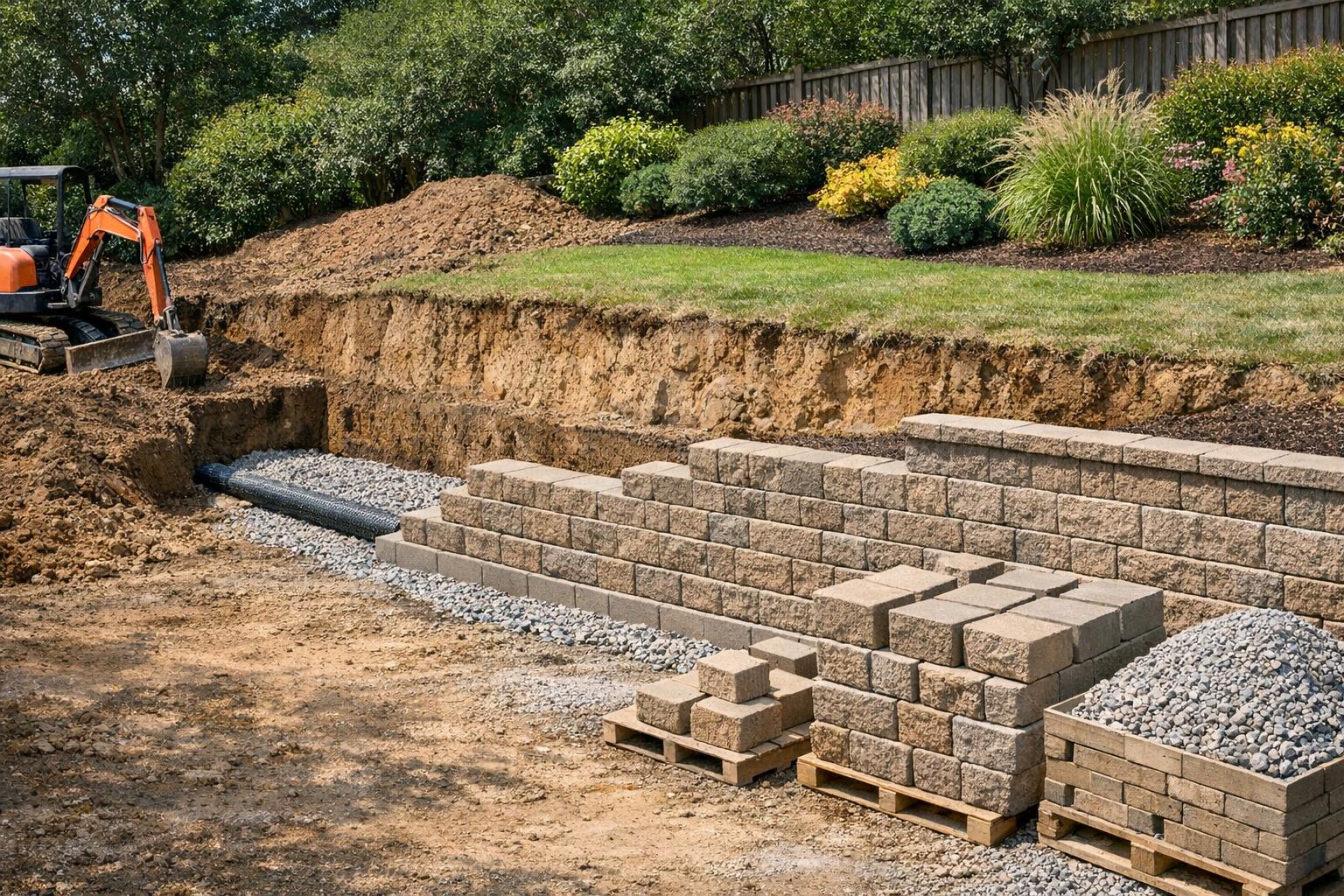
    Retaining wall timelines vary more than homeowners often expect because the visible wall face is only part of the construction process. Excavation, drainage, reinforcement, site access, engineering, and the pressure the wall is meant to handle can all affect how long the project takes. A short decorative wall and a taller structural retaining wall may look related but move on very different schedules.

    The more the wall is tied to slope correction or water management, the more the project tends to reflect broader site work instead of just material installation.

    What takes time in a retaining wall project

    Excavation, base preparation, drainage handling, backfill, reinforcement detail, and cleanup all shape the schedule. If the site is steep, tight, or already finished around the wall area, the project may take longer because the crew has less room to work and more restoration to handle.

    Engineering and permits can extend the timeline

    Some walls move quickly because they stay within simpler site conditions. Others need engineering, permits, or more careful drainage planning, which can extend the timeline before installation even begins. The permit guide and retaining wall guide help clarify that early planning stage.

    Timeline depends on more than block stacking

    Homeowners comparing schedules should focus on the whole job: excavation, drainage, reinforcement, site restoration, and whether the wall is part of a bigger drainage or grading project. The retaining wall cost guide is a good companion because many of the same complexity factors affect both price and timeline.
  • How Long Does a Patio Project Take Guide

    How Long Does a Patio Project Take Guide

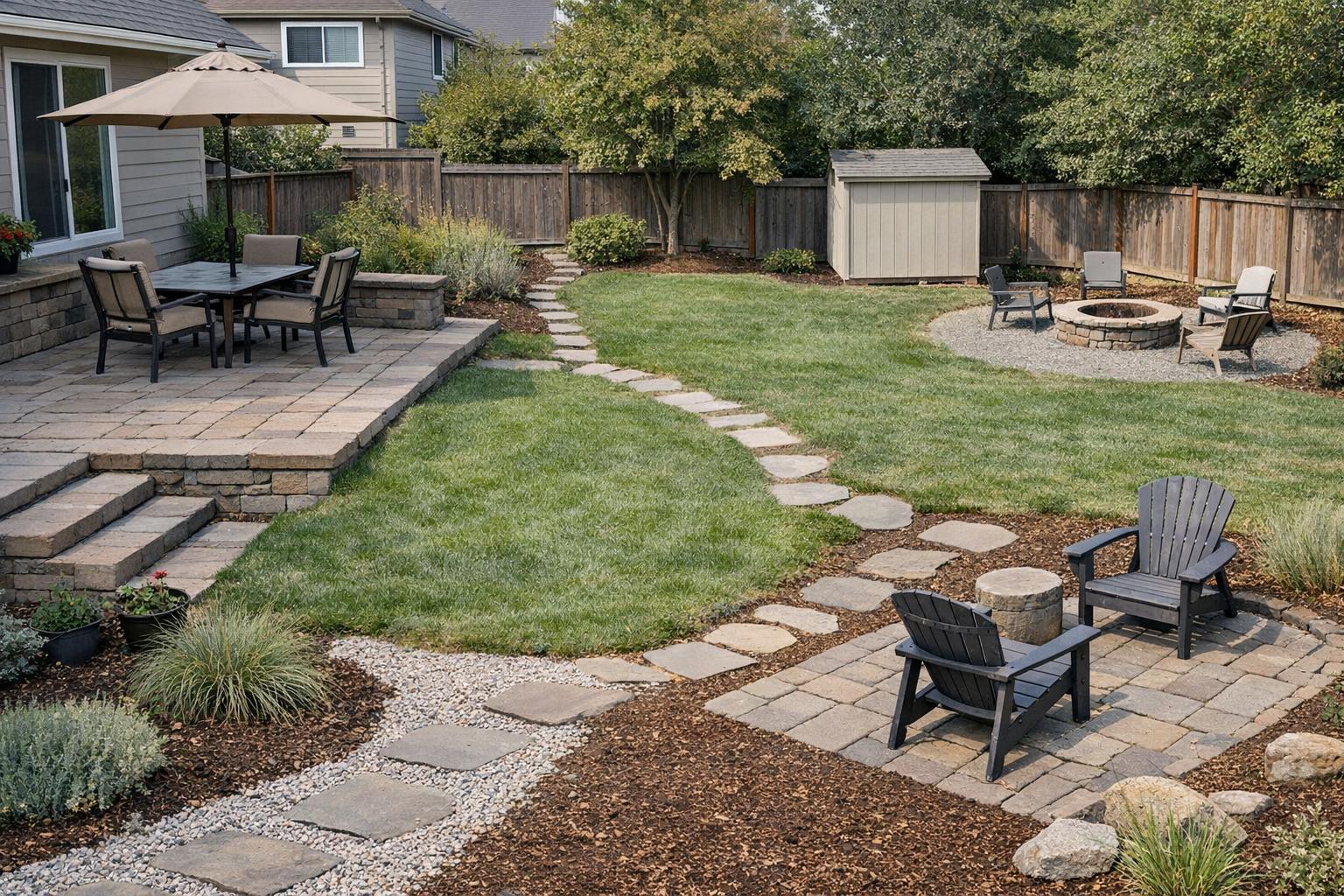
    Patio projects rarely take the same amount of time from one yard to the next. Some move quickly because the site is simple, access is easy, and the scope is straightforward. Others take longer because drainage issues, grading, demolition, weather, or design complexity all add steps. Homeowners often want one clean timeline, but the smarter question is what parts of the project may affect that timeline before work begins.

    A patio schedule usually reflects both the visible surface work and the invisible preparation underneath it.

    What usually happens first

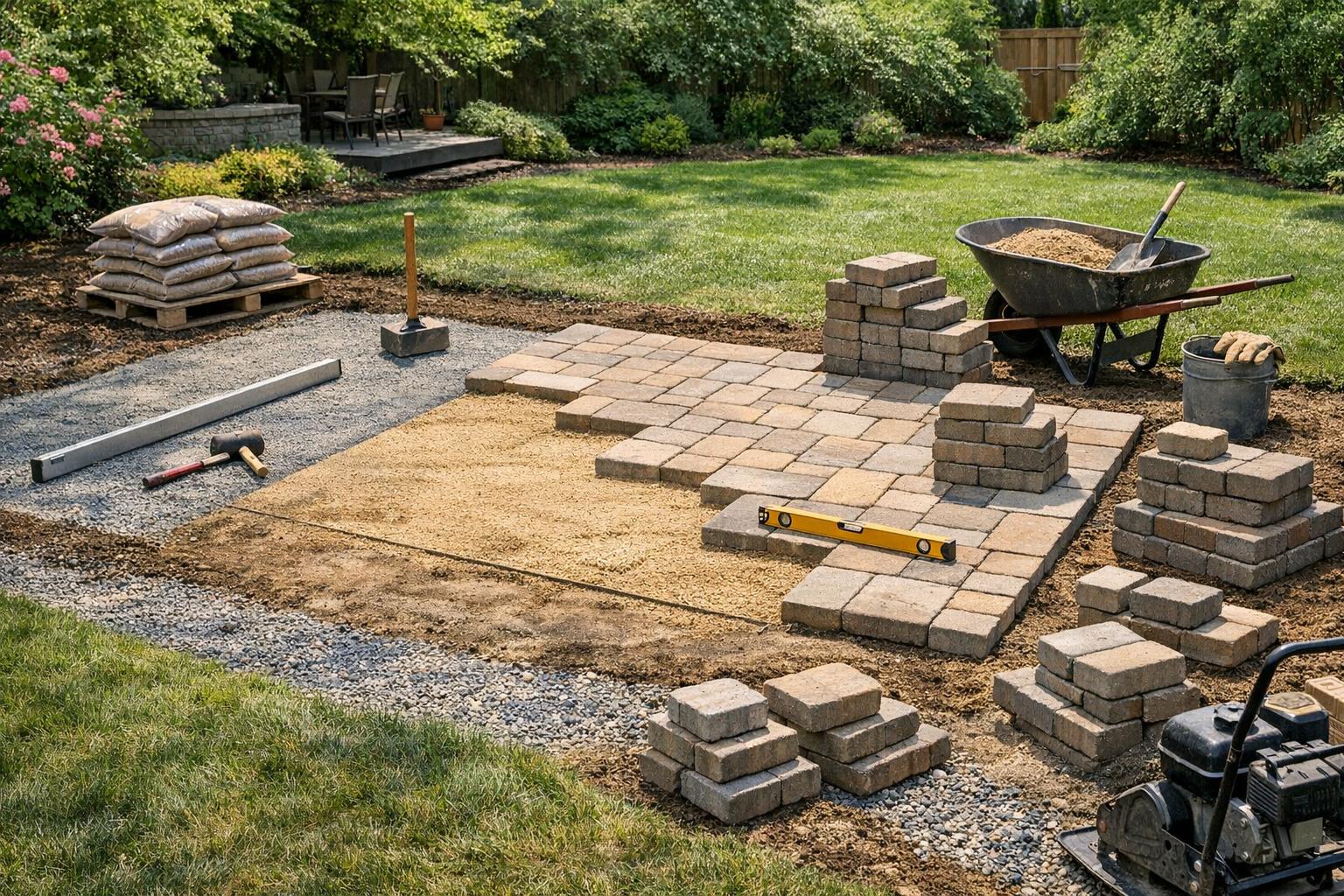
    Before the finished surface goes down, contractors often need to demo existing material, excavate, prepare the base, handle drainage or grading issues, and set the layout. In many yards, these early steps take more time than homeowners expect because they determine whether the patio will perform well later.

    Common reasons a patio timeline stretches

    Weather delays, base or drainage corrections, material lead times, access constraints, and changes to scope can all extend the schedule. If steps, borders, lighting, seating walls, or other attached features are part of the plan, the patio is usually a broader hardscape project rather than a simple surface installation.

    The patio installation guide, patio cost guide, and project expectations guide are useful follow-up reads when homeowners want to connect schedule with scope.


  • Signs Privacy Landscaping Needs an Upgrade Guide

    Signs Privacy Landscaping Needs an Upgrade Guide

    Privacy landscaping can stop working in two different ways: it may fail to give enough screening, or it may grow into a maintenance-heavy wall that makes the yard feel tighter and harder to use. Homeowners often notice this gradually. The patio still feels exposed from one angle, a hedge has thinned in the wrong places, or the planting that once felt helpful now feels bulky, uneven, or difficult to maintain.

    Those are signs that privacy landscaping may need more than trimming. It may need a better overall approach.

    Common signs privacy planting is not doing its job

    Gaps at the wrong height, overgrowth near seating, uneven plant health, screening that only works seasonally when you need it year-round, or a bed that feels too crowded are all common warning signs. If the yard still feels exposed where it matters most, the privacy plan may not match the way the space is actually used.

    Why upgrades are not just about adding more plants

    More planting is not always the answer. Better spacing, stronger layering, irrigation support, and a clearer idea of which views truly need screening often matter more than simply making the bed denser. The privacy landscaping guide is the best next read because it explains how privacy can be built without making the yard feel closed in.

    When to rethink the privacy plan

    If privacy is affecting how comfortable the patio, backyard, or entertaining areas feel, it may be time to step back and treat the issue as part of the full yard layout rather than only a plant-maintenance problem. That is often especially true in smaller yards where screening and openness need to be balanced carefully.


  • Signs Your Backyard Layout Is Not Working Guide

    Signs Your Backyard Layout Is Not Working Guide

    A backyard does not have to be broken to feel disappointing. Many homeowners have a yard that looks acceptable in photos but never feels natural to use. Seating may feel isolated, circulation may be awkward, privacy may be weak where it matters most, or one area may stay unused while another feels cramped. Those are often layout problems rather than decoration problems.

    The hard part is that layout issues can be easy to normalize. If the yard has always functioned awkwardly, homeowners may assume the answer is simply to add another feature rather than rethink the arrangement.

    Common signs the layout is not working

    If the main seating area feels disconnected, if people cut awkwardly across lawn or beds, if one part of the yard gets all the use while another stays empty, or if the backyard never feels comfortable for the activities you want, the layout may be the real issue. A finished patio or fire pit does not guarantee the space works well.

    Why more features do not always fix the problem

    Homeowners often respond to layout frustration by adding one more feature, but that can make the yard feel even more crowded if the underlying circulation and zoning have not been solved. The backyard planning guide is the best follow-up because it focuses on how a yard should function before more features are layered in.

    When a layout rethink pays off

    If the backyard is already due for a patio, privacy, lawn, or lighting change, that is often the right moment to revisit the full layout rather than patch one weak area. Homeowners usually get better long-term results when they solve circulation, visibility, and use patterns before making another isolated upgrade.


  • Signs Your Lawn Needs Replacement Guide

    Signs Your Lawn Needs Replacement Guide

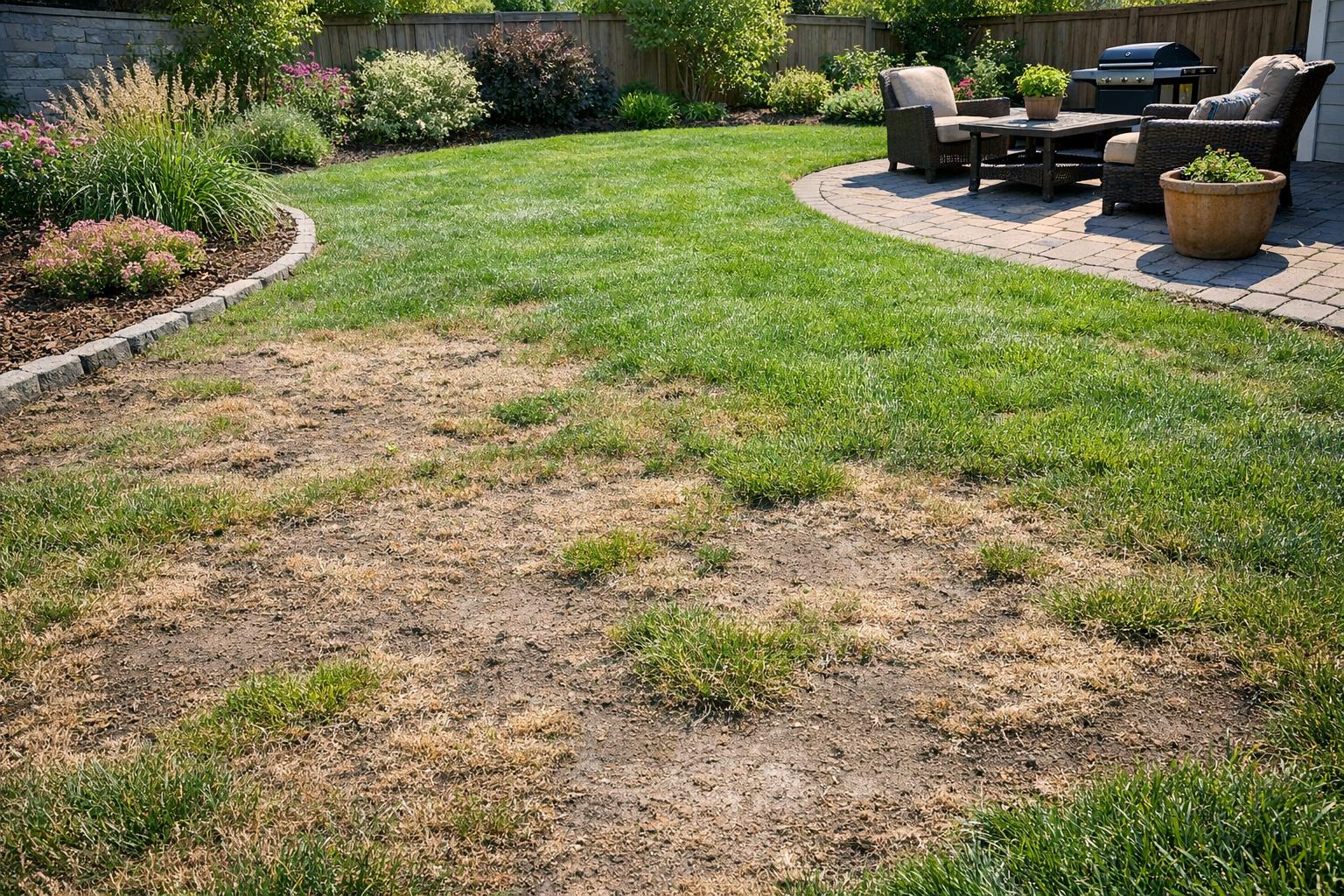
    Not every struggling lawn needs to be replaced, but some lawns reach a point where repeated patching, fertilizing, or seasonal repair stops making sense. Homeowners usually notice the same trouble coming back: thin turf, muddy sections, patchy growth, compaction, or areas that never recover even after extra attention. When the underlying problem is more structural, lawn replacement can be a cleaner solution than another round of surface fixes.

    The key is recognizing when the lawn issue is no longer just cosmetic.

    Common warning signs

    Chronic bare patches, areas that stay thin year after year, recurring mud, compaction, uneven growth, or sections that fail after repeated overseeding or patch repair are common signs that a lawn may need replacement. In some yards, the grass itself is not the only issue. Drainage, grade, irrigation, or traffic pattern problems may be making the lawn difficult to keep healthy.

    Why replacement can make more sense

    If the same areas keep failing, homeowners should ask whether the lawn is actually being supported by the site conditions underneath it. The sod and lawn installation guide, sod vs seed guide, and lawn cost guide help frame what a more complete reset would involve.

    Look beyond the grass

    Homeowners should also consider whether drainage, irrigation, or backyard use patterns are contributing to the problem. A replacement lawn will only perform better if the conditions around it support success. That is why it often helps to review the drainage warning-sign guide and irrigation warning-sign guide before replacing turf blindly.


  • Signs You Need Regrading Guide for Homeowners

    Signs You Need Regrading Guide for Homeowners

    Some yards do not have a drainage problem alone. They have a grade problem that keeps creating runoff, wet spots, awkward circulation, or hard-to-use lawn areas. Homeowners often notice the symptoms first: water moving the wrong way, uneven surfaces, persistent low spots, or a backyard that never feels comfortable to use. Those clues can point to regrading rather than a smaller patch-style fix.

    The challenge is that grade issues often show up slowly. They may be mistaken for irrigation trouble, poor lawn health, or general messiness when the real issue is how the land is shaped.

    Common signs the yard may need regrading

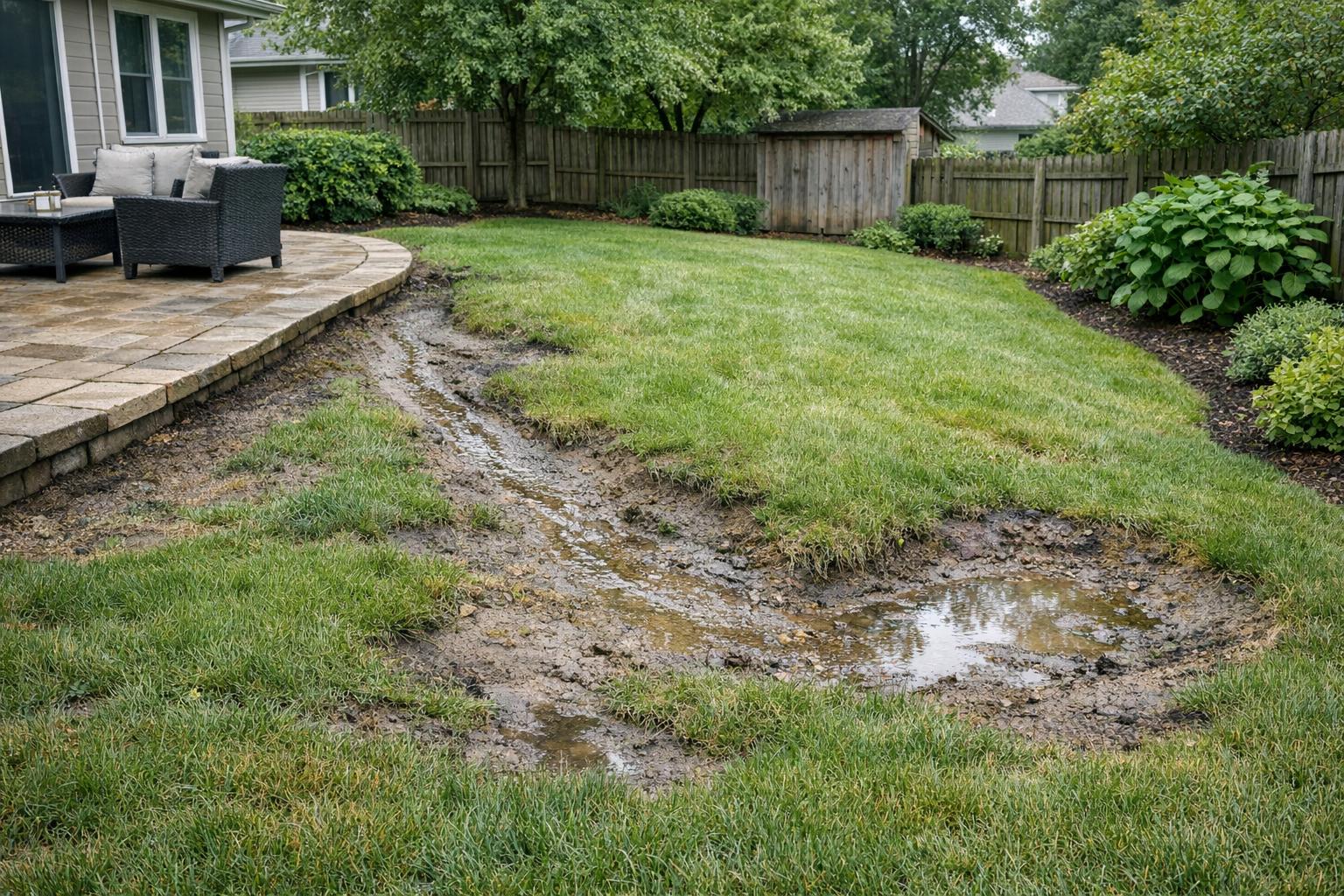
    Standing water, repeated low spots, runoff heading toward the patio or structure, lawn sections that stay soft or uneven, and soil that keeps shifting are all common warning signs. In some yards, the issue is not just water but usability. If the slope makes lawn space awkward, limits furniture layout, or creates a noticeable step where the yard should feel more natural, the grading itself may need attention.

    Why regrading is different from a surface-level fix

    Surface treatments can help, but they do not always solve the underlying shape of the yard. If the land is directing water poorly or creating awkward grade transitions, new mulch, fresh sod, or small drainage components may only reduce the symptom temporarily. The grading and yard leveling guide and drainage vs regrading guide help clarify when the grade itself should become part of the solution.

    What homeowners should look at next

    Homeowners should pay attention to where water is moving, how long wet areas last, whether surfaces feel uneven underfoot, and whether the yard layout is being limited by the slope. If those issues are repeating, regrading may deserve a closer look before additional cosmetic work is layered on top.


  • What Affects Sod and Lawn Installation Cost Guide

    What Affects Sod and Lawn Installation Cost Guide

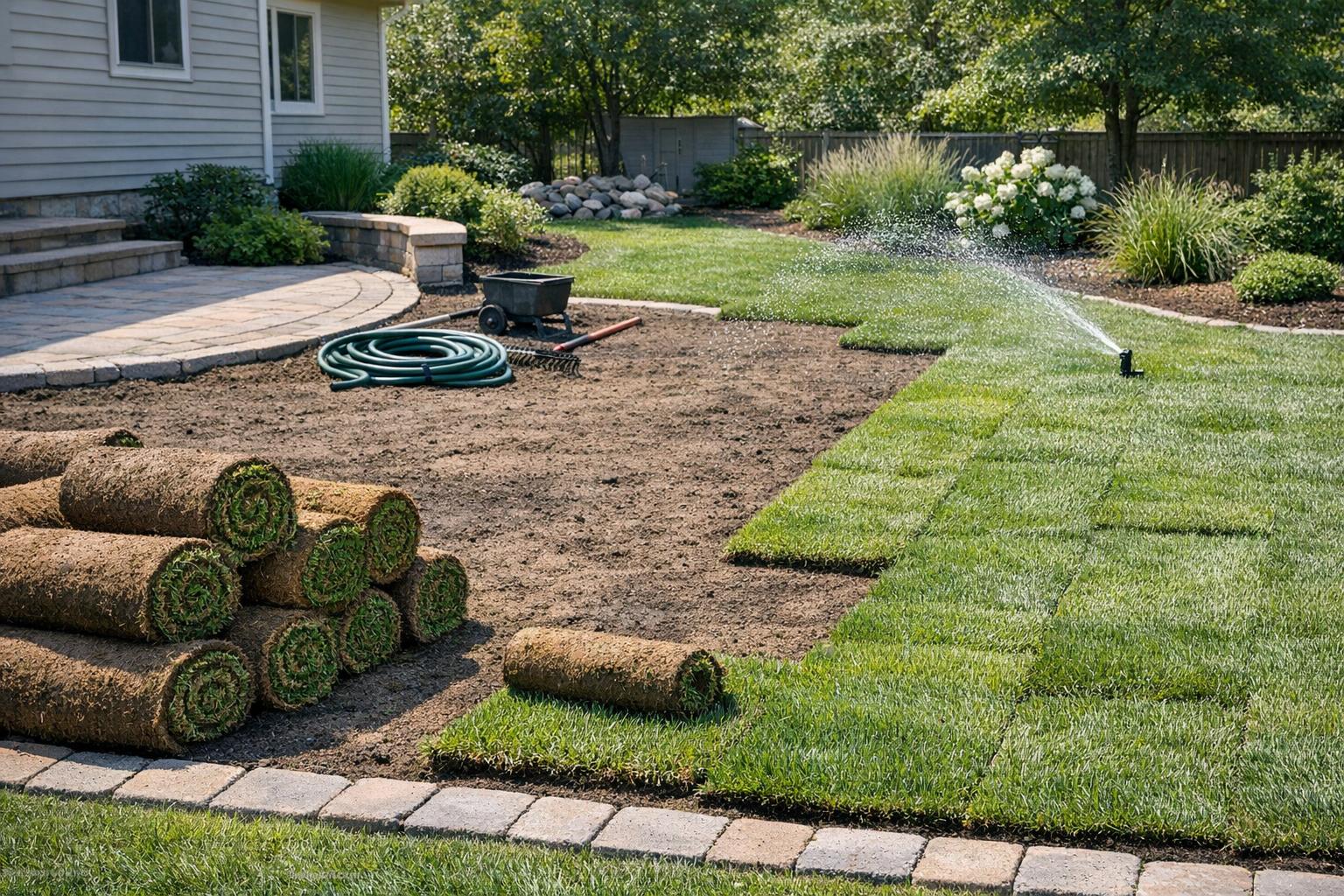
    Sod and lawn installation costs are shaped by more than the size of the grass area. Yard preparation, grading, irrigation needs, access, existing soil conditions, and whether the project involves sod, seed, or larger lawn renovation all influence the final number. A lawn that looks straightforward from the patio may still require meaningful work underneath before it can perform well.

    That is why lawn quotes should be compared as site-preparation projects as much as grass-installation projects.

    Site preparation is often the biggest variable

    Grading correction, old lawn removal, soil preparation, and cleanup can all change the cost dramatically. A fresh installation on a clean, well-shaped site is very different from replacing worn grass in a yard with drainage or compaction issues.

    Irrigation and establishment method change the budget

    If the lawn needs new irrigation, irrigation adjustments, or more complex watering support, the price can rise quickly. Whether the lawn is established with sod or seed also changes both immediate and follow-up expectations. The sod vs seed guide helps put those tradeoffs into context.

    Access and yard layout still matter

    Moving material into a tight backyard, protecting existing hardscape, or working around mature planting can all make the installation more labor intensive. The sod and lawn installation guide and irrigation cost guide are useful follow-ups when homeowners want to understand the full lawn picture.


  • What Affects Drainage Project Cost Guide for Homeowners

    What Affects Drainage Project Cost Guide for Homeowners

    Drainage project costs vary because the water problem itself can vary so much. Some yards need localized corrections. Others require more extensive trenching, grading, runoff management, or integration with existing hardscape. Homeowners often expect a simple solution until the real drainage pattern is understood. That is why drainage pricing can feel inconsistent from one quote to another.

    The most useful way to compare drainage costs is to think about how much water is moving, where it is moving from and to, and how much of the finished yard has to be worked around or rebuilt.

    Water pattern and site slope drive the problem

    The more complicated the runoff pattern, the more likely the project will involve multiple moving parts. Concentrated water from slope, patio runoff, downspouts, or low spots can make the correction more involved than homeowners first expect.

    Trenching, grading, and access shape labor

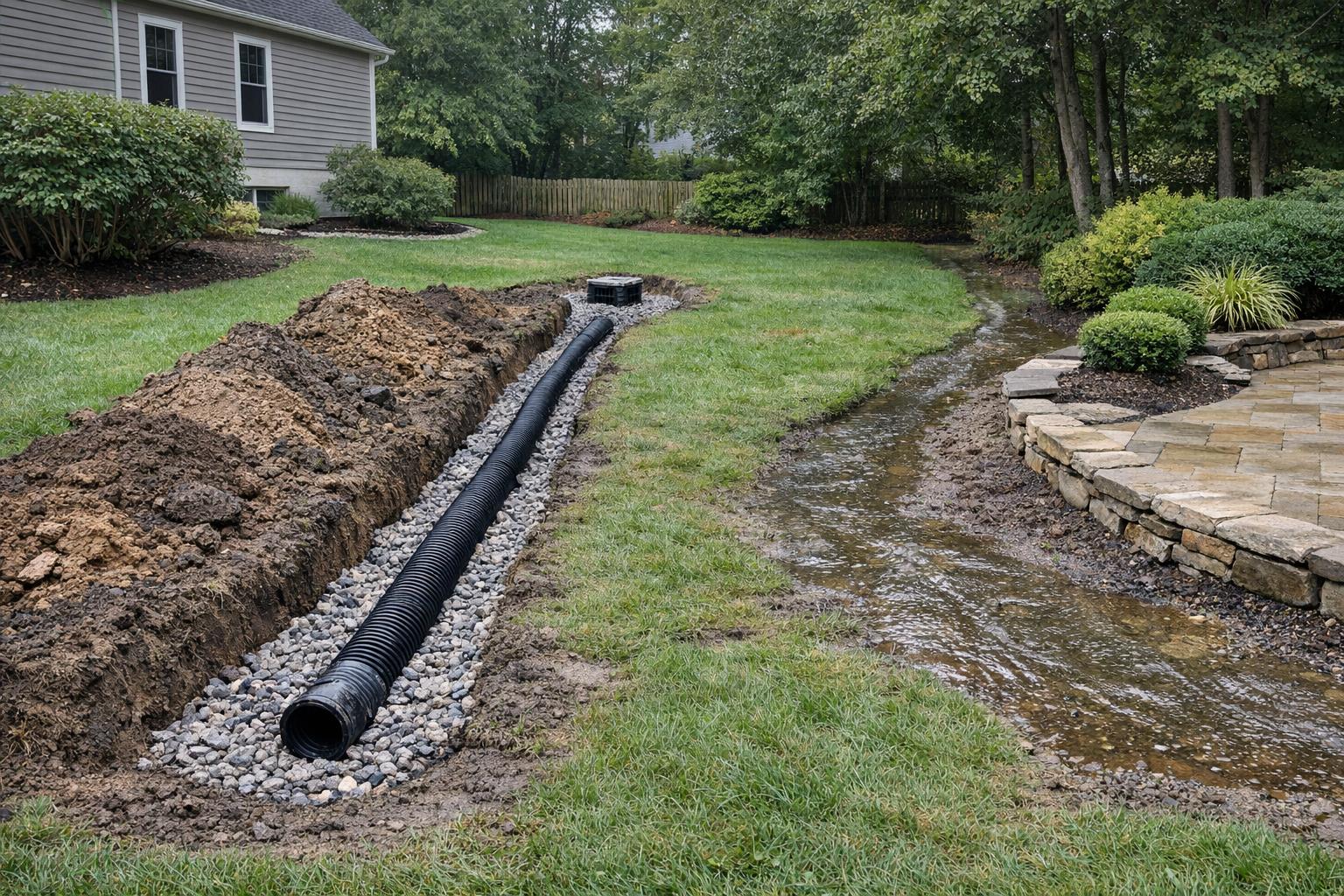
    Drainage corrections often become expensive because of the labor needed to open the yard, route water correctly, and restore affected areas. If access is tight or the yard is already heavily finished, the cost can rise because more care and restoration work are required.

    Drainage often overlaps with bigger site work

    Some drainage projects are really grading projects, patio projects, or erosion-control projects in disguise. That is why homeowners should compare this guide with the drainage solutions guide, drainage vs regrading guide, and drainage warning-sign guide.


  • What Affects Fire Pit Cost Guide for Homeowners

    What Affects Fire Pit Cost Guide for Homeowners

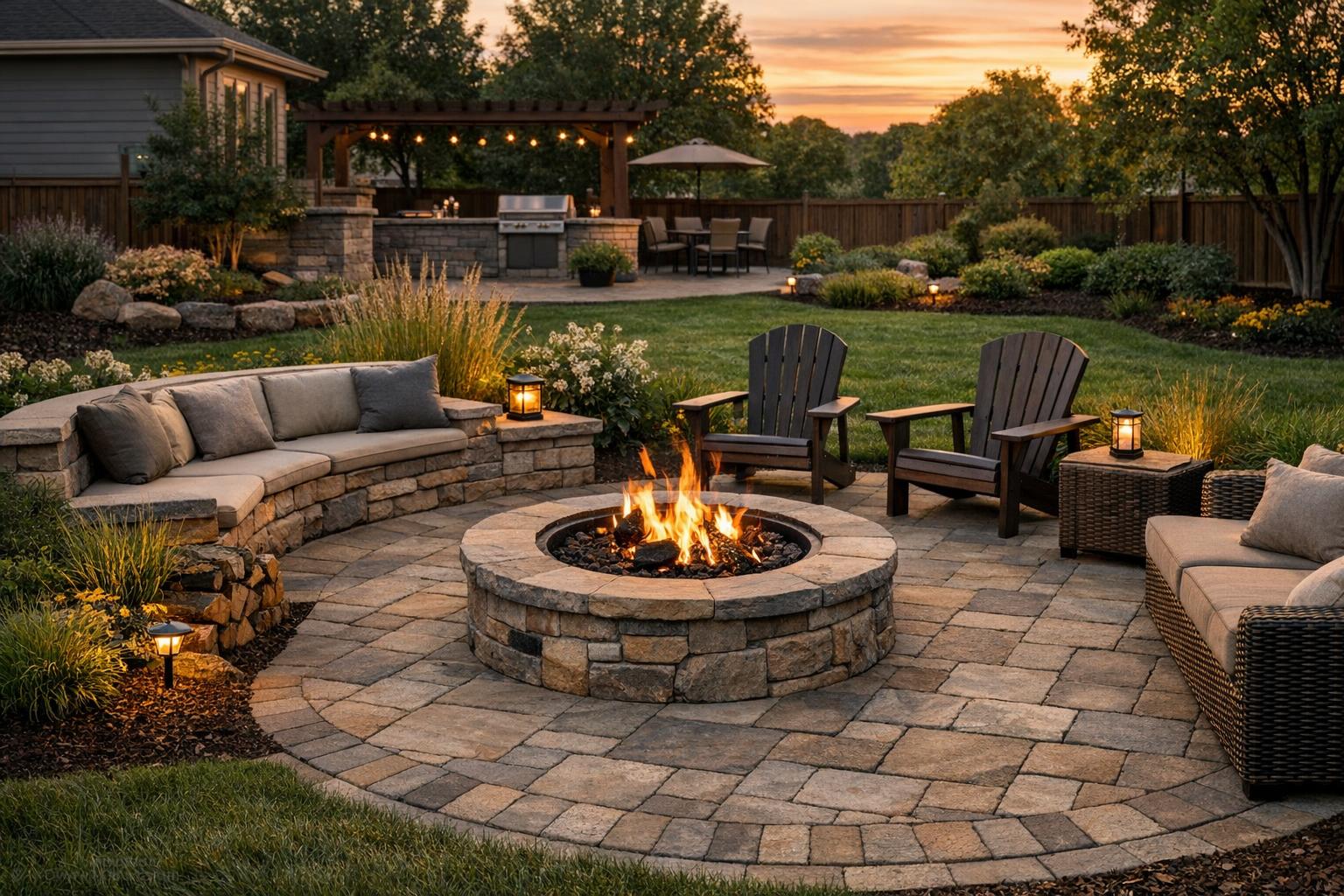
    Fire pit costs can vary far more than homeowners expect because the feature is usually tied to more than the fire element itself. Fuel type, materials, utility work, seating layout, patio integration, and the overall backyard plan all shape the number. A simple wood-burning feature and a fully integrated gas fire pit with surrounding hardscape can live in completely different cost tiers.

    The better question is not “what does a fire pit cost?” but “what kind of fire pit project are we really talking about?”

    Gas vs wood changes scope

    Gas fire pits often involve utility routing and a more integrated build, while wood-burning features may avoid some of that infrastructure but still vary by materials and patio context. The gas vs wood guide helps explain why those two paths feel so different in both experience and budget.

    Hardscape and layout matter

    A fire pit is often part of a broader seating area, patio, or outdoor-living plan. If the feature requires new hardscape, retaining work, lighting, or circulation changes, the total price may reflect all of that surrounding work rather than the fire pit unit alone.

    Material choices affect the build

    Custom masonry, prefabricated units, seating walls, and finish detail all shift the cost. Homeowners comparing proposals should be careful to separate the fire element from the full outdoor-living scope wrapped around it. The broader fire pit installation guide puts those pieces into context.


  • What Affects Outdoor Kitchen Cost Guide for Homeowners

    What Affects Outdoor Kitchen Cost Guide for Homeowners

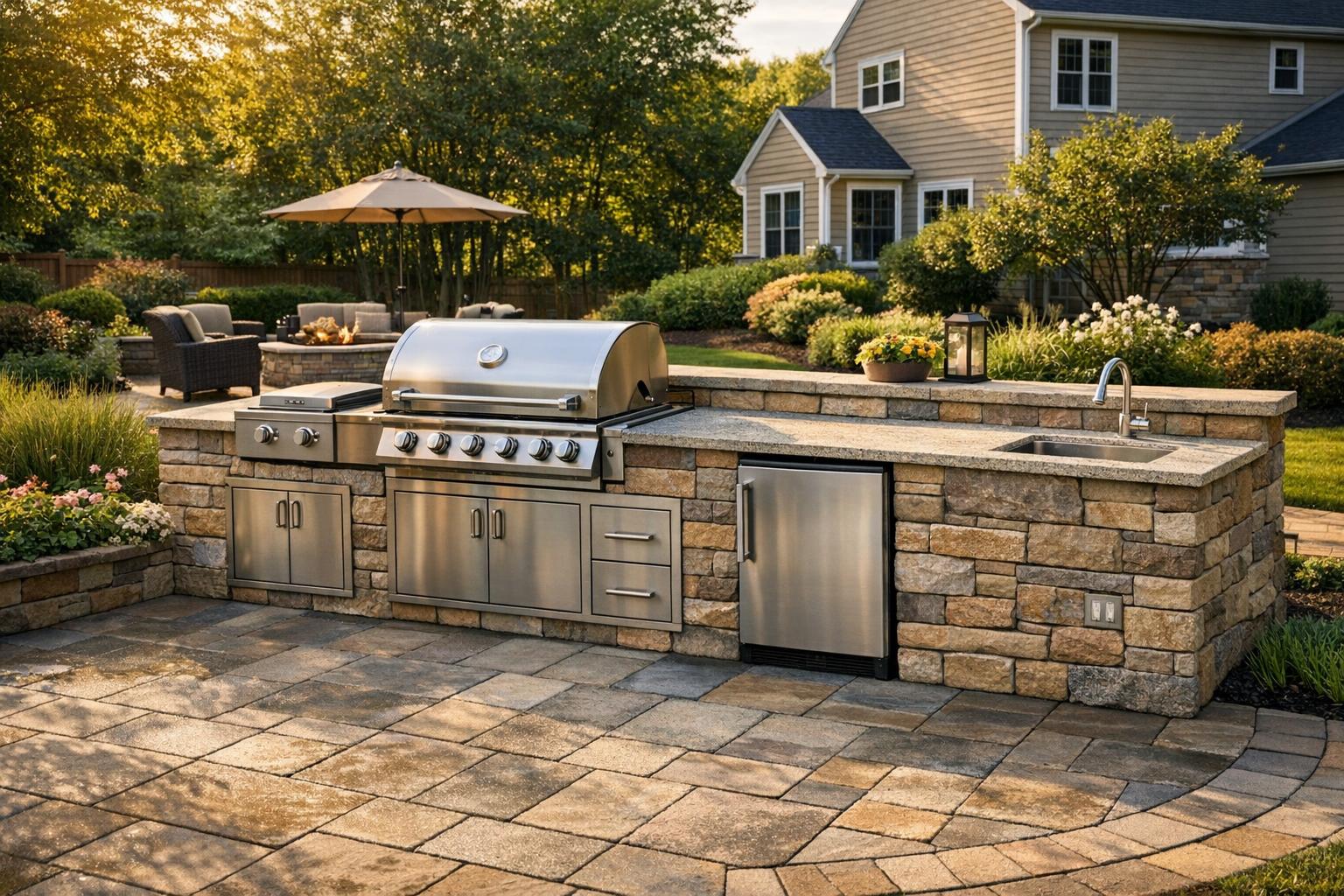
    Outdoor kitchen costs vary widely because the visible counters and grill are only part of the project. Homeowners often start by comparing appliance packages, but the bigger cost drivers usually include gas, electrical, or plumbing work, the structural build of the kitchen itself, surrounding patio integration, and how much prep the site requires. A compact grill station and a fully equipped outdoor kitchen may technically fall in the same category while being very different projects.

    The most useful way to think about outdoor kitchen pricing is to separate the visible upgrades from the infrastructure that makes the space work well over time.

    Utilities are often a major cost factor

    Gas lines, electrical service, water, and drainage can all add significant scope. The farther the kitchen is from the house or existing utility access, the more labor and coordination may be required. In many projects, the utility work matters as much as the visible materials.

    Appliances and layout change the budget quickly

    A simple built-in grill with limited prep space is very different from a layout that includes refrigeration, storage, sink plumbing, bar seating, or multiple cooking components. Appliance count, finish quality, and how the kitchen is arranged all push the price in different ways.

    Patio integration and structure also matter

    Many outdoor kitchens are part of a larger patio or backyard plan. If the kitchen requires patio expansion, base preparation, lighting, privacy improvements, or related drainage work, the total scope can rise quickly. The outdoor kitchen guide and patio cost guide are useful companion reads when comparing estimates.