Hiring and Planning

Hiring and planning guides that help homeowners compare contractors, ask better questions, and understand project expectations before work begins.

  • How Long Does a Retaining Wall Project Take Guide

    How Long Does a Retaining Wall Project Take Guide

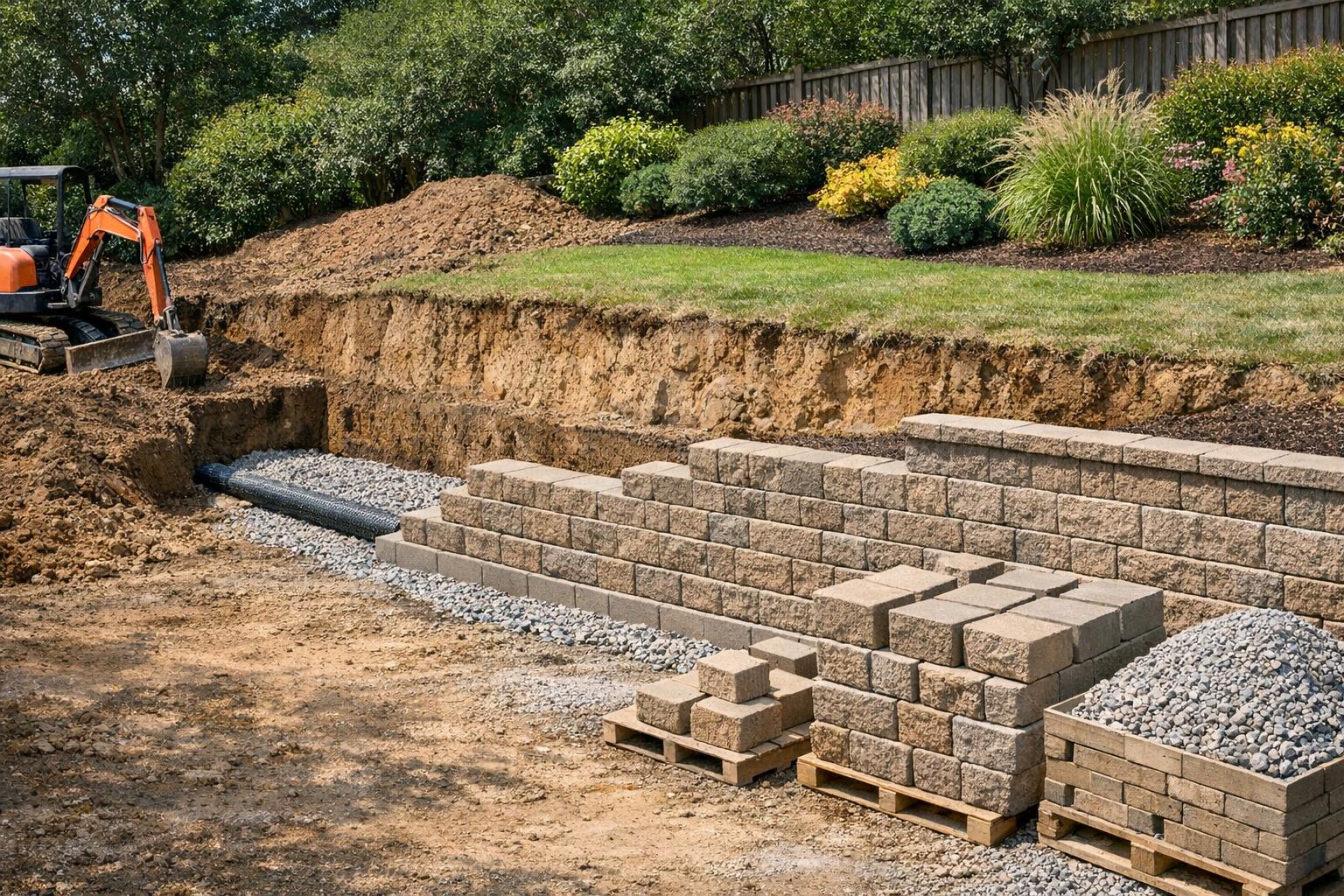
    Retaining wall timelines vary more than homeowners often expect because the visible wall face is only part of the construction process. Excavation, drainage, reinforcement, site access, engineering, and the pressure the wall is meant to handle can all affect how long the project takes. A short decorative wall and a taller structural retaining wall may look related but move on very different schedules.

    The more the wall is tied to slope correction or water management, the more the project tends to reflect broader site work instead of just material installation.

    What takes time in a retaining wall project

    Excavation, base preparation, drainage handling, backfill, reinforcement detail, and cleanup all shape the schedule. If the site is steep, tight, or already finished around the wall area, the project may take longer because the crew has less room to work and more restoration to handle.

    Engineering and permits can extend the timeline

    Some walls move quickly because they stay within simpler site conditions. Others need engineering, permits, or more careful drainage planning, which can extend the timeline before installation even begins. The permit guide and retaining wall guide help clarify that early planning stage.

    Timeline depends on more than block stacking

    Homeowners comparing schedules should focus on the whole job: excavation, drainage, reinforcement, site restoration, and whether the wall is part of a bigger drainage or grading project. The retaining wall cost guide is a good companion because many of the same complexity factors affect both price and timeline.
  • How Long Does a Patio Project Take Guide

    How Long Does a Patio Project Take Guide

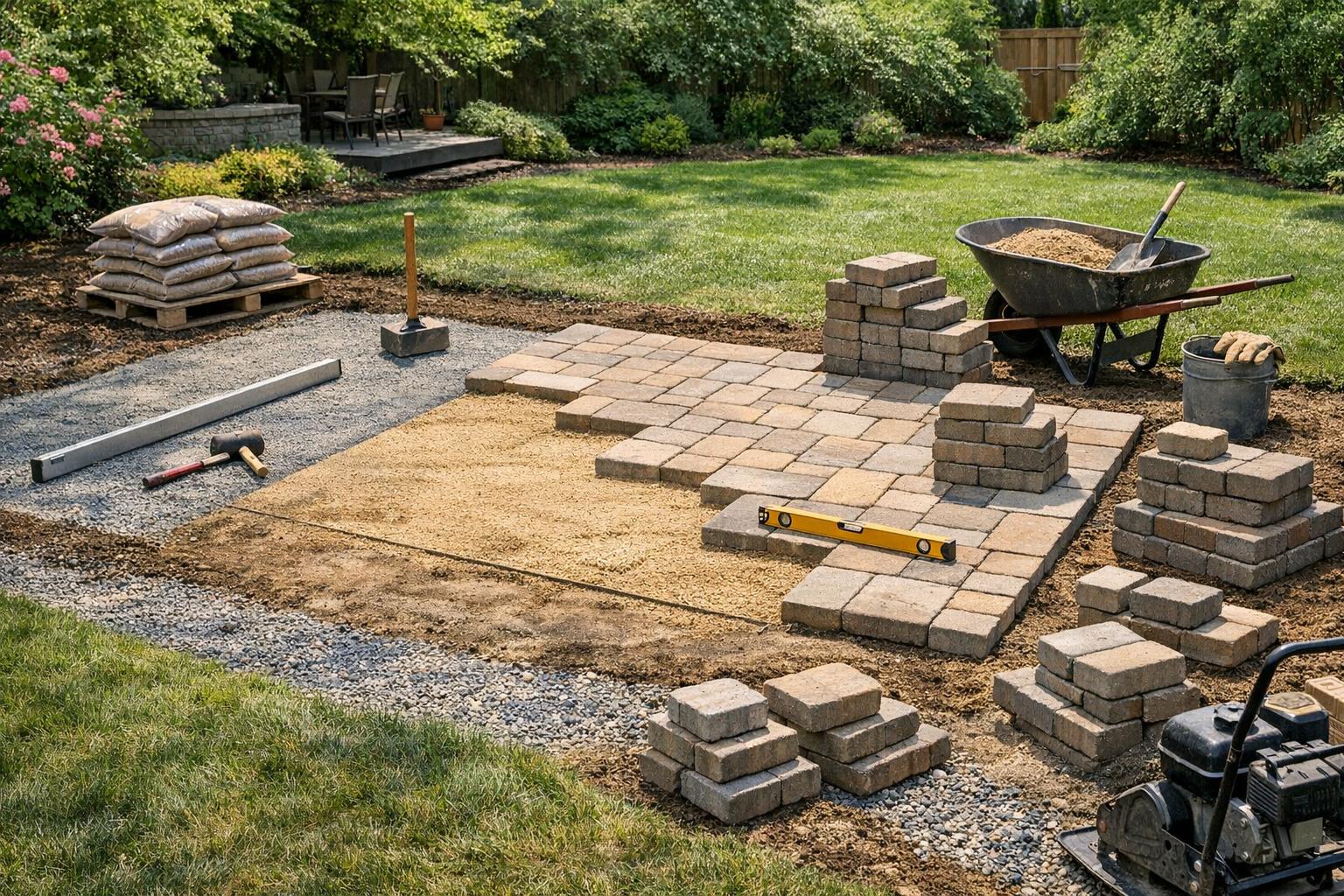
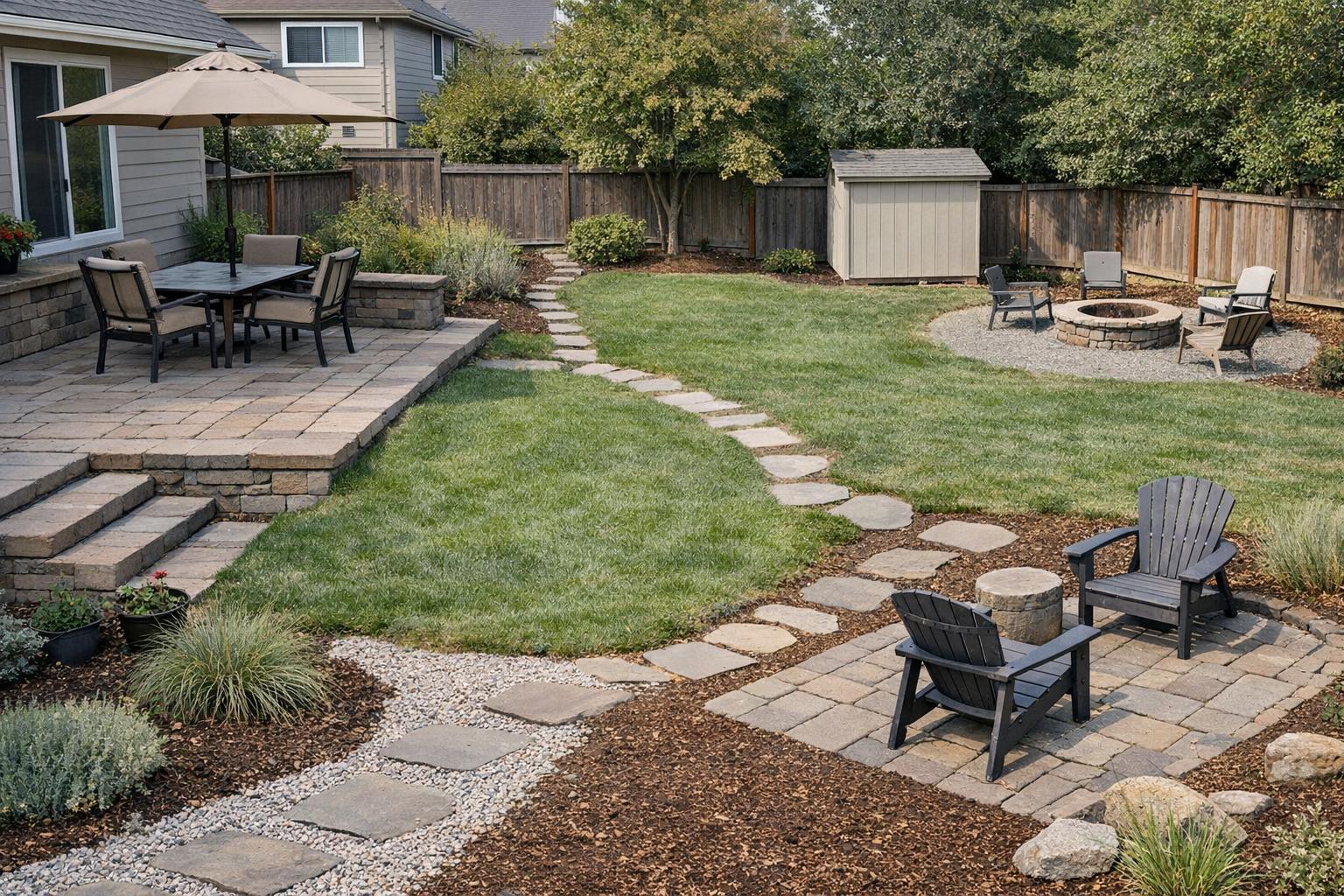
    Patio projects rarely take the same amount of time from one yard to the next. Some move quickly because the site is simple, access is easy, and the scope is straightforward. Others take longer because drainage issues, grading, demolition, weather, or design complexity all add steps. Homeowners often want one clean timeline, but the smarter question is what parts of the project may affect that timeline before work begins.

    A patio schedule usually reflects both the visible surface work and the invisible preparation underneath it.

    What usually happens first

    Before the finished surface goes down, contractors often need to demo existing material, excavate, prepare the base, handle drainage or grading issues, and set the layout. In many yards, these early steps take more time than homeowners expect because they determine whether the patio will perform well later.

    Common reasons a patio timeline stretches

    Weather delays, base or drainage corrections, material lead times, access constraints, and changes to scope can all extend the schedule. If steps, borders, lighting, seating walls, or other attached features are part of the plan, the patio is usually a broader hardscape project rather than a simple surface installation.

    The patio installation guide, patio cost guide, and project expectations guide are useful follow-up reads when homeowners want to connect schedule with scope.


  • Signs Your Backyard Layout Is Not Working Guide

    Signs Your Backyard Layout Is Not Working Guide

    A backyard does not have to be broken to feel disappointing. Many homeowners have a yard that looks acceptable in photos but never feels natural to use. Seating may feel isolated, circulation may be awkward, privacy may be weak where it matters most, or one area may stay unused while another feels cramped. Those are often layout problems rather than decoration problems.

    The hard part is that layout issues can be easy to normalize. If the yard has always functioned awkwardly, homeowners may assume the answer is simply to add another feature rather than rethink the arrangement.

    Common signs the layout is not working

    If the main seating area feels disconnected, if people cut awkwardly across lawn or beds, if one part of the yard gets all the use while another stays empty, or if the backyard never feels comfortable for the activities you want, the layout may be the real issue. A finished patio or fire pit does not guarantee the space works well.

    Why more features do not always fix the problem

    Homeowners often respond to layout frustration by adding one more feature, but that can make the yard feel even more crowded if the underlying circulation and zoning have not been solved. The backyard planning guide is the best follow-up because it focuses on how a yard should function before more features are layered in.

    When a layout rethink pays off

    If the backyard is already due for a patio, privacy, lawn, or lighting change, that is often the right moment to revisit the full layout rather than patch one weak area. Homeowners usually get better long-term results when they solve circulation, visibility, and use patterns before making another isolated upgrade.


  • Winter Yard Planning Guide for Homeowners

    Winter Yard Planning Guide for Homeowners

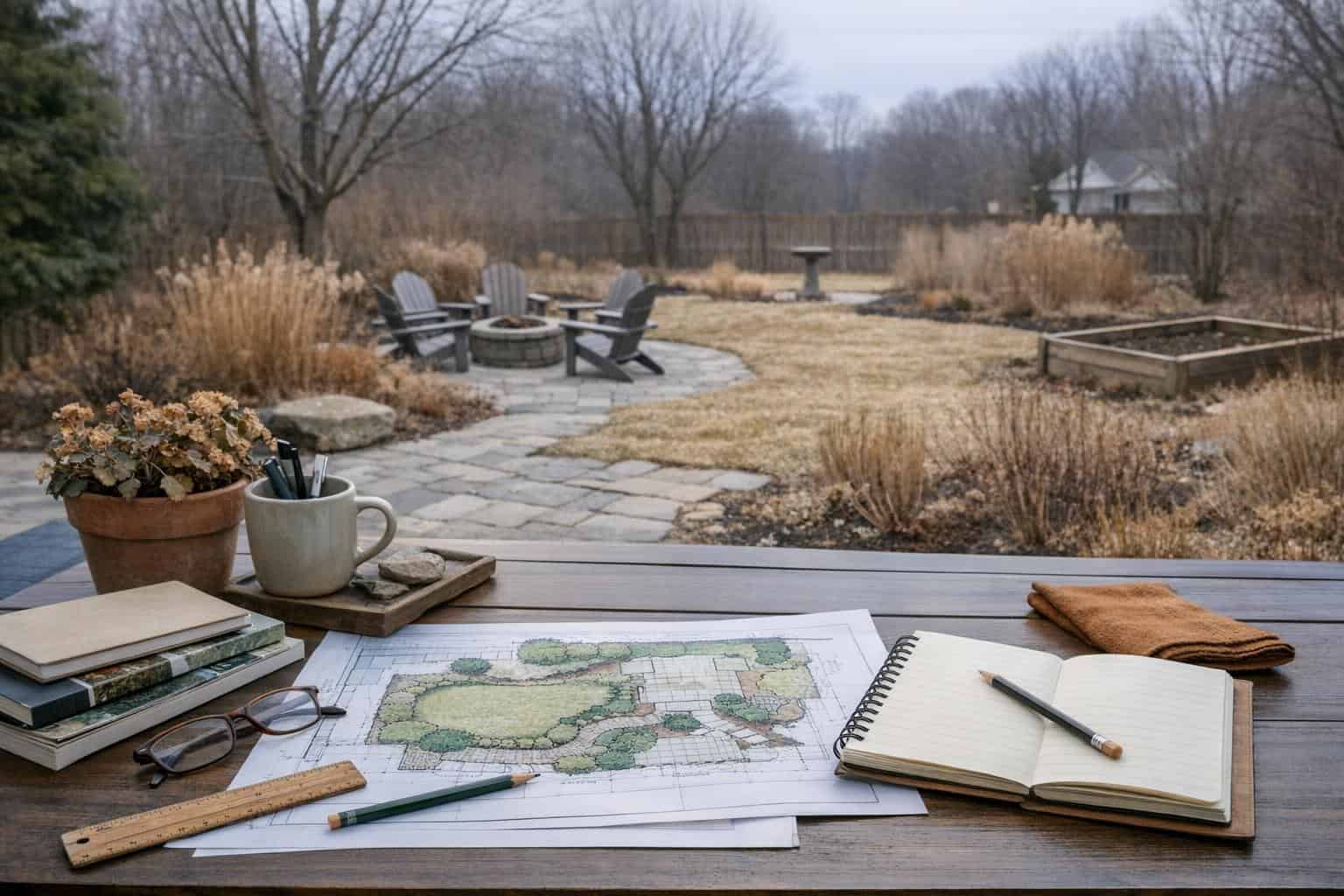
    Winter may not feel like landscaping season, but it can be one of the best times to plan. When the yard is quieter, homeowners often see the structure of the space more clearly. It becomes easier to notice circulation issues, weak focal areas, underused space, and the parts of the landscape that never quite worked during the active season. Winter is also a practical time to think about budget, compare quotes, and map out what should happen first once project season returns.

    In other words, winter is often the season for better decisions.

    Evaluate the yard without seasonal noise

    In active growing seasons, color and fullness can hide structural problems. In winter, the underlying layout becomes easier to read. This is a good time to ask whether the yard has the right circulation, whether the patio is in the right place, whether planting beds are carrying their weight, and whether drainage or privacy still needs attention.

    Use winter for budgeting and quote prep

    Homeowners who wait until the exact moment they want construction often end up rushing decisions. Winter is a calmer window to outline scope, decide priorities, and get ready for stronger quote comparisons. The quote comparison guide and phasing guide both fit naturally into this stage.

    Set up a smarter spring start

    If spring is when you want the yard to start changing, winter is when the project logic should be clarified. This is the right time to choose which issues are structural, which are aesthetic, and which can wait. Homeowners who use winter for planning often enter spring with a stronger idea of cost, timing, and what kind of contractor support they actually need.


  • Fall Landscaping Checklist Guide for Homeowners

    Fall Landscaping Checklist Guide for Homeowners

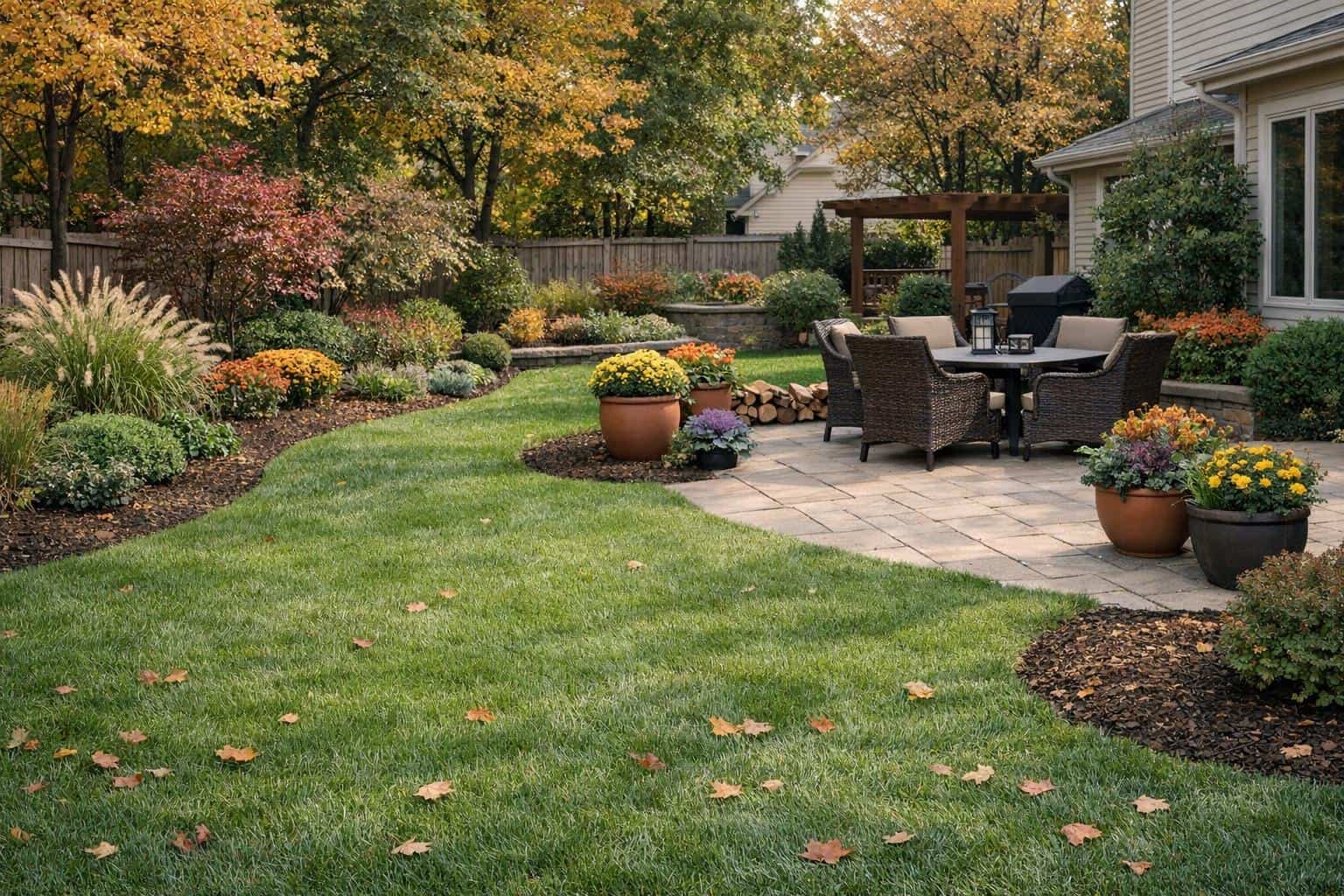
    Fall is one of the most useful seasons for resetting the yard after summer stress and preparing it for colder months ahead. It is a practical season: cleanup, lawn repair, planting adjustments, irrigation planning, and small corrections tend to pay off more when handled now instead of postponed until the next busy season.

    For many homeowners, fall is also when it becomes easier to see which parts of the yard performed well and which parts need a bigger change next year.

    Use fall for cleanup and evaluation

    As plants settle and outdoor use shifts, fall is a good time to clean up beds, remove worn material, trim where appropriate, and note trouble spots. If the lawn thinned out, if drainage stayed messy, or if patio circulation never felt right, those observations can shape next season’s planning.

    Plan irrigation and cold-weather transition

    Irrigation systems, drainage patterns, and exposed site issues should not be forgotten just because summer is ending. Fall is often the right moment to prepare systems for cooler weather and to note changes that should be handled before next year. Homeowners with persistent water issues can use fall as a planning window for bigger corrections.

    Set the yard up for next season

    Fall can be a strong time for lawn recovery, bed refresh, and long-term project planning. If the yard needs a larger redesign, this is often when homeowners know more clearly what did and did not work through the year. That can make fall a practical moment to start decisions for upcoming phases.

    The phasing guide and project timing guide fit well here.


  • Spring Landscaping Checklist Guide for Homeowners

    Spring Landscaping Checklist Guide for Homeowners

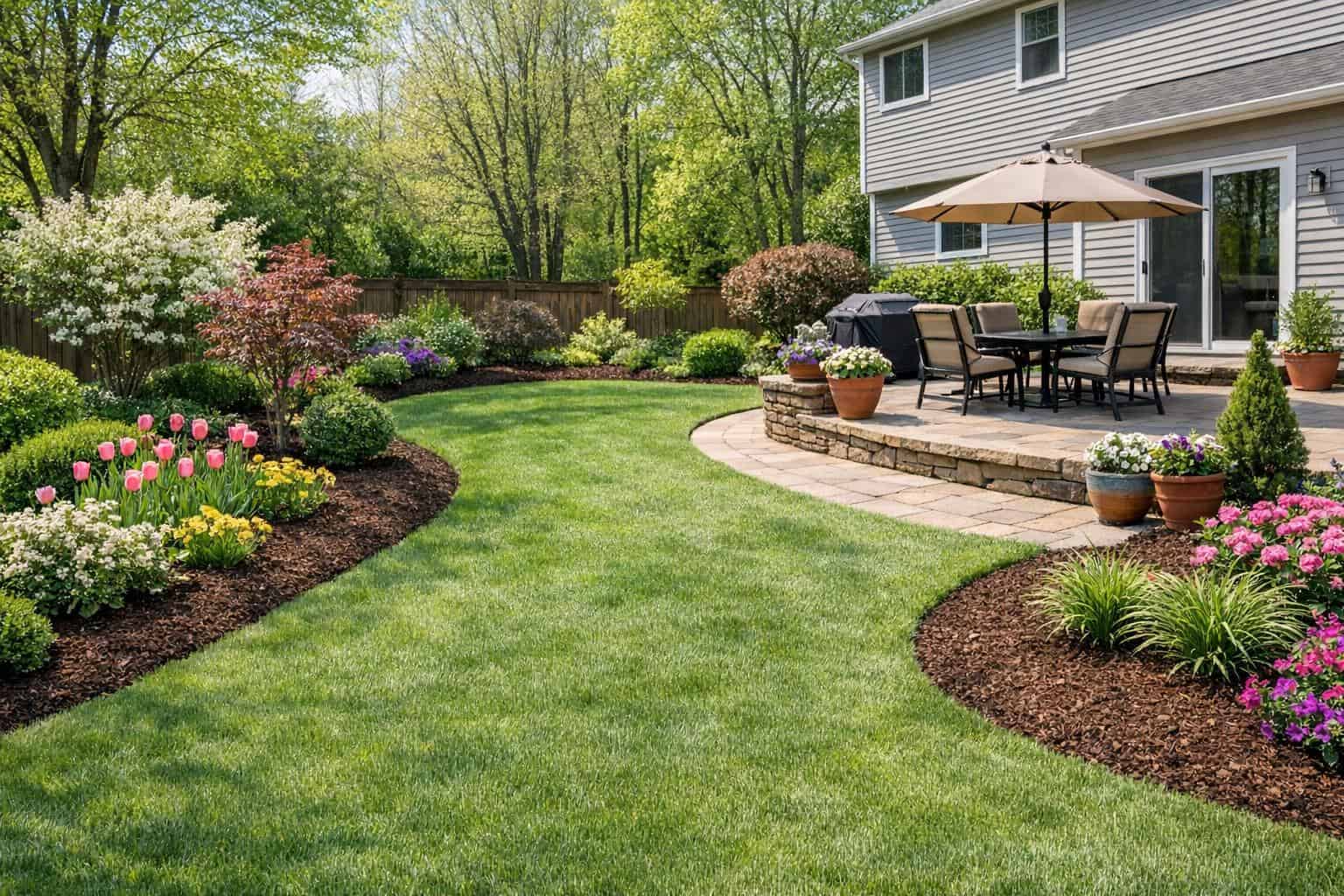
    Spring is one of the most important seasons in the landscaping calendar because it sets the tone for everything that follows. This is when homeowners usually notice winter damage, overgrown beds, irrigation issues, weak lawn areas, and small maintenance problems that could become larger if ignored. A good spring checklist is less about doing everything at once and more about putting the yard back into working order before peak-use season begins.

    Some spring tasks are cosmetic, but many are practical. Cleanup, irrigation startup, lawn assessment, bed refreshing, and project planning all have a larger effect when handled early.

    Start with cleanup and assessment

    Before buying plants or mulch, it helps to walk the yard with a practical eye. Look for drainage trouble, worn lawn sections, damaged hardscape, dead plant material, and anything that did not hold up well through the colder months. Spring is the right time to spot where the yard needs repair versus where it simply needs seasonal refresh.

    Check irrigation and water movement

    Spring is also a good time to confirm that irrigation zones, sprinkler coverage, and drainage patterns are still working the way they should. If the yard has wet areas, runoff damage, or poor coverage, those issues usually matter more than decorative changes. The irrigation guide and drainage guide are useful companions here.

    Refresh planting beds and lawn thoughtfully

    Spring is a natural time for mulching, planting updates, bed edging, and lawn improvement, but it is worth avoiding rushed decisions. If the yard needs broader redesign or a more durable maintenance plan, use the season to clarify direction rather than just adding fresh material to an outdated layout.

    The planting guide, mulch vs rock guide, and sod vs seed guide all connect naturally to spring work.

    Use spring for planning too

    Many homeowners think of spring only as maintenance season, but it is also a strong time to start larger project planning. If the goal is a patio, privacy improvement, lighting upgrade, or broader backyard change, spring is when the need often becomes clearest. That makes it a useful time to compare quotes and decide whether the yard needs a bigger reset.


  • Kid-Friendly Backyard Landscaping Guide for Homeowners

    Kid-Friendly Backyard Landscaping Guide for Homeowners

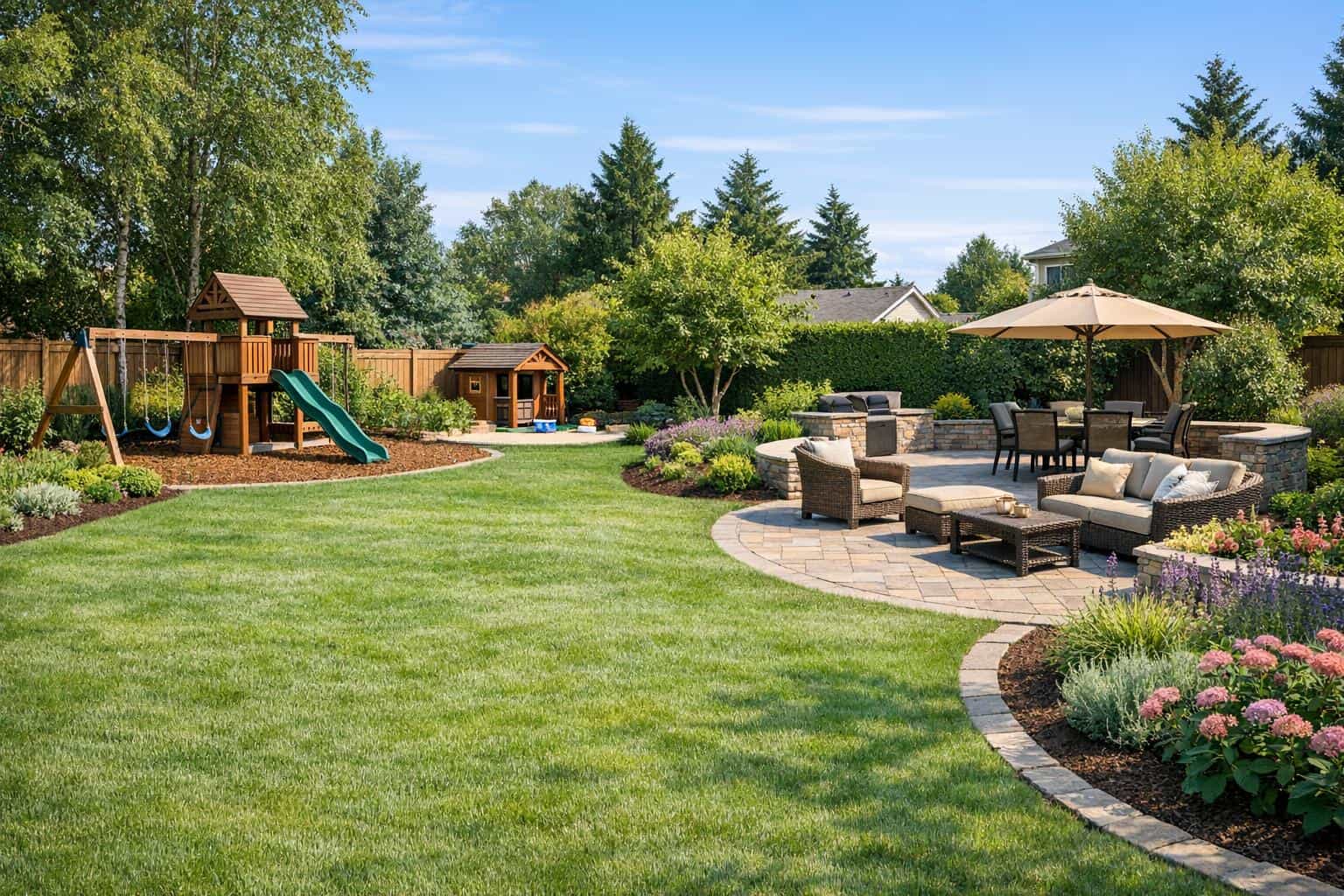
    A kid-friendly backyard should make family life easier, not more complicated. That usually means balancing open play space, adult seating, visibility, durable surfaces, and a layout that works for more than one kind of activity at a time. Some families need lawn space for running and play. Others need a patio that lets adults supervise comfortably while still keeping the yard attractive and easy to maintain.

    The strongest kid-friendly yards are designed around how the family actually uses the space. Instead of adding features one by one, it helps to think about supervision, circulation, and everyday routines first.

    Open space and visibility usually come first

    Families often value clear sightlines more than complicated backyard features. If adults cannot easily see the main play area from seating, kitchen windows, or common circulation routes, the yard may feel less practical even if it looks good. A simple open-lawn zone paired with patio space often works better than a more fragmented layout.

    The backyard planning guide is useful here because it frames the yard as a set of connected zones rather than isolated upgrades.

    Surfaces should match the way the yard is used

    Families often need a mix of surfaces: lawn or play space, hardscape for seating and dining, and planting that softens the edges without reducing usable space too much. The best combination depends on maintenance tolerance, climate, drainage, and how much running room the family wants to preserve.

    If the lawn is a major part of the decision, the sod and lawn guide and artificial turf vs natural grass guide can help compare long-term expectations.

    Durability and maintenance still matter

    A kid-friendly yard is often a high-use yard, which means maintenance and durability should be part of the design from the beginning. Muddy routes, overcomplicated planting, and delicate finishes can become frustrating quickly. The goal is not to eliminate personality from the yard. It is to keep the space workable under real family use.

    Make room for the whole household

    The best family yards do not separate adult and kid use too harshly. They create overlap: visible seating near play space, lighting that keeps the yard usable later in the day, and circulation that moves naturally between patio, lawn, and entry points. That makes the yard feel more like a real extension of the home.


  • How to Phase a Landscaping Project Guide

    How to Phase a Landscaping Project Guide

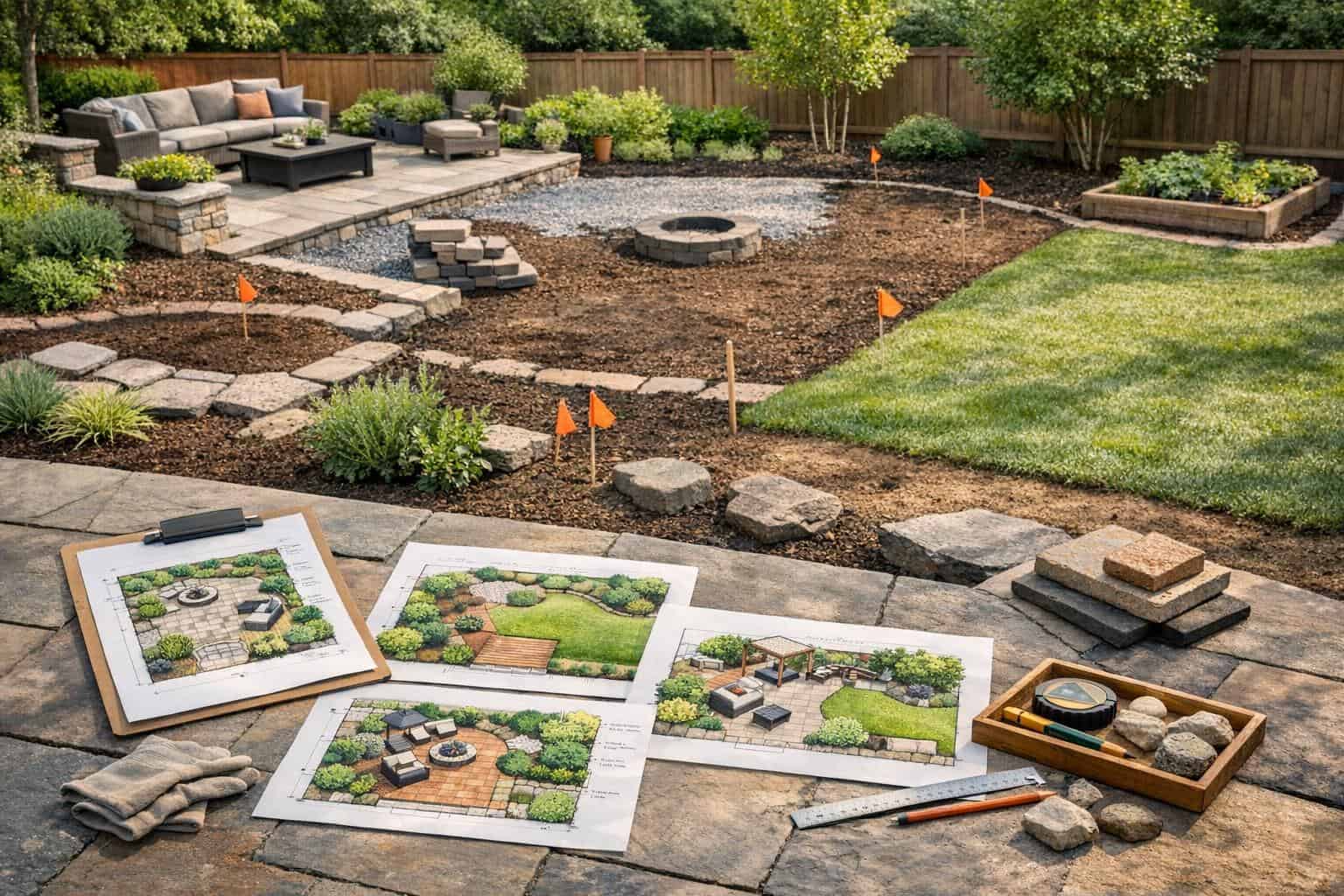
    Phasing a landscaping project can be a smart way to manage budget and decision-making, but only when the yard is still planned as one larger system. Too many homeowners phase work by reacting to the next urgent problem instead of deciding what the final yard should become. That can lead to rework, conflicting design choices, and features that do not connect well once the whole project is finished.

    The goal of phasing is not simply to spread out cost. It is to spread out the work without losing the logic of the larger plan.

    What usually needs to happen first

    Projects that affect the structure of the yard generally belong earlier in the sequence. Drainage, grading, retaining work, utility routing, and core hardscape layout often shape everything that comes later. If those decisions are postponed until after patios, planting, or lawn work are finished, homeowners may end up paying twice for the same area.

    That is why the drainage guide, grading guide, and retaining wall guide often belong in the earliest planning phase.

    How to phase without losing the whole-yard vision

    Even if you build in stages, it helps to know the intended long-term layout of the yard. Where will entertaining happen? Where will privacy planting go? Will future lighting, irrigation, lawn, or kitchen features need routing or space now? Those questions should be answered before phase one starts, not only when later phases arrive.

    The backyard planning guide and front yard guide are helpful because they frame the yard as a system rather than a list of separate upgrades.

    A common phasing pattern

    • Phase 1: drainage, grading, access, utilities, and structural site work
    • Phase 2: major hardscape such as patios, walkways, walls, or core outdoor-living features
    • Phase 3: planting, lawn, lighting, and finishing details
    • Phase 4: optional upgrades such as fire features, kitchens, or additional decorative improvements

    This is not the right order for every yard, but it illustrates why invisible site work often belongs ahead of visible finishing elements.

    How to keep phased work realistic

    Homeowners should ask contractors what future phases need to be anticipated now. If irrigation sleeves, electrical runs, drainage routes, or patio dimensions will matter later, the earlier phases should account for them. That prevents tearing up finished work to add something that could have been prepared up front.

    Phasing is most successful when homeowners start with a clear destination. The more the long-term plan is understood before phase one begins, the better each stage tends to feel and perform.


  • Does Landscaping Increase Home Value Guide

    Does Landscaping Increase Home Value Guide

    Landscaping can increase home value, but not every upgrade does so in the same way. Some projects improve resale by making the property look cleaner, more finished, and easier to imagine living in. Others add value because they improve function, privacy, access, or outdoor-living appeal. And some projects cost more than they are likely to return if they are too personal, too high-maintenance, or poorly matched to the property.

    The most useful question is usually not whether landscaping increases value in the abstract. It is which landscaping improvements make the property feel stronger to future buyers without creating unnecessary cost or upkeep.

    Why curb appeal matters

    Front-yard improvements often have an outsized effect because they shape the first impression of the home. A clean entry path, healthier lawn, better lighting, balanced planting, and a more intentional front facade can all make the property feel better maintained. That can influence both buyer interest and general perception of quality.

    The front yard landscaping guide is one of the clearest places to start if value and curb appeal are part of the goal.

    Usability can matter as much as appearance

    Value is not only about visual polish. Backyards that feel usable can also be more appealing, especially when they support dining, privacy, clean circulation, and lower-maintenance outdoor living. A patio that fits the yard well, thoughtful lighting, and better privacy landscaping may feel more valuable than a highly decorative feature that does not improve use.

    That is where the backyard planning guide helps keep value decisions tied to function.

    Which projects often feel smart to buyers

    • Entry, walkway, and curb-appeal improvements that make the home feel cared for.
    • Patios or seating spaces that create usable outdoor living without overwhelming the yard.
    • Privacy, lighting, and lower-maintenance planting that improve comfort and day-to-day perception.
    • Drainage corrections or visible site improvements that reduce obvious problems.

    Where homeowners can overspend

    Highly customized builds, very complex maintenance-heavy planting, or oversized features can cost more than they help if they do not suit the home or neighborhood. An improvement can still be worth doing for your own enjoyment, but that is different from expecting a clean value return. The smartest projects usually balance broad appeal with everyday usability.

    Landscaping adds the most value when it makes the property feel easier to love and easier to maintain. Homeowners who focus on clean curb appeal, practical outdoor living, and fewer obvious problems usually make stronger choices than those chasing dramatic upgrades alone.


  • Landscaping Mistakes Homeowners Should Avoid Guide

    Landscaping Mistakes Homeowners Should Avoid Guide

    Most landscaping mistakes do not come from bad taste. They come from rushed planning, unclear expectations, or focusing on the visible finish before the underlying decisions are settled. A project can look exciting at the start and still become frustrating if drainage, maintenance, scope, or contractor fit are not thought through early.

    Homeowners do not need to avoid every imperfection. They do need to avoid the predictable mistakes that make projects cost more, take longer, or feel harder to live with after installation.

    Starting with finishes instead of function

    One of the most common mistakes is choosing materials or inspiration images before deciding how the yard should work. A patio pattern, a fire pit style, or a planting palette is much easier to choose once you know whether the goal is entertaining, lower maintenance, better privacy, drainage correction, curb appeal, or all of those together.

    The backyard planning guide and front yard guide are useful starting points because they focus on layout before materials.

    Ignoring drainage or grade issues

    Another major mistake is treating drainage or grading as optional cleanup rather than part of the foundation of the project. Water issues can undermine patios, kill planting, create muddy lawn zones, or reduce the life of new work. Homeowners sometimes install decorative improvements first and then pay more later to fix runoff problems underneath them.

    If you suspect water movement is part of the problem, the drainage guide, drainage vs regrading guide, and erosion control guide should come earlier in the process.

    Underestimating maintenance

    Some yards look great on installation day and feel demanding a year later. Dense planting, tricky lawn areas, overcomplicated bed edges, or the wrong ground-cover choice can all create more work than a homeowner expected. Maintenance should be treated like a design input, not an afterthought.

    Choosing contractors from price alone

    A lower quote can be the right choice, but only when scope and methods are truly comparable. Many homeowners regret choosing based on total price before they understand what one contractor left out. That is why the quote comparison guide matters so much.

    Trying to solve everything at once without a plan

    Large projects often need phases, but phasing works best when the homeowner still has a full-yard strategy. Without that, each phase can pull the yard in a different direction. A phased project should still be guided by one larger plan for access, privacy, planting, drainage, and entertaining.

    Most landscaping mistakes are preventable once homeowners slow down enough to define function, understand scope, and choose materials and contractors from a clear plan. That usually matters more than any single style decision.