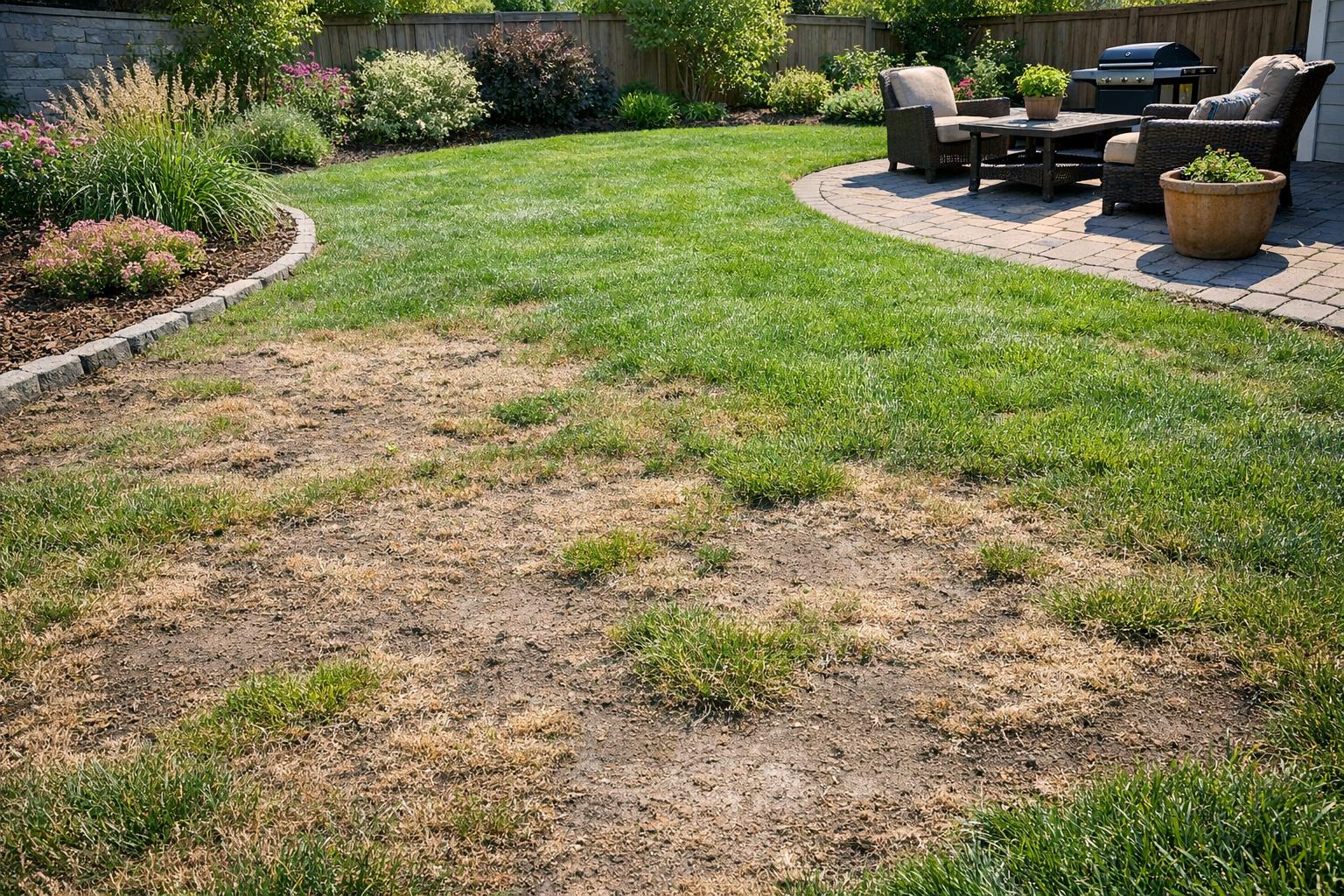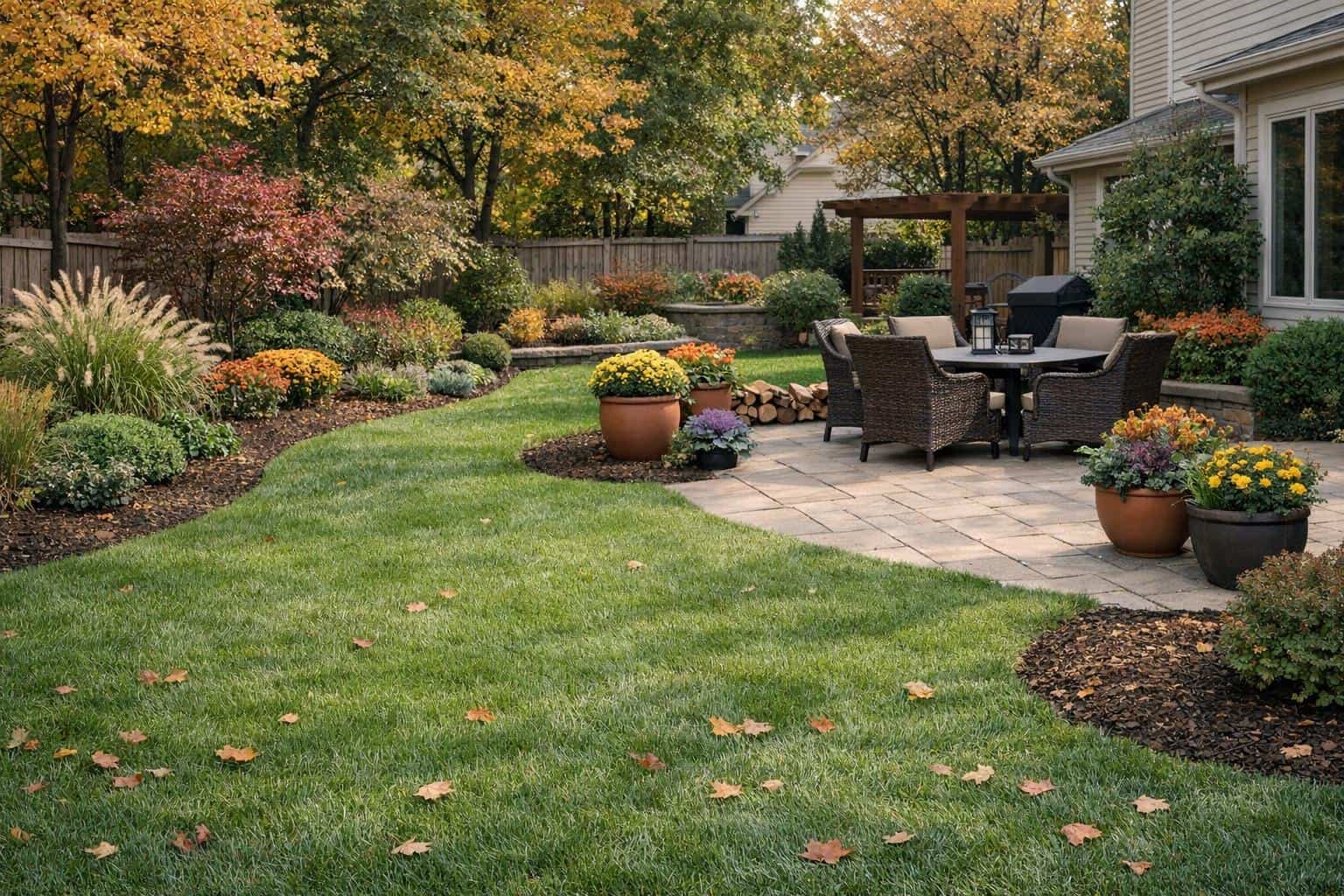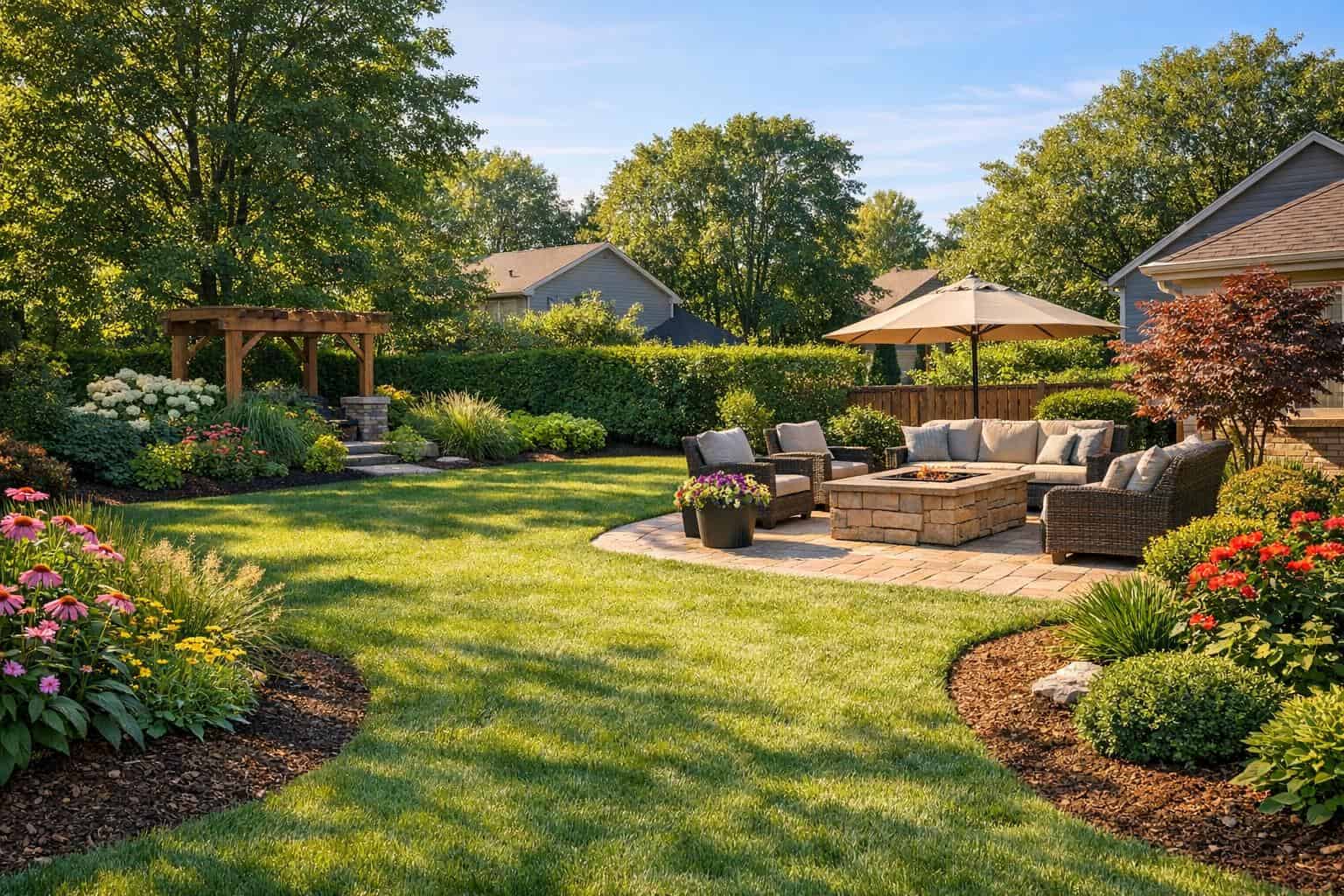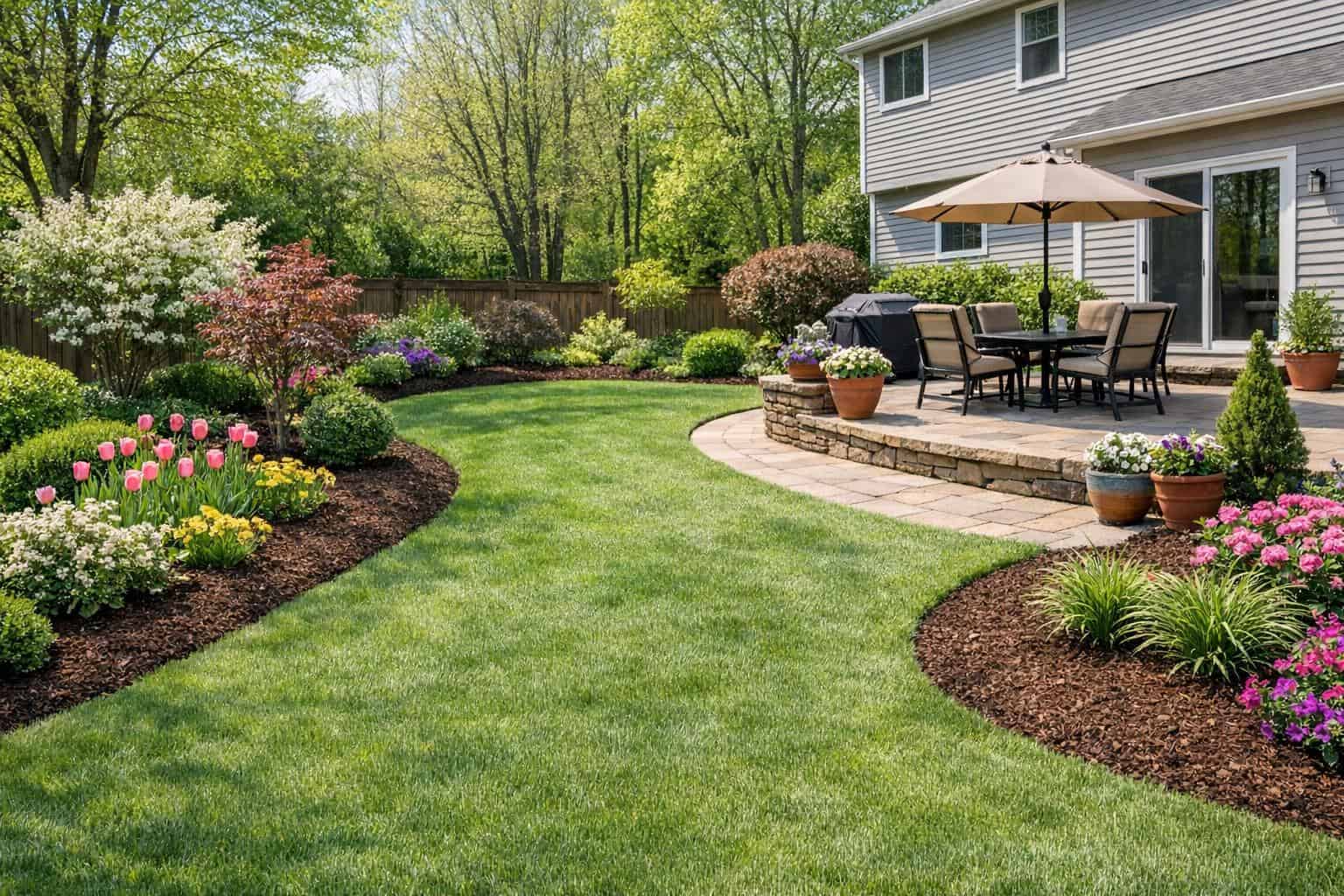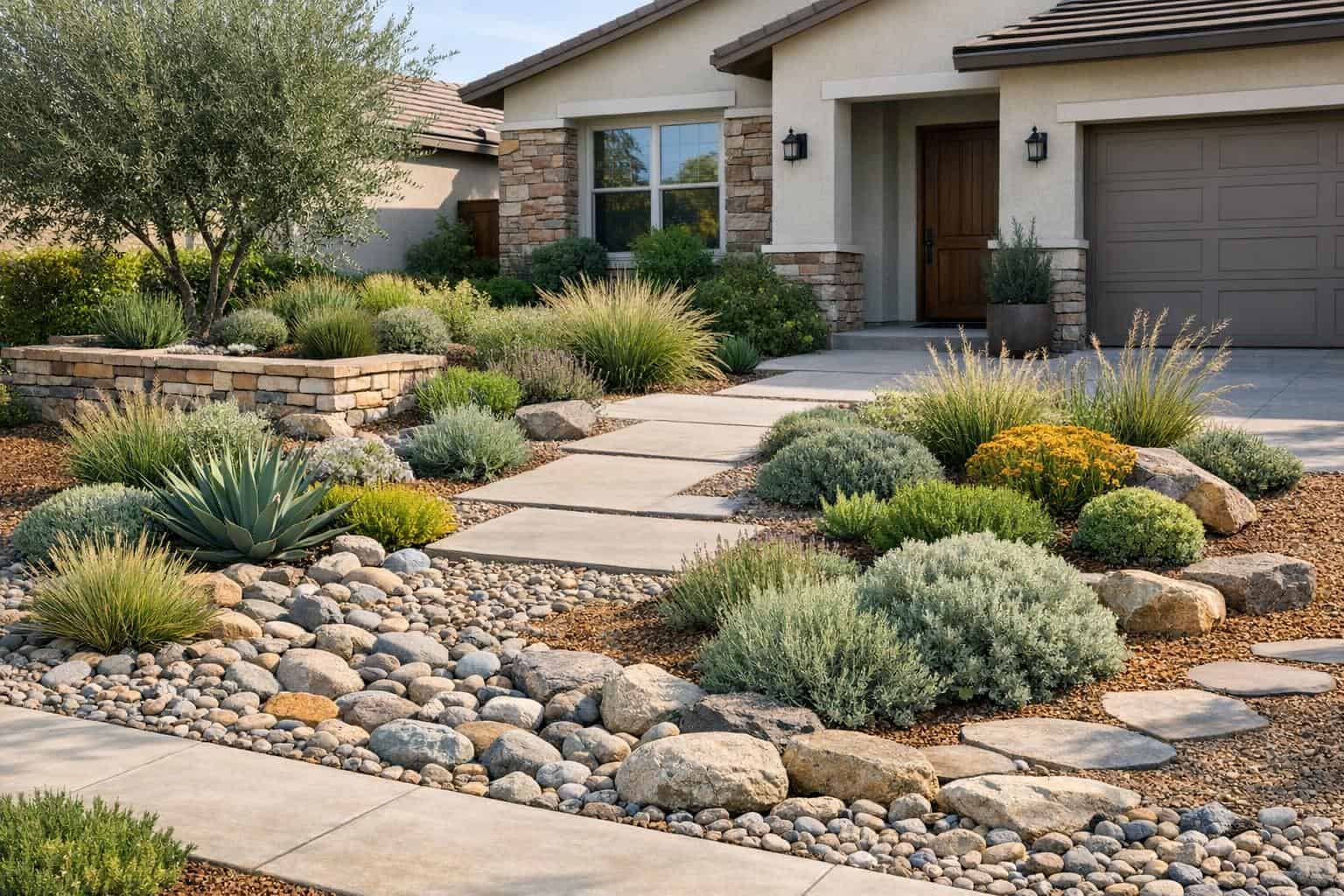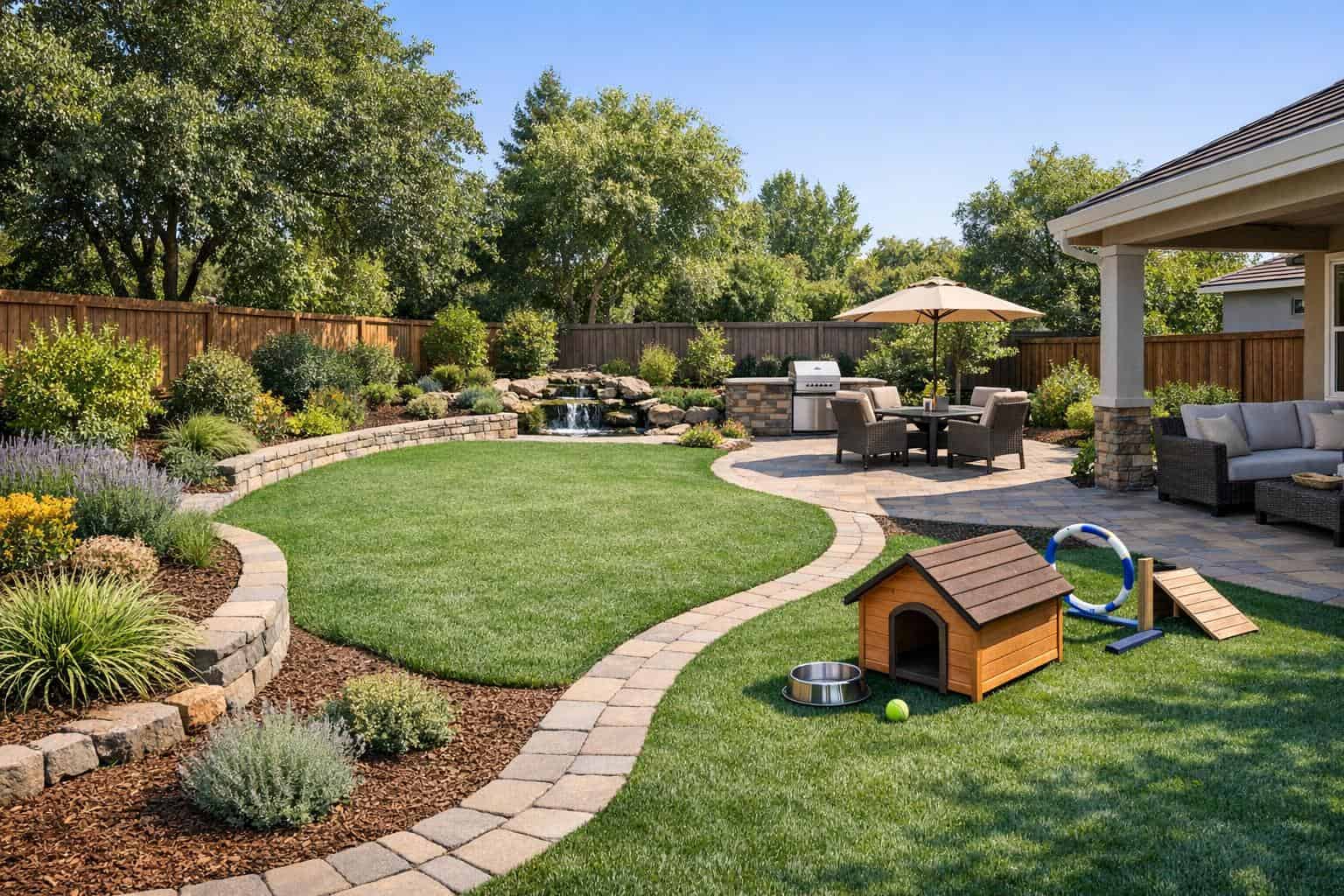
Privacy landscaping can stop working in two different ways: it may fail to give enough screening, or it may grow into a maintenance-heavy wall that makes the yard feel tighter and harder to use. Homeowners often notice this gradually. The patio still feels exposed from one angle, a hedge has thinned in the wrong places, or the planting that once felt helpful now feels bulky, uneven, or difficult to maintain.
Those are signs that privacy landscaping may need more than trimming. It may need a better overall approach.
Common signs privacy planting is not doing its job
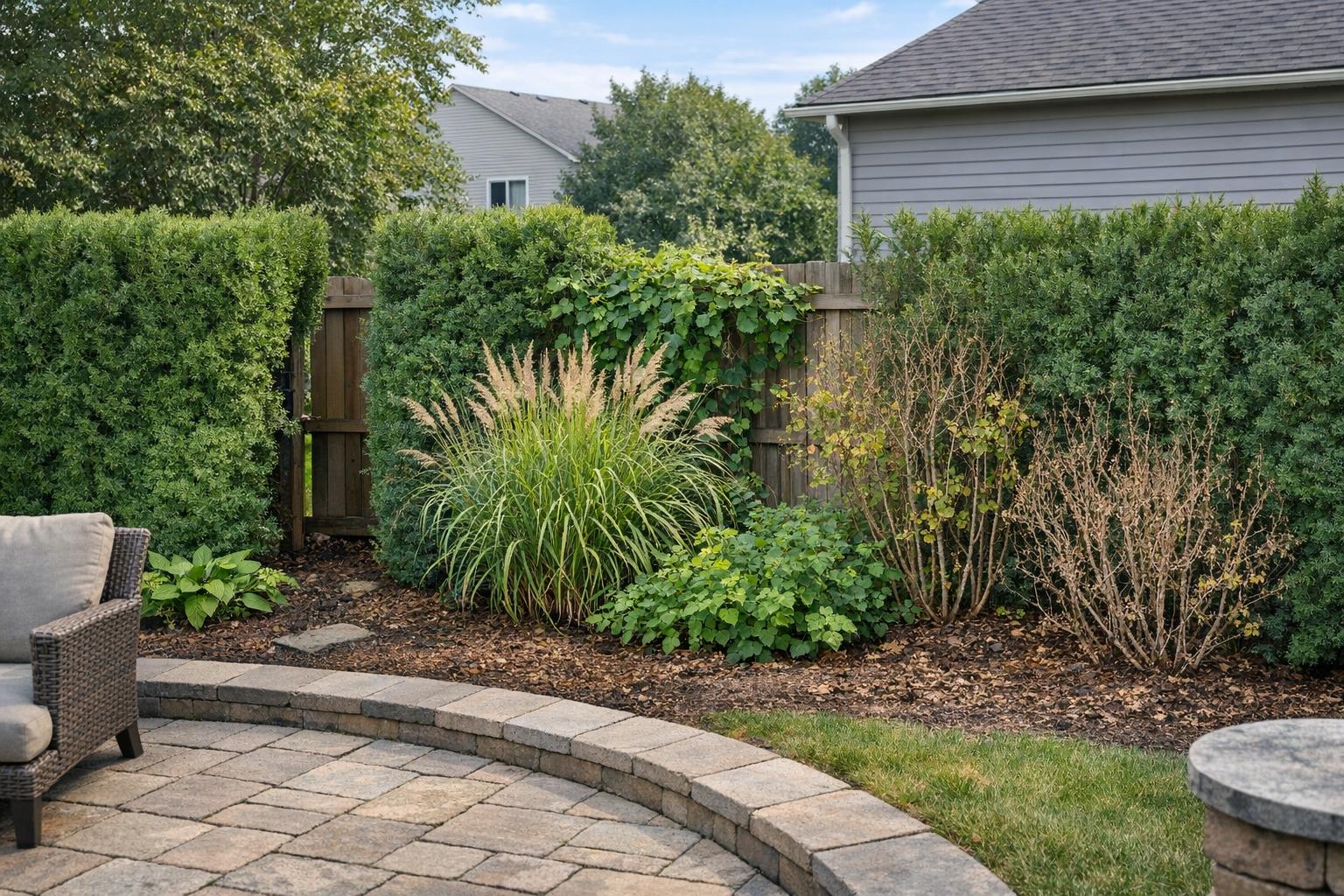
Gaps at the wrong height, overgrowth near seating, uneven plant health, screening that only works seasonally when you need it year-round, or a bed that feels too crowded are all common warning signs. If the yard still feels exposed where it matters most, the privacy plan may not match the way the space is actually used.
Why upgrades are not just about adding more plants
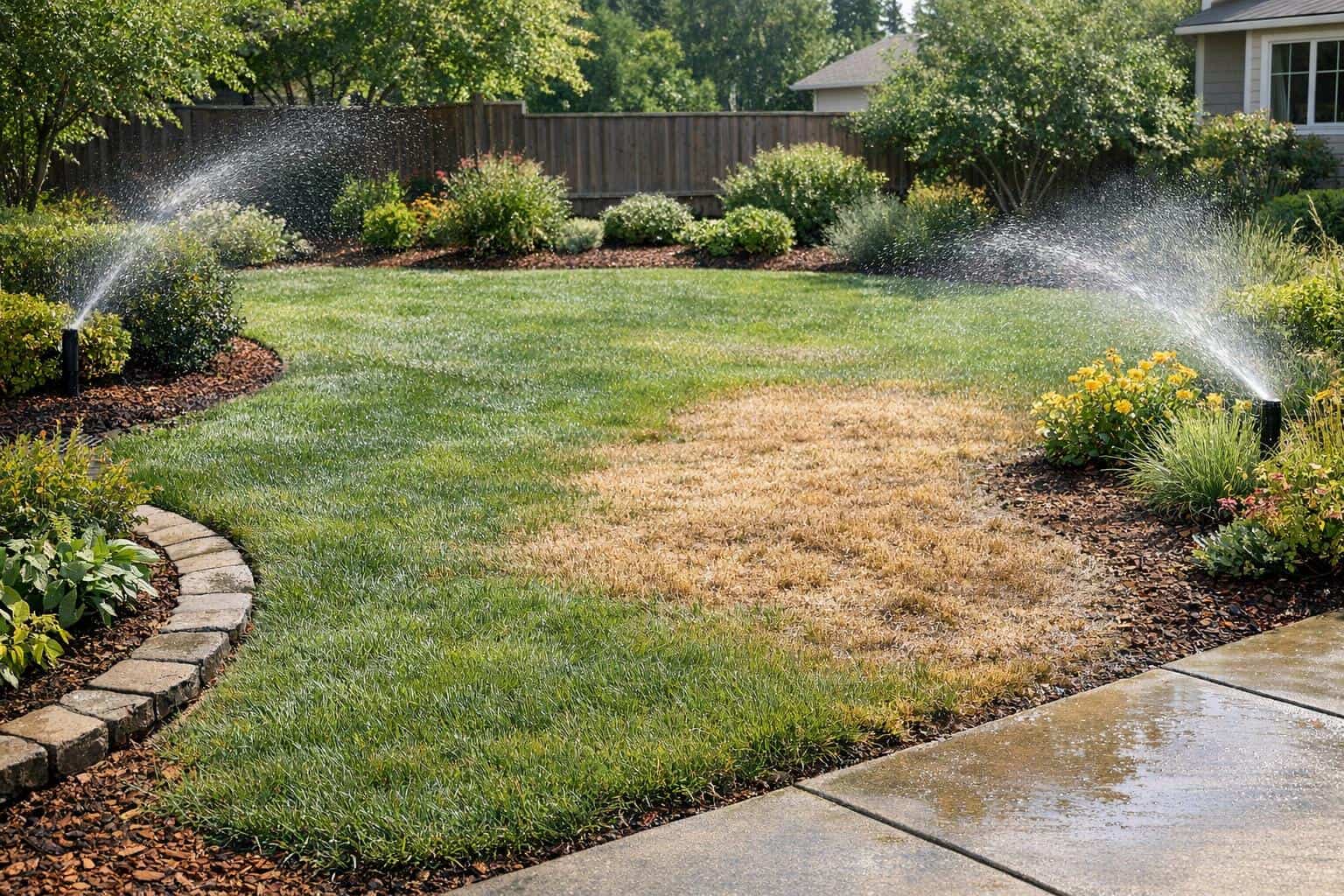
More planting is not always the answer. Better spacing, stronger layering, irrigation support, and a clearer idea of which views truly need screening often matter more than simply making the bed denser. The privacy landscaping guide is the best next read because it explains how privacy can be built without making the yard feel closed in.
When to rethink the privacy plan
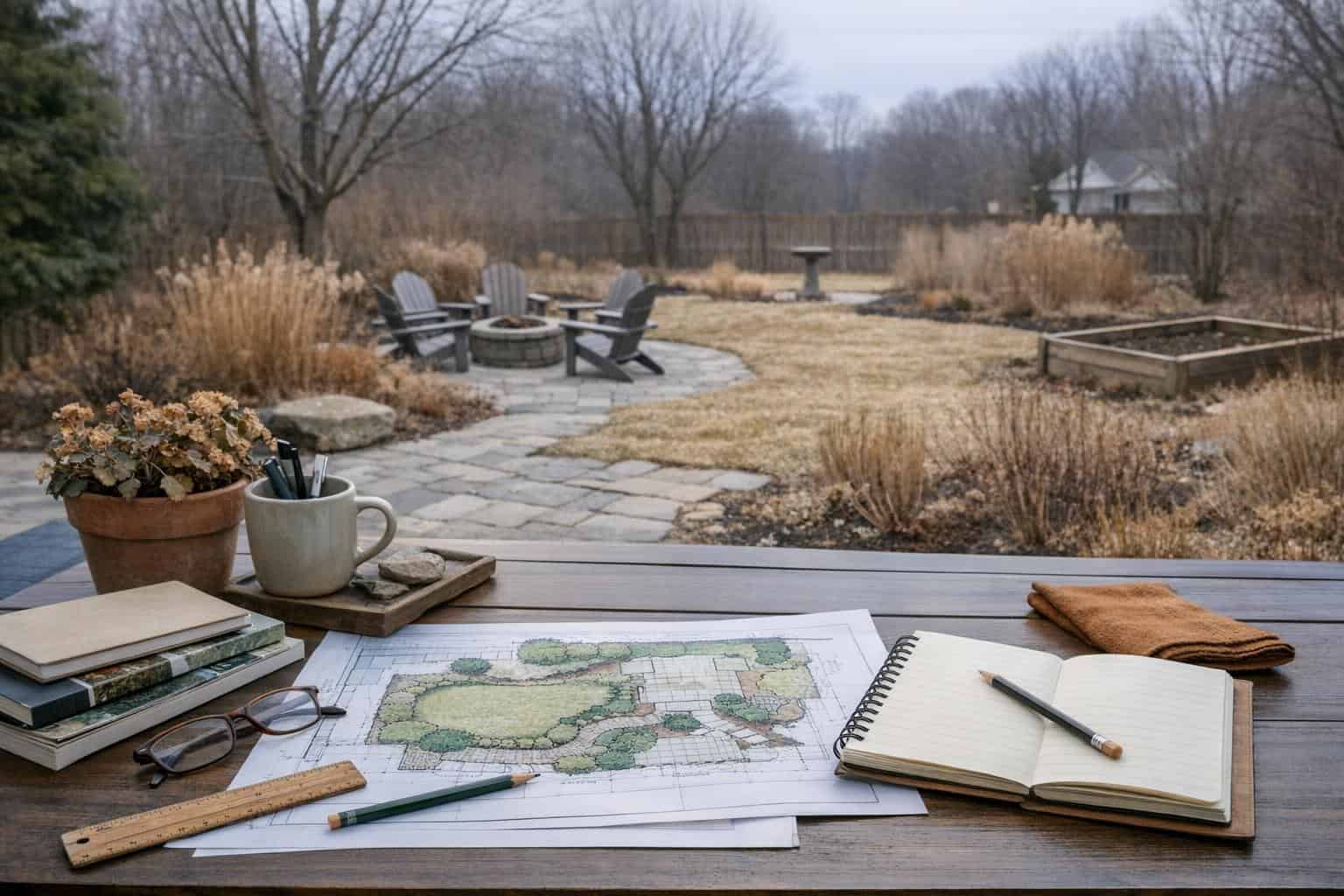
If privacy is affecting how comfortable the patio, backyard, or entertaining areas feel, it may be time to step back and treat the issue as part of the full yard layout rather than only a plant-maintenance problem. That is often especially true in smaller yards where screening and openness need to be balanced carefully.