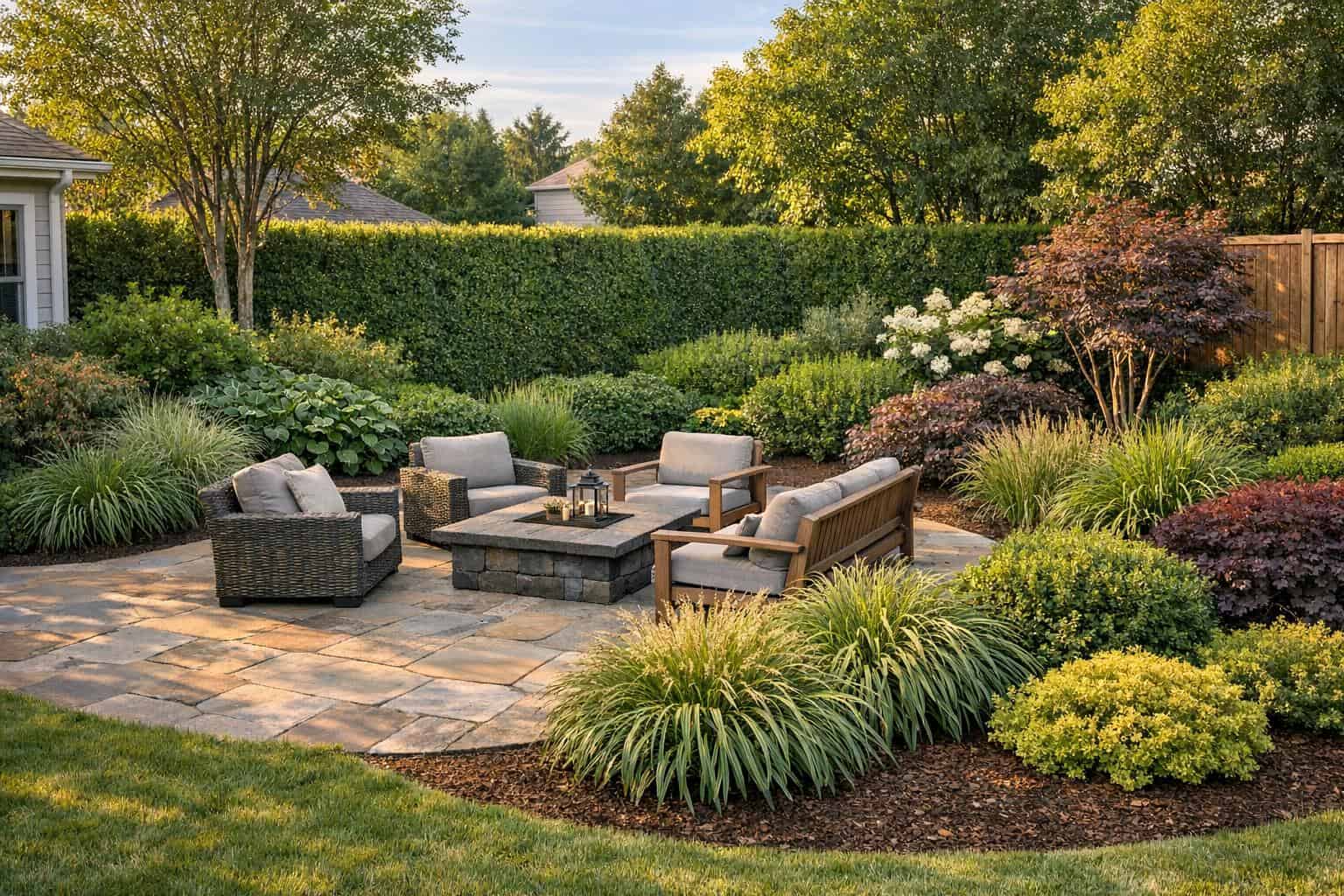
The best privacy plant is not just the fastest grower. It has to fit the space, the maintenance level, the local climate, and how much screening you really need year-round.
What makes a privacy plant actually useful
- Growth habit that matches the screening goal without constant pruning.
- Mature size that fits the bed depth and distance from structures.
- Climate and water needs that the site can realistically support.
Common privacy-plant categories homeowners compare
- Evergreen screens for year-round coverage.
- Layered shrub mixes for softer screening and design flexibility.
- Tree-and-understory combinations where height and depth both matter.
How to choose well
- Start with the amount of width and height you truly have.
- Think about how formal or natural you want the screen to feel.
- Avoid plants that will become a trimming burden just to stay inside the property lines.
Bottom line
The best privacy planting is the one that delivers the screening you want without creating a future maintenance problem.
For the broader overview, continue with Privacy Landscaping Guide for Homeowners.
Leave a Reply