Installation and Construction

Installation and construction guides that explain project phases, prep work, and the build details that affect performance over time.

  • Signs You Need Regrading Guide for Homeowners

    Signs You Need Regrading Guide for Homeowners

    Some yards do not have a drainage problem alone. They have a grade problem that keeps creating runoff, wet spots, awkward circulation, or hard-to-use lawn areas. Homeowners often notice the symptoms first: water moving the wrong way, uneven surfaces, persistent low spots, or a backyard that never feels comfortable to use. Those clues can point to regrading rather than a smaller patch-style fix.

    The challenge is that grade issues often show up slowly. They may be mistaken for irrigation trouble, poor lawn health, or general messiness when the real issue is how the land is shaped.

    Common signs the yard may need regrading

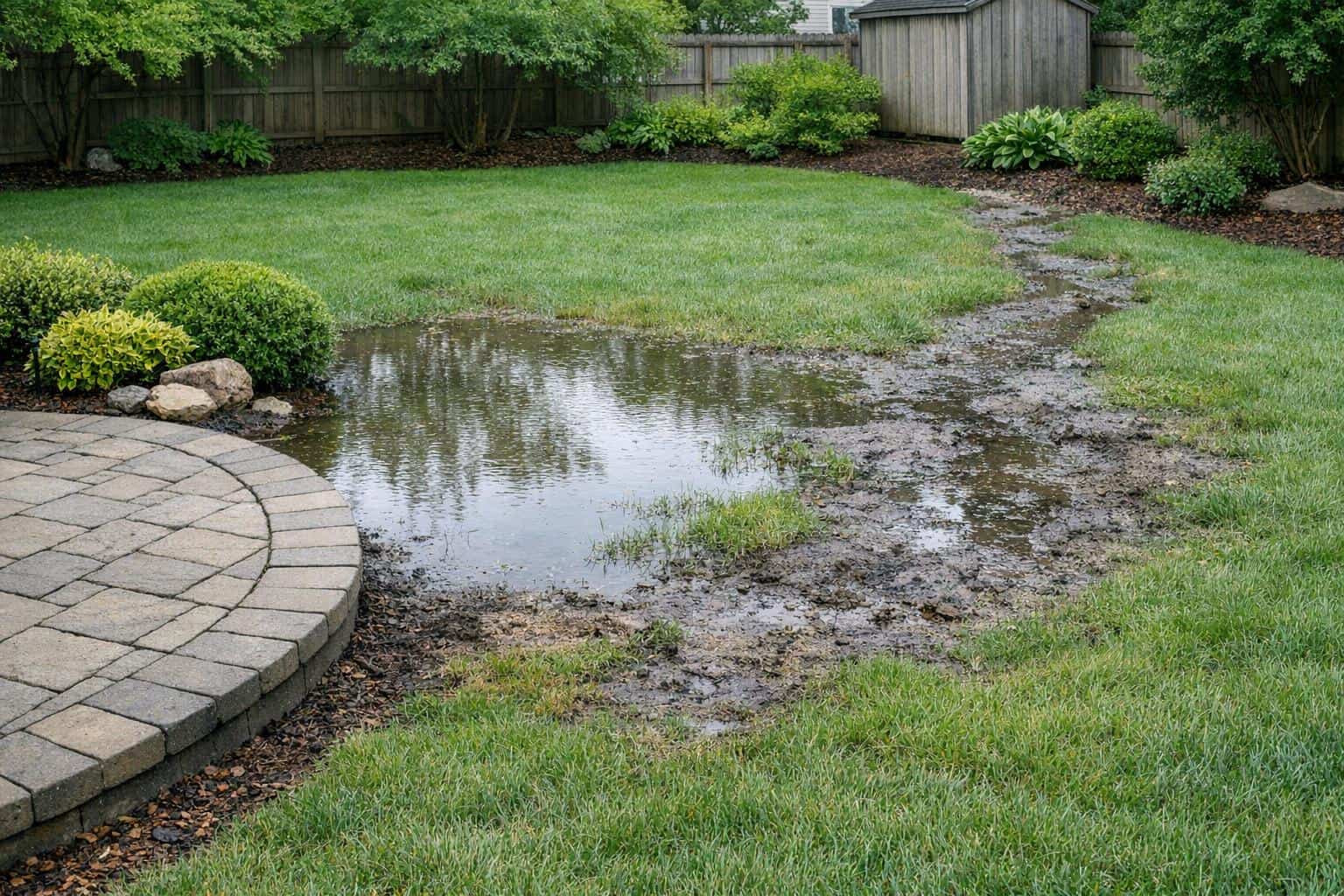
    Standing water, repeated low spots, runoff heading toward the patio or structure, lawn sections that stay soft or uneven, and soil that keeps shifting are all common warning signs. In some yards, the issue is not just water but usability. If the slope makes lawn space awkward, limits furniture layout, or creates a noticeable step where the yard should feel more natural, the grading itself may need attention.

    Why regrading is different from a surface-level fix

    Surface treatments can help, but they do not always solve the underlying shape of the yard. If the land is directing water poorly or creating awkward grade transitions, new mulch, fresh sod, or small drainage components may only reduce the symptom temporarily. The grading and yard leveling guide and drainage vs regrading guide help clarify when the grade itself should become part of the solution.

    What homeowners should look at next

    Homeowners should pay attention to where water is moving, how long wet areas last, whether surfaces feel uneven underfoot, and whether the yard layout is being limited by the slope. If those issues are repeating, regrading may deserve a closer look before additional cosmetic work is layered on top.


  • Signs a Retaining Wall May Be Failing Guide

    Signs a Retaining Wall May Be Failing Guide

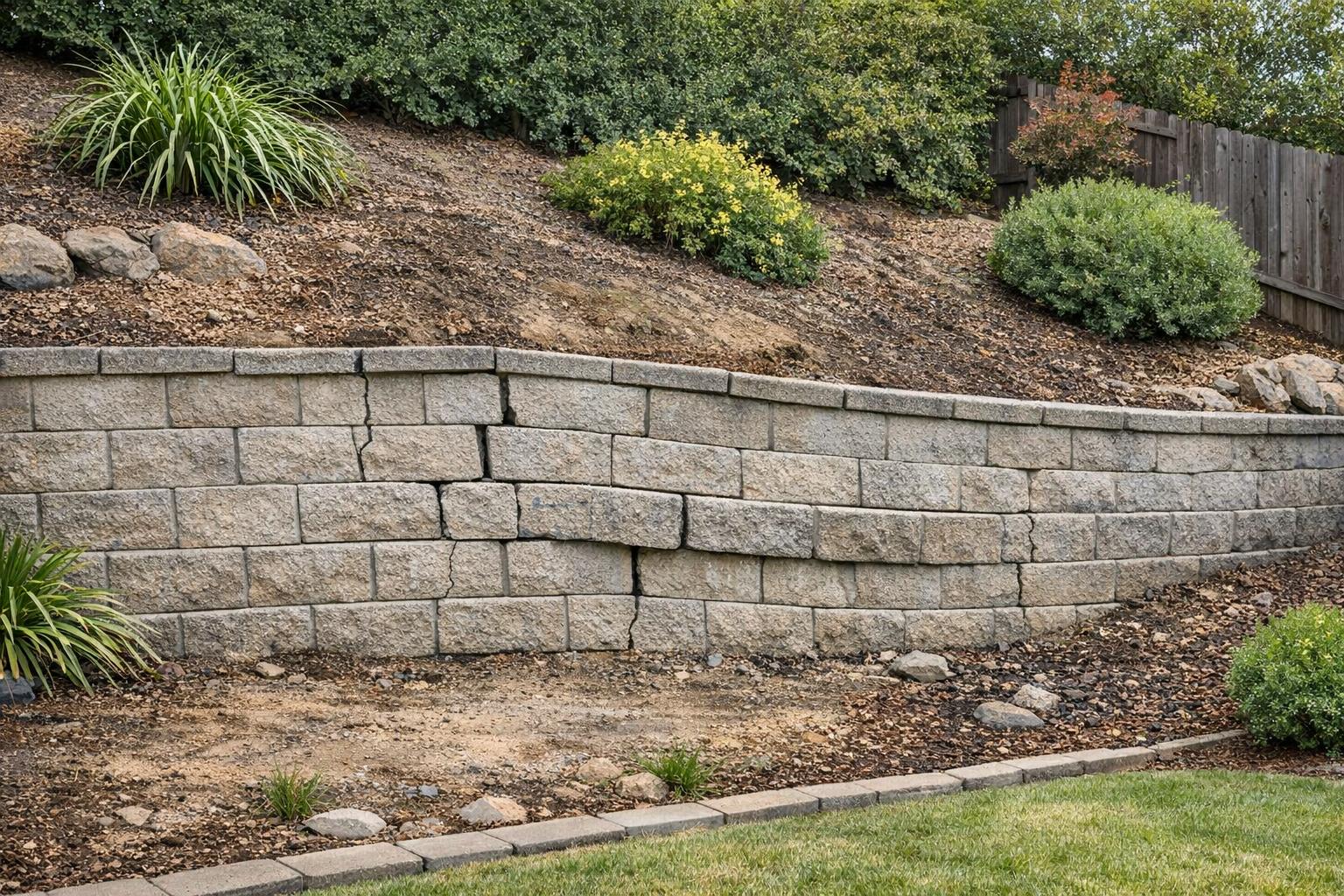
    Retaining walls are built to manage soil pressure, grade change, and sometimes drainage, so even small signs of movement should be taken seriously. Homeowners may notice a wall leaning, cracking, bulging, or separating over time and assume it is only cosmetic. In many cases, those are early warnings that the wall is under stress or that water is creating pressure behind it.

    The earlier these signs are recognized, the more options homeowners may have before the problem becomes more disruptive.

    Common warning signs

    Bulging sections, leaning, cracks, soil loss behind the wall, drainage stains, or separation between parts of the structure are all signs worth evaluating. Some walls also show trouble through the surrounding yard, such as pooling water, shifting grade, or planting that appears unstable near the wall line.

    Why drainage often matters

    Retaining wall problems are often tied to water. If pressure builds behind the wall because drainage is poor, the structure can begin to move even if the visible face still looks mostly intact. That is why homeowners often need to look at both the wall and the broader drainage pattern together.

    The retaining wall guide, wall material comparison guide, and drainage guide all help frame what the next conversation should look like.

    When to move from observation to action

    If the wall is visibly changing, affecting nearby hardscape, or connected to water issues that are getting worse, it is time to move beyond observation and get the situation evaluated. Homeowners do not need to know the exact engineering cause first, but they do need to avoid assuming the problem will stay cosmetic on its own.


  • Signs It Is Time to Replace a Patio Guide

    Signs It Is Time to Replace a Patio Guide

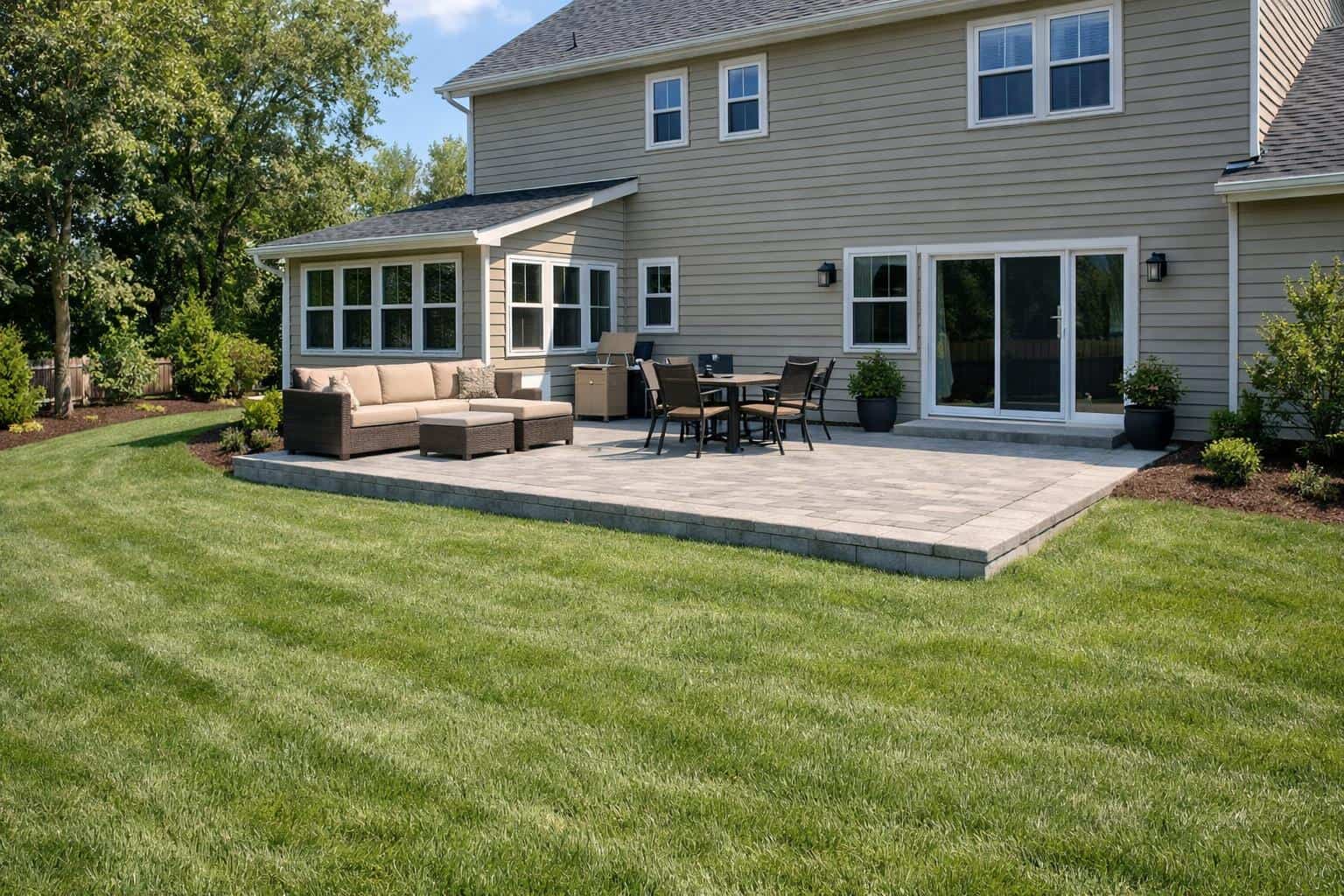
    Patios can often be repaired, refreshed, or re-leveled, but not every problem is worth patching repeatedly. In some yards, an older patio stops working because the layout is wrong, drainage is poor, the surface has settled too much, or the visible wear is a sign of deeper construction problems. The challenge for homeowners is knowing when a patio still makes sense to repair and when replacement is the cleaner long-term choice.

    That decision usually comes down to function as much as condition. A patio that looks dated but still drains, sits level, and supports the way you use the yard may not need full replacement. A patio that creates pooling water, trip hazards, or an awkward layout may need a bigger rethink.

    Signs repairs may no longer be enough

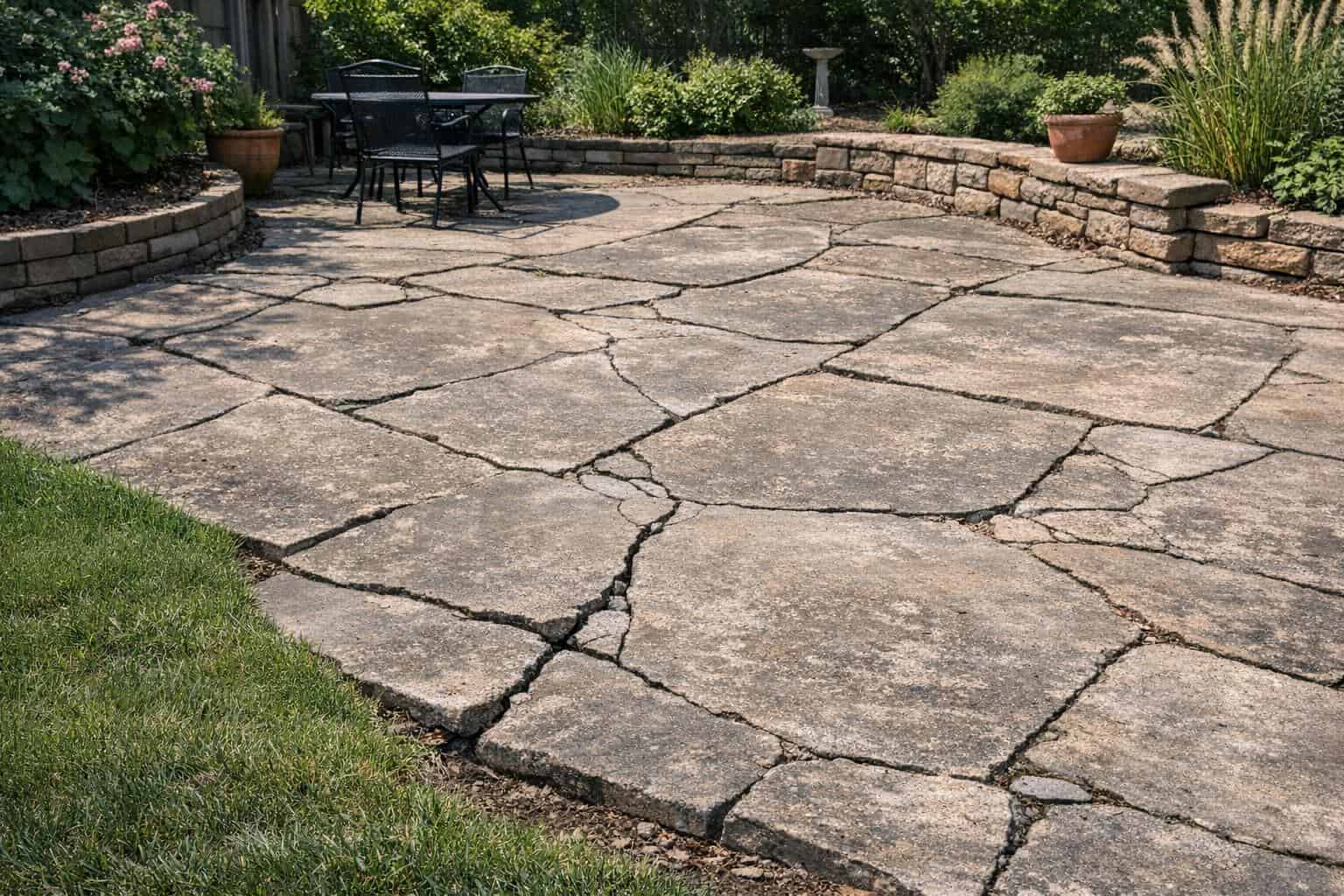
    Repeated cracking, major settlement, uneven sections, poor drainage around the surface, or movement that keeps returning after small fixes are common signs that replacement deserves consideration. If the patio no longer fits the current backyard plan, that can also be a reason to rebuild instead of patching what is there.

    Look beyond the visible surface

    Homeowners should ask whether the problem is only cosmetic or whether the base, drainage, and layout are contributing. A patio surface can fail early if water is not moving correctly or if surrounding grade and circulation were never handled well in the first place. That is why the patio installation guide and patio material comparison guide can help frame a smarter rebuild decision.

    When replacement can be the better investment

    If a patio has recurring drainage issues, persistent movement, or no longer supports how the backyard is used, replacement can be more cost-effective than layered repairs. Homeowners already planning broader changes like lighting, privacy, fire features, or outdoor kitchens should also consider whether patio replacement makes more sense as part of a larger backyard upgrade.


  • Signs You Need Better Yard Drainage Guide

    Signs You Need Better Yard Drainage Guide

    Drainage problems rarely begin with a dramatic failure. More often, they show up as small but repeated warning signs: soggy lawn areas, water sitting too long after rain, mulch washing out, patio edges staying messy, or planting that never seems to thrive. Homeowners sometimes tolerate these issues for years because they seem normal, but repeated water trouble usually means the yard needs more than routine maintenance.

    The earlier drainage problems are recognized, the easier they are to solve cleanly. Waiting too long can lead to more visible site damage, stressed planting, and hardscape problems that are more expensive to correct.

    Common drainage warning signs

    One of the clearest signs is standing water that lingers after rain or irrigation. Other clues include lawn areas that stay muddy, runoff cutting channels through beds, water collecting near patios or foundations, and soil washing out of planted areas. If parts of the yard are regularly unusable because they stay wet, that is a practical sign of a larger drainage issue.

    Some homeowners also notice the problem indirectly through erosion, plant decline, or recurring maintenance work that never seems to fix the underlying mess.

    Why drainage problems should be addressed early

    Water issues can affect more than the lawn. Poor drainage may shorten the life of hardscape, make walkways or patios messier, weaken some slopes, and create frustration in any part of the yard meant for entertaining or daily use. That is why drainage concerns often overlap with the grading guide and erosion control guide.

    What to do next

    Homeowners do not need to diagnose the exact solution first, but they should identify where water is collecting, how often it happens, and whether site slope, hardscape, or downspout discharge may be contributing. The broader drainage solutions guide and drainage vs regrading comparison are the natural next steps once the warning signs are clear.


  • Erosion Control Guide for Homeowners

    Erosion Control Guide for Homeowners

    Erosion is more than a cosmetic landscaping issue. When soil washes away, homeowners can lose planting beds, expose roots, undermine hardscape, create muddy runoff, and place stress on slopes or structures. In some yards, erosion appears slowly as thinning soil and exposed areas. In others, it shows up quickly after storms as rills, channels, washed mulch, or sediment collecting where it should not.

    The right fix depends on why the soil is moving in the first place. Water concentration, steep grade changes, poor vegetation cover, gutter discharge, bare soil, compacted surfaces, and neighboring runoff patterns can all contribute. That is why erosion control should be treated as a site problem first and a planting problem second.

    Signs a yard may need erosion control

    Homeowners often notice erosion after heavy rain, but the warning signs can appear well before that. Bare patches on a slope, exposed roots, washed-out mulch, sediment on walkways, low spots forming near runoff paths, and areas where water consistently carves channels through the soil are all common signals. If a retaining wall, fence, or patio edge is starting to look undermined, the issue may be more serious than surface damage.

    When runoff is the main driver, the best starting point is often the broader drainage guide. If the yard has grade problems, the grading and yard leveling guide can help clarify whether reshaping the site should happen before adding stabilization materials.

    Common residential erosion causes

    In residential landscapes, erosion usually comes from concentrated water flow rather than one dramatic event. Downspouts may release too much water in one area. A patio or driveway may shed water toward a bed or slope. Soil may be left exposed after a project, with no planting or protective cover. In some cases, irrigation overspray contributes to surface loss over time. Steeper slopes and sparse root systems make these conditions worse.

    Yards with repeated runoff often need a combination of solutions, not a single fix. For example, a homeowner may need better drainage collection, regrading, denser planting, and mulch or rock coverage together. Treating only the visible damage without redirecting the water usually leads to repeat failure.

    Common erosion-control solutions

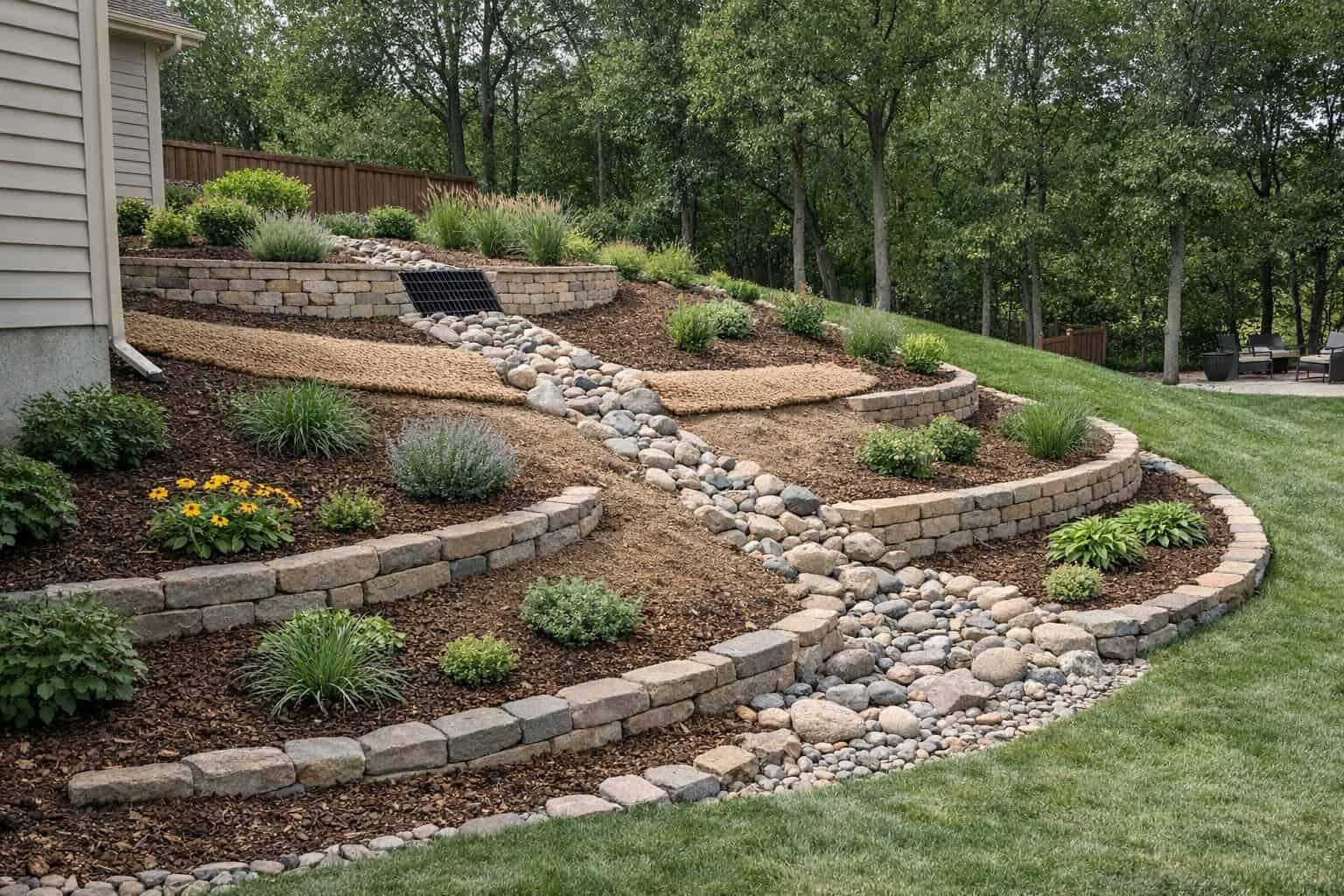
    Solutions vary based on slope, soil type, drainage pattern, and severity. Planting deep-rooted ground cover can help hold soil in place. Mulch blankets or erosion-control matting may stabilize exposed surfaces while vegetation establishes. In tougher areas, contractors may use rock swales, channel lining, edging, small retaining structures, or grade reshaping to slow and redirect runoff.

    Hardscape solutions are not always the first choice, but they can be necessary when the slope is steeper or when soil movement threatens surrounding structures. If wall construction is part of the plan, the retaining wall guide and the retaining wall material comparison can help frame the conversation.

    How planting supports erosion control

    Planting helps most when it is part of a broader stabilization strategy. Dense root systems protect the surface, reduce splash erosion, and improve soil structure over time. But planting alone may fail if water is still moving too fast across the site. Matching plant choice to exposure, moisture, and slope conditions is essential.

    For homeowners who want a softer-looking fix, combining stabilization with a planting installation plan can make the final result look intentional rather than purely functional.

    How much erosion-control work may cost

    Costs depend heavily on site access, slope severity, drainage corrections, and how much material is needed to stabilize the area. A simple planting-and-mulch fix is very different from a project that includes trench drainage, grade changes, rock work, or structural support. As with most yard work, the labor behind the fix often matters as much as the visible materials.

    When comparing estimates, ask contractors which part of the work addresses the cause, which part protects the surface, and how long the stabilization may take to fully establish. That is especially important when vegetation is part of the solution.

    Questions to ask a contractor

    • What is causing the erosion on this site, and how are you addressing that cause directly?
    • Will the solution rely on planting, hardscape, drainage work, or a combination?
    • How will runoff behave differently after this work is complete?
    • What maintenance should be expected while the area establishes?
    • Are there sections of the yard that need grading before surface stabilization begins?

    Erosion control works best when it is treated as part of the whole landscape system. Homeowners who solve runoff, grade, and stabilization together usually get a cleaner-looking yard and a more durable result.


  • Outdoor Kitchen Guide for Homeowners

    Outdoor Kitchen Guide for Homeowners

    An outdoor kitchen can turn a patio or backyard into a true living space, but it also adds more planning complexity than a basic seating area or fire feature. Homeowners usually need to think through layout, cooking style, countertop space, utility connections, weather exposure, drainage, lighting, and how the new kitchen relates to the rest of the yard.

    The most successful projects start with function, not just appearance. Before choosing appliances or finishes, it helps to decide how the space will actually be used. Some households want a simple built-in grill and prep counter. Others want a larger entertaining zone with refrigeration, storage, bar seating, shade, and room for serving. The scope drives the budget, timeline, and contractor team you may need.

    What an outdoor kitchen project usually includes

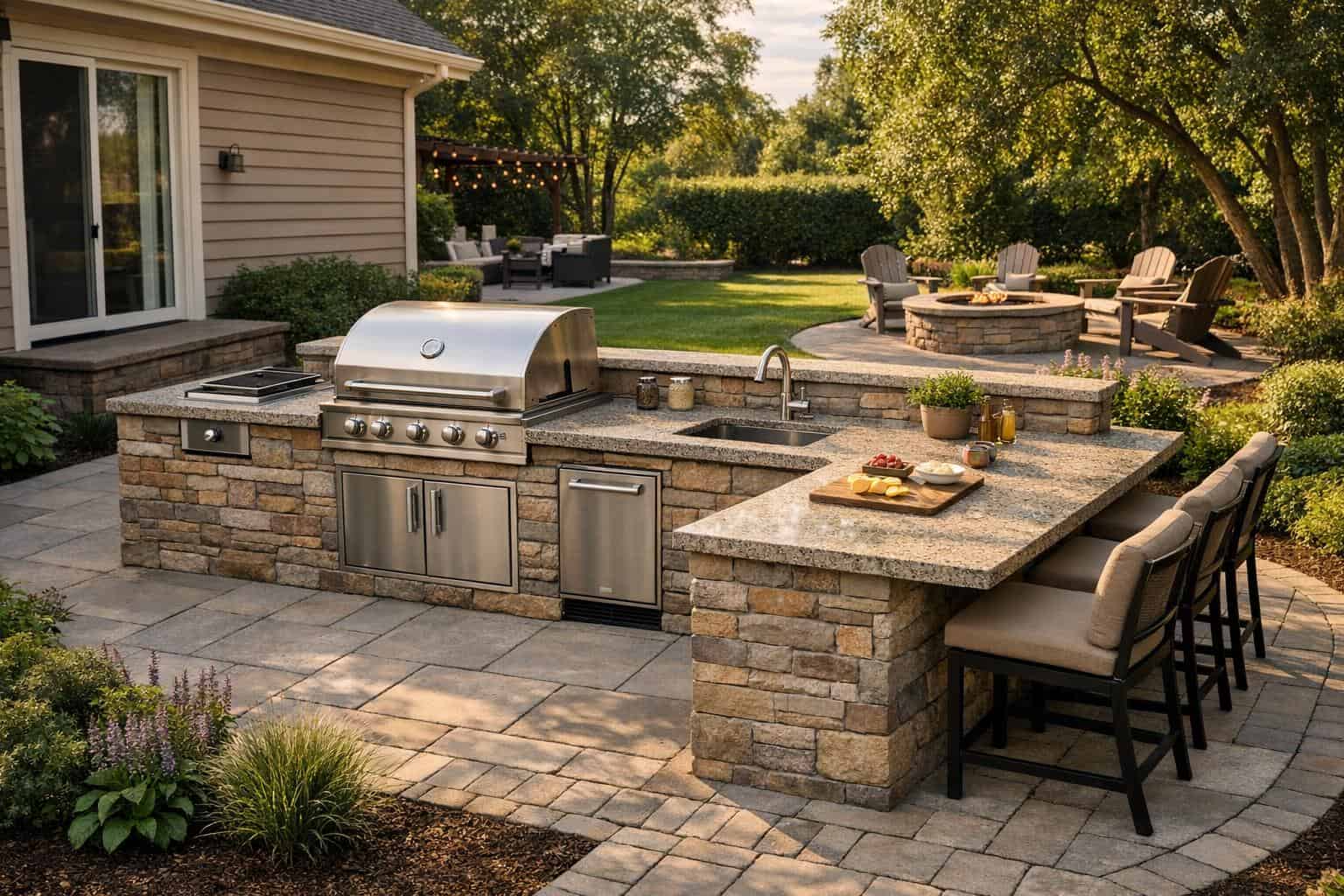
    Outdoor kitchens vary widely, but most projects are built from a few core components: a cooking appliance, work surface, durable base structure, and surrounding patio or gathering area. More advanced builds may also include electrical service, gas lines, sink plumbing, task lighting, refrigeration, or overhead cover.

    In many yards, the kitchen itself is only part of the work. Contractors may also need to extend a patio, improve grading, adjust drainage, add retaining walls, or strengthen the surface under the finished structure. That is why it helps to review the broader landscaping project process before construction starts.

    How to choose the right layout

    Layout affects both convenience and cost. A straight run with a grill and prep space is often the simplest and most budget-friendly option. L-shaped and U-shaped layouts create more working room and can support entertaining, but they require more material, more coordination, and more yard space. If the kitchen is too far from the house, utility runs can become more expensive. If it is too close to doors or tight walkways, daily use can feel cramped.

    Homeowners should also think about circulation. Guests need room to gather without blocking the cook, and the kitchen should connect naturally to dining, seating, and lighting. If you are already planning a new patio, reviewing a patio installation guide can help you coordinate both spaces as one project.

    Utilities and infrastructure matter more than finishes

    Appliances get attention, but the infrastructure behind them is often what determines whether a project feels easy or frustrating. Gas, electrical, and water requirements should be addressed early. A contractor may need to trench for service lines, coordinate licensed trades, or meet local code requirements for shutoffs and clearances. Ventilation, drainage, and weather protection also matter, especially around cabinets and appliances.

    If the site has slope or water issues, tackle them before the kitchen is built. Pooling water, unstable base conditions, or poor runoff can shorten the life of hardscape and utility components. In those cases, it is smart to compare solutions in the drainage guide or the grading and yard leveling guide.

    Best materials for outdoor kitchens

    Outdoor kitchens need materials that can handle weather, moisture, heat, and routine cleaning. Stone, concrete, masonry veneer, stainless steel, and outdoor-rated surfaces are common choices because they hold up better than many indoor materials. The right finish depends on climate, maintenance tolerance, and the style of the home.

    It is worth asking contractors why they recommend a particular material system, how it performs over time, and what routine care it needs. A beautiful design is less useful if surfaces stain easily, metal components rust, or cabinet materials break down in sun and rain.

    How much an outdoor kitchen may cost

    Outdoor kitchen costs vary sharply based on size, appliances, utility work, and surrounding hardscape. A compact grill-and-counter project is very different from a full entertaining kitchen with refrigeration, bar seating, lighting, and overhead structure. Labor complexity often rises when electrical, gas, and plumbing are combined with masonry work.

    When comparing bids, focus on what is actually included. Some proposals price only the kitchen structure, while others include appliance installation, prep counters, utility rough-ins, permits, or adjacent patio work. The broader landscaping costs guide can help you understand where those cost differences come from.

    Questions to ask before hiring

    • Will this contractor handle only the hardscape, or coordinate electrical, gas, and plumbing trades too?
    • What base preparation is included beneath the kitchen and surrounding patio?
    • How are drainage and runoff handled around the finished structure?
    • Which finishes and appliances are rated for outdoor use in this climate?
    • What access, shutdowns, inspections, or permit steps should be expected?

    What to expect during the project

    Most outdoor kitchens move through site prep, utility rough-in, structure construction, surface finishing, appliance install, and final cleanup. Weather, inspections, and material lead times can all affect the schedule. Temporary disruption is normal, especially if the new kitchen connects to an existing patio, walkway, or dining zone.

    If the goal is to create a complete outdoor-living space, many homeowners also pair the kitchen with a fire pit, landscape lighting, and upgraded planting around the entertaining area. Thinking through the whole yard plan can prevent expensive rework later.

    An outdoor kitchen should make the yard easier to enjoy, not just more expensive to build. Homeowners who focus on workflow, utility planning, and durable materials tend to get better long-term value than those who design around appearance alone.

    Cost guide: If you are comparing bids, the What Affects Outdoor Kitchen Cost Guide explains why utilities, appliances, and patio integration can change the number quickly.
  • Grading and Yard Leveling Guide for Homeowners

    Grading and Yard Leveling Guide for Homeowners

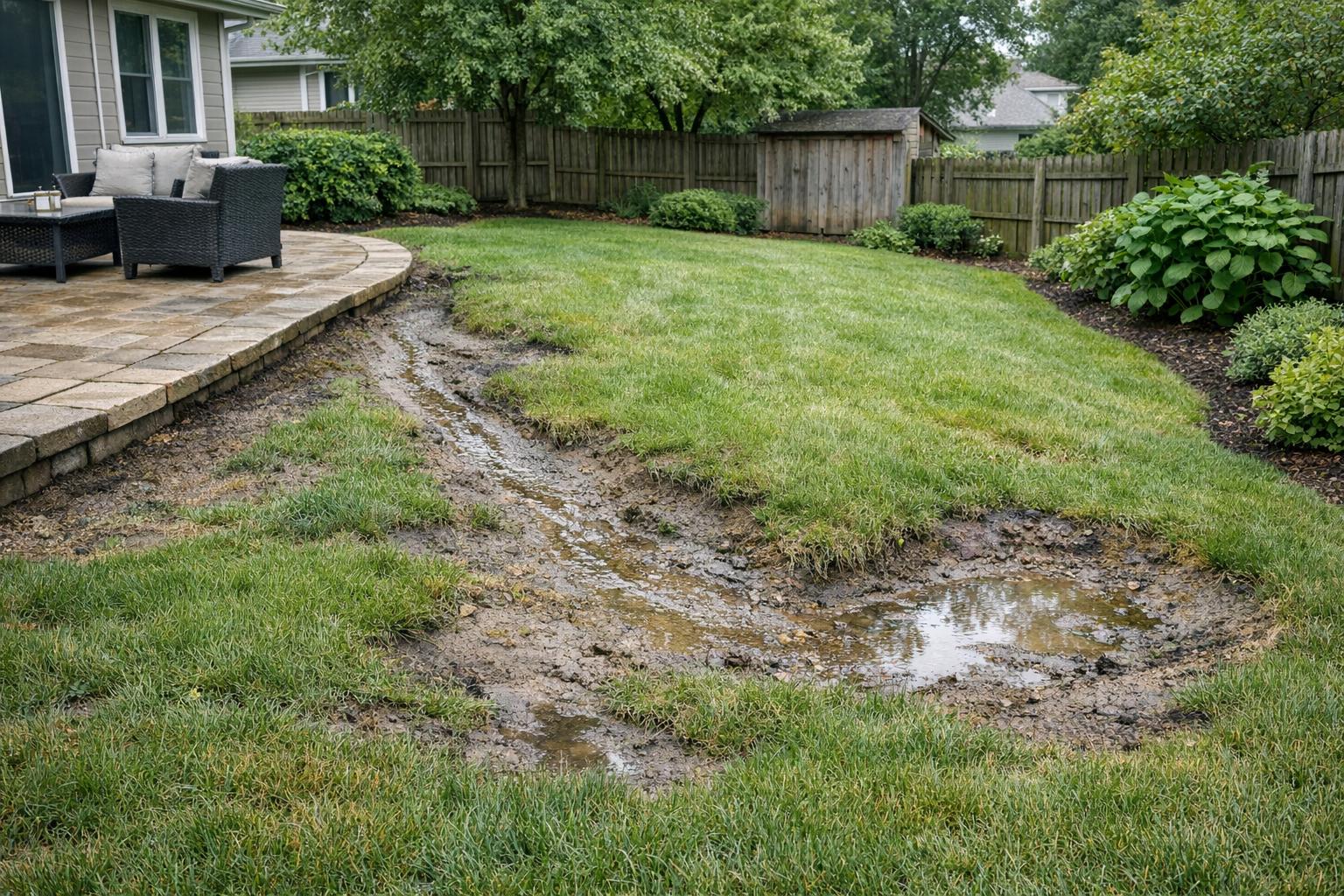
    Grading and yard leveling are often the hidden foundation of a successful landscape project. Homeowners usually notice the visible symptoms first: standing water, awkward slopes, muddy lawn areas, patios that feel disconnected from the yard, or low spots that make mowing and drainage harder. But those symptoms often point back to a grade issue underneath the surface.

    This guide explains what grading work usually includes, when yard leveling matters most, and how it connects to drainage, lawn installation, patios, and retaining walls.

    What grading usually includes

    Grading work may involve reshaping the surface, redistributing soil, correcting low spots, adjusting slope near structures, preparing for sod or planting, and coordinating with drainage features. Some projects are simple surface corrections. Others are part of a broader plan that includes walls, patios, irrigation, or lawn replacement.

    • Common goals: improve drainage, create flatter usable areas, support hardscape, and make lawn or planting installation more successful.
    • Main performance factors: slope direction, soil stability, compaction, and how the grade connects to surrounding structures and surfaces.

    Why grading matters before other upgrades

    Homeowners often want to jump to the visible layer first, whether that is new sod, a patio, or refreshed planting beds. But if the grade underneath is sending water the wrong way or creating awkward transitions, those upgrades may not perform the way you expect. That is why grading often belongs early in the project sequence.

    Our drainage vs regrading guide is especially helpful if you are trying to decide whether surface shaping, drainage components, or both are the right answer.

    Grading and usable outdoor space

    Yard leveling is not only about solving water issues. It can also make the space more usable. A better grade can improve circulation, make lawn areas easier to maintain, create a cleaner transition into a patio, and reduce the need for constant workarounds in the landscape design.

    Questions to ask before hiring

    • What is the main problem the grading work is solving?
    • How will the new surface direct water differently?
    • Will this grading affect patios, walls, lawn, or irrigation elsewhere on the property?
    • Is compaction or additional base work needed for the next phase?
    • What visible changes should I expect once the work is complete?

    What homeowners should remember

    Good grading often goes unnoticed once the landscape is complete, and that is exactly the point. It should make everything above it work better. When a contractor can clearly explain how the grade affects water, use, and the next phase of the project, you are much more likely to make the right call before money is spent on visible finishes.

    Related guide: If soil movement is showing up after storms or on a slope, the Erosion Control Guide for Homeowners explains how stabilization and runoff management often need to work together.

    Related guide: If you are still not sure whether the grade itself is the problem, the Signs You Need Regrading Guide can help narrow the issue before choosing a fix.


  • Walkway and Pathway Installation Guide for Homeowners

    Walkway and Pathway Installation Guide for Homeowners

    Walkways and pathways do more than connect one point of the yard to another. They shape how people move through the property, influence drainage patterns, improve safety, and help outdoor spaces feel finished. When they are planned well, they support the whole landscape. When they are added as an afterthought, they can feel awkward, drain poorly, or create maintenance headaches.

    This guide explains what walkway installation usually includes, what affects cost and material choice, and what homeowners should think about before hiring.

    What walkway installation usually includes

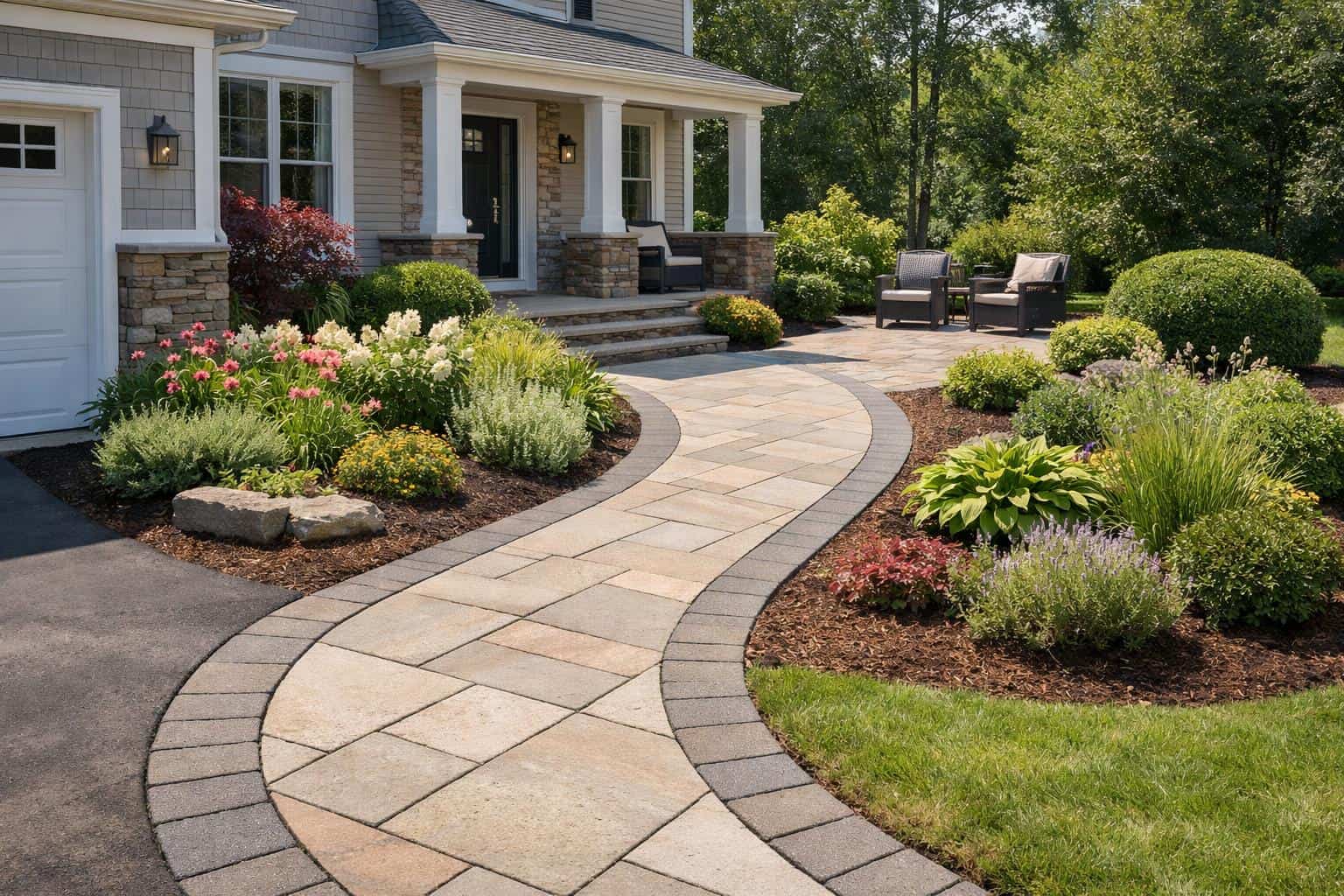
    Walkway projects often involve layout planning, excavation, base preparation, edge definition, grade adjustments, and final surface installation. Depending on the property, the project may also include lighting, step transitions, drainage adjustments, planting-bed integration, or connections to patios, driveways, and entry areas.

    • Common materials: poured concrete, pavers, natural stone, gravel, and stepping-stone style paths.
    • Common goals: improve access, create clearer circulation, connect activity zones, and reduce worn paths through lawn or beds.
    • Main performance factors: base prep, slope, width, edge restraint, and how the path fits the way the property is actually used.

    Circulation comes before material

    Homeowners often start with the finish they like, but layout is usually the more important question. A good walkway should follow natural movement patterns and make the yard easier to navigate. It should feel obvious, not forced. That is especially true around entries, side yards, backyard gathering areas, and transitions between the driveway, patio, and lawn.

    This is one reason walkway planning belongs inside the broader framework described in our landscaping services guide.

    Material choice changes look and maintenance

    Concrete can be practical and clean-lined. Pavers offer pattern variety and easier localized repair. Natural stone can create a more organic look but may increase cost and installation complexity. Gravel paths can work well in some gardens, though they behave differently under traffic and maintenance.

    The right material depends on style, budget, climate, maintenance tolerance, and how formal or informal the space should feel.

    Drainage and grade matter on pathways too

    A walkway should not collect water, create slippery low spots, or send runoff toward the house. Paths are often small enough that homeowners underestimate drainage, but poor water handling can still shorten surface life and create safety issues. If the area already has runoff problems, read our drainage guide alongside this one.

    Questions to ask before hiring

    • How wide should this walkway be for the way we use the space?
    • How will slope and drainage be handled?
    • What base preparation is included?
    • How will the walkway connect to patios, steps, or the driveway?
    • What maintenance should I expect from this material choice?

    What homeowners should remember

    A walkway is one of the most useful connective features in a landscape. The best ones improve movement, support drainage, and make the whole property feel more intentional. The more clearly a contractor explains layout and grade, the more likely the path will feel natural and last well.


  • Drainage vs Regrading Guide for Homeowners

    Drainage vs Regrading Guide for Homeowners

    When homeowners see standing water or runoff problems, they often hear two possible solutions right away: add drainage or regrade the yard. The truth is that these are not always competing options. Sometimes drainage components solve the problem. Sometimes the real issue is surface shape and elevation. Often the best fix combines both.

    This guide explains how to think about the difference.

    What drainage solves

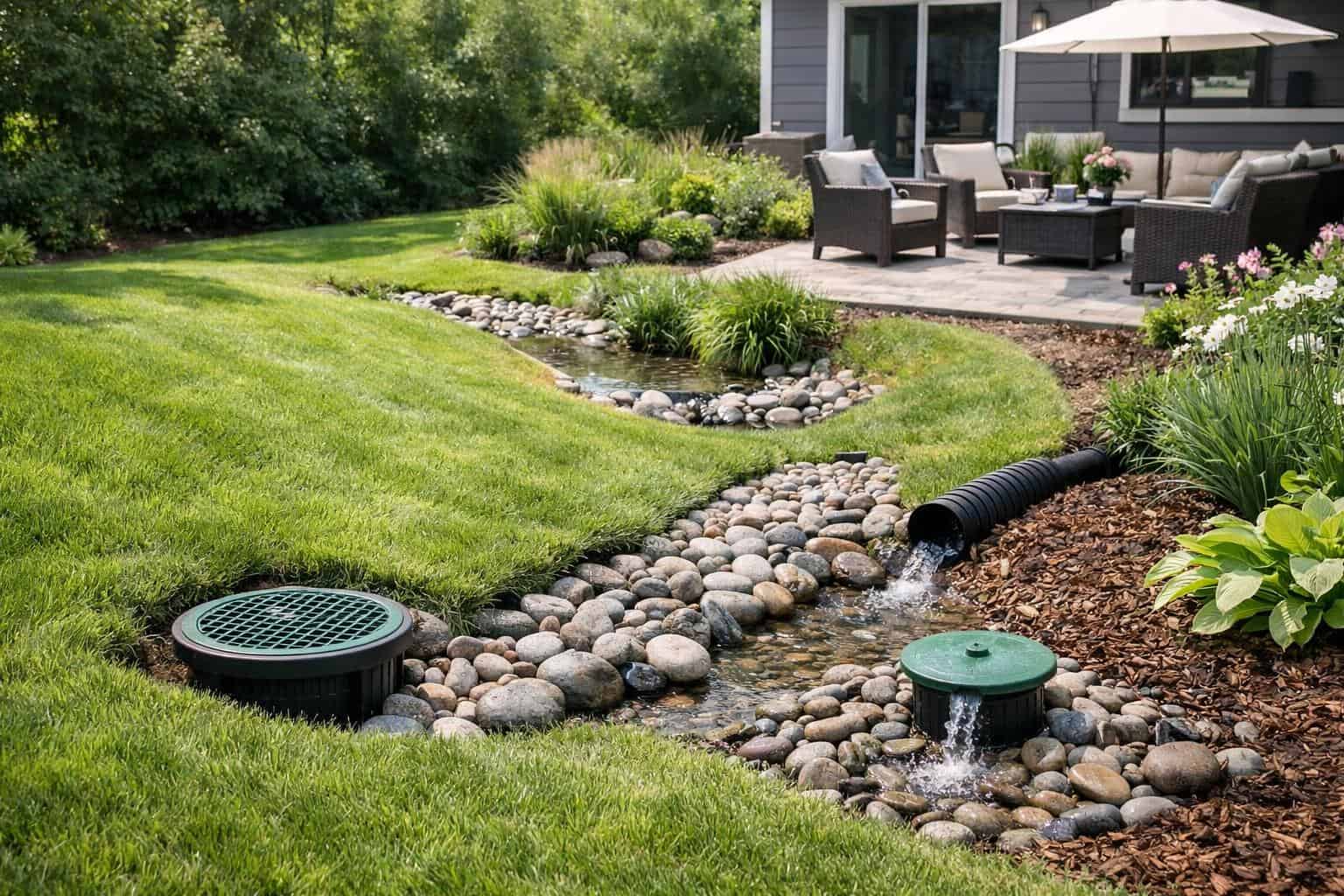
    Drainage systems help collect, redirect, or move water once it is already flowing or collecting in the wrong area. Channel drains, catch basins, French drains, and downspout routing all fit into this category. Our drainage solutions guide covers those options in more detail.

    What regrading solves

    Regrading changes the surface so water naturally flows in a better direction. If the shape of the yard sends water toward the house or traps it in low spots, no drain alone may fully solve the issue. Regrading addresses the source geometry of the problem.

    When both are needed

    Many sites need a combination. A patio edge may need a channel drain, but the surrounding lawn may still need regrading so runoff reaches that drain correctly. A retaining wall project may need both surface re-shaping and drainage management behind the wall.

    What homeowners should remember

    The right solution depends on why the water is collecting in the first place. Homeowners get better outcomes when contractors explain the water path clearly instead of jumping straight to one product or one fix.


  • Retaining Wall Guide for Homeowners

    Retaining Wall Guide for Homeowners

    Retaining walls can solve slope problems, create usable yard space, support patios and walkways, and help control erosion. They can also fail early if homeowners treat them like a simple decorative add-on instead of a structural landscape feature. The look of the wall matters, but performance depends on base work, drainage, soil pressure, and how the wall fits into the grade of the property.

    This guide helps homeowners understand what retaining walls actually do, what affects cost and durability, and what to ask before hiring.

    What a retaining wall is meant to do

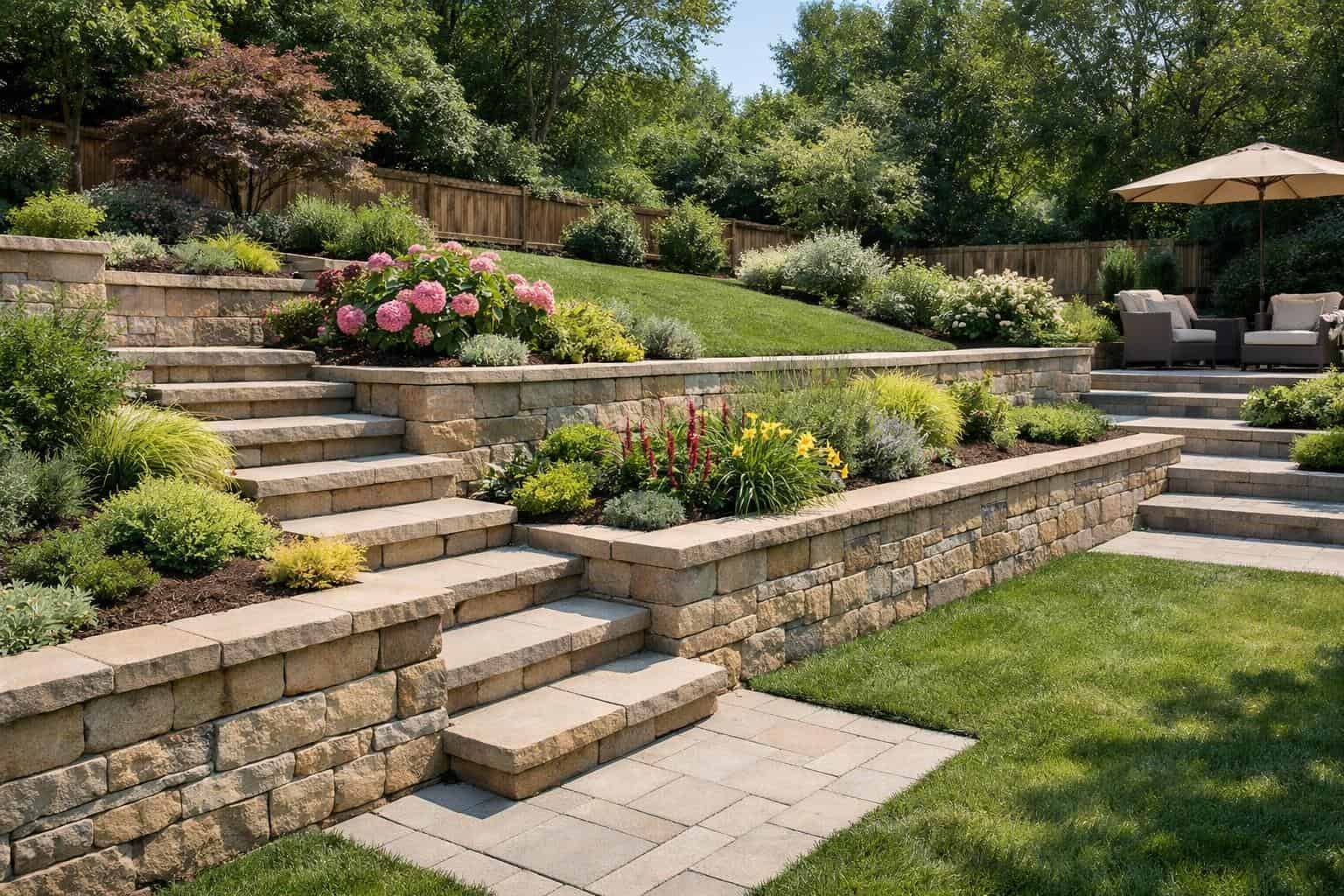
    A retaining wall holds back soil where there is a change in elevation. On some properties that means preventing erosion on a slope. On others it means carving out space for a patio, lawn, planting area, driveway edge, or walkway. The right wall can make a yard feel dramatically more usable.

    Because retaining walls manage both structure and water, they should be planned with drainage and surrounding surfaces in mind. A wall that looks good but traps water or sits on a poorly prepared base is much more likely to shift, lean, or fail over time.

    Common residential retaining wall materials

    • Segmental block systems: popular for many residential projects because they are modular and widely available.
    • Poured concrete: sometimes used when a cleaner or more engineered appearance is preferred.
    • Natural stone: can create a more organic look, but may increase labor and design complexity.
    • Timber: used in some settings, though homeowners should think carefully about longevity and maintenance.

    The best choice depends on wall height, site conditions, visual goals, and budget.

    Why drainage is critical behind the wall

    Many wall problems are really water problems. When runoff or trapped moisture builds up behind a wall, pressure increases and performance declines. That is why drainage provisions are not optional details. They are part of the core structure.

    If your property already has pooling or runoff issues, read our drainage solutions guide alongside this page. The two scopes are often connected.

    What affects retaining wall cost

    Wall pricing is shaped by more than visible length. Height, access, excavation, soil conditions, drainage needs, reinforcement, material choice, and how the wall interacts with nearby surfaces all matter. A short but difficult site can cost more than a longer wall with easy access and straightforward grading.

    • Major cost drivers: wall height, excavation depth, drainage components, reinforcement needs, access, and finish material.
    • Project combinations that raise scope: stairs, patio integration, driveway edge support, lighting, and planting bed rebuilds.

    If you are comparing broader outdoor budgets, our landscaping costs guide can help you interpret quotes more realistically.

    When a retaining wall belongs in a larger plan

    Retaining walls rarely function best as isolated projects. They often support a larger outdoor design by creating a level area for a patio, improving circulation, stabilizing a driveway edge, or organizing planting spaces more effectively.

    This is where site planning matters. Our landscaping services guide explains how structural services often need to be sequenced with drainage, patios, planting, and lighting rather than handled one at a time without a bigger plan.

    Questions to ask before hiring for a retaining wall

    • How will you handle drainage behind and around the wall?
    • What base preparation and reinforcement are included?
    • How does this wall connect to nearby patio, walkway, or lawn grades?
    • What material do you recommend for this site and wall height?
    • What signs of movement or settlement should I watch for later?

    It also helps to review questions to ask before hiring a landscaper before comparing proposals.

    What homeowners should remember

    A retaining wall is one of the clearest examples of landscaping as both design and construction. It should look appropriate for the property, but it also needs to manage soil pressure, water, and long-term stability. The more clearly a contractor explains drainage, base work, and how the wall supports the rest of the yard, the more confidence you can have in the installation.

    Compare materials: Homeowners deciding between modular block and a smoother structural look can review the Retaining Wall Block vs Poured Concrete Guide before choosing a system.

    Related guide: If you are seeing movement or cracking already, the Signs a Retaining Wall May Be Failing Guide explains what to watch for next.

    Cost guide: If you are comparing estimates for this kind of project, the What Affects Retaining Wall Cost Guide explains why site conditions and drainage can change the number quickly.