Costs and Expectations

Cost and expectation guides focused on budgeting, lifespan, replacement decisions, and the real factors that shape landscaping quotes.

  • What Affects Sod and Lawn Installation Cost Guide

    What Affects Sod and Lawn Installation Cost Guide

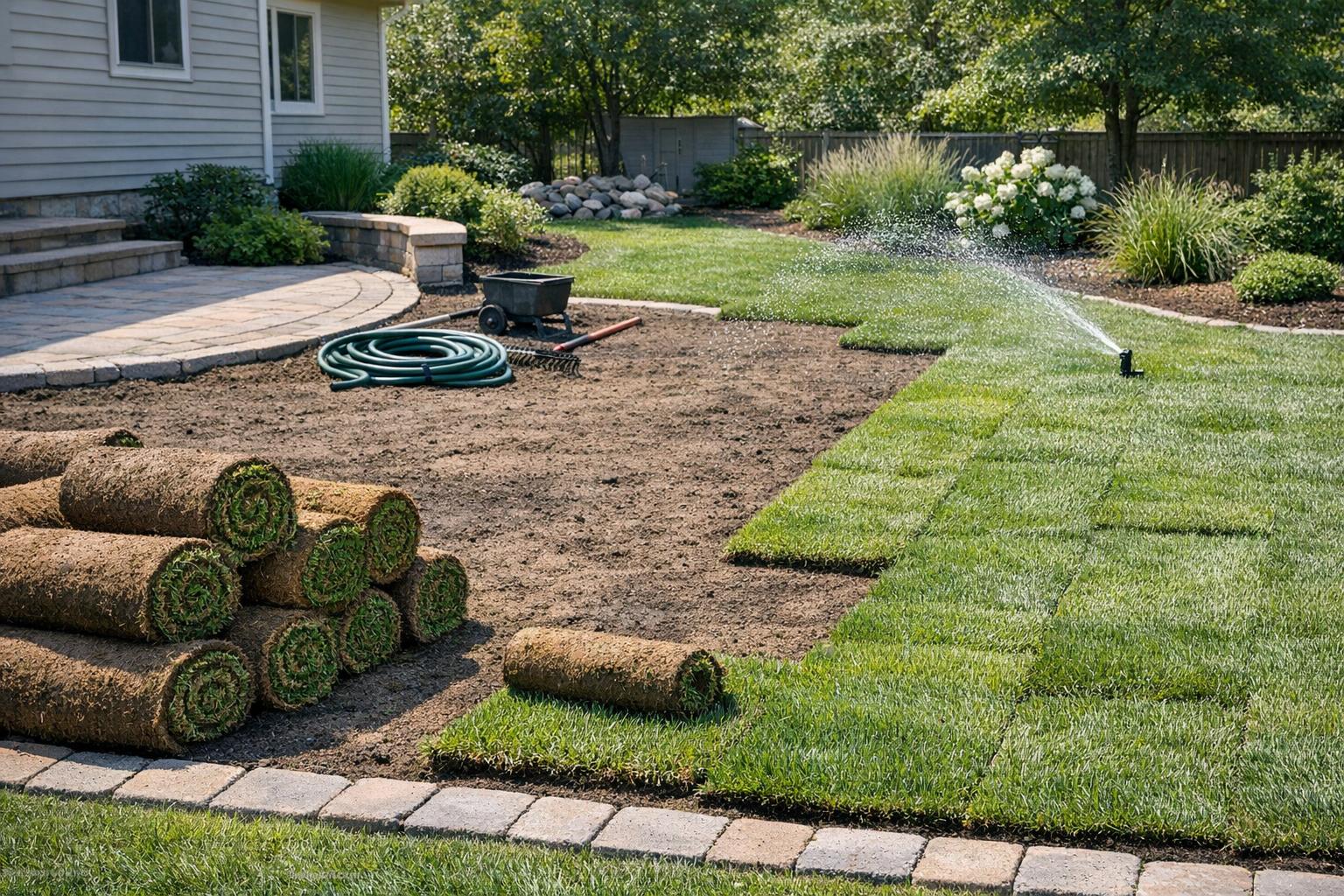
    Sod and lawn installation costs are shaped by more than the size of the grass area. Yard preparation, grading, irrigation needs, access, existing soil conditions, and whether the project involves sod, seed, or larger lawn renovation all influence the final number. A lawn that looks straightforward from the patio may still require meaningful work underneath before it can perform well.

    That is why lawn quotes should be compared as site-preparation projects as much as grass-installation projects.

    Site preparation is often the biggest variable

    Grading correction, old lawn removal, soil preparation, and cleanup can all change the cost dramatically. A fresh installation on a clean, well-shaped site is very different from replacing worn grass in a yard with drainage or compaction issues.

    Irrigation and establishment method change the budget

    If the lawn needs new irrigation, irrigation adjustments, or more complex watering support, the price can rise quickly. Whether the lawn is established with sod or seed also changes both immediate and follow-up expectations. The sod vs seed guide helps put those tradeoffs into context.

    Access and yard layout still matter

    Moving material into a tight backyard, protecting existing hardscape, or working around mature planting can all make the installation more labor intensive. The sod and lawn installation guide and irrigation cost guide are useful follow-ups when homeowners want to understand the full lawn picture.

  • What Affects Drainage Project Cost Guide for Homeowners

    What Affects Drainage Project Cost Guide for Homeowners

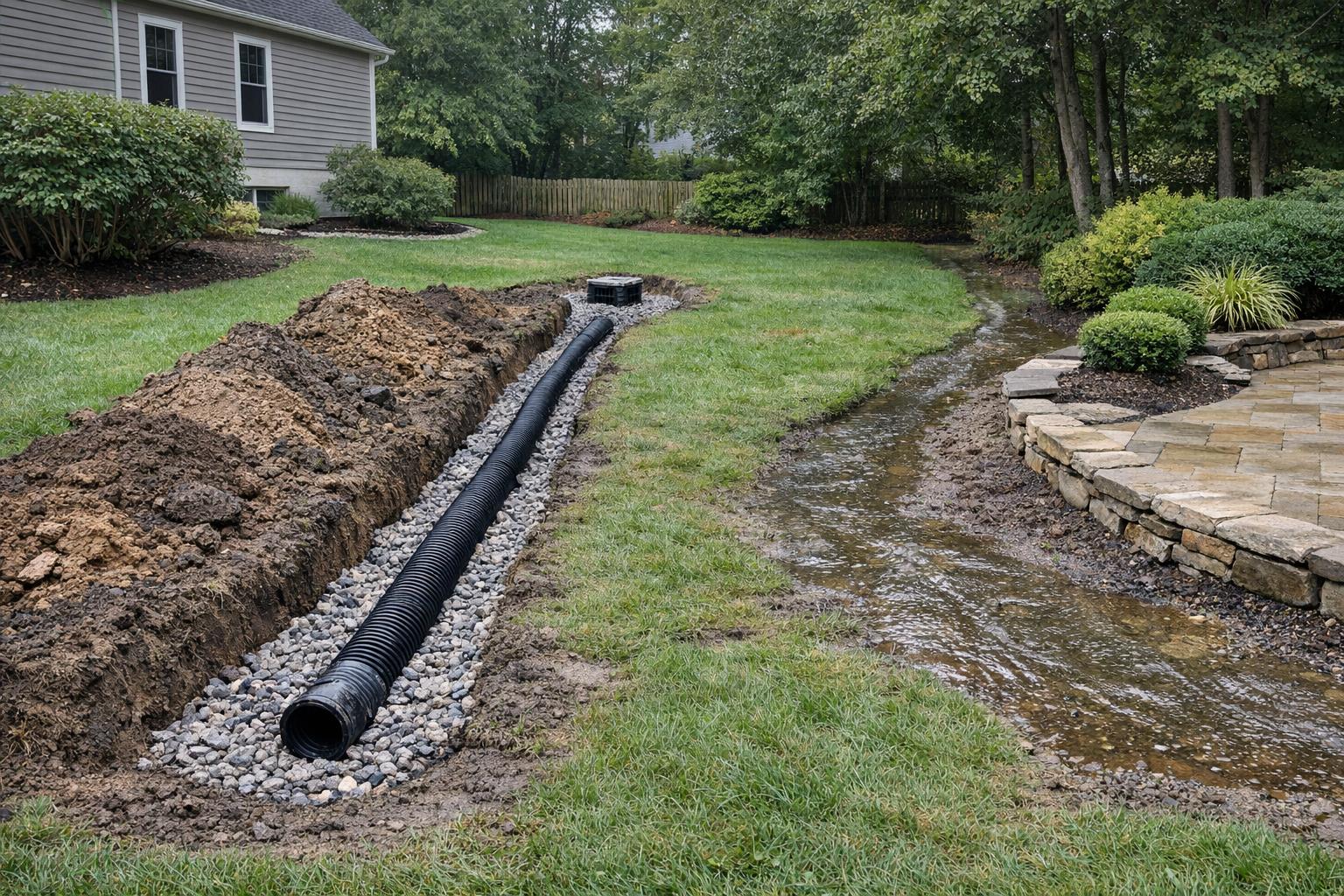
    Drainage project costs vary because the water problem itself can vary so much. Some yards need localized corrections. Others require more extensive trenching, grading, runoff management, or integration with existing hardscape. Homeowners often expect a simple solution until the real drainage pattern is understood. That is why drainage pricing can feel inconsistent from one quote to another.

    The most useful way to compare drainage costs is to think about how much water is moving, where it is moving from and to, and how much of the finished yard has to be worked around or rebuilt.

    Water pattern and site slope drive the problem

    The more complicated the runoff pattern, the more likely the project will involve multiple moving parts. Concentrated water from slope, patio runoff, downspouts, or low spots can make the correction more involved than homeowners first expect.

    Trenching, grading, and access shape labor

    Drainage corrections often become expensive because of the labor needed to open the yard, route water correctly, and restore affected areas. If access is tight or the yard is already heavily finished, the cost can rise because more care and restoration work are required.

    Drainage often overlaps with bigger site work

    Some drainage projects are really grading projects, patio projects, or erosion-control projects in disguise. That is why homeowners should compare this guide with the drainage solutions guide, drainage vs regrading guide, and drainage warning-sign guide.


  • What Affects Fire Pit Cost Guide for Homeowners

    What Affects Fire Pit Cost Guide for Homeowners

    Fire pit costs can vary far more than homeowners expect because the feature is usually tied to more than the fire element itself. Fuel type, materials, utility work, seating layout, patio integration, and the overall backyard plan all shape the number. A simple wood-burning feature and a fully integrated gas fire pit with surrounding hardscape can live in completely different cost tiers.

    The better question is not “what does a fire pit cost?” but “what kind of fire pit project are we really talking about?”

    Gas vs wood changes scope

    Gas fire pits often involve utility routing and a more integrated build, while wood-burning features may avoid some of that infrastructure but still vary by materials and patio context. The gas vs wood guide helps explain why those two paths feel so different in both experience and budget.

    Hardscape and layout matter

    A fire pit is often part of a broader seating area, patio, or outdoor-living plan. If the feature requires new hardscape, retaining work, lighting, or circulation changes, the total price may reflect all of that surrounding work rather than the fire pit unit alone.

    Material choices affect the build

    Custom masonry, prefabricated units, seating walls, and finish detail all shift the cost. Homeowners comparing proposals should be careful to separate the fire element from the full outdoor-living scope wrapped around it. The broader fire pit installation guide puts those pieces into context.


  • What Affects Outdoor Kitchen Cost Guide for Homeowners

    What Affects Outdoor Kitchen Cost Guide for Homeowners

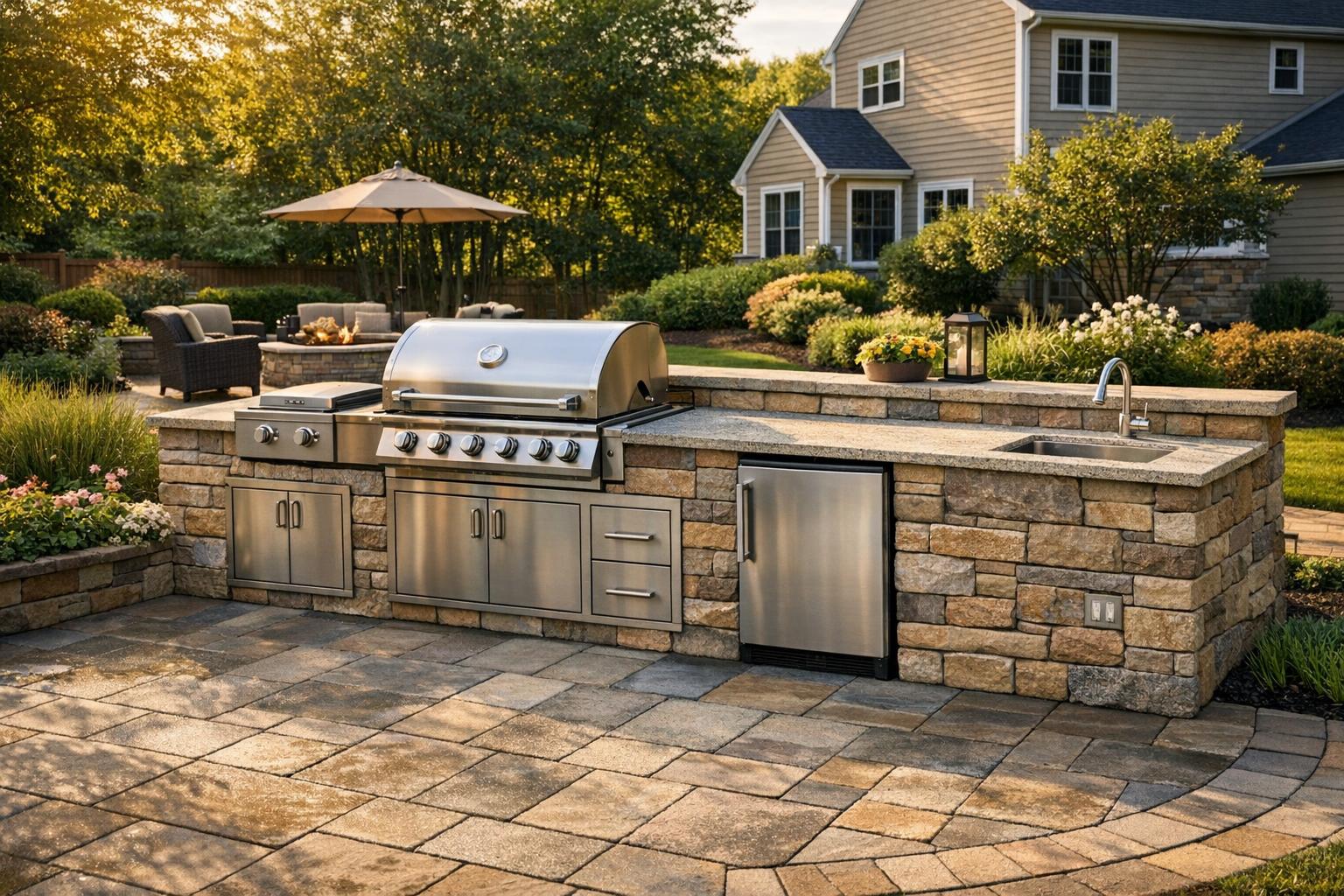
    Outdoor kitchen costs vary widely because the visible counters and grill are only part of the project. Homeowners often start by comparing appliance packages, but the bigger cost drivers usually include gas, electrical, or plumbing work, the structural build of the kitchen itself, surrounding patio integration, and how much prep the site requires. A compact grill station and a fully equipped outdoor kitchen may technically fall in the same category while being very different projects.

    The most useful way to think about outdoor kitchen pricing is to separate the visible upgrades from the infrastructure that makes the space work well over time.

    Utilities are often a major cost factor

    Gas lines, electrical service, water, and drainage can all add significant scope. The farther the kitchen is from the house or existing utility access, the more labor and coordination may be required. In many projects, the utility work matters as much as the visible materials.

    Appliances and layout change the budget quickly

    A simple built-in grill with limited prep space is very different from a layout that includes refrigeration, storage, sink plumbing, bar seating, or multiple cooking components. Appliance count, finish quality, and how the kitchen is arranged all push the price in different ways.

    Patio integration and structure also matter

    Many outdoor kitchens are part of a larger patio or backyard plan. If the kitchen requires patio expansion, base preparation, lighting, privacy improvements, or related drainage work, the total scope can rise quickly. The outdoor kitchen guide and patio cost guide are useful companion reads when comparing estimates.


  • What Affects Landscape Lighting Cost Guide for Homeowners

    What Affects Landscape Lighting Cost Guide for Homeowners

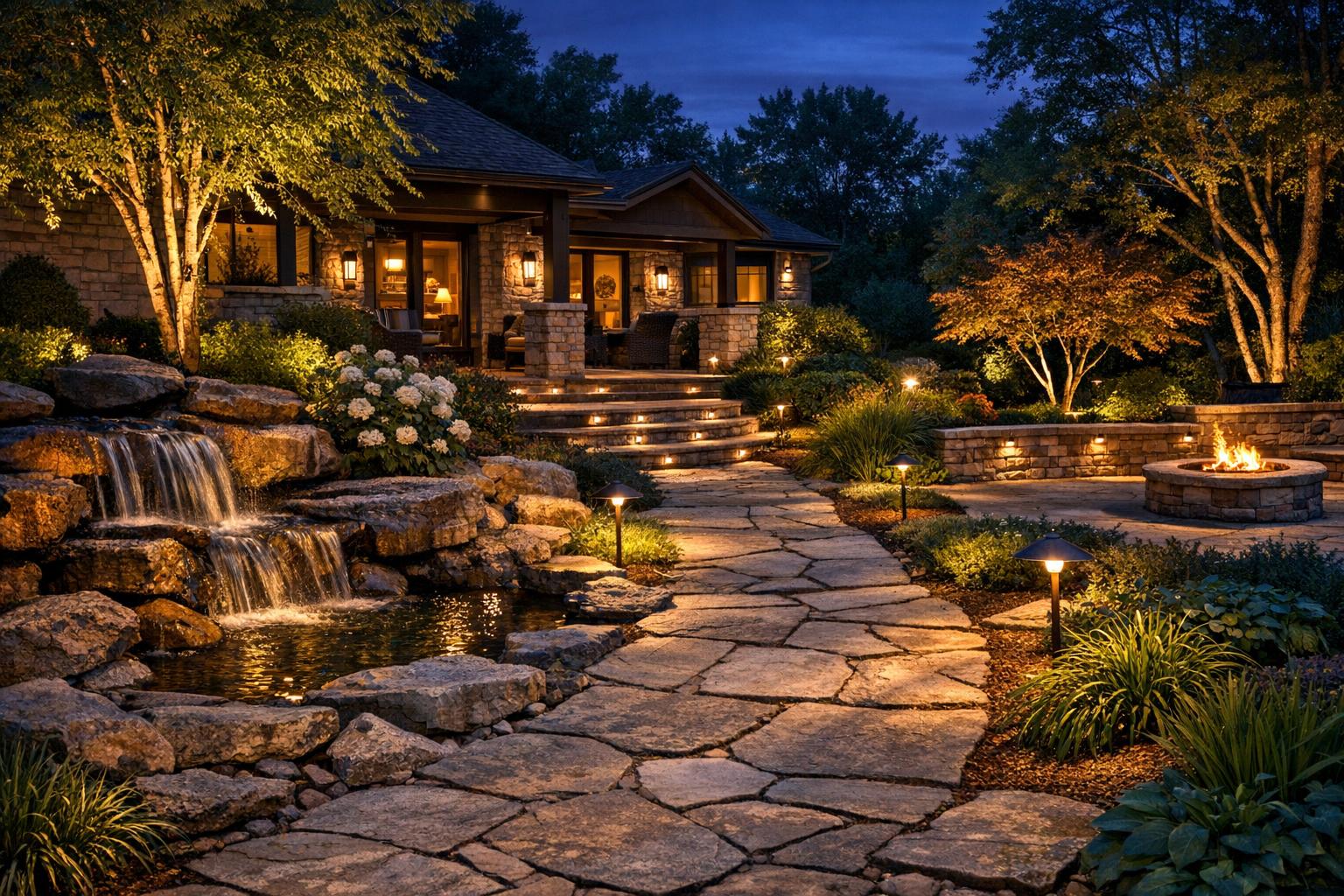
    Landscape lighting costs vary because a lighting plan is more than a handful of fixtures. The total depends on how many areas the homeowner wants to light, how complex the wiring paths are, how many fixture types are needed, and whether the goal is simple path visibility or a more complete nighttime yard experience. Two lighting projects can look similar in broad strokes while carrying very different installation complexity.

    That is why homeowners comparing lighting quotes should look beyond the fixture count and ask what the overall plan is trying to accomplish.

    Fixture count is only part of the story

    More fixtures usually means higher cost, but the type and placement of those fixtures matters too. Path lighting, accent lighting, step lighting, and feature lighting can all serve different roles. A cleaner, more strategic design may use fewer fixtures than an overbuilt plan and still produce a better result.

    Wiring and yard layout affect installation cost

    Wiring complexity, transformer setup, zone layout, and how finished the yard already is all change the labor involved. A lighting plan added to a finished patio, mature planting, or multiple yard zones may be more involved than one installed alongside broader construction work.

    Design goals shape the budget

    Some homeowners want basic safety and entry visibility. Others want a stronger architectural effect, layered backyard atmosphere, or accent lighting on planting and outdoor-living features. Those goals naturally change how much design, wiring, and fixture variety the system requires.

    The landscape lighting guide is the best next step because it explains how lighting goals, not just fixture count, shape the project.


  • What Affects Irrigation System Cost Guide for Homeowners

    What Affects Irrigation System Cost Guide for Homeowners

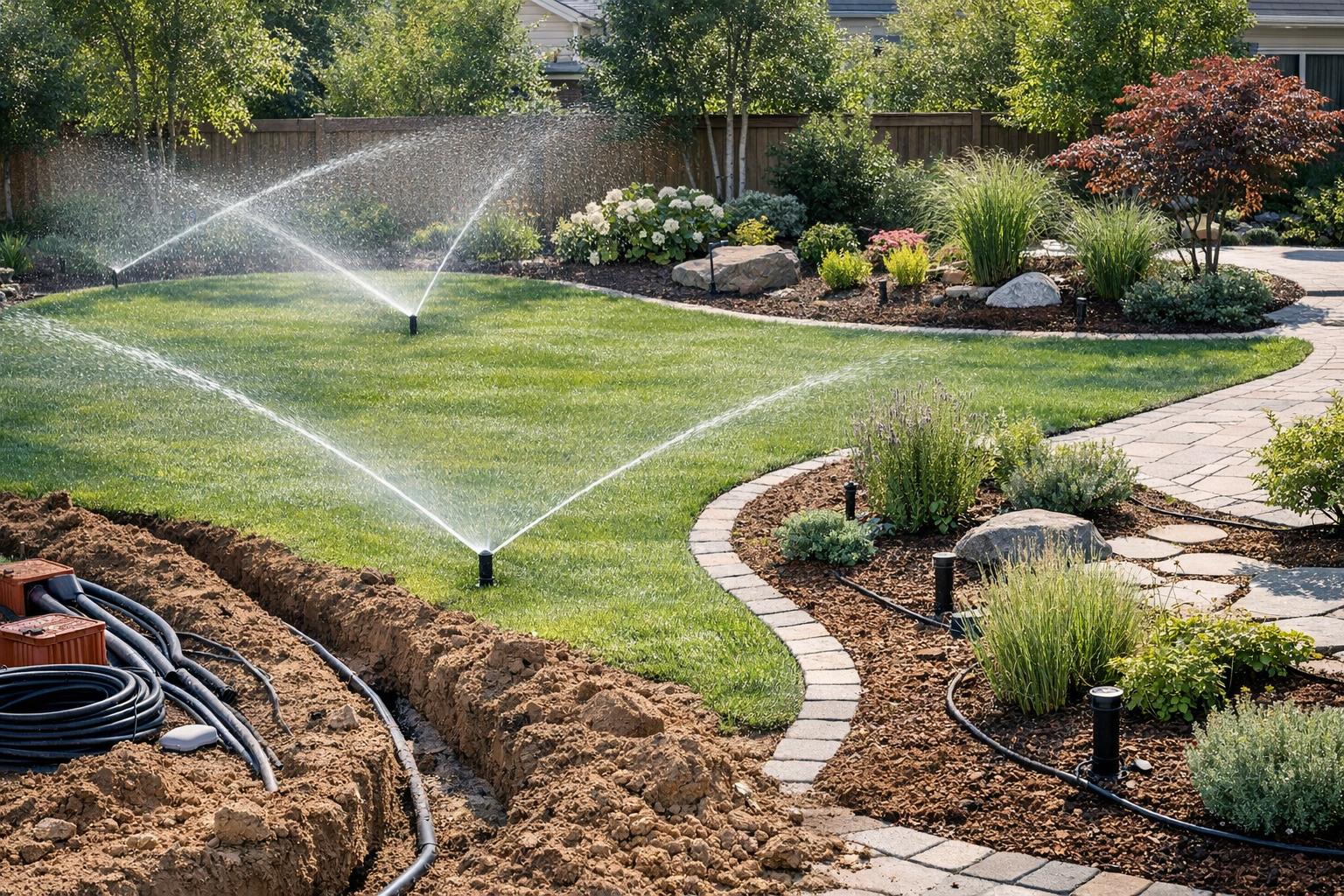
    Irrigation system costs vary based on more than lot size. Yard layout, zoning needs, existing infrastructure, planting type, trenching difficulty, and how much retrofitting is required can all affect the final number. A simple lawn-only system is very different from one serving mixed planting beds, low-water zones, privacy screening, and several distinct yard areas.

    For homeowners, the key question is not just how much a system costs. It is what kind of yard the system needs to support and how efficiently it is being designed.

    Yard layout and zoning change complexity

    The more different areas the system needs to serve, the more design complexity it may involve. Lawns, shrub beds, privacy planting, and low-water sections often have different watering needs. A better-designed system may cost more upfront because it handles those differences more intelligently.

    Retrofit vs new installation matters

    Installing irrigation into an already finished yard can cost more than building it alongside a new landscape project. Existing hardscape, mature planting, access issues, and the need to avoid damaging finished areas all add labor. That is why homeowners planning broader yard upgrades often benefit from considering irrigation early.

    Controller, head type, and efficiency choices affect cost

    Not all system components are equal. Head type, controller capability, smart controls, pressure considerations, and efficiency goals all influence price and long-term performance. The broader irrigation system guide helps explain why these choices matter beyond the initial quote.

    Planting strategy changes what the system must do

    A low-water landscape, a lawn-heavy yard, and a mixed-use backyard do not need the same kind of irrigation strategy. The more clearly the planting plan is defined, the easier it is to understand why one irrigation quote may be more sophisticated than another.

    The low-water guide and irrigation warning-sign guide are good follow-up reads when homeowners want to connect price with long-term performance.


  • What Affects Patio Cost Guide for Homeowners

    What Affects Patio Cost Guide for Homeowners

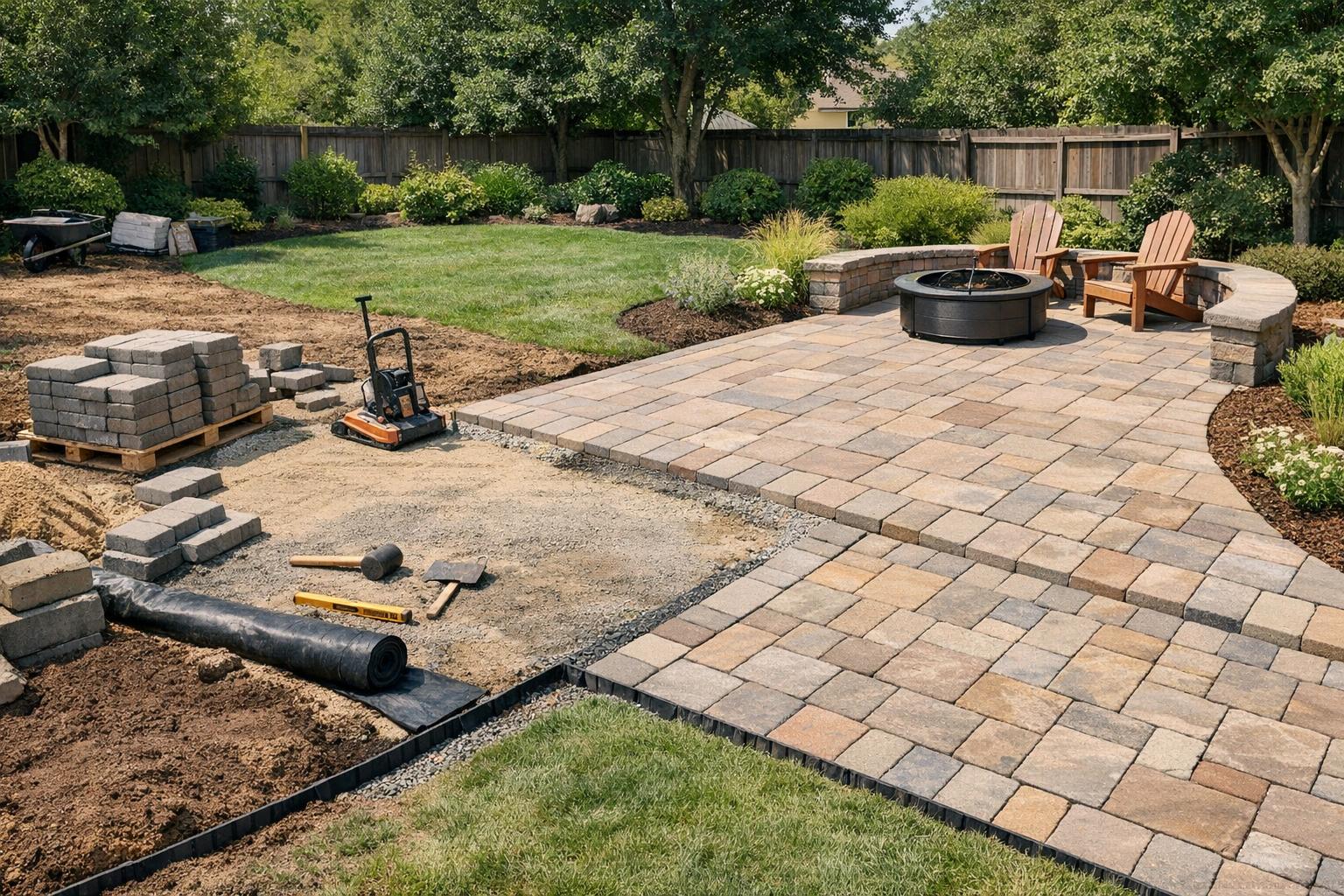
    Patio cost is shaped by far more than the visible surface. Homeowners often compare pavers, stamped concrete, or other finishes and assume the material itself is the main pricing difference. In reality, site preparation, drainage, access, shape, borders, and how the patio connects to the rest of the yard often matter just as much.

    That is why two patios with similar square footage can still come in at very different numbers. The more clearly homeowners understand the underlying cost drivers, the easier it is to compare quotes fairly.

    Size is only the starting point

    Larger patios generally cost more because they use more labor and material, but size alone does not explain the whole picture. Layout complexity, curves, borders, steps, and transitions into lawn or planting can all increase labor compared with a simple rectangular surface.

    Base prep and drainage often drive real cost

    A patio that needs significant excavation, grade correction, drainage improvement, or a stronger base system is usually more involved than one on a simple stable site. Those hidden parts of the project often have a bigger effect on long-term performance than the decorative finish on top.

    The patio installation guide and patio replacement guide both help explain why base and drainage matter so much.

    Material choice changes look and labor

    Pavers, stamped concrete, and other finishes carry different material costs, repair expectations, and installation patterns. The patio material comparison guide is useful here because the right material choice is connected to more than price alone.

    Access and surrounding work can raise the quote

    Access constraints, haul-off, wall ties, lighting, fire features, or adjacent planting work can all change the scope around a patio. Homeowners who compare patio quotes should be careful not to treat the surface area as the entire project if the patio is really part of a broader backyard plan.


  • What Affects Retaining Wall Cost Guide for Homeowners

    What Affects Retaining Wall Cost Guide for Homeowners

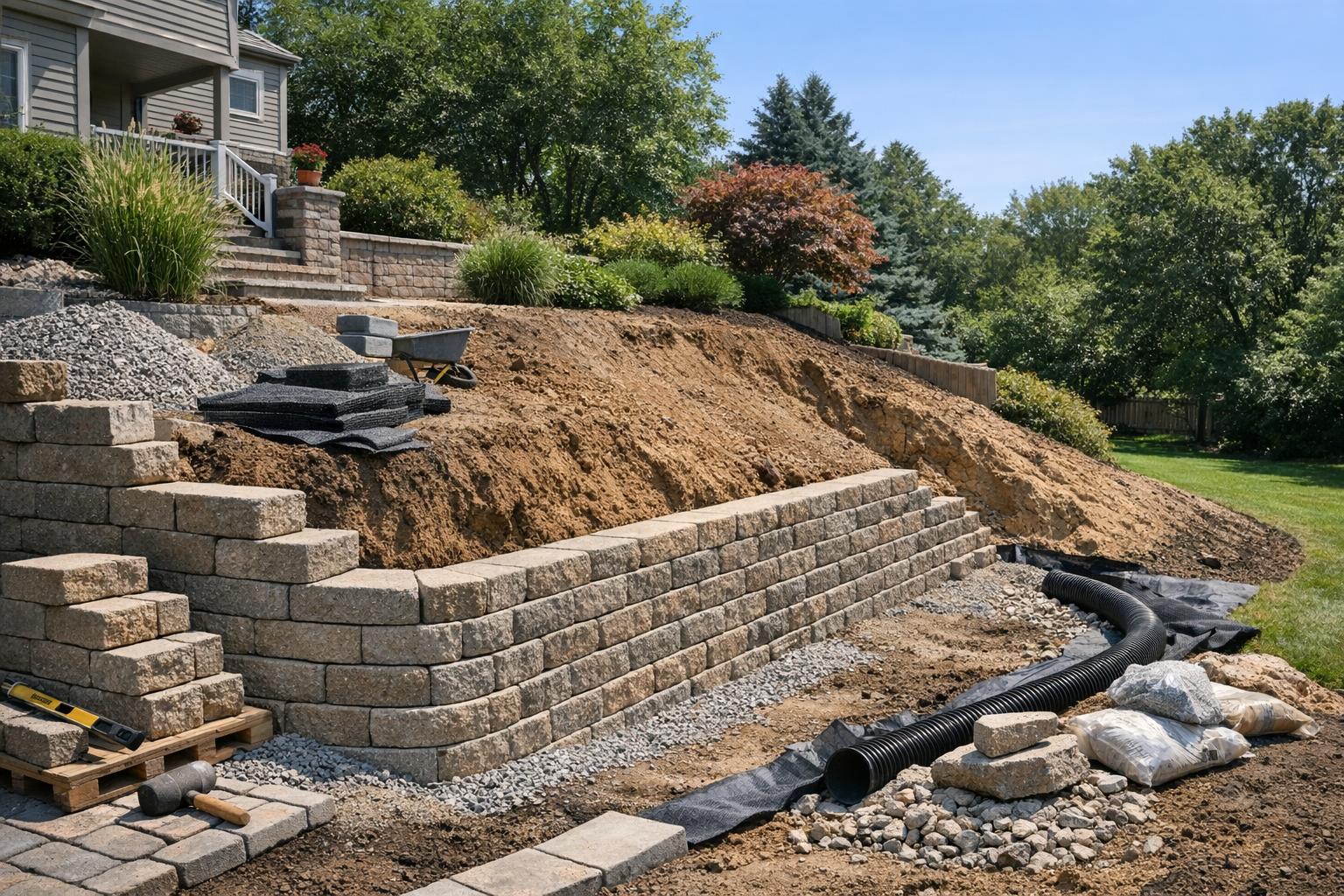
    Retaining wall costs vary widely because the wall itself is only part of the project. Homeowners often focus on the visible face material, but the biggest cost drivers are usually height, drainage needs, excavation, access, site pressure, and whether engineering or reinforcement is required. Two walls that look similar from the front can be priced very differently once the full site conditions are understood.

    The goal when reviewing cost is not to memorize exact price ranges. It is to understand what makes one retaining wall project simpler and another much more involved.

    Height and site pressure are major factors

    Taller walls usually cost more not just because they use more material, but because they often involve more excavation, more backfill detail, more reinforcement, and sometimes engineering or permit requirements. A short decorative wall and a wall holding back meaningful grade are very different projects even if both are called retaining walls.

    Drainage detail matters

    Drainage is one of the most important cost drivers because water pressure behind a wall can affect long-term performance. If the site has runoff or slope-water issues, the wall may need more than a simple material stack. That is why retaining wall costs often connect directly to the drainage guide and retaining wall warning-sign guide.

    Access, excavation, and haul-off add up quickly

    Sites that are hard to reach, steep, or tight around structures often cost more because moving material, excavating safely, and hauling soil or debris becomes more labor intensive. Homeowners sometimes underestimate how much the site itself drives the quote.

    Material and engineering choices change the scope

    Wall systems, finishes, and engineering requirements all affect cost. The block vs poured concrete guide is useful here because material choice is only one part of the price conversation. The broader retaining wall guide explains why installation detail often matters more than homeowners first expect.


  • Signs a Retaining Wall May Be Failing Guide

    Signs a Retaining Wall May Be Failing Guide

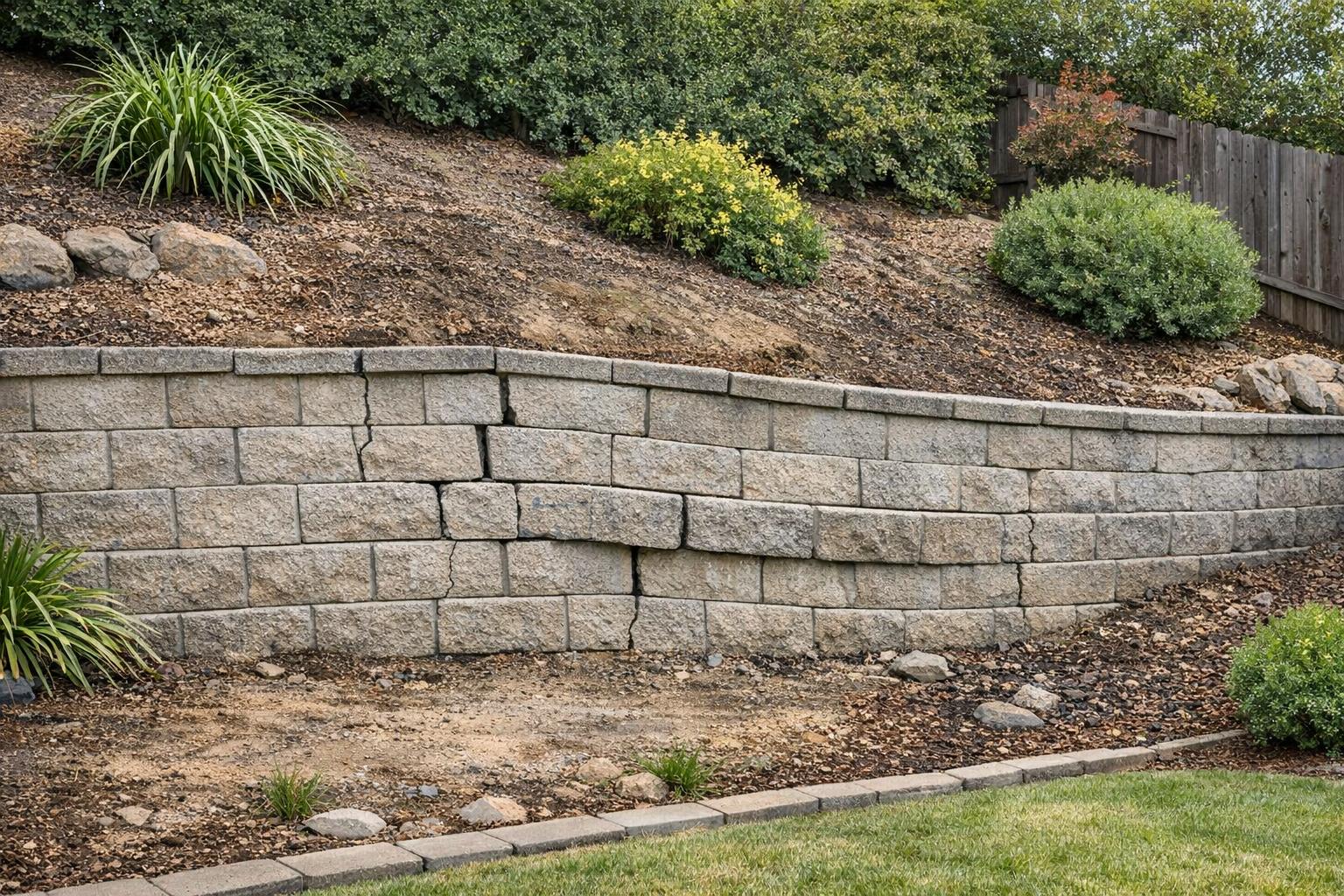
    Retaining walls are built to manage soil pressure, grade change, and sometimes drainage, so even small signs of movement should be taken seriously. Homeowners may notice a wall leaning, cracking, bulging, or separating over time and assume it is only cosmetic. In many cases, those are early warnings that the wall is under stress or that water is creating pressure behind it.

    The earlier these signs are recognized, the more options homeowners may have before the problem becomes more disruptive.

    Common warning signs

    Bulging sections, leaning, cracks, soil loss behind the wall, drainage stains, or separation between parts of the structure are all signs worth evaluating. Some walls also show trouble through the surrounding yard, such as pooling water, shifting grade, or planting that appears unstable near the wall line.

    Why drainage often matters

    Retaining wall problems are often tied to water. If pressure builds behind the wall because drainage is poor, the structure can begin to move even if the visible face still looks mostly intact. That is why homeowners often need to look at both the wall and the broader drainage pattern together.

    The retaining wall guide, wall material comparison guide, and drainage guide all help frame what the next conversation should look like.

    When to move from observation to action

    If the wall is visibly changing, affecting nearby hardscape, or connected to water issues that are getting worse, it is time to move beyond observation and get the situation evaluated. Homeowners do not need to know the exact engineering cause first, but they do need to avoid assuming the problem will stay cosmetic on its own.


  • Signs Your Irrigation System Needs Attention Guide

    Signs Your Irrigation System Needs Attention Guide

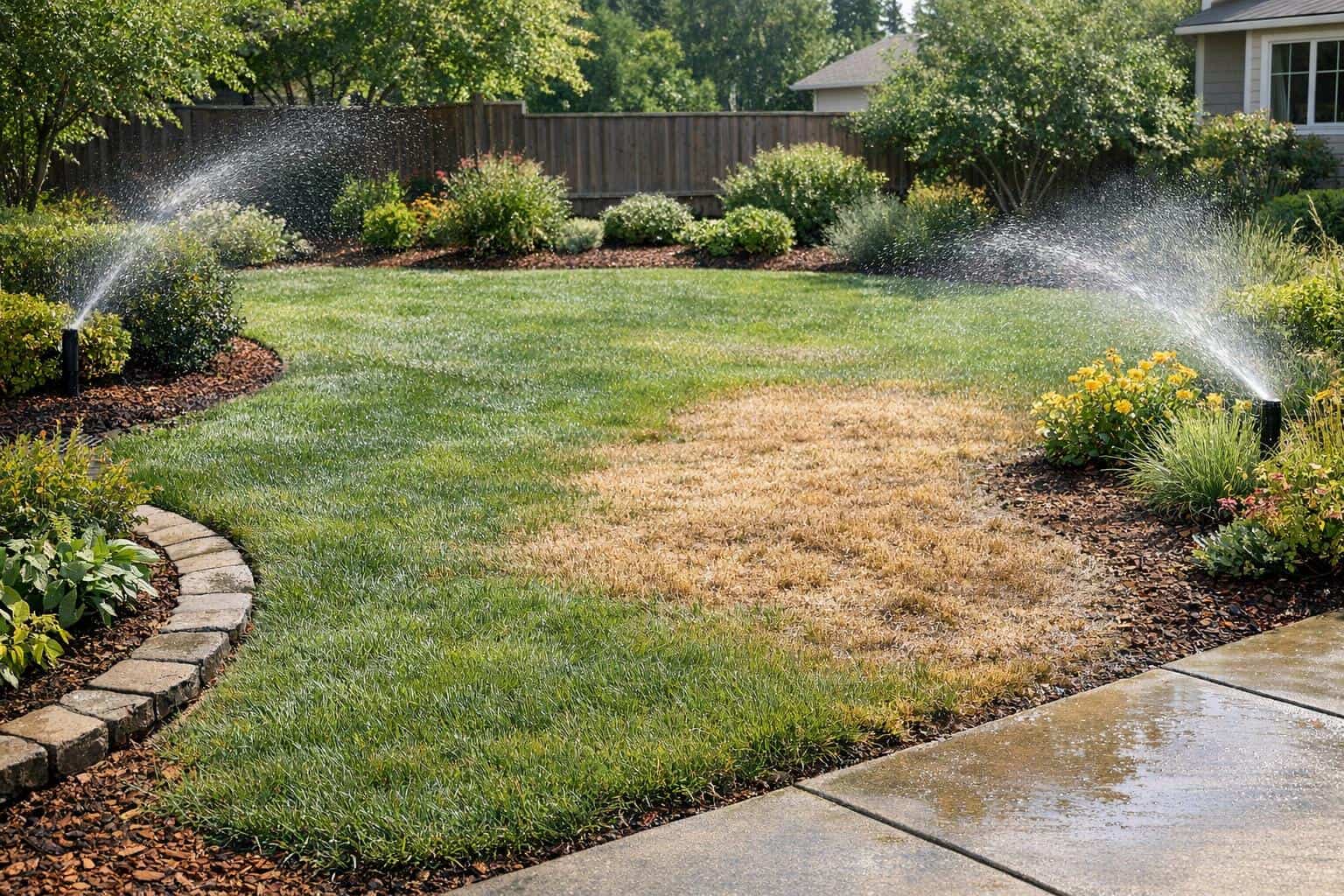
    An irrigation system does not have to be completely broken to be a problem. In many yards, the warning signs are subtle at first: dry lawn patches, water hitting the wrong surfaces, runoff near beds, or planting that looks stressed even though the system is running. These small inconsistencies can slowly make the yard harder to maintain and more expensive to keep looking healthy.

    Because irrigation issues often build gradually, homeowners sometimes assume the problem is the plant material or weather when the real issue is uneven coverage or poor system adjustment.

    Common warning signs

    Uneven lawn color, recurring dry spots, water pooling near heads, overspray onto sidewalks or patios, and planting areas that stay too wet or too dry are some of the clearest clues. If one part of the yard looks stressed while another looks overwatered, the system likely needs attention.

    Why small irrigation problems matter

    Poor irrigation can waste water, increase maintenance, and shorten the life of planting or turf improvements. It can also complicate other goals, especially in yards trying to reduce water use or support new planting. That is why irrigation issues often overlap with the low-water guide and summer maintenance guide.

    What to review next

    Homeowners should note which zones are struggling, whether runoff appears during watering, and whether some heads seem to spray incorrectly or miss important areas. The broader irrigation system guide covers the bigger planning picture and helps connect these symptoms to longer-term fixes.