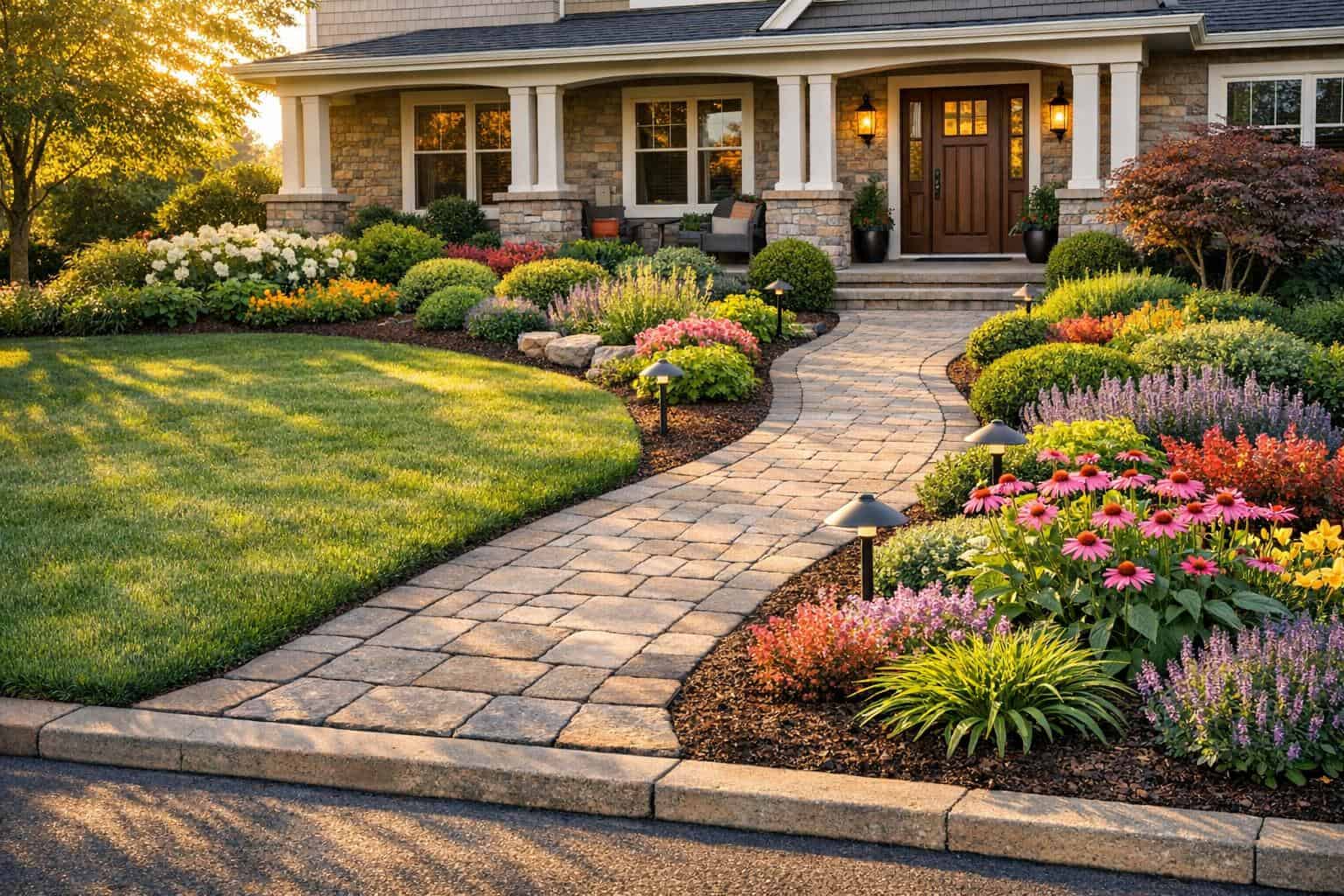
Costs and Expectations

Cost and expectation guides focused on budgeting, lifespan, replacement decisions, and the real factors that shape landscaping quotes.

Start with the service type

Landscaping Services Guideposts

Use these guides to understand what each service includes before comparing providers or requesting quotes.

Core service explainers

Start here when you are still deciding what kind of landscaper or outdoor contractor you need.

Compare before you hire

Use these pages when two services or surface choices sound similar but lead to different scopes.

Hire smarter

Planning And Contractor Comparison

Use this hub when you are moving from ideas into estimates, bids, and contractor conversations.

Before requesting estimates

These guides help define scope and compare companies before the first site visit.

Budget with better assumptions

Cost Guides And Calculators

Use this hub to move from rough budget ranges into the details that usually change quotes.

Calculator starting points

Open the calculator hub or a cost guide when you need a quick planning range.

High-impact cost decisions

These pages help compare choices where price, lifespan, and maintenance tradeoffs matter.

Understand the build

Installation And Site-Work Pathways

Use these guides to understand sequencing, site prep, access, and the details that affect long-term performance.

Hardscape and site prep

These projects often depend on base prep, demolition, grading, drainage, and access.

Drainage and retaining work

Use these when water, grade, or slope stability is part of the project.

Choose materials with ownership in mind

Material And Finish Decision Paths

Use these guides when appearance, maintenance, replacement, and budget all affect the right material choice.

Surface and finish comparisons

Compare outdoor surfaces before committing to a driveway, patio, or lawn direction.

Landscape material planning

Use these pages when quantity, delivery, or long-term maintenance are the main concern.

Protect the investment

Maintenance And Ownership Next Steps

Use these guides to understand ongoing care, seasonal refreshes, and when maintenance points to a bigger fix.

Maintenance planning

These guides help compare recurring service, seasonal work, and refresh projects.

When upkeep becomes repair

Use these when repeated maintenance problems suggest drainage, surface, or material issues.

  • Landscape Material Delivery Planning Guide

    Landscape Material Delivery Planning Guide

    Landscape Material Delivery Planning helps homeowners make a more specific landscaping decision before requesting estimates or buying materials. The best choice usually depends on storage space, timing, and site access, not just how the project looks in an inspiration photo.

    Why this decision matters

    This detail can affect cost, maintenance, comfort, and how well the finished yard works after installation. Thinking through it early helps avoid rework and keeps the project aligned with how the space will actually be used.

    What to compare before choosing

    Compare the site conditions, available space, material behavior, and long-term upkeep. A choice that looks simple on day one can become expensive if it creates drainage, access, pruning, cleaning, or replacement problems later.

    Landscape Material Delivery Planning Guide related example showing Landscape beds and groundcover materials relevant to homeowner quantity planning for mulch, soil, and decorative rock
    This materials example gives homeowners a visual reference for comparing layout, materials, and maintenance tradeoffs before starting the project.

    Questions to ask a landscaper

    • What would you recommend for this exact location, and why?
    • What maintenance should I expect after the work is complete?
    • Are there cheaper options that would still perform well?
    • What problems do you see homeowners run into with this choice?

    How this fits into the bigger project

    Use this guide alongside the Should You Buy Landscaping Materials Yourself or Let the Contractor Supply Them Guide so the detail supports the broader layout, budget, and maintenance plan.

    Landscape Material Delivery Planning Guide related example showing Landscape beds and groundcover materials relevant to homeowner quantity planning for mulch, soil, and decorative rock
    This related materials detail helps show how site conditions and finish choices can change the homeowner's plan.

    What homeowners should remember

    The best landscape material delivery planning choice is the one that supports avoid delivery problems that slow work or damage the property while staying realistic about cost, care, and the conditions already present in the yard.
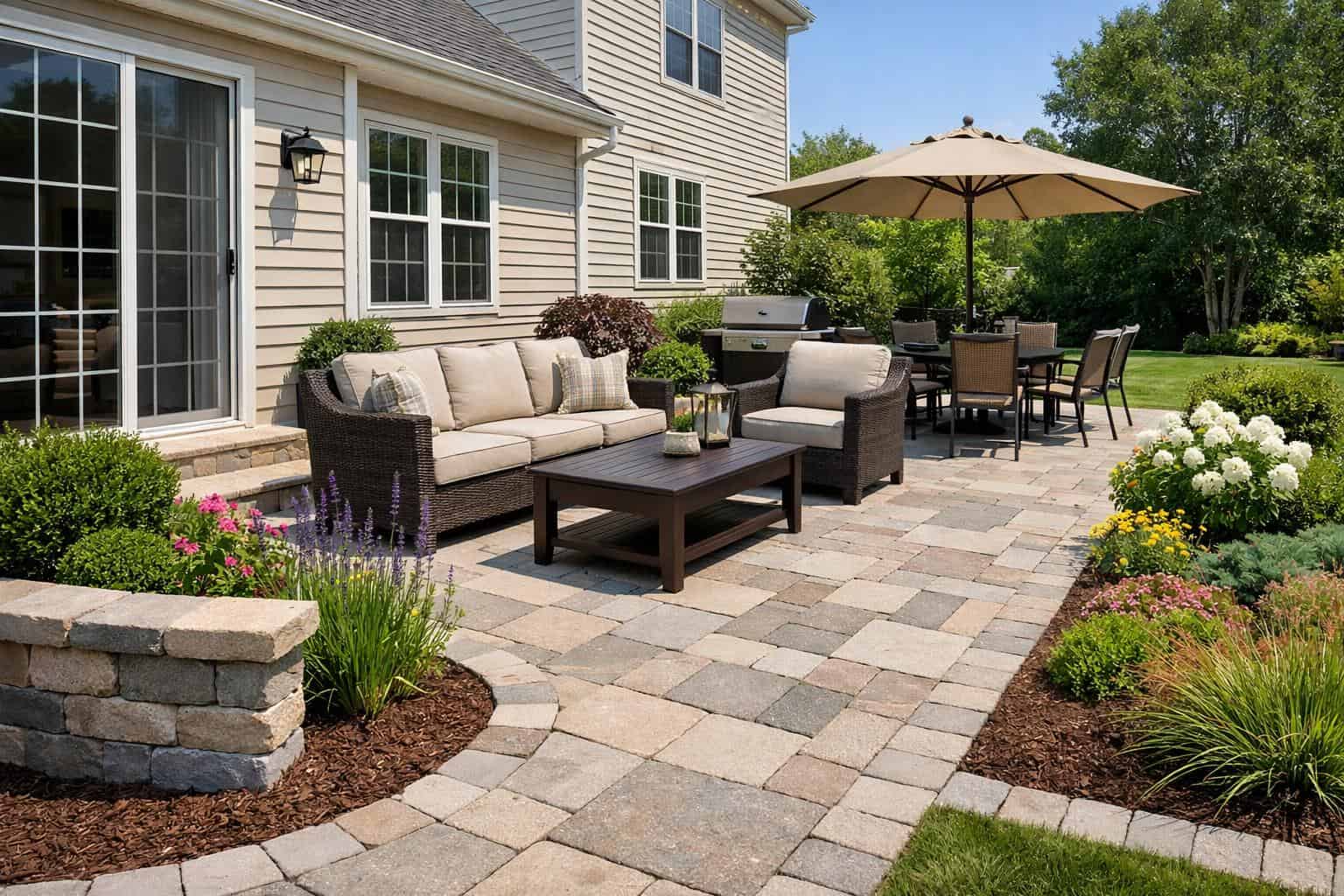

  • Retaining Wall Access and Staging Guide

    Retaining Wall Access and Staging Guide

    Retaining Wall Access and Staging helps homeowners make a more specific landscaping decision before requesting estimates or buying materials. The best choice usually depends on equipment room, material delivery, and site protection, not just how the project looks in an inspiration photo.

    Why this decision matters

    This detail can affect cost, maintenance, comfort, and how well the finished yard works after installation. Thinking through it early helps avoid rework and keeps the project aligned with how the space will actually be used.

    What to compare before choosing

    Compare the site conditions, available space, material behavior, and long-term upkeep. A choice that looks simple on day one can become expensive if it creates drainage, access, pruning, cleaning, or replacement problems later.

    Retaining Wall Access and Staging Guide related example showing Retaining wall detail relevant to planning mistakes, drainage, and grade behavior
    This retaining wall example gives homeowners a visual reference for comparing layout, materials, and maintenance tradeoffs before starting the project.

    Questions to ask a landscaper

    • What would you recommend for this exact location, and why?
    • What maintenance should I expect after the work is complete?
    • Are there cheaper options that would still perform well?
    • What problems do you see homeowners run into with this choice?

    How this fits into the bigger project

    Use this guide alongside the How to Choose the Right Retaining Wall Plan Guide so the detail supports the broader layout, budget, and maintenance plan.

    Retaining Wall Access and Staging Guide related example showing Residential retaining wall installation scene with excavation, blocks, and slope conditions
    This related retaining wall detail helps show how site conditions and finish choices can change the homeowner's plan.

    What homeowners should remember

    The best retaining wall access and staging choice is the one that supports understand how access affects cost, timeline, and disruption while staying realistic about cost, care, and the conditions already present in the yard.
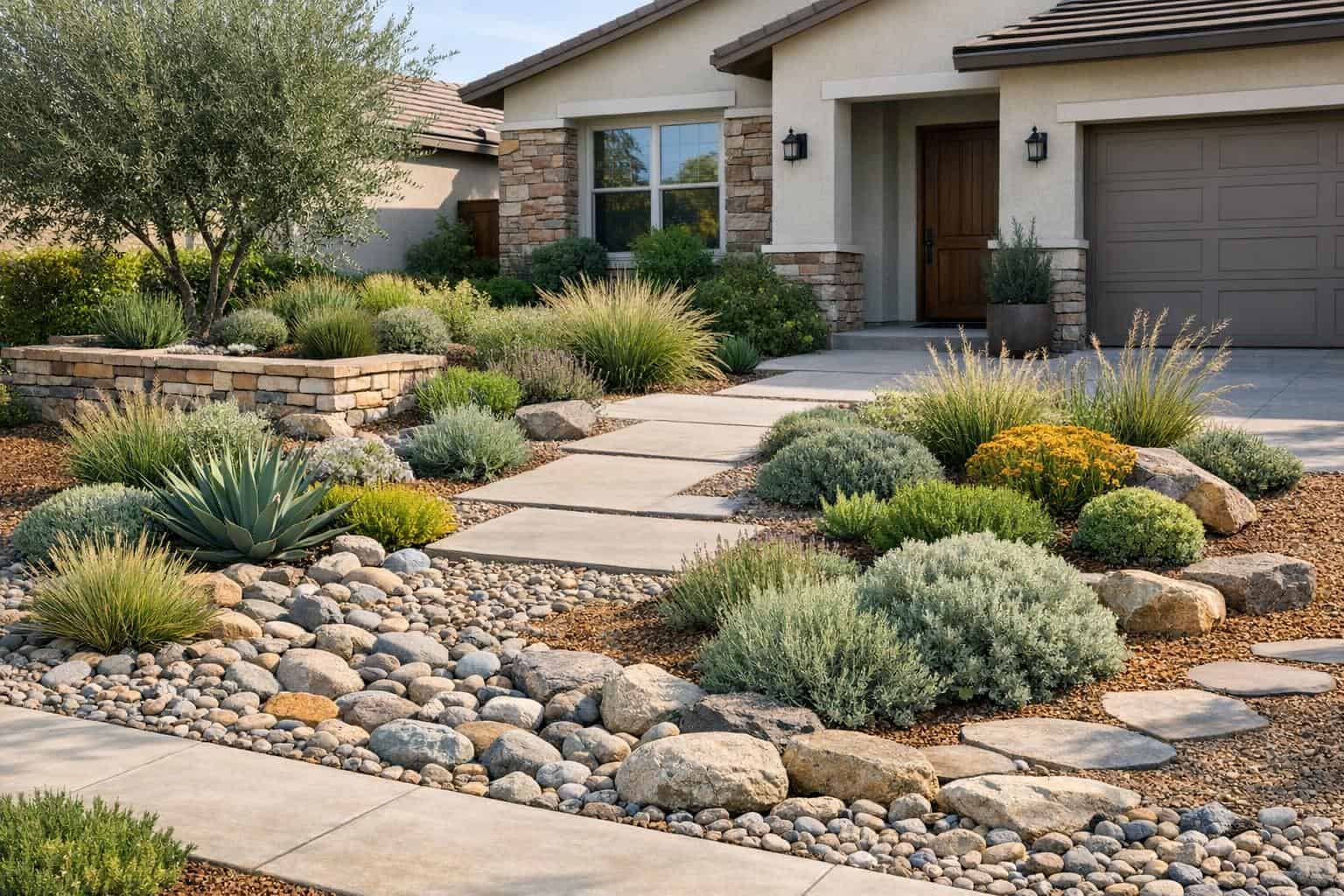
    Estimate how access can affect retaining wall cost

    Use this calculator to see how wall size, material, drainage, and difficult access can change the rough cost range before comparing contractor scopes.

    Retaining Wall Cost Calculator

    Estimate retaining wall pricing with wall size, material type, drainage, and access assumptions.


  • Retaining Wall Capstone Selection Guide

    Retaining Wall Capstone Selection Guide

    Retaining Wall Capstone Selection helps homeowners make a more specific landscaping decision before requesting estimates or buying materials. The best choice usually depends on finish, durability, seating, and water shedding, not just how the project looks in an inspiration photo.

    Why this decision matters

    This detail can affect cost, maintenance, comfort, and how well the finished yard works after installation. Thinking through it early helps avoid rework and keeps the project aligned with how the space will actually be used.

    What to compare before choosing

    Compare the site conditions, available space, material behavior, and long-term upkeep. A choice that looks simple on day one can become expensive if it creates drainage, access, pruning, cleaning, or replacement problems later.

    Retaining Wall Capstone Selection Guide related example showing Retaining wall detail relevant to planning mistakes, drainage, and grade behavior
    This retaining wall example gives homeowners a visual reference for comparing layout, materials, and maintenance tradeoffs before starting the project.

    Questions to ask a landscaper

    • What would you recommend for this exact location, and why?
    • What maintenance should I expect after the work is complete?
    • Are there cheaper options that would still perform well?
    • What problems do you see homeowners run into with this choice?

    How this fits into the bigger project

    Use this guide alongside the How to Choose the Right Retaining Wall Plan Guide so the detail supports the broader layout, budget, and maintenance plan.

    Retaining Wall Capstone Selection Guide related example showing Residential retaining wall installation scene with excavation, blocks, and slope conditions
    This related retaining wall detail helps show how site conditions and finish choices can change the homeowner's plan.

    What homeowners should remember

    The best retaining wall capstone selection choice is the one that supports choose a wall cap that protects the wall and fits the yard style while staying realistic about cost, care, and the conditions already present in the yard.


  • French Drain vs Surface Drain Guide

    French Drain vs Surface Drain Guide

    French Drain vs Surface Drain helps homeowners make a more specific landscaping decision before requesting estimates or buying materials. The best choice usually depends on subsurface water, surface runoff, and project cost, not just how the project looks in an inspiration photo.

    Why this decision matters

    This detail can affect cost, maintenance, comfort, and how well the finished yard works after installation. Thinking through it early helps avoid rework and keeps the project aligned with how the space will actually be used.

    What to compare before choosing

    Compare the site conditions, available space, material behavior, and long-term upkeep. A choice that looks simple on day one can become expensive if it creates drainage, access, pruning, cleaning, or replacement problems later.

    French Drain vs Surface Drain Guide related example showing Drainage detail relevant to pooling, runoff shifts, and warning signs
    This drainage example gives homeowners a visual reference for comparing layout, materials, and maintenance tradeoffs before starting the project.

    Questions to ask a landscaper

    • What would you recommend for this exact location, and why?
    • What maintenance should I expect after the work is complete?
    • Are there cheaper options that would still perform well?
    • What problems do you see homeowners run into with this choice?

    How this fits into the bigger project

    Use this guide alongside the How to Choose the Right Yard-Grading Plan Guide so the detail supports the broader layout, budget, and maintenance plan.

    French Drain vs Surface Drain Guide related example showing Drainage detail relevant to planning mistakes, runoff diagnosis, and grading decisions
    This related drainage detail helps show how site conditions and finish choices can change the homeowner's plan.

    What homeowners should remember

    The best French drain vs surface drain choice is the one that supports choose the drainage type that matches the water problem while staying realistic about cost, care, and the conditions already present in the yard.

    Estimate the drainage treatment range

    Use this drainage calculator to compare rough ranges for swales, French drains, catch basins, and downspout extensions before choosing a solution type.

    Drainage Cost Calculator

    Estimate drainage project pricing for swales, French drains, and catch basin style systems.


  • Drainage Catch Basin Placement Guide

    Drainage Catch Basin Placement Guide

    Drainage Catch Basin Placement helps homeowners make a more specific landscaping decision before requesting estimates or buying materials. The best choice usually depends on low spots, surface flow, and discharge routes, not just how the project looks in an inspiration photo.

    Why this decision matters

    This detail can affect cost, maintenance, comfort, and how well the finished yard works after installation. Thinking through it early helps avoid rework and keeps the project aligned with how the space will actually be used.

    What to compare before choosing

    Compare the site conditions, available space, material behavior, and long-term upkeep. A choice that looks simple on day one can become expensive if it creates drainage, access, pruning, cleaning, or replacement problems later.

    Drainage Catch Basin Placement Guide related example showing Drainage detail relevant to pooling, runoff shifts, and warning signs
    This drainage example gives homeowners a visual reference for comparing layout, materials, and maintenance tradeoffs before starting the project.

    Questions to ask a landscaper

    • What would you recommend for this exact location, and why?
    • What maintenance should I expect after the work is complete?
    • Are there cheaper options that would still perform well?
    • What problems do you see homeowners run into with this choice?

    How this fits into the bigger project

    Use this guide alongside the How to Choose the Right Yard-Grading Plan Guide so the detail supports the broader layout, budget, and maintenance plan.

    Drainage Catch Basin Placement Guide related example showing Drainage detail relevant to planning mistakes, runoff diagnosis, and grading decisions
    This related drainage detail helps show how site conditions and finish choices can change the homeowner's plan.

    What homeowners should remember

    The best drainage catch basin placement choice is the one that supports collect water where it actually gathers instead of where it is easiest to dig while staying realistic about cost, care, and the conditions already present in the yard.


  • Irrigation Repair vs Replacement Guide

    Irrigation Repair vs Replacement Guide

    Irrigation Repair vs Replacement helps homeowners make a more specific landscaping decision before requesting estimates or buying materials. The best choice usually depends on leaks, coverage issues, age, and water waste, not just how the project looks in an inspiration photo.

    Why this decision matters

    This detail can affect cost, maintenance, comfort, and how well the finished yard works after installation. Thinking through it early helps avoid rework and keeps the project aligned with how the space will actually be used.

    What to compare before choosing

    Compare the site conditions, available space, material behavior, and long-term upkeep. A choice that looks simple on day one can become expensive if it creates drainage, access, pruning, cleaning, or replacement problems later.

    Irrigation Repair vs Replacement Guide related example showing Irrigation detail relevant to planning mistakes, zoning, and controller decisions
    This irrigation example gives homeowners a visual reference for comparing layout, materials, and maintenance tradeoffs before starting the project.

    Questions to ask a landscaper

    • What would you recommend for this exact location, and why?
    • What maintenance should I expect after the work is complete?
    • Are there cheaper options that would still perform well?
    • What problems do you see homeowners run into with this choice?

    How this fits into the bigger project

    Use this guide alongside the How to Choose the Right Irrigation Layout Guide so the detail supports the broader layout, budget, and maintenance plan.

    Irrigation Repair vs Replacement Guide related example showing Irrigation detail relevant to controller checks, head alignment, and maintenance
    This related irrigation detail helps show how site conditions and finish choices can change the homeowner's plan.

    What homeowners should remember

    The best irrigation repair vs replacement choice is the one that supports decide when a quick fix is enough and when the system needs a reset while staying realistic about cost, care, and the conditions already present in the yard.


  • Walkway Step Riser Comfort Guide

    Walkway Step Riser Comfort Guide

    Walkway Step Riser Comfort helps homeowners make a more specific landscaping decision before requesting estimates or buying materials. The best choice usually depends on step height, tread depth, and safe movement, not just how the project looks in an inspiration photo.

    Why this decision matters

    This detail can affect cost, maintenance, comfort, and how well the finished yard works after installation. Thinking through it early helps avoid rework and keeps the project aligned with how the space will actually be used.

    What to compare before choosing

    Compare the site conditions, available space, material behavior, and long-term upkeep. A choice that looks simple on day one can become expensive if it creates drainage, access, pruning, cleaning, or replacement problems later.

    Walkway Step Riser Comfort Guide related example showing Front entry walkway with edging, planting beds, and material detail relevant to pathway cost planning
    This walkway example gives homeowners a visual reference for comparing layout, materials, and maintenance tradeoffs before starting the project.

    Questions to ask a landscaper

    • What would you recommend for this exact location, and why?
    • What maintenance should I expect after the work is complete?
    • Are there cheaper options that would still perform well?
    • What problems do you see homeowners run into with this choice?

    How this fits into the bigger project

    Use this guide alongside the Walkway and Pathway Installation Guide for Homeowners so the detail supports the broader layout, budget, and maintenance plan.

    Walkway Step Riser Comfort Guide related example showing Walkway detail relevant to settling, edge wear, and warning signs
    This related walkway detail helps show how site conditions and finish choices can change the homeowner's plan.

    What homeowners should remember

    The best walkway step riser comfort choice is the one that supports make outdoor steps feel natural instead of awkward or tiring while staying realistic about cost, care, and the conditions already present in the yard.
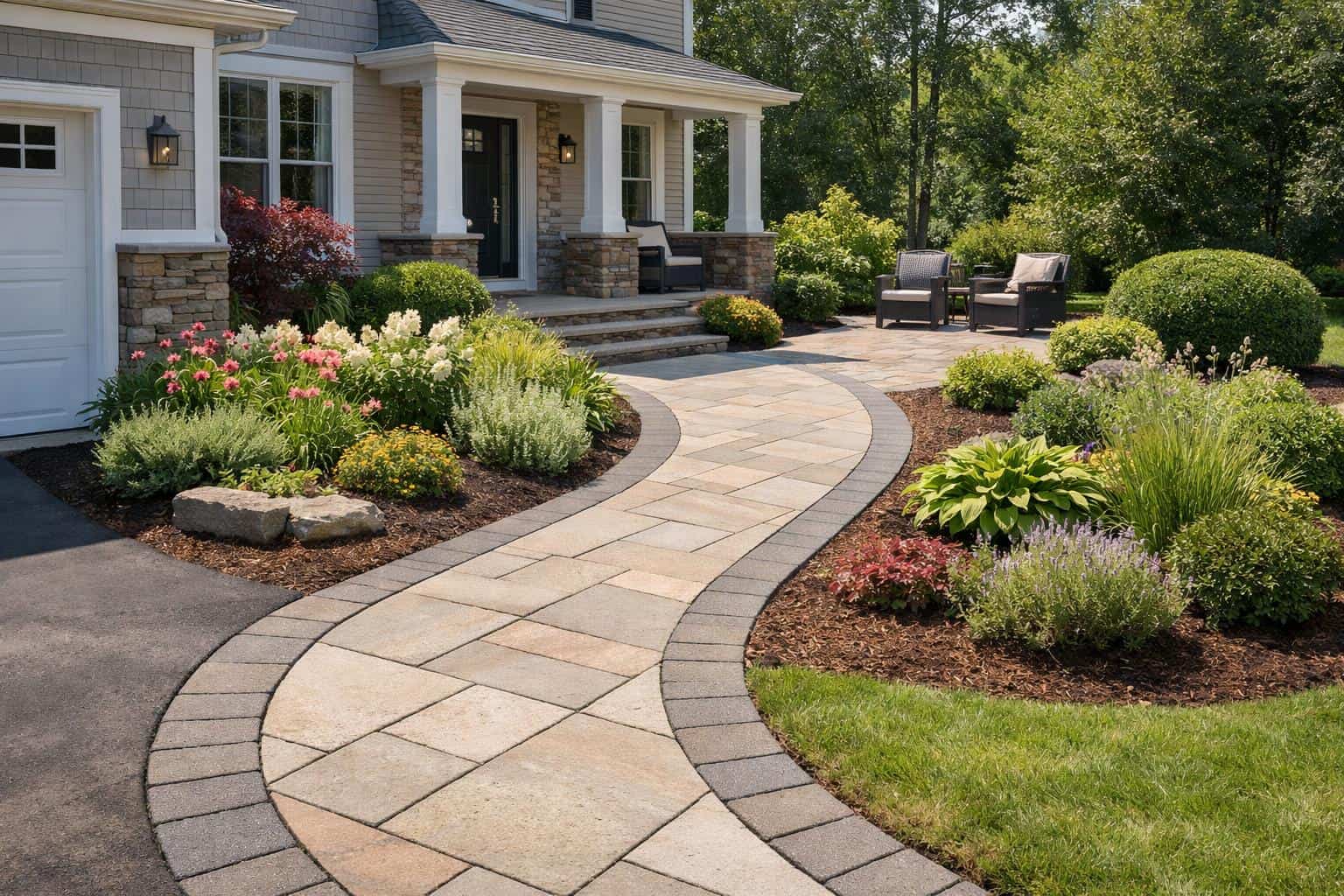

  • Walkway Width for Two People Guide

    Walkway Width for Two People Guide

    Walkway Width for Two People helps homeowners make a more specific landscaping decision before requesting estimates or buying materials. The best choice usually depends on comfort, entry flow, and available space, not just how the project looks in an inspiration photo.

    Why this decision matters

    This detail can affect cost, maintenance, comfort, and how well the finished yard works after installation. Thinking through it early helps avoid rework and keeps the project aligned with how the space will actually be used.

    What to compare before choosing

    Compare the site conditions, available space, material behavior, and long-term upkeep. A choice that looks simple on day one can become expensive if it creates drainage, access, pruning, cleaning, or replacement problems later.

    Walkway Width for Two People Guide related example showing Front entry walkway with edging, planting beds, and material detail relevant to pathway cost planning
    This walkway example gives homeowners a visual reference for comparing layout, materials, and maintenance tradeoffs before starting the project.

    Questions to ask a landscaper

    • What would you recommend for this exact location, and why?
    • What maintenance should I expect after the work is complete?
    • Are there cheaper options that would still perform well?
    • What problems do you see homeowners run into with this choice?

    How this fits into the bigger project

    Use this guide alongside the Walkway and Pathway Installation Guide for Homeowners so the detail supports the broader layout, budget, and maintenance plan.

    Walkway Width for Two People Guide related example showing Walkway detail relevant to settling, edge wear, and warning signs
    This related walkway detail helps show how site conditions and finish choices can change the homeowner's plan.

    What homeowners should remember

    The best walkway width for two people choice is the one that supports decide when a wider path is worth the extra material cost while staying realistic about cost, care, and the conditions already present in the yard.


  • Walkway Lighting and Planting Coordination Guide

    Walkway Lighting and Planting Coordination Guide

    Walkway Lighting and Planting Coordination helps homeowners make a more specific landscaping decision before requesting estimates or buying materials. The best choice usually depends on fixture placement, plant growth, and nighttime visibility, not just how the project looks in an inspiration photo.

    Why this decision matters

    This detail can affect cost, maintenance, comfort, and how well the finished yard works after installation. Thinking through it early helps avoid rework and keeps the project aligned with how the space will actually be used.

    What to compare before choosing

    Compare the site conditions, available space, material behavior, and long-term upkeep. A choice that looks simple on day one can become expensive if it creates drainage, access, pruning, cleaning, or replacement problems later.

    Walkway Lighting and Planting Coordination Guide related example showing Front entry walkway with edging, planting beds, and material detail relevant to pathway cost planning
    This walkway example gives homeowners a visual reference for comparing layout, materials, and maintenance tradeoffs before starting the project.

    Questions to ask a landscaper

    • What would you recommend for this exact location, and why?
    • What maintenance should I expect after the work is complete?
    • Are there cheaper options that would still perform well?
    • What problems do you see homeowners run into with this choice?

    How this fits into the bigger project

    Use this guide alongside the Walkway and Pathway Installation Guide for Homeowners so the detail supports the broader layout, budget, and maintenance plan.

    Walkway Lighting and Planting Coordination Guide related example showing Walkway detail relevant to settling, edge wear, and warning signs
    This related walkway detail helps show how site conditions and finish choices can change the homeowner's plan.

    What homeowners should remember

    The best walkway lighting and planting coordination choice is the one that supports make path lighting useful after plants mature while staying realistic about cost, care, and the conditions already present in the yard.


  • Walkway Drainage Slope Guide

    Walkway Drainage Slope Guide

    Walkway Drainage Slope helps homeowners make a more specific landscaping decision before requesting estimates or buying materials. The best choice usually depends on surface pitch, puddling, and adjacent beds, not just how the project looks in an inspiration photo.

    Why this decision matters

    This detail can affect cost, maintenance, comfort, and how well the finished yard works after installation. Thinking through it early helps avoid rework and keeps the project aligned with how the space will actually be used.

    What to compare before choosing

    Compare the site conditions, available space, material behavior, and long-term upkeep. A choice that looks simple on day one can become expensive if it creates drainage, access, pruning, cleaning, or replacement problems later.

    Walkway Drainage Slope Guide related example showing Front entry walkway with edging, planting beds, and material detail relevant to pathway cost planning
    This walkway example gives homeowners a visual reference for comparing layout, materials, and maintenance tradeoffs before starting the project.

    Questions to ask a landscaper

    • What would you recommend for this exact location, and why?
    • What maintenance should I expect after the work is complete?
    • Are there cheaper options that would still perform well?
    • What problems do you see homeowners run into with this choice?

    How this fits into the bigger project

    Use this guide alongside the Walkway and Pathway Installation Guide for Homeowners so the detail supports the broader layout, budget, and maintenance plan.

    Walkway Drainage Slope Guide related example showing Walkway detail relevant to settling, edge wear, and warning signs
    This related walkway detail helps show how site conditions and finish choices can change the homeowner's plan.

    What homeowners should remember

    The best walkway drainage slope choice is the one that supports move water off the path without sending it toward the house while staying realistic about cost, care, and the conditions already present in the yard.