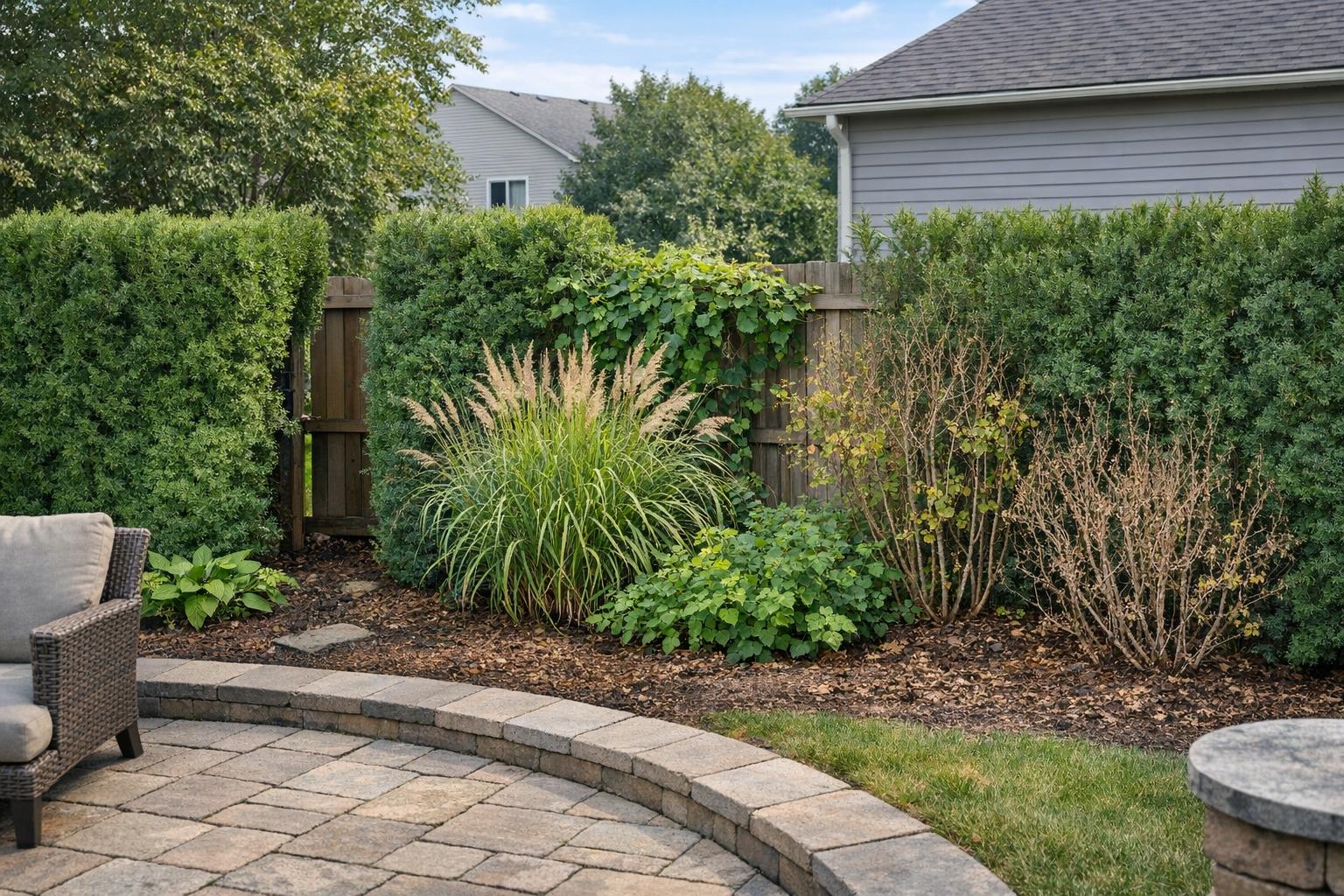
Paver patios and concrete patios can both create a durable outdoor living surface, but they solve different homeowner priorities. Pavers offer modular repair, pattern choices, and strong design flexibility. Concrete can offer a cleaner continuous surface and may be simpler when the layout is straightforward.
The right patio choice depends on budget, drainage, design expectations, access, maintenance tolerance, and whether the patio is part of a broader backyard renovation.
Quick comparison
- Pavers are often easier to repair in sections if settling or access work happens later.
- Concrete can be simpler visually and may suit clean modern layouts.
- Pavers usually need edge restraint, joint material, and careful base compaction.
- Concrete needs strong control-joint planning, curing expectations, and drainage slope.
Estimate the patio cost range
Use this calculator to test patio size, paver tier, demolition, layout complexity, and detail level before comparing paver and concrete patio bids.

Paver Patio Cost Calculator
Estimate patio cost ranges using size, paver tier, prep complexity, and demolition assumptions.
Patio cost estimate
- Estimated area
- –
- Low estimate
- –
- Mid estimate
- –
- High estimate
- –
- Estimated range per sq ft
- –
When pavers make more sense
Pavers usually make sense when homeowners want pattern, color, border detail, or repair flexibility. They are also useful when a patio may need future utility access, because individual units can often be lifted and reset more easily than replacing a slab.

- Curved patios, borders, accents, or more decorative layouts
- Yards where future access to utilities or drainage may matter
- Homeowners who value repairability and modular replacement
- Projects where the patio connects to paver walkways or driveway details
When concrete makes more sense
Concrete can work well when the homeowner wants a simpler surface, a clean geometry, or a finish that fits the home without many pattern decisions. It still needs good prep, drainage, and joint planning.
- Simple rectangular or modern patio layouts
- Homeowners who prefer a continuous surface
- Projects where decorative concrete provides the desired look
- Sites where the contractor can control drainage and curing conditions well
How to compare quotes
Paver and concrete quotes often include different assumptions. Homeowners should compare demolition, base prep, drainage, edge conditions, finish details, cleanup, and exclusions before choosing.

For broader planning, pair this with Patio Designer vs Patio Contractor and What Affects Patio Cost.
Leave a Reply