Maintenance and Ownership

Maintenance and ownership guides that explain what happens after installation, from cleaning and sealing to ongoing care and protection.

  • Mulch vs Rock Landscaping Guide for Homeowners

    Mulch vs Rock Landscaping Guide for Homeowners

    Mulch and rock can both finish landscape beds cleanly, but they do not behave the same over time. Homeowners often compare them as if the decision is purely visual, yet the better choice also depends on climate, maintenance tolerance, plant type, weed pressure, and how the bed connects to the rest of the yard.

    In many landscapes, the right answer is not one material everywhere. Some yards benefit from mulch around planting-heavy areas and rock in sections where a more durable, lower-disturbance finish makes sense.

    Why mulch works well in many planting beds

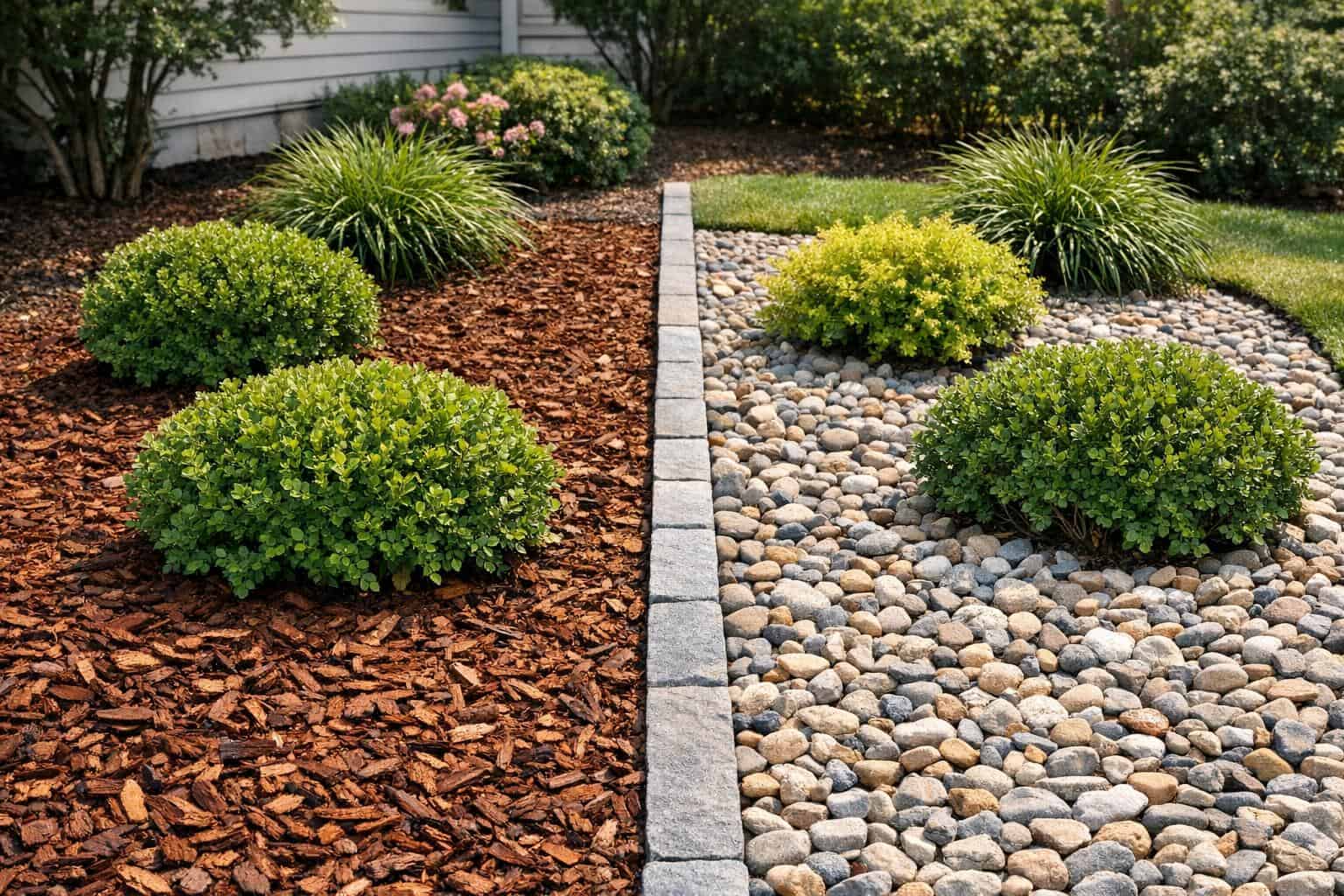
    Mulch is often favored because it looks natural, helps moderate soil temperature, and works well around many shrubs, perennials, and young plantings. It can also make a bed feel softer and more connected to the garden, especially when the design leans toward a planted, layered look.

    Mulch does need refreshing over time, which is part of the long-term maintenance picture. For homeowners building new beds, the planting installation guide helps frame where mulch often fits best.

    Why rock appeals to some homeowners

    Rock can offer a cleaner, more permanent-looking finish and may suit modern or low-water landscape styles. It usually does not break down the way mulch does, so some homeowners see it as a lower-renewal option. In dry-climate or architectural landscapes, that can be a strong aesthetic and practical match.

    The tradeoff is that rock can hold heat, shift over time, and still require weed management. It is not automatically maintenance-free just because it lasts longer as a material.

    Weeds, cleanup, and upkeep

    Both mulch and rock can have weed issues if the bed is not prepared well. Mulch may need periodic topping up and cleanup, while rock can collect debris and become harder to tidy once leaves and organic matter settle into it. What feels like “less work” depends a lot on the yard and the owner’s expectations.

    Homeowners focused on simpler upkeep should also compare the broader low-maintenance landscaping approach, because plant selection and irrigation often affect labor just as much as ground cover choice.

    Heat, plant health, and appearance

    Mulch usually supports a softer planted look and can be friendlier around certain root zones. Rock can visually sharpen a bed and may fit drought-tolerant schemes, but in hotter climates it can intensify reflected heat around some plants. That is why material should be chosen with plant palette and exposure in mind, not just color preference.

    Cost and long-term value

    Mulch may cost less upfront in some projects, while rock can cost more to supply and install depending on the material and depth. Over time, the cost picture shifts because mulch often needs replenishment and rock may need periodic cleanup or resetting. The best comparison is how each material performs in the exact part of the yard where you plan to use it.

    Homeowners who think about appearance, heat, maintenance, and plant health together usually make a better long-term choice than those who pick ground cover on looks alone.

    Buying guide: Homeowners trying to source bed and ground-cover products can use the Where to Buy Landscaping Materials Guide before pricing local suppliers.
  • Privacy Landscaping Guide for Homeowners

    Privacy Landscaping Guide for Homeowners

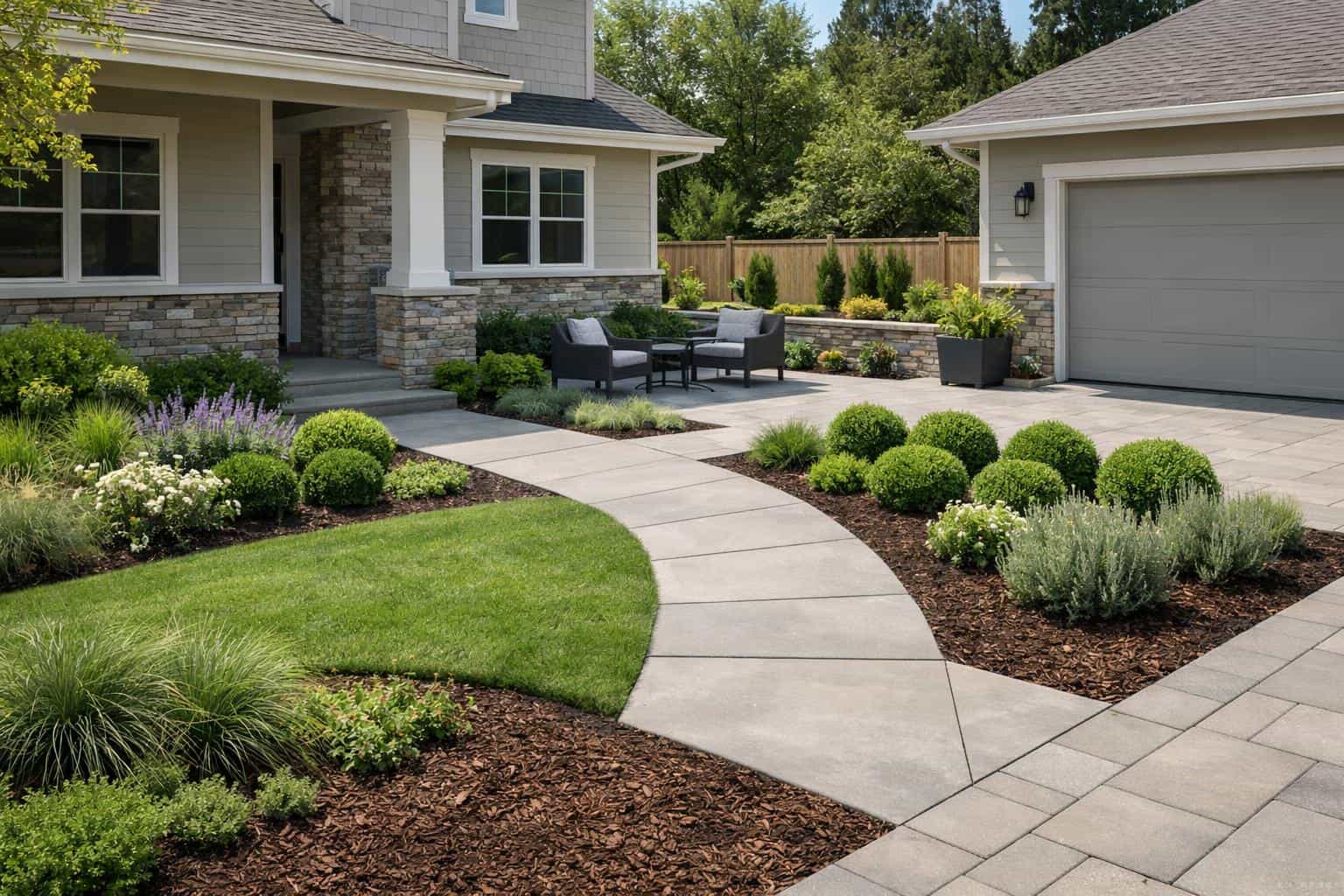
    Privacy landscaping helps homeowners create separation without making the yard feel closed off or harsh. Instead of relying only on a fence or wall, privacy planting uses hedges, small trees, shrubs, grasses, and layered beds to block views, soften boundaries, and make outdoor living spaces feel more comfortable.

    The best privacy plan depends on what you are screening and how quickly you need results. Some homeowners want year-round backyard privacy from nearby windows. Others want to soften a fence line, separate a patio from a neighboring property, or create visual screening around a pool, fire pit, or outdoor dining area. Those are different goals, and they lead to different planting choices.

    How privacy landscaping usually works

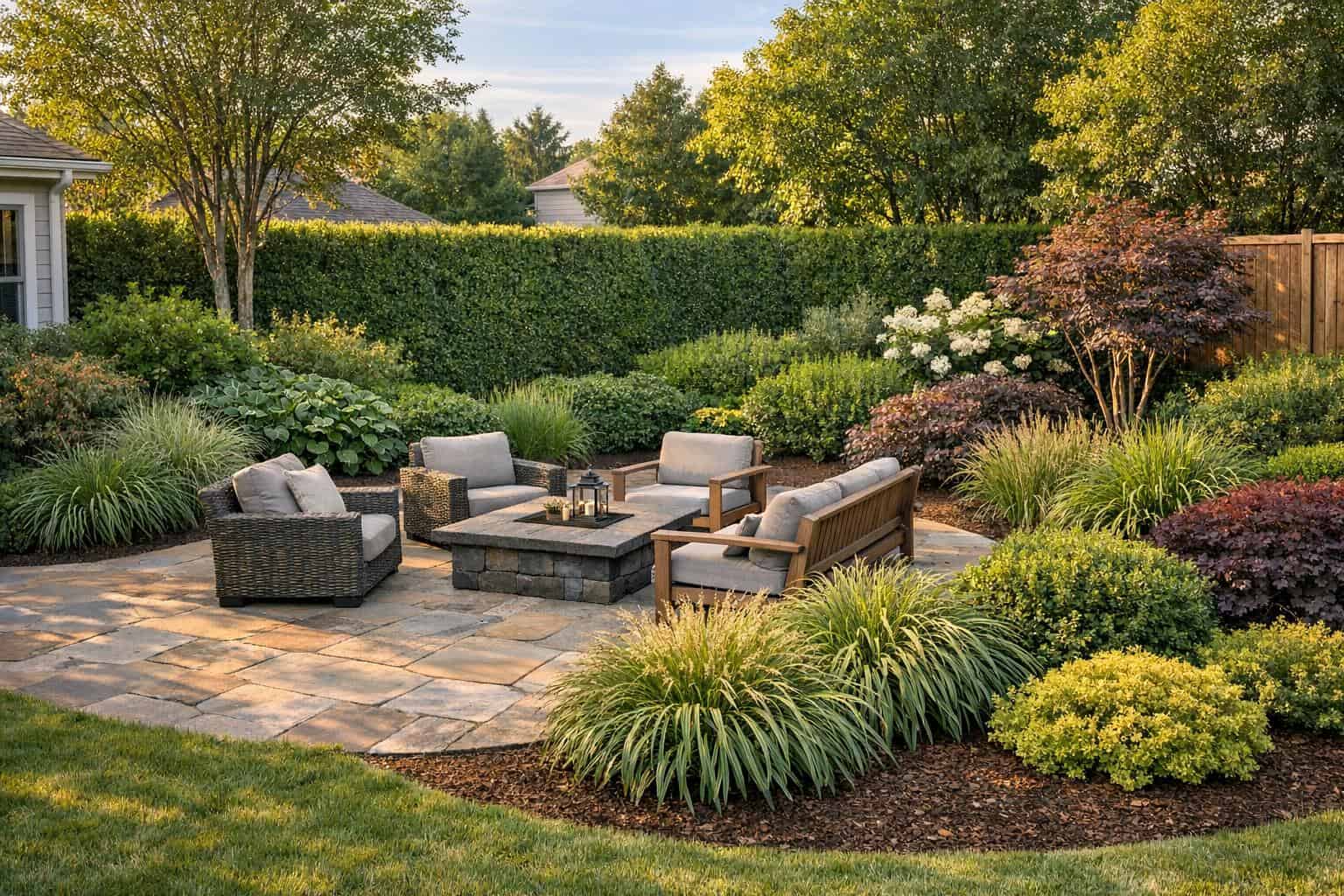
    Most privacy landscapes use layering rather than one single row of plants. A solid hedge can work well in the right location, but layered planting often looks better and can be easier to maintain over time. A common approach is to combine taller anchor plants with medium shrubs, ornamental grasses, and lower planting that finishes the bed. This creates more depth and helps the screen look intentional from inside the yard.

    If the privacy area is part of a larger outdoor-living zone, it should be planned together with hardscape and seating. Homeowners creating a patio, fire feature, or dining space may also want to review the outdoor kitchen guide or fire pit guide so the privacy planting supports how the space will actually be used.

    Choosing the right type of screen

    Evergreen hedges are popular because they offer year-round coverage and a clean look, but they are not the only solution. Small trees can raise the screening higher where neighbor sightlines come from upper windows. Ornamental grasses can soften views in a modern landscape. Mixed shrub borders can create privacy while still looking natural and varied.

    The right choice depends on mature size, maintenance needs, sun exposure, irrigation access, and how much room the bed has to grow. A plant that looks tidy at installation can become a constant pruning chore if spacing is too tight or the variety is wrong for the site.

    Spacing, growth, and maintenance

    One of the biggest mistakes in privacy landscaping is planning only for day one. Plants are often installed closer together than their mature size allows because the homeowner wants instant coverage. That can create crowding, poor airflow, disease pressure, and expensive maintenance later. It is usually smarter to design for healthy mature growth and accept that privacy builds over time.

    Irrigation also matters. New privacy plantings often need regular establishment watering, and ongoing water needs depend on climate and plant type. If the bed will be irrigated automatically, the irrigation system guide can help clarify what should be planned before planting begins.

    Blending privacy with overall yard design

    Privacy planting should not feel like an isolated wall of green unless that is the explicit style goal. The most successful screens are integrated into the rest of the yard through edging, lighting, mulch, and surrounding bed design. Lighting can make privacy planting useful at night while also adding security and atmosphere. If that matters for the space, the landscape lighting guide is worth reviewing alongside the planting plan.

    Privacy beds also benefit from a clear maintenance strategy. Homeowners who want lower upkeep may prefer broader, simpler masses of durable plants. Those who want a more layered and refined look should expect more pruning, cleanup, and seasonal attention. The low-maintenance landscaping guide can help set realistic expectations.

    What privacy landscaping may cost

    Privacy landscaping costs depend on plant size, quantity, soil preparation, irrigation, access, and whether any hardscape or grading is included. Larger material may provide more immediate screening, but it usually costs substantially more to buy, transport, and install. A mixed border can also cost more than a single-species hedge because it uses more plant types and design labor.

    When comparing quotes, ask how the contractor is balancing mature size, installation spacing, irrigation, and maintenance. A cheaper initial layout may not stay attractive or practical over time.

    Questions to ask before moving forward

    • What view or exposure is this planting intended to block?
    • How large will these plants get at maturity, and how much pruning will they need?
    • Will this screen provide privacy year-round or only seasonally?
    • What irrigation plan supports establishment and long-term health?
    • How does this privacy bed fit into the rest of the yard design?

    Privacy landscaping is at its best when it solves a practical need and improves the feel of the yard at the same time. Homeowners who plan for growth, maintenance, and overall layout usually get a softer, more useful result than those who rush into a single quick screen.

    Related guide: If privacy planting is no longer screening well or is making the yard harder to use, the Signs Privacy Landscaping Needs an Upgrade Guide can help clarify whether trimming is enough.

    Cost guide: If you are budgeting for screening, the Privacy Landscaping Cost Guide breaks down the biggest price drivers.


  • Erosion Control Guide for Homeowners

    Erosion Control Guide for Homeowners

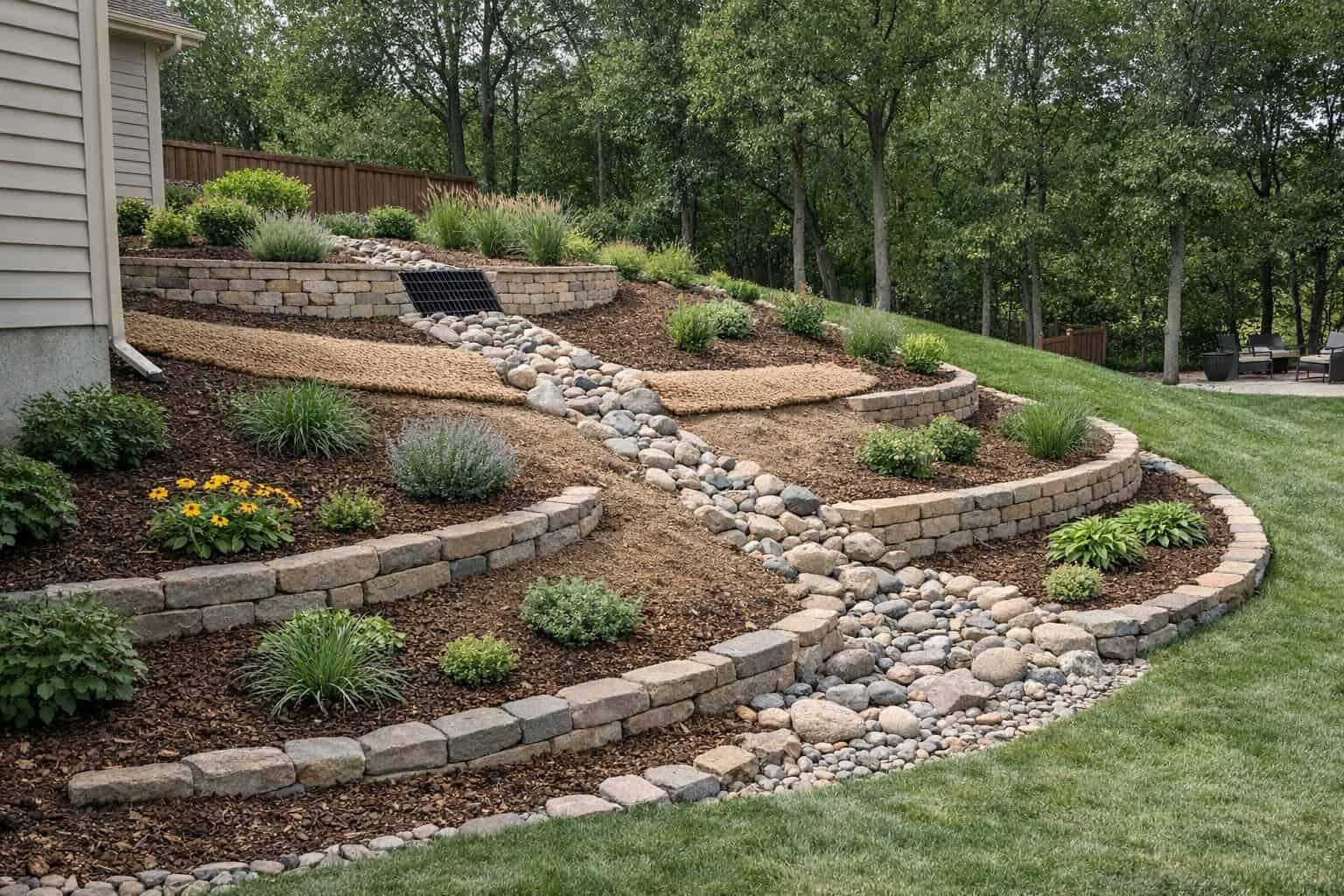
    Erosion is more than a cosmetic landscaping issue. When soil washes away, homeowners can lose planting beds, expose roots, undermine hardscape, create muddy runoff, and place stress on slopes or structures. In some yards, erosion appears slowly as thinning soil and exposed areas. In others, it shows up quickly after storms as rills, channels, washed mulch, or sediment collecting where it should not.

    The right fix depends on why the soil is moving in the first place. Water concentration, steep grade changes, poor vegetation cover, gutter discharge, bare soil, compacted surfaces, and neighboring runoff patterns can all contribute. That is why erosion control should be treated as a site problem first and a planting problem second.

    Signs a yard may need erosion control

    Homeowners often notice erosion after heavy rain, but the warning signs can appear well before that. Bare patches on a slope, exposed roots, washed-out mulch, sediment on walkways, low spots forming near runoff paths, and areas where water consistently carves channels through the soil are all common signals. If a retaining wall, fence, or patio edge is starting to look undermined, the issue may be more serious than surface damage.

    When runoff is the main driver, the best starting point is often the broader drainage guide. If the yard has grade problems, the grading and yard leveling guide can help clarify whether reshaping the site should happen before adding stabilization materials.

    Common residential erosion causes

    In residential landscapes, erosion usually comes from concentrated water flow rather than one dramatic event. Downspouts may release too much water in one area. A patio or driveway may shed water toward a bed or slope. Soil may be left exposed after a project, with no planting or protective cover. In some cases, irrigation overspray contributes to surface loss over time. Steeper slopes and sparse root systems make these conditions worse.

    Yards with repeated runoff often need a combination of solutions, not a single fix. For example, a homeowner may need better drainage collection, regrading, denser planting, and mulch or rock coverage together. Treating only the visible damage without redirecting the water usually leads to repeat failure.

    Common erosion-control solutions

    Solutions vary based on slope, soil type, drainage pattern, and severity. Planting deep-rooted ground cover can help hold soil in place. Mulch blankets or erosion-control matting may stabilize exposed surfaces while vegetation establishes. In tougher areas, contractors may use rock swales, channel lining, edging, small retaining structures, or grade reshaping to slow and redirect runoff.

    Hardscape solutions are not always the first choice, but they can be necessary when the slope is steeper or when soil movement threatens surrounding structures. If wall construction is part of the plan, the retaining wall guide and the retaining wall material comparison can help frame the conversation.

    How planting supports erosion control

    Planting helps most when it is part of a broader stabilization strategy. Dense root systems protect the surface, reduce splash erosion, and improve soil structure over time. But planting alone may fail if water is still moving too fast across the site. Matching plant choice to exposure, moisture, and slope conditions is essential.

    For homeowners who want a softer-looking fix, combining stabilization with a planting installation plan can make the final result look intentional rather than purely functional.

    How much erosion-control work may cost

    Costs depend heavily on site access, slope severity, drainage corrections, and how much material is needed to stabilize the area. A simple planting-and-mulch fix is very different from a project that includes trench drainage, grade changes, rock work, or structural support. As with most yard work, the labor behind the fix often matters as much as the visible materials.

    When comparing estimates, ask contractors which part of the work addresses the cause, which part protects the surface, and how long the stabilization may take to fully establish. That is especially important when vegetation is part of the solution.

    Questions to ask a contractor

    • What is causing the erosion on this site, and how are you addressing that cause directly?
    • Will the solution rely on planting, hardscape, drainage work, or a combination?
    • How will runoff behave differently after this work is complete?
    • What maintenance should be expected while the area establishes?
    • Are there sections of the yard that need grading before surface stabilization begins?

    Erosion control works best when it is treated as part of the whole landscape system. Homeowners who solve runoff, grade, and stabilization together usually get a cleaner-looking yard and a more durable result.


  • Low-Maintenance Landscaping Guide for Homeowners

    Low-Maintenance Landscaping Guide for Homeowners

    Low-maintenance landscaping is one of the most common goals homeowners bring to a project, but it does not mean zero work and it does not mean the same thing on every property. For some households, it means reducing lawn area. For others, it means simplifying planting choices, improving irrigation efficiency, and using materials that age gracefully with less intervention.

    This guide explains what low-maintenance landscaping really involves and how to plan it realistically.

    What low-maintenance usually means

    • simpler planting palettes with fewer fussy species
    • better spacing and structure in garden beds
    • less lawn to mow and irrigate
    • hardscape that organizes use areas clearly
    • watering and maintenance plans that fit real homeowner habits

    How to build a lower-maintenance yard

    Many low-maintenance landscapes rely on smart combinations of planting, hardscape, irrigation, and mulch or stone coverage. The goal is not to strip the yard of character. It is to create an outdoor space that still looks intentional without demanding constant catch-up work.

    Related reading includes our guides on planting installation, irrigation, and maintenance plans.

    What homeowners should remember

    A low-maintenance yard is usually the result of good planning, not just fewer plants. The best solutions match the climate, the way the property is used, and the amount of care the homeowner can realistically provide over time.

    Related comparison: Ground-cover choices shape maintenance as much as plant selection. The Mulch vs Rock Landscaping Guide for Homeowners helps compare two common bed-finishing options.

    Related guide: Homeowners aiming for simpler upkeep and reduced water use may also want the Low-Water Landscaping Guide for Homeowners.


  • Landscape Maintenance Plans Guide for Homeowners

    Landscape Maintenance Plans Guide for Homeowners

    Landscape maintenance plans can keep a property looking intentional long after the installation crew leaves. For many homeowners, maintenance is the difference between a landscape that matures well and one that slowly becomes overgrown, uneven, or harder to manage every season. The right plan should match the type of landscape you have and how involved you want to be day to day.

    This guide explains what residential maintenance plans often include, how to think about value, and what homeowners should ask when comparing recurring service options.

    What maintenance plans usually include

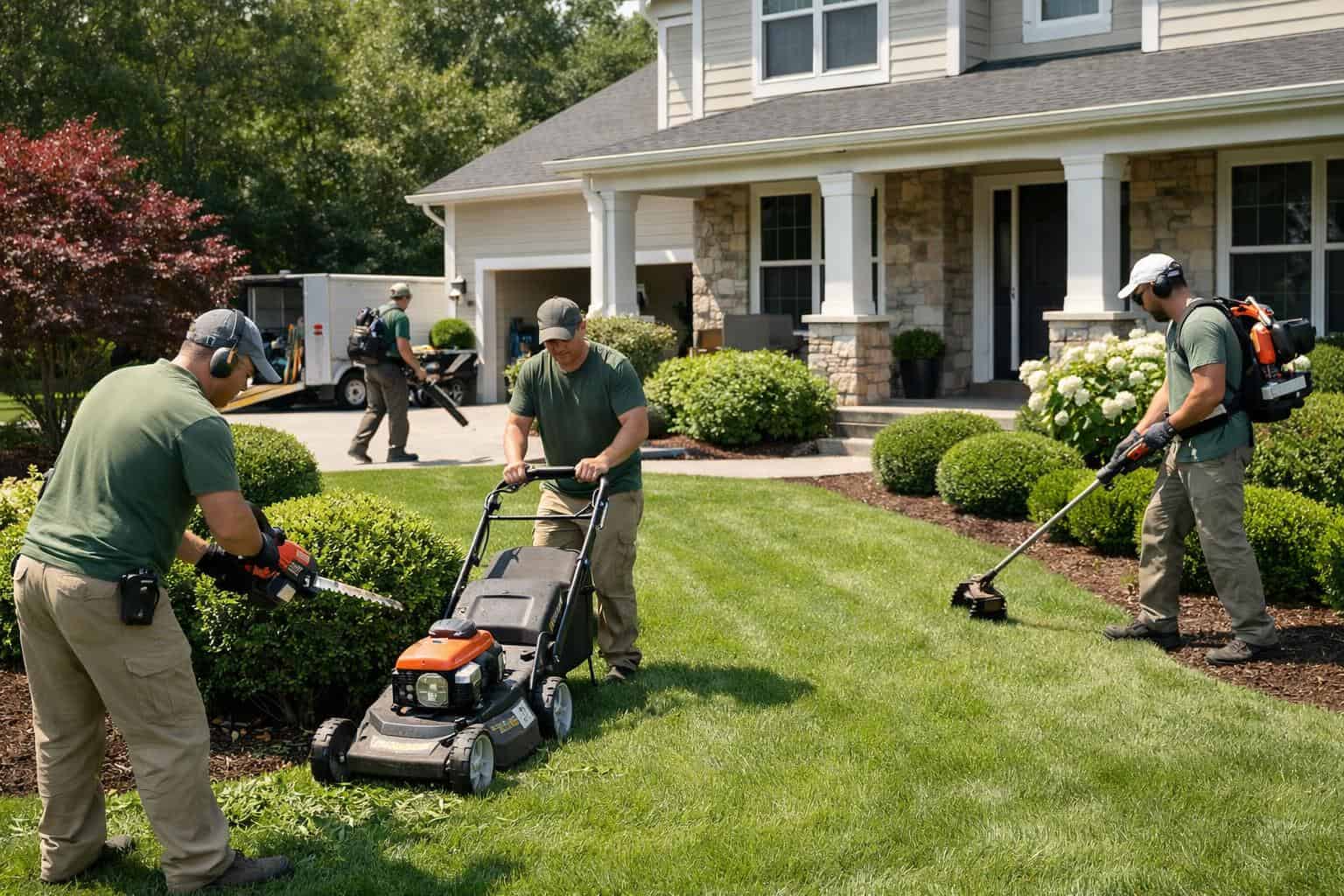
    Landscape maintenance can range from simple lawn care to broader recurring service that includes pruning, seasonal cleanup, mulch refreshes, irrigation checks, weed control, and care for planting beds. Some plans are designed for basic appearance. Others are meant to protect a larger investment in patios, lighting, walls, lawn, and planting work.

    • Common services: mowing, edging, pruning, bed cleanup, mulch refreshes, irrigation observation, seasonal trimming, and debris removal.
    • Common plan goals: keep the property consistent, reduce catch-up work, protect installations, and make seasonal transitions easier.
    • Main planning factors: property size, plant maturity, lawn area, irrigation needs, and how hands-on the homeowner wants to be.

    Why maintenance should be part of the project plan

    Homeowners often think about maintenance only after installation, but the long-term care plan should influence decisions earlier. A planting scheme that looks great on day one may not suit a homeowner who wants lower upkeep. A new concrete or patio installation still benefits from cleaning, joint observation, and surrounding bed care over time.

    This is why maintenance belongs in the same conversation as the larger plan described in our services guide.

    What affects maintenance-plan cost

    Recurring service pricing depends on visit frequency, property size, lawn area, pruning needs, bed complexity, seasonal cleanup volume, irrigation oversight, and whether the plan includes consumables like mulch or fertilizer. A simple mow-and-edge plan is very different from a full-service maintenance program for a recently renovated landscape.

    Homeowners comparing ongoing ownership costs should also review our landscaping cost guide.

    Maintenance and new installations

    Fresh sod, new planting beds, recently sealed concrete, and lighting systems all have early-stage care needs that differ from mature landscape maintenance. The more a contractor explains that transition, the easier it is for homeowners to avoid early problems caused by under-watering, over-pruning, or neglected cleanup.

    Related reading includes our guides on planting installation, sod and lawn installation, and concrete driveway maintenance.

    Questions to ask before choosing a maintenance plan

    • What is included at each visit, and what is billed separately?
    • How often will the property be serviced during peak growing season?
    • How is pruning handled for shrubs, perennials, and ornamental grasses?
    • Will the crew monitor irrigation issues or only report visible problems?
    • How does the plan change seasonally?

    Our hiring guide is also useful when comparing recurring service providers.

    What homeowners should remember

    A maintenance plan should support the landscape you actually own, not a generic checklist. The best plans feel preventative rather than reactive. When a contractor explains visit scope, seasonal changes, and how the maintenance supports the investment over time, it becomes much easier to judge the real value of recurring service.

    If your bigger goal is reducing upkeep across the whole property, pair this page with our low-maintenance landscaping guide for homeowners.

    Related guide: If you are optimizing the yard for pets, kids, or lower water use, the Small Backyard Landscaping Ideas Guide can help keep the layout efficient and manageable.

    Seasonal guide: Homeowners looking for a year-round upkeep rhythm can use the Spring Landscaping Checklist and Summer Landscaping Maintenance Guide to structure recurring work.


  • Concrete Driveway Maintenance and Sealing Guide

    Concrete Driveway Maintenance and Sealing Guide

    A concrete driveway does not need constant attention, but it does reward consistent care. Homeowners usually get the best long-term results when they treat maintenance as a routine part of ownership instead of waiting until stains, cracks, or surface wear become obvious.

    The goal is not to make concrete look perfect forever. The goal is to keep water, heavy contamination, and small surface issues from turning into larger repair problems. A simple maintenance plan is often enough to extend appearance and service life.

    What routine maintenance actually includes

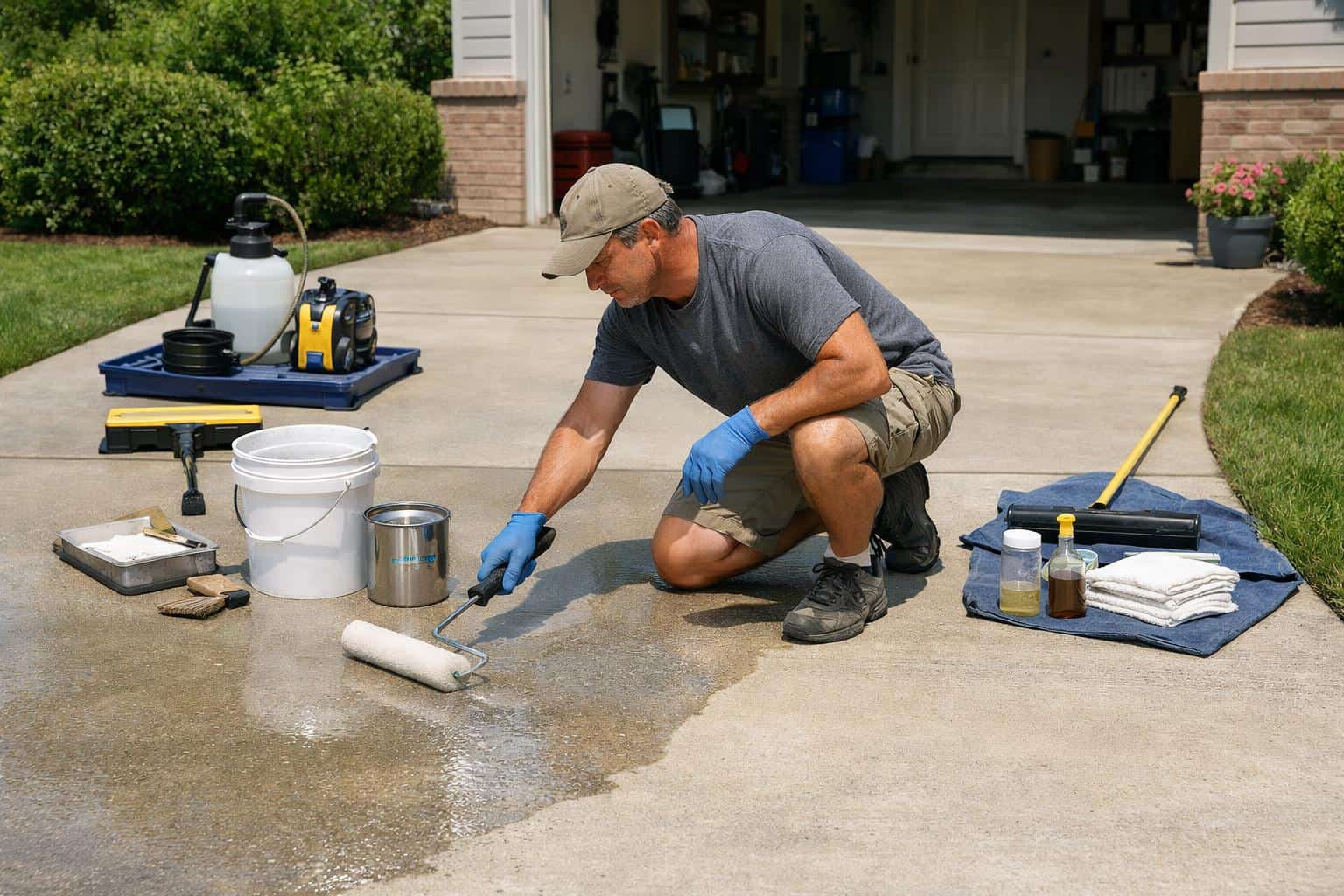
    Regular maintenance starts with keeping the surface clean and watching how water behaves on the slab. Dirt and leaves can trap moisture, while oil and rust stains become harder to remove the longer they sit. Seasonal cleaning also gives homeowners a chance to notice new cracking, edge breakdown, or drainage changes early.

    • Sweep debris off the driveway regularly.
    • Rinse off dirt, mud, and fertilizer residue before it bakes in.
    • Clean automotive fluids quickly so they do not set deeply.
    • Watch for standing water after rain or irrigation.
    • Inspect joints, edges, and previously repaired areas once or twice a year.

    When sealing helps and when it is overhyped

    Sealing can help reduce staining and slow water penetration, especially on decorative concrete or in driveways that see frequent moisture, leaf tannins, or oil exposure. It can also refresh the appearance of some surfaces. What sealing does not do is fix structural problems, stop major movement, or substitute for proper thickness and drainage.

    That is why sealing works best as a protection step on a sound driveway, not as a rescue plan for a failing one. If the slab is badly cracked or settling, a sealer may improve appearance for a short time while doing nothing to address the real cause.

    How often should a concrete driveway be sealed?

    There is no universal schedule that fits every driveway. The right timing depends on the product used, the local climate, traffic, and the type of finish. Some homeowners reseal every few years, while others only need it occasionally. Decorative finishes and exposed surfaces often benefit from more attention than a plain broom-finished driveway.

    Instead of sealing on autopilot, look for signs such as fading appearance, reduced water beading, easier staining, or a surface that is harder to clean than it used to be. Those signs are more useful than a one-size-fits-all calendar rule.

    Common maintenance mistakes

    • Using harsh de-icing habits without checking whether the product is safe for the surface.
    • Ignoring drainage issues that repeatedly hold water on the slab.
    • Assuming every crack is cosmetic and never worth monitoring.
    • Applying sealer over a dirty or damp surface.
    • Expecting sealer to correct spalling, settling, or structural weakness.

    When to bring in a contractor

    Routine cleaning is a homeowner task. Evaluating widening cracks, surface scaling, trip edges, or drainage failure is different. If the driveway is changing shape, not just changing color, it is worth getting a professional opinion before spending money on products that do not solve the underlying issue.

    Homeowners who want the clearest long-term plan should pair maintenance decisions with an honest assessment of the slab’s age, thickness, and condition. If you are trying to decide whether upkeep still makes sense or whether replacement is the better investment, compare this guide with our breakdown of driveway replacement versus new concrete.

    Bottom line

    Good driveway maintenance is mostly about consistency: keep the surface clean, watch how it drains, address stains early, and use sealing as a protective step instead of a miracle fix. When a driveway is structurally sound, those habits can preserve appearance and help you get more years out of the slab.

    Plan the Bigger Project

    Concrete work is often just one part of a broader exterior upgrade. If you are still mapping out the full project, also read our landscaping services guide, questions to ask before hiring a landscaper, what to expect during a landscaping project, and our landscaping costs guide for homeowners.