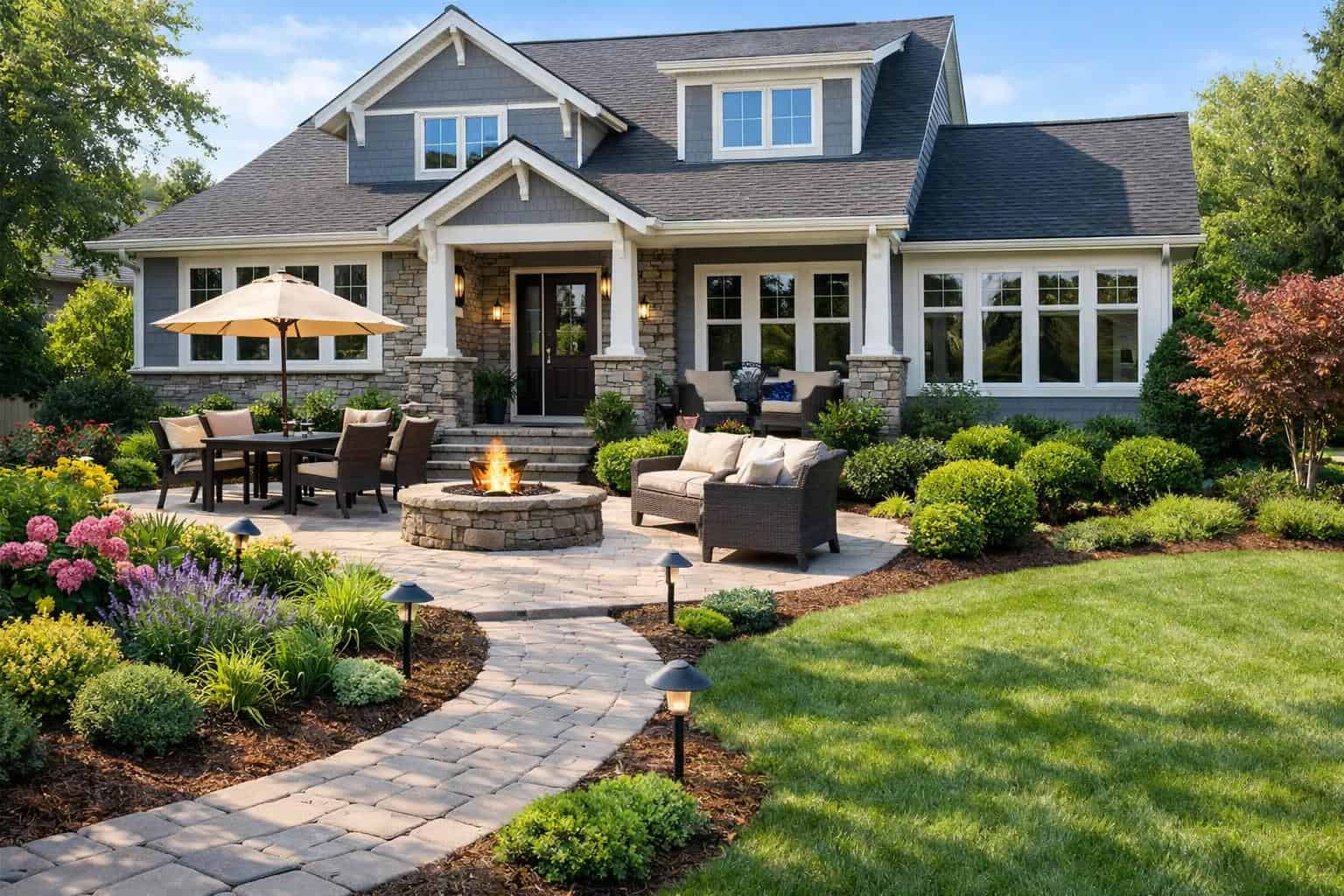
Landscaping can mean very different things depending on the property, the budget, and the homeowner’s goals. Some projects focus on curb appeal, some solve drainage or grading problems, and others are about creating a backyard that is easier to use every day. That range is exactly why many homeowners feel overwhelmed when they first start comparing services.
This guide is designed to make the service landscape easier to understand. Instead of looking at landscaping as one giant category, it helps to break it into practical groups: design and planning, hardscape construction, softscape planting, water management, lighting, and ongoing maintenance. Once you understand what each service actually does, it becomes much easier to decide what to prioritize and what kind of contractor to hire.
What homeowners usually mean by landscaping
Some homeowners use the word landscaping to describe anything that happens outside the house. Others use it more narrowly to mean planting, lawn work, and decorative upgrades. In practice, a landscaping project can include a mix of construction, drainage, irrigation, masonry, planting, and seasonal care.
A good way to frame it is this: landscaping is the planning, installation, and upkeep of outdoor spaces so they are more functional, attractive, and easier to maintain. On some properties that means a simple cleanup and new planting plan. On others it means grading, retaining walls, patios, walkways, lighting, irrigation, and new lawn areas all working together.

Landscape design and planning services
Planning services help homeowners define what they are trying to accomplish before crews start moving soil or installing materials. These services may include site evaluation, rough concepts, layout recommendations, plant and material selection, drainage planning, and a phased approach for larger properties.
- Best for: properties with multiple goals, awkward layouts, drainage concerns, or large budgets.
- Common outputs: sketches, planting plans, material recommendations, measurement-based layouts, and installation sequencing.
- Questions to ask: Who prepares the plan, how detailed it is, and whether the design reflects maintenance expectations and budget limits.
Design matters because it keeps a project from becoming a string of disconnected decisions. If you install turf before solving drainage, or pour a patio before confirming elevations, you may end up paying to redo parts of the job.

Hardscape and construction services
Hardscaping covers the permanent built elements that shape how a yard functions. This often includes patios, walkways, driveways, retaining walls, steps, edging, fire pit areas, and outdoor kitchen pads. These services are especially important when the property needs structure, usable surfaces, or grade control.
Hardscape work usually has the highest labor and material cost in a landscape project, but it also has the biggest impact on function. A properly built walkway improves circulation, a well-planned patio creates gathering space, and a retaining wall can turn a difficult slope into useful square footage.
- Common examples: paver patios, concrete driveways, decorative flatwork, retaining walls, seat walls, stairs, and pathways.
- Main cost drivers: excavation, access, base preparation, drainage, reinforcement, material choice, and site complexity.
- Helpful related reading: our guides on concrete driveway installation and hiring the right contractor.

Softscape and planting services
Softscape services focus on living materials and the visual character of the property. These projects include planting trees and shrubs, garden bed installation, sod or seed, mulch, decorative stone, seasonal color, and plant replacement. Planting work can be cosmetic, but it can also solve privacy, erosion, shade, and screening problems.
Not every planting plan should be built around the same priorities. Some homeowners want a neat, low-maintenance yard. Others care more about bloom cycles, native plantings, pollinator support, or privacy screening. The right plant palette depends on climate, sun exposure, irrigation, soil conditions, and how much care the homeowner is realistically willing to provide.

Irrigation and water management services
Water management is one of the most overlooked parts of landscape planning, even though it often decides whether the finished project lasts. These services include irrigation installation, sprinkler repairs, drip systems, grading corrections, drainage swales, channel drains, French drains, catch basins, and downspout discharge improvements.
Homeowners often discover drainage issues only after spending money elsewhere. Pooling water near a patio, erosion on slopes, and runoff toward the garage are signs that water movement needs to be addressed as part of the project instead of as an afterthought.
- Signs you may need this service: standing water, washed-out mulch, soggy lawn edges, foundation runoff, or recurring low spots.
- Why it matters: water problems can shorten the life of hardscapes, damage plantings, and make lawns hard to maintain.

Outdoor lighting services
Landscape lighting improves both appearance and usability. It helps define pathways, highlight planting beds or architectural features, improve nighttime visibility, and make outdoor living areas more enjoyable after dark. A thoughtful lighting plan can also help the property feel more finished without requiring a full renovation.
Common lighting services include path lights, accent uplighting, step lights, patio and entertaining lighting, and transformer-based low-voltage systems. The most useful conversations are not about how many fixtures a contractor can install, but about what parts of the property actually need illumination and why.
Lawn, cleanup, and maintenance services
Many homeowners start with maintenance because it offers immediate improvement without the commitment of a large build. These services can include mowing, edging, pruning, seasonal cleanup, mulch refreshes, weed control, irrigation checks, fertilization, and recurring property care packages.
Maintenance may sound separate from bigger landscape work, but it is often what protects the investment. A new planting bed still needs pruning, irrigation monitoring, and seasonal attention. A newly sealed driveway still needs cleaning and inspection over time. If the end goal is long-term curb appeal, maintenance should be part of the plan from the beginning.
How to choose the right service mix
Most properties do not need every landscaping service at once. The better approach is to identify the problems or goals that matter most and organize the work into sensible phases.
- Start with function: drainage, grading, access, safety, and circulation come before decorative upgrades.
- Then define surfaces: patios, walkways, driveways, and retaining features create the structure of the yard.
- Add planting and visual layers: once the bones of the project are right, softscape choices become easier and more durable.
- Plan for upkeep: every installation should match the level of maintenance the homeowner can realistically support.
If you are in the early decision stage, it also helps to read questions to ask before hiring a landscaper and what to expect during a landscaping project before collecting bids.
What to remember before hiring
The right contractor is not always the one offering the longest service list. The better fit is the company that understands your actual priorities, explains what work should happen first, and can describe the process clearly. Some projects need a specialist, while others need a general outdoor contractor who can coordinate multiple scopes.
As LandscapingUniverse grows, this service guide will connect into more detailed pages for driveways, patios, drainage, lighting, planting, irrigation, lawn upgrades, and seasonal maintenance. For now, the main goal is simple: understand what each service does before you spend money, so your project starts with the right plan instead of guesswork.
Featured Service Guides
- Patio Installation Guide for Homeowners
- Drainage Solutions Guide for Homeowners
- Retaining Wall Guide for Homeowners
- Irrigation System Guide for Homeowners
More Homeowner Service Guides
- Landscape Lighting Guide for Homeowners
- Garden Bed and Planting Installation Guide for Homeowners
- Sod and Lawn Installation Guide for Homeowners
- Landscape Maintenance Plans Guide for Homeowners
Comparison and Decision Guides
- Concrete vs Paver Driveway Guide for Homeowners
- Patio vs Deck Guide for Homeowners
- Drainage vs Regrading Guide for Homeowners
- Low-Maintenance Landscaping Guide for Homeowners
More Outdoor-Living and Site-Prep Guides
- Walkway and Pathway Installation Guide for Homeowners
- Fire Pit Installation Guide for Homeowners
- Grading and Yard Leveling Guide for Homeowners
- Artificial Turf vs Natural Grass Guide for Homeowners
More Outdoor-Living and Boundary Guides
- Outdoor Kitchen Guide for Homeowners
- Privacy Landscaping Guide for Homeowners
- Erosion Control Guide for Homeowners
- Retaining Wall Block vs Poured Concrete Guide for Homeowners
More Material and Decision Guides
- Fire Pit Gas vs Wood Guide for Homeowners
- Mulch vs Rock Landscaping Guide for Homeowners
- Sod vs Seed Guide for Homeowners
- Paver Patio vs Stamped Concrete Patio Guide for Homeowners
More Front Yard, Backyard, and Planning Guides
- Front Yard Landscaping Guide for Homeowners
- Backyard Landscaping Ideas and Planning Guide for Homeowners
- How to Compare Landscaping Quotes Guide for Homeowners
- Best Time of Year to Start a Landscaping Project Guide
More Permits, Value, and Strategy Guides
- Do You Need a Permit for Landscaping Projects Guide
- Landscaping Mistakes Homeowners Should Avoid Guide
- Does Landscaping Increase Home Value Guide
- How to Phase a Landscaping Project Guide
More Homeowner Use-Case Guides
- Pet-Friendly Backyard Landscaping Guide for Homeowners
- Kid-Friendly Backyard Landscaping Guide for Homeowners
- Small Backyard Landscaping Ideas Guide for Homeowners
- Low-Water Landscaping Guide for Homeowners
More Seasonal and Ownership Guides
- Spring Landscaping Checklist Guide for Homeowners
- Summer Landscaping Maintenance Guide for Homeowners
- Fall Landscaping Checklist Guide for Homeowners
- Winter Yard Planning Guide for Homeowners
More Troubleshooting Guides
- Signs You Need Better Yard Drainage Guide
- Signs It Is Time to Replace a Patio Guide
- Signs Your Irrigation System Needs Attention Guide
- Signs a Retaining Wall May Be Failing Guide
More Cost Driver Guides
- What Affects Retaining Wall Cost Guide
- What Affects Patio Cost Guide
- What Affects Irrigation System Cost Guide
- What Affects Landscape Lighting Cost Guide
More Cost Breakdown Guides
- What Affects Outdoor Kitchen Cost Guide
- What Affects Fire Pit Cost Guide
- What Affects Drainage Project Cost Guide
- What Affects Sod and Lawn Installation Cost Guide
More Problem-Recognition Guides
- Signs You Need Regrading Guide
- Signs Your Lawn Needs Replacement Guide
- Signs Your Backyard Layout Is Not Working Guide
- Signs Privacy Landscaping Needs an Upgrade Guide
More Timeline and Preparation Guides
- How Long Does a Patio Project Take Guide
- How Long Does a Retaining Wall Project Take Guide
- What to Expect During Outdoor Kitchen Installation Guide
- How to Prepare for a Landscaping Crew Guide
More Walkway, Turf, and Privacy Guides
- What Affects Walkway and Pathway Cost Guide for Homeowners
- Artificial Turf Installation Guide for Homeowners
- What Affects Artificial Turf Cost Guide for Homeowners
- What Affects Privacy Landscaping Cost Guide for Homeowners
Leave a Reply