Costs and Expectations

Cost and expectation guides focused on budgeting, lifespan, replacement decisions, and the real factors that shape landscaping quotes.

Start with the service type

Landscaping Services Guideposts

Use these guides to understand what each service includes before comparing providers or requesting quotes.

Core service explainers

Start here when you are still deciding what kind of landscaper or outdoor contractor you need.

Compare before you hire

Use these pages when two services or surface choices sound similar but lead to different scopes.

Hire smarter

Planning And Contractor Comparison

Use this hub when you are moving from ideas into estimates, bids, and contractor conversations.

Before requesting estimates

These guides help define scope and compare companies before the first site visit.

Budget with better assumptions

Cost Guides And Calculators

Use this hub to move from rough budget ranges into the details that usually change quotes.

Calculator starting points

Open the calculator hub or a cost guide when you need a quick planning range.

High-impact cost decisions

These pages help compare choices where price, lifespan, and maintenance tradeoffs matter.

Understand the build

Installation And Site-Work Pathways

Use these guides to understand sequencing, site prep, access, and the details that affect long-term performance.

Hardscape and site prep

These projects often depend on base prep, demolition, grading, drainage, and access.

Drainage and retaining work

Use these when water, grade, or slope stability is part of the project.

Choose materials with ownership in mind

Material And Finish Decision Paths

Use these guides when appearance, maintenance, replacement, and budget all affect the right material choice.

Surface and finish comparisons

Compare outdoor surfaces before committing to a driveway, patio, or lawn direction.

Landscape material planning

Use these pages when quantity, delivery, or long-term maintenance are the main concern.

Protect the investment

Maintenance And Ownership Next Steps

Use these guides to understand ongoing care, seasonal refreshes, and when maintenance points to a bigger fix.

Maintenance planning

These guides help compare recurring service, seasonal work, and refresh projects.

When upkeep becomes repair

Use these when repeated maintenance problems suggest drainage, surface, or material issues.

  • Signs Your Sod or Lawn Needs Attention Guide

    Signs Your Sod or Lawn Needs Attention Guide

    Lawns usually show early warning signs before homeowners decide they need total replacement. Thinning, stress, poor rooting, irrigation trouble, and uneven growth can all signal that the lawn needs attention sooner rather than later. The challenge is deciding whether the issue is a temporary care problem or the start of a deeper decline.

    Looking closely at patterns and timing usually helps homeowners judge whether the lawn needs small corrections or a broader reset.

    Lawn detail relevant to thinning, irrigation stress, and warning signs
    Lawn issues often show up first through uneven color, weak rooting, traffic damage, or sections that never establish the way homeowners expected.

    Establishment and irrigation issues often show up first

    If certain areas never fill in correctly, stay weak after watering, or seem to root poorly, the issue may be tied to irrigation, prep, timing, or traffic rather than the grass type alone.

    Uneven wear can signal a bigger pattern

    Traffic damage, stress during weather swings, patchiness, and recurring weak zones often tell homeowners that the lawn is not getting what it needs consistently.

    Use maintenance and planning guides to judge next steps

    The sod maintenance guide, sod quote guide, and sod planning mistakes guide help homeowners decide whether the lawn needs better care, targeted repair, or a more serious change.

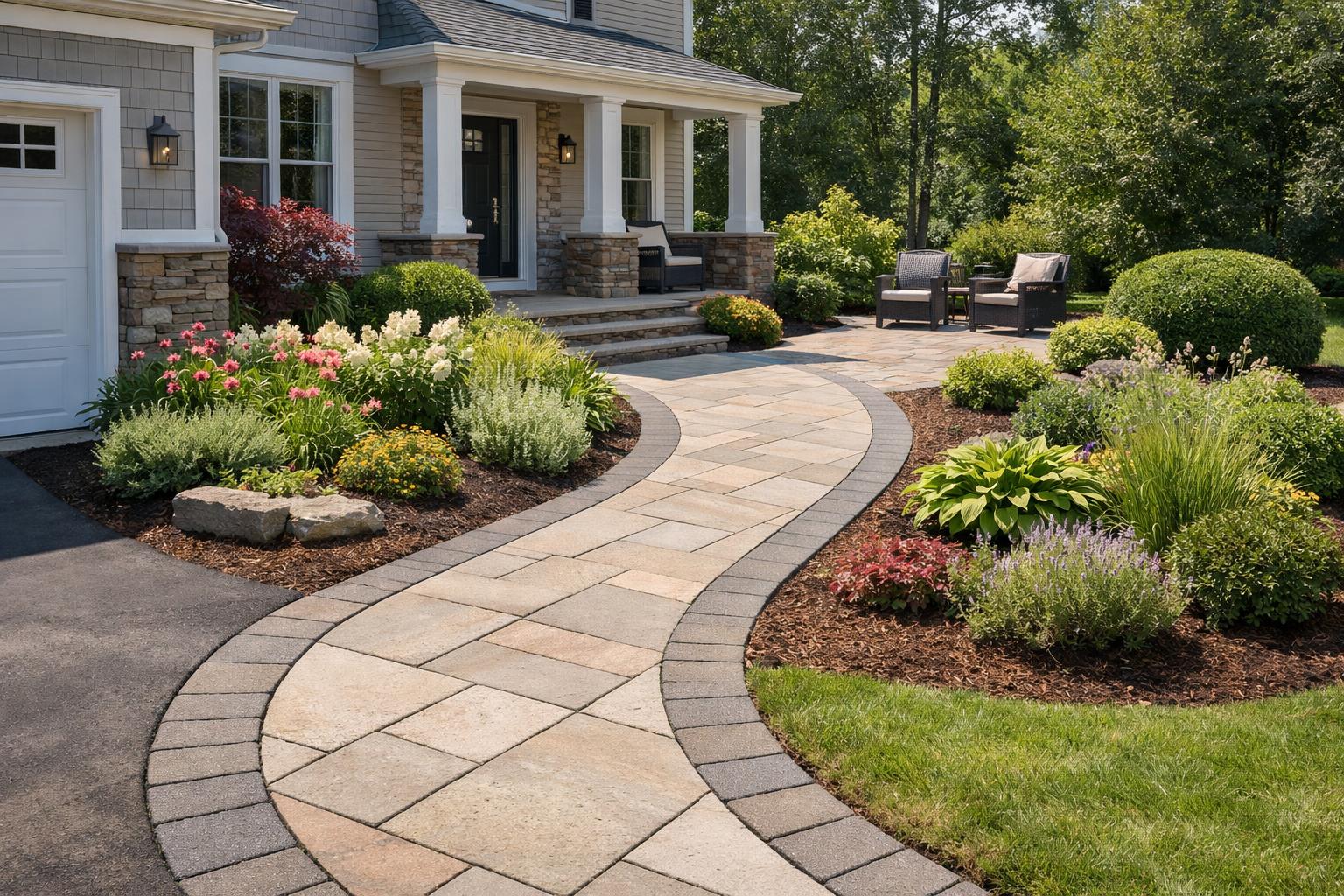
    Signs Your Sod or Lawn Needs Attention Guide related example showing Residential lawn showing thin, patchy, and stressed turf near patio and planting beds
    This lawn example gives homeowners a visual reference for comparing layout, materials, and maintenance tradeoffs before starting the project.

  • Signs Your Walkway or Pathway Needs Attention Guide

    Signs Your Walkway or Pathway Needs Attention Guide

    Walkways rarely jump from perfect to failing overnight. More often, homeowners start noticing small signs: a dip here, a loose edge there, joints washing out, or transitions feeling less even underfoot. These early changes are worth paying attention to because they usually become easier to fix when they are still localized.

    Catching those warning signs early often helps homeowners avoid a larger repair or a more disruptive reset later.

    Walkway detail relevant to settling, edge wear, and warning signs
    Walkway issues often begin as small shifts, loose edges, washout, or uneven spots that feel minor until they affect safety or comfort.

    Movement and edge changes are important clues

    Settling, shifting edges, uneven cuts, and transitions that stop feeling smooth can all point to underlying movement or finish wear that deserves attention before it spreads.

    Drainage and surface wear matter too

    Pooling water, washed-out joints, staining, weed pressure, and surface changes may not look dramatic at first, but they often reveal why the walkway feels less stable or attractive over time.

    Signs Your Walkway or Pathway Needs Attention Guide related example showing Front entry walkway with edging, planting beds, and material detail relevant to pathway cost planning
    This walkway example gives homeowners a visual reference for comparing layout, materials, and maintenance tradeoffs before starting the project.

    Use maintenance and planning guides to judge severity

    The walkway maintenance guide, walkway quote guide, and walkway planning mistakes guide help homeowners decide whether the path needs light repair or more serious attention.


  • Signs Your Landscape Lighting Needs Attention Guide

    Signs Your Landscape Lighting Needs Attention Guide

    Landscape lighting systems often drift out of balance gradually. A fixture may shift, nearby plants may grow in, one area may start looking dim, or a control issue may make the whole system feel less dependable. These changes are easy to ignore because the lights still technically work, but the nighttime effect is usually what tells homeowners something needs attention.

    Small lighting problems are usually easier to correct before the whole system feels uneven or underwhelming.

    Lighting detail relevant to dim areas, fixture shifts, and warning signs
    Lighting problems often start subtly with dim zones, glare, timer issues, or plant growth that changes the way the yard looks after dark.

    Coverage and balance often reveal the issue first

    Dim spots, glare, uneven brightness, and focal points that disappear after plant growth changes are all signs that the system needs more than a casual glance. Good lighting depends on balance, not just operation.

    Controls and fixtures both deserve attention

    Timer trouble, shifting fixtures, dirty lenses, and wiring or transformer issues can all make the yard feel inconsistent after dark. These issues often show up as small annoyances before homeowners think of them as repairs.

    Use maintenance and planning guides to judge next steps

    The lighting maintenance guide, lighting quote guide, and lighting planning mistakes guide help homeowners decide whether the system needs simple adjustment or a more meaningful update.

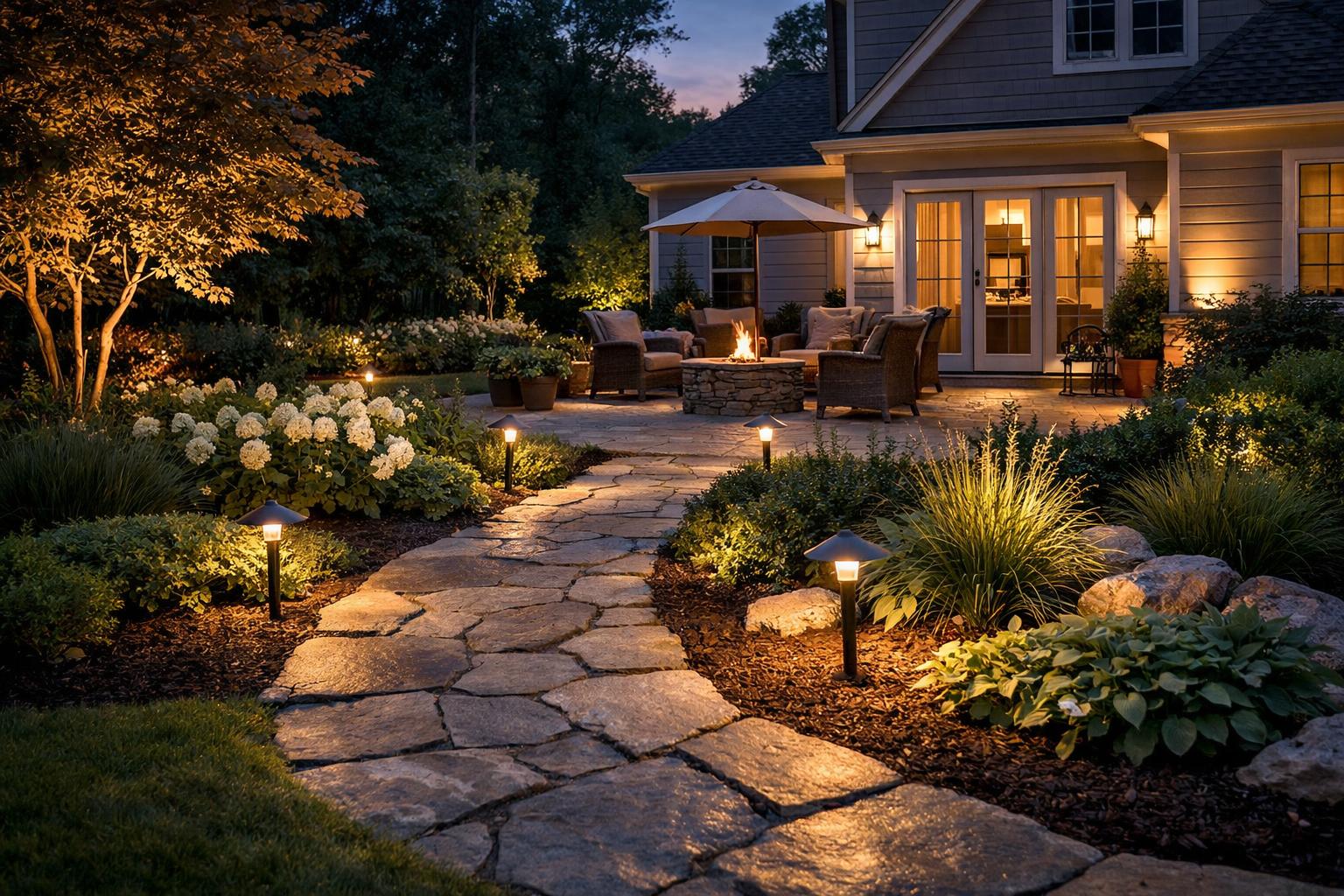
    Signs Your Landscape Lighting Needs Attention Guide related example showing Landscape lighting detail relevant to fixture placement, wire routing, and project timing for homeowners
    This lighting example gives homeowners a visual reference for comparing layout, materials, and maintenance tradeoffs before starting the project.

  • Signs Your Erosion Control Work Needs Attention Guide

    Signs Your Erosion Control Work Needs Attention Guide

    Erosion control work rarely announces trouble all at once. More often, homeowners start noticing small changes after storms or seasonal shifts: a little exposed soil, runoff moving differently, drainage outlets acting strangely, planted areas struggling, or parts of the slope looking less stable than before. These are often early signs that the treatment area needs attention.

    Catching those changes early is usually much easier than waiting until the slope looks obviously damaged again.

    Slope stabilization detail relevant to runoff changes, exposed soil, and warning signs for homeowners
    Erosion-control issues often reappear gradually through runoff patterns, exposed areas, movement, or planted sections that stop establishing the way they should.

    Water movement tells an important story

    New runoff paths, overflow, pooling, exposed soil, rock movement, and washed-out material can all indicate that the treatment is under stress or that conditions around it have changed since installation.

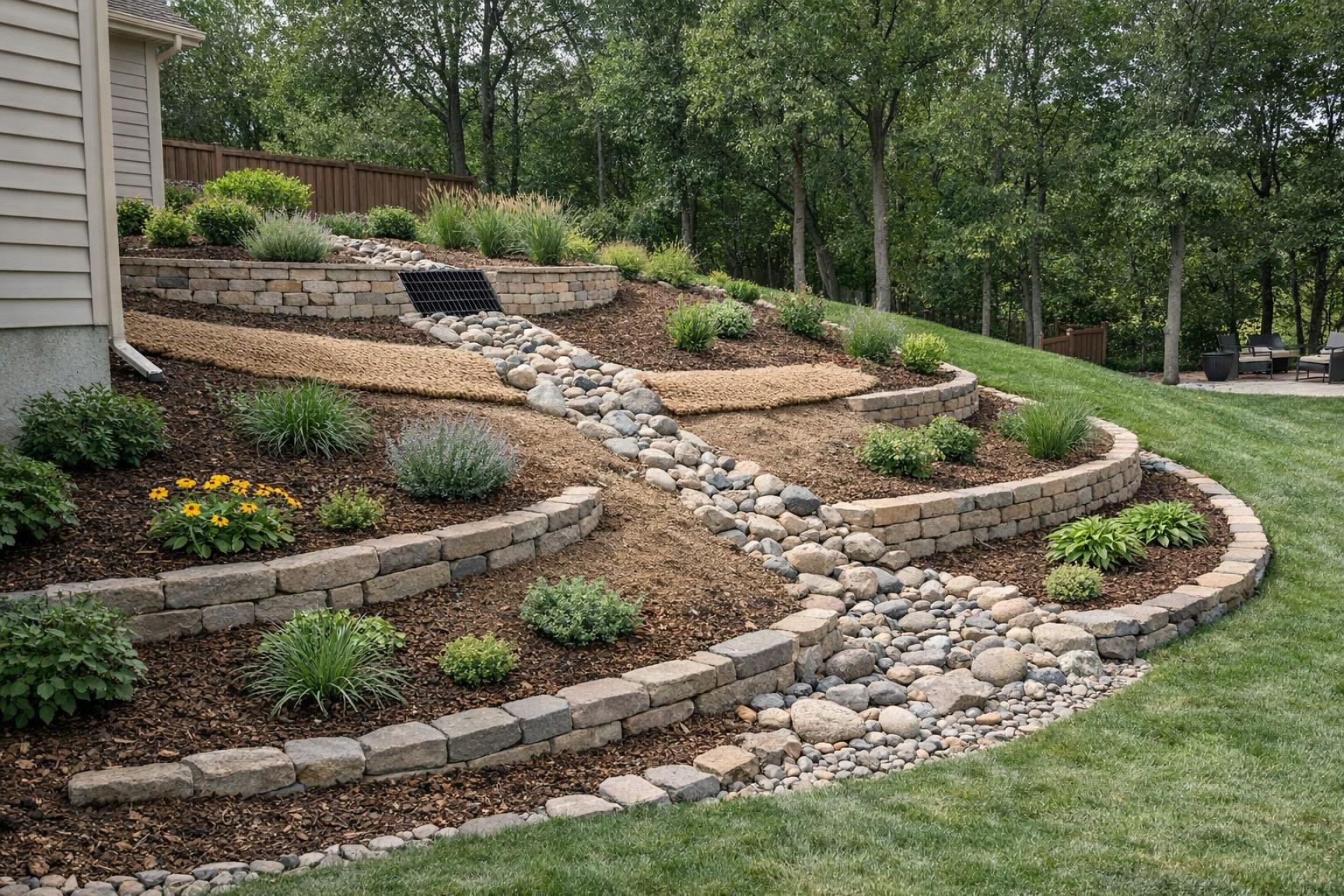
    Signs Your Erosion Control Work Needs Attention Guide related example showing Landscape beds and groundcover materials relevant to homeowner quantity planning for mulch, soil, and decorative rock
    This materials example gives homeowners a visual reference for comparing layout, materials, and maintenance tradeoffs before starting the project.

    Planting and stabilization elements should be watched together

    If planted areas fail, matting shifts, drainage outlets clog, or the slope begins to settle unevenly, the whole control plan may need review. The issue is often the interaction between several elements, not one product alone.

    Use monitoring and planning guides to judge urgency

    The erosion control maintenance guide, erosion control quote guide, and erosion control planning mistakes guide help homeowners decide whether the treatment needs small corrections or a deeper review.


  • Signs Your Privacy Landscaping Needs Attention Guide

    Signs Your Privacy Landscaping Needs Attention Guide

    Privacy landscaping usually changes slowly, which makes it easy for homeowners to miss early warning signs. A screen that once felt dense may start thinning, growing unevenly, or losing the look and function it was supposed to provide. Watering issues, plant stress, gaps, and layout problems often show up gradually before they feel urgent.

    Noticing those small changes early gives homeowners more options than waiting until large sections of the screen are struggling.

    Privacy planting detail relevant to thinning screens, plant stress, and warning signs for homeowners
    Many privacy-landscaping issues begin as subtle thinning, stressed plants, or uneven growth patterns that reduce screening quality over time.

    Growth patterns often reveal the problem first

    Uneven density, weak fill-in, visible gaps, and plants that are outgrowing their intended role can all signal that the screen needs pruning changes, irrigation help, replacement plants, or a broader upgrade.

    Health and function should be judged together

    Plants can be technically alive but no longer screening well, and a layout can still look planted without delivering the privacy the homeowner wants. That is why performance and plant health should be evaluated together.

    Signs Your Privacy Landscaping Needs Attention Guide related example showing Layered privacy landscaping with screening plants, mulch beds, and fence-line layout detail
    This privacy example gives homeowners a visual reference for comparing layout, materials, and maintenance tradeoffs before starting the project.

    Use maintenance and planning guides to decide next steps

    The privacy landscaping maintenance guide, privacy landscaping quote guide, and privacy landscaping planning mistakes guide help homeowners decide whether the screen needs better care, selective repair, or a broader reset.


  • Signs Your Artificial Turf Needs Attention Guide for Homeowners

    Signs Your Artificial Turf Needs Attention Guide for Homeowners

    Artificial turf usually gives homeowners warning signs before a bigger repair becomes necessary. Drainage changes, odor buildup, seam movement, flattened traffic patterns, and loose edges can all indicate that the surface needs more than routine cleaning. Some issues are minor. Others suggest the installation below the surface is starting to show itself.

    Spotting these changes early can make the difference between a small correction and a more expensive reset.

    Artificial turf detail relevant to seam, edge, and drainage warning signs for homeowners
    Turf problems often start subtly with flattening, odor, drainage changes, or small seam and edge issues before homeowners think of them as repairs.

    Surface changes often point to deeper issues

    Flattening, pooling water, shifting seams, loose edges, and uneven traffic areas may reflect problems with infill, base support, drainage, or how the turf is being used. These changes are easier to judge when they are still localized.

    Cleaning problems can become performance problems

    Persistent odor, debris buildup, pet-area issues, or a surface that no longer feels clean even after maintenance may indicate deeper wear or drainage trouble rather than just a missed cleaning cycle.

    Signs Your Artificial Turf Needs Attention Guide for Homeowners related example showing Lawn detail relevant to thinning, irrigation stress, and warning signs
    This lawn example gives homeowners a visual reference for comparing layout, materials, and maintenance tradeoffs before starting the project.

    Use maintenance and installation guides to judge severity

    The artificial turf maintenance guide, artificial turf quote guide, and artificial turf planning mistakes guide help homeowners decide whether the issue calls for maintenance, repair, or a more serious fix.


  • Signs Your Fire Pit Needs Repair or an Upgrade Guide

    Signs Your Fire Pit Needs Repair or an Upgrade Guide

    Fire pits do not always fail in dramatic ways. More often, homeowners start noticing small issues that make the feature less enjoyable or less dependable over time. Surface wear, burner problems, drainage trouble, loose caps, or an awkward seating layout can all be signs that the fire pit needs repair, adjustment, or a broader upgrade.

    Recognizing the difference between normal wear and a problem worth addressing helps homeowners spend money more wisely.

    Fire pit detail relevant to repair signs, wear, and upgrade decisions for homeowners
    Many fire pit problems show up as small cracks, loose pieces, poor flame performance, or a layout that no longer feels comfortable or complete.

    Surface and structural wear should not be ignored

    Cracks, loose caps, settling, staining, and movement in surrounding hardscape can all signal that the feature or the area around it needs attention. These issues are often easier to correct before they spread.

    Function and comfort problems matter too

    Poor flame performance, ignition issues, smoke frustration, awkward seating distances, and a space that no longer fits how the yard is used can all point to an upgrade rather than a simple repair.

    Use maintenance and planning guides to judge next steps

    The fire pit maintenance guide, fire pit quote guide, and fire pit planning mistakes guide help homeowners decide whether the feature needs repair, replacement, or a smarter redesign.

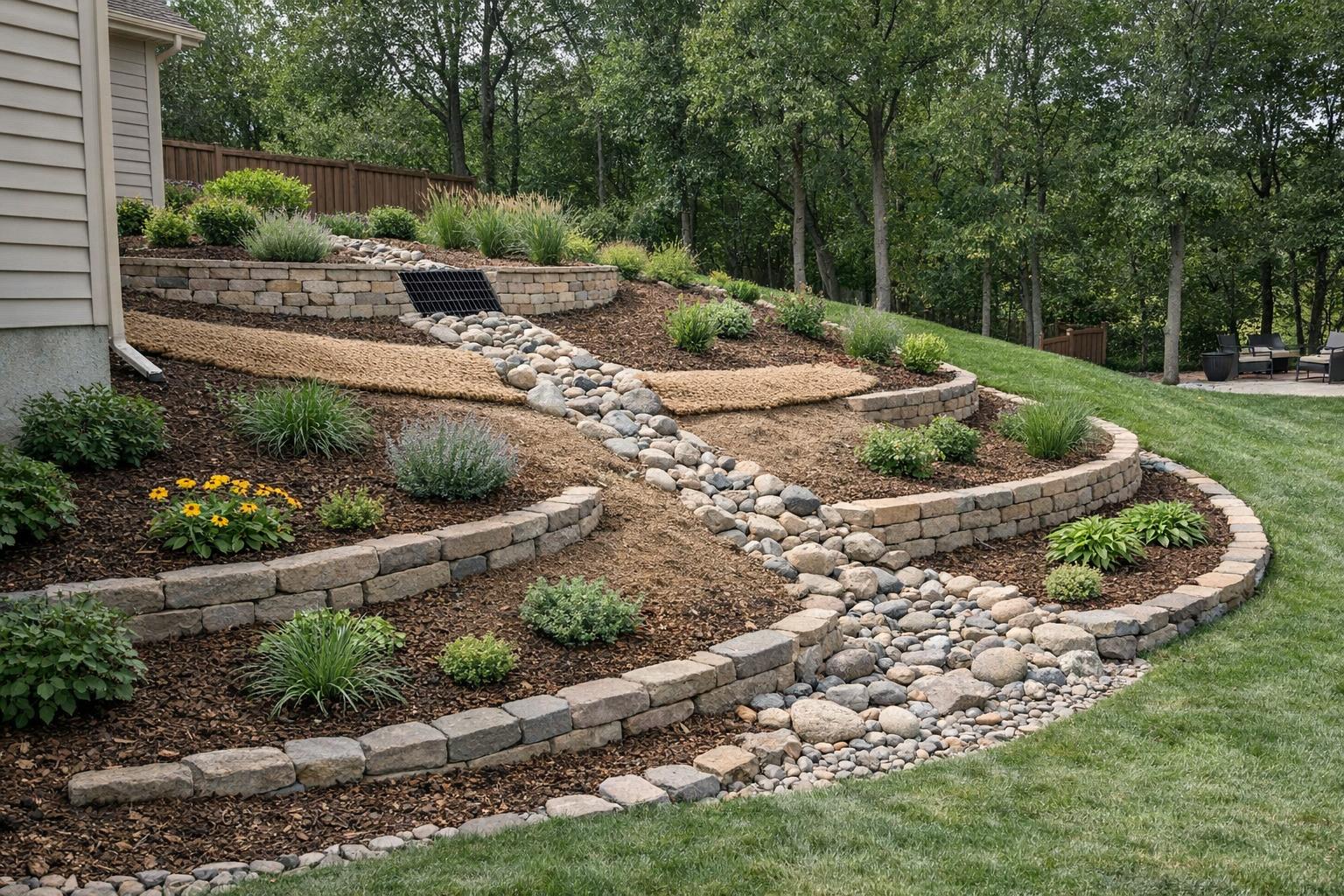
    Signs Your Fire Pit Needs Repair or an Upgrade Guide related example showing Landscape beds and groundcover materials relevant to homeowner quantity planning for mulch, soil, and decorative rock
    This materials example gives homeowners a visual reference for comparing layout, materials, and maintenance tradeoffs before starting the project.

  • What an Erosion Control Quote Should Include Guide for Homeowners

    What an Erosion Control Quote Should Include Guide for Homeowners

    Erosion control quotes can be difficult to compare because the visible symptom is rarely the full problem. One contractor may treat a slope with surface materials only, while another may include drainage corrections, slope regrading, stabilization products, and planting. If those underlying assumptions are unclear, homeowners may think they are comparing the same solution when they are not.

    A useful erosion-control quote should explain the cause of the problem and the method being used to control it, not just the material being installed.

    Slope stabilization detail relevant to erosion control strategy and quote comparison for homeowners
    Erosion-control quotes usually deserve the closest review around runoff diagnosis, slope preparation, drainage measures, stabilization materials, planting, and follow-up expectations.

    Problem diagnosis should come through in the quote

    Homeowners should be able to tell whether the issue is runoff velocity, poor drainage, exposed soil, slope instability, downspout discharge, or a combination of factors. The quote should connect the recommended treatment to that diagnosis.

    Stabilization scope should be specific

    Fabric, matting, rock, retaining elements, drainage features, soil prep, planting, and site-access assumptions all affect the real scope. A quote that only lists one product without explaining the broader strategy can be hard to evaluate.

    What an Erosion Control Quote Should Include Guide for Homeowners related example showing Landscape beds and groundcover materials relevant to homeowner quantity planning for mulch, soil, and decorative rock
    This materials example gives homeowners a visual reference for comparing layout, materials, and maintenance tradeoffs before starting the project.

    Compare the stabilization strategy, not just the material list

    The erosion control guide, drainage solutions guide, and regrading signs guide help homeowners compare these bids more clearly.


  • What a Privacy Landscaping Quote Should Include Guide for Homeowners

    What a Privacy Landscaping Quote Should Include Guide for Homeowners

    Privacy landscaping quotes can hide major differences in how quickly the yard will feel screened and how complete the finished planting areas will look. One contractor may use smaller plant material with a lower upfront cost. Another may include larger plants, layered screening, irrigation updates, bed shaping, and mulch. Those choices affect both the budget and the result homeowners live with afterward.

    A strong privacy-landscaping quote should explain the screening strategy, not just the plant list.

    Privacy planting detail relevant to screening strategy, plant spacing, and quote comparison for homeowners
    Privacy-landscaping quotes usually deserve the closest review around plant size, spacing, layered screening strategy, irrigation support, and how complete the bed finish will be when the crew leaves.

    Screening goals and plant material should be clear

    Homeowners should be able to tell whether the plan depends on hedges, layered planting, ornamental trees, or a mixed screen, and what plant sizes and spacing assumptions the quote uses. Without that, two bids may be solving the privacy problem in very different ways.

    What a Privacy Landscaping Quote Should Include Guide for Homeowners related example showing Layered privacy landscaping with screening plants, mulch beds, and fence-line layout detail
    This privacy example gives homeowners a visual reference for comparing layout, materials, and maintenance tradeoffs before starting the project.

    Bed prep and irrigation support matter

    Soil prep, grading within the bed, mulch, edging, irrigation adjustments, and cleanup all affect whether the screen establishes well and looks finished. Those details should not be buried in vague line items.

    Compare screening strategy, not just plant count

    The privacy landscaping guide, privacy cost guide, and privacy upgrade signs guide help homeowners evaluate these bids more realistically.


  • What an Artificial Turf Quote Should Include Guide for Homeowners

    What an Artificial Turf Quote Should Include Guide for Homeowners

    Artificial turf quotes often look cleaner and simpler than the actual project. The visible turf is only one part of the job. Removal, grading, drainage, base preparation, seams, edge detail, and infill all affect how the finished lawn performs. If one quote includes those items clearly and another leaves them vague, the lower number may not represent the better value.

    A useful turf quote should explain how the system is built below the surface, not just how the finished area will look from above.

    Artificial turf detail relevant to base preparation, edging, and quote comparison for homeowners
    Artificial turf quotes usually deserve the most attention around drainage, base depth, edge restraint, seam placement, infill, and how transitions into adjacent surfaces are handled.

    Base and drainage assumptions should be easy to spot

    Homeowners should be able to see what is happening to the old surface, how the base is being prepared, what drainage assumptions are being made, and whether any grade correction is included before the turf goes in.

    Edges, seams, and infill details matter

    Edge restraint, seam placement, infill type, pet-specific considerations, and transitions to patios, beds, or walkways can all change the scope. Those details usually deserve more attention than the product name alone.

    Compare system performance, not just the turf roll

    The artificial turf installation guide, artificial turf cost guide, and turf vs grass guide help homeowners compare these bids more clearly.

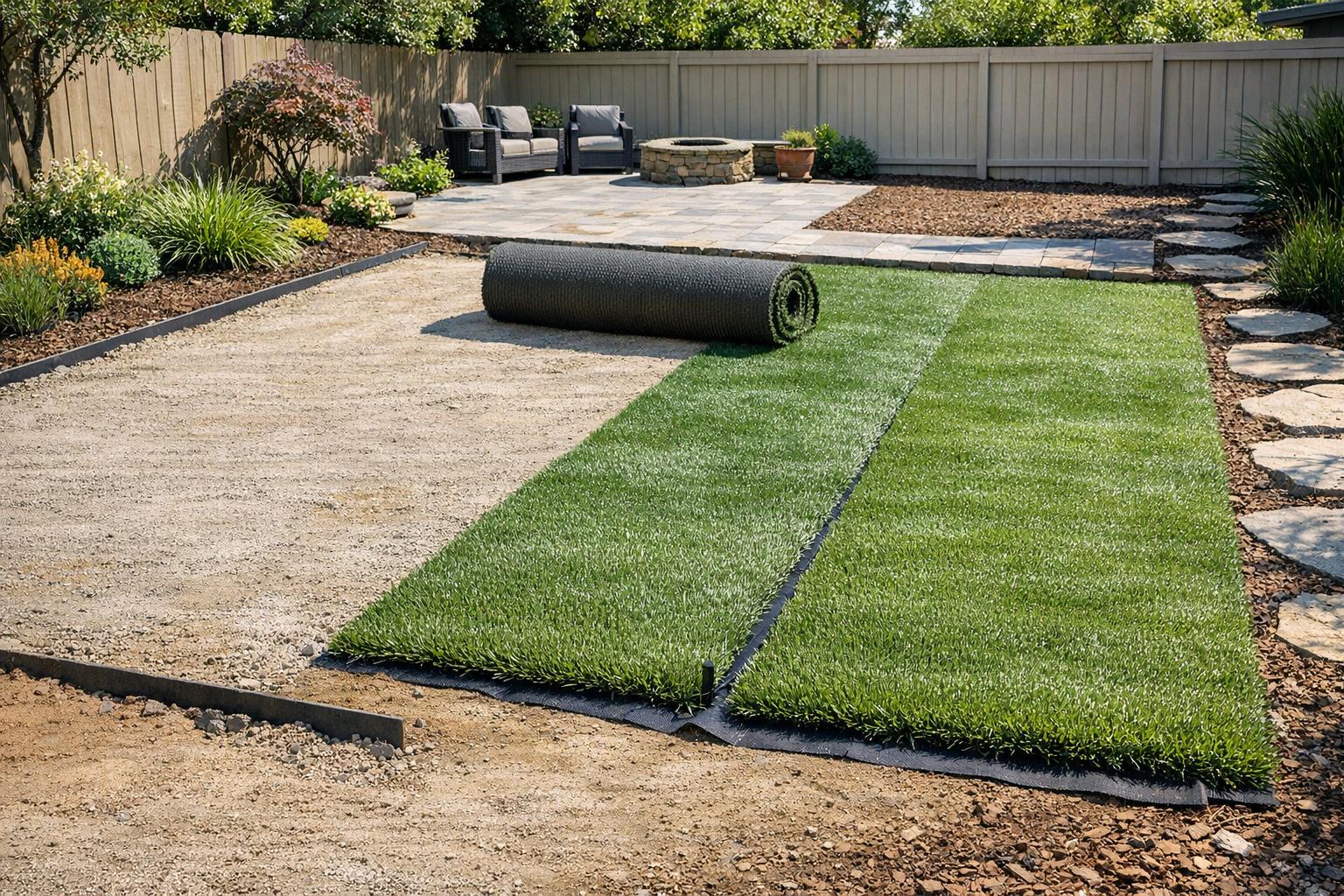
    What an Artificial Turf Quote Should Include Guide for Homeowners related example showing Sod installation detail relevant to soil preparation, grading, irrigation, and quote comparison for homeowners
    This lawn example gives homeowners a visual reference for comparing layout, materials, and maintenance tradeoffs before starting the project.