Costs and Expectations

Cost and expectation guides focused on budgeting, lifespan, replacement decisions, and the real factors that shape landscaping quotes.

Start with the service type

Landscaping Services Guideposts

Use these guides to understand what each service includes before comparing providers or requesting quotes.

Core service explainers

Start here when you are still deciding what kind of landscaper or outdoor contractor you need.

Compare before you hire

Use these pages when two services or surface choices sound similar but lead to different scopes.

Hire smarter

Planning And Contractor Comparison

Use this hub when you are moving from ideas into estimates, bids, and contractor conversations.

Before requesting estimates

These guides help define scope and compare companies before the first site visit.

Budget with better assumptions

Cost Guides And Calculators

Use this hub to move from rough budget ranges into the details that usually change quotes.

Calculator starting points

Open the calculator hub or a cost guide when you need a quick planning range.

High-impact cost decisions

These pages help compare choices where price, lifespan, and maintenance tradeoffs matter.

Understand the build

Installation And Site-Work Pathways

Use these guides to understand sequencing, site prep, access, and the details that affect long-term performance.

Hardscape and site prep

These projects often depend on base prep, demolition, grading, drainage, and access.

Drainage and retaining work

Use these when water, grade, or slope stability is part of the project.

Choose materials with ownership in mind

Material And Finish Decision Paths

Use these guides when appearance, maintenance, replacement, and budget all affect the right material choice.

Surface and finish comparisons

Compare outdoor surfaces before committing to a driveway, patio, or lawn direction.

Landscape material planning

Use these pages when quantity, delivery, or long-term maintenance are the main concern.

Protect the investment

Maintenance And Ownership Next Steps

Use these guides to understand ongoing care, seasonal refreshes, and when maintenance points to a bigger fix.

Maintenance planning

These guides help compare recurring service, seasonal work, and refresh projects.

When upkeep becomes repair

Use these when repeated maintenance problems suggest drainage, surface, or material issues.

  • Evergreen Screen Spacing Mistakes Guide for Homeowners

    Evergreen Screen Spacing Mistakes Guide for Homeowners

    Spacing is one of the biggest reasons evergreen screens fail. Plants set too far apart may take years to provide privacy. Plants set too close together may crowd, thin out, or become difficult to maintain.

    Do not design only for the first year

    Small plants can make a new screen look underwhelming, but mature width matters more than nursery size.

    Leave room for health and access

    Overcrowded evergreens can shade each other, trap moisture, and make pruning harder. Pair this with our Evergreen Screen Gap Filling Guide for Homeowners if an existing screen already has weak spots.

    Use staggered planting carefully

    Staggered rows can improve coverage, but they need enough depth and maintenance access to work long term.

    What homeowners should remember

    The best evergreen screen spacing balances privacy now with plant health and manageability later.

  • Front Yard Bed Seasonal Texture Guide for Homeowners

    Front Yard Bed Seasonal Texture Guide for Homeowners

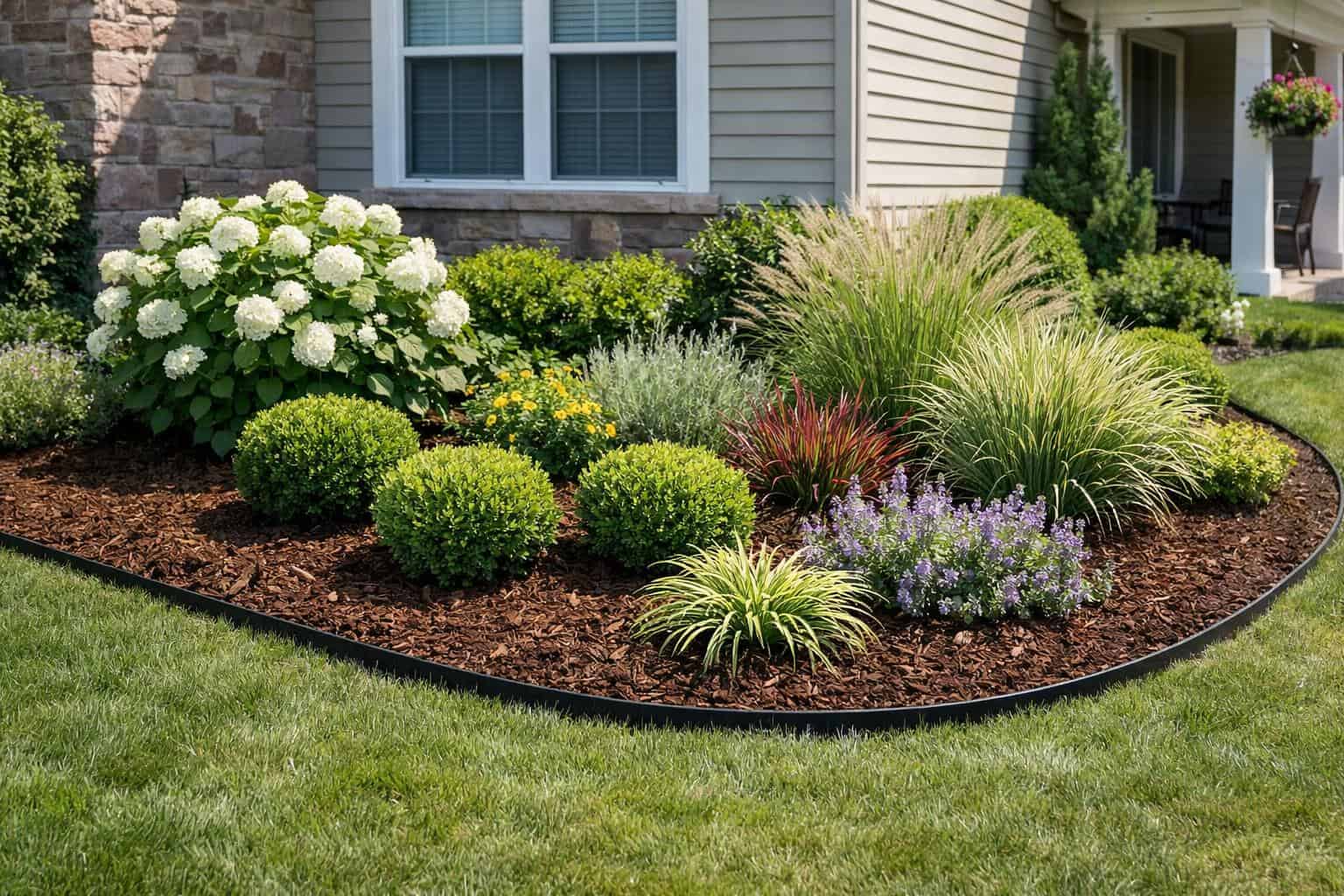
    Seasonal texture helps a front yard bed avoid looking strong for only a few weeks and flat the rest of the year. The goal is to combine plants that provide spring softness, summer fullness, fall movement, and winter structure without making the bed feel complicated.

    Start with the seasons people see most

    Some homes need spring color near the entry. Others need summer fullness or winter structure because the front yard is highly visible year-round.

    Use structure before seasonal accents

    Evergreen shrubs, ornamental grasses, and repeatable forms can keep the bed organized while seasonal plants add change. Pair this with our Front Yard Bed Texture Balance Guide for Homeowners if the planting already feels visually busy.

    Avoid one-season planting decisions

    A bed that looks great only when everything is blooming may disappoint during the rest of the year.

    What homeowners should remember

    The best seasonal texture plan gives the front yard a stable backbone with enough change to feel alive.


  • Front Yard Entry Bed Annuals vs Perennials Guide

    Front Yard Entry Bed Annuals vs Perennials Guide

    Annuals and perennials can both make an entry bed feel more welcoming, but they support different goals. Annuals can provide strong seasonal color. Perennials can return each year and support a more stable planting plan when chosen well.

    Use annuals where flexible color matters most

    Annuals can be useful near the entry because they allow seasonal updates without changing the entire bed.

    Use perennials where the bed needs repeatable rhythm

    Perennials can provide recurring color and texture, but they still need to be selected for size and cleanup needs. Pair this with our Front Yard Entry Bed Seasonal Refresh Guide if seasonal updates are the main goal.

    Support both with evergreen structure

    Color usually works better when the bed already has a strong year-round framework.

    What homeowners should remember

    The best entry beds use annuals and perennials intentionally instead of relying on seasonal color to solve the whole design.


  • Walkway Border Planting Height Guide for Homeowners

    Walkway Border Planting Height Guide for Homeowners

    Border planting can make a walkway feel more inviting, but plant height matters. If the edge planting is too tall or too heavy, the path may feel narrow, hidden, or harder to use. The best height supports the route instead of competing with it.

    Keep the closest plants lower

    The plants nearest the walking surface usually need to stay low enough that the route remains clear and comfortable.

    Use taller plants where they frame, not block

    Height can help define the route, but it should not hide turns, steps, or the front door. Pair this with our Walkway Approach Alignment with Front Door Guide if the path itself still needs stronger visual direction.

    Plan for mature height

    Walkway edges become maintenance problems when plants are chosen for their current size rather than their future presence.

    What homeowners should remember

    The best border planting height makes the walkway feel softer and clearer at the same time.


  • Outdoor Kitchen Buffet Serving Layout Guide

    Outdoor Kitchen Buffet Serving Layout Guide

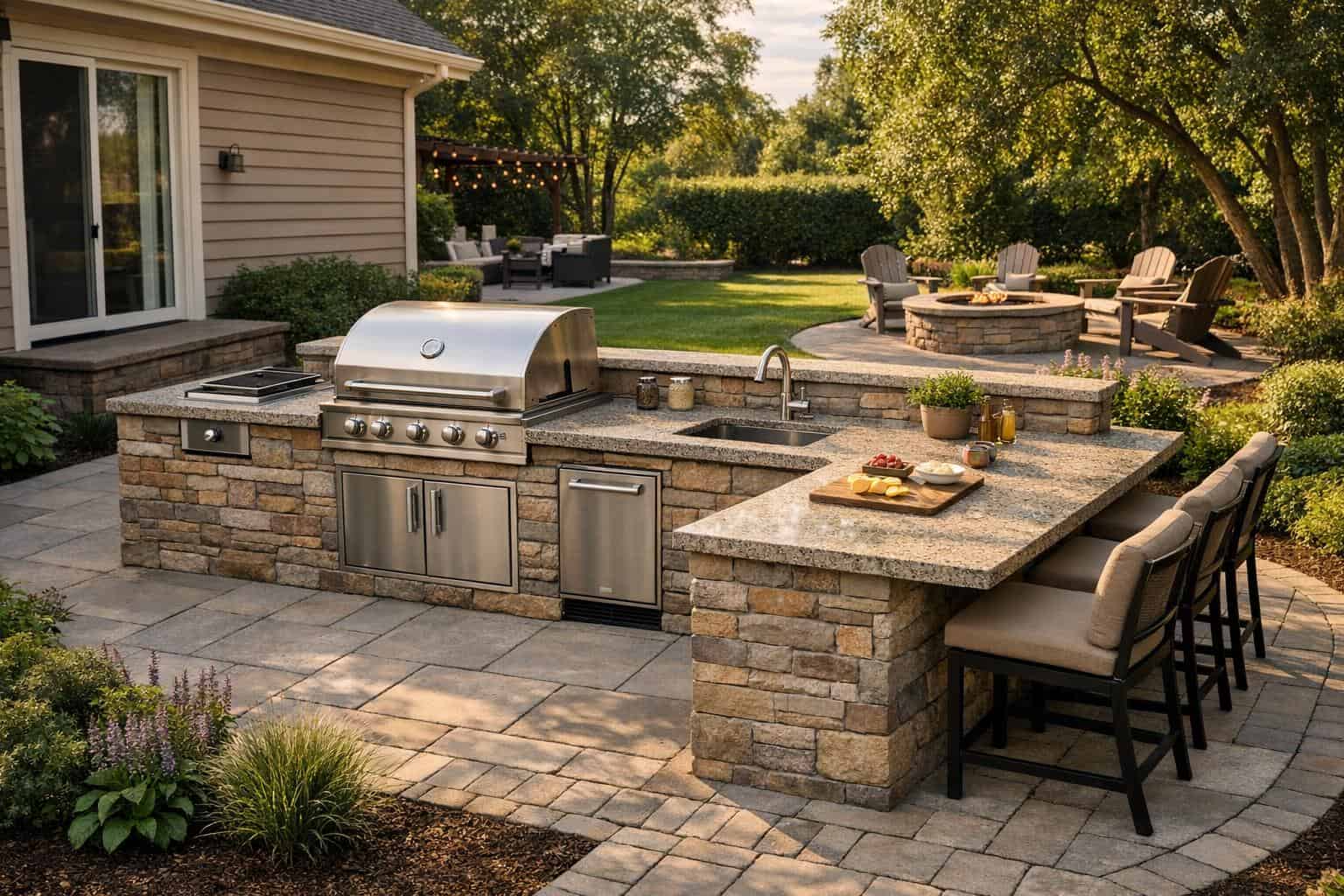
    Buffet-style serving changes how an outdoor kitchen needs to function. Instead of only moving food from grill to table, the layout has to support platters, guest flow, refills, and cleanup without crowding the cooking zone.

    Keep guests out of the main cooking path

    Serving should feel accessible without pulling people directly into the service side of the kitchen.

    Give platters and drinks enough landing space

    Buffet layouts need more staging room than many homeowners expect. Pair this with our Outdoor Kitchen Serving Zone Layout Guide for Homeowners if the general serving area still needs planning.

    Plan for cleanup as part of serving

    The best buffet layouts make it easy to reset, refill, and clear food without disrupting the gathering.

    What homeowners should remember

    The best buffet-serving layout keeps the kitchen practical while making guests feel welcome and unconfused.


  • Low-Maintenance Front Yard Perennial vs Shrub Guide

    Low-Maintenance Front Yard Perennial vs Shrub Guide

    Perennials and shrubs can both support a low-maintenance front yard, but they do different jobs. Shrubs often provide structure and year-round presence. Perennials can add texture, color, and seasonal softness when they are used carefully.

    Use shrubs for structure and repeatable form

    Right-sized shrubs often reduce maintenance because they give the bed a stable framework.

    Use perennials where seasonal interest is worth the care

    Perennials can make the bed feel alive, but some need more cutting back, dividing, or cleanup. Pair this with our Front Yard Entry Bed Evergreen Structure Guide if year-round shape is the priority.

    Balance both instead of choosing only one

    Many low-maintenance beds work best when shrubs do the heavy lifting and perennials add controlled seasonal interest.

    What homeowners should remember

    The best low-maintenance planting usually uses shrubs and perennials for different roles rather than expecting one group to do everything.


  • Front Yard Bed Texture Balance Guide for Homeowners

    Front Yard Bed Texture Balance Guide for Homeowners

    Texture is one of the reasons some front beds feel rich and intentional while others feel busy or flat. The best texture balance usually comes from mixing leaf size, plant form, and seasonal softness in a controlled way.

    Use contrast where it helps the bed read clearly

    Fine, medium, and bold textures can work together, but they need enough repetition to avoid looking random.

    Do not let every plant compete for attention

    Too many distinctive textures can make a bed feel noisy. Pair this with our Front Yard Bed Color Balance Guide for Homeowners if color choices are also making the bed feel too busy.

    Support texture with structure

    Evergreen forms, anchor plants, and repeated shrubs often give textured planting a calmer framework.

    What homeowners should remember

    The best texture balance makes the front yard feel more layered because contrast is organized, not scattered.


  • Walkway Material Match with Driveway Guide

    Walkway Material Match with Driveway Guide

    The front walkway and driveway usually appear together, so their materials need to relate in some way. That does not always mean they should match exactly. Sometimes a contrast looks better, as long as it feels intentional and connected to the house.

    Match materials when the front approach needs calm

    Similar materials can help the driveway and walkway feel like one coordinated system instead of separate decisions.

    Use contrast when it clarifies the path

    A different walkway material can help the route to the door stand out, especially if the driveway is visually large. Pair this with our Front Walk Material Transition Ideas Guide if the connection between surfaces still needs work.

    Let the house palette guide the choice

    The strongest material decisions usually relate to the house, not only to the driveway surface.

    What homeowners should remember

    The best walkway and driveway pairing feels intentional whether the materials match closely or simply coordinate well.


  • Outdoor Kitchen Serving Zone Layout Guide for Homeowners

    Outdoor Kitchen Serving Zone Layout Guide for Homeowners

    The serving zone is where cooking turns into hosting. If it is poorly placed, guests crowd the cook or food has to move awkwardly across the patio. A good serving layout supports both the working side of the kitchen and the way people gather.

    Place serving where it helps the guest flow

    The best location is usually close enough to cooking and prep, but not directly in the busiest work path.

    Support serving with landing space

    Serving areas need room for platters, drinks, and temporary staging. Pair this with our Outdoor Kitchen Landing Space Guide for Homeowners if counter support is still being planned.

    Keep the layout flexible

    Outdoor kitchens often serve casual meals, larger gatherings, and everyday prep, so the serving zone should not be too narrowly designed for one scenario.

    What homeowners should remember

    The best serving-zone layout makes hosting easier because food, people, and prep all have room to move.


  • Low-Maintenance Front Yard Rock vs Mulch Guide

    Low-Maintenance Front Yard Rock vs Mulch Guide

    Rock and mulch both get used in front yards, but they do very different things. Rock can look clean and long-lasting in the right place, while mulch often supports planting health and seasonal refreshes better. The best choice depends on heat, plant needs, style, and maintenance expectations.

    Use mulch where plant health is the priority

    Mulch often works better around many shrubs and perennials because it helps create a softer planting environment.

    Use rock selectively where permanence matters

    Rock can work well in specific areas, but it is not automatically lower maintenance everywhere. Pair this with our Mulch vs Rock Landscaping Guide for Homeowners if you want the broader comparison first.

    Think about heat and cleanup

    Front yards with strong sun, leaf drop, or delicate plants may respond very differently to rock than to mulch.

    What homeowners should remember

    The best material is usually the one that matches the plant needs and maintenance reality, not just the one that sounds lower maintenance.