Costs and Expectations

Cost and expectation guides focused on budgeting, lifespan, replacement decisions, and the real factors that shape landscaping quotes.

Start with the service type

Landscaping Services Guideposts

Use these guides to understand what each service includes before comparing providers or requesting quotes.

Core service explainers

Start here when you are still deciding what kind of landscaper or outdoor contractor you need.

Compare before you hire

Use these pages when two services or surface choices sound similar but lead to different scopes.

Hire smarter

Planning And Contractor Comparison

Use this hub when you are moving from ideas into estimates, bids, and contractor conversations.

Before requesting estimates

These guides help define scope and compare companies before the first site visit.

Budget with better assumptions

Cost Guides And Calculators

Use this hub to move from rough budget ranges into the details that usually change quotes.

Calculator starting points

Open the calculator hub or a cost guide when you need a quick planning range.

High-impact cost decisions

These pages help compare choices where price, lifespan, and maintenance tradeoffs matter.

Understand the build

Installation And Site-Work Pathways

Use these guides to understand sequencing, site prep, access, and the details that affect long-term performance.

Hardscape and site prep

These projects often depend on base prep, demolition, grading, drainage, and access.

Drainage and retaining work

Use these when water, grade, or slope stability is part of the project.

Choose materials with ownership in mind

Material And Finish Decision Paths

Use these guides when appearance, maintenance, replacement, and budget all affect the right material choice.

Surface and finish comparisons

Compare outdoor surfaces before committing to a driveway, patio, or lawn direction.

Landscape material planning

Use these pages when quantity, delivery, or long-term maintenance are the main concern.

Protect the investment

Maintenance And Ownership Next Steps

Use these guides to understand ongoing care, seasonal refreshes, and when maintenance points to a bigger fix.

Maintenance planning

These guides help compare recurring service, seasonal work, and refresh projects.

When upkeep becomes repair

Use these when repeated maintenance problems suggest drainage, surface, or material issues.

  • Evergreen Screen Replacement vs Pruning Guide

    Evergreen Screen Replacement vs Pruning Guide

    An evergreen privacy screen can sometimes be improved with careful pruning, but there are situations where replacement makes more sense. The key is knowing whether the screen still has a healthy structure to work with or whether it has outgrown the site too badly to correct.

    Use pruning when the screen is still structurally sound

    If the plants are healthy and only slightly out of shape, pruning may restore enough order without starting over.

    Consider replacement when the screen no longer fits the site

    Severe crowding, bare lower growth, disease, or poor original spacing may make replacement the more practical long-term choice. Pair this with our Evergreen Screen Pruning and Shape Guide for Homeowners if pruning still seems possible.

    Think about the next screen differently

    If replacement is needed, the new layout should solve the spacing and maintenance problems that caused the old screen to fail.

    What homeowners should remember

    The best choice depends on whether the screen still has a healthy long-term path or is simply being forced to stay alive in the wrong form.
  • Front Yard Bed Color Balance Guide for Homeowners

    Front Yard Bed Color Balance Guide for Homeowners

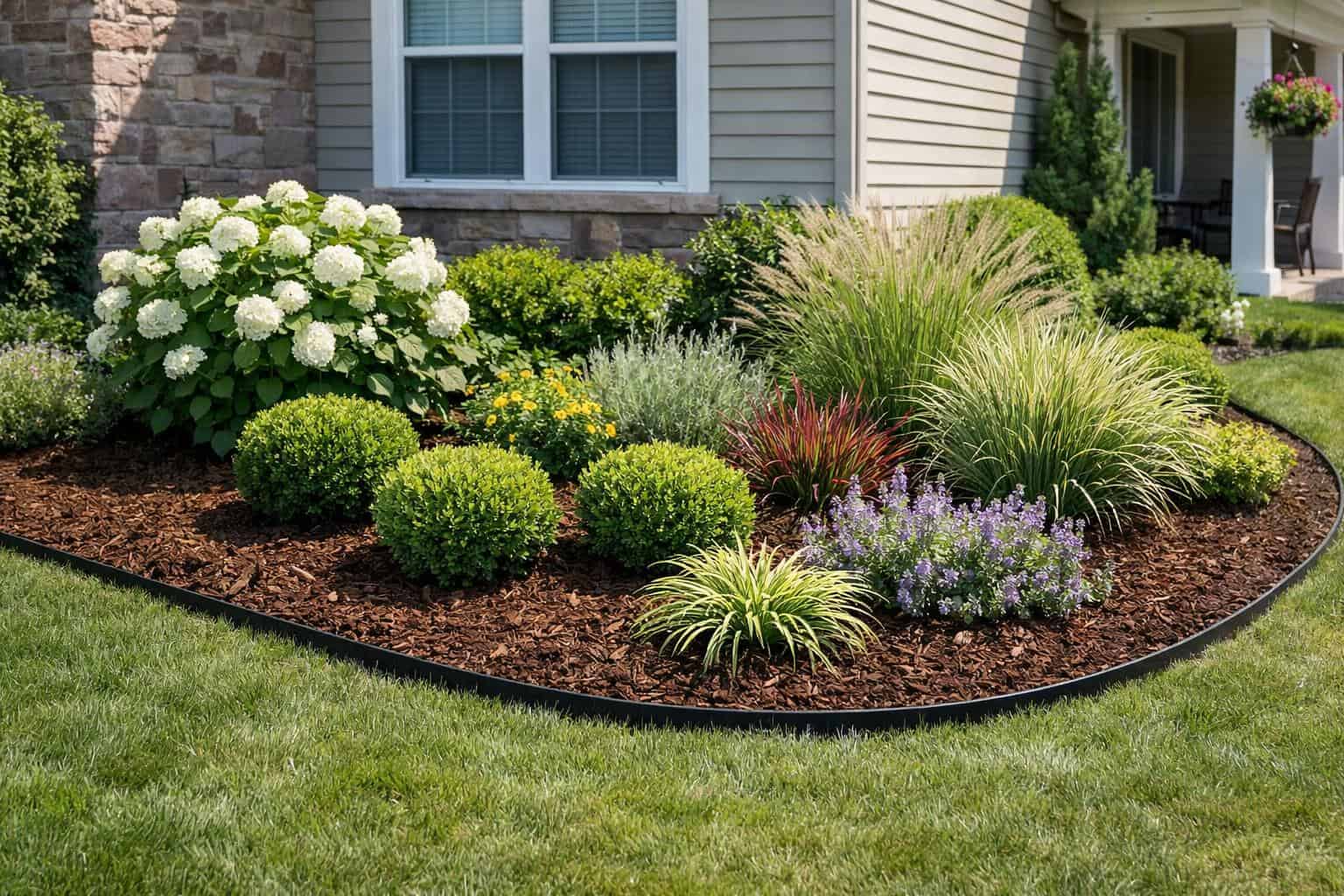
    Color can make a front yard feel welcoming, but too much unrelated color can make the bed look scattered. The best front-yard color plans use enough variation to feel alive while still letting the house, entry, and planting structure read clearly.

    Start with the house and hardscape palette

    The strongest color choices usually relate to the home exterior, walkway, mulch, stone, or other materials already present in the front yard.

    Use color as rhythm, not clutter

    Repeating a few colors often feels stronger than scattering many one-off blooms. Pair this with our Front Yard Repetition in Planting Guide for Homeowners if the planting rhythm still needs work.

    Balance seasonal color with year-round structure

    A bed can look great in one month and weak the rest of the year if color is not supported by evergreen or structural planting.

    What homeowners should remember

    The best front-yard color balance makes the yard feel more polished because the color supports one clear design direction.


  • Front Yard Entry Bed Height Balance Guide for Homeowners

    Front Yard Entry Bed Height Balance Guide for Homeowners

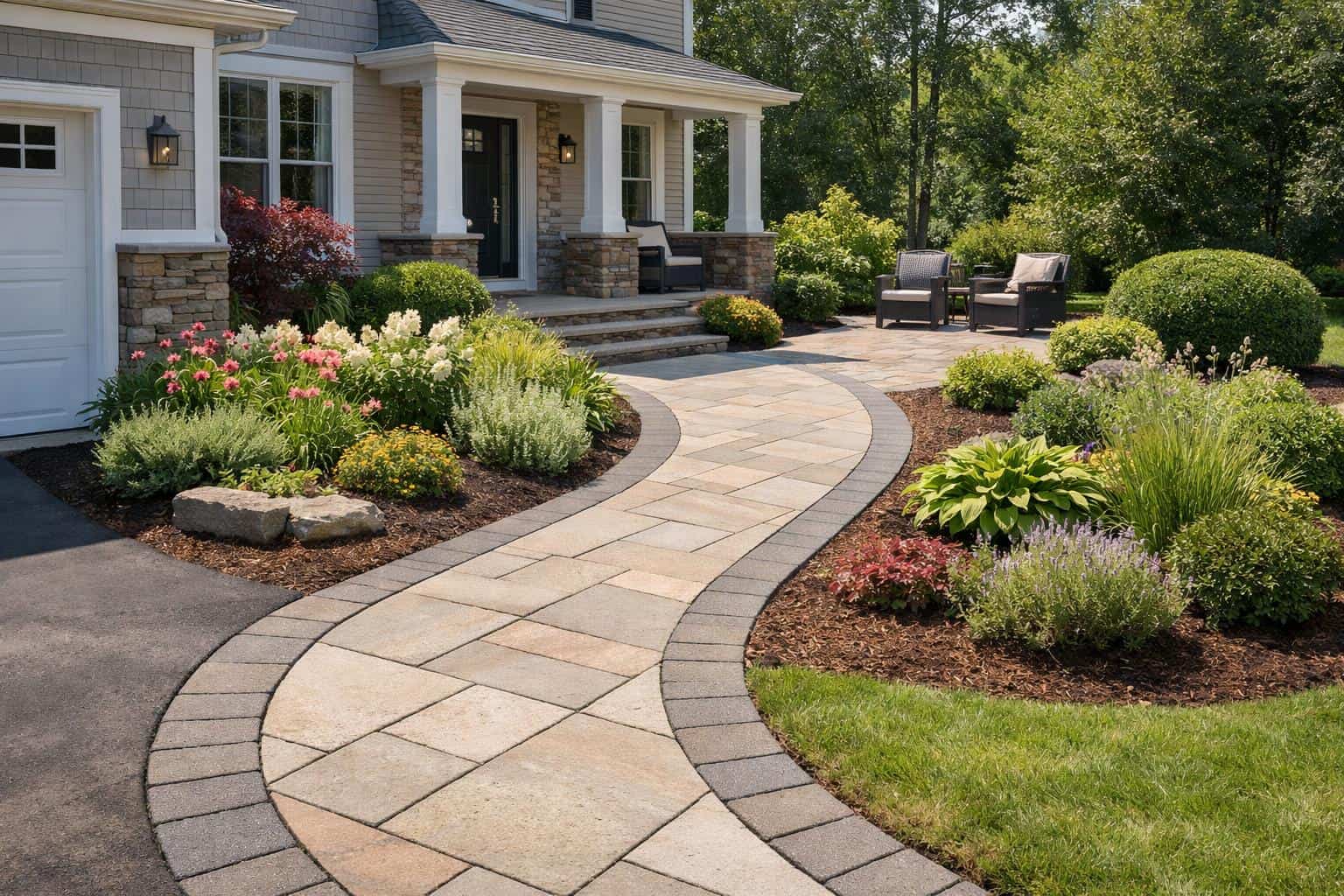
    Height balance is one of the biggest reasons an entry bed either feels calm and well layered or awkward and overgrown. The right mix of low, mid, and taller planting can help the approach feel richer while keeping the route to the door easy to read.

    Keep lower plants where movement is closest

    The plants nearest the walk or step edge often need to stay lower to keep the route visually clear and easy to use.

    Use taller forms where they support the entry

    Mid and upper layers can help frame the approach, but they should still respect the house and step width. Pair this with our Front Yard Entry Layering Guide for Homeowners if overall layering still needs work.

    Do not let every plant compete for height

    A balanced entry bed usually has a clear hierarchy of heights rather than a wall of similarly tall material.

    What homeowners should remember

    The best entry beds feel more welcoming because the planting height supports the route instead of crowding it.


  • Walkway Approach Alignment with Front Door Guide

    Walkway Approach Alignment with Front Door Guide

    How a walkway aligns with the front door has a big effect on how natural the entry feels. Some homes benefit from a direct visual approach, while others need a softer or offset route because of the architecture, driveway, or yard layout.

    Use alignment to support the strongest arrival line

    When the path and the door work together, the entry usually feels easier to read from both the street and the driveway.

    Offset alignment can still work when the site needs it

    Not every home wants a perfectly straight line to the door, but the route should still feel intentional. Pair this with our Walkway Start Point from Driveway Guide for Homeowners if the beginning of the route is also being reconsidered.

    Let the house and yard shape the decision

    The best alignment often comes from the architecture and approach conditions rather than from a generic preference for straightness.

    What homeowners should remember

    The best walkway alignment makes the route feel obvious and comfortable without forcing a path shape that the site does not support.


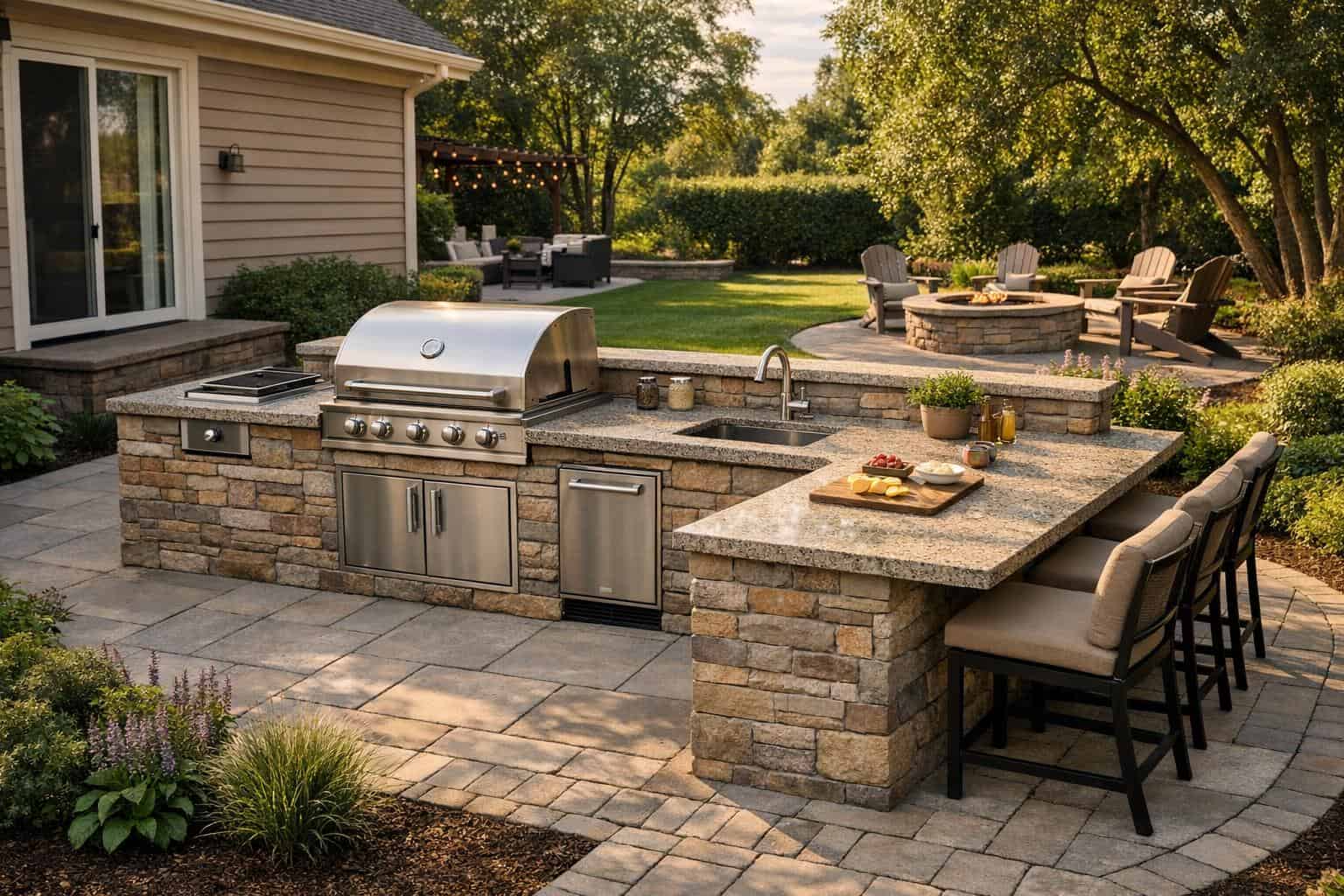
  • Outdoor Kitchen Appliance Clustering Guide for Homeowners

    Outdoor Kitchen Appliance Clustering Guide for Homeowners

    Appliance clustering affects whether an outdoor kitchen feels compact and efficient or crowded and awkward. Some kitchens work best with the main functions grouped tightly. Others benefit from spreading them out to reduce interference between prep, cooking, and guest movement.

    Cluster functions that support the same task flow

    Grouping the right appliances can make the service side feel more efficient, especially when cooking and prep need to work closely together.

    Do not cluster so tightly that movement suffers

    A compact kitchen can still feel awkward if doors, counter use, and people all collide in the same zone. Pair this with our Outdoor Kitchen Trash and Storage Layout Guide if support-space organization is also part of the same decision.

    Let the kitchen size shape the grouping strategy

    Smaller kitchens usually need tighter integration, while larger ones may benefit from clearer zone separation.

    What homeowners should remember

    The best appliance clustering helps the kitchen feel more usable because the right tasks are close together without making the layout cramped.


  • Patio Planting for Wind Exposure Guide

    Patio Planting for Wind Exposure Guide

    Wind exposure can change how a patio feels to use and how well surrounding planting performs. The best patio-edge planting in windy yards supports the outdoor room while still handling the conditions honestly.

    Use planting to soften wind, not completely block it

    The best wind-aware planting usually reduces turbulence and improves comfort without creating a hard wall that makes the air movement worse.

    Choose plants that can really handle the site

    Some patio-edge plants will struggle or become high maintenance if the exposure is stronger than their needs allow. Pair this with our Patio Planting for Sun vs Shade Guide if exposure conditions are shifting in more than one way.

    Think about how the patio is actually used

    Dining, lounging, and cooking zones may need different levels of wind protection or openness.

    What homeowners should remember

    The best windy-site patio planting usually supports comfort by working with the conditions instead of pretending they are not there.


  • Front Yard Plant Mass vs Single Specimen Guide

    Front Yard Plant Mass vs Single Specimen Guide

    Some front yards look strongest when planting is organized in repeated masses. Others benefit from one or two distinct specimen plants that create a focal moment. The best choice depends on the house, the bed size, and how formal or expressive the front yard should feel.

    Use masses when the bed needs rhythm and cohesion

    Repeated groupings often help the front yard feel calmer and more unified, especially where several beds need to relate to one another.

    Use specimen plants when one moment needs emphasis

    A standout plant can help anchor a corner, mark an entry, or give the composition a clearer focal moment. Pair this with our Front Yard Anchor Plant Ideas Guide for Homeowners if you are thinking through structural emphasis too.

    Do not use specimens everywhere

    Too many individual “special” plants can weaken the overall composition instead of strengthening it.

    What homeowners should remember

    The best front-yard planting usually knows where to use repetition and where a stronger single moment actually helps.


  • Walkway Landing Near Front Steps Guide for Homeowners

    Walkway Landing Near Front Steps Guide for Homeowners

    The area where a walkway meets the front steps is one of the most important transition points in the whole approach. A small landing or widened zone can make the entry feel more natural, while a cramped meeting point can make the approach feel abrupt.

    Give the approach room to slow down

    People naturally shift pace at the steps, so a little more space often makes the entry feel more comfortable.

    Let the landing support the scale of the house

    The final transition into the steps should feel like part of the whole entry composition. Pair this with our Front Yard Planting Near Steps Guide for Homeowners if surrounding bed layout still needs coordination too.

    Keep the path and step relationship clear

    A landing should clarify the route, not create confusion about where to move next.

    What homeowners should remember

    The best entry landings make the transition from walkway to steps feel easier and more intentional.


  • Outdoor Kitchen Refrigeration Zone Layout Guide

    Outdoor Kitchen Refrigeration Zone Layout Guide

    Refrigeration can affect how the whole outdoor kitchen flows because it supports prep, serving, and casual guest use differently than the grill or cleanup area. The best location depends on whether the cold storage is mainly for cooking support, drinks, or both.

    Decide whether the refrigeration is mostly for cooking or hosting

    That choice usually determines whether it belongs deeper in the service zone or closer to the guest-facing side.

    Coordinate cold storage with prep and serving routes

    The best placement often supports both prep and gathering without creating unnecessary crossover. Pair this with our Outdoor Kitchen Service Side Layout Guide for Homeowners if the broader workflow is still being shaped.

    Do not let the refrigerator interrupt the main work line

    Convenience for guests is helpful, but the kitchen still has to function for the person using it.

    What homeowners should remember

    The best refrigeration zone supports both hosting and kitchen flow rather than pulling the layout in two directions.


  • Front Yard Bed Line Simplification Guide for Homeowners

    Front Yard Bed Line Simplification Guide for Homeowners

    One of the fastest ways to improve a front yard is often to simplify the bed lines. Too many wiggles, inconsistent curves, or unrelated shapes can make even decent planting feel noisy. Cleaner bed lines usually make the whole yard read more intentionally.

    Use fewer stronger shapes

    A bed line usually looks better when it supports the house, path, and lawn shape instead of trying to create constant little changes.

    Let the line support maintenance too

    Simpler edges are often easier to mow, edge, mulch, and keep clean. Pair this with our Front Yard Bed Edging Ideas Guide for Homeowners if the bed boundary details still need work too.

    Do not confuse complexity with design

    Many front yards improve when the bed outline becomes calmer, not more decorative.

    What homeowners should remember

    The best simplified bed lines help the whole front yard feel more deliberate with less visual effort.