Landscaping Guru

  • Privacy Screening for Outdoor Showers Guide

    Privacy Screening for Outdoor Showers Guide

    Outdoor showers need privacy, but they also need airflow and practical access. The best screening around an outdoor shower protects the key view angles while still letting the space feel breathable and easy to maintain.

    Screen the use zone, not just the property line

    Because the shower itself is the focus, the most effective planting is often placed around that area rather than spread evenly elsewhere.

    Keep airflow and cleanup in mind

    The best shower screening should still feel open enough to dry out and stay manageable. Pair this with our Privacy Screening Near Patio Dining Area Guide if the shower sits near a larger outdoor living zone.

    Let the planting fit the mood of the space

    The screen can feel lush and soft or clean and structured, but it should still make sense with the rest of the yard.

    What homeowners should remember

    The best outdoor-shower screening creates privacy where it matters without turning the shower corner into a damp enclosed box.


  • Front Yard Plant Mass vs Single Specimen Guide

    Front Yard Plant Mass vs Single Specimen Guide

    Some front yards look strongest when planting is organized in repeated masses. Others benefit from one or two distinct specimen plants that create a focal moment. The best choice depends on the house, the bed size, and how formal or expressive the front yard should feel.

    Use masses when the bed needs rhythm and cohesion

    Repeated groupings often help the front yard feel calmer and more unified, especially where several beds need to relate to one another.

    Use specimen plants when one moment needs emphasis

    A standout plant can help anchor a corner, mark an entry, or give the composition a clearer focal moment. Pair this with our Front Yard Anchor Plant Ideas Guide for Homeowners if you are thinking through structural emphasis too.

    Do not use specimens everywhere

    Too many individual “special” plants can weaken the overall composition instead of strengthening it.

    What homeowners should remember

    The best front-yard planting usually knows where to use repetition and where a stronger single moment actually helps.


  • Front Yard Entry Bed Seasonal Refresh Guide

    Front Yard Entry Bed Seasonal Refresh Guide

    Entry beds often need periodic refreshes to keep the front of the house feeling cared for. The best seasonal updates do not try to reinvent the whole bed. They support the existing design with cleanup, selective plant replacement, mulch, and edge definition that can be repeated over time.

    Refresh the bed in ways that support the original design

    Seasonal improvement is usually strongest when it sharpens what is already working rather than adding unrelated new elements.

    Focus on the parts people notice first

    Mulch, edge clarity, and the plants nearest the walk often shape the whole first impression. Pair this with our Front Yard Entry Bed Mulch and Edging Guide if those details are the main priority.

    Keep the refresh manageable

    The best seasonal work is something homeowners can realistically repeat without turning every season into a large project.

    What homeowners should remember

    The best seasonal refreshes keep the entry bed looking intentional because they maintain the structure instead of constantly chasing big changes.


  • Walkway Landing Near Front Steps Guide for Homeowners

    Walkway Landing Near Front Steps Guide for Homeowners

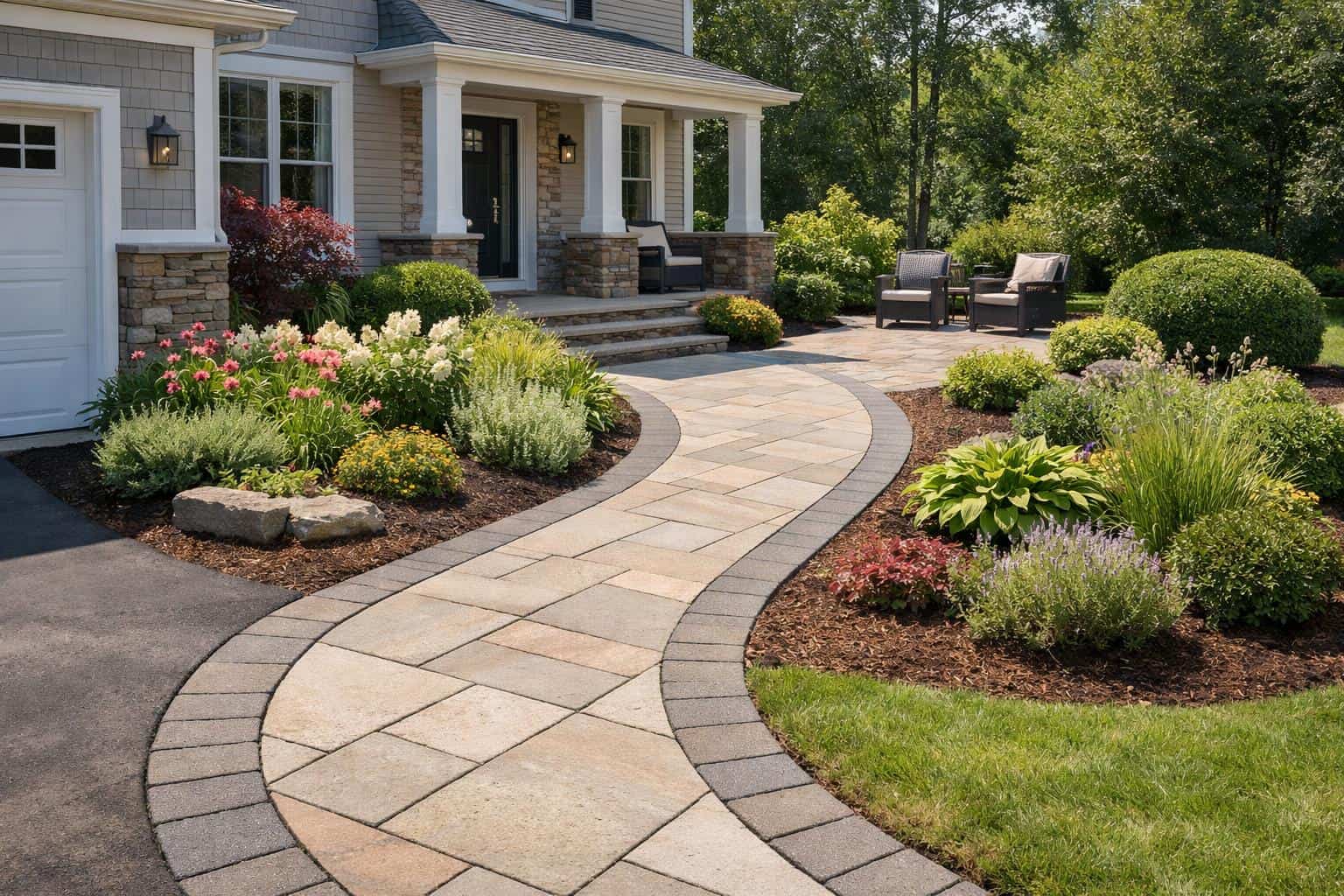
    The area where a walkway meets the front steps is one of the most important transition points in the whole approach. A small landing or widened zone can make the entry feel more natural, while a cramped meeting point can make the approach feel abrupt.

    Give the approach room to slow down

    People naturally shift pace at the steps, so a little more space often makes the entry feel more comfortable.

    Let the landing support the scale of the house

    The final transition into the steps should feel like part of the whole entry composition. Pair this with our Front Yard Planting Near Steps Guide for Homeowners if surrounding bed layout still needs coordination too.

    Keep the path and step relationship clear

    A landing should clarify the route, not create confusion about where to move next.

    What homeowners should remember

    The best entry landings make the transition from walkway to steps feel easier and more intentional.


  • Outdoor Kitchen Refrigeration Zone Layout Guide

    Outdoor Kitchen Refrigeration Zone Layout Guide

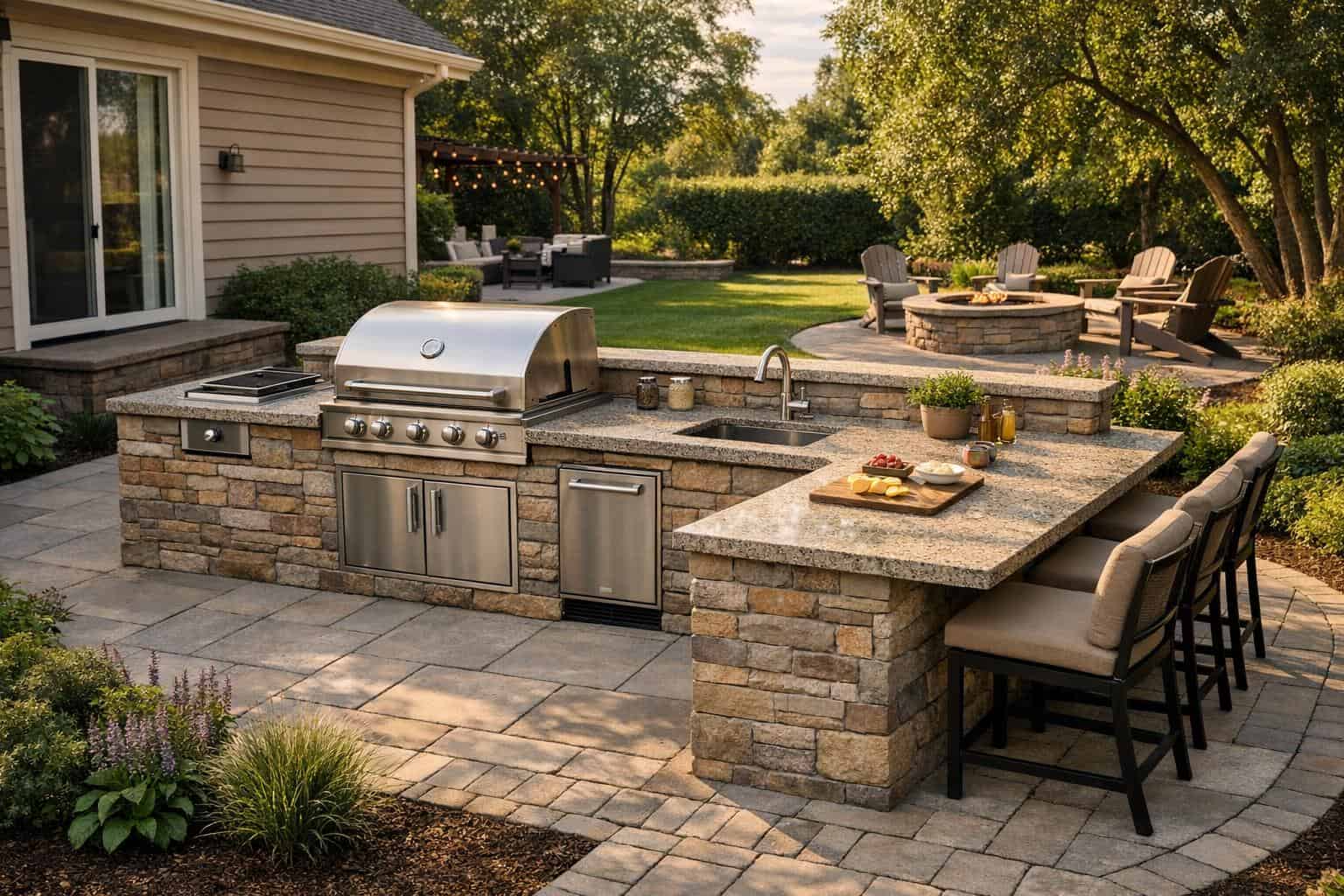
    Refrigeration can affect how the whole outdoor kitchen flows because it supports prep, serving, and casual guest use differently than the grill or cleanup area. The best location depends on whether the cold storage is mainly for cooking support, drinks, or both.

    Decide whether the refrigeration is mostly for cooking or hosting

    That choice usually determines whether it belongs deeper in the service zone or closer to the guest-facing side.

    Coordinate cold storage with prep and serving routes

    The best placement often supports both prep and gathering without creating unnecessary crossover. Pair this with our Outdoor Kitchen Service Side Layout Guide for Homeowners if the broader workflow is still being shaped.

    Do not let the refrigerator interrupt the main work line

    Convenience for guests is helpful, but the kitchen still has to function for the person using it.

    What homeowners should remember

    The best refrigeration zone supports both hosting and kitchen flow rather than pulling the layout in two directions.


  • Low-Maintenance Entry Shrub Guide for Homeowners

    Low-Maintenance Entry Shrub Guide for Homeowners

    Entry shrubs do a lot of work in a front yard, but they can also create a surprising amount of maintenance if the size, form, or spacing is wrong. The best lower-maintenance shrub choices support the entry while staying in scale over time.

    Choose shrubs for mature fit, not nursery appeal

    Many entry-shrub problems begin when the plants are chosen for instant fullness rather than long-term size and form.

    Let the shrubs support the route, not crowd it

    The entry path still needs to feel open and readable. Pair this with our Front Yard Planting Near Steps Guide for Homeowners if stair-edge planting is part of the same area.

    Use simpler repeated forms where possible

    Often the easiest-care entry zones use a few strong repeated shrubs instead of a mixed collection of fussy shapes.

    What homeowners should remember

    The best low-maintenance entry shrubs make the approach feel more grounded without turning the entry into a pruning project.


  • Evergreen Screen Mulch and Soil Care Guide for Homeowners

    Evergreen Screen Mulch and Soil Care Guide for Homeowners

    Mulch and soil care influence how an evergreen screen establishes and how evenly it fills in over time. While they are not the only factors, they often affect moisture retention, root comfort, and the overall consistency of the planting line.

    Use mulch to support root-zone stability

    A good mulch strategy can help moderate moisture swings and reduce competition, especially while the screen is still establishing.

    Do not treat mulch as a cure-all

    Mulch supports the planting, but it does not replace good spacing, watering, or site preparation. Pair this with our Evergreen Screen Root Zone Care Guide for Homeowners if the root-zone side of the problem still needs attention.

    Pay attention to the actual soil conditions

    Different screens and sites may need different levels of soil improvement or ongoing monitoring.

    What homeowners should remember

    The best evergreen screens often succeed because basic soil and mulch care consistently support the planting after installation.


  • Patio Border Materials Guide for Homeowners

    Patio Border Materials Guide for Homeowners

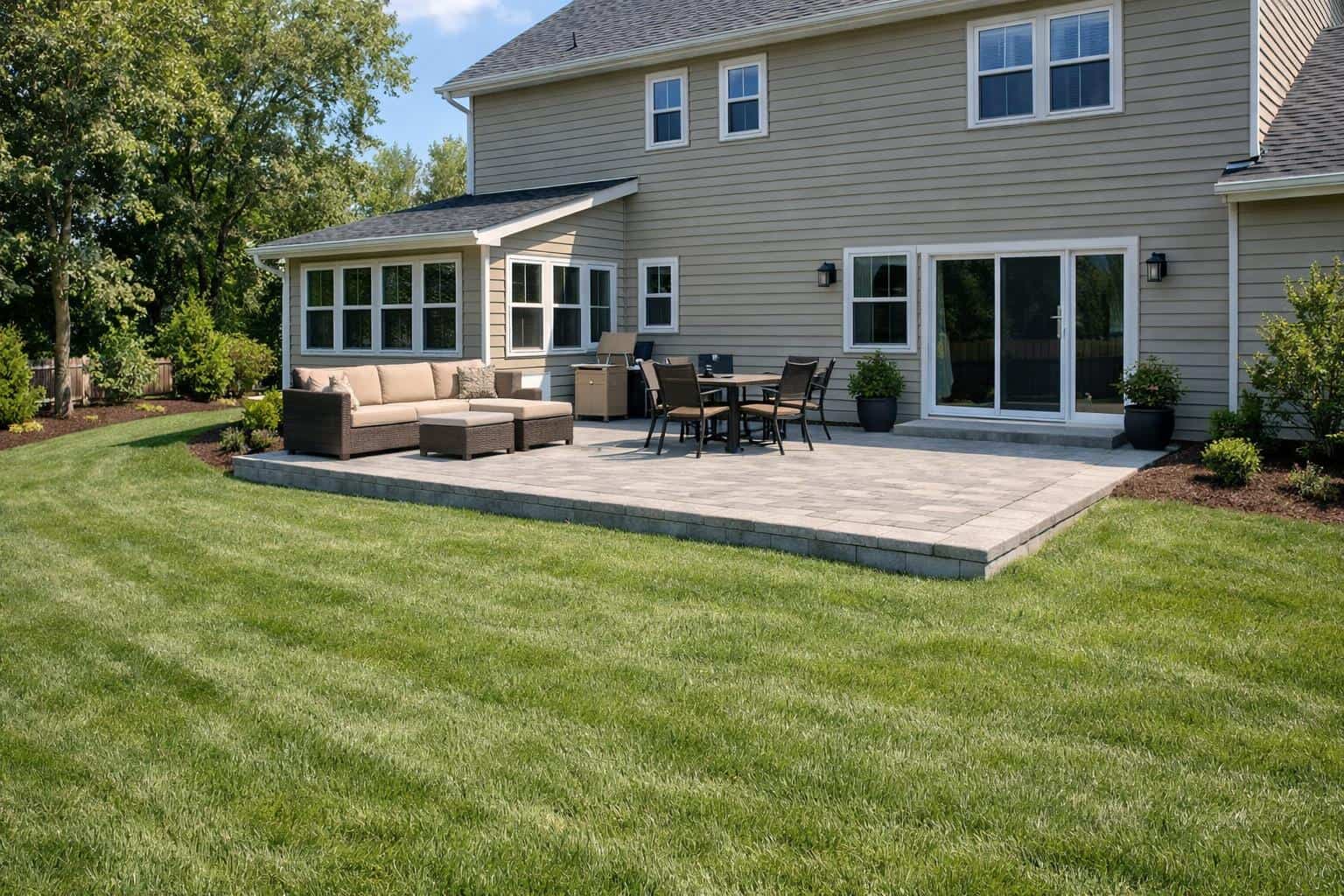
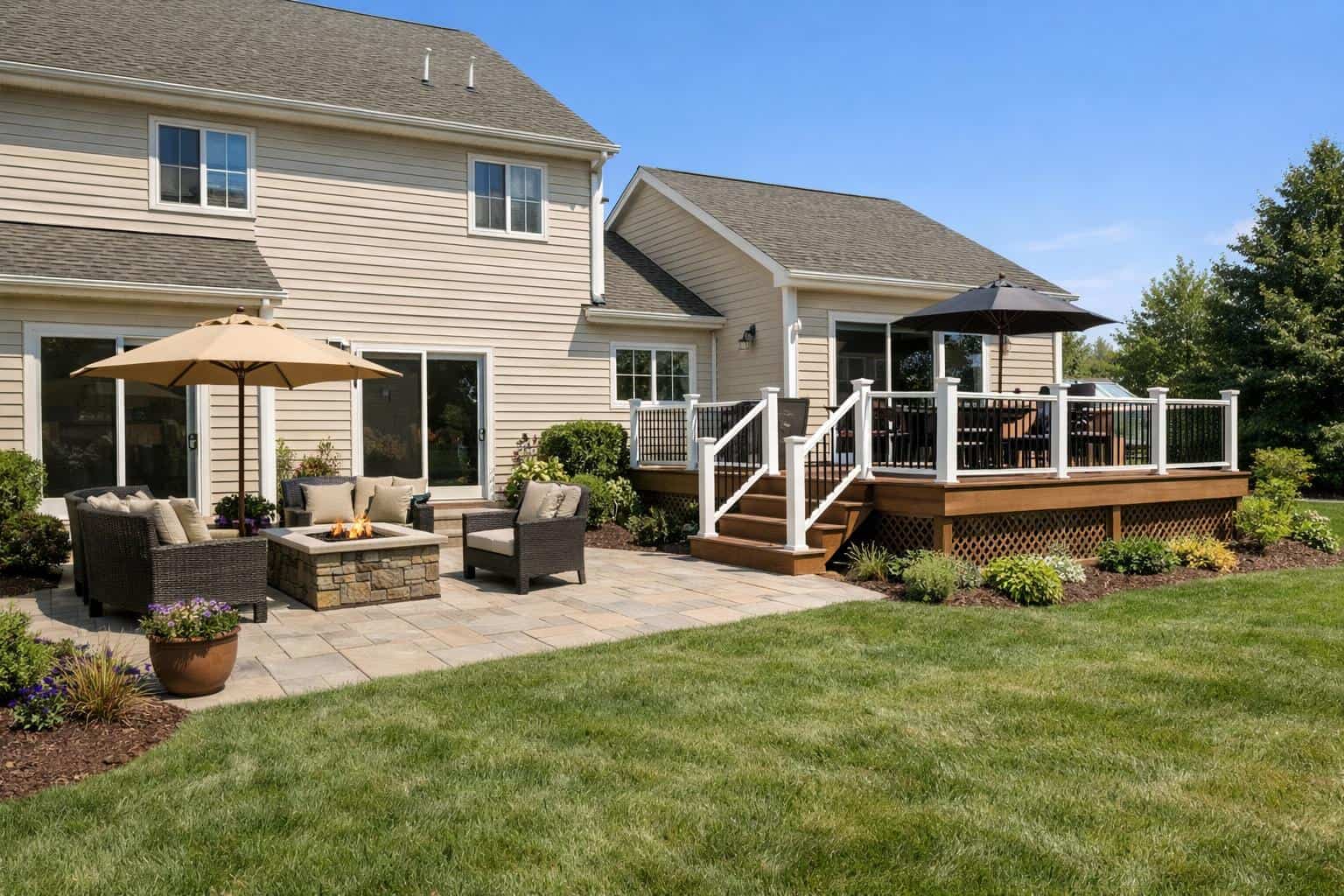
    Patio borders can make a simple outdoor surface feel more finished, but the border material should support the patio instead of fighting with it. The best choice depends on how strong the edge should read and how it connects to nearby paths, planting, or the house.

    Use borders to clarify the patio edge

    Some materials create a stronger frame, while others keep the edge more subtle. The right choice usually depends on how formal the patio should feel.

    Connect the border to the rest of the hardscape palette

    The patio border often looks strongest when it relates to the walkway, driveway, or entry materials. Pair this with our Patio Border vs Open Edge Guide for Homeowners if the broader edge strategy is still being decided.

    Avoid over-detailing the perimeter

    The border should help the patio feel more intentional, not more visually busy.

    What homeowners should remember

    The best patio border material is usually the one that strengthens the patio’s shape without stealing attention from the space itself.


  • Privacy Planting for Second-Story Views Guide

    Privacy Planting for Second-Story Views Guide

    Second-story privacy is often harder than ground-level screening because the sightline comes from above rather than straight across. The best planting strategies usually combine height, layering, and placement that fits the actual angle of view.

    Screen the elevated view, not just the property line

    In many yards, the best solution is not a full-height perimeter screen but a planted composition placed where it breaks the view from above.

    Use layered height, not one flat line

    Second-story views often require a mix of trees and shrubs rather than one single-height planting strip. Pair this with our Privacy Screening Near Patio Dining Area Guide if the protected area is a sitting or dining zone.

    Match the solution to how the space is used

    A lounging area may need different screening than an open lawn or a circulation path.

    What homeowners should remember

    The best second-story privacy planting works because it targets the actual angle of exposure instead of only thickening the whole property edge.


  • Front Yard Bed Line Simplification Guide for Homeowners

    Front Yard Bed Line Simplification Guide for Homeowners

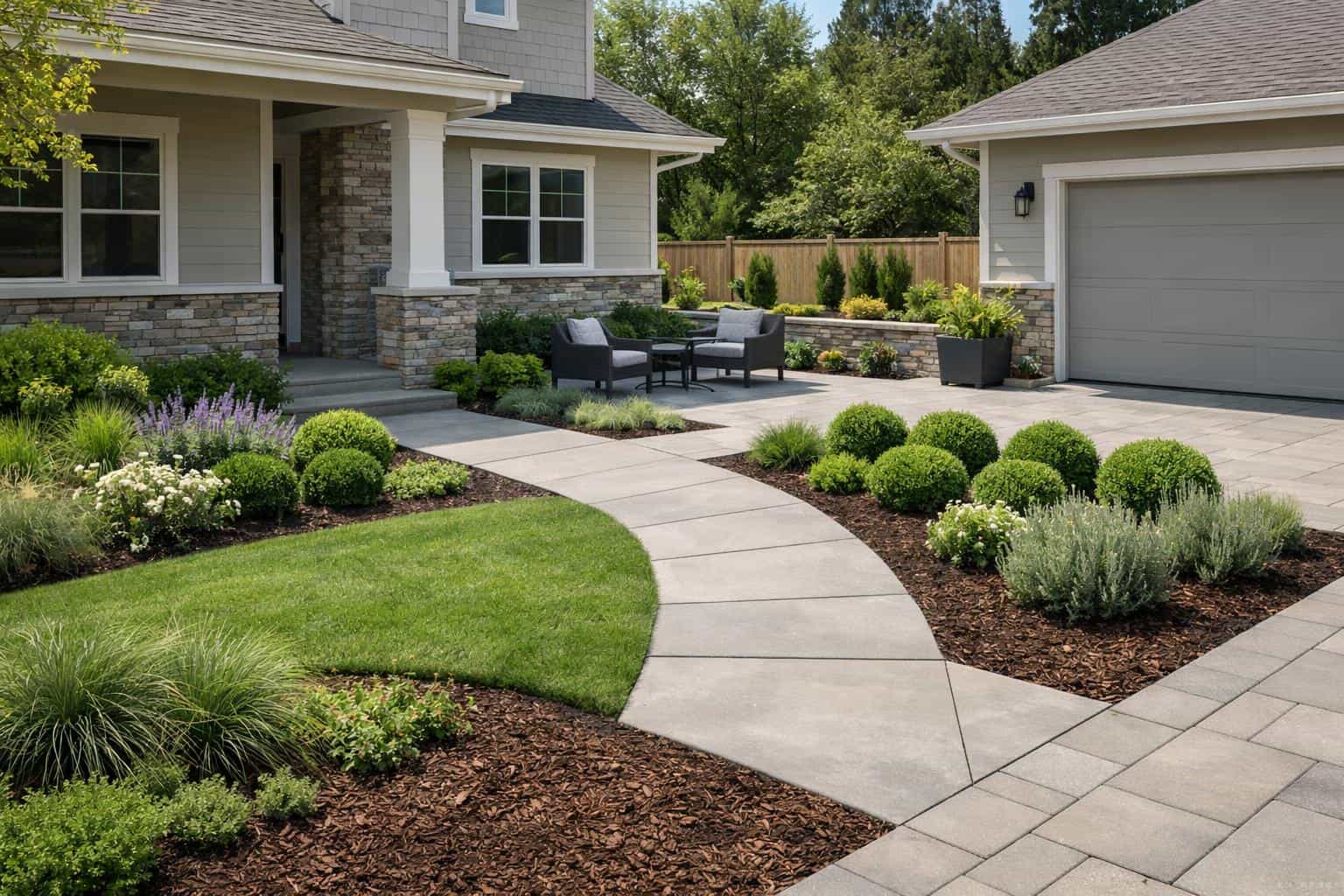
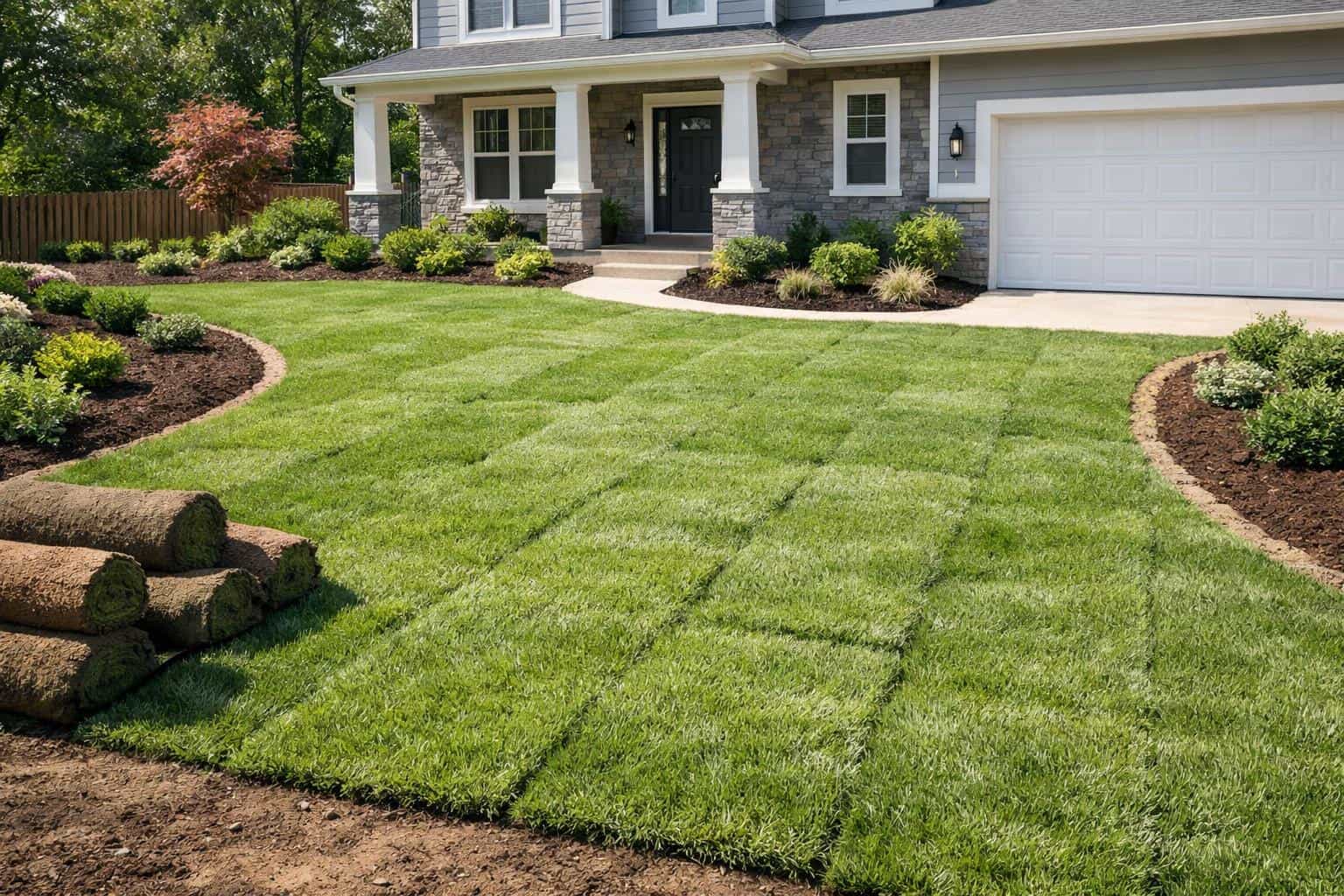
    One of the fastest ways to improve a front yard is often to simplify the bed lines. Too many wiggles, inconsistent curves, or unrelated shapes can make even decent planting feel noisy. Cleaner bed lines usually make the whole yard read more intentionally.

    Use fewer stronger shapes

    A bed line usually looks better when it supports the house, path, and lawn shape instead of trying to create constant little changes.

    Let the line support maintenance too

    Simpler edges are often easier to mow, edge, mulch, and keep clean. Pair this with our Front Yard Bed Edging Ideas Guide for Homeowners if the bed boundary details still need work too.

    Do not confuse complexity with design

    Many front yards improve when the bed outline becomes calmer, not more decorative.

    What homeowners should remember

    The best simplified bed lines help the whole front yard feel more deliberate with less visual effort.