Landscaping Guru

  • Front Yard Entry Bed Mulch and Edging Guide

    Front Yard Entry Bed Mulch and Edging Guide

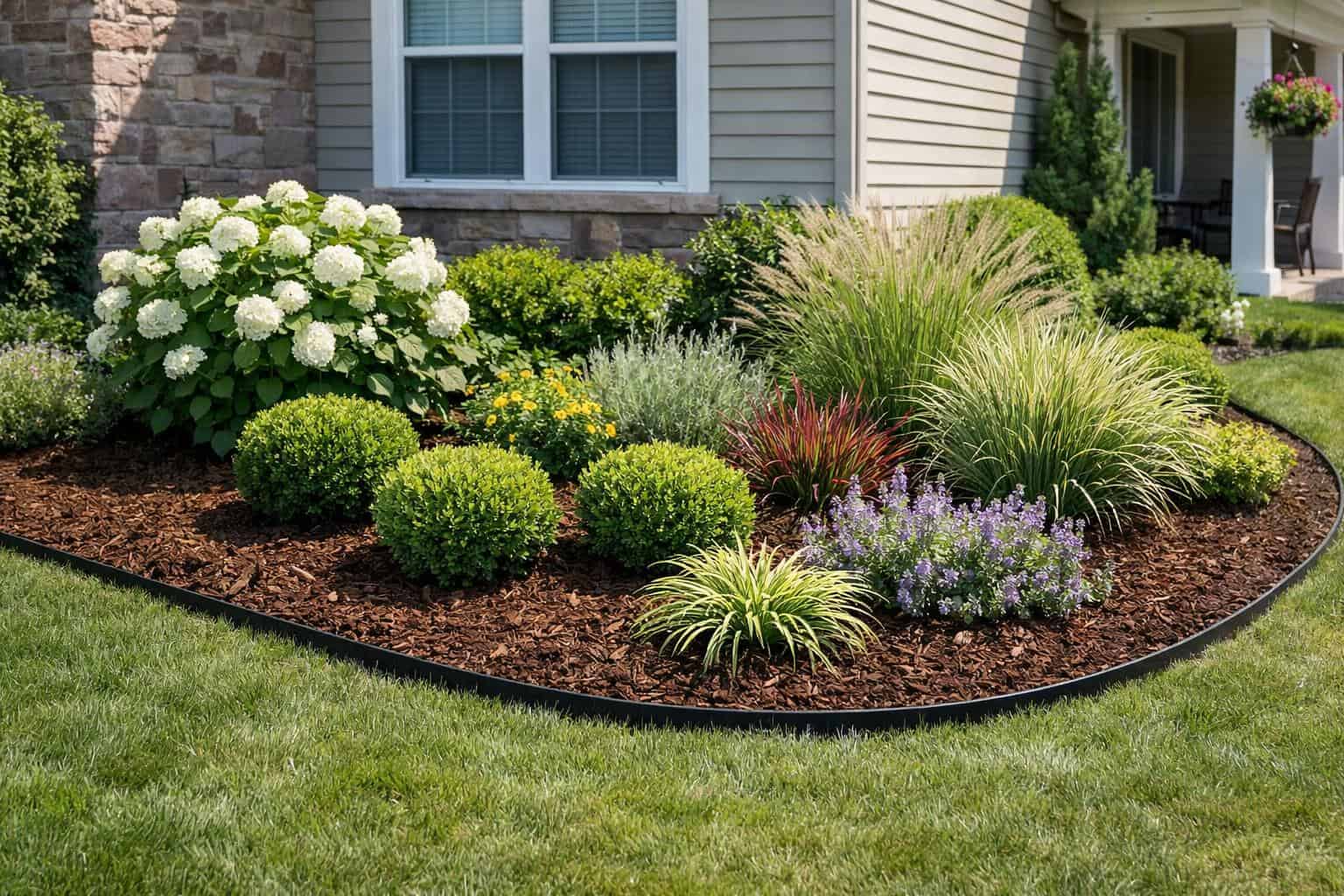
    Mulch and edging are small details, but they strongly affect how finished the front entry feels. A cleaner edge and a more intentional mulch refresh can make the route to the door look more maintained even before bigger planting changes happen.

    Use edging to clarify the entry route

    The bed should support the walk to the door, not blur its boundary or make the approach feel softer than intended.

    Let mulch support the planting rather than become the whole refresh

    Mulch can improve a bed’s appearance quickly, but it works best when the bed structure is already in decent shape. Pair this with our Low-Maintenance Entry Bed Refresh Guide for Homeowners if you are considering a broader entry-zone refresh.

    Keep the details repeatable and easy to maintain

    The best entry details are the ones homeowners can realistically keep up over time without constant fuss.

    What homeowners should remember

    The best mulch and edging decisions make the entry feel cleaner because the bed has sharper definition and easier upkeep.


  • Walkway Curve Radius and Comfort Guide for Homeowners

    Walkway Curve Radius and Comfort Guide for Homeowners

    A curved walkway can feel graceful and inviting, but only when the curve is comfortable to use and visually believable in the space. If the radius is too tight or the path turns too abruptly, the walkway can feel awkward no matter how attractive the materials are.

    Use a curve that matches the scale of the route

    The tighter the path and the shorter the distance, the more careful the curve design usually needs to be.

    Let the curve support movement, not just decoration

    A curve should still feel like the natural line people want to walk. Pair this with our Walkway Turn and Landing Ideas Guide for Homeowners if the route also changes direction more dramatically near the entry.

    Support the curve with surrounding planting and space

    The best curves usually feel like they belong because the edge conditions and bed layout help reinforce them.

    What homeowners should remember

    The best curved walkways feel comfortable and intentional because the radius fits both the house and the route.


  • Outdoor Kitchen Sink Placement Guide for Homeowners

    Outdoor Kitchen Sink Placement Guide for Homeowners

    Sink placement can change how convenient an outdoor kitchen feels to use because it affects prep, cleanup, and how the service side of the layout flows. A sink in the wrong location can create crossover and awkward movement even if the rest of the kitchen looks well designed.

    Place the sink where it helps both prep and cleanup

    Many kitchens work best when the sink supports more than one task instead of sitting as an isolated feature.

    Coordinate sink placement with counter and service flow

    The right sink location depends on how prep, cleanup, landing space, and guest movement all fit together. Pair this with our Outdoor Kitchen Cleanup Zone Layout Guide for Homeowners if cleanup flow is also part of the decision.

    Do not force the sink into the wrong side of the kitchen

    It is usually better for the sink to support the working side than to interrupt the guest side for the sake of symmetry.

    What homeowners should remember

    The best sink placement improves the entire workflow because prep and cleanup become easier from the start.


  • Low-Maintenance Front Bed Mulch Refresh Guide

    Low-Maintenance Front Bed Mulch Refresh Guide

    A mulch refresh can make front beds look much better quickly, but only if it is done in a way that supports the overall bed condition. The best results come when mulch is part of a cleaner maintenance pass, not a shortcut that hides deeper design or spacing problems.

    Refresh mulch after the structure is cleaned up

    Mulch looks better when pruning, edging, and cleanup are handled first, not after the new layer is already in place.

    Use mulch to support the bed, not rescue it

    The best mulch refreshes still depend on a bed that more or less works structurally. Pair this with our Front Yard Bed Cleanup vs Full Refresh Guide if you are deciding how much the bed really needs.

    Keep the refresh simple and repeatable

    Lower-maintenance front beds usually benefit from a practical mulch strategy that can be repeated easily each season.

    What homeowners should remember

    The best mulch refreshes improve appearance because they support a bed that is also cleaner, clearer, and easier to maintain overall.


  • Evergreen Screen Root Zone Care Guide for Homeowners

    Evergreen Screen Root Zone Care Guide for Homeowners

    The visible part of an evergreen screen may get most of the attention, but the root zone often determines whether the planting establishes well and stays healthy over time. Good root-zone care helps screens fill in more evenly and handle stress better.

    Protect the area where new roots need to establish

    Compaction, inconsistent moisture, and poor surrounding conditions can slow down or weaken a screen even when the plants looked fine at installation.

    Match care to the stage of establishment

    Root-zone priorities may shift as the plants settle in. Pair this with our Evergreen Screen Watering After Installation Guide if watering is the main immediate concern.

    Do not ignore what happens below the screen

    Surface appearance can be misleading. The root-zone environment often tells you more about long-term screen health.

    What homeowners should remember

    The best evergreen screens are supported not only by good spacing and pruning but also by healthier root-zone conditions.


  • Patio Planting for Pet-Friendly Yards Guide

    Patio Planting for Pet-Friendly Yards Guide

    Pet-friendly patio planting needs to balance comfort, circulation, and durability. The best choices soften the patio edge without creating constant cleanup, chewing hazards, or awkward bottlenecks in the routes pets use most often.

    Protect the routes pets use every day

    Planting around the patio should still leave comfortable paths between doors, lawn space, and favorite activity areas.

    Choose cleaner and tougher edge planting

    Some patio-edge plants are simply easier to live with in a pet-heavy yard than others. Pair this with our Pet-Friendly Backyard Landscaping Guide for Homeowners if the whole yard is being shaped around animal use.

    Let the patio stay easy to supervise and maintain

    The best patio edges in pet-friendly yards still preserve sightlines and reduce the chance of constant mess around seating and dining areas.

    What homeowners should remember

    The best pet-friendly patio planting makes the outdoor room feel softer while still respecting how pets and people actually use the space.


  • Privacy Screening for Pool Equipment Areas Guide

    Privacy Screening for Pool Equipment Areas Guide

    Pool equipment zones need a different kind of screening than patios or seating areas. The goal is usually to reduce visual clutter and noise perception while still preserving access, airflow, and the ability to service the equipment easily.

    Hide the view, not the access

    Equipment still needs to be reached for service, so the screen should make the area less visible without turning it into a maintenance headache.

    Choose screening that fits the technical needs of the zone

    Airflow and equipment clearance matter more here than in a simple decorative bed. Pair this with our Privacy Planting for Pool Areas Guide for Homeowners if the wider pool zone also needs more intentional screening.

    Let the screen blend with the rest of the backyard

    The best equipment-area planting usually supports the larger landscape rather than calling more attention to the problem spot.

    What homeowners should remember

    The best pool-equipment screening reduces visual clutter while keeping the area serviceable and functional.


  • Front Yard Bed Overcrowding Signs Guide for Homeowners

    Front Yard Bed Overcrowding Signs Guide for Homeowners

    Front beds can become overcrowded gradually, so the problem often shows up as a general sense that the yard feels messy rather than one obvious failure. The best time to fix overcrowding is before the planting becomes expensive to correct and the bed loses its intended shape.

    Watch for plants losing their individual form

    When repeated shrubs or perennials can no longer read as separate groupings, the bed often starts to feel cluttered and overgrown.

    Notice when maintenance gets harder than it should be

    Overcrowding often shows up in edging, pruning, and cleanup first. Pair this with our Front Yard Plant Spacing Mistakes Guide for Homeowners if spacing choices are likely part of the problem.

    Pay attention to what the house looks like behind the planting

    If windows, step edges, or the route to the entry start to feel visually blocked, the bed may need more than routine trimming.

    What homeowners should remember

    The best way to handle overcrowding is usually to catch it before the bed loses its structure and becomes a constant correction project.


  • Front Yard Entry Bed vs Foundation Bed Guide

    Front Yard Entry Bed vs Foundation Bed Guide

    Entry beds and foundation beds can play very different roles in a front yard. One often supports the arrival experience more directly, while the other helps anchor the house and soften the facade. The best balance depends on the home’s layout and what part of the front yard needs the strongest visual support.

    Use the entry bed when the arrival experience needs more help

    If the path to the door feels weak or unclear, the entry planting may deserve more focus than the foundation zone.

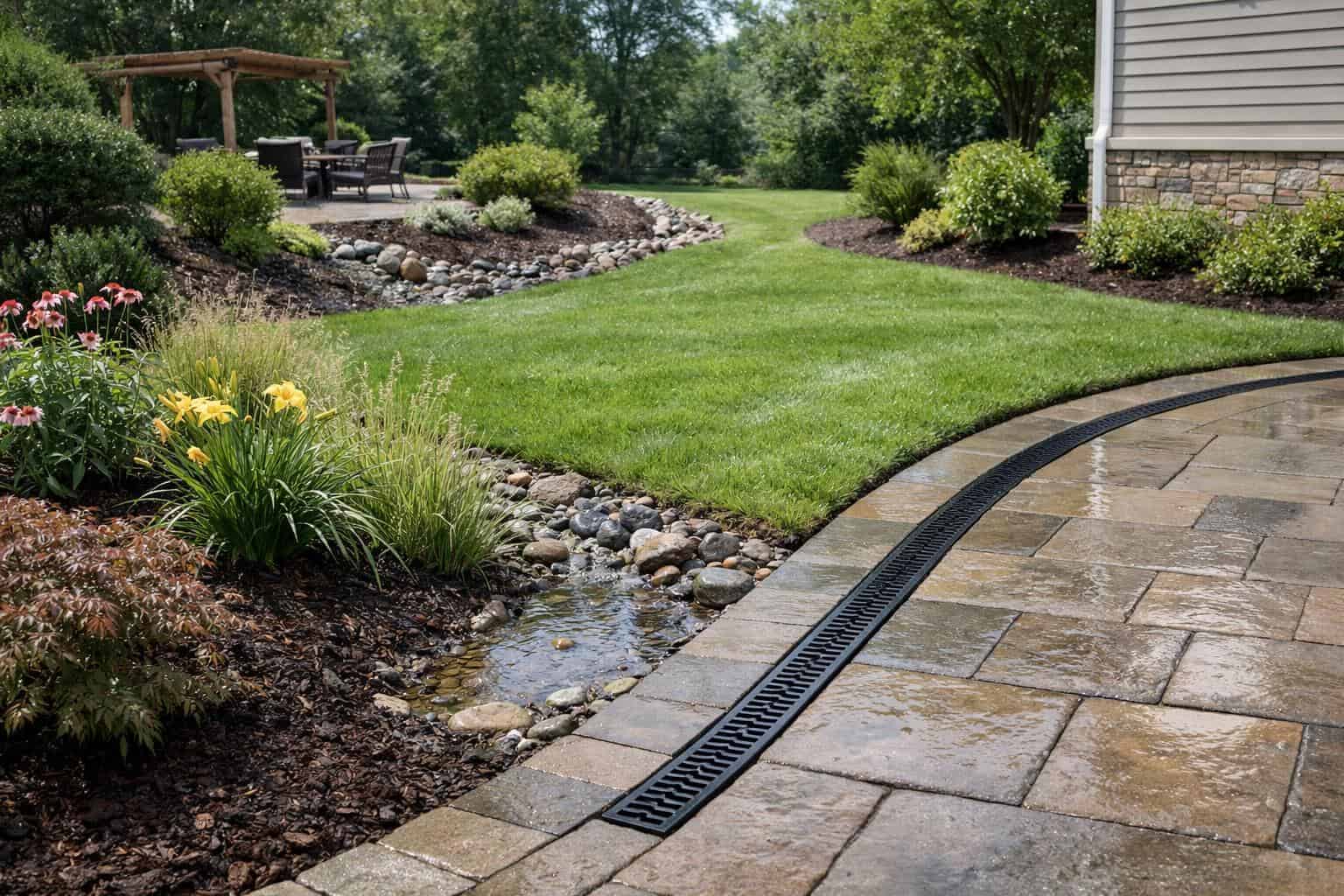
    Front Yard Entry Bed vs Foundation Bed Guide related example showing Attractive residential front yard with walkway, planting beds, lawn, and curb appeal landscaping
    This front yard example gives homeowners a visual reference for comparing layout, materials, and maintenance tradeoffs before starting the project.

    Use the foundation bed when the house needs better grounding

    Some homes benefit more from stronger facade planting and less emphasis on the route itself. Pair this with our Foundation Planting Ideas Guide for Homeowners if the house edge is the main design issue.

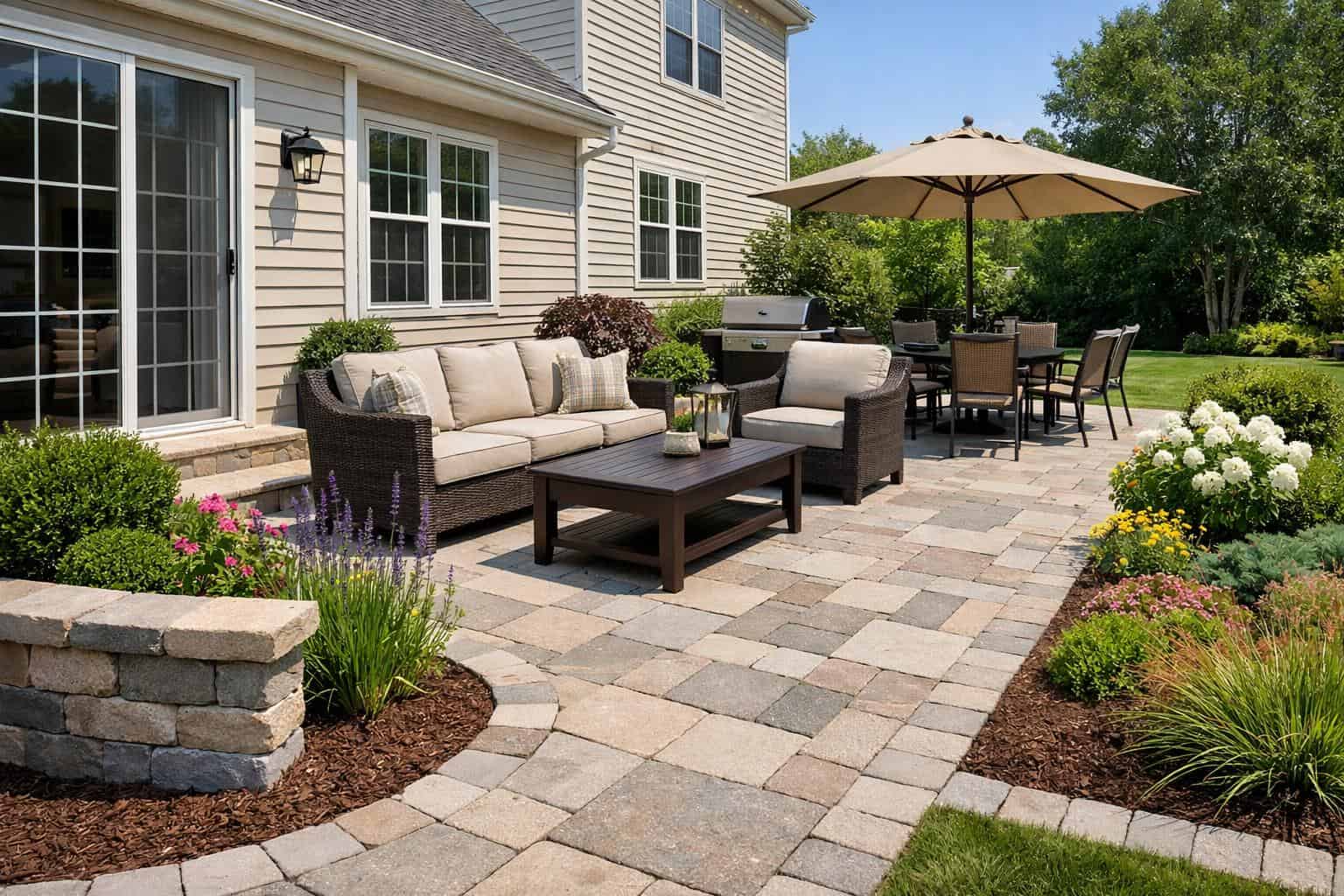
    Front Yard Entry Bed vs Foundation Bed Guide related example showing Front entry landscape materials relevant to choosing surfaces and finishes for a smaller yard
    This related front yard detail helps show how site conditions and finish choices can change the homeowner's plan.

    Make the two zones work together

    Most front yards work best when one zone leads but both still feel like part of the same composition.

    What homeowners should remember

    The best front-yard layouts usually know which bed should carry the visual emphasis and which one should play a supporting role.


  • Walkway Start Point from Driveway Guide for Homeowners

    Walkway Start Point from Driveway Guide for Homeowners

    Where the walkway starts from the driveway affects the whole arrival sequence. A start point that is too abrupt, too far from the natural movement pattern, or poorly aligned with the front door can make the approach feel awkward even if the path itself is attractive.

    Follow the way people actually move

    The most comfortable start point is usually the one that respects the natural line people want to take from the driveway toward the door.

    Use the beginning of the path to clarify the entry sequence

    A well-placed start point helps make the transition from driveway to walkway feel intentional. Pair this with our Front Walk Material Transition Ideas Guide if surface changes are also part of the front-approach planning.

    Do not force a route that looks good only from the street

    The path has to function for the people who actually use it every day.

    What homeowners should remember

    The best walkway start point makes the approach feel obvious and comfortable from the moment someone leaves the driveway.