Hiring and Planning

Hiring and planning guides that help homeowners compare contractors, ask better questions, and understand project expectations before work begins.

Start with the service type

Landscaping Services Guideposts

Use these guides to understand what each service includes before comparing providers or requesting quotes.

Core service explainers

Start here when you are still deciding what kind of landscaper or outdoor contractor you need.

Compare before you hire

Use these pages when two services or surface choices sound similar but lead to different scopes.

Hire smarter

Planning And Contractor Comparison

Use this hub when you are moving from ideas into estimates, bids, and contractor conversations.

Before requesting estimates

These guides help define scope and compare companies before the first site visit.

Budget with better assumptions

Cost Guides And Calculators

Use this hub to move from rough budget ranges into the details that usually change quotes.

Calculator starting points

Open the calculator hub or a cost guide when you need a quick planning range.

High-impact cost decisions

These pages help compare choices where price, lifespan, and maintenance tradeoffs matter.

Understand the build

Installation And Site-Work Pathways

Use these guides to understand sequencing, site prep, access, and the details that affect long-term performance.

Hardscape and site prep

These projects often depend on base prep, demolition, grading, drainage, and access.

Drainage and retaining work

Use these when water, grade, or slope stability is part of the project.

Choose materials with ownership in mind

Material And Finish Decision Paths

Use these guides when appearance, maintenance, replacement, and budget all affect the right material choice.

Surface and finish comparisons

Compare outdoor surfaces before committing to a driveway, patio, or lawn direction.

Landscape material planning

Use these pages when quantity, delivery, or long-term maintenance are the main concern.

Protect the investment

Maintenance And Ownership Next Steps

Use these guides to understand ongoing care, seasonal refreshes, and when maintenance points to a bigger fix.

Maintenance planning

These guides help compare recurring service, seasonal work, and refresh projects.

When upkeep becomes repair

Use these when repeated maintenance problems suggest drainage, surface, or material issues.

  • Walkway Start Point from Driveway Guide for Homeowners

    Walkway Start Point from Driveway Guide for Homeowners

    Where the walkway starts from the driveway affects the whole arrival sequence. A start point that is too abrupt, too far from the natural movement pattern, or poorly aligned with the front door can make the approach feel awkward even if the path itself is attractive.

    Follow the way people actually move

    The most comfortable start point is usually the one that respects the natural line people want to take from the driveway toward the door.

    Use the beginning of the path to clarify the entry sequence

    A well-placed start point helps make the transition from driveway to walkway feel intentional. Pair this with our Front Walk Material Transition Ideas Guide if surface changes are also part of the front-approach planning.

    Do not force a route that looks good only from the street

    The path has to function for the people who actually use it every day.

    What homeowners should remember

    The best walkway start point makes the approach feel obvious and comfortable from the moment someone leaves the driveway.
  • Outdoor Kitchen Trash and Storage Layout Guide

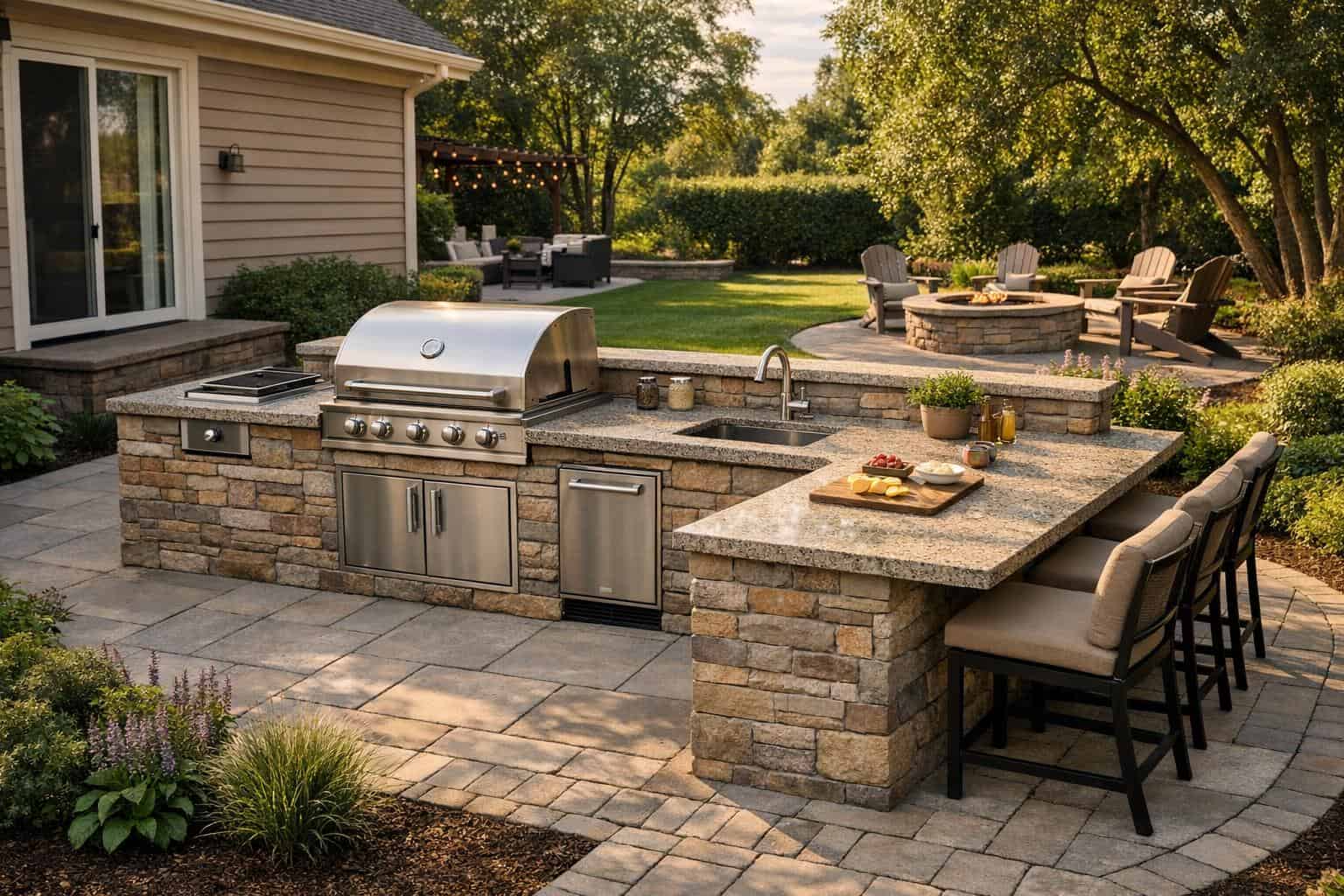
    Outdoor Kitchen Trash and Storage Layout Guide

    Storage and trash are easy to underestimate in an outdoor kitchen because they are not the glamorous parts of the design. But they often determine whether the kitchen feels convenient during actual use or awkward once the first meal is underway.

    Keep storage close to the tasks it supports

    Tools, serving items, and cleanup supplies are easier to use when the storage locations match the workflow of the kitchen.

    Place trash where it helps, not where it dominates

    Trash access should support prep and cleanup without becoming the visual center of the kitchen. Pair this with our Outdoor Kitchen Cleanup Zone Layout Guide for Homeowners if the post-meal flow still needs attention.

    Think through the full cooking cycle

    The best storage layout helps before cooking, during hosting, and during cleanup without forcing extra movement.

    What homeowners should remember

    The best outdoor kitchen storage plans feel almost invisible because the layout quietly supports everything else.


  • Low-Maintenance Mailbox Bed Guide for Homeowners

    Low-Maintenance Mailbox Bed Guide for Homeowners

    Mailbox beds often look simple, but they can become surprisingly fussy if the planting is too busy, too tall, or too thirsty for the site. The best low-maintenance mailbox beds keep the design clean, scaled correctly, and easy to edge and refresh.

    Keep the bed small and legible

    Because the mailbox sits at the curb edge, the surrounding bed usually works best when it has a clean shape and a limited plant palette.

    Use durable plants and easy-care materials

    Street-edge conditions are often harsher than the rest of the front yard. Pair this with our Front Yard Planting Around Mailbox Guide for Homeowners if you still need broader design ideas before narrowing the maintenance strategy.

    Avoid creating a tiny high-maintenance showcase

    The best mailbox bed usually supports the rest of the front yard rather than demanding constant special attention.

    What homeowners should remember

    The best low-maintenance mailbox beds add polish at the curb without turning into an annoying little project all year.


  • Evergreen Screen Installation Mistakes Guide

    Evergreen Screen Installation Mistakes Guide

    Evergreen screens can fail for reasons that are set in motion on installation day: bad spacing, poor soil prep, weak watering follow-through, or unrealistic expectations about immediate privacy. The best screening results usually come from getting the basics right early.

    Do not rush spacing and layout decisions

    Planting too tightly or in the wrong line can create long-term problems that pruning later does not really fix.

    Support the screen after installation

    The establishment period matters as much as the day the plants go in. Pair this with our Evergreen Screen Watering After Installation Guide if the care phase is also part of the decision.

    Match the installation to the site conditions

    Sun, wind, soil, and slope all influence how a screen should be laid out and cared for.

    What homeowners should remember

    The best evergreen screens usually succeed because the installation choices matched the long-term goal from the start.


  • Patio Planting for Kid-Friendly Yards Guide

    Patio Planting for Kid-Friendly Yards Guide

    Patio planting in a family yard has to do more than look good. It needs to support how children move through the space, where they play, and how adults still use the patio for sitting, dining, or supervising. The best choices soften the edge of the outdoor room without getting in the way.

    Keep active play routes open

    Planting should not turn the path between the patio and the yard into a narrow squeeze point, especially where kids are likely to move quickly.

    Choose cleaner, lower-risk edge planting

    Family patios often work better with simpler, sturdier planting choices around the edge. Pair this with our Kid-Friendly Backyard Landscaping Guide for Homeowners if the patio is part of a larger child-focused yard plan.

    Let planting support visibility

    The best family-friendly patio edges usually preserve sightlines between seating, doors, and lawn areas.

    What homeowners should remember

    The best kid-friendly patio planting makes the outdoor room feel softer without reducing comfort, visibility, or movement.


  • Privacy Screening for Driveway Side Yards Guide

    Privacy Screening for Driveway Side Yards Guide

    Driveway side yards have different privacy needs than the backyard because access, visibility, and turning space still matter. The best screening ideas make the side of the property feel more buffered without crowding the driveway edge or creating awkward movement.

    Screen the view without tightening the driveway

    Planting beside a driveway needs to respect car doors, turning movement, and the visual openness people rely on while entering and leaving.

    Use the screen to soften the side-yard feel

    Often the goal is not full enclosure but a better buffer and cleaner side-edge character. Pair this with our Privacy Planting Between Neighbors Guide for Homeowners if the shared lot line is the main issue.

    Do not create a maintenance pinch point

    The best driveway-side planting still leaves enough room for cleanup, trimming, and clear movement beside vehicles.

    What homeowners should remember

    The right driveway-side privacy screen improves comfort without creating a tighter, harder-to-use approach.


  • Front Yard Bed Cleanup vs Full Refresh Guide

    Front Yard Bed Cleanup vs Full Refresh Guide

    Not every tired-looking front bed needs a full redesign. Sometimes cleanup, pruning, edging, and selective replacement are enough. Other times the planting has outgrown the layout so much that a more complete refresh makes more sense. The key is knowing which kind of problem you are actually dealing with.

    Use cleanup when the structure is still good

    If the bed shape, plant sizes, and overall design still make sense, cleanup can often deliver a strong visual improvement quickly.

    Use a fuller refresh when the design is no longer working

    If the bed feels overgrown, crowded, or visually confused even after maintenance, a bigger reset may be the better investment. Pair this with our Low-Maintenance Entry Bed Refresh Guide for Homeowners if you are leaning toward a targeted refresh rather than a full redesign.

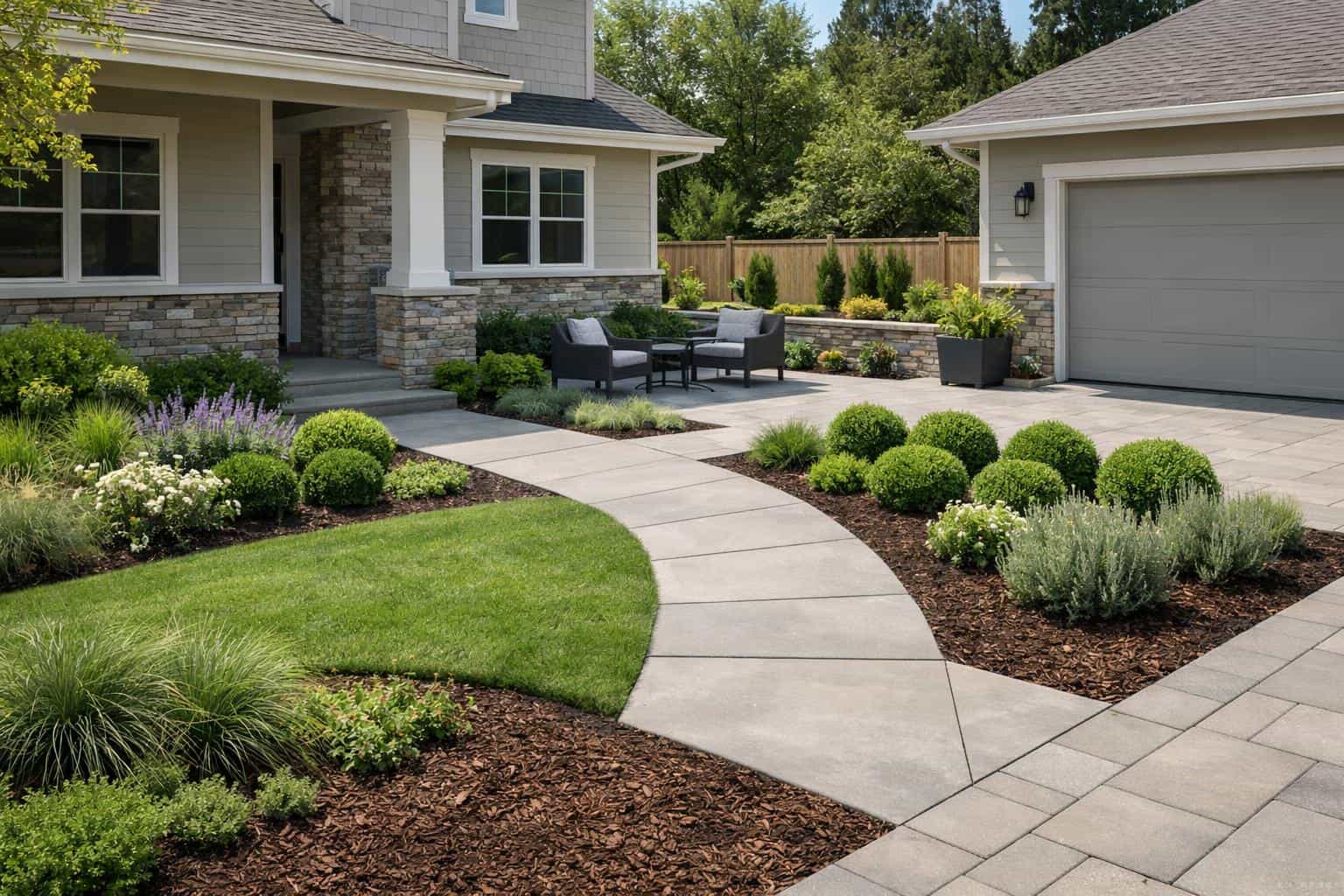
    Front Yard Bed Cleanup vs Full Refresh Guide related example showing Attractive residential front yard with walkway, planting beds, lawn, and curb appeal landscaping
    This front yard example gives homeowners a visual reference for comparing layout, materials, and maintenance tradeoffs before starting the project.

    Be honest about what maintenance can and cannot fix

    Pruning and cleanup can improve a lot, but they do not solve bad spacing, oversized shrubs, or a bed shape that never fit the house well in the first place.

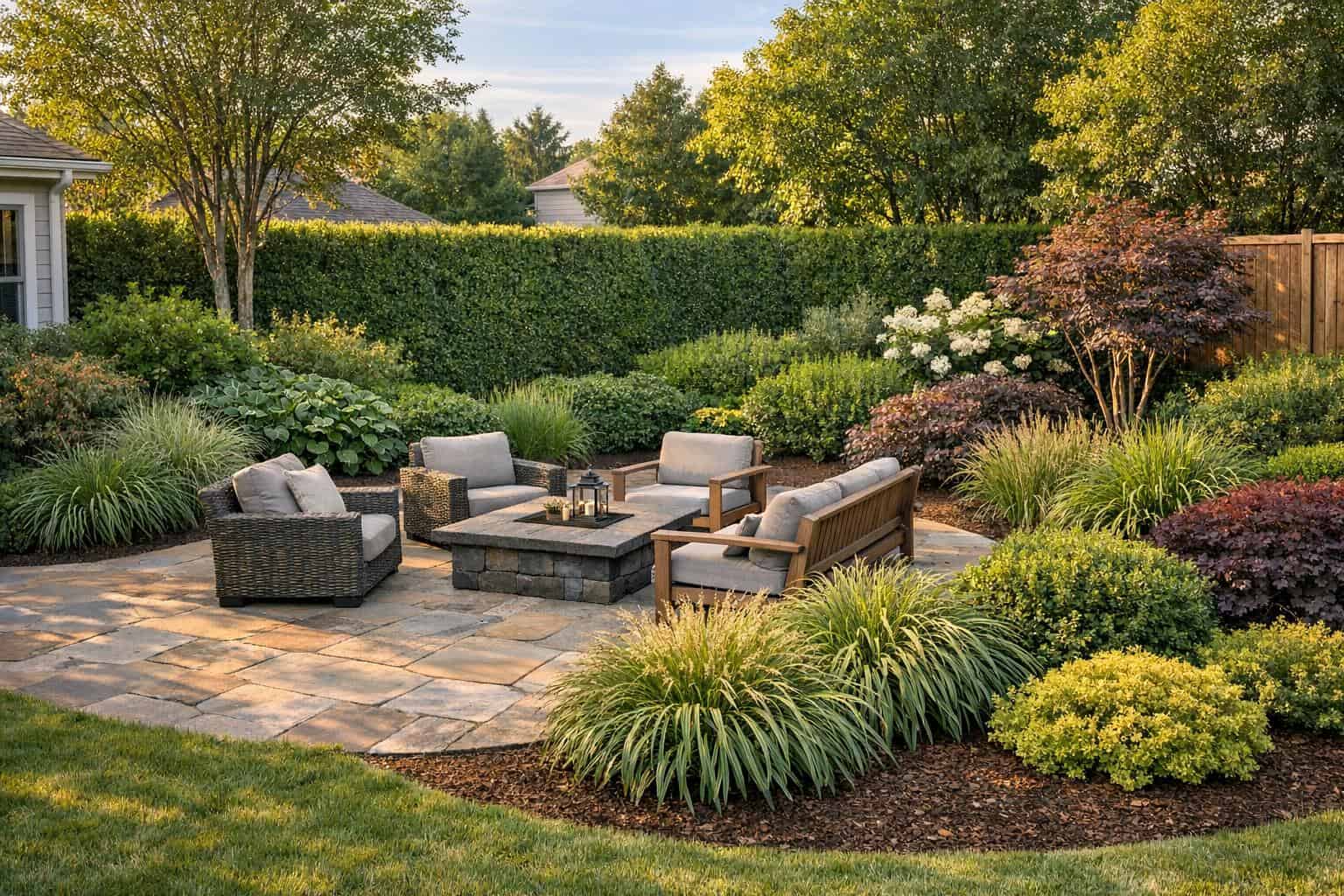
    Front Yard Bed Cleanup vs Full Refresh Guide related example showing Front entry landscape materials relevant to choosing surfaces and finishes for a smaller yard
    This related front yard detail helps show how site conditions and finish choices can change the homeowner's plan.

    What homeowners should remember

    The right choice usually comes down to whether the bed still has a good backbone underneath the clutter.


  • Front Yard Entry Layering Guide for Homeowners

    Front Yard Entry Layering Guide for Homeowners

    Layering around the front entry helps the approach feel more dimensional and intentional, but only when the plants work together at the right scale. The best entry layering uses depth and repetition to support the walk to the door without making the space feel crowded.

    Use layers to frame the entry instead of filling every gap

    The strongest entry beds usually have a clear foreground, middle, and background rather than one dense mass of planting.

    Repeat forms to keep the entry calm

    Layering works better when it is organized by repetition and scale instead of by constant plant changes. Pair this with our Front Yard Entry Plant Repetition Guide for Homeowners if repetition is already part of the plan.

    Protect the step and walk experience

    The entry still needs to feel easy to read and comfortable to move through as the planting matures.

    What homeowners should remember

    The best entry layering adds depth and curb appeal because the planting supports one clear arrival experience.


  • Walkway Turn and Landing Ideas Guide for Homeowners

    Walkway Turn and Landing Ideas Guide for Homeowners

    Where a walkway turns or widens can affect how graceful the entire path feels. Good turns and landings make direction changes easier to use and easier to read, while poor ones can make the walk feel abrupt or cramped.

    Use landings to make direction changes feel natural

    A slight widening or more defined transition often helps a path feel more comfortable where people slow down or shift direction.

    Let turns support how people actually move

    A walkway should feel like it follows the natural route into the home or yard. Pair this with our Walkway Entry Width Guide for Homeowners if proportion and entry feel are also being evaluated.

    Keep turns generous enough for the scale of the route

    The smaller and sharper the turn, the more carefully the spacing and surrounding planting usually need to be handled.

    What homeowners should remember

    The best walkway turns and landings make the route feel smoother and more intentional rather than just changing direction abruptly.


  • Outdoor Kitchen Cleanup Zone Layout Guide for Homeowners

    Outdoor Kitchen Cleanup Zone Layout Guide for Homeowners

    Cleanup is easy to under-plan in an outdoor kitchen because the focus usually goes to the grill, prep, and guest side first. But the cleanup zone has a big impact on how the kitchen functions after meals and during entertaining.

    Give cleanup its own usable counter and access space

    The cleanup zone works best when dishes, trash, and sink tasks do not compete with active prep or grilling.

    Keep the cleanup side connected but contained

    It should support the service flow without forcing the whole kitchen to revolve around dirty-dish traffic. Pair this with our Outdoor Kitchen Service Side Layout Guide for Homeowners if the working side still needs a broader workflow plan.

    Think about cleanup during entertaining, not only after

    The better the cleanup zone is integrated, the easier it is to reset the space while guests are still outside.

    What homeowners should remember

    The best cleanup layouts make the outdoor kitchen easier to live with from the first meal through the last plate.