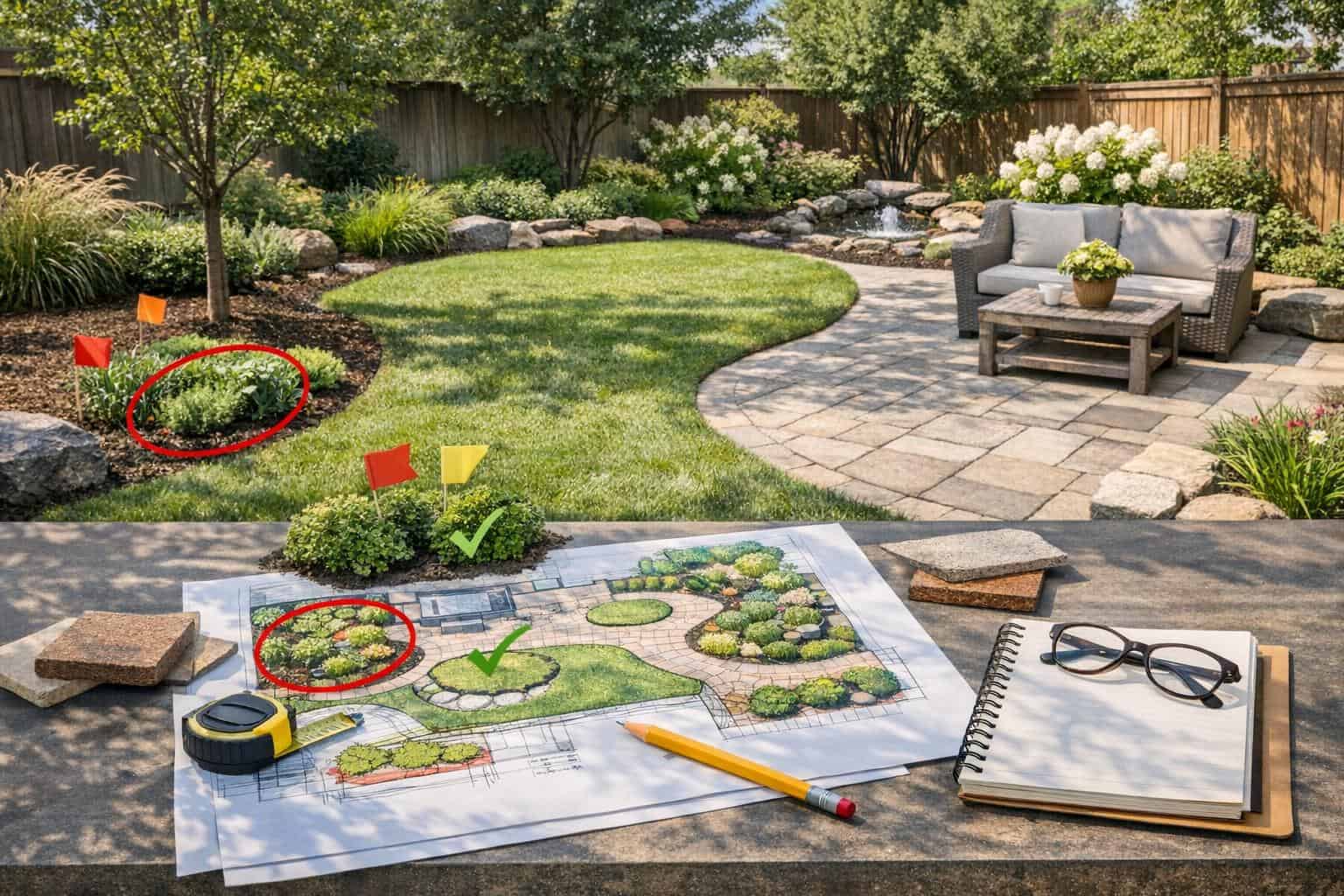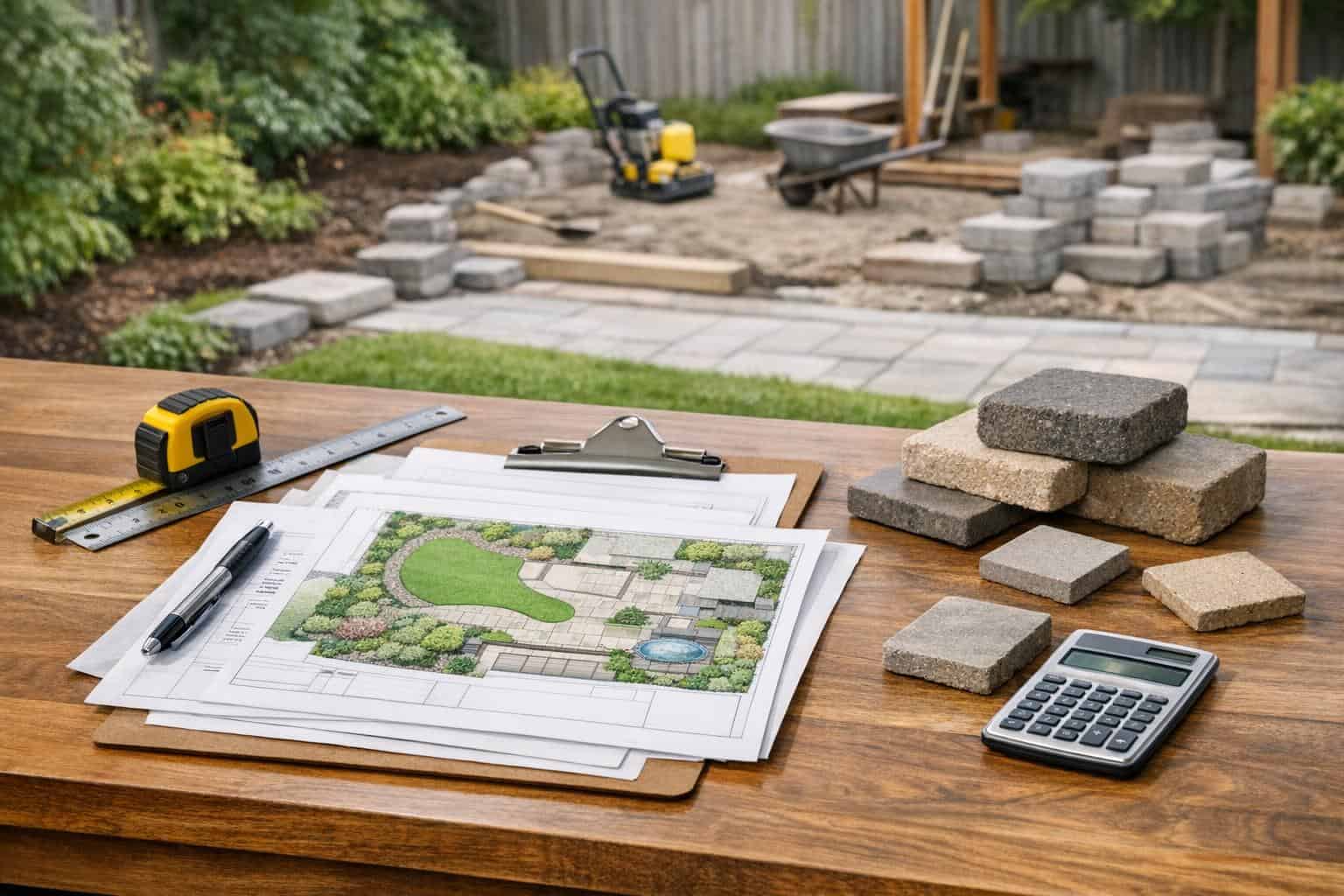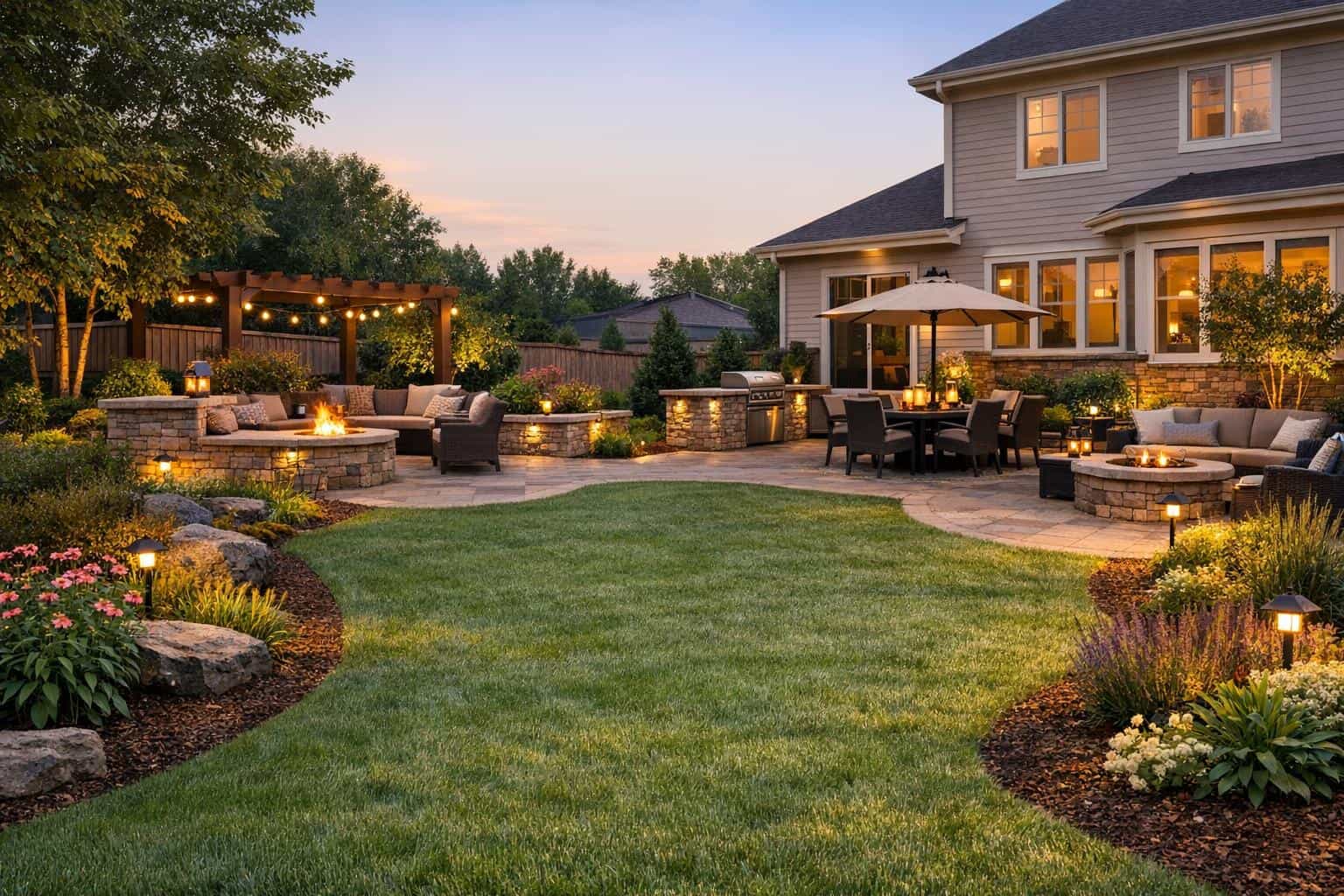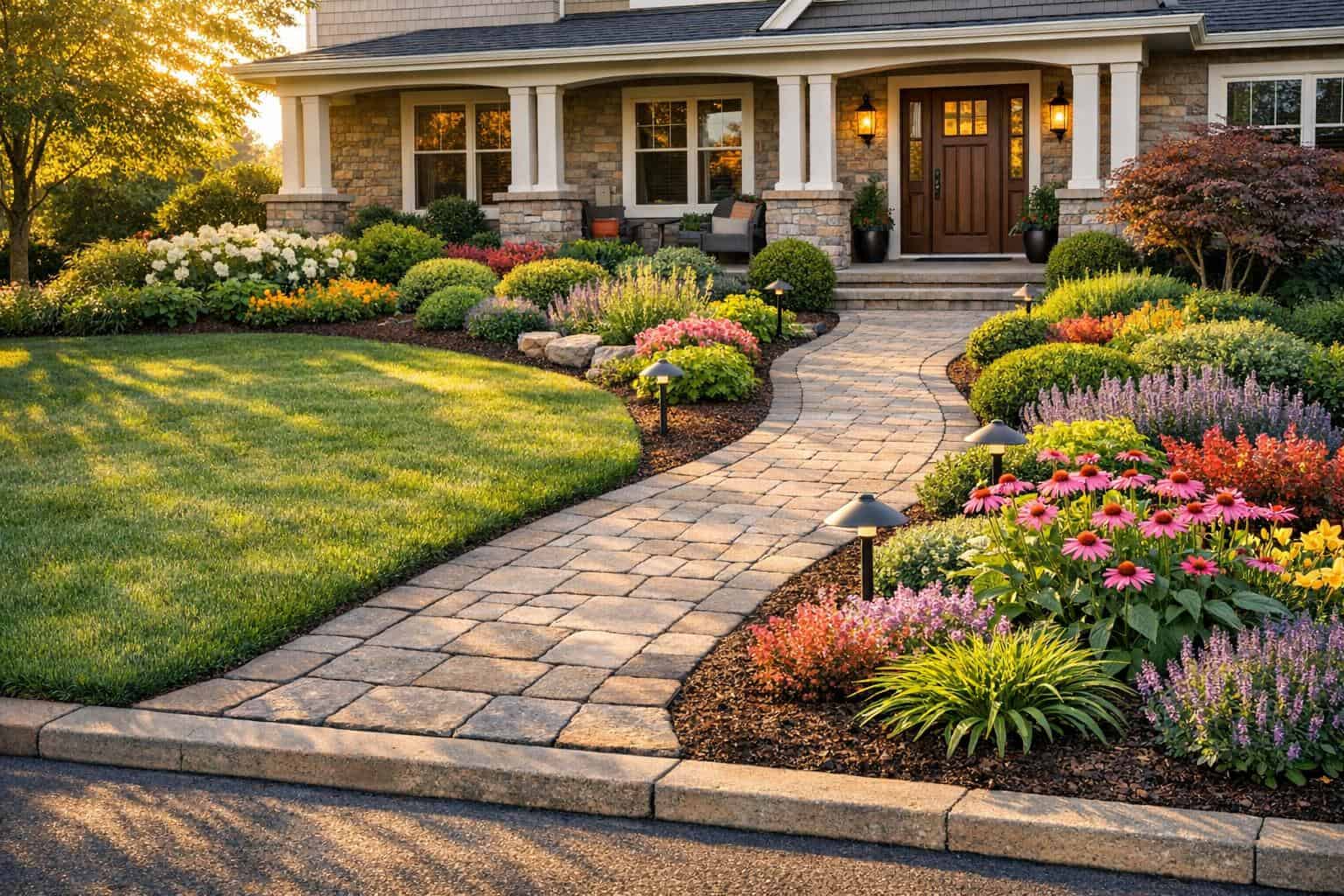
Hiring and Planning

Hiring and planning guides that help homeowners compare contractors, ask better questions, and understand project expectations before work begins.

Start with the service type

Landscaping Services Guideposts

Use these guides to understand what each service includes before comparing providers or requesting quotes.

Core service explainers

Start here when you are still deciding what kind of landscaper or outdoor contractor you need.

Compare before you hire

Use these pages when two services or surface choices sound similar but lead to different scopes.

Hire smarter

Planning And Contractor Comparison

Use this hub when you are moving from ideas into estimates, bids, and contractor conversations.

Before requesting estimates

These guides help define scope and compare companies before the first site visit.

Budget with better assumptions

Cost Guides And Calculators

Use this hub to move from rough budget ranges into the details that usually change quotes.

Calculator starting points

Open the calculator hub or a cost guide when you need a quick planning range.

High-impact cost decisions

These pages help compare choices where price, lifespan, and maintenance tradeoffs matter.

Understand the build

Installation And Site-Work Pathways

Use these guides to understand sequencing, site prep, access, and the details that affect long-term performance.

Hardscape and site prep

These projects often depend on base prep, demolition, grading, drainage, and access.

Drainage and retaining work

Use these when water, grade, or slope stability is part of the project.

Choose materials with ownership in mind

Material And Finish Decision Paths

Use these guides when appearance, maintenance, replacement, and budget all affect the right material choice.

Surface and finish comparisons

Compare outdoor surfaces before committing to a driveway, patio, or lawn direction.

Landscape material planning

Use these pages when quantity, delivery, or long-term maintenance are the main concern.

Protect the investment

Maintenance And Ownership Next Steps

Use these guides to understand ongoing care, seasonal refreshes, and when maintenance points to a bigger fix.

Maintenance planning

These guides help compare recurring service, seasonal work, and refresh projects.

When upkeep becomes repair

Use these when repeated maintenance problems suggest drainage, surface, or material issues.

  • Does Landscaping Increase Home Value Guide

    Does Landscaping Increase Home Value Guide

    Landscaping can increase home value, but not every upgrade does so in the same way. Some projects improve resale by making the property look cleaner, more finished, and easier to imagine living in. Others add value because they improve function, privacy, access, or outdoor-living appeal. And some projects cost more than they are likely to return if they are too personal, too high-maintenance, or poorly matched to the property.

    The most useful question is usually not whether landscaping increases value in the abstract. It is which landscaping improvements make the property feel stronger to future buyers without creating unnecessary cost or upkeep.

    Why curb appeal matters

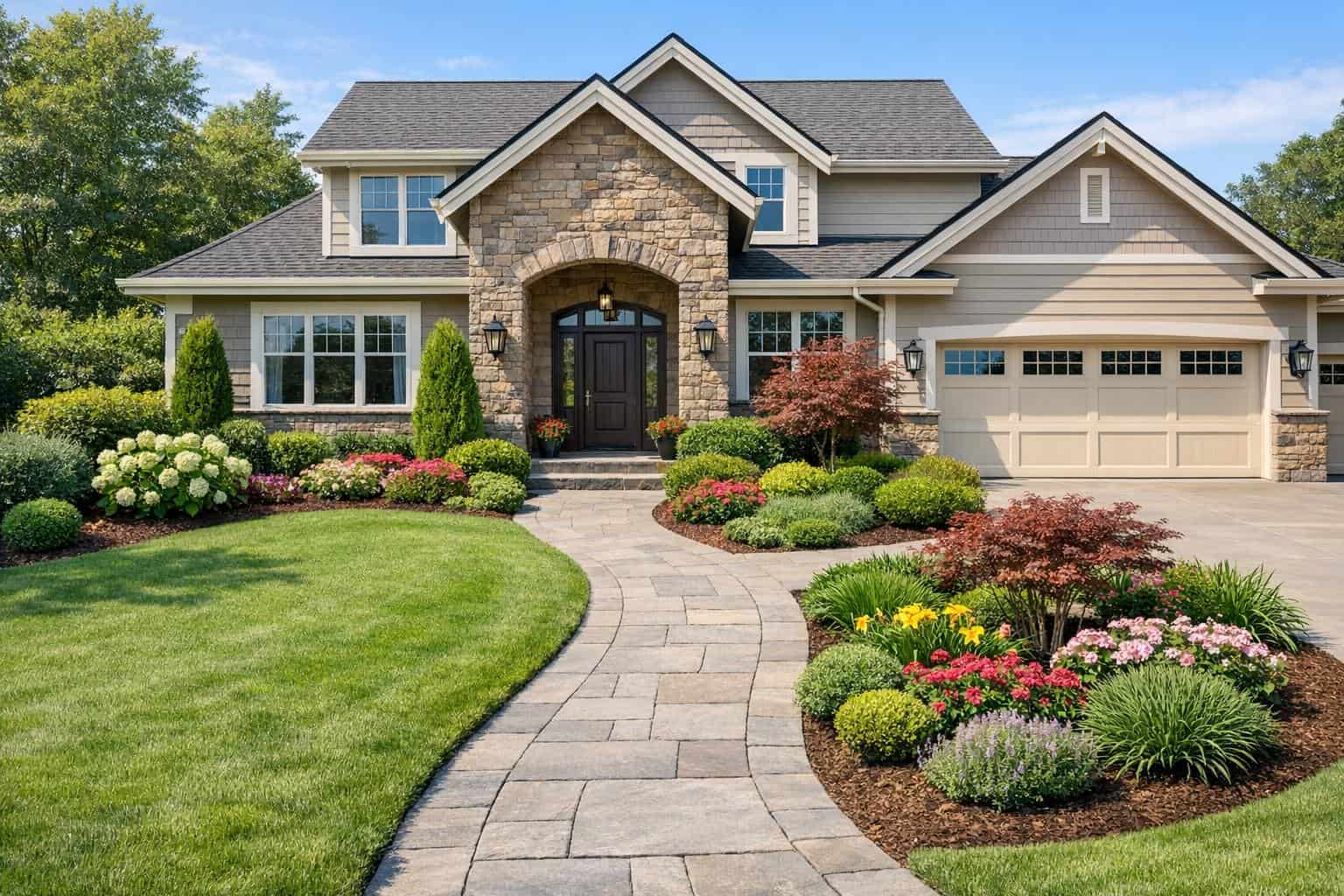
    Front-yard improvements often have an outsized effect because they shape the first impression of the home. A clean entry path, healthier lawn, better lighting, balanced planting, and a more intentional front facade can all make the property feel better maintained. That can influence both buyer interest and general perception of quality.

    Does Landscaping Increase Home Value Guide related example showing Landscape beds and groundcover materials relevant to homeowner quantity planning for mulch, soil, and decorative rock
    This materials example gives homeowners a visual reference for comparing layout, materials, and maintenance tradeoffs before starting the project.

    The front yard landscaping guide is one of the clearest places to start if value and curb appeal are part of the goal.

    Usability can matter as much as appearance

    Value is not only about visual polish. Backyards that feel usable can also be more appealing, especially when they support dining, privacy, clean circulation, and lower-maintenance outdoor living. A patio that fits the yard well, thoughtful lighting, and better privacy landscaping may feel more valuable than a highly decorative feature that does not improve use.

    That is where the backyard planning guide helps keep value decisions tied to function.

    Which projects often feel smart to buyers

    • Entry, walkway, and curb-appeal improvements that make the home feel cared for.
    • Patios or seating spaces that create usable outdoor living without overwhelming the yard.
    • Privacy, lighting, and lower-maintenance planting that improve comfort and day-to-day perception.
    • Drainage corrections or visible site improvements that reduce obvious problems.

    Where homeowners can overspend

    Highly customized builds, very complex maintenance-heavy planting, or oversized features can cost more than they help if they do not suit the home or neighborhood. An improvement can still be worth doing for your own enjoyment, but that is different from expecting a clean value return. The smartest projects usually balance broad appeal with everyday usability.

    Does Landscaping Increase Home Value Guide related example showing Landscape beds and groundcover materials relevant to homeowner quantity planning for mulch, soil, and decorative rock
    This related materials detail helps show how site conditions and finish choices can change the homeowner's plan.

    Landscaping adds the most value when it makes the property feel easier to love and easier to maintain. Homeowners who focus on clean curb appeal, practical outdoor living, and fewer obvious problems usually make stronger choices than those chasing dramatic upgrades alone.

    More Does Landscaping Increase Home Value Guides

    More Planning and Decision Guides

    More Curb Appeal and Resale Planning Guides


  • Landscaping Mistakes Homeowners Should Avoid Guide

    Landscaping Mistakes Homeowners Should Avoid Guide

    Most landscaping mistakes do not come from bad taste. They come from rushed planning, unclear expectations, or focusing on the visible finish before the underlying decisions are settled. A project can look exciting at the start and still become frustrating if drainage, maintenance, scope, or contractor fit are not thought through early.

    Homeowners do not need to avoid every imperfection. They do need to avoid the predictable mistakes that make projects cost more, take longer, or feel harder to live with after installation.

    Starting with finishes instead of function

    One of the most common mistakes is choosing materials or inspiration images before deciding how the yard should work. A patio pattern, a fire pit style, or a planting palette is much easier to choose once you know whether the goal is entertaining, lower maintenance, better privacy, drainage correction, curb appeal, or all of those together.

    Landscaping Mistakes Homeowners Should Avoid Guide related example showing Landscape beds and groundcover materials relevant to homeowner quantity planning for mulch, soil, and decorative rock
    This materials example gives homeowners a visual reference for comparing layout, materials, and maintenance tradeoffs before starting the project.

    The backyard planning guide and front yard guide are useful starting points because they focus on layout before materials.

    Ignoring drainage or grade issues

    Another major mistake is treating drainage or grading as optional cleanup rather than part of the foundation of the project. Water issues can undermine patios, kill planting, create muddy lawn zones, or reduce the life of new work. Homeowners sometimes install decorative improvements first and then pay more later to fix runoff problems underneath them.

    If you suspect water movement is part of the problem, the drainage guide, drainage vs regrading guide, and erosion control guide should come earlier in the process.

    Underestimating maintenance

    Some yards look great on installation day and feel demanding a year later. Dense planting, tricky lawn areas, overcomplicated bed edges, or the wrong ground-cover choice can all create more work than a homeowner expected. Maintenance should be treated like a design input, not an afterthought.

    Choosing contractors from price alone

    A lower quote can be the right choice, but only when scope and methods are truly comparable. Many homeowners regret choosing based on total price before they understand what one contractor left out. That is why the quote comparison guide matters so much.

    Trying to solve everything at once without a plan

    Large projects often need phases, but phasing works best when the homeowner still has a full-yard strategy. Without that, each phase can pull the yard in a different direction. A phased project should still be guided by one larger plan for access, privacy, planting, drainage, and entertaining.

    Landscaping Mistakes Homeowners Should Avoid Guide related example showing Landscape beds and groundcover materials relevant to homeowner quantity planning for mulch, soil, and decorative rock
    This related materials detail helps show how site conditions and finish choices can change the homeowner's plan.

    Most landscaping mistakes are preventable once homeowners slow down enough to define function, understand scope, and choose materials and contractors from a clear plan. That usually matters more than any single style decision.


  • Do You Need a Permit for Landscaping Projects Guide

    Do You Need a Permit for Landscaping Projects Guide

    Some landscaping projects move forward with little paperwork, while others may require permits, inspections, engineering review, or homeowner-association approval. The difficult part for many homeowners is that the line between those two categories is not always obvious. A simple planting refresh usually does not raise permit questions. A project involving retaining walls, drainage changes, grading, utility work, outdoor kitchens, or structural features often might.

    The safest mindset is to treat permits as an early planning question instead of a last-minute obstacle. Even when the contractor will handle the paperwork, homeowners should still understand whether approvals may affect budget, timing, and scope.

    Projects that may trigger permit questions

    Permit requirements vary by jurisdiction, but some landscaping projects are more likely than others to need review. Walls above certain heights, drainage changes that alter runoff patterns, gas or electrical work, outdoor kitchens, structures, and major grading often deserve closer attention. Projects near property lines, easements, or utilities may also need more care.

    Do You Need a Permit for Landscaping Projects Guide related example showing Landscape beds and groundcover materials relevant to homeowner quantity planning for mulch, soil, and decorative rock
    This materials example gives homeowners a visual reference for comparing layout, materials, and maintenance tradeoffs before starting the project.

    That does not mean every version of these projects requires a permit, but it does mean homeowners should ask early rather than assume. The outdoor kitchen guide, retaining wall guide, and grading guide all involve project types where approvals may matter.

    Why approvals affect more than paperwork

    Permits and approvals can change project timing, contractor scheduling, and even design decisions. If engineering, inspections, or revised plans are required, the job may need more lead time than a homeowner expected. HOA review can also shape material choices, wall locations, fence-adjacent planting, or visible front-yard features.

    Do You Need a Permit for Landscaping Projects Guide related example showing Landscape beds and groundcover materials relevant to homeowner quantity planning for mulch, soil, and decorative rock
    This related materials detail helps show how site conditions and finish choices can change the homeowner's plan.

    That is why permit questions should be part of quote conversations. If one contractor has accounted for approval steps and another has not, the estimates may look different for reasons that are not obvious in the total number.

    Questions homeowners should ask early

    • Could this project trigger city, county, or HOA approval?
    • Who is responsible for checking permit requirements and handling submissions?
    • If engineering or inspection is required, is that included in the proposal?
    • Could approvals change the projected start date?
    • Are there property-line, drainage, or utility issues that affect design?

    The goal is not to become a permit expert. It is to make sure approval risk is surfaced before the project becomes urgent. Homeowners who ask early usually avoid better avoid preventable schedule surprises later.

    More Planning and Decision Guides


  • Backyard Landscaping Ideas and Planning Guide for Homeowners

    Backyard Landscaping Ideas and Planning Guide for Homeowners

    Backyard landscaping can mean almost anything, which is why many projects start with excitement and drift into confusion. A homeowner may want a patio, better privacy, cleaner planting, easier maintenance, and more room to entertain, all in the same yard. Those ideas can work together well, but only if the backyard is planned as a set of connected zones rather than a pile of separate upgrades.

    The best backyard projects usually start with use. Before choosing materials or features, decide how you want the space to function. Do you want dining, lounging, lawn play space, a fire feature, stronger privacy, lower upkeep, or a better place to host guests? Those answers shape the layout more than style images alone.

    Common backyard zones to plan for

    Many backyards work best when they are organized into a few clear zones. A patio or deck may handle seating and dining. Lawn or open space may support play or visual openness. Planting beds can soften edges and create privacy. Lighting, walkways, and fire features help connect everything into one usable environment.

    Instead of asking what single feature to add first, it helps to ask how people will move through the yard and where each activity belongs.

    Privacy, entertaining, and atmosphere

    Privacy often becomes more important once homeowners begin imagining actual use. A backyard can look good from inside the house but still feel exposed when people are dining or sitting outside. That is where the privacy landscaping guide becomes part of planning rather than a later add-on.

    Atmosphere also matters. Lighting and fire features can extend the usefulness of a backyard well beyond daylight hours. The lighting guide and fire pit guide are often natural next reads for homeowners building entertaining space.

    How to phase a backyard project

    Not every homeowner wants or needs to complete the whole backyard at once. Phasing can work well, but only when the project is still planned as a whole. For example, drainage, grading, and hardscape layout should usually be considered before adding final planting or decorative upgrades. A phased backyard should still feel like one plan, not a series of disconnected decisions.

    Backyard Landscaping Ideas and Planning Guide for Homeowners related example showing Small Backyard Landscaping detail relevant to warning signs, wear, and maintenance decisions
    This backyard example gives homeowners a visual reference for comparing layout, materials, and maintenance tradeoffs before starting the project.

    The project expectations guide is helpful here because it frames how different parts of a larger yard build often overlap.

    Backyard planning questions to answer early

    • What are the top two or three ways you want to use the yard?
    • Where should entertaining, lawn, privacy, and circulation each happen?
    • Does the backyard need drainage or grading work before cosmetic upgrades?
    • What features should be built first if the work is phased?
    • How much maintenance do you want after installation?

    A strong backyard plan makes the space feel easier to use, not just nicer to photograph. Homeowners usually get better results when they organize the yard around function first and finish choices second.

    Backyard Landscaping Ideas and Planning Guide for Homeowners related example showing Small Backyard Landscaping detail relevant to planning mistakes, layout, and upkeep expectations
    This related backyard detail helps show how site conditions and finish choices can change the homeowner's plan.

    Related guide: If the project will be built over multiple steps, the How to Phase a Landscaping Project Guide can help organize the order of work.

    Related guide: Small yards often need clearer prioritization than large ones. The Small Backyard Landscaping Ideas Guide for Homeowners helps narrow layout choices without making the yard feel crowded.

    Related guide: If the yard never feels comfortable to use even after upgrades, the Signs Your Backyard Layout Is Not Working Guide can help identify layout issues instead of isolated feature problems.

    Timeline guide: The backyard landscaping timeline guide helps homeowners understand how prep, installation, and finish work affect project length.

    Maintenance guide: The backyard landscaping maintenance guide helps homeowners protect comfort, function, and long-term appearance.

    Mistakes guide: The backyard landscaping planning mistakes guide helps homeowners catch layout and upkeep mismatches before work begins.

    Warning signs guide: The backyard landscaping warning signs guide helps homeowners judge when the yard needs more than casual refreshes.

    More Decision and Planning Guides

    More Backyard Ideas and Example Guides

    More Backyard Use and Comfort Guides

    More Backyard Space-Planning Guides

    More Backyard Seating and Layout Guides

    More Backyard Privacy and Border Guides


  • Front Yard Landscaping Guide for Homeowners

    Front Yard Landscaping Guide for Homeowners

    Front yard landscaping shapes first impressions, but it also does more than improve curb appeal. The front yard often handles access, lighting, drainage, lawn presentation, and the visual transition from the street to the home. A good front yard plan should feel attractive, functional, and manageable to maintain over time.

    Many homeowners start with isolated ideas, such as new shrubs, a walkway upgrade, or a cleaner lawn edge. The strongest results usually come from treating the front yard as one coordinated system instead of a series of separate fixes.

    What a front yard project may include

    Front yard landscaping can include planting beds, privacy or framing shrubs, walkway installation, lighting, lawn renovation, edging, mulch or rock finishes, and drainage adjustments. Some projects stay decorative. Others solve practical issues like poor curb appeal, worn access paths, pooling water, or planting that has outgrown the space.

    If your access path is part of the project, the walkway and pathway guide can help clarify layout and installation expectations.

    Balancing curb appeal and maintenance

    The front yard is usually the most visible part of the property, which can tempt homeowners to over-design it. A better approach is to decide what kind of upkeep you actually want. A highly detailed planting scheme can look impressive but require more trimming, cleanup, and seasonal attention. Simpler masses of durable plants may create a stronger long-term result for many households.

    That is why it helps to pair aesthetic decisions with the low-maintenance landscaping guide before choosing plant density and bed complexity.

    How lighting and lawn choices affect the whole look

    Front yard lighting can improve safety, highlight entry paths, and make the landscaping feel more finished at night. Lawn condition also has an outsized impact because it frames everything around it. A front yard with strong planting but weak turf often still feels incomplete. If lawn replacement or irrigation is part of the plan, those systems should be considered early rather than after the beds are installed.

    The landscape lighting guide, sod vs seed guide, and irrigation guide all connect naturally to front yard planning.

    Questions to ask before starting

    • What problem is the front yard project solving besides appearance?
    • How much maintenance do you realistically want?
    • Does the walkway, lighting, and lawn plan support the planting design?
    • Are drainage or grade issues affecting the front yard now?
    • Will the project be phased, or built as one coordinated upgrade?

    A successful front yard should make the home feel more welcoming and easier to care for. Homeowners usually get the best result when curb appeal, access, and maintenance are planned together from the start.

    Related guide: Homeowners improving curb appeal for resale often pair this topic with the Does Landscaping Increase Home Value Guide to think through value more strategically.

    Materials guide: If curb appeal is the priority, the small front-yard materials guide helps narrow surface choices and reduce visual clutter.

    Timeline guide: The front yard landscaping timeline guide helps homeowners understand how prep, installation, and finish work affect project length.

    Maintenance guide: The front yard landscaping maintenance guide helps homeowners protect curb appeal and catch small issues early.

    Mistakes guide: The front yard landscaping planning mistakes guide helps homeowners catch layout and upkeep mismatches before work begins.

    Warning signs guide: The front yard landscaping warning signs guide helps homeowners judge decline, wear, and weak curb-appeal performance.

    More Decision and Planning Guides

    More Front Yard Ideas and Example Guides

    More Front Entry and Curb Appeal Guides

    More Front Yard Layout and Planting Guides

    More Front Yard Tree and Planting Guides

    More Front Yard Composition Guides

    More Front Entry and Emphasis Guides

    More Front Edge and Anchor Guides

    More Front Entry and Bed Detail Guides

    More Front Bed Rhythm and Edge Guides

    More Front Bed Planning Guides

    More Front Bed Proportion Guides

    More Front Bed Decision Guides

    More Front Bed Condition and Detail Guides

    More Front Bed Shape and Seasonal Guides

    More Front Planting Emphasis Guides

    More Front Bed Color and Structure Guides

    Related homeowner planning guides

    Use these next-step guides to make the project more specific before comparing estimates or choosing materials.

    Related homeowner planning guides

    Use these next-step guides to narrow the project before choosing materials, comparing estimates, or changing the layout.

    More specific homeowner planning guides

    Use these deeper guides when the broad project direction is clear and the next decision is about layout, materials, maintenance, or cost tradeoffs.

    Front Yard Landscaping Guide for Homeowners related example showing Front entry landscape materials relevant to choosing surfaces and finishes for a smaller yard
    This front yard example gives homeowners a visual reference for comparing layout, materials, and maintenance tradeoffs before starting the project.

    More specific homeowner planning guides

    Use these deeper guides when the broad project direction is clear and the next decision is about layout, materials, access, maintenance, or cost tradeoffs.

    Front Yard Landscaping Guide for Homeowners related example showing Small front yard hardscape and planting materials relevant to curb-appeal planning
    This related front yard detail helps show how site conditions and finish choices can change the homeowner's plan.

  • Best Time of Year to Start a Landscaping Project Guide

    Best Time of Year to Start a Landscaping Project Guide

    The best time to start a landscaping project depends on more than the calendar. Weather matters, but so do contractor availability, planting windows, material lead times, and how much planning the yard needs before work begins. Many homeowners wait until they want the finished result immediately, which often means they are starting the conversation later than ideal.

    In practice, the best season to build and the best season to plan are often not the same. Homeowners who understand that difference usually get smoother scheduling and better choices.

    Why planning should start earlier than construction

    One of the biggest timing mistakes is treating planning and construction as if they start at the same moment. If you want a patio, drainage work, planting, irrigation, or outdoor living area finished by peak-use season, it often helps to begin quote comparisons and design decisions earlier than expected. That gives you more room to compare contractors, phase the work, and avoid rushed decisions.

    The quote comparison guide is especially useful during this phase because it helps turn early estimates into a real decision process.

    How weather affects different kinds of work

    Not every project responds to weather the same way. Hardscape work like patios, retaining walls, and outdoor kitchens can be affected by rain, freeze cycles, soil conditions, or extreme heat. Planting projects depend on establishment conditions and irrigation support. Lawn work can be highly sensitive to seasonal timing, especially if sod or seed is involved.

    That means the “best” start time for a fire pit is not always the same as the best start time for a privacy hedge or lawn installation. The type of project should drive the timing conversation.

    Busy-season scheduling and contractor availability

    Popular landscaping seasons often come with tighter contractor schedules. Homeowners who contact contractors only when they want work to begin immediately may find that the best-fit crews are already booked. Starting earlier can improve both availability and decision quality, even if construction happens later.

    This is also why it helps to define scope before the calendar becomes urgent. The more clearly you understand your project, the easier it is to compare schedules realistically.

    Planting windows and long-term success

    Residential landscape phased around seasonal timing so planting and construction support long-term success.
    Seasonal timing matters because planting, grading, and installation windows can change how well the finished project establishes.

    Planting work adds another layer because the easiest time to install is not always the easiest time to establish. Trees, shrubs, privacy screening, and lawn areas all benefit from timing that supports root development and manageable watering. If planting is part of the project, it should be coordinated with irrigation and maintenance expectations from the beginning.

    Best Time of Year to Start a Landscaping Project Guide related example showing Low-water landscape bed materials including rock and mulch relevant to drought-conscious groundcover selection
    This materials example gives homeowners a visual reference for comparing layout, materials, and maintenance tradeoffs before starting the project.

    Homeowners planning broader yard changes may want to pair this guide with the front yard landscaping guide or backyard planning guide once those decisions move from timing into layout.

    How to choose the right start window

    • Start planning earlier than the season when you want the project finished.
    • Match timing to the kind of work, not just general landscaping advice.
    • Ask contractors how weather, access, and material lead times affect your specific yard.
    • Coordinate planting windows with irrigation, maintenance, and follow-up care.

    The best time to start a landscaping project is usually the point when you can still make good decisions without rushing. For most homeowners, that means beginning the process before the yard feels urgent.

    Seasonal guide: Timing decisions feel clearer when paired with the Fall Landscaping Checklist and Winter Yard Planning Guide.


  • How to Compare Landscaping Quotes Guide for Homeowners

    How to Compare Landscaping Quotes Guide for Homeowners

    Comparing landscaping quotes is one of the most important steps in a residential project, and it is also where many homeowners make avoidable mistakes. A low number can look appealing until the work begins and missing items start appearing as add-ons. A higher number can look expensive until you realize it includes better prep, cleaner scope, stronger materials, and a more realistic timeline. The goal is not to find the cheapest quote. It is to understand what each quote is actually promising.

    The best comparisons happen when homeowners review scope, assumptions, and contractor communication together. Price matters, but it only becomes useful when you know what is included and what has been left out.

    Start with scope, not price

    Before comparing totals, look at what each contractor is actually doing. One proposal may include demolition, haul-off, base preparation, drainage correction, finish grading, and cleanup. Another may price only the visible installation. If you compare only the headline number, you can end up rewarding the thinner quote instead of the better plan.

    This is especially important on projects that combine several parts of the yard. A patio, retaining wall, planting plan, and lighting package can be priced very differently depending on whether they are treated as one integrated project or several smaller tasks.

    Look for allowances, exclusions, and vague language

    Homeowners should pay close attention to terms like allowance, as needed, by owner, or to be determined. These are not automatically bad, but they usually signal uncertainty. If a quote uses a lot of vague language, ask what assumptions were made about materials, access, drainage, utilities, or site conditions.

    How to Compare Landscaping Quotes Guide for Homeowners related example showing Landscape beds and groundcover materials relevant to homeowner quantity planning for mulch, soil, and decorative rock
    This materials example gives homeowners a visual reference for comparing layout, materials, and maintenance tradeoffs before starting the project.

    Exclusions matter just as much as inclusions. If permits, irrigation adjustments, finish grading, or material disposal are not listed, find out whether they are intentionally excluded or just not addressed yet.

    Compare materials and installation method

    Two quotes can describe the same finished feature while using very different methods underneath. One retaining wall bid may include drainage stone, reinforcement, and proper excavation. Another may not. One patio proposal may clearly specify base depth, edge restraint, and finish detail. Another may stay vague. Material quality and install method often shape long-term performance more than the visible design.

    When you are not sure what the right construction standard looks like, reviewing related guides like the patio installation guide or retaining wall guide can make quote language easier to understand.

    Payment schedule and timeline matter too

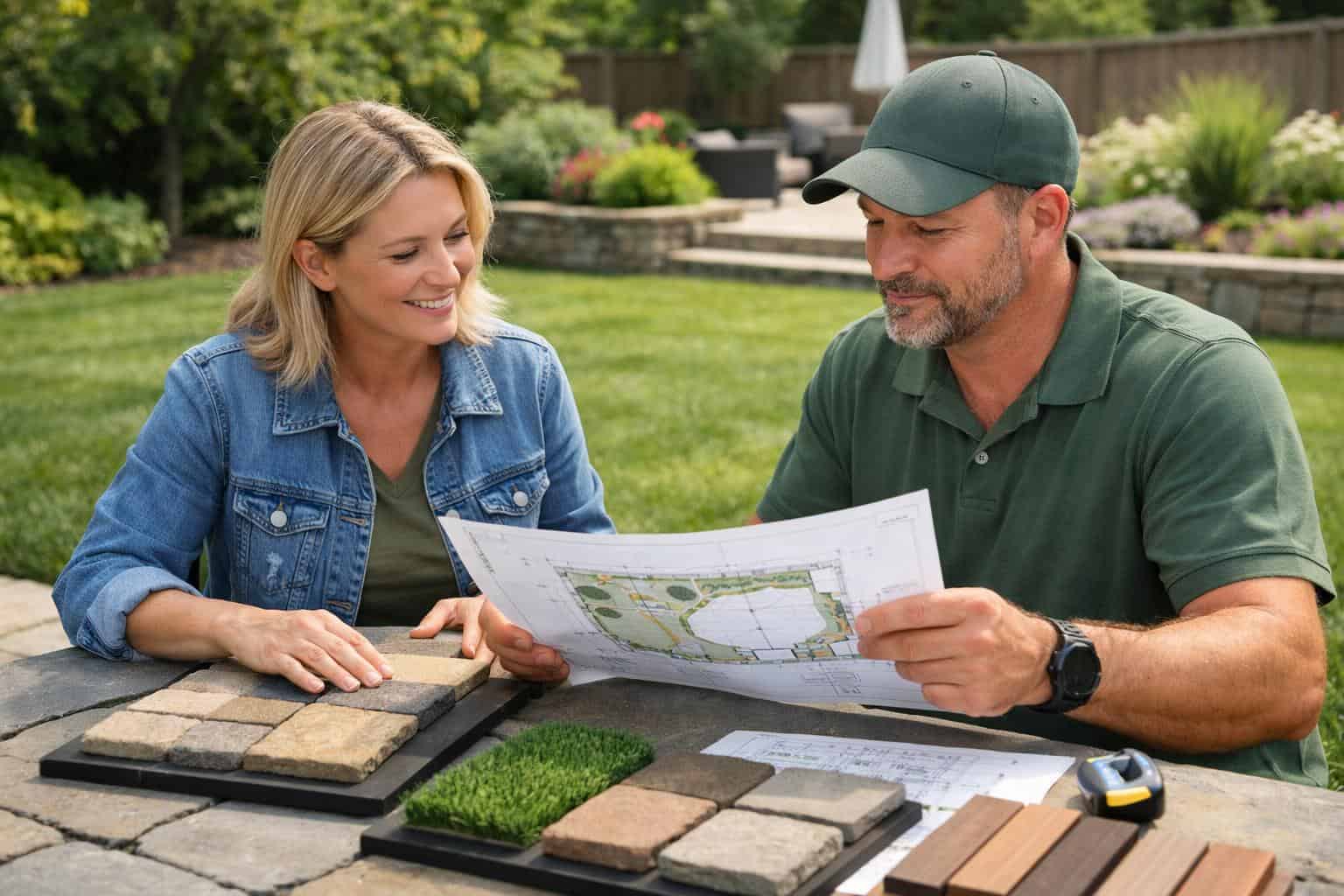
    Landscaping planning meeting focused on contract questions, scheduling, and what a proposal really includes.
    Payment structure and timeline details often tell homeowners as much about a quote as the total dollar amount.

    A strong quote should also make it clear how payments are structured and what the rough timeline looks like. Homeowners should understand what starts the project, what progress milestones trigger payment, and what could cause timing to shift. A rushed timeline can be unrealistic. A vague timeline can create frustration later.

    The what to expect during a landscaping project guide is a good companion here because it helps set realistic expectations around phases and disruption.

    Questions to ask before choosing a quote

    • What assumptions were made about site prep, drainage, and access?
    • Which materials are included, and which are allowances?
    • What parts of the work are explicitly excluded?
    • How is cleanup, haul-off, and final finish work handled?
    • What could change the final cost after the job starts?

    Homeowners usually make better decisions when they compare quotes slowly and line by line. The clearest proposal is not always the lowest one, but it is often the one that leads to fewer surprises and a better project experience.

    Related guide: Permits, approvals, and engineering assumptions can change how quotes should be compared. The Do You Need a Permit for Landscaping Projects Guide helps surface that part of the conversation early.


  • What to Expect During a Landscaping Project

    What to Expect During a Landscaping Project

    Many homeowners are comfortable choosing colors, materials, and general design ideas, but they still feel unsure about what a landscaping project will actually look like once work starts. That uncertainty is normal. Even a relatively simple project can involve deliveries, demolition, noise, dust, access changes, inspection points, weather delays, and decisions that have to be made quickly.

    This guide walks through the normal rhythm of a landscaping job so you know what to expect before the crew arrives. While every project is different, the same broad stages show up again and again: planning, site prep, installation, adjustments, cleanup, and handoff.

    Before the first workday

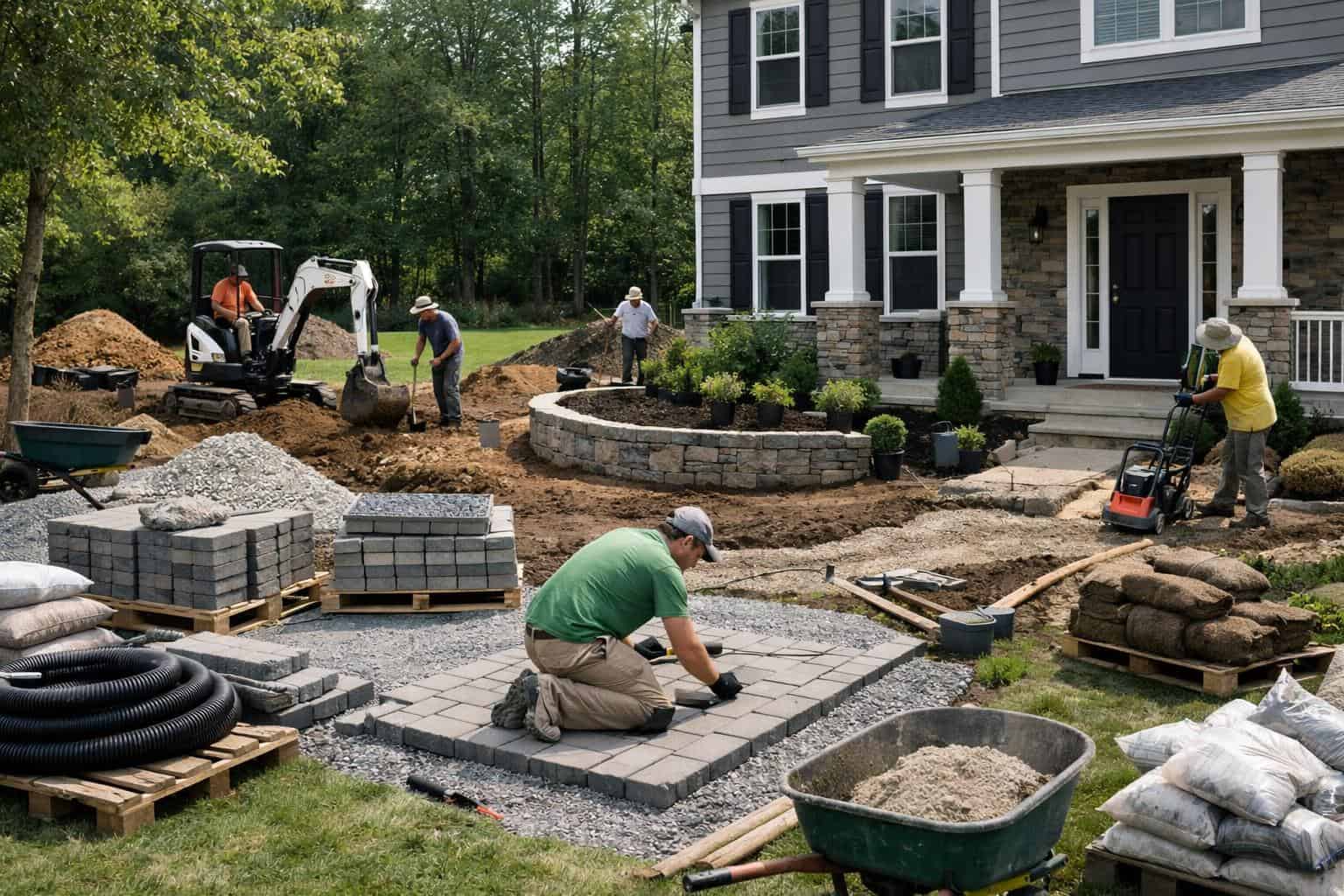
    How to Prepare for a Landscaping Crew Guide
    Preparing access, staging, and site expectations early makes the first landscaping workday less disruptive for homeowners.

    The project usually starts long before anyone unloads equipment. Measurements, material approvals, layout decisions, and scheduling all happen ahead of the first visible activity. Homeowners should expect a few details to be confirmed before work begins, especially on jobs involving concrete, drainage, retaining walls, patios, or irrigation changes.

    • Final scope and pricing should be clearly documented.
    • Material selections and finish choices should be confirmed.
    • Access points, parking, and staging areas should be discussed.
    • Any utility marking or permit needs should be addressed in advance.

    This is also the right moment to ask how communication will work during the job. Knowing who gives updates and who approves changes prevents confusion later.

    Site prep can look messy before it looks better

    The early stage of a landscaping project often looks worse before it looks better. Existing surfaces may be removed, planting beds may be stripped back, soil may be stockpiled, and materials may take over parts of the driveway or yard. That can feel disruptive, but it is usually a normal part of getting the site ready.

    Prep work may include demolition, excavation, rough grading, debris removal, base installation, layout marking, or protective measures for nearby surfaces. If the project involves hardscape work, this phase often determines how durable the finished installation will be.

    For homeowners comparing concrete work specifically, our step-by-step guide to concrete driveway installation shows how much of the long-term performance depends on preparation before the pour.

    Crews may work in phases rather than one continuous push

    Many homeowners picture landscaping as a straight line from start to finish, but real projects often move in stages. One crew may handle demolition or grading. Another may install drainage or irrigation. A finishing crew may handle concrete, pavers, planting, or lighting later.

    That means the site may appear quiet for short stretches while materials arrive, concrete cures, inspections happen, or the next phase is scheduled. Short pauses do not always mean the project is off track. What matters is whether the contractor communicates those pauses clearly.

    Expect decisions and adjustments along the way

    Even well-planned projects can uncover surprises once work begins. Soil conditions may be worse than expected. Drainage issues may be more obvious after excavation. Existing surfaces may reveal hidden thickness or base problems. Grades may need to be adjusted to make water move correctly.

    Good contractors bring those issues forward with options, not panic. They should explain what changed, why it matters, what it costs, and what happens if the issue is ignored. That is one reason our guide on questions to ask before hiring a landscaper emphasizes process and communication instead of price alone.

    How daily life may be affected during the job

    What to Expect During a Patio Project Guide
    Landscape projects often affect circulation, outdoor access, and the daily rhythm of the property while crews work in phases.

    The level of disruption depends on the scope, but homeowners should assume at least some temporary inconvenience. Depending on the project, that can include blocked access, noise, dust, crew vehicles, wet concrete, limited use of the yard, or areas that need to stay undisturbed for curing.

    • Driveways and approaches: may be unusable for a period of time.
    • Backyards: may have restricted access while excavation or installation is underway.
    • Pets and children: usually need extra supervision around active work zones.
    • Watering and irrigation: may need temporary changes if existing systems are being adjusted.

    Asking about those disruptions in advance makes it easier to plan around them instead of reacting mid-project.

    Weather and curing time are part of the real schedule

    Weather affects landscaping more than many homeowners expect. Rain can delay excavation, grading, planting, concrete placement, and sealants. High heat can change watering needs and curing schedules. Cold weather can affect concrete, adhesives, or some planting windows depending on the region.

    Even when the visible work is complete, a project may not be ready for full use immediately. Concrete needs curing time. New sod needs establishment. fresh plantings need irrigation attention. Sealers may need dry conditions. A realistic schedule accounts for those performance requirements, not just the last day a crew is physically present.

    The handoff matters as much as the build

    Before considering the job complete, homeowners should understand what was installed, what needs attention next, and what the contractor expects over the following days or weeks. A proper handoff should cover care instructions, cleanup expectations, and any limits on use.

    • When can the surface or yard be used normally?
    • What maintenance should happen in the first month?
    • Are there irrigation adjustments or watering instructions?
    • Which items are considered normal settling or curing behavior, and which should be reported?

    This is especially important for new hardscape and concrete work. Our article on concrete driveway maintenance and sealing is a good example of the kind of care guidance homeowners should receive after installation.

    What a smooth project usually feels like

    A well-run landscaping project does not have to be perfectly quiet or perfectly predictable. It should feel organized, communicative, and intentional. You should know what stage the job is in, what happens next, and who to talk to if something changes.

    That is often the biggest difference between a stressful project and a manageable one. When expectations are clear, even the inconvenient parts feel temporary and understandable instead of chaotic.

    Prep guide: Before work begins, the How to Prepare for a Landscaping Crew Guide can help reduce surprises around access, pets, and site use.


  • Questions to Ask Before Hiring a Landscaper

    Questions to Ask Before Hiring a Landscaper

    Hiring a landscaper is easier when you treat the first conversation as an interview instead of a sales pitch. Homeowners who ask better questions usually get better proposals, clearer timelines, and fewer surprises during the job. The goal is not to interrogate a contractor. It is to understand how they think, how they work, and whether they are a good fit for the scope you have in mind.

    That matters because landscaping projects often involve details that are easy to miss when comparing bids. Drainage, base preparation, cleanup expectations, protection of existing surfaces, schedule delays, and change-order handling can all affect the real outcome. A contractor who explains those items clearly is usually easier to work with than one who jumps straight to price.

    Start with questions about the contractor’s fit

    Before discussing exact materials or scheduling, ask whether the contractor regularly handles projects like yours. A company that mainly does lawn maintenance may not be the right fit for a retaining wall or driveway replacement. A crew that specializes in high-end design-build work may also not be the best match for a smaller practical cleanup project.

    • What types of projects do you handle most often?
    • How similar are those projects to mine?
    • Will you self-perform the work, subcontract parts of it, or coordinate multiple crews?
    • Who will be my day-to-day point of contact once the project starts?

    These questions help you understand whether the contractor’s expertise matches the job or whether they are stretching into unfamiliar territory.

    Ask how they evaluate the property

    Choosing the Right Contractor for a Concrete Driveway
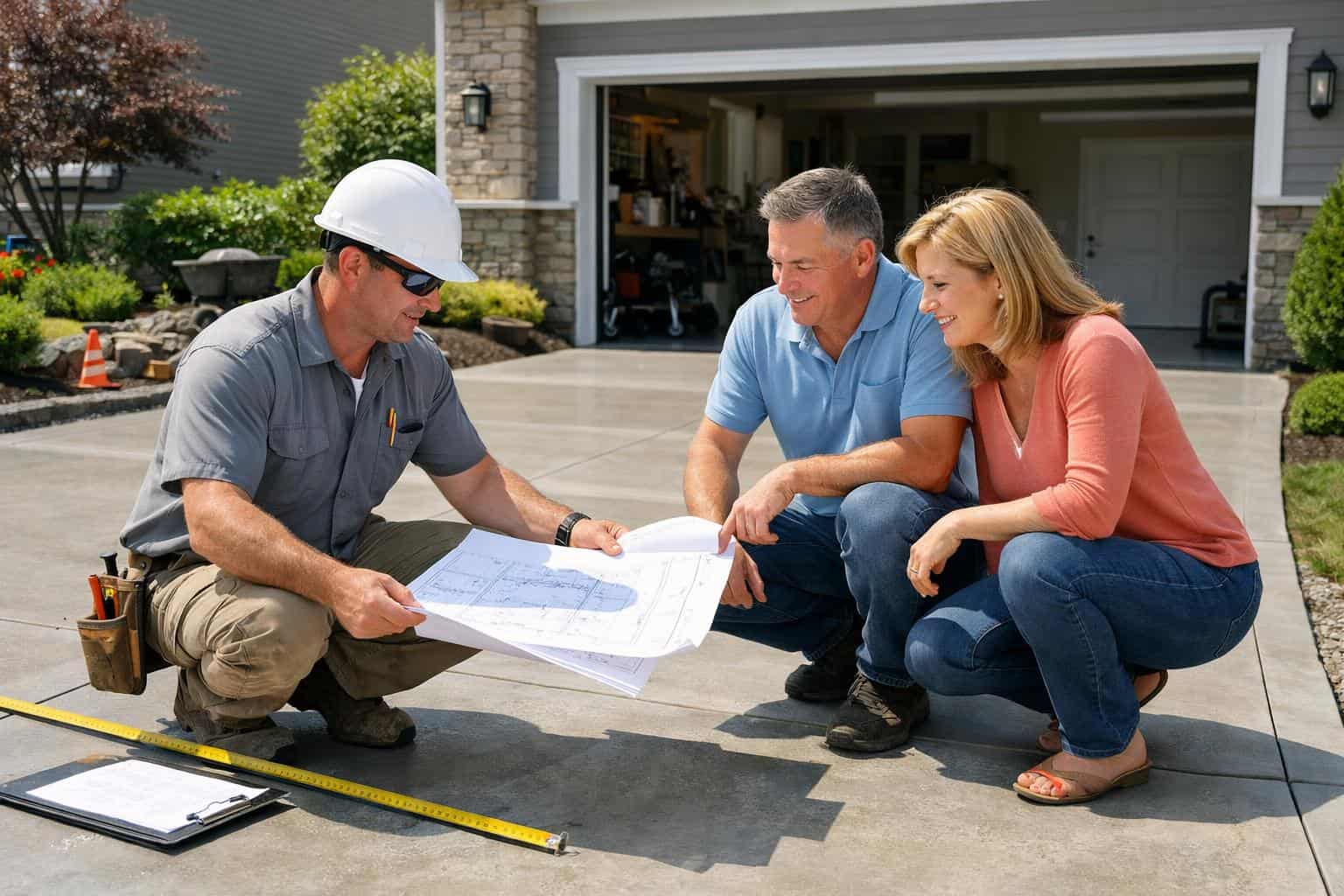
    A site walkthrough helps homeowners understand how a landscaper evaluates drainage, access, and project priorities before quoting.

    Strong contractors usually spend more time observing the property than talking about finishes. They should be paying attention to slope, drainage, access, measurements, existing conditions, and how the space is used. If a bid is produced without much site evaluation, that is worth noticing.

    • What site conditions stand out to you right away?
    • Do you see any drainage, grading, access, or base concerns?
    • What should be solved before cosmetic upgrades begin?
    • Are there any areas where you would recommend a different scope than what I originally requested?

    The most helpful answers are specific to your property. Generic answers often lead to generic execution.

    Clarify the scope in plain language

    One of the easiest ways to avoid disputes is to ask the contractor to describe the project in simple, practical terms. You want to know exactly what is included, what is not included, and what assumptions the bid depends on.

    • What does this price include from start to finish?
    • What prep work is included?
    • What materials, quantities, or thicknesses are assumed?
    • What cleanup and haul-off are included?
    • What would count as an additional charge later?

    This is especially important on hardscape projects. For example, our article on concrete driveway thickness shows how missing scope details can affect long-term performance, not just price.

    Understand their process before work begins

    Homeowners often focus on the finished look, but the process matters just as much. Ask how the work will unfold, how long each stage usually takes, and what needs to happen before crews arrive. That gives you a much better sense of whether the contractor has a repeatable system or is improvising.

    • What are the major phases of this job?
    • What happens before the first workday?
    • How do you handle materials delivery, staging, and site access?
    • What can delay the timeline, and how do you communicate delays?

    If you want a broader view of the homeowner side of the process, read what to expect during a landscaping project.

    Ask about quality control and workmanship

    Good contractors can usually explain why they build things a certain way. They can talk about compaction, drainage, joint placement, slope, plant spacing, irrigation coverage, or finish choices in a way that makes sense to a homeowner. You are not looking for perfect technical vocabulary. You are looking for clarity and confidence.

    • How do you make sure the finished project performs well over time?
    • What are the most common mistakes homeowners should avoid with this kind of project?
    • What details separate a durable installation from a rushed one?
    • What parts of the job deserve the closest attention during installation?

    Discuss scheduling and communication

    Communication problems create stress even when the physical work is acceptable. It helps to know how often you will hear updates, who approves changes, and how decisions are documented.

    • When could you realistically start?
    • How long should this job take in normal conditions?
    • How do you communicate weather delays, material changes, or hidden issues?
    • Who approves change orders and unexpected extra work?

    These questions become even more important on phased projects or jobs that affect access to the garage, yard, or front entry.

    Compare bids the smart way

    How to Compare Landscaping Quotes Guide for Homeowners
    Comparing landscaping quotes works better when homeowners line up scope, process, and communication expectations before price alone.

    The lowest bid is not automatically the best value, and the highest bid is not automatically the most thorough. When comparing estimates, look at what each contractor assumed about prep work, materials, cleanup, schedule, and problem-solving. Two prices can look close on paper while covering very different levels of work.

    A smart comparison focuses on:

    • scope completeness
    • material quality and quantities
    • base or prep assumptions
    • timeline clarity
    • warranty language
    • communication style and responsiveness

    If cost comparison is your main concern, our guide to landscaping costs for homeowners can help you judge proposals more realistically.

    Red flags worth noticing

    Not every concern shows up as a dramatic warning sign. Sometimes the issue is simply that the contractor stays vague whenever the conversation turns to process, scope, or site conditions.

    • They push for a quick deposit before clearly defining the job.
    • They avoid discussing drainage, prep work, or layout details.
    • They promise unusually fast completion without explaining how.
    • They cannot explain who will actually supervise the job.
    • They keep steering the conversation back to price instead of performance.

    What homeowners should remember

    The best hiring questions are the ones that reveal how a contractor thinks. Do they notice the right problems? Do they explain tradeoffs clearly? Do they set realistic expectations? Those are the signals that usually matter more than polished sales language.

    A good landscaper should help you make better decisions, not rush you into one. When you understand the scope, process, and expectations before signing anything, you put the whole project on much stronger footing from the start.

    Related guide: Once estimates start coming in, the How to Compare Landscaping Quotes Guide for Homeowners can help you evaluate scope and exclusions more confidently.


  • Choosing the Right Contractor for a Concrete Driveway

    Choosing the Right Contractor for a Concrete Driveway

    Image

    A concrete driveway is not a small cosmetic upgrade. It is a permanent, load-bearing structure that affects curb appeal, drainage, daily use, and property value. Homeowners often underestimate how many decisions—and risks—are involved before concrete is even poured.

    This guide walks through how a typical homeowner should approach hiring a contractor for a concrete driveway, what to look for, what services to expect, design considerations, and how to avoid costly mistakes. It is written as a one-stop reference and intended to serve as pillar content, with clear opportunities to branch into supporting articles.


    Step 1: Defining the Project Before Calling Contractors

    Before contacting any contractor, homeowners should have a rough idea of what they want. This does not require technical knowledge, but clarity helps avoid vague quotes and change orders later.

    Key questions to answer upfront:

    • Is this a replacement or a brand-new driveway?
    • Will the driveway be standard broom finish, decorative, or exposed?
    • Are there drainage issues, slope concerns, or pooling water?
    • Will it support heavy vehicles (trucks, RVs, trailers)?
    • Are permits likely required in the city or county?

    Even simple answers help contractors provide realistic proposals instead of guesswork pricing.


    Step 2: Finding and Shortlisting Contractors

    Most homeowners start with:

    • Google search
    • Google Maps listings
    • Referrals from neighbors
    • Local contractor websites

    At this stage, quantity matters less than quality. Narrow the list to 3–5 contractors that specialize in concrete flatwork, not general “handyman” services.

    Red flag early on

    If a contractor:

    • Cannot clearly explain their concrete process
    • Avoids written estimates
    • Pushes for cash only
    • Cannot show recent driveway work

    Move on.


    Step 3: Verifying License, Bond, and Insurance (Non-Negotiable)

    This is where many homeowners cut corners—and regret it later.

    What to verify

    • Contractor license
      Confirms the contractor is legally allowed to perform concrete work in your state.
    • Bond
      Protects the homeowner if the contractor fails to complete the job or violates contract terms.
    • General liability insurance
      Covers damage to property, utilities, or neighboring structures.
    • Workers’ compensation insurance
      Prevents homeowner liability if a worker is injured on site.

    A legitimate contractor will provide this information without hesitation. If they resist, that is your answer.


    Step 4: Understanding What Services a Concrete Driveway Contractor Should Provide

    A professional driveway contractor does more than “pour concrete.”

    Core services you should expect

    • Site evaluation and measurement
    • Removal of existing driveway (if applicable)
    • Proper subgrade preparation and compaction
    • Base material installation (gravel or crushed rock)
    • Forming and edge control
    • Reinforcement (rebar or wire mesh where appropriate)
    • Concrete placement and finishing
    • Control joints or saw-cut joints
    • Cleanup and disposal
    • Final walkthrough

    If these steps are not clearly explained in the estimate, the contractor may be cutting corners.


    Step 5: Subgrade and Base Preparation — The Most Ignored Step

    Concrete does not fail because it is weak. It fails because what is under it was done poorly.

    A quality contractor will:

    • Excavate to proper depth
    • Compact native soil
    • Install and compact base material in lifts
    • Address soft spots or expansive soils
    • Plan drainage flow away from the slab

    Homeowners should ask directly:

    “How do you prepare the base before pouring concrete?”

    If the answer is vague, be cautious.


    Step 6: Concrete Thickness, Reinforcement, and Load Expectations

    Not all driveways are equal.

    Key considerations:

    • Typical residential thickness: 4 inches
    • Heavy vehicle or commercial use: 5–6 inches
    • Reinforcement options:
      • Rebar
      • Wire mesh
      • Fiber-reinforced concrete (supplemental, not a replacement)

    A good contractor explains why they recommend a certain thickness or reinforcement—not just what they use by default.


    Step 7: Driveway Design Options (Functional First, Decorative Second)

    Most homeowners think design means stamped concrete. In reality, design starts with layout.

    Choosing the Right Contractor for a Concrete Driveway related example showing Concrete, paver, and stone outdoor surfaces showing common patio and walkway material choices for homeowners
    This patio example gives homeowners a visual reference for comparing layout, materials, and maintenance tradeoffs before starting the project.

    Functional design decisions

    • Driveway width and turning radius
    • Approach slope to garage
    • Drainage channels or swales
    • Walkway integration
    • RV or side parking pads

    Finish and aesthetic options

    • Broom finish (most common and practical)
    • Light texture or salt finish
    • Colored concrete
    • Stamped or decorative borders
    • Exposed aggregate

    A responsible contractor will explain maintenance, slip resistance, and long-term durability—not just appearance.


    Step 8: Permits, Inspections, and Local Codes

    Many municipalities require permits for:

    • Driveway replacements
    • Curb cuts
    • Drainage modifications
    • Public sidewalk tie-ins

    Homeowners should clarify:

    • Who pulls the permit?
    • Are inspections required?
    • Are city fees included in the estimate?

    If a contractor suggests skipping permits “to save time,” that is a liability risk for the homeowner.


    Step 9: Timeline, Scheduling, and Weather Realities

    Concrete is weather-sensitive.

    A realistic contractor will:

    • Provide a general timeline (not rigid promises)
    • Schedule pours based on temperature and conditions
    • Explain curing time and access restrictions
    • Provide guidance on when vehicles can return

    Expect transparency, not guarantees that ignore weather.


    Step 10: Warranty, Maintenance, and What Comes After the Pour

    Concrete is durable, but not maintenance-free.

    Ask about:

    • Workmanship warranty
    • Crack expectations (concrete cracks—control is the goal)
    • Sealing recommendations
    • Cleaning and care instructions

    A professional contractor educates homeowners on long-term care instead of overselling “crack-proof” claims.


    Common Mistakes Homeowners Make

    • Choosing the lowest bid without understanding scope
    • Ignoring base preparation details
    • Not verifying license and insurance
    • Focusing only on finish, not structure
    • Allowing rushed pours without proper prep

    A driveway should last decades. Cutting corners upfront shortens that lifespan dramatically.


    Final Thoughts: Choosing Confidence Over Convenience

    Hiring a concrete driveway contractor is not about speed or price alone. It is about choosing a professional who understands structure, drainage, code compliance, and long-term performance.

    Homeowners who ask the right questions, verify credentials, and understand the process end up with a driveway that performs as well as it looks.


    SEO-Ready Supporting Articles (Internal Linking Opportunities)

    This pillar page can link to deeper supporting content, such as:

    • “Concrete Driveway Installation Process Explained Step-by-Step”
    • “Concrete Driveway Thickness: What Homeowners Really Need”
    • “Broom Finish vs Stamped Concrete Driveways”
    • “Why Concrete Driveways Crack and How Contractors Control It”
    • “How Long Does a Concrete Driveway Last?”
    • “Concrete Driveway Maintenance and Sealing Guide”
    • “Replacing an Old Driveway vs Pouring New Concrete”

    Plan the Bigger Project

    Concrete work is often just one part of a broader exterior upgrade. If you are still mapping out the full project, also read our landscaping services guide, questions to ask before hiring a landscaper, what to expect during a landscaping project, and our landscaping costs guide for homeowners.