Hiring and Planning

Hiring and planning guides that help homeowners compare contractors, ask better questions, and understand project expectations before work begins.

Start with the service type

Landscaping Services Guideposts

Use these guides to understand what each service includes before comparing providers or requesting quotes.

Core service explainers

Start here when you are still deciding what kind of landscaper or outdoor contractor you need.

Compare before you hire

Use these pages when two services or surface choices sound similar but lead to different scopes.

Hire smarter

Planning And Contractor Comparison

Use this hub when you are moving from ideas into estimates, bids, and contractor conversations.

Before requesting estimates

These guides help define scope and compare companies before the first site visit.

Budget with better assumptions

Cost Guides And Calculators

Use this hub to move from rough budget ranges into the details that usually change quotes.

Calculator starting points

Open the calculator hub or a cost guide when you need a quick planning range.

High-impact cost decisions

These pages help compare choices where price, lifespan, and maintenance tradeoffs matter.

Understand the build

Installation And Site-Work Pathways

Use these guides to understand sequencing, site prep, access, and the details that affect long-term performance.

Hardscape and site prep

These projects often depend on base prep, demolition, grading, drainage, and access.

Drainage and retaining work

Use these when water, grade, or slope stability is part of the project.

Choose materials with ownership in mind

Material And Finish Decision Paths

Use these guides when appearance, maintenance, replacement, and budget all affect the right material choice.

Surface and finish comparisons

Compare outdoor surfaces before committing to a driveway, patio, or lawn direction.

Landscape material planning

Use these pages when quantity, delivery, or long-term maintenance are the main concern.

Protect the investment

Maintenance And Ownership Next Steps

Use these guides to understand ongoing care, seasonal refreshes, and when maintenance points to a bigger fix.

Maintenance planning

These guides help compare recurring service, seasonal work, and refresh projects.

When upkeep becomes repair

Use these when repeated maintenance problems suggest drainage, surface, or material issues.

  • Outdoor Kitchen Lighting Zone Guide

    Outdoor Kitchen Lighting Zone Guide

    Outdoor Kitchen Lighting Zone helps homeowners make a more specific landscaping decision before requesting estimates or buying materials. The best choice usually depends on task lighting, dining light, and safety, not just how the project looks in an inspiration photo.

    Why this decision matters

    This detail can affect cost, maintenance, comfort, and how well the finished yard works after installation. Thinking through it early helps avoid rework and keeps the project aligned with how the space will actually be used.

    What to compare before choosing

    Compare the site conditions, available space, material behavior, and long-term upkeep. A choice that looks simple on day one can become expensive if it creates drainage, access, pruning, cleaning, or replacement problems later.

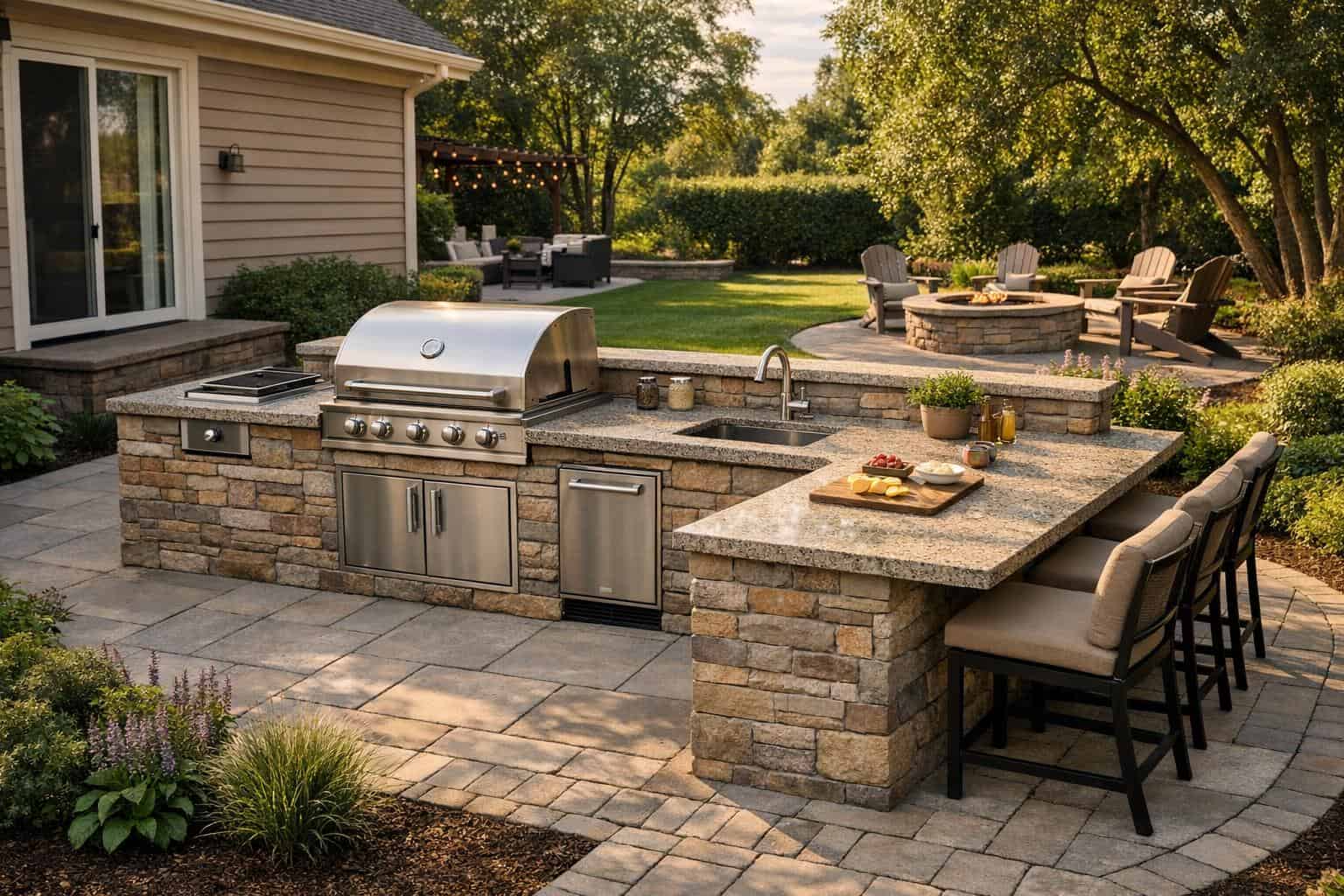
    Outdoor Kitchen Lighting Zone Guide related example showing Outdoor kitchen construction detail relevant to utility work, finish scope, and quote comparison for homeowners
    This outdoor kitchen example gives homeowners a visual reference for comparing layout, materials, and maintenance tradeoffs before starting the project.

    Questions to ask a landscaper

    • What would you recommend for this exact location, and why?
    • What maintenance should I expect after the work is complete?
    • Are there cheaper options that would still perform well?
    • What problems do you see homeowners run into with this choice?

    How this fits into the bigger project

    Use this guide alongside the Outdoor Kitchen Guide for Homeowners so the detail supports the broader layout, budget, and maintenance plan.

    Outdoor Kitchen Lighting Zone Guide related example showing Residential outdoor kitchen with grill, counters, patio, and features that affect project cost
    This related outdoor kitchen detail helps show how site conditions and finish choices can change the homeowner's plan.

    What homeowners should remember

    The best outdoor kitchen lighting zones choice is the one that supports support cooking and cleanup without overlighting the whole patio while staying realistic about cost, care, and the conditions already present in the yard.

  • Outdoor Kitchen Shade and Heat Guide

    Outdoor Kitchen Shade and Heat Guide

    Outdoor Kitchen Shade and Heat helps homeowners make a more specific landscaping decision before requesting estimates or buying materials. The best choice usually depends on sun angle, grill heat, and seating comfort, not just how the project looks in an inspiration photo.

    Why this decision matters

    This detail can affect cost, maintenance, comfort, and how well the finished yard works after installation. Thinking through it early helps avoid rework and keeps the project aligned with how the space will actually be used.

    What to compare before choosing

    Compare the site conditions, available space, material behavior, and long-term upkeep. A choice that looks simple on day one can become expensive if it creates drainage, access, pruning, cleaning, or replacement problems later.

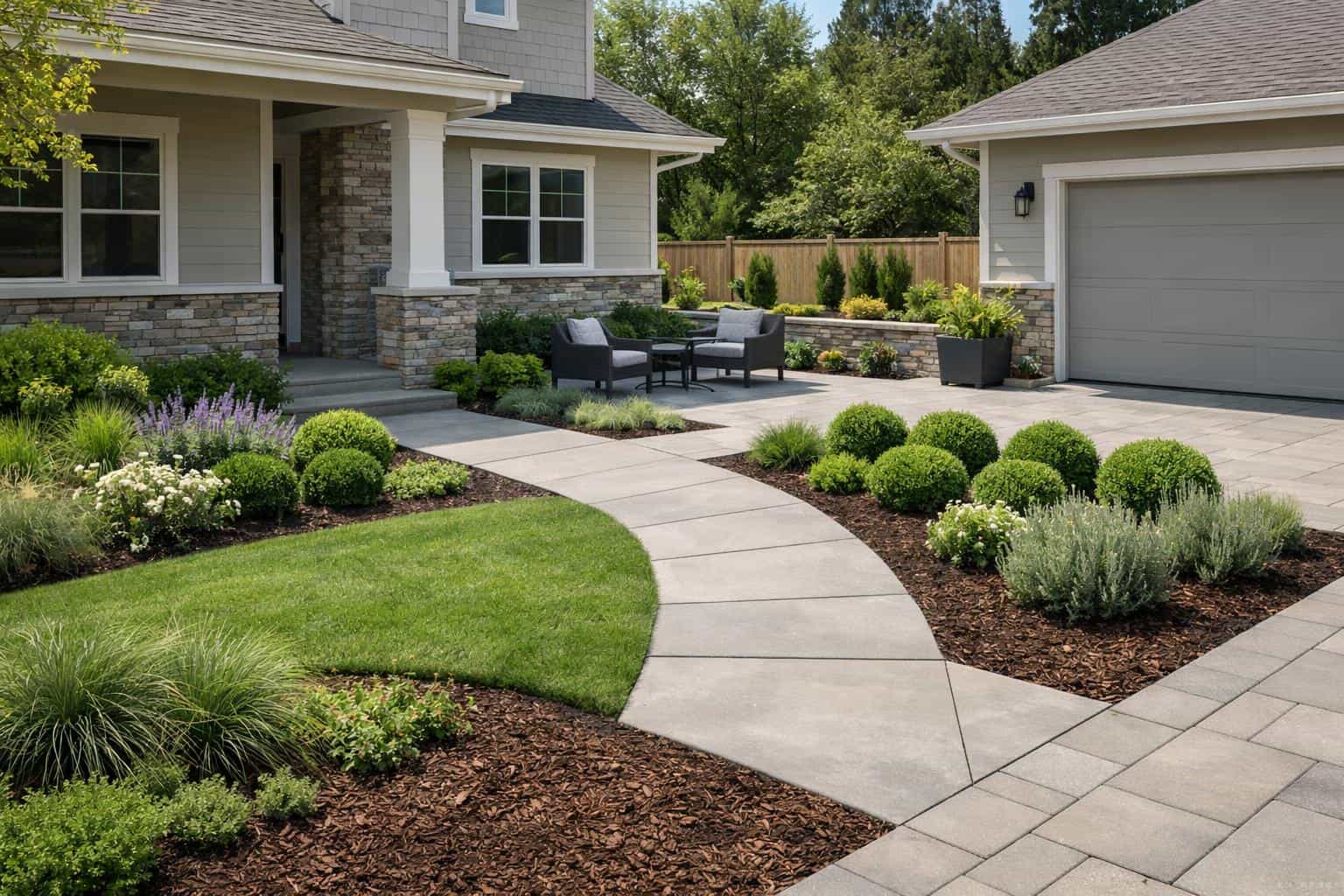
    Outdoor Kitchen Shade and Heat Guide related example showing Outdoor kitchen construction detail relevant to utility work, finish scope, and quote comparison for homeowners
    This outdoor kitchen example gives homeowners a visual reference for comparing layout, materials, and maintenance tradeoffs before starting the project.

    Questions to ask a landscaper

    • What would you recommend for this exact location, and why?
    • What maintenance should I expect after the work is complete?
    • Are there cheaper options that would still perform well?
    • What problems do you see homeowners run into with this choice?

    How this fits into the bigger project

    Use this guide alongside the Outdoor Kitchen Guide for Homeowners so the detail supports the broader layout, budget, and maintenance plan.

    Outdoor Kitchen Shade and Heat Guide related example showing Residential outdoor kitchen with grill, counters, patio, and features that affect project cost
    This related outdoor kitchen detail helps show how site conditions and finish choices can change the homeowner's plan.

    What homeowners should remember

    The best outdoor kitchen shade and heat choice is the one that supports make the cooking area usable during hot parts of the day while staying realistic about cost, care, and the conditions already present in the yard.

  • Outdoor Kitchen Traffic Flow Guide

    Outdoor Kitchen Traffic Flow Guide

    Outdoor Kitchen Traffic Flow helps homeowners make a more specific landscaping decision before requesting estimates or buying materials. The best choice usually depends on guest movement, cooking zones, and dining access, not just how the project looks in an inspiration photo.

    Why this decision matters

    This detail can affect cost, maintenance, comfort, and how well the finished yard works after installation. Thinking through it early helps avoid rework and keeps the project aligned with how the space will actually be used.

    What to compare before choosing

    Compare the site conditions, available space, material behavior, and long-term upkeep. A choice that looks simple on day one can become expensive if it creates drainage, access, pruning, cleaning, or replacement problems later.

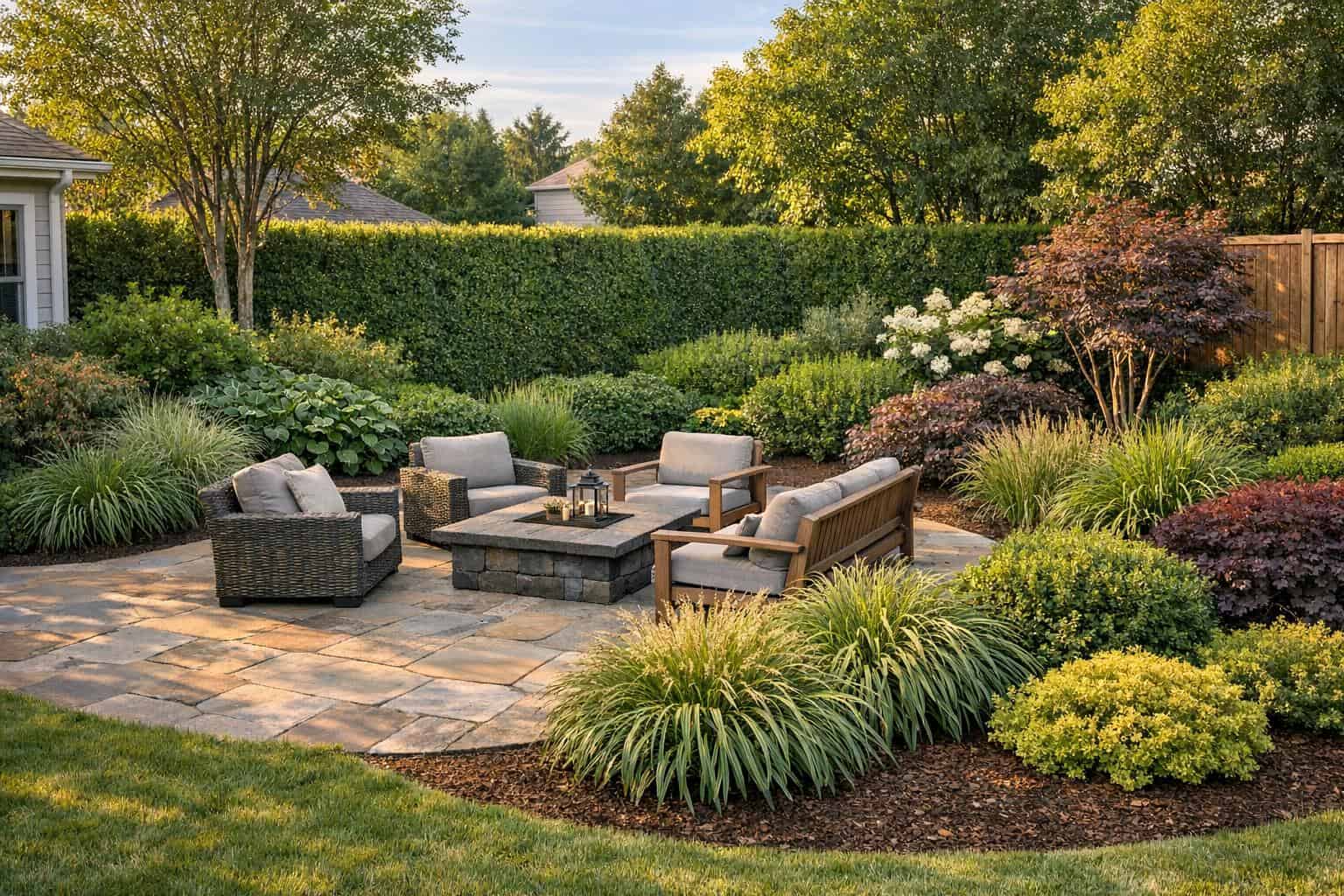
    Outdoor Kitchen Traffic Flow Guide related example showing Outdoor kitchen construction detail relevant to utility work, finish scope, and quote comparison for homeowners
    This outdoor kitchen example gives homeowners a visual reference for comparing layout, materials, and maintenance tradeoffs before starting the project.

    Questions to ask a landscaper

    • What would you recommend for this exact location, and why?
    • What maintenance should I expect after the work is complete?
    • Are there cheaper options that would still perform well?
    • What problems do you see homeowners run into with this choice?

    How this fits into the bigger project

    Use this guide alongside the Outdoor Kitchen Guide for Homeowners so the detail supports the broader layout, budget, and maintenance plan.

    Outdoor Kitchen Traffic Flow Guide related example showing Residential outdoor kitchen with grill, counters, patio, and features that affect project cost
    This related outdoor kitchen detail helps show how site conditions and finish choices can change the homeowner's plan.

    What homeowners should remember

    The best outdoor kitchen traffic flow choice is the one that supports keep cooks, guests, and serving paths from colliding while staying realistic about cost, care, and the conditions already present in the yard.


  • Low-Maintenance Shrub Spacing Guide

    Low-Maintenance Shrub Spacing Guide

    Low-Maintenance Shrub Spacing helps homeowners make a more specific landscaping decision before requesting estimates or buying materials. The best choice usually depends on mature size, pruning needs, and bed coverage, not just how the project looks in an inspiration photo.

    Why this decision matters

    This detail can affect cost, maintenance, comfort, and how well the finished yard works after installation. Thinking through it early helps avoid rework and keeps the project aligned with how the space will actually be used.

    What to compare before choosing

    Compare the site conditions, available space, material behavior, and long-term upkeep. A choice that looks simple on day one can become expensive if it creates drainage, access, pruning, cleaning, or replacement problems later.

    Low-Maintenance Shrub Spacing Guide related example showing Groundcover and hardscape materials relevant to comparing real long-term maintenance demands
    This low maintenance example gives homeowners a visual reference for comparing layout, materials, and maintenance tradeoffs before starting the project.

    Questions to ask a landscaper

    • What would you recommend for this exact location, and why?
    • What maintenance should I expect after the work is complete?
    • Are there cheaper options that would still perform well?
    • What problems do you see homeowners run into with this choice?

    How this fits into the bigger project

    Use this guide alongside the Low-Maintenance Landscaping Guide for Homeowners so the detail supports the broader layout, budget, and maintenance plan.

    Low-Maintenance Shrub Spacing Guide related example showing Low-water landscape bed materials including rock and mulch relevant to drought-conscious groundcover selection
    This related low maintenance detail helps show how site conditions and finish choices can change the homeowner's plan.

    What homeowners should remember

    The best low-maintenance shrub spacing choice is the one that supports space shrubs for future size instead of constant trimming while staying realistic about cost, care, and the conditions already present in the yard.


  • Low-Maintenance Front Yard Native Planting Guide

    Low-Maintenance Front Yard Native Planting Guide

    Low-Maintenance Front Yard Native Planting helps homeowners make a more specific landscaping decision before requesting estimates or buying materials. The best choice usually depends on site fit, seasonal appearance, and upkeep, not just how the project looks in an inspiration photo.

    Why this decision matters

    This detail can affect cost, maintenance, comfort, and how well the finished yard works after installation. Thinking through it early helps avoid rework and keeps the project aligned with how the space will actually be used.

    What to compare before choosing

    Compare the site conditions, available space, material behavior, and long-term upkeep. A choice that looks simple on day one can become expensive if it creates drainage, access, pruning, cleaning, or replacement problems later.

    Low-Maintenance Front Yard Native Planting Guide related example showing Groundcover and hardscape materials relevant to comparing real long-term maintenance demands
    This low maintenance example gives homeowners a visual reference for comparing layout, materials, and maintenance tradeoffs before starting the project.

    Questions to ask a landscaper

    • What would you recommend for this exact location, and why?
    • What maintenance should I expect after the work is complete?
    • Are there cheaper options that would still perform well?
    • What problems do you see homeowners run into with this choice?

    How this fits into the bigger project

    Use this guide alongside the Low-Maintenance Landscaping Guide for Homeowners so the detail supports the broader layout, budget, and maintenance plan.

    Low-Maintenance Front Yard Native Planting Guide related example showing Low-water landscape bed materials including rock and mulch relevant to drought-conscious groundcover selection
    This related low maintenance detail helps show how site conditions and finish choices can change the homeowner's plan.

    What homeowners should remember

    The best native planting for low-maintenance front yards choice is the one that supports use native plants in a way that still looks intentional from the street while staying realistic about cost, care, and the conditions already present in the yard.


  • Evergreen Screen Fence Offset Guide

    Evergreen Screen Fence Offset Guide

    Evergreen Screen Fence Offset helps homeowners make a more specific landscaping decision before requesting estimates or buying materials. The best choice usually depends on spacing from fences, airflow, and future pruning, not just how the project looks in an inspiration photo.

    Why this decision matters

    This detail can affect cost, maintenance, comfort, and how well the finished yard works after installation. Thinking through it early helps avoid rework and keeps the project aligned with how the space will actually be used.

    What to compare before choosing

    Compare the site conditions, available space, material behavior, and long-term upkeep. A choice that looks simple on day one can become expensive if it creates drainage, access, pruning, cleaning, or replacement problems later.

    Evergreen Screen Fence Offset Guide related example showing Layered privacy landscaping with screening plants, mulch beds, and fence-line layout detail
    This evergreen example gives homeowners a visual reference for comparing layout, materials, and maintenance tradeoffs before starting the project.

    Questions to ask a landscaper

    • What would you recommend for this exact location, and why?
    • What maintenance should I expect after the work is complete?
    • Are there cheaper options that would still perform well?
    • What problems do you see homeowners run into with this choice?

    How this fits into the bigger project

    Use this guide alongside the Evergreen Screen Ideas Guide for Homeowners so the detail supports the broader layout, budget, and maintenance plan.

    Evergreen Screen Fence Offset Guide related example showing Residential privacy landscaping scene with layered screening plants, planting beds, and fence line context
    This related evergreen detail helps show how site conditions and finish choices can change the homeowner's plan.

    What homeowners should remember

    The best evergreen screen fence offset choice is the one that supports plant far enough from the fence for growth and care while staying realistic about cost, care, and the conditions already present in the yard.


  • Evergreen Screen Winter Browning Guide

    Evergreen Screen Winter Browning Guide

    Evergreen Screen Winter Browning helps homeowners make a more specific landscaping decision before requesting estimates or buying materials. The best choice usually depends on wind exposure, watering, and plant stress, not just how the project looks in an inspiration photo.

    Why this decision matters

    This detail can affect cost, maintenance, comfort, and how well the finished yard works after installation. Thinking through it early helps avoid rework and keeps the project aligned with how the space will actually be used.

    What to compare before choosing

    Compare the site conditions, available space, material behavior, and long-term upkeep. A choice that looks simple on day one can become expensive if it creates drainage, access, pruning, cleaning, or replacement problems later.

    Evergreen Screen Winter Browning Guide related example showing Layered privacy landscaping with screening plants, mulch beds, and fence-line layout detail
    This evergreen example gives homeowners a visual reference for comparing layout, materials, and maintenance tradeoffs before starting the project.

    Questions to ask a landscaper

    • What would you recommend for this exact location, and why?
    • What maintenance should I expect after the work is complete?
    • Are there cheaper options that would still perform well?
    • What problems do you see homeowners run into with this choice?

    How this fits into the bigger project

    Use this guide alongside the Evergreen Screen Ideas Guide for Homeowners so the detail supports the broader layout, budget, and maintenance plan.

    Evergreen Screen Winter Browning Guide related example showing Residential privacy landscaping scene with layered screening plants, planting beds, and fence line context
    This related evergreen detail helps show how site conditions and finish choices can change the homeowner's plan.

    What homeowners should remember

    The best evergreen screen winter browning choice is the one that supports understand whether browning is seasonal stress or a bigger health problem while staying realistic about cost, care, and the conditions already present in the yard.


  • Evergreen Screen Replacement Phasing Guide

    Evergreen Screen Replacement Phasing Guide

    Evergreen Screen Replacement Phasing helps homeowners make a more specific landscaping decision before requesting estimates or buying materials. The best choice usually depends on privacy gaps, budget, and plant establishment, not just how the project looks in an inspiration photo.

    Why this decision matters

    This detail can affect cost, maintenance, comfort, and how well the finished yard works after installation. Thinking through it early helps avoid rework and keeps the project aligned with how the space will actually be used.

    What to compare before choosing

    Compare the site conditions, available space, material behavior, and long-term upkeep. A choice that looks simple on day one can become expensive if it creates drainage, access, pruning, cleaning, or replacement problems later.

    Evergreen Screen Replacement Phasing Guide related example showing Layered privacy landscaping with screening plants, mulch beds, and fence-line layout detail
    This evergreen example gives homeowners a visual reference for comparing layout, materials, and maintenance tradeoffs before starting the project.

    Questions to ask a landscaper

    • What would you recommend for this exact location, and why?
    • What maintenance should I expect after the work is complete?
    • Are there cheaper options that would still perform well?
    • What problems do you see homeowners run into with this choice?

    How this fits into the bigger project

    Use this guide alongside the Evergreen Screen Ideas Guide for Homeowners so the detail supports the broader layout, budget, and maintenance plan.

    Evergreen Screen Replacement Phasing Guide related example showing Residential privacy landscaping scene with layered screening plants, planting beds, and fence line context
    This related evergreen detail helps show how site conditions and finish choices can change the homeowner's plan.

    What homeowners should remember

    The best evergreen screen replacement phasing choice is the one that supports replace a failing screen without losing all privacy at once while staying realistic about cost, care, and the conditions already present in the yard.


  • Evergreen Screen Mixed Species Guide

    Evergreen Screen Mixed Species Guide

    Evergreen Screen Mixed Species helps homeowners make a more specific landscaping decision before requesting estimates or buying materials. The best choice usually depends on resilience, rhythm, and visual consistency, not just how the project looks in an inspiration photo.

    Why this decision matters

    This detail can affect cost, maintenance, comfort, and how well the finished yard works after installation. Thinking through it early helps avoid rework and keeps the project aligned with how the space will actually be used.

    What to compare before choosing

    Compare the site conditions, available space, material behavior, and long-term upkeep. A choice that looks simple on day one can become expensive if it creates drainage, access, pruning, cleaning, or replacement problems later.

    Evergreen Screen Mixed Species Guide related example showing Layered privacy landscaping with screening plants, mulch beds, and fence-line layout detail
    This evergreen example gives homeowners a visual reference for comparing layout, materials, and maintenance tradeoffs before starting the project.

    Questions to ask a landscaper

    • What would you recommend for this exact location, and why?
    • What maintenance should I expect after the work is complete?
    • Are there cheaper options that would still perform well?
    • What problems do you see homeowners run into with this choice?

    How this fits into the bigger project

    Use this guide alongside the Evergreen Screen Ideas Guide for Homeowners so the detail supports the broader layout, budget, and maintenance plan.

    Evergreen Screen Mixed Species Guide related example showing Residential privacy landscaping scene with layered screening plants, planting beds, and fence line context
    This related evergreen detail helps show how site conditions and finish choices can change the homeowner's plan.

    What homeowners should remember

    The best mixed species evergreen screen choice is the one that supports avoid a screen that fails all at once from one pest or disease issue while staying realistic about cost, care, and the conditions already present in the yard.


  • Evergreen Screen Narrow Space Planting Guide

    Evergreen Screen Narrow Space Planting Guide

    Evergreen Screen Narrow Space Planting helps homeowners make a more specific landscaping decision before requesting estimates or buying materials. The best choice usually depends on mature width, access, and upright forms, not just how the project looks in an inspiration photo.

    Why this decision matters

    This detail can affect cost, maintenance, comfort, and how well the finished yard works after installation. Thinking through it early helps avoid rework and keeps the project aligned with how the space will actually be used.

    What to compare before choosing

    Compare the site conditions, available space, material behavior, and long-term upkeep. A choice that looks simple on day one can become expensive if it creates drainage, access, pruning, cleaning, or replacement problems later.

    Evergreen Screen Narrow Space Planting Guide related example showing Layered privacy landscaping with screening plants, mulch beds, and fence-line layout detail
    This evergreen example gives homeowners a visual reference for comparing layout, materials, and maintenance tradeoffs before starting the project.

    Questions to ask a landscaper

    • What would you recommend for this exact location, and why?
    • What maintenance should I expect after the work is complete?
    • Are there cheaper options that would still perform well?
    • What problems do you see homeowners run into with this choice?

    How this fits into the bigger project

    Use this guide alongside the Evergreen Screen Ideas Guide for Homeowners so the detail supports the broader layout, budget, and maintenance plan.

    Evergreen Screen Narrow Space Planting Guide related example showing Residential privacy landscaping scene with layered screening plants, planting beds, and fence line context
    This related evergreen detail helps show how site conditions and finish choices can change the homeowner's plan.

    What homeowners should remember

    The best narrow evergreen screen planting choice is the one that supports build privacy in tight spaces without choosing plants that get too wide while staying realistic about cost, care, and the conditions already present in the yard.