Hiring and Planning

Hiring and planning guides that help homeowners compare contractors, ask better questions, and understand project expectations before work begins.

Start with the service type

Landscaping Services Guideposts

Use these guides to understand what each service includes before comparing providers or requesting quotes.

Core service explainers

Start here when you are still deciding what kind of landscaper or outdoor contractor you need.

Compare before you hire

Use these pages when two services or surface choices sound similar but lead to different scopes.

Hire smarter

Planning And Contractor Comparison

Use this hub when you are moving from ideas into estimates, bids, and contractor conversations.

Before requesting estimates

These guides help define scope and compare companies before the first site visit.

Budget with better assumptions

Cost Guides And Calculators

Use this hub to move from rough budget ranges into the details that usually change quotes.

Calculator starting points

Open the calculator hub or a cost guide when you need a quick planning range.

High-impact cost decisions

These pages help compare choices where price, lifespan, and maintenance tradeoffs matter.

Understand the build

Installation And Site-Work Pathways

Use these guides to understand sequencing, site prep, access, and the details that affect long-term performance.

Hardscape and site prep

These projects often depend on base prep, demolition, grading, drainage, and access.

Drainage and retaining work

Use these when water, grade, or slope stability is part of the project.

Choose materials with ownership in mind

Material And Finish Decision Paths

Use these guides when appearance, maintenance, replacement, and budget all affect the right material choice.

Surface and finish comparisons

Compare outdoor surfaces before committing to a driveway, patio, or lawn direction.

Landscape material planning

Use these pages when quantity, delivery, or long-term maintenance are the main concern.

Protect the investment

Maintenance And Ownership Next Steps

Use these guides to understand ongoing care, seasonal refreshes, and when maintenance points to a bigger fix.

Maintenance planning

These guides help compare recurring service, seasonal work, and refresh projects.

When upkeep becomes repair

Use these when repeated maintenance problems suggest drainage, surface, or material issues.

  • Privacy Screening for Hot Tubs Guide

    Privacy Screening for Hot Tubs Guide

    Privacy Screening for Hot Tubs helps homeowners make a more specific landscaping decision before requesting estimates or buying materials. The best choice usually depends on sightlines, access, and year-round enclosure, not just how the project looks in an inspiration photo.

    Why this decision matters

    This detail can affect cost, maintenance, comfort, and how well the finished yard works after installation. Thinking through it early helps avoid rework and keeps the project aligned with how the space will actually be used.

    What to compare before choosing

    Compare the site conditions, available space, material behavior, and long-term upkeep. A choice that looks simple on day one can become expensive if it creates drainage, access, pruning, cleaning, or replacement problems later.

    Privacy Screening for Hot Tubs Guide related example showing Layered privacy landscaping with screening plants, mulch beds, and fence-line layout detail
    This privacy example gives homeowners a visual reference for comparing layout, materials, and maintenance tradeoffs before starting the project.

    Questions to ask a landscaper

    • What would you recommend for this exact location, and why?
    • What maintenance should I expect after the work is complete?
    • Are there cheaper options that would still perform well?
    • What problems do you see homeowners run into with this choice?

    How this fits into the bigger project

    Use this guide alongside the Privacy Landscaping Guide for Homeowners so the detail supports the broader layout, budget, and maintenance plan.

    Privacy Screening for Hot Tubs Guide related example showing Residential privacy landscaping scene with layered screening plants, planting beds, and fence line context
    This related privacy detail helps show how site conditions and finish choices can change the homeowner's plan.

    What homeowners should remember

    The best hot tub privacy screening choice is the one that supports protect a soaking area without trapping moisture or making service difficult while staying realistic about cost, care, and the conditions already present in the yard.

  • Front Yard Foundation Planting Window Clearance Guide

    Front Yard Foundation Planting Window Clearance Guide

    Front Yard Foundation Planting Window Clearance helps homeowners make a more specific landscaping decision before requesting estimates or buying materials. The best choice usually depends on plant height, window views, and maintenance access, not just how the project looks in an inspiration photo.

    Why this decision matters

    This detail can affect cost, maintenance, comfort, and how well the finished yard works after installation. Thinking through it early helps avoid rework and keeps the project aligned with how the space will actually be used.

    What to compare before choosing

    Compare the site conditions, available space, material behavior, and long-term upkeep. A choice that looks simple on day one can become expensive if it creates drainage, access, pruning, cleaning, or replacement problems later.

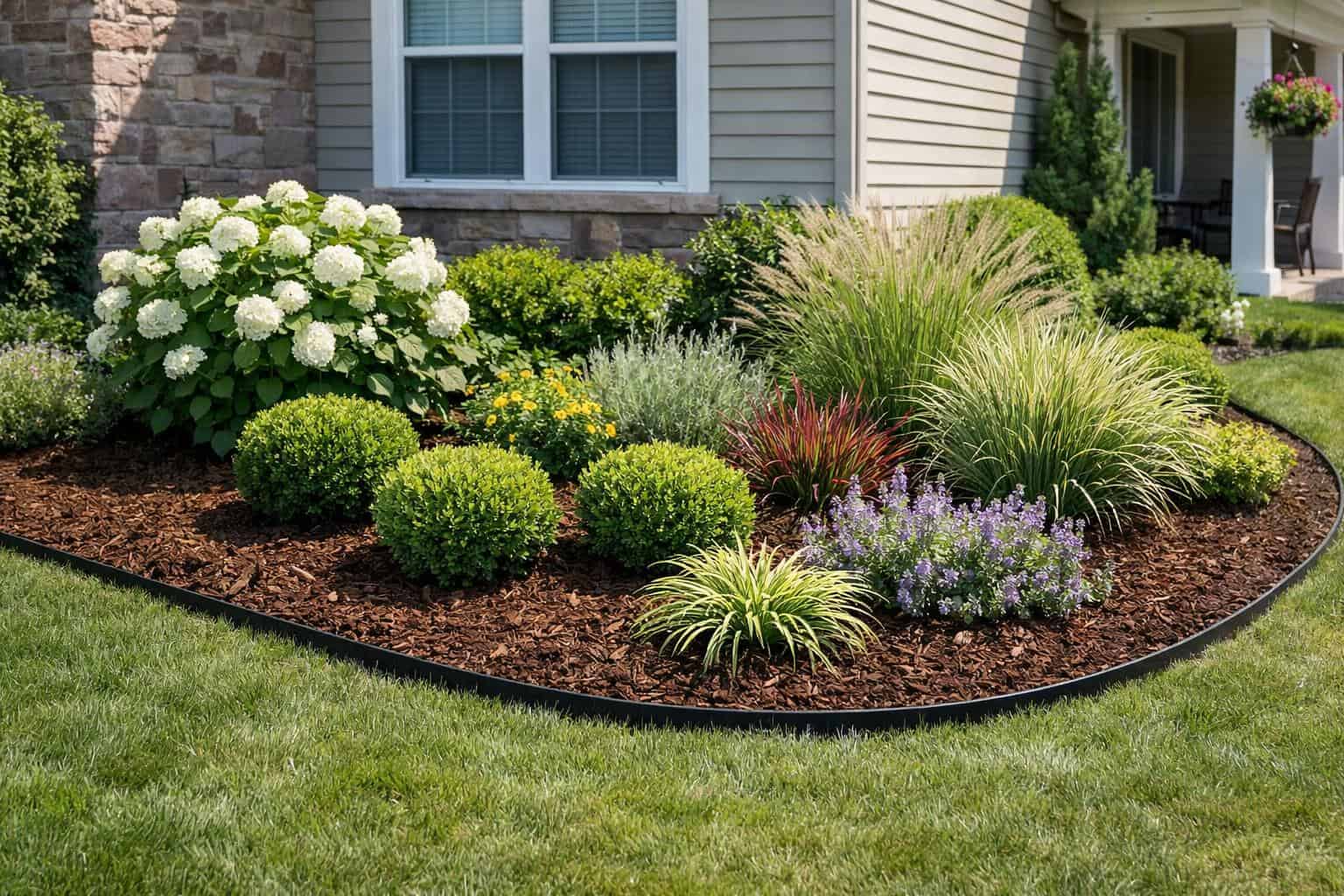
    Front Yard Foundation Planting Window Clearance Guide related example showing Attractive residential front yard with walkway, planting beds, lawn, and curb appeal landscaping
    This front yard example gives homeowners a visual reference for comparing layout, materials, and maintenance tradeoffs before starting the project.

    Questions to ask a landscaper

    • What would you recommend for this exact location, and why?
    • What maintenance should I expect after the work is complete?
    • Are there cheaper options that would still perform well?
    • What problems do you see homeowners run into with this choice?

    How this fits into the bigger project

    Use this guide alongside the Front Yard Landscaping Guide for Homeowners so the detail supports the broader layout, budget, and maintenance plan.

    Front Yard Foundation Planting Window Clearance Guide related example showing Front entry landscape materials relevant to choosing surfaces and finishes for a smaller yard
    This related front yard detail helps show how site conditions and finish choices can change the homeowner's plan.

    What homeowners should remember

    The best foundation planting window clearance choice is the one that supports avoid shrubs that block windows or make the house look crowded while staying realistic about cost, care, and the conditions already present in the yard.

  • Front Yard Lawn Reduction Planning Guide

    Front Yard Lawn Reduction Planning Guide

    Front Yard Lawn Reduction Planning helps homeowners make a more specific landscaping decision before requesting estimates or buying materials. The best choice usually depends on curb appeal, maintenance, and replacement planting, not just how the project looks in an inspiration photo.

    Why this decision matters

    This detail can affect cost, maintenance, comfort, and how well the finished yard works after installation. Thinking through it early helps avoid rework and keeps the project aligned with how the space will actually be used.

    What to compare before choosing

    Compare the site conditions, available space, material behavior, and long-term upkeep. A choice that looks simple on day one can become expensive if it creates drainage, access, pruning, cleaning, or replacement problems later.

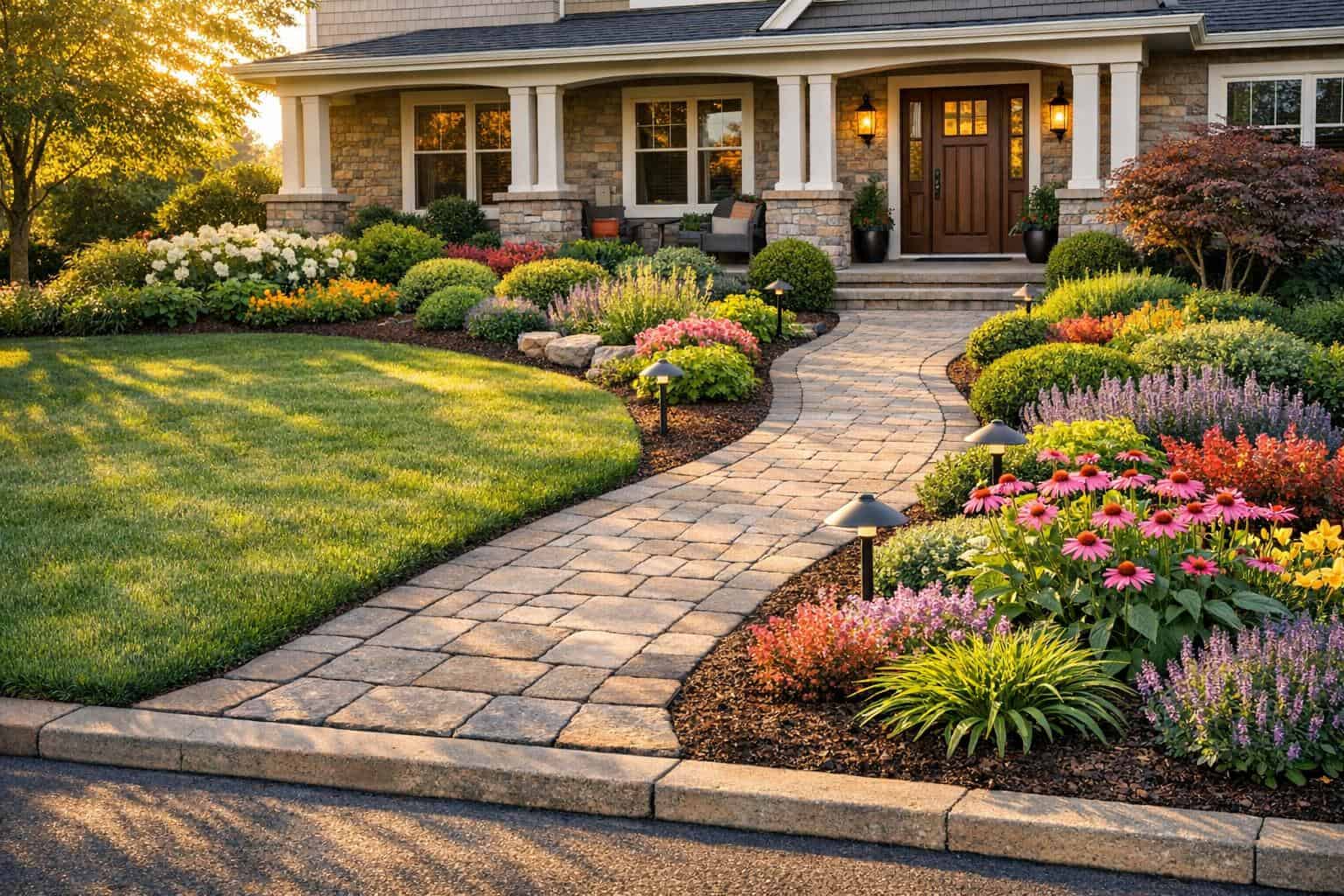
    Front Yard Lawn Reduction Planning Guide related example showing Lawn detail relevant to thinning, irrigation stress, and warning signs
    This lawn example gives homeowners a visual reference for comparing layout, materials, and maintenance tradeoffs before starting the project.

    Questions to ask a landscaper

    • What would you recommend for this exact location, and why?
    • What maintenance should I expect after the work is complete?
    • Are there cheaper options that would still perform well?
    • What problems do you see homeowners run into with this choice?

    How this fits into the bigger project

    Use this guide alongside the Front Yard Landscaping Guide for Homeowners so the detail supports the broader layout, budget, and maintenance plan.

    Front Yard Lawn Reduction Planning Guide related example showing Lawn detail relevant to planning mistakes, prep, and irrigation decisions
    This related lawn detail helps show how site conditions and finish choices can change the homeowner's plan.

    What homeowners should remember

    The best front yard lawn reduction choice is the one that supports reduce mowing while keeping the front yard organized and neighbor-friendly while staying realistic about cost, care, and the conditions already present in the yard.


  • Front Yard Bed Tree Underplanting Guide

    Front Yard Bed Tree Underplanting Guide

    Front Yard Bed Tree Underplanting helps homeowners make a more specific landscaping decision before requesting estimates or buying materials. The best choice usually depends on root competition, shade, and mature plant size, not just how the project looks in an inspiration photo.

    Why this decision matters

    This detail can affect cost, maintenance, comfort, and how well the finished yard works after installation. Thinking through it early helps avoid rework and keeps the project aligned with how the space will actually be used.

    What to compare before choosing

    Compare the site conditions, available space, material behavior, and long-term upkeep. A choice that looks simple on day one can become expensive if it creates drainage, access, pruning, cleaning, or replacement problems later.

    Front Yard Bed Tree Underplanting Guide related example showing Attractive residential front yard with walkway, planting beds, lawn, and curb appeal landscaping
    This front yard example gives homeowners a visual reference for comparing layout, materials, and maintenance tradeoffs before starting the project.

    Questions to ask a landscaper

    • What would you recommend for this exact location, and why?
    • What maintenance should I expect after the work is complete?
    • Are there cheaper options that would still perform well?
    • What problems do you see homeowners run into with this choice?

    How this fits into the bigger project

    Use this guide alongside the Front Yard Landscaping Guide for Homeowners so the detail supports the broader layout, budget, and maintenance plan.

    Front Yard Bed Tree Underplanting Guide related example showing Front entry landscape materials relevant to choosing surfaces and finishes for a smaller yard
    This related front yard detail helps show how site conditions and finish choices can change the homeowner's plan.

    What homeowners should remember

    The best tree underplanting in front yard beds choice is the one that supports add softness below trees without stressing the tree or crowding the entry while staying realistic about cost, care, and the conditions already present in the yard.


  • Front Yard Bed Boulder Placement Guide

    Front Yard Bed Boulder Placement Guide

    Front Yard Bed Boulder Placement helps homeowners make a more specific landscaping decision before requesting estimates or buying materials. The best choice usually depends on scale, placement, and planting support, not just how the project looks in an inspiration photo.

    Why this decision matters

    This detail can affect cost, maintenance, comfort, and how well the finished yard works after installation. Thinking through it early helps avoid rework and keeps the project aligned with how the space will actually be used.

    What to compare before choosing

    Compare the site conditions, available space, material behavior, and long-term upkeep. A choice that looks simple on day one can become expensive if it creates drainage, access, pruning, cleaning, or replacement problems later.

    Front Yard Bed Boulder Placement Guide related example showing Attractive residential front yard with walkway, planting beds, lawn, and curb appeal landscaping
    This front yard example gives homeowners a visual reference for comparing layout, materials, and maintenance tradeoffs before starting the project.

    Questions to ask a landscaper

    • What would you recommend for this exact location, and why?
    • What maintenance should I expect after the work is complete?
    • Are there cheaper options that would still perform well?
    • What problems do you see homeowners run into with this choice?

    How this fits into the bigger project

    Use this guide alongside the Front Yard Landscaping Guide for Homeowners so the detail supports the broader layout, budget, and maintenance plan.

    Front Yard Bed Boulder Placement Guide related example showing Front entry landscape materials relevant to choosing surfaces and finishes for a smaller yard
    This related front yard detail helps show how site conditions and finish choices can change the homeowner's plan.

    What homeowners should remember

    The best front yard boulder placement choice is the one that supports make boulders feel intentional instead of dropped into the bed while staying realistic about cost, care, and the conditions already present in the yard.


  • Front Yard Bed Drip Irrigation Layout Guide

    Front Yard Bed Drip Irrigation Layout Guide

    Front Yard Bed Drip Irrigation Layout helps homeowners make a more specific landscaping decision before requesting estimates or buying materials. The best choice usually depends on watering zones, plant spacing, and maintenance access, not just how the project looks in an inspiration photo.

    Why this decision matters

    This detail can affect cost, maintenance, comfort, and how well the finished yard works after installation. Thinking through it early helps avoid rework and keeps the project aligned with how the space will actually be used.

    What to compare before choosing

    Compare the site conditions, available space, material behavior, and long-term upkeep. A choice that looks simple on day one can become expensive if it creates drainage, access, pruning, cleaning, or replacement problems later.

    Front Yard Bed Drip Irrigation Layout Guide related example showing Irrigation detail relevant to planning mistakes, zoning, and controller decisions
    This irrigation example gives homeowners a visual reference for comparing layout, materials, and maintenance tradeoffs before starting the project.

    Questions to ask a landscaper

    • What would you recommend for this exact location, and why?
    • What maintenance should I expect after the work is complete?
    • Are there cheaper options that would still perform well?
    • What problems do you see homeowners run into with this choice?

    How this fits into the bigger project

    Use this guide alongside the Front Yard Landscaping Guide for Homeowners so the detail supports the broader layout, budget, and maintenance plan.

    Front Yard Bed Drip Irrigation Layout Guide related example showing Irrigation detail relevant to controller checks, head alignment, and maintenance
    This related irrigation detail helps show how site conditions and finish choices can change the homeowner's plan.

    What homeowners should remember

    The best front yard bed drip irrigation choice is the one that supports put water where shrubs and perennials need it without soaking walks or foundations while staying realistic about cost, care, and the conditions already present in the yard.


  • Walkway Border Materials Guide for Homeowners

    Walkway Border Materials Guide for Homeowners

    Walkway borders do more than decorate the path. They can hold materials in place, make edges easier to maintain, frame planting, and help the route feel intentional. The best border depends on the walkway material, yard style, and maintenance expectations.

    Choose borders that match the walkway job

    A gravel path may need stronger containment than a concrete walkway. A formal entry path may need a more refined edge than a casual garden path.

    Think about maintenance at the edge

    Grass, mulch, gravel, and planting all behave differently where they meet the walking surface. Pair this with our Walkway Border Planting Height Guide for Homeowners if planting will be part of the edge.

    Use material contrast carefully

    Too much contrast can make the border feel busy, while too little can make the walkway disappear.

    What homeowners should remember

    The best walkway border material makes the path clearer, cleaner, and easier to maintain.


  • Outdoor Kitchen Storage Cabinet Planning Guide

    Outdoor Kitchen Storage Cabinet Planning Guide

    Outdoor kitchen storage is easy to underestimate because the exciting decisions are usually grills, counters, and finishes. But without enough weather-safe storage, the kitchen can become inconvenient every time someone cooks outside.

    Plan storage around what will actually live outside

    Tools, platters, cleaning supplies, fuel, towels, and small accessories may all need different kinds of storage.

    Choose materials for exposure

    Cabinets need to handle rain, sun, humidity, freeze-thaw conditions, and pests depending on the location. Pair this with our Outdoor Kitchen Buffet Serving Layout Guide if serving flow is part of the design.

    Keep storage near the task it supports

    Grill tools, prep items, and cleanup supplies should not all be forced into one awkward location.

    What homeowners should remember

    The best outdoor kitchen storage makes the space easier to use every week, not only better organized on installation day.


  • Evergreen Screen Spacing Mistakes Guide for Homeowners

    Evergreen Screen Spacing Mistakes Guide for Homeowners

    Spacing is one of the biggest reasons evergreen screens fail. Plants set too far apart may take years to provide privacy. Plants set too close together may crowd, thin out, or become difficult to maintain.

    Do not design only for the first year

    Small plants can make a new screen look underwhelming, but mature width matters more than nursery size.

    Leave room for health and access

    Overcrowded evergreens can shade each other, trap moisture, and make pruning harder. Pair this with our Evergreen Screen Gap Filling Guide for Homeowners if an existing screen already has weak spots.

    Use staggered planting carefully

    Staggered rows can improve coverage, but they need enough depth and maintenance access to work long term.

    What homeowners should remember

    The best evergreen screen spacing balances privacy now with plant health and manageability later.


  • Patio Planting for Hot Afternoon Sun Guide

    Patio Planting for Hot Afternoon Sun Guide

    Afternoon sun can make a patio uncomfortable even when the layout is otherwise strong. Planting can help, but only if the plants are chosen for heat, reflected light, available soil, and the way people actually use the space.

    Look for reflected heat, not just direct sun

    Pavers, walls, fences, and house siding can all increase heat around patio beds and containers.

    Use planting to support comfort

    Small trees, taller shrubs, and strategic containers can soften heat and glare when placed carefully. Pair this with our Patio Planting for Evening Use Guide for Homeowners if the same patio is used after sunset.

    Plan watering before buying plants

    Hot patio edges can dry out fast, especially where soil volume is limited.

    What homeowners should remember

    The best hot-sun patio planting improves comfort without creating a thirsty, high-maintenance edge.