Landscaping Guru

  • Privacy Screening With Small Trees Guide

    Privacy Screening With Small Trees Guide

    Privacy Screening With Small Trees helps homeowners make a more specific landscaping decision before requesting estimates or buying materials. The best choice usually depends on canopy height, spacing, and root clearance, not just how the project looks in an inspiration photo.

    Why this decision matters

    This detail can affect cost, maintenance, comfort, and how well the finished yard works after installation. Thinking through it early helps avoid rework and keeps the project aligned with how the space will actually be used.

    What to compare before choosing

    Compare the site conditions, available space, material behavior, and long-term upkeep. A choice that looks simple on day one can become expensive if it creates drainage, access, pruning, cleaning, or replacement problems later.

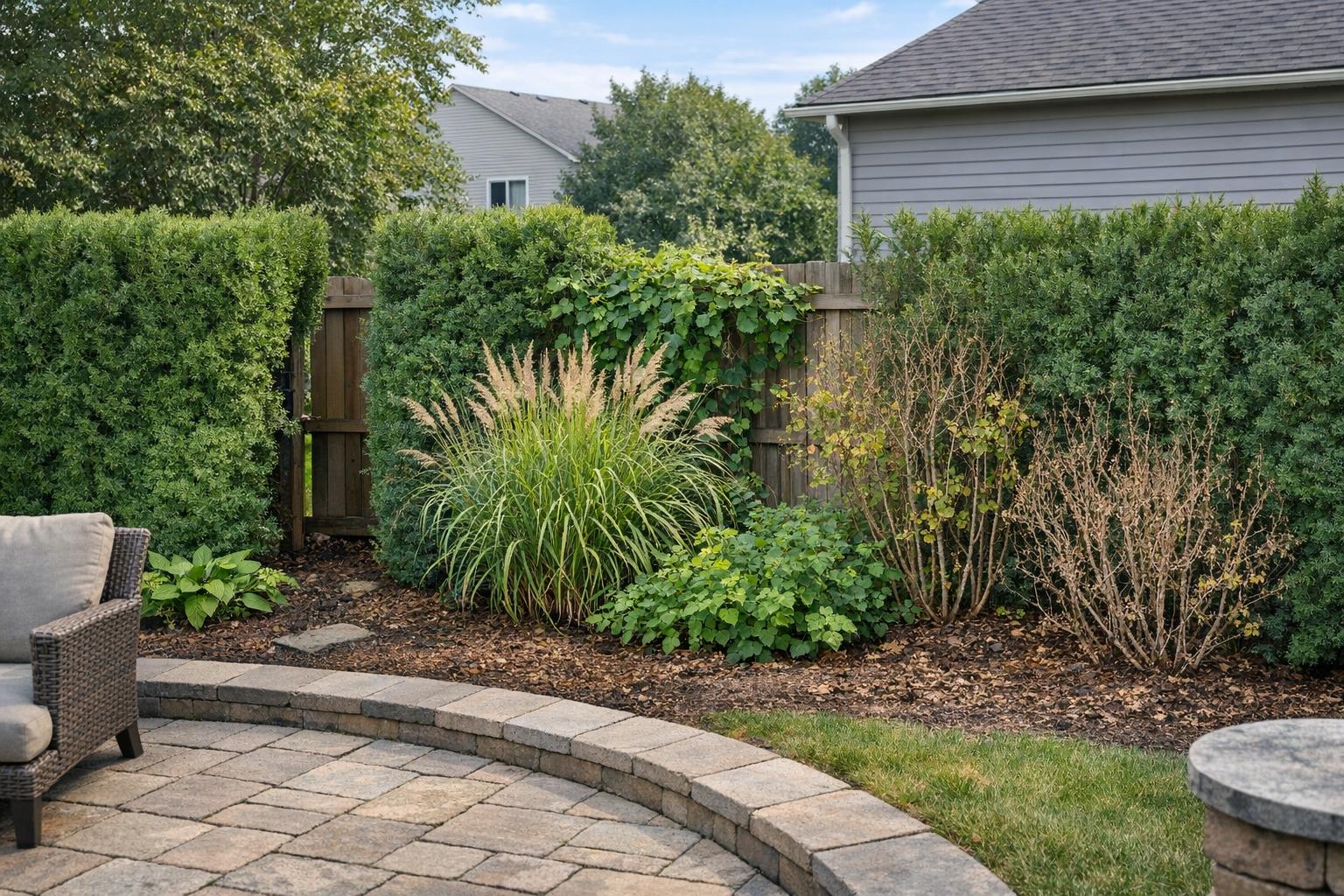
    Privacy Screening With Small Trees Guide related example showing Layered privacy landscaping with screening plants, mulch beds, and fence-line layout detail
    This privacy example gives homeowners a visual reference for comparing layout, materials, and maintenance tradeoffs before starting the project.

    Questions to ask a landscaper

    • What would you recommend for this exact location, and why?
    • What maintenance should I expect after the work is complete?
    • Are there cheaper options that would still perform well?
    • What problems do you see homeowners run into with this choice?

    How this fits into the bigger project

    Use this guide alongside the Privacy Landscaping Guide for Homeowners so the detail supports the broader layout, budget, and maintenance plan.

    Privacy Screening With Small Trees Guide related example showing Residential privacy landscaping scene with layered screening plants, planting beds, and fence line context
    This related privacy detail helps show how site conditions and finish choices can change the homeowner's plan.

    What homeowners should remember

    The best privacy screening with small trees choice is the one that supports soften elevated views without relying only on fences or hedges while staying realistic about cost, care, and the conditions already present in the yard.


  • Privacy Screening for Sloped Yards Guide

    Privacy Screening for Sloped Yards Guide

    Privacy Screening for Sloped Yards helps homeowners make a more specific landscaping decision before requesting estimates or buying materials. The best choice usually depends on elevation changes, view angles, and plant height, not just how the project looks in an inspiration photo.

    Why this decision matters

    This detail can affect cost, maintenance, comfort, and how well the finished yard works after installation. Thinking through it early helps avoid rework and keeps the project aligned with how the space will actually be used.

    What to compare before choosing

    Compare the site conditions, available space, material behavior, and long-term upkeep. A choice that looks simple on day one can become expensive if it creates drainage, access, pruning, cleaning, or replacement problems later.

    Privacy Screening for Sloped Yards Guide related example showing Layered privacy landscaping with screening plants, mulch beds, and fence-line layout detail
    This privacy example gives homeowners a visual reference for comparing layout, materials, and maintenance tradeoffs before starting the project.

    Questions to ask a landscaper

    • What would you recommend for this exact location, and why?
    • What maintenance should I expect after the work is complete?
    • Are there cheaper options that would still perform well?
    • What problems do you see homeowners run into with this choice?

    How this fits into the bigger project

    Use this guide alongside the Privacy Landscaping Guide for Homeowners so the detail supports the broader layout, budget, and maintenance plan.

    Privacy Screening for Sloped Yards Guide related example showing Residential privacy landscaping scene with layered screening plants, planting beds, and fence line context
    This related privacy detail helps show how site conditions and finish choices can change the homeowner's plan.

    What homeowners should remember

    The best privacy screening on sloped yards choice is the one that supports screen the real line of sight instead of overplanting the entire slope while staying realistic about cost, care, and the conditions already present in the yard.


  • Privacy Screening for Townhomes Guide

    Privacy Screening for Townhomes Guide

    Privacy Screening for Townhomes helps homeowners make a more specific landscaping decision before requesting estimates or buying materials. The best choice usually depends on tight spaces, shared boundaries, and vertical views, not just how the project looks in an inspiration photo.

    Why this decision matters

    This detail can affect cost, maintenance, comfort, and how well the finished yard works after installation. Thinking through it early helps avoid rework and keeps the project aligned with how the space will actually be used.

    What to compare before choosing

    Compare the site conditions, available space, material behavior, and long-term upkeep. A choice that looks simple on day one can become expensive if it creates drainage, access, pruning, cleaning, or replacement problems later.

    Privacy Screening for Townhomes Guide related example showing Layered privacy landscaping with screening plants, mulch beds, and fence-line layout detail
    This privacy example gives homeowners a visual reference for comparing layout, materials, and maintenance tradeoffs before starting the project.

    Questions to ask a landscaper

    • What would you recommend for this exact location, and why?
    • What maintenance should I expect after the work is complete?
    • Are there cheaper options that would still perform well?
    • What problems do you see homeowners run into with this choice?

    How this fits into the bigger project

    Use this guide alongside the Privacy Landscaping Guide for Homeowners so the detail supports the broader layout, budget, and maintenance plan.

    Privacy Screening for Townhomes Guide related example showing Residential privacy landscaping scene with layered screening plants, planting beds, and fence line context
    This related privacy detail helps show how site conditions and finish choices can change the homeowner's plan.

    What homeowners should remember

    The best townhome privacy screening choice is the one that supports add privacy where space is limited and rules may be tighter while staying realistic about cost, care, and the conditions already present in the yard.


  • Privacy Screening for Hot Tubs Guide

    Privacy Screening for Hot Tubs Guide

    Privacy Screening for Hot Tubs helps homeowners make a more specific landscaping decision before requesting estimates or buying materials. The best choice usually depends on sightlines, access, and year-round enclosure, not just how the project looks in an inspiration photo.

    Why this decision matters

    This detail can affect cost, maintenance, comfort, and how well the finished yard works after installation. Thinking through it early helps avoid rework and keeps the project aligned with how the space will actually be used.

    What to compare before choosing

    Compare the site conditions, available space, material behavior, and long-term upkeep. A choice that looks simple on day one can become expensive if it creates drainage, access, pruning, cleaning, or replacement problems later.

    Privacy Screening for Hot Tubs Guide related example showing Layered privacy landscaping with screening plants, mulch beds, and fence-line layout detail
    This privacy example gives homeowners a visual reference for comparing layout, materials, and maintenance tradeoffs before starting the project.

    Questions to ask a landscaper

    • What would you recommend for this exact location, and why?
    • What maintenance should I expect after the work is complete?
    • Are there cheaper options that would still perform well?
    • What problems do you see homeowners run into with this choice?

    How this fits into the bigger project

    Use this guide alongside the Privacy Landscaping Guide for Homeowners so the detail supports the broader layout, budget, and maintenance plan.

    Privacy Screening for Hot Tubs Guide related example showing Residential privacy landscaping scene with layered screening plants, planting beds, and fence line context
    This related privacy detail helps show how site conditions and finish choices can change the homeowner's plan.

    What homeowners should remember

    The best hot tub privacy screening choice is the one that supports protect a soaking area without trapping moisture or making service difficult while staying realistic about cost, care, and the conditions already present in the yard.


  • Front Yard Foundation Planting Window Clearance Guide

    Front Yard Foundation Planting Window Clearance Guide

    Front Yard Foundation Planting Window Clearance helps homeowners make a more specific landscaping decision before requesting estimates or buying materials. The best choice usually depends on plant height, window views, and maintenance access, not just how the project looks in an inspiration photo.

    Why this decision matters

    This detail can affect cost, maintenance, comfort, and how well the finished yard works after installation. Thinking through it early helps avoid rework and keeps the project aligned with how the space will actually be used.

    What to compare before choosing

    Compare the site conditions, available space, material behavior, and long-term upkeep. A choice that looks simple on day one can become expensive if it creates drainage, access, pruning, cleaning, or replacement problems later.

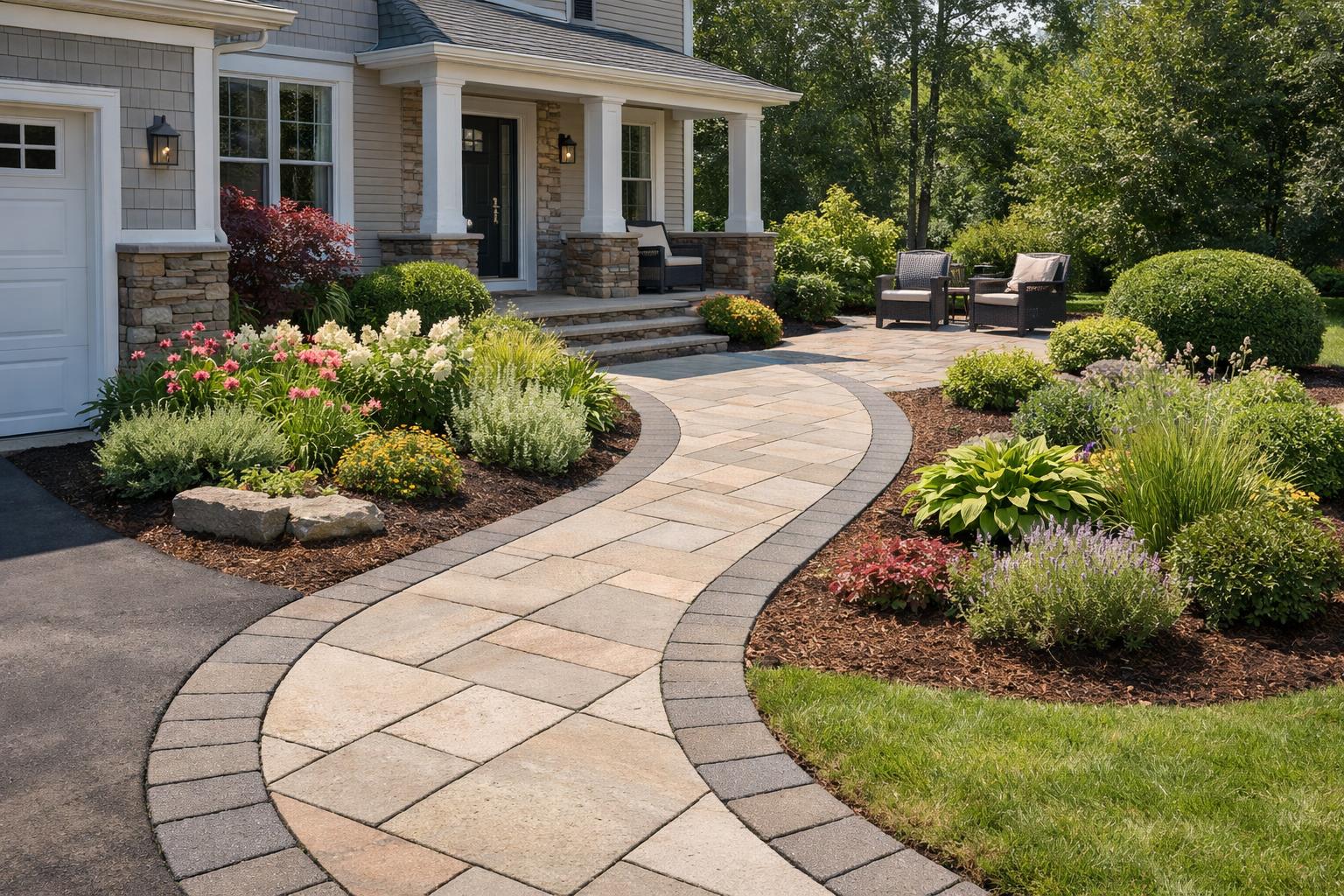
    Front Yard Foundation Planting Window Clearance Guide related example showing Attractive residential front yard with walkway, planting beds, lawn, and curb appeal landscaping
    This front yard example gives homeowners a visual reference for comparing layout, materials, and maintenance tradeoffs before starting the project.

    Questions to ask a landscaper

    • What would you recommend for this exact location, and why?
    • What maintenance should I expect after the work is complete?
    • Are there cheaper options that would still perform well?
    • What problems do you see homeowners run into with this choice?

    How this fits into the bigger project

    Use this guide alongside the Front Yard Landscaping Guide for Homeowners so the detail supports the broader layout, budget, and maintenance plan.

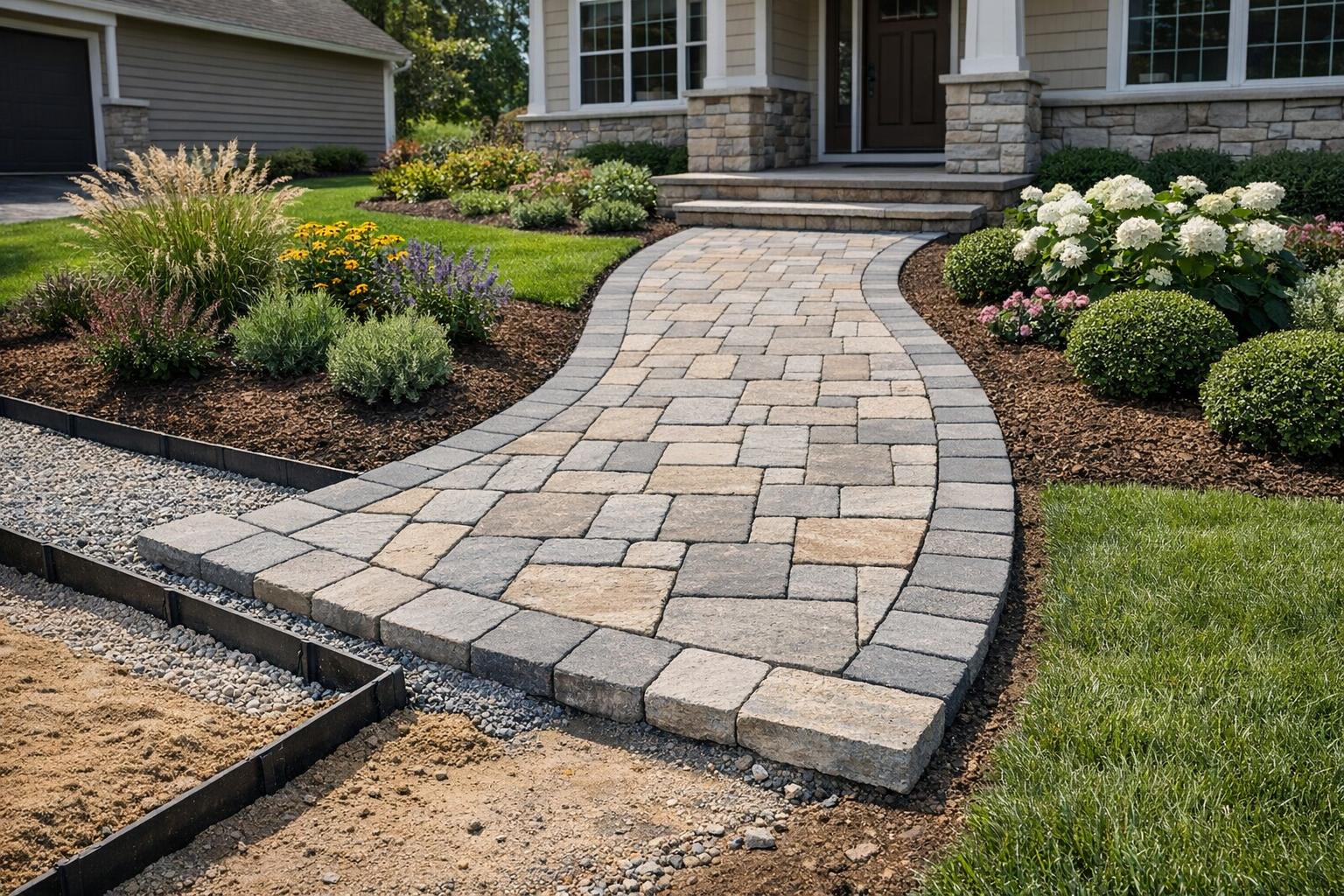
    Front Yard Foundation Planting Window Clearance Guide related example showing Front entry landscape materials relevant to choosing surfaces and finishes for a smaller yard
    This related front yard detail helps show how site conditions and finish choices can change the homeowner's plan.

    What homeowners should remember

    The best foundation planting window clearance choice is the one that supports avoid shrubs that block windows or make the house look crowded while staying realistic about cost, care, and the conditions already present in the yard.


  • Front Yard Lawn Reduction Planning Guide

    Front Yard Lawn Reduction Planning Guide

    Front Yard Lawn Reduction Planning helps homeowners make a more specific landscaping decision before requesting estimates or buying materials. The best choice usually depends on curb appeal, maintenance, and replacement planting, not just how the project looks in an inspiration photo.

    Why this decision matters

    This detail can affect cost, maintenance, comfort, and how well the finished yard works after installation. Thinking through it early helps avoid rework and keeps the project aligned with how the space will actually be used.

    What to compare before choosing

    Compare the site conditions, available space, material behavior, and long-term upkeep. A choice that looks simple on day one can become expensive if it creates drainage, access, pruning, cleaning, or replacement problems later.

    Front Yard Lawn Reduction Planning Guide related example showing Lawn detail relevant to thinning, irrigation stress, and warning signs
    This lawn example gives homeowners a visual reference for comparing layout, materials, and maintenance tradeoffs before starting the project.

    Questions to ask a landscaper

    • What would you recommend for this exact location, and why?
    • What maintenance should I expect after the work is complete?
    • Are there cheaper options that would still perform well?
    • What problems do you see homeowners run into with this choice?

    How this fits into the bigger project

    Use this guide alongside the Front Yard Landscaping Guide for Homeowners so the detail supports the broader layout, budget, and maintenance plan.

    Front Yard Lawn Reduction Planning Guide related example showing Lawn detail relevant to planning mistakes, prep, and irrigation decisions
    This related lawn detail helps show how site conditions and finish choices can change the homeowner's plan.

    What homeowners should remember

    The best front yard lawn reduction choice is the one that supports reduce mowing while keeping the front yard organized and neighbor-friendly while staying realistic about cost, care, and the conditions already present in the yard.


  • Front Yard Bed Tree Underplanting Guide

    Front Yard Bed Tree Underplanting Guide

    Front Yard Bed Tree Underplanting helps homeowners make a more specific landscaping decision before requesting estimates or buying materials. The best choice usually depends on root competition, shade, and mature plant size, not just how the project looks in an inspiration photo.

    Why this decision matters

    This detail can affect cost, maintenance, comfort, and how well the finished yard works after installation. Thinking through it early helps avoid rework and keeps the project aligned with how the space will actually be used.

    What to compare before choosing

    Compare the site conditions, available space, material behavior, and long-term upkeep. A choice that looks simple on day one can become expensive if it creates drainage, access, pruning, cleaning, or replacement problems later.

    Front Yard Bed Tree Underplanting Guide related example showing Attractive residential front yard with walkway, planting beds, lawn, and curb appeal landscaping
    This front yard example gives homeowners a visual reference for comparing layout, materials, and maintenance tradeoffs before starting the project.

    Questions to ask a landscaper

    • What would you recommend for this exact location, and why?
    • What maintenance should I expect after the work is complete?
    • Are there cheaper options that would still perform well?
    • What problems do you see homeowners run into with this choice?

    How this fits into the bigger project

    Use this guide alongside the Front Yard Landscaping Guide for Homeowners so the detail supports the broader layout, budget, and maintenance plan.

    Front Yard Bed Tree Underplanting Guide related example showing Front entry landscape materials relevant to choosing surfaces and finishes for a smaller yard
    This related front yard detail helps show how site conditions and finish choices can change the homeowner's plan.

    What homeowners should remember

    The best tree underplanting in front yard beds choice is the one that supports add softness below trees without stressing the tree or crowding the entry while staying realistic about cost, care, and the conditions already present in the yard.


  • Front Yard Bed Boulder Placement Guide

    Front Yard Bed Boulder Placement Guide

    Front Yard Bed Boulder Placement helps homeowners make a more specific landscaping decision before requesting estimates or buying materials. The best choice usually depends on scale, placement, and planting support, not just how the project looks in an inspiration photo.

    Why this decision matters

    This detail can affect cost, maintenance, comfort, and how well the finished yard works after installation. Thinking through it early helps avoid rework and keeps the project aligned with how the space will actually be used.

    What to compare before choosing

    Compare the site conditions, available space, material behavior, and long-term upkeep. A choice that looks simple on day one can become expensive if it creates drainage, access, pruning, cleaning, or replacement problems later.

    Front Yard Bed Boulder Placement Guide related example showing Attractive residential front yard with walkway, planting beds, lawn, and curb appeal landscaping
    This front yard example gives homeowners a visual reference for comparing layout, materials, and maintenance tradeoffs before starting the project.

    Questions to ask a landscaper

    • What would you recommend for this exact location, and why?
    • What maintenance should I expect after the work is complete?
    • Are there cheaper options that would still perform well?
    • What problems do you see homeowners run into with this choice?

    How this fits into the bigger project

    Use this guide alongside the Front Yard Landscaping Guide for Homeowners so the detail supports the broader layout, budget, and maintenance plan.

    Front Yard Bed Boulder Placement Guide related example showing Front entry landscape materials relevant to choosing surfaces and finishes for a smaller yard
    This related front yard detail helps show how site conditions and finish choices can change the homeowner's plan.

    What homeowners should remember

    The best front yard boulder placement choice is the one that supports make boulders feel intentional instead of dropped into the bed while staying realistic about cost, care, and the conditions already present in the yard.


  • Front Yard Bed Edging Depth Guide

    Front Yard Bed Edging Depth Guide

    Front Yard Bed Edging Depth helps homeowners make a more specific landscaping decision before requesting estimates or buying materials. The best choice usually depends on bed definition, mulch control, and lawn maintenance, not just how the project looks in an inspiration photo.

    Why this decision matters

    This detail can affect cost, maintenance, comfort, and how well the finished yard works after installation. Thinking through it early helps avoid rework and keeps the project aligned with how the space will actually be used.

    What to compare before choosing

    Compare the site conditions, available space, material behavior, and long-term upkeep. A choice that looks simple on day one can become expensive if it creates drainage, access, pruning, cleaning, or replacement problems later.

    Front Yard Bed Edging Depth Guide related example showing Attractive residential front yard with walkway, planting beds, lawn, and curb appeal landscaping
    This front yard example gives homeowners a visual reference for comparing layout, materials, and maintenance tradeoffs before starting the project.

    Questions to ask a landscaper

    • What would you recommend for this exact location, and why?
    • What maintenance should I expect after the work is complete?
    • Are there cheaper options that would still perform well?
    • What problems do you see homeowners run into with this choice?

    How this fits into the bigger project

    Use this guide alongside the Front Yard Landscaping Guide for Homeowners so the detail supports the broader layout, budget, and maintenance plan.

    Front Yard Bed Edging Depth Guide related example showing Front entry walkway with edging, planting beds, and material detail relevant to pathway cost planning
    This related front yard detail helps show how site conditions and finish choices can change the homeowner's plan.

    What homeowners should remember

    The best front yard bed edging depth choice is the one that supports keep planting beds clean without creating a hard edge that fights the design while staying realistic about cost, care, and the conditions already present in the yard.


  • Front Yard Bed Drip Irrigation Layout Guide

    Front Yard Bed Drip Irrigation Layout Guide

    Front Yard Bed Drip Irrigation Layout helps homeowners make a more specific landscaping decision before requesting estimates or buying materials. The best choice usually depends on watering zones, plant spacing, and maintenance access, not just how the project looks in an inspiration photo.

    Why this decision matters

    This detail can affect cost, maintenance, comfort, and how well the finished yard works after installation. Thinking through it early helps avoid rework and keeps the project aligned with how the space will actually be used.

    What to compare before choosing

    Compare the site conditions, available space, material behavior, and long-term upkeep. A choice that looks simple on day one can become expensive if it creates drainage, access, pruning, cleaning, or replacement problems later.

    Front Yard Bed Drip Irrigation Layout Guide related example showing Irrigation detail relevant to planning mistakes, zoning, and controller decisions
    This irrigation example gives homeowners a visual reference for comparing layout, materials, and maintenance tradeoffs before starting the project.

    Questions to ask a landscaper

    • What would you recommend for this exact location, and why?
    • What maintenance should I expect after the work is complete?
    • Are there cheaper options that would still perform well?
    • What problems do you see homeowners run into with this choice?

    How this fits into the bigger project

    Use this guide alongside the Front Yard Landscaping Guide for Homeowners so the detail supports the broader layout, budget, and maintenance plan.

    Front Yard Bed Drip Irrigation Layout Guide related example showing Irrigation detail relevant to controller checks, head alignment, and maintenance
    This related irrigation detail helps show how site conditions and finish choices can change the homeowner's plan.

    What homeowners should remember

    The best front yard bed drip irrigation choice is the one that supports put water where shrubs and perennials need it without soaking walks or foundations while staying realistic about cost, care, and the conditions already present in the yard.