Landscaping Guru

  • Evergreen Screen Replacement Phasing Guide

    Evergreen Screen Replacement Phasing Guide

    Evergreen Screen Replacement Phasing helps homeowners make a more specific landscaping decision before requesting estimates or buying materials. The best choice usually depends on privacy gaps, budget, and plant establishment, not just how the project looks in an inspiration photo.

    Why this decision matters

    This detail can affect cost, maintenance, comfort, and how well the finished yard works after installation. Thinking through it early helps avoid rework and keeps the project aligned with how the space will actually be used.

    What to compare before choosing

    Compare the site conditions, available space, material behavior, and long-term upkeep. A choice that looks simple on day one can become expensive if it creates drainage, access, pruning, cleaning, or replacement problems later.

    Evergreen Screen Replacement Phasing Guide related example showing Layered privacy landscaping with screening plants, mulch beds, and fence-line layout detail
    This evergreen example gives homeowners a visual reference for comparing layout, materials, and maintenance tradeoffs before starting the project.

    Questions to ask a landscaper

    • What would you recommend for this exact location, and why?
    • What maintenance should I expect after the work is complete?
    • Are there cheaper options that would still perform well?
    • What problems do you see homeowners run into with this choice?

    How this fits into the bigger project

    Use this guide alongside the Evergreen Screen Ideas Guide for Homeowners so the detail supports the broader layout, budget, and maintenance plan.

    Evergreen Screen Replacement Phasing Guide related example showing Residential privacy landscaping scene with layered screening plants, planting beds, and fence line context
    This related evergreen detail helps show how site conditions and finish choices can change the homeowner's plan.

    What homeowners should remember

    The best evergreen screen replacement phasing choice is the one that supports replace a failing screen without losing all privacy at once while staying realistic about cost, care, and the conditions already present in the yard.


  • Evergreen Screen Mixed Species Guide

    Evergreen Screen Mixed Species Guide

    Evergreen Screen Mixed Species helps homeowners make a more specific landscaping decision before requesting estimates or buying materials. The best choice usually depends on resilience, rhythm, and visual consistency, not just how the project looks in an inspiration photo.

    Why this decision matters

    This detail can affect cost, maintenance, comfort, and how well the finished yard works after installation. Thinking through it early helps avoid rework and keeps the project aligned with how the space will actually be used.

    What to compare before choosing

    Compare the site conditions, available space, material behavior, and long-term upkeep. A choice that looks simple on day one can become expensive if it creates drainage, access, pruning, cleaning, or replacement problems later.

    Evergreen Screen Mixed Species Guide related example showing Layered privacy landscaping with screening plants, mulch beds, and fence-line layout detail
    This evergreen example gives homeowners a visual reference for comparing layout, materials, and maintenance tradeoffs before starting the project.

    Questions to ask a landscaper

    • What would you recommend for this exact location, and why?
    • What maintenance should I expect after the work is complete?
    • Are there cheaper options that would still perform well?
    • What problems do you see homeowners run into with this choice?

    How this fits into the bigger project

    Use this guide alongside the Evergreen Screen Ideas Guide for Homeowners so the detail supports the broader layout, budget, and maintenance plan.

    Evergreen Screen Mixed Species Guide related example showing Residential privacy landscaping scene with layered screening plants, planting beds, and fence line context
    This related evergreen detail helps show how site conditions and finish choices can change the homeowner's plan.

    What homeowners should remember

    The best mixed species evergreen screen choice is the one that supports avoid a screen that fails all at once from one pest or disease issue while staying realistic about cost, care, and the conditions already present in the yard.


  • Evergreen Screen Narrow Space Planting Guide

    Evergreen Screen Narrow Space Planting Guide

    Evergreen Screen Narrow Space Planting helps homeowners make a more specific landscaping decision before requesting estimates or buying materials. The best choice usually depends on mature width, access, and upright forms, not just how the project looks in an inspiration photo.

    Why this decision matters

    This detail can affect cost, maintenance, comfort, and how well the finished yard works after installation. Thinking through it early helps avoid rework and keeps the project aligned with how the space will actually be used.

    What to compare before choosing

    Compare the site conditions, available space, material behavior, and long-term upkeep. A choice that looks simple on day one can become expensive if it creates drainage, access, pruning, cleaning, or replacement problems later.

    Evergreen Screen Narrow Space Planting Guide related example showing Layered privacy landscaping with screening plants, mulch beds, and fence-line layout detail
    This evergreen example gives homeowners a visual reference for comparing layout, materials, and maintenance tradeoffs before starting the project.

    Questions to ask a landscaper

    • What would you recommend for this exact location, and why?
    • What maintenance should I expect after the work is complete?
    • Are there cheaper options that would still perform well?
    • What problems do you see homeowners run into with this choice?

    How this fits into the bigger project

    Use this guide alongside the Evergreen Screen Ideas Guide for Homeowners so the detail supports the broader layout, budget, and maintenance plan.

    Evergreen Screen Narrow Space Planting Guide related example showing Residential privacy landscaping scene with layered screening plants, planting beds, and fence line context
    This related evergreen detail helps show how site conditions and finish choices can change the homeowner's plan.

    What homeowners should remember

    The best narrow evergreen screen planting choice is the one that supports build privacy in tight spaces without choosing plants that get too wide while staying realistic about cost, care, and the conditions already present in the yard.


  • Patio Pergola Planting Transition Guide

    Patio Pergola Planting Transition Guide

    Patio Pergola Planting Transition helps homeowners make a more specific landscaping decision before requesting estimates or buying materials. The best choice usually depends on shade, structure, and nearby planting scale, not just how the project looks in an inspiration photo.

    Why this decision matters

    This detail can affect cost, maintenance, comfort, and how well the finished yard works after installation. Thinking through it early helps avoid rework and keeps the project aligned with how the space will actually be used.

    What to compare before choosing

    Compare the site conditions, available space, material behavior, and long-term upkeep. A choice that looks simple on day one can become expensive if it creates drainage, access, pruning, cleaning, or replacement problems later.

    Patio Pergola Planting Transition Guide related example showing Concrete, paver, and stone outdoor surfaces showing common patio and walkway material choices for homeowners
    This patio example gives homeowners a visual reference for comparing layout, materials, and maintenance tradeoffs before starting the project.

    Questions to ask a landscaper

    • What would you recommend for this exact location, and why?
    • What maintenance should I expect after the work is complete?
    • Are there cheaper options that would still perform well?
    • What problems do you see homeowners run into with this choice?

    How this fits into the bigger project

    Use this guide alongside the Patio Installation Guide for Homeowners so the detail supports the broader layout, budget, and maintenance plan.

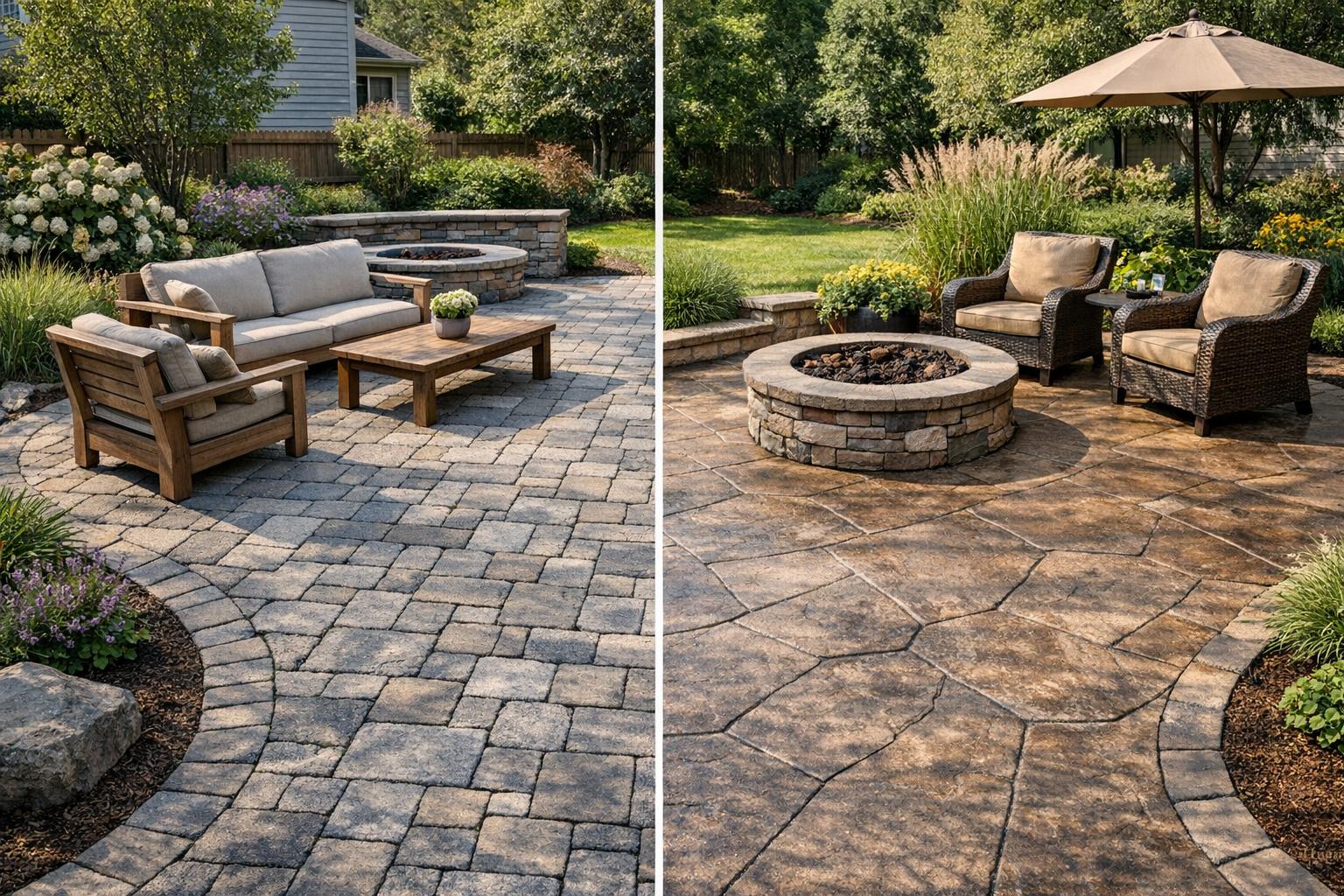
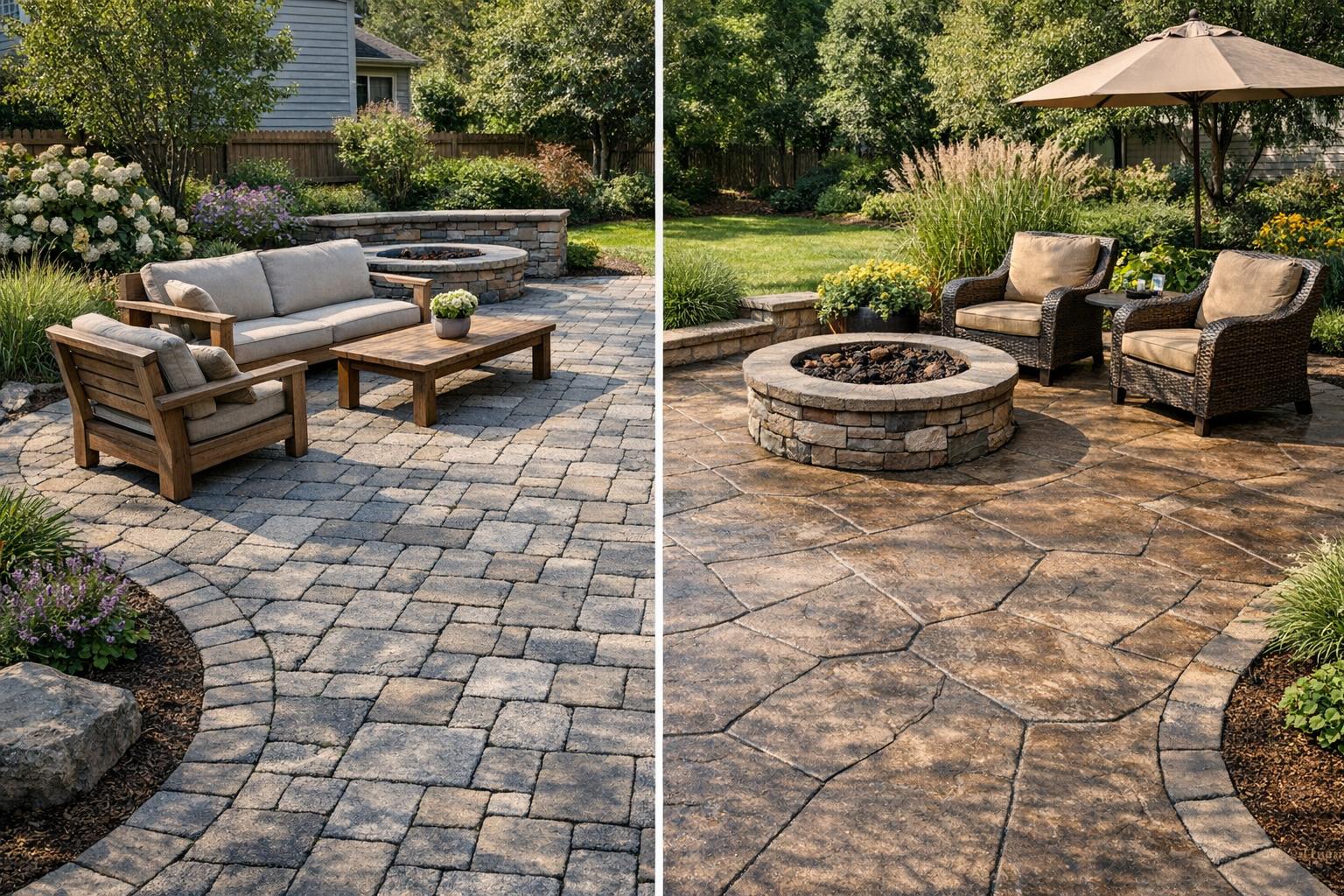
    Patio Pergola Planting Transition Guide related example showing Backyard patio comparison showing paver surface and stamped concrete surface
    This related patio detail helps show how site conditions and finish choices can change the homeowner's plan.

    What homeowners should remember

    The best patio pergola planting transition choice is the one that supports blend a pergola into the landscape instead of leaving it visually isolated while staying realistic about cost, care, and the conditions already present in the yard.


  • Patio Planting With Gravel Beds Guide

    Patio Planting With Gravel Beds Guide

    Patio Planting With Gravel Beds helps homeowners make a more specific landscaping decision before requesting estimates or buying materials. The best choice usually depends on heat, weed control, and plant selection, not just how the project looks in an inspiration photo.

    Why this decision matters

    This detail can affect cost, maintenance, comfort, and how well the finished yard works after installation. Thinking through it early helps avoid rework and keeps the project aligned with how the space will actually be used.

    What to compare before choosing

    Compare the site conditions, available space, material behavior, and long-term upkeep. A choice that looks simple on day one can become expensive if it creates drainage, access, pruning, cleaning, or replacement problems later.

    Patio Planting With Gravel Beds Guide related example showing Concrete, paver, and stone outdoor surfaces showing common patio and walkway material choices for homeowners
    This patio example gives homeowners a visual reference for comparing layout, materials, and maintenance tradeoffs before starting the project.

    Questions to ask a landscaper

    • What would you recommend for this exact location, and why?
    • What maintenance should I expect after the work is complete?
    • Are there cheaper options that would still perform well?
    • What problems do you see homeowners run into with this choice?

    How this fits into the bigger project

    Use this guide alongside the Patio Installation Guide for Homeowners so the detail supports the broader layout, budget, and maintenance plan.

    Patio Planting With Gravel Beds Guide related example showing Backyard patio comparison showing paver surface and stamped concrete surface
    This related patio detail helps show how site conditions and finish choices can change the homeowner's plan.

    What homeowners should remember

    The best patio planting with gravel beds choice is the one that supports use gravel as a clean edge without overheating the planting while staying realistic about cost, care, and the conditions already present in the yard.


  • Patio Border Drainage Planning Guide

    Patio Border Drainage Planning Guide

    Patio Border Drainage Planning helps homeowners make a more specific landscaping decision before requesting estimates or buying materials. The best choice usually depends on surface flow, planting beds, and edge materials, not just how the project looks in an inspiration photo.

    Why this decision matters

    This detail can affect cost, maintenance, comfort, and how well the finished yard works after installation. Thinking through it early helps avoid rework and keeps the project aligned with how the space will actually be used.

    What to compare before choosing

    Compare the site conditions, available space, material behavior, and long-term upkeep. A choice that looks simple on day one can become expensive if it creates drainage, access, pruning, cleaning, or replacement problems later.

    Patio Border Drainage Planning Guide related example showing Concrete, paver, and stone outdoor surfaces showing common patio and walkway material choices for homeowners
    This patio example gives homeowners a visual reference for comparing layout, materials, and maintenance tradeoffs before starting the project.

    Questions to ask a landscaper

    • What would you recommend for this exact location, and why?
    • What maintenance should I expect after the work is complete?
    • Are there cheaper options that would still perform well?
    • What problems do you see homeowners run into with this choice?

    How this fits into the bigger project

    Use this guide alongside the Patio Installation Guide for Homeowners so the detail supports the broader layout, budget, and maintenance plan.

    Patio Border Drainage Planning Guide related example showing Backyard patio comparison showing paver surface and stamped concrete surface
    This related patio detail helps show how site conditions and finish choices can change the homeowner's plan.

    What homeowners should remember

    The best patio border drainage planning choice is the one that supports avoid soggy patio edges and mulch washout while staying realistic about cost, care, and the conditions already present in the yard.


  • Patio Planting for Cooking Areas Guide

    Patio Planting for Cooking Areas Guide

    Patio Planting for Cooking Areas helps homeowners make a more specific landscaping decision before requesting estimates or buying materials. The best choice usually depends on heat, smoke, grease, and cleanup, not just how the project looks in an inspiration photo.

    Why this decision matters

    This detail can affect cost, maintenance, comfort, and how well the finished yard works after installation. Thinking through it early helps avoid rework and keeps the project aligned with how the space will actually be used.

    What to compare before choosing

    Compare the site conditions, available space, material behavior, and long-term upkeep. A choice that looks simple on day one can become expensive if it creates drainage, access, pruning, cleaning, or replacement problems later.

    Patio Planting for Cooking Areas Guide related example showing Concrete, paver, and stone outdoor surfaces showing common patio and walkway material choices for homeowners
    This patio example gives homeowners a visual reference for comparing layout, materials, and maintenance tradeoffs before starting the project.

    Questions to ask a landscaper

    • What would you recommend for this exact location, and why?
    • What maintenance should I expect after the work is complete?
    • Are there cheaper options that would still perform well?
    • What problems do you see homeowners run into with this choice?

    How this fits into the bigger project

    Use this guide alongside the Patio Installation Guide for Homeowners so the detail supports the broader layout, budget, and maintenance plan.

    Patio Planting for Cooking Areas Guide related example showing Backyard patio comparison showing paver surface and stamped concrete surface
    This related patio detail helps show how site conditions and finish choices can change the homeowner's plan.

    What homeowners should remember

    The best patio planting near cooking areas choice is the one that supports keep grill and cooking zones comfortable without placing fragile plants in the wrong spot while staying realistic about cost, care, and the conditions already present in the yard.


  • Patio Shade Tree Placement Guide

    Patio Shade Tree Placement Guide

    Patio Shade Tree Placement helps homeowners make a more specific landscaping decision before requesting estimates or buying materials. The best choice usually depends on canopy size, roots, and afternoon comfort, not just how the project looks in an inspiration photo.

    Why this decision matters

    This detail can affect cost, maintenance, comfort, and how well the finished yard works after installation. Thinking through it early helps avoid rework and keeps the project aligned with how the space will actually be used.

    What to compare before choosing

    Compare the site conditions, available space, material behavior, and long-term upkeep. A choice that looks simple on day one can become expensive if it creates drainage, access, pruning, cleaning, or replacement problems later.

    Patio Shade Tree Placement Guide related example showing Concrete, paver, and stone outdoor surfaces showing common patio and walkway material choices for homeowners
    This patio example gives homeowners a visual reference for comparing layout, materials, and maintenance tradeoffs before starting the project.

    Questions to ask a landscaper

    • What would you recommend for this exact location, and why?
    • What maintenance should I expect after the work is complete?
    • Are there cheaper options that would still perform well?
    • What problems do you see homeowners run into with this choice?

    How this fits into the bigger project

    Use this guide alongside the Patio Installation Guide for Homeowners so the detail supports the broader layout, budget, and maintenance plan.

    Patio Shade Tree Placement Guide related example showing Backyard patio comparison showing paver surface and stamped concrete surface
    This related patio detail helps show how site conditions and finish choices can change the homeowner's plan.

    What homeowners should remember

    The best patio shade tree placement choice is the one that supports add shade without creating root, leaf, or hardscape problems later while staying realistic about cost, care, and the conditions already present in the yard.


  • Patio Container Planting Layout Guide

    Patio Container Planting Layout Guide

    Patio Container Planting Layout helps homeowners make a more specific landscaping decision before requesting estimates or buying materials. The best choice usually depends on traffic flow, sun exposure, and watering needs, not just how the project looks in an inspiration photo.

    Why this decision matters

    This detail can affect cost, maintenance, comfort, and how well the finished yard works after installation. Thinking through it early helps avoid rework and keeps the project aligned with how the space will actually be used.

    What to compare before choosing

    Compare the site conditions, available space, material behavior, and long-term upkeep. A choice that looks simple on day one can become expensive if it creates drainage, access, pruning, cleaning, or replacement problems later.

    Patio Container Planting Layout Guide related example showing Concrete, paver, and stone outdoor surfaces showing common patio and walkway material choices for homeowners
    This patio example gives homeowners a visual reference for comparing layout, materials, and maintenance tradeoffs before starting the project.

    Questions to ask a landscaper

    • What would you recommend for this exact location, and why?
    • What maintenance should I expect after the work is complete?
    • Are there cheaper options that would still perform well?
    • What problems do you see homeowners run into with this choice?

    How this fits into the bigger project

    Use this guide alongside the Patio Installation Guide for Homeowners so the detail supports the broader layout, budget, and maintenance plan.

    Patio Container Planting Layout Guide related example showing Backyard patio comparison showing paver surface and stamped concrete surface
    This related patio detail helps show how site conditions and finish choices can change the homeowner's plan.

    What homeowners should remember

    The best patio container planting layout choice is the one that supports use containers to soften a patio without cluttering the walking path while staying realistic about cost, care, and the conditions already present in the yard.


  • Privacy Screen Maintenance Access Guide

    Privacy Screen Maintenance Access Guide

    Privacy Screen Maintenance Access helps homeowners make a more specific landscaping decision before requesting estimates or buying materials. The best choice usually depends on pruning room, utilities, and long-term care, not just how the project looks in an inspiration photo.

    Why this decision matters

    This detail can affect cost, maintenance, comfort, and how well the finished yard works after installation. Thinking through it early helps avoid rework and keeps the project aligned with how the space will actually be used.

    What to compare before choosing

    Compare the site conditions, available space, material behavior, and long-term upkeep. A choice that looks simple on day one can become expensive if it creates drainage, access, pruning, cleaning, or replacement problems later.

    Questions to ask a landscaper

    • What would you recommend for this exact location, and why?
    • What maintenance should I expect after the work is complete?
    • Are there cheaper options that would still perform well?
    • What problems do you see homeowners run into with this choice?

    How this fits into the bigger project

    Use this guide alongside the Privacy Landscaping Guide for Homeowners so the detail supports the broader layout, budget, and maintenance plan.

    Privacy Screen Maintenance Access Guide related example showing Layered privacy landscaping with screening plants, mulch beds, and fence-line layout detail
    This privacy example gives homeowners a visual reference for comparing layout, materials, and maintenance tradeoffs before starting the project.

    What homeowners should remember

    The best privacy screen maintenance access choice is the one that supports keep screens maintainable after they mature while staying realistic about cost, care, and the conditions already present in the yard.

    Privacy Screen Maintenance Access Guide related example showing Residential privacy landscaping scene with layered screening plants, planting beds, and fence line context
    This related privacy detail helps show how site conditions and finish choices can change the homeowner's plan.