Landscaping Guru

  • Evergreen Screen vs Fence Privacy Guide for Homeowners

    Evergreen Screen vs Fence Privacy Guide for Homeowners

    Privacy can be created with plants, fencing, or a mix of both. An evergreen screen may feel softer and more landscape-driven, while a fence can provide faster definition and more immediate separation. The right choice depends on the site, the privacy need, and how much living landscape the homeowner wants to manage.

    Use evergreens when the landscape should do more of the work

    Planted screening can soften views, add depth, and feel more integrated into the yard, especially where privacy and aesthetics need to work together.

    Use fencing when immediate definition matters most

    Some sites need a faster or more explicit edge. Pair this with our Privacy Planting Between Neighbors Guide for Homeowners if the line between properties is still the main concern.

    Think about long-term feel, not just installation day

    The right privacy choice often comes down to how structured, soft, or maintenance-heavy you want the edge to be years from now.

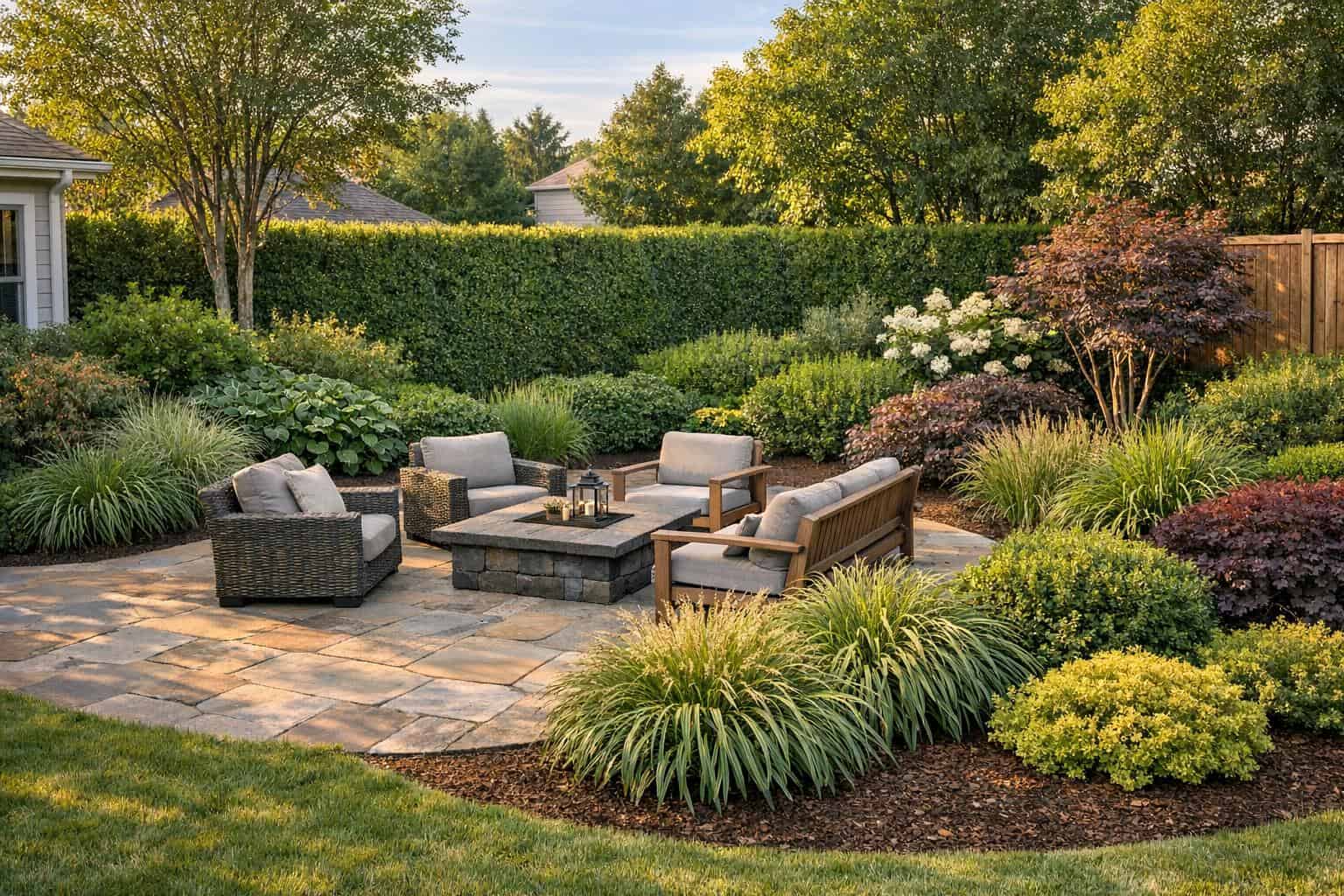
    Evergreen Screen vs Fence Privacy Guide for Homeowners related example showing Layered privacy landscaping with screening plants, mulch beds, and fence-line layout detail
    This evergreen example gives homeowners a visual reference for comparing layout, materials, and maintenance tradeoffs before starting the project.

    What homeowners should remember

    The best privacy edge is usually the one that fits the site and the homeowner’s maintenance comfort as much as the screening need.

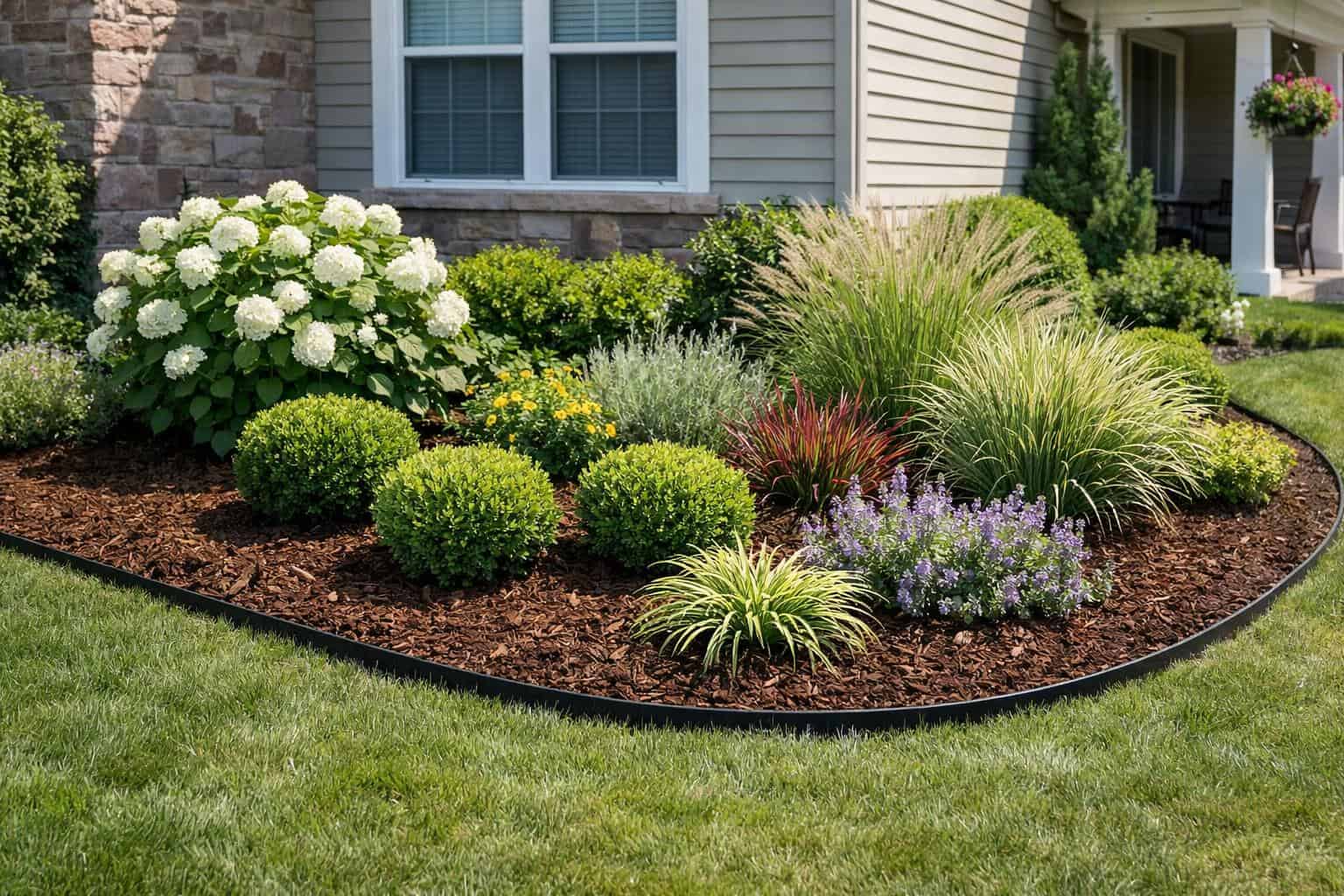
    Evergreen Screen vs Fence Privacy Guide for Homeowners related example showing Residential privacy landscaping scene with layered screening plants, planting beds, and fence line context
    This related evergreen detail helps show how site conditions and finish choices can change the homeowner's plan.

  • Patio Planting for Low-Mess Landscaping Guide

    Patio Planting for Low-Mess Landscaping Guide

    Patio planting should add comfort and softness to the outdoor room, but it can also become frustrating if the plants constantly drop debris into seating areas, stain paving, or require heavy cleanup around dining zones. The best low-mess choices still look good while staying practical to live with.

    Choose plants that support the way the patio is used

    A dining area may need cleaner surrounding plants than a looser garden seating nook, especially where food and traffic are involved.

    Keep debris, sap, and overhang in mind

    Plants that drop heavily or spread into the usable surface can quickly turn a good patio edge into a maintenance annoyance. Pair this with our Patio Planting for Sun vs Shade Guide if exposure conditions are also part of the selection problem.

    Use planting to soften, not clutter

    A cleaner patio usually benefits from simpler groupings that stay in bounds instead of a mixed assortment of fussy edges.

    What homeowners should remember

    The best low-mess patio planting makes the outdoor room more pleasant because it supports the space without making cleanup harder.


  • Privacy Screening Near Patio Dining Area Guide

    Privacy Screening Near Patio Dining Area Guide

    Dining patios often need a different kind of privacy than lounging or open lawn areas. The best screening near a patio table protects the key sightlines and helps the dining space feel more comfortable without making the rest of the yard feel shut off.

    Protect the views that affect the table most

    Many dining areas only need privacy on one or two sides to feel much better during regular use.

    Keep dining circulation open

    Guests still need room to move chairs, pass behind the table, and connect to the rest of the patio. Pair this with our Backyard Dining Area Ideas Guide for Homeowners if the table layout itself still needs planning.

    Let the screen fit the mood of the yard

    A dining screen can be layered and soft or cleaner and more structured, but it should still feel like part of the whole backyard composition.

    What homeowners should remember

    The best patio dining privacy makes the table area feel calmer without turning the backyard into a closed box.


  • Front Yard Bed Depth Guide for Homeowners

    Front Yard Bed Depth Guide for Homeowners

    Bed depth changes how the whole front yard feels. A bed that is too shallow can make the planting look flat and disconnected. A bed that is too deep can crowd the lawn, path, or house and create more maintenance than needed. The best depth usually depends on plant size, house scale, and what the bed is supposed to do.

    Use depth to support layering

    One of the biggest advantages of proper bed depth is that it gives planting room to build a foreground, middle, and background instead of forcing everything into one line.

    Match bed depth to the route beside it

    If the bed sits along a walkway, steps, or entry, the planting still needs to leave comfortable circulation room. Pair this with our Front Yard Bed Edging Ideas Guide for Homeowners if the bed outline is also being refined.

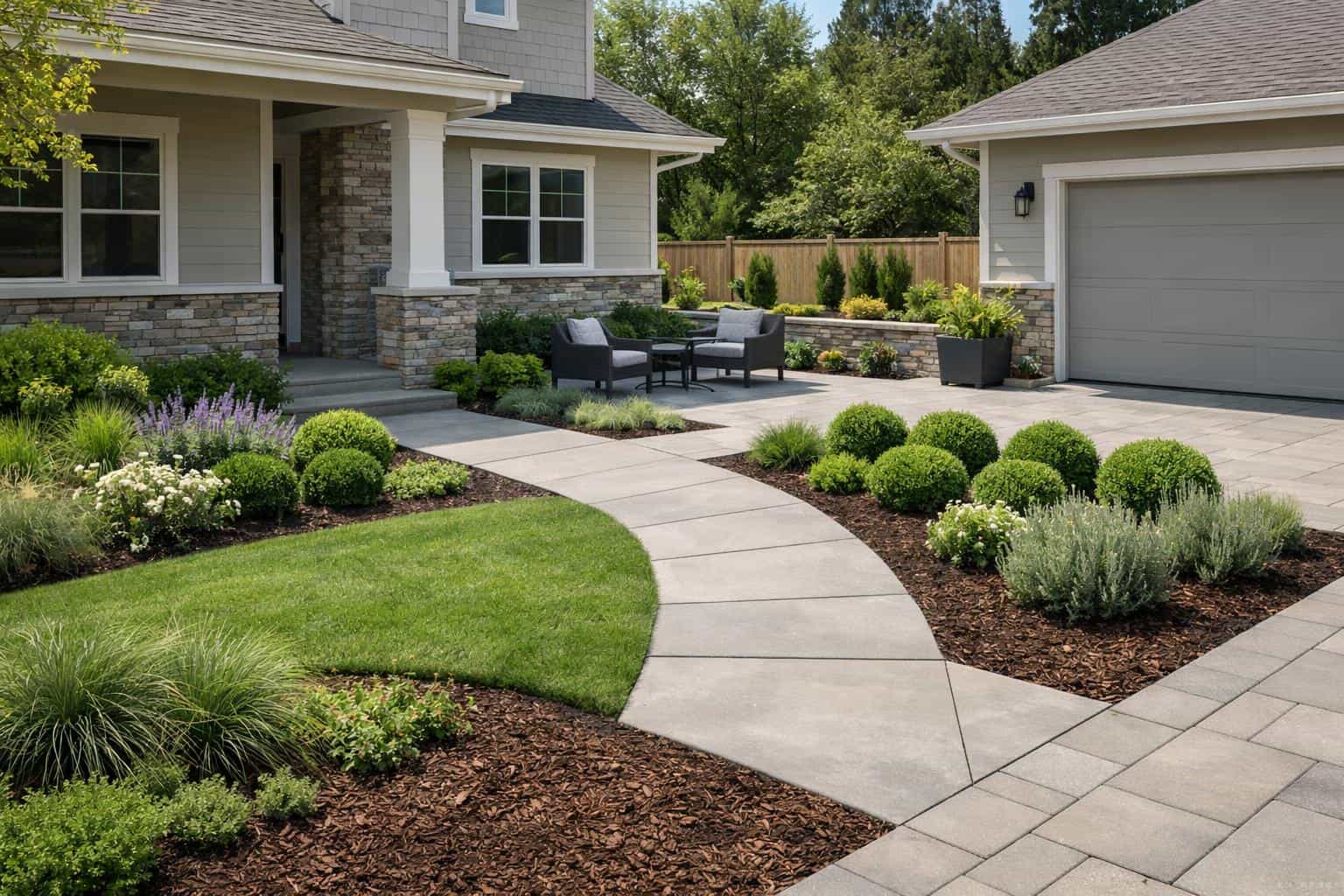
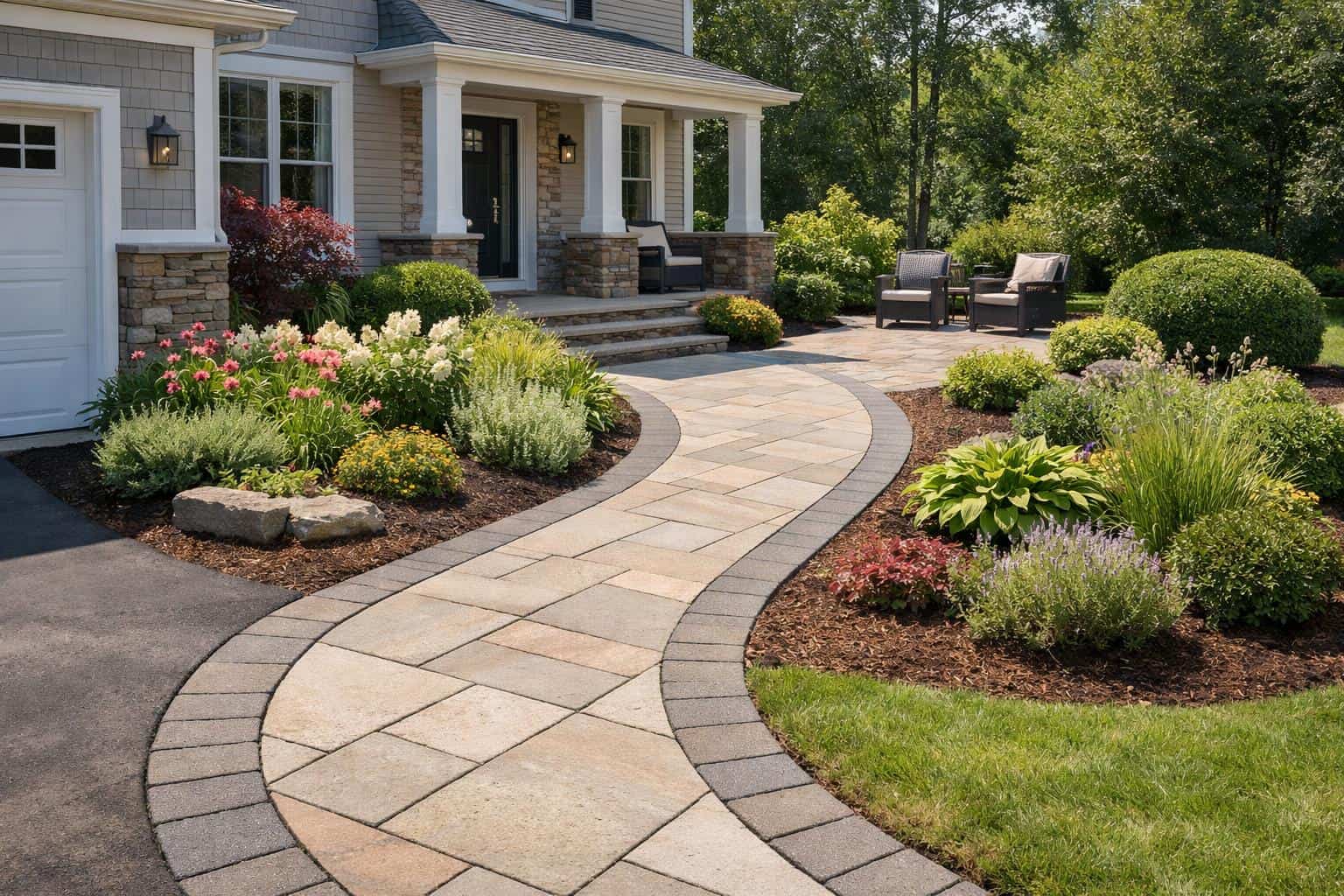
    Front Yard Bed Depth Guide for Homeowners related example showing Attractive residential front yard with walkway, planting beds, lawn, and curb appeal landscaping
    This front yard example gives homeowners a visual reference for comparing layout, materials, and maintenance tradeoffs before starting the project.

    Do not choose depth from the curb only

    A bed needs to work up close too, especially where maintenance, edging, and access matter.

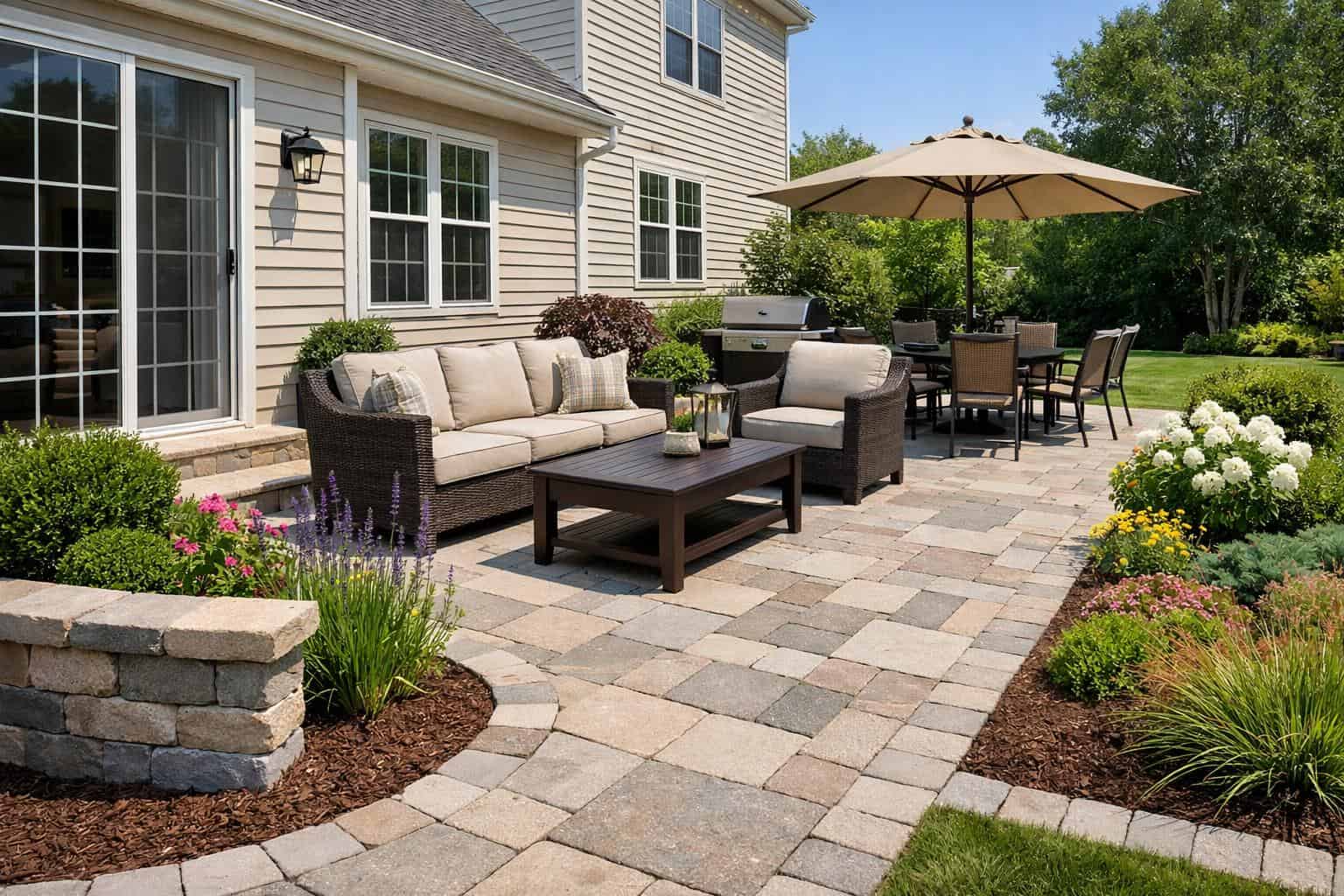
    Front Yard Bed Depth Guide for Homeowners related example showing Front entry landscape materials relevant to choosing surfaces and finishes for a smaller yard
    This related front yard detail helps show how site conditions and finish choices can change the homeowner's plan.

    What homeowners should remember

    The best front-yard bed depth makes the planting look more intentional because it gives the design enough room to work properly.


  • Front Yard Entry Plant Repetition Guide for Homeowners

    Front Yard Entry Plant Repetition Guide for Homeowners

    Repetition around the front entry can make even a simple approach feel much more designed. Using similar plant forms, colors, or masses near the entry often creates a calmer and more welcoming first impression than many isolated accent plants.

    Repeat plants to support the walk to the door

    The strongest entry repetition usually helps guide the eye toward the house instead of scattering attention around the bed.

    Keep the repeated forms scaled to the entry

    Repetition works best when the plant choices still match the width and style of the approach. Pair this with our Front Yard Entry Bed Ideas Guide for Homeowners if the bed itself still needs more structure.

    Use repetition to simplify, not flatten

    The goal is coherence, not monotony. Supporting layers and a few contrasting forms can still help the entry feel alive.

    What homeowners should remember

    The best entry repetition makes the front approach feel more intentional because the planting supports one clear design direction.


  • Walkway Landscape Lighting Spacing Guide for Homeowners

    Walkway Landscape Lighting Spacing Guide for Homeowners

    Walkway lighting looks best when spacing helps the route feel clear without creating a runway effect. The right distance between fixtures depends on brightness, path shape, surrounding planting, and where people actually need visual guidance.

    Use spacing to support how the route reads at night

    Fixtures should help people understand the path and key turns, not just appear at equal intervals because it seems tidy.

    Adjust spacing for path shape and surrounding planting

    Curves, entry transitions, and taller bordering plants can all change how close or far apart the lights should feel. Pair this with our Front Yard Walkway Lighting Ideas Guide if the wider lighting plan still needs work.

    Avoid the over-lit look

    More fixtures do not always make a path look better. In many yards, fewer better-placed lights feel more upscale.

    What homeowners should remember

    The best walkway-lighting spacing makes the path feel obvious and comfortable without drawing attention to the fixtures themselves.


  • Outdoor Kitchen Service Side Layout Guide for Homeowners

    Outdoor Kitchen Service Side Layout Guide for Homeowners

    The service side of an outdoor kitchen is where the layout either works smoothly or becomes frustrating. This is the side where cooking, prep, tools, trash, and serving decisions all come together, so the flow matters more than appearances alone.

    Keep the work sequence logical

    Prep, cooking, landing space, and cleanup should support each other instead of forcing constant crossover or backtracking.

    Let the guest side stay out of the work path

    One of the biggest layout improvements is often separating guest gathering from the most active service-side movements. Pair this with our Outdoor Kitchen Seating Layout Ideas Guide if the guest side still needs planning too.

    Design for the way you actually cook

    The right service-side layout depends on whether the kitchen is used for quick family grilling, more elaborate cooking, or larger entertaining.

    What homeowners should remember

    The best outdoor-kitchen service side makes the space easier to work in, not just better to look at.


  • Low-Maintenance Entry Bed Refresh Guide for Homeowners

    Low-Maintenance Entry Bed Refresh Guide for Homeowners

    An entry bed refresh can make the front of a house feel noticeably better without requiring a full redesign. The best lower-maintenance refreshes simplify plant choices, sharpen the bed edge, and focus attention on the route to the door.

    Refresh the bed structure before adding more plants

    In many front yards, cleanup, edging, and selective plant replacement do more than adding a lot of new material all at once.

    Use fewer stronger planting moves

    Lower-maintenance entry beds often improve when the palette is narrowed and repeated. Pair this with our Front Yard Entry Bed Ideas Guide for Homeowners if the bed layout also needs more design direction.

    Protect the arrival route

    The bed should still support a clear and comfortable walk to the front door.

    What homeowners should remember

    The best entry bed refreshes make the front approach feel cleaner and more intentional without increasing the upkeep burden.


  • Evergreen Screen Watering After Installation Guide

    Evergreen Screen Watering After Installation Guide

    New privacy screens often struggle not because the plants were wrong, but because the watering during the establishment period was inconsistent or poorly matched to site conditions. The first stretch after installation is when evergreen screening needs the most attention.

    Watering needs change after installation

    The schedule that helps a new screen establish is not the same as what a mature privacy edge may need later.

    Match watering to soil, exposure, and plant size

    Newly planted screens can dry out or stay too wet depending on the site. Pair this with our Evergreen Screen Spacing Guide for Homeowners if plant size and spacing are also part of the installation plan.

    Do not assume the irrigation is already right

    Even when irrigation is present, a new screen may need closer monitoring than an established yard area.

    What homeowners should remember

    The best post-install watering helps the screen settle in more evenly so privacy and plant health develop together.


  • Patio Planting for Sun vs Shade Guide

    Patio Planting for Sun vs Shade Guide

    Patio planting often looks good on day one and struggles later because the light conditions were underestimated. A patio edge in intense sun needs a very different planting strategy than one that stays shaded for much of the day.

    Read the exposure where the patio actually sits

    The house, nearby fences, structures, and trees can change light conditions more than homeowners expect.

    Choose planting that supports comfort and maintenance

    The best patio-edge plants still need to work with circulation, debris, and how the space is used. Pair this with our Patio Perimeter Planting Ideas Guide for Homeowners if the patio border still needs visual planning too.

    Do not force one palette across very different microclimates

    One side of a patio may behave very differently than another, especially when the house creates half-day shade.

    What homeowners should remember

    The best patio planting decisions match the real exposure conditions so the outdoor room stays attractive and manageable over time.