Landscaping Guru

  • Front Yard Bed Edging Ideas Guide for Homeowners

    Front Yard Bed Edging Ideas Guide for Homeowners

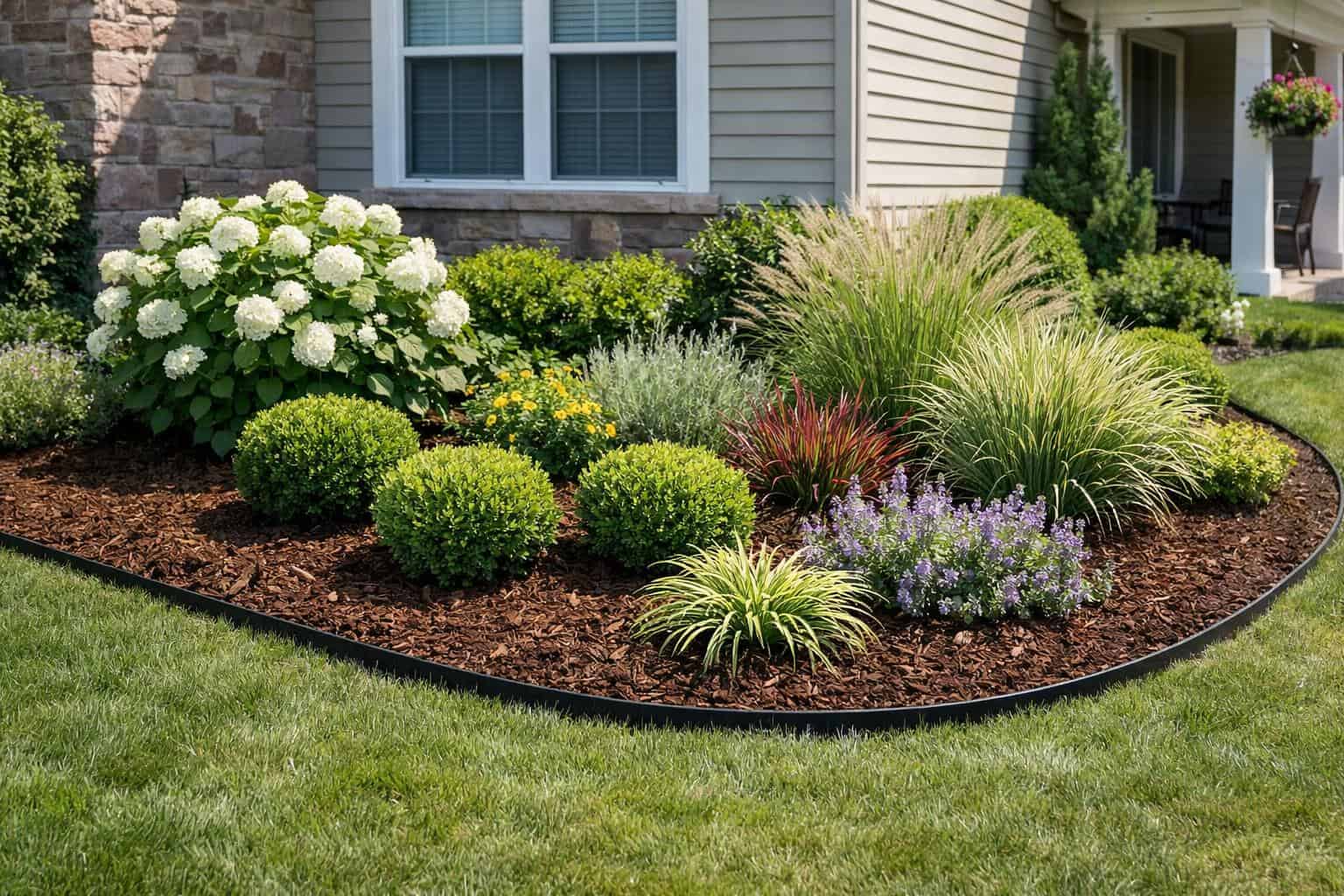
    Bed edging is one of the small details that can make the whole front yard feel more finished. A cleaner edge helps organize the planting, sharpen curb appeal, and define the relationship between lawn, mulch, and hardscape.

    Use edging to clarify the planting shape

    A good edge helps people read the bed as a coherent part of the front-yard design instead of a loose patch of planting.

    Let the edging match the style of the yard

    Some front yards want a sharper edge, while others work better with a softer transition. Pair this with our Front Yard Layered Planting Ideas Guide for Homeowners if the bed composition is still being refined.

    Keep maintenance in mind

    The best edge is usually the one that looks good and stays practical to maintain over time.

    What homeowners should remember

    The best bed-edging ideas make the front yard feel more intentional because the planting, lawn, and path each have clearer boundaries.


  • Side Yard Drainage-Friendly Path Ideas Guide

    Side Yard Drainage-Friendly Path Ideas Guide

    Side yards often collect water, compact easily, and become messy where foot traffic repeats. The best drainage-friendly path ideas make the route easier to use while still working with how water moves beside the house.

    Start with the water problem, not just the surface look

    If the side yard holds water or turns muddy, the path needs to respond to that condition rather than just cover it up.

    Choose a path style that fits the site conditions

    Some narrow routes need a simpler, more open surface strategy while others need a firmer path treatment. Pair this with our Side Yard Path Ideas Guide for Homeowners if you are still deciding the broader side-yard route concept.

    Keep access and maintenance easy

    Even a drainage-friendly path should still allow the side yard to function as a practical access route.

    What homeowners should remember

    The best drainage-friendly path ideas make a wet side yard easier to live with instead of just dressing up the problem.


  • Outdoor Kitchen Counter Height vs Bar Height Guide

    Outdoor Kitchen Counter Height vs Bar Height Guide

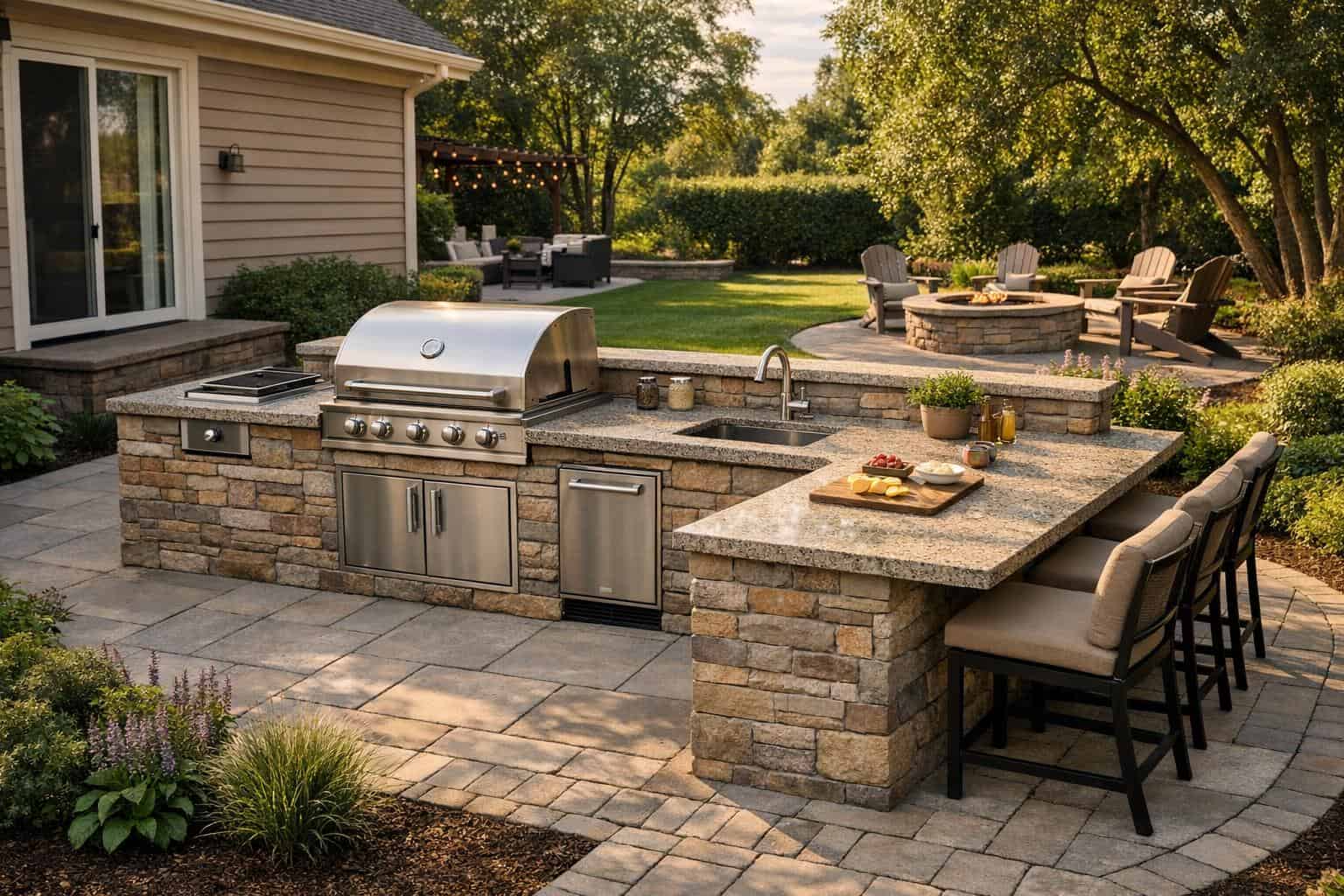
    Counter height and bar height can make an outdoor kitchen feel very different to use. The right choice depends on whether the focus is cooking workflow, casual gathering, dining comfort, or separating the prep zone from guest seating.

    Use counter height when workflow matters most

    Counter-height layouts often feel more practical for prepping, serving, and flexible dining or standing use.

    Use bar height when separation helps

    Bar height can create a clearer distinction between the working side of the kitchen and the guest side. Pair this with our Outdoor Kitchen Grill vs Prep Space Balance Guide if overall workflow is still being refined.

    Think about who uses the space most

    The better fit usually comes from how the household entertains and cooks rather than from style alone.

    What homeowners should remember

    The best height decision supports both how the kitchen works and how people actually gather around it.


  • Low-Maintenance Narrow Bed Landscaping Guide

    Low-Maintenance Narrow Bed Landscaping Guide

    Narrow beds are easy to overplant because the space feels small and homeowners often want it to do too much. The best low-maintenance narrow-bed designs keep the palette simpler, the scale appropriate, and the maintenance demands realistic.

    Keep the planting proportional to the bed depth

    Narrow beds usually work better with fewer, more controlled plant forms than with a mixed collection of shrubs that quickly outgrow the space.

    Use the bed to support the edge, not steal the route

    Many narrow beds sit next to a walk, fence, or house wall, so their planting has to respect how the adjacent space is used. Use this with our Low-Maintenance Fence Line Landscaping Guide if the bed is part of a longer boundary condition.

    Choose easy-care materials carefully

    Mulch, edging, and plant repetition can all help narrow beds look cleaner and stay easier to manage.

    What homeowners should remember

    The best narrow-bed landscaping looks intentional because it works with the limits of the space instead of fighting them.


  • Evergreen Screen Spacing Guide for Homeowners

    Evergreen Screen Spacing Guide for Homeowners

    Spacing is one of the most important decisions in any evergreen screen. Plant too tightly and the screen may become overcrowded, harder to maintain, or less healthy long term. Plant too loosely and homeowners may be disappointed with how slowly the privacy fills in.

    Plan for mature size, not just immediate coverage

    Spacing should be based on how the chosen plants will actually grow on the site, not just how bare the line looks on planting day.

    Let the privacy need shape the spacing strategy

    Some screens can fill in gradually. Others need faster coverage in key sightline areas. Pair this with our Evergreen Screen Ideas Guide for Homeowners if the larger screen approach is still taking shape.

    Do not forget maintenance access

    Even privacy screens need room for cleanup, pruning, and long-term management.

    What homeowners should remember

    The best evergreen spacing decisions support both the privacy goal and the long-term health of the planting line.


  • Patio Border vs Open Edge Guide for Homeowners

    Patio Border vs Open Edge Guide for Homeowners

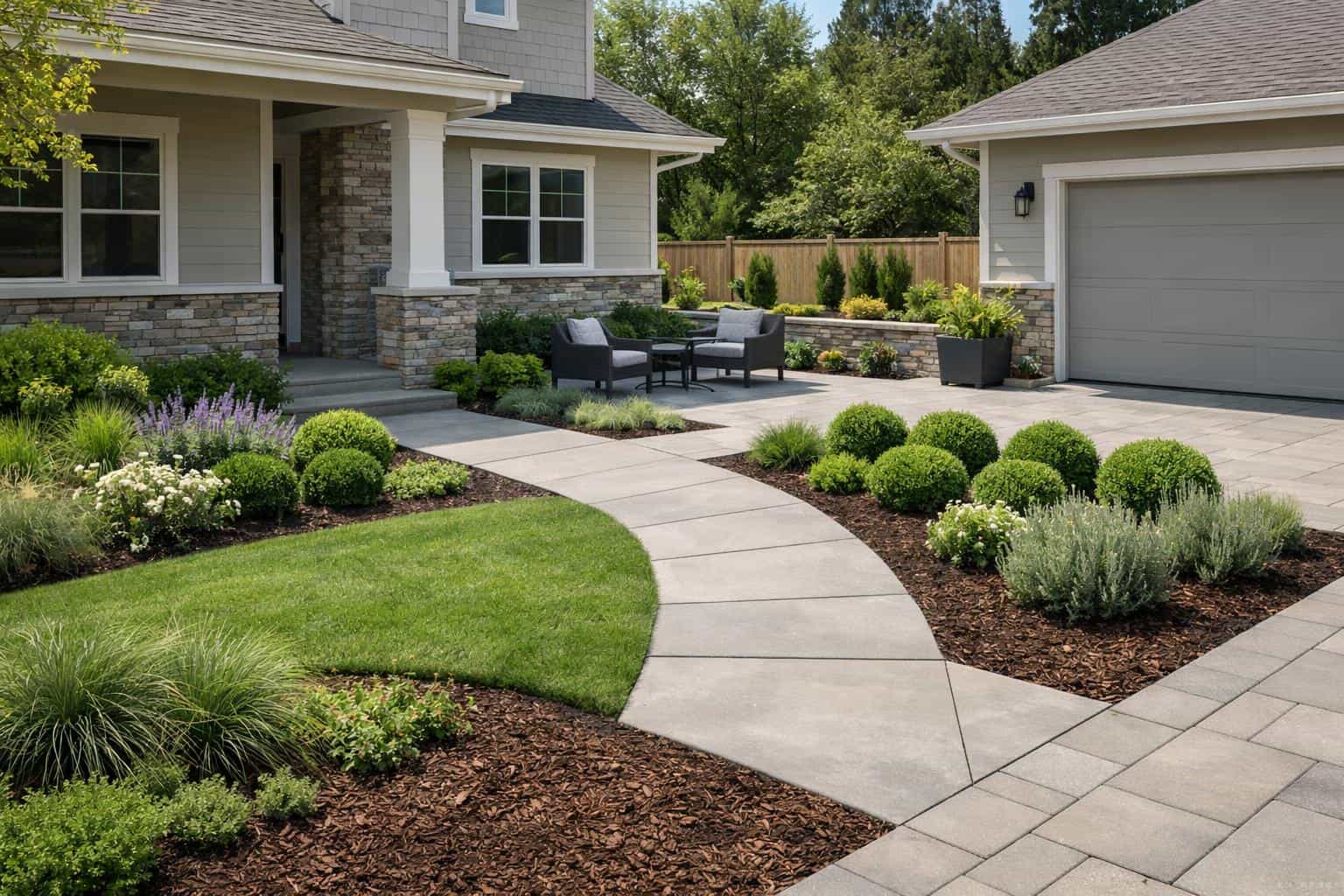
    Some patios feel best with a strong edge treatment or border that clearly defines the space. Others work better when the patio transitions more openly into lawn or surrounding planting. The right choice depends on the layout, materials, and how formal the yard should feel.

    Use borders when the patio needs more definition

    A border can help reinforce shape, connect to nearby walkways, or make a simple surface feel more finished.

    Use open edges when the patio should blend into the yard

    Some patios benefit from softer transitions into planting or lawn, especially if the goal is a more relaxed backyard feel. Pair this with our Patio Perimeter Planting Ideas Guide for Homeowners if planting is part of that edge strategy.

    Let the architecture and layout lead

    The best patios usually choose one dominant edge language and let the rest of the design support it.

    What homeowners should remember

    The right patio edge is usually the one that makes the outdoor room feel more intentional without forcing a style that does not match the yard.


  • Privacy Planting for Side Yard Seating Guide

    Privacy Planting for Side Yard Seating Guide

    Side-yard seating can work surprisingly well, but privacy matters more in these narrow spaces because the neighboring view lines often feel close. The best planting ideas create a more protected feeling without making the side yard feel boxed in or overplanted.

    Screen the sitting zone, not every inch of the side yard

    Often the best result comes from focusing privacy around the actual seating area rather than trying to turn the entire side yard into a solid wall of screening.

    Use planting that fits the narrow width

    Side-yard privacy is often a spacing problem first. Use this with our Low-Maintenance Side Yard Ideas Guide for Homeowners if the space also needs circulation or cleanup improvements.

    Keep access clear

    Even if the side yard becomes a seating nook, it often still needs to support maintenance or passage to the backyard.

    What homeowners should remember

    The best privacy planting for side-yard seating makes a narrow space feel calmer without sacrificing function.


  • Front Yard Planting Near Steps Guide for Homeowners

    Front Yard Planting Near Steps Guide for Homeowners

    Planting near front steps can make the entry feel more welcoming, but it has to respect visibility, handrail clearance, and how people move up to the door. The best ideas soften the hardscape without turning the steps into a tighter or harder-to-maintain zone.

    Keep the step edge and route easy to read

    Plants should help frame the steps, not blur where people place their feet. Lower or more controlled planting often works best close to stair edges.

    Let the planting support the scale of the entry

    The size of the bed and the plant forms should still match the house and entry width. Pair this with our Front Entry Landscaping Ideas Guide for Homeowners if the whole approach needs coordination.

    Avoid maintenance trouble spots

    Plants that spill, shed heavily, or require constant trimming can make steps harder to keep clean and safe.

    What homeowners should remember

    The best planting near steps makes the entry feel more intentional while keeping the stair route clear and comfortable to use.


  • Front Yard Anchor Plant Ideas Guide for Homeowners

    Front Yard Anchor Plant Ideas Guide for Homeowners

    Anchor plants help give a front yard structure. They can define corners, stabilize the edge of a bed, or help the planting composition feel grounded. The best anchor plants support the larger layout instead of competing with the house or entry.

    Use anchor plants to hold important parts of the composition

    They often work well near bed corners, transitions, and entry-adjacent planting areas where the design needs more visual weight.

    Let anchor plants support, not dominate

    An anchor plant should still fit the scale of the home and the bed. Pair this with our Front Yard Focal Point Ideas Guide for Homeowners if you are also deciding where the main visual emphasis belongs.

    Think about form and mature presence

    The strongest anchor plants usually have dependable form, good year-round presence, and clear purpose inside the planting plan.

    What homeowners should remember

    The best anchor-plant ideas make the front yard feel more grounded and intentional because the planting has a stronger internal structure.


  • Front Walk Material Transition Ideas Guide

    Front Walk Material Transition Ideas Guide

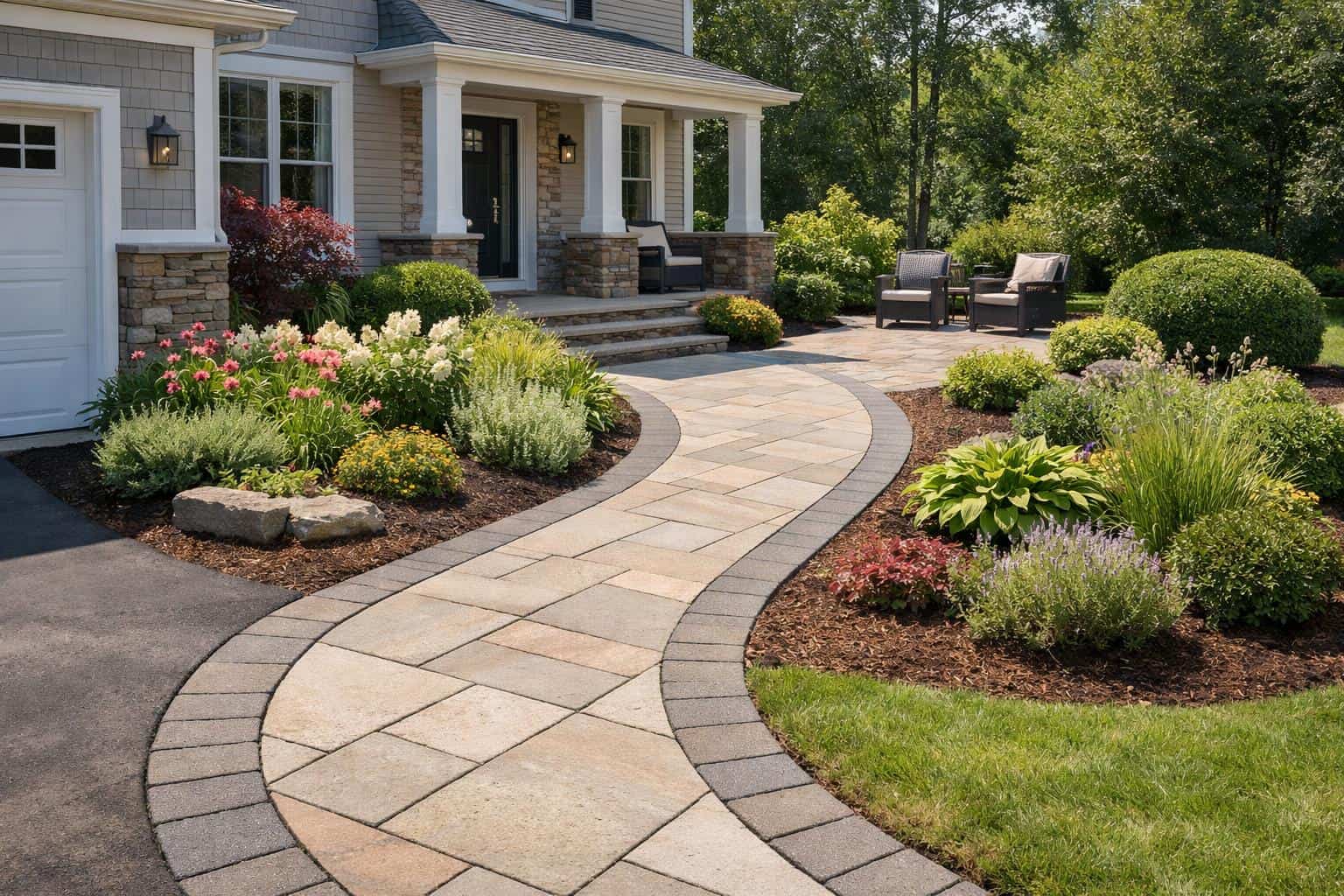
    The front walk often connects several different materials: driveway, main path, porch, steps, or edging. When those transitions are handled well, the approach feels finished. When they are not, even a good walkway can feel pieced together.

    Let the main path stay visually dominant

    Transitions should support the front walk, not interrupt it. The route to the door still needs to feel obvious and calm.

    Use transitions to connect the house and hardscape palette

    Changes in material usually look strongest when they relate to the home, entry, or driveway rather than appearing arbitrary. Pair this with our Driveway Border and Apron Ideas Guide for Homeowners if the driveway edge is part of the same front-approach redesign.

    Keep joints and thresholds clean

    Simple, well-placed transitions usually look better than overcomplicated patterns or abrupt shifts in finish.

    What homeowners should remember

    The best front-walk transitions make the whole entry sequence feel more polished without distracting from the route itself.