Landscaping Guru

  • Best Landscaping Projects for Backyard Enjoyment and Resale Guide

    Best Landscaping Projects for Backyard Enjoyment and Resale Guide

    The best backyard investments are the ones that homeowners use now and that still make sense to future buyers. That usually means practical outdoor-living improvements rather than highly specialized features.

    Projects that often balance enjoyment and resale well

    • Patio upgrades that create obvious room for seating and dining
    • Lighting that improves evening use and makes the yard feel finished
    • Drainage and grading corrections that protect the rest of the yard
    • Low-maintenance planting and privacy screening that create comfort without high upkeep
    • Functional circulation improvements such as walkways and clean transitions between areas

    Why practical improvements usually win

    Backyards add value most reliably when they support everyday use. Buyers respond better to spaces that feel usable, comfortable, and easy to maintain than to expensive features with narrow appeal.

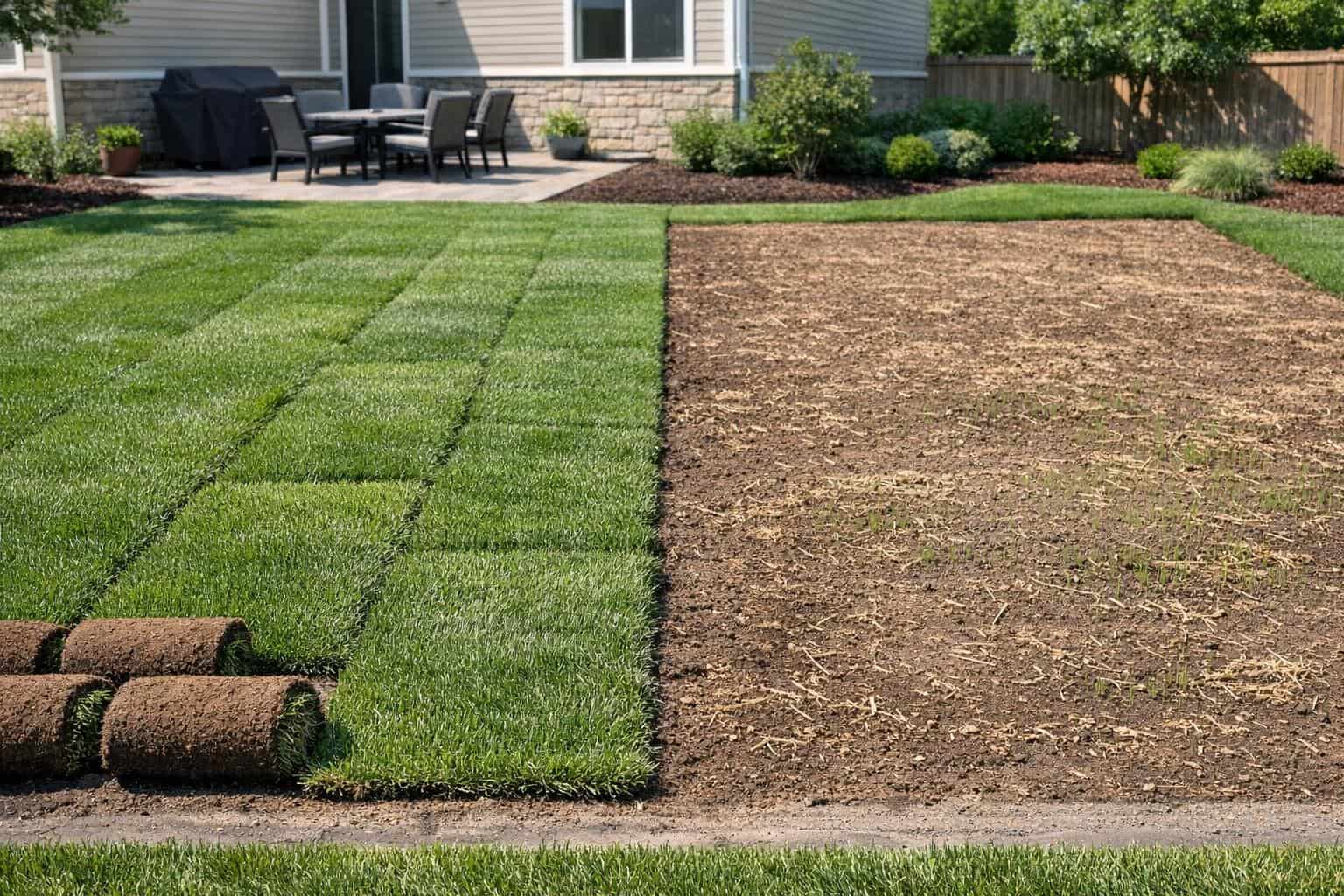
    Best Landscaping Projects for Backyard Enjoyment and Resale Guide related example showing Small Backyard Landscaping detail relevant to warning signs, wear, and maintenance decisions
    This backyard example gives homeowners a visual reference for comparing layout, materials, and maintenance tradeoffs before starting the project.
    • They serve more than one purpose at once
    • They reduce visible problems like wet spots, awkward layout, or lack of seating
    • They help the whole backyard feel more cohesive

    Projects to evaluate carefully

    • Highly customized entertainment features with limited general appeal
    • Luxury upgrades that dominate the yard and squeeze out basic usability
    • Backyard spending that ignores front-yard condition or major unresolved maintenance issues

    Bottom line

    The safest backyard investments are the ones that improve how people move, gather, relax, and maintain the space.

    Best Landscaping Projects for Backyard Enjoyment and Resale Guide related example showing Small Backyard Landscaping detail relevant to planning mistakes, layout, and upkeep expectations
    This related backyard detail helps show how site conditions and finish choices can change the homeowner's plan.

    If you want more context, continue with the main Does Landscaping Increase Home Value Guide.


  • Best Landscaping Projects for Curb Appeal Guide

    Best Landscaping Projects for Curb Appeal Guide

    Curb appeal improves fastest when the front yard looks organized, well-scaled, and easy to maintain. The best projects usually make the property feel cleaner and more intentional from the street.

    Projects that often make the biggest visual difference

    • Front bed cleanup and simple planting updates
    • Walkway or entry improvements that make the front approach clearer
    • Fresh edging, mulch, decorative rock, or ground-cover cleanup
    • Landscape lighting that highlights the path, entry, and architecture
    • Targeted grading or drainage fixes that eliminate messy problem spots

    Why these projects usually work

    Most curb appeal gains come from clarity. Buyers and guests respond well to a front yard that feels maintained, proportional, and easy to understand at a glance.

    Best Landscaping Projects for Curb Appeal Guide related example showing Attractive residential front yard with walkway, planting beds, lawn, and curb appeal landscaping
    This front yard example gives homeowners a visual reference for comparing layout, materials, and maintenance tradeoffs before starting the project.
    • They improve first impressions without requiring a total property overhaul
    • They help the home look cared for rather than just decorated
    • They often combine aesthetics with function, which makes the investment easier to justify

    Where homeowners can overspend

    • Highly custom features that do not fit the home or neighborhood
    • Overly fussy plant palettes that look expensive to maintain
    • Decorative upgrades that ignore drainage, access, or hardscape condition

    Bottom line

    The strongest curb-appeal projects improve the front yard’s structure, cleanliness, and ease of care rather than relying on novelty alone.

    Best Landscaping Projects for Curb Appeal Guide related example showing Front entry landscape materials relevant to choosing surfaces and finishes for a smaller yard
    This related front yard detail helps show how site conditions and finish choices can change the homeowner's plan.

    If you want more context, continue with the main Does Landscaping Increase Home Value Guide.


  • Signs You Are Choosing the Wrong Landscaping Materials Guide

    Signs You Are Choosing the Wrong Landscaping Materials Guide

    Many material mistakes announce themselves early. If a choice already feels hard to justify before ordering, that hesitation is often worth listening to.

    Common warning signs before you buy

    • The material looks great in photos but seems impractical for your slope, sun, or traffic level
    • You are already worried about cleanup, heat, glare, or weed control
    • The supplier cannot clearly explain grade, durability, or maintenance expectations
    • The color or texture fights with the home and everything you plan to keep
    • The lowest price option only works if all conditions are ideal

    How to sanity-check a material choice

    A good material should make the project easier to live with, not create a new set of doubts before installation starts.

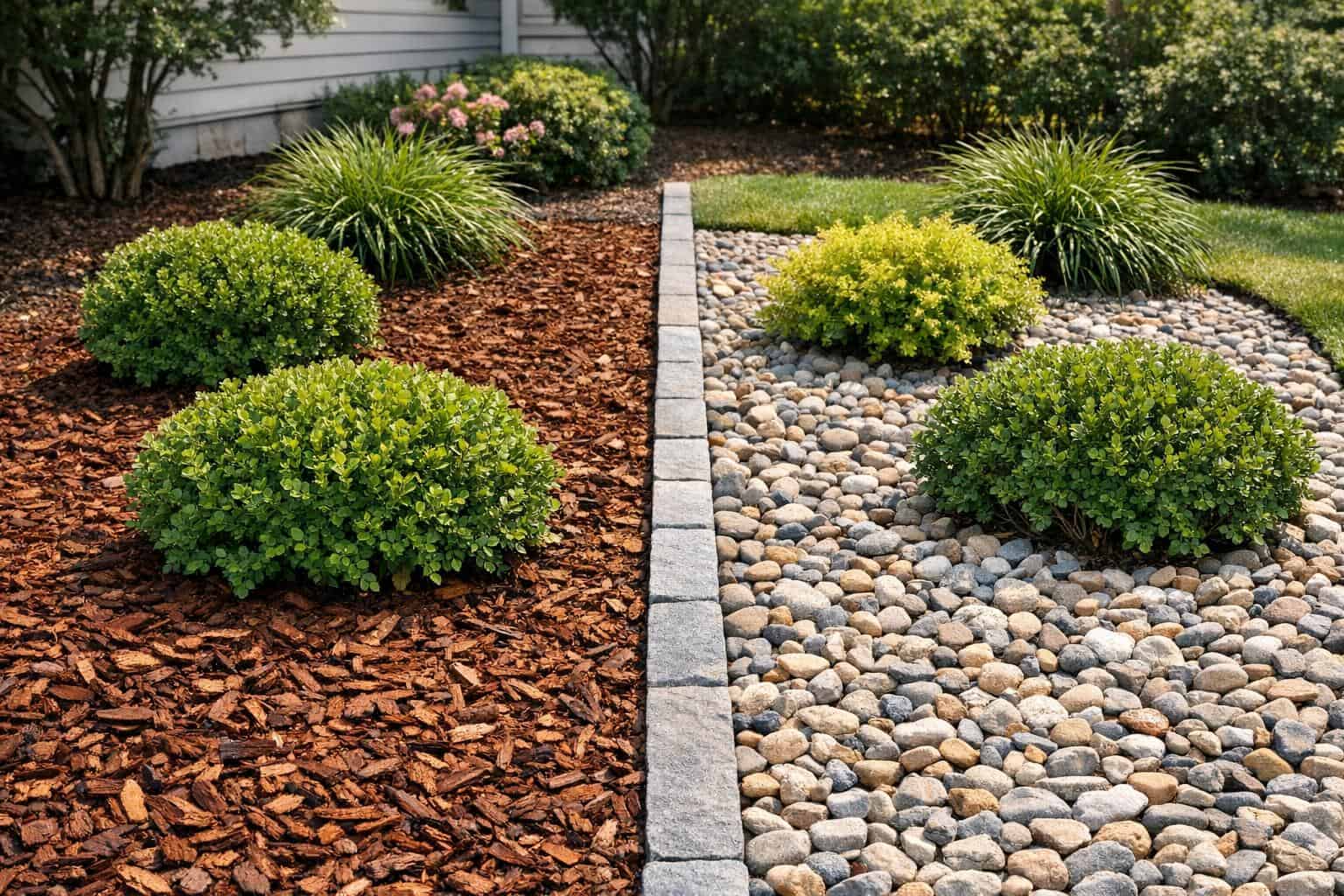
    Signs You Are Choosing the Wrong Landscaping Materials Guide related example showing Landscape beds and groundcover materials relevant to homeowner quantity planning for mulch, soil, and decorative rock
    This materials example gives homeowners a visual reference for comparing layout, materials, and maintenance tradeoffs before starting the project.
    • Review samples in real outdoor light, not only indoors or on a phone screen
    • Ask how the material behaves after rain, sun exposure, foot traffic, and routine maintenance
    • Compare it against how the space will actually be used day to day

    When to stop and rethink

    • When the material needs more maintenance than your goal allows
    • When installation requirements keep expanding the cost and complexity
    • When the choice solves one problem but clearly creates two new ones

    Bottom line

    The right material usually feels like a good fit for the site, the budget, and the maintenance plan all at once.

    Signs You Are Choosing the Wrong Landscaping Materials Guide related example showing Landscape beds and groundcover materials relevant to homeowner quantity planning for mulch, soil, and decorative rock
    This related materials detail helps show how site conditions and finish choices can change the homeowner's plan.

    If you want more context, continue with the main Landscaping Materials Guide for Homeowners.


  • What a Landscaping Materials Delivery Should Include Guide

    What a Landscaping Materials Delivery Should Include Guide

    Material delivery day is one of the easiest moments for confusion to creep into a project. Homeowners should know what was ordered, where it will be placed, and how to spot obvious problems before installation starts.

    What to confirm when the delivery arrives

    • The correct material type, color, size, and quantity
    • The agreed drop location and whether access is still workable
    • Visible damage, torn bags, broken pallets, or obvious batch variation
    • Whether the delivered material matches the samples or selections you approved

    Details that matter more than homeowners expect

    Small delivery issues turn into bigger installation problems when they are not noticed until after material has been spread, cut, or mixed into the project.

    What a Landscaping Materials Delivery Should Include Guide related example showing Landscape beds and groundcover materials relevant to homeowner quantity planning for mulch, soil, and decorative rock
    This materials example gives homeowners a visual reference for comparing layout, materials, and maintenance tradeoffs before starting the project.
    • Batch consistency for pavers, stone, mulch, or decorative aggregate
    • Delivery placement that will not create extra labor or block the project sequence
    • Protection for nearby pavement, curbs, plantings, and irrigation components

    What to do if something looks wrong

    • Take clear photos before the material is moved or used
    • Pause installation on the questionable items until the supplier or contractor responds
    • Confirm whether replacement, credit, or re-delivery is the next step

    Bottom line

    The goal of delivery day is simple: make sure the right materials arrived in usable condition and landed in the right place for the project to stay on track.

    What a Landscaping Materials Delivery Should Include Guide related example showing Landscape beds and groundcover materials relevant to homeowner quantity planning for mulch, soil, and decorative rock
    This related materials detail helps show how site conditions and finish choices can change the homeowner's plan.

    If you want more context, continue with the main Landscaping Materials Guide for Homeowners.


  • How to Store Landscaping Materials Before Installation Guide

    How to Store Landscaping Materials Before Installation Guide

    If materials arrive before installation day, the storage plan matters. Poor storage can create broken pavers, soaked bag goods, contaminated aggregate, plant stress, or access problems before the project even begins.

    What homeowners should protect

    • Keep bagged material dry and off bare soil when possible
    • Store pavers, stone, and edging on stable ground where pallets will not sink or tip
    • Protect plant material from full-day stress, wind exposure, and missed watering
    • Keep bulk deliveries from blocking garages, drainage routes, and emergency access

    How to avoid damage and jobsite headaches

    Materials should be staged where they are easy to access without creating a second round of labor just to move them again.

    How to Store Landscaping Materials Before Installation Guide related example showing Landscape beds and groundcover materials relevant to homeowner quantity planning for mulch, soil, and decorative rock
    This materials example gives homeowners a visual reference for comparing layout, materials, and maintenance tradeoffs before starting the project.
    • Confirm the drop zone with the contractor before delivery day
    • Ask whether the storage surface can handle the weight of pallets or bulk piles
    • Cover and secure items that can shift, soak, or blow around

    When to let the contractor manage storage

    • When access is tight or material weight could damage driveways and curbs
    • When live plant material needs more careful timing and handling
    • When staged materials could interfere with family use, HOA rules, or neighbors

    Bottom line

    A good storage plan protects the materials and keeps the installation sequence cleaner once the crew is ready to work.

    How to Store Landscaping Materials Before Installation Guide related example showing Landscape beds and groundcover materials relevant to homeowner quantity planning for mulch, soil, and decorative rock
    This related materials detail helps show how site conditions and finish choices can change the homeowner's plan.

    If you want more context, continue with the main Landscaping Materials Guide for Homeowners.


  • Landscaping Materials Planning Mistakes Homeowners Should Avoid Guide

    Landscaping Materials Planning Mistakes Homeowners Should Avoid Guide

    Material decisions shape cost, appearance, maintenance, and how long a project lasts. Many expensive landscaping mistakes begin with materials that were chosen too quickly or without enough site context.

    Mistakes that cause the most rework

    • Choosing materials by appearance before checking sun, slope, drainage, and traffic demands
    • Ordering quantities before the base prep and final dimensions are confirmed
    • Mixing finishes that clash with the home, existing hardscape, or neighborhood context
    • Ignoring how heat, glare, dust, or runoff will affect everyday use
    • Assuming all suppliers are providing the same quality or grade of material

    How to make stronger material decisions

    Materials should be chosen after the project goals are clear. The right option for a shaded side yard may be a bad fit for a sunny play area or a sloped front bed.

    Landscaping Materials Planning Mistakes Homeowners Should Avoid Guide related example showing Landscape beds and groundcover materials relevant to homeowner quantity planning for mulch, soil, and decorative rock
    This materials example gives homeowners a visual reference for comparing layout, materials, and maintenance tradeoffs before starting the project.
    • Match materials to the use pattern, not just the inspiration image
    • Confirm maintenance expectations before ordering
    • Ask to see samples next to the home and any existing hardscape you plan to keep

    Questions to settle before ordering

    • How will this material age in the actual site conditions?
    • What base, edging, or installation detail does it need to perform well?
    • Will the color, texture, and scale still make sense when installed across the full area?

    Bottom line

    Material planning gets easier when you slow down long enough to align appearance, performance, maintenance, and delivery logistics before money is spent.

    Landscaping Materials Planning Mistakes Homeowners Should Avoid Guide related example showing Landscape beds and groundcover materials relevant to homeowner quantity planning for mulch, soil, and decorative rock
    This related materials detail helps show how site conditions and finish choices can change the homeowner's plan.

    If you want more context, continue with the main Landscaping Materials Guide for Homeowners.


  • Signs Your Concrete Driveway Needs Attention Guide

    Signs Your Concrete Driveway Needs Attention Guide

    Not every driveway crack is a crisis, but recurring damage, settlement, spalling, drainage issues, or widening joints are signs the surface deserves a closer look.

    Common signs something is off

    When concrete driveway stops working well, the warning signs usually show up before total failure. Paying attention early gives you more options and usually lowers repair cost.

    Signs Your Concrete Driveway Needs Attention Guide related example showing Concrete, paver, and stone outdoor surfaces showing common patio and walkway material choices for homeowners
    This patio example gives homeowners a visual reference for comparing layout, materials, and maintenance tradeoffs before starting the project.
    • Cracks are widening, multiplying, or showing vertical displacement
    • Water is pooling on the slab or draining back toward the garage or walkway
    • Edges are chipping or flaking where tires cross or water sits
    • Sections look sunken, lifted, or no longer meet adjacent surfaces cleanly
    • The driveway surface is breaking down instead of aging evenly

    What to check first

    Compare new changes to the driveway’s earlier condition. Movement, moisture, and surface breakdown patterns are more important than one isolated hairline mark.

    • Look after heavy rain to see whether drainage is contributing to damage
    • Check joints and edges where movement often shows up first
    • Notice whether cracking is cosmetic or tied to settlement and height change

    When to call a pro

    If you are seeing repeated problems, safety issues, drainage changes, cracking, movement, dead materials, or loss of function, it is worth getting a professional opinion instead of guessing.

    Signs Your Concrete Driveway Needs Attention Guide related example showing Patio detail relevant to settling, drainage, and warning signs
    This related patio detail helps show how site conditions and finish choices can change the homeowner's plan.
    • Noticeable settlement, heaving, or displacement
    • Drainage problems directing water under or against the slab
    • Surface deterioration spreading quickly across traffic areas

    Bottom line

    The earlier you respond to trouble signs in concrete driveway, the better your odds of fixing the problem with a smaller scope and lower cost.

    For the full service background, go back to the main Concrete Driveway Installation Process Explained Step-by-Step.


  • What to Expect During a Concrete Driveway Project Guide

    What to Expect During a Concrete Driveway Project Guide

    A concrete driveway project usually moves through demolition or excavation, base work, forming, pour day, finishing, curing, and final cleanup. Knowing that sequence helps homeowners plan access and avoid surprises.

    What usually happens first

    Most crews start by protecting nearby areas, confirming layout, and preparing the site for removal or excavation.

    What to Expect During a Concrete Driveway Project Guide related example showing Concrete, paver, and stone outdoor surfaces showing common patio and walkway material choices for homeowners
    This patio example gives homeowners a visual reference for comparing layout, materials, and maintenance tradeoffs before starting the project.
    • Access changes while the old driveway is removed or the site is excavated
    • Noise, debris, and truck movement during demolition and base work
    • Layout checks for width, slope, tie-ins, and expansion or control joints

    What homeowners should expect during the main work

    • Forming and reinforcement installation before concrete is placed
    • A concentrated pour-and-finish day where crew timing matters a lot
    • Surface finishing, edging, and joint work that can change how soon the slab is ready for the next step
    • Restricted use while curing happens even after the crew appears to be finished

    What the closeout stage should include

    • A walkthrough covering cure time, sealing if included, and when to allow foot and vehicle traffic
    • Cleanup around edges, walkways, and street tie-ins
    • Explanation of normal early appearance changes versus real problems to monitor

    Bottom line

    The smoother your concrete driveway project is, the more likely it is that layout, site conditions, materials, and cleanup expectations were discussed in advance.

    What to Expect During a Concrete Driveway Project Guide related example showing Backyard patio comparison showing paver surface and stamped concrete surface
    This related patio detail helps show how site conditions and finish choices can change the homeowner's plan.

    For the broader overview, revisit the main Concrete Driveway Installation Process Explained Step-by-Step.


  • What a Concrete Driveway Quote Should Include Guide for Homeowners

    What a Concrete Driveway Quote Should Include Guide for Homeowners

    A concrete driveway quote should explain what is being removed, built, reinforced, finished, and cleaned up so you can compare contractors without guessing.

    Items a strong quote should cover

    A good concrete driveway quote should make it easy to see what the contractor plans to build, what materials are included, and what could trigger changes later.

    What a Concrete Driveway Quote Should Include Guide for Homeowners related example showing Concrete, paver, and stone outdoor surfaces showing common patio and walkway material choices for homeowners
    This patio example gives homeowners a visual reference for comparing layout, materials, and maintenance tradeoffs before starting the project.
    • Driveway dimensions, thickness, reinforcement, and base preparation details
    • Demolition, disposal, grading, and subgrade correction if existing concrete is being removed
    • Joint layout, finish type, edge details, and any decorative options
    • Curing plan, sealing if included, and timeline for vehicle use after installation
    • Cleanup scope, protection of nearby areas, and who handles permits or inspections if needed

    Details homeowners should clarify

    Concrete work can look simple on the surface while still hiding important structural decisions. Homeowners should understand not just what the driveway will look like, but how it will be built.

    What a Concrete Driveway Quote Should Include Guide for Homeowners related example showing Patio construction detail relevant to base preparation, drainage, and quote scope for homeowners
    This related patio detail helps show how site conditions and finish choices can change the homeowner's plan.
    • Ask why the contractor chose that thickness and reinforcement approach
    • Confirm what happens if poor soil, drainage problems, or deeper base work are discovered
    • Find out whether sealing, saw cuts, and final cleanup are included or optional

    What weak quotes tend to miss

    • Quotes that only list square footage and a total price
    • No mention of base prep, jointing, reinforcement, or edge treatment
    • No clear guidance on curing time or when you can drive on the slab

    Bottom line

    If you cannot tell what work is included, what the finish standard is, or how problems will be handled, the quote is not ready to compare yet.

    The main Concrete Driveway Installation Process Explained Step-by-Step is a helpful companion if you want the broader service context before hiring.


  • What Affects Concrete Driveway Cost Guide for Homeowners

    What Affects Concrete Driveway Cost Guide for Homeowners

    Concrete driveway pricing depends on much more than square footage. Demolition, thickness, reinforcement, access, drainage, finish choice, and edge conditions can all move the number.

    What usually drives the price

    Concrete driveway cost is mostly shaped by scope, site conditions, labor intensity, and the finish level you are asking for.

    What Affects Concrete Driveway Cost Guide for Homeowners related example showing Concrete, paver, and stone outdoor surfaces showing common patio and walkway material choices for homeowners
    This patio example gives homeowners a visual reference for comparing layout, materials, and maintenance tradeoffs before starting the project.
    • Removal and haul-away if an existing driveway has to come out first
    • The slab thickness, reinforcement, and base work needed for the expected vehicle load
    • Site access, forming complexity, and how much hand work the crew must do
    • Drainage corrections, grading, and tie-ins to garage slabs, sidewalks, or streets
    • Finish level such as broom finish, decorative detailing, borders, or stamping

    Why two quotes can look very different

    Two contractors may price the same driveway very differently if one quote includes more base preparation, better joint layout, stronger reinforcement, or more cleanup.

    What Affects Concrete Driveway Cost Guide for Homeowners related example showing Residential fire pit area with patio, seating, and layout details that affect project cost
    This related patio detail helps show how site conditions and finish choices can change the homeowner's plan.

    A low bid can also be missing edge detail, permit handling, saw cuts, or realistic prep for soft soil and drainage issues.

    • Check whether demolition, haul-away, grading, reinforcement, and sealing are included
    • Ask how thickness and base work were determined for your specific driveway
    • Confirm what finish level and edge treatment the quoted price actually covers

    How to compare pricing without guessing

    • Compare quotes line by line instead of focusing only on price per square foot
    • Ask which parts of the price could change after demolition or excavation starts
    • Separate structural necessities from optional decorative upgrades

    Bottom line

    The right way to budget for concrete driveway is to understand what is actually included, what might change after site review, and which options are upgrades instead of necessities.

    If you are still learning the service itself, the main Concrete Driveway Installation Process Explained Step-by-Step is the best starting point.