Landscaping Guru

  • Signs Your Low-Maintenance Landscaping Needs Attention Guide

    Signs Your Low-Maintenance Landscaping Needs Attention Guide

    If a low-maintenance yard is starting to feel like regular cleanup, constant trimming, or repeated replacement, the design may need adjustments rather than more effort from you.

    Common signs something is off

    When low-maintenance landscaping stops working well, the warning signs usually show up before total failure. Paying attention early gives you more options and usually lowers repair cost.

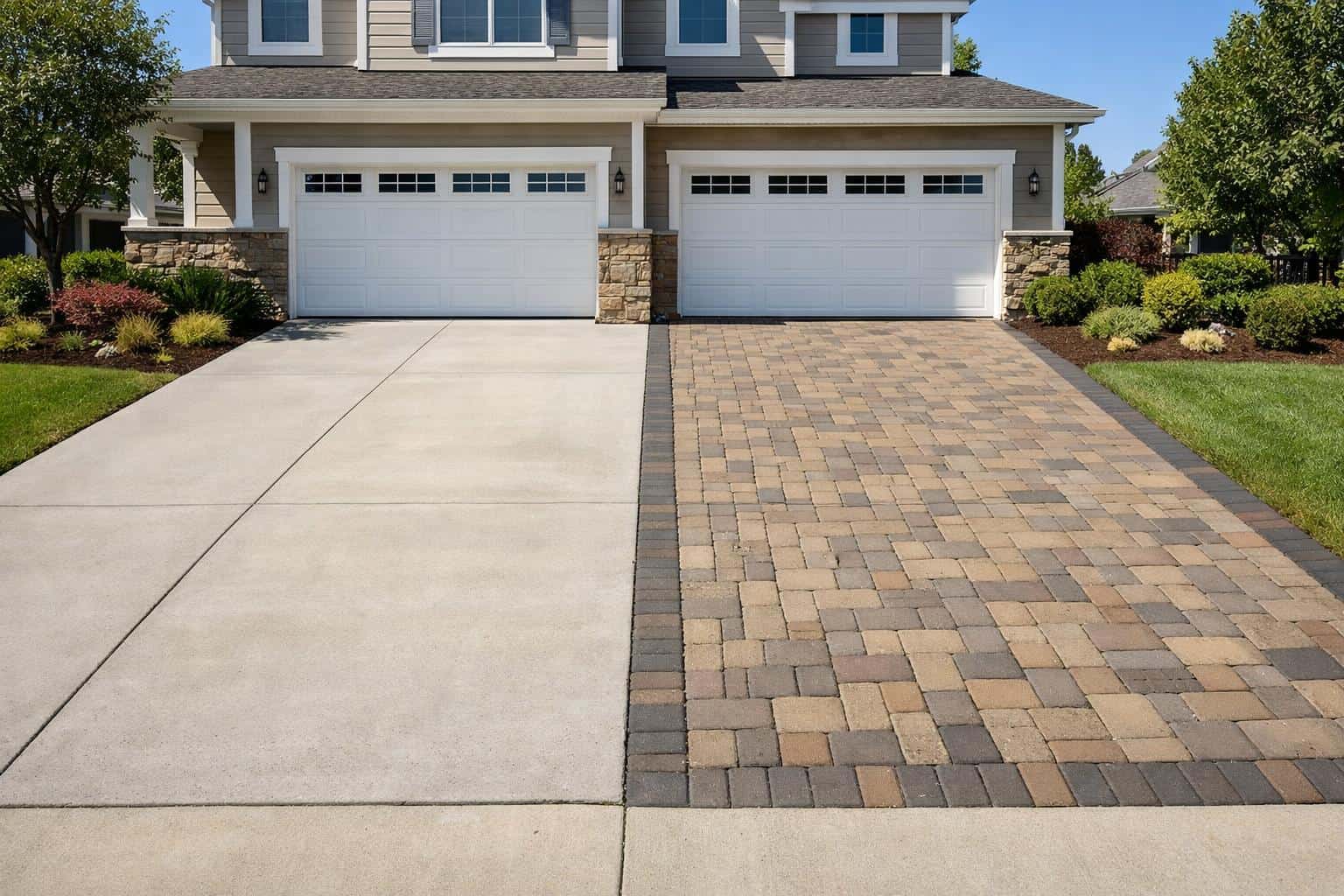
    Signs Your Low-Maintenance Landscaping Needs Attention Guide related example showing Groundcover and hardscape materials relevant to comparing real long-term maintenance demands
    This low maintenance example gives homeowners a visual reference for comparing layout, materials, and maintenance tradeoffs before starting the project.
    • You are still spending more time than expected watering, trimming, sweeping, or replacing materials
    • Plants are overgrowing their spaces or creating visibility and access problems
    • Decorative rock, mulch, or turf is shifting, thinning, or looking patchy
    • Runoff, overspray, or drainage issues are undermining the low-maintenance goal
    • The yard looks neat only right after major cleanup instead of staying stable between visits

    What to check first

    Look for the recurring task that keeps returning. That usually points to the design decision that needs correction.

    • Track where your cleanup time actually goes each month
    • Inspect edges, slopes, and irrigation zones for movement or oversaturation
    • Look for plantings that are forcing frequent pruning or replacement

    When to call a pro

    If you are seeing repeated problems, safety issues, drainage changes, cracking, movement, dead materials, or loss of function, it is worth getting a professional opinion instead of guessing.

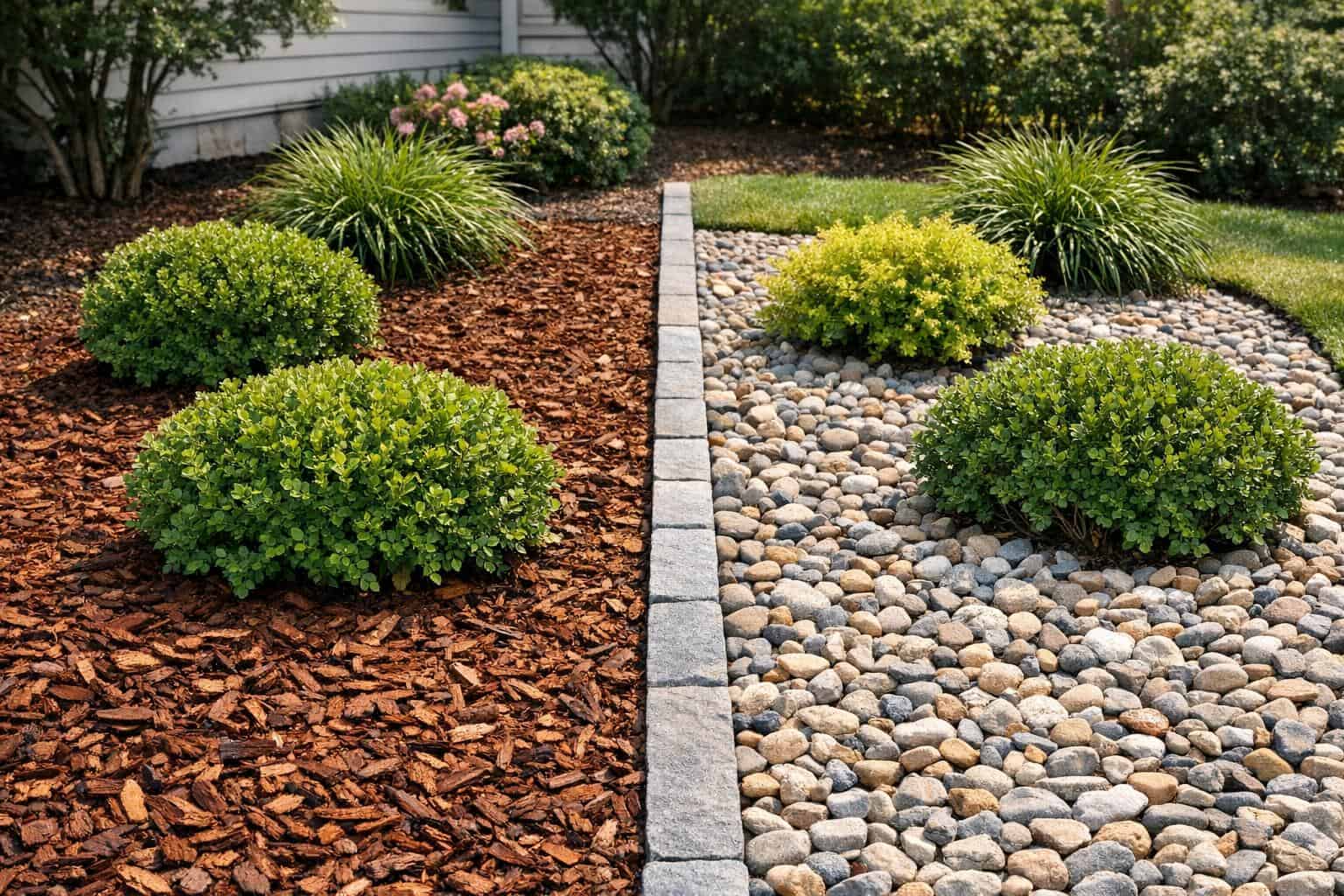
    Signs Your Low-Maintenance Landscaping Needs Attention Guide related example showing Low-water landscape bed materials including rock and mulch relevant to drought-conscious groundcover selection
    This related low maintenance detail helps show how site conditions and finish choices can change the homeowner's plan.
    • Materials washing out or migrating after irrigation or storms
    • Plants that clearly do not match the site or available maintenance level
    • Persistent drainage or runoff problems affecting the simplified design

    Bottom line

    The earlier you respond to trouble signs in low-maintenance landscaping, the better your odds of fixing the problem with a smaller scope and lower cost.

    For the full service background, go back to the main Low-Maintenance Landscaping Guide for Homeowners.


  • Low-Maintenance Landscaping Planning Mistakes Homeowners Should Avoid Guide

    Low-Maintenance Landscaping Planning Mistakes Homeowners Should Avoid Guide

    Many homeowners aim for low-maintenance landscaping but accidentally recreate the same upkeep problems under a different look.

    The mistakes that cause the most trouble

    Most homeowner frustration comes from decisions made too early, assumptions that were never confirmed, or details that looked minor until installation started.

    Low-Maintenance Landscaping Planning Mistakes Homeowners Should Avoid Guide related example showing Groundcover and hardscape materials relevant to comparing real long-term maintenance demands
    This low maintenance example gives homeowners a visual reference for comparing layout, materials, and maintenance tradeoffs before starting the project.
    • Choosing plants by appearance without checking mature size, pruning needs, and water demand
    • Swapping one high-effort material for another without fixing the underlying layout problem
    • Ignoring irrigation efficiency while expecting planting beds to somehow need less care
    • Using decorative rock or turf in places where heat, glare, or drainage will become a problem
    • Trying to reduce maintenance everywhere instead of focusing on the most frustrating zones first

    How to avoid expensive rework

    True low-maintenance planning works best when you start by identifying which chores, conditions, or spaces are costing you the most time.

    Low-Maintenance Landscaping Planning Mistakes Homeowners Should Avoid Guide related example showing Low-water landscape bed materials including rock and mulch relevant to drought-conscious groundcover selection
    This related low maintenance detail helps show how site conditions and finish choices can change the homeowner's plan.
    • Prioritize layout simplification and irrigation efficiency before picking finishes
    • Use plant and material choices that match your sun, slope, drainage, and use patterns
    • Ask what each decision will require to maintain in year one and year three

    Questions to settle before work starts

    • Which parts of the yard are creating the most watering, trimming, cleanup, or replacement work now?
    • Are you reducing upkeep, or just changing the kind of upkeep you will have to do?
    • How will the chosen materials behave in your climate and on your specific site conditions?

    Bottom line

    Low-maintenance landscaping usually goes much better when homeowners slow down long enough to confirm scope, access, maintenance expectations, and how the project fits the rest of the yard.

    If you need the bigger-picture service overview, start with the main Low-Maintenance Landscaping Guide for Homeowners.


  • Low-Maintenance Landscaping Maintenance Guide for Homeowners

    Low-Maintenance Landscaping Maintenance Guide for Homeowners

    Low-maintenance landscaping does not mean zero maintenance. It means the yard is easier to care for because the right plants, materials, irrigation, and layout decisions reduced the amount of ongoing work.

    What good upkeep looks like

    Low-maintenance landscaping should not feel like random chores. Good maintenance means knowing what to inspect, what to clean, what to adjust, and when to bring in help before small issues grow.

    Low-Maintenance Landscaping Maintenance Guide for Homeowners related example showing Groundcover and hardscape materials relevant to comparing real long-term maintenance demands
    This low maintenance example gives homeowners a visual reference for comparing layout, materials, and maintenance tradeoffs before starting the project.
    • Check mulch, decorative rock, and ground covers so they stay neat and properly contained
    • Adjust irrigation seasonally instead of overwatering easy-care plantings
    • Trim plants before they block paths, crowd windows, or lose their intended shape
    • Watch for weeds at edges, joints, and bare spots before they spread
    • Refresh small details like lighting, edging, and cleanup so the yard keeps its finished look

    How often homeowners should check in

    Most low-maintenance yards need light regular attention rather than rare major cleanup days.

    • Weekly or biweekly: quick visual check and cleanup
    • Monthly: irrigation, edging, and weed review
    • Seasonally: pruning, replenishment, and material touch-ups

    When maintenance turns into repair

    Some signs point to a bigger issue than routine upkeep. If you notice repeated failures, movement, drainage problems, dead areas, loose components, or safety concerns, it is time to stop treating the issue as simple maintenance.

    Low-Maintenance Landscaping Maintenance Guide for Homeowners related example showing Low-water landscape bed materials including rock and mulch relevant to drought-conscious groundcover selection
    This related low maintenance detail helps show how site conditions and finish choices can change the homeowner's plan.
    • Irrigation overspray or runoff is damaging plants or washing out materials
    • Plants are outgrowing their spaces and creating constant pruning pressure
    • Mulch, gravel, or turf is shifting because the base or edging is failing
    • The yard still feels high effort because the layout never solved the original pain points

    Bottom line

    A consistent homeowner maintenance routine protects the appearance, function, and lifespan of low-maintenance landscaping.

    For broader planning context, revisit the main Low-Maintenance Landscaping Guide for Homeowners and make sure the original design goals still match how you use the space today.


  • How Long Does a Low-Maintenance Landscaping Project Take Guide

    How Long Does a Low-Maintenance Landscaping Project Take Guide

    Low-maintenance landscaping can be quick when it is mostly cleanup and targeted replanting, but it takes longer when grading, irrigation updates, hardscape, lighting, and full material changes are involved.

    What usually sets the timeline

    Low-maintenance landscaping timelines usually move fastest when layout decisions, access, materials, and contractor scheduling are aligned before work starts.

    How Long Does a Low-Maintenance Landscaping Project Take Guide related example showing Groundcover and hardscape materials relevant to comparing real long-term maintenance demands
    This low maintenance example gives homeowners a visual reference for comparing layout, materials, and maintenance tradeoffs before starting the project.

    Homeowners often focus on the installation days only, but the total calendar window for low-maintenance landscaping also includes planning, approvals, ordering, weather delays, and cleanup.

    • How much removal is needed before the new layout can be installed
    • Whether the project includes drainage, edging, irrigation, or hardscape upgrades
    • How many planting changes are being made and whether mature material is being ordered
    • If mulch, decorative rock, turf, or ground cover choices require new base preparation
    • Whether the goal is simple maintenance reduction or a complete redesign

    A realistic homeowner schedule

    Many low-maintenance landscaping projects move through a similar rhythm even when the exact details vary by property.

    • Define where maintenance time is being spent now and which areas cause the most trouble
    • Remove or simplify high-effort zones before new materials go in
    • Install durable surfaces, efficient irrigation, and easier-care planting
    • Walk the finished yard with the contractor and confirm the upkeep plan

    How to keep the project moving

    If you want a smoother low-maintenance landscaping project, the best move is to make major design and scope choices before the crew arrives.

    How Long Does a Low-Maintenance Landscaping Project Take Guide related example showing Low-water landscape bed materials including rock and mulch relevant to drought-conscious groundcover selection
    This related low maintenance detail helps show how site conditions and finish choices can change the homeowner's plan.
    • Set priorities early so the contractor knows which maintenance headaches matter most
    • Choose plants and materials before demolition starts to avoid ordering gaps
    • Ask whether irrigation updates should happen before planting and finish materials
    • Separate must-do improvements from optional aesthetic upgrades

    Bottom line

    The best way to estimate your own low-maintenance landscaping schedule is to ask when design, ordering, site prep, installation, and punch-list work will happen, not just when the crew first shows up.

    If you are still comparing options, the main Low-Maintenance Landscaping Guide for Homeowners can help you understand the broader service before you commit to dates.


  • Signs Your Kid-Friendly Backyard Landscaping Needs Attention Guide

    Signs Your Kid-Friendly Backyard Landscaping Needs Attention Guide

    A backyard that used to feel easy and safe can slowly become harder to supervise, maintain, or enjoy. The earlier you spot those changes, the easier they are to correct.

    Common signs something is off

    When kid-friendly backyard landscaping stops working well, the warning signs usually show up before total failure. Paying attention early gives you more options and usually lowers repair cost.

    Signs Your Kid-Friendly Backyard Landscaping Needs Attention Guide related example showing Small Backyard Landscaping detail relevant to warning signs, wear, and maintenance decisions
    This backyard example gives homeowners a visual reference for comparing layout, materials, and maintenance tradeoffs before starting the project.
    • Children keep avoiding certain parts of the yard because they are muddy, cramped, or awkward
    • Supervision lines are blocked by overgrown plants, new structures, or furniture placement
    • Active play is wearing out turf, mulch, or surfacing faster than expected
    • Drainage or irrigation issues are creating slippery or unusable areas
    • The space feels chaotic because play, seating, storage, and traffic all compete for the same area

    What to check first

    Walk the yard during real use, not just when it is empty. That shows where conflict points, bottlenecks, and safety issues actually happen.

    • Observe how kids move between doors, lawn, patio, and play areas
    • Check the yard after irrigation or rain to see what turns muddy or slick
    • Look for furniture, planters, toys, or plant growth narrowing main routes

    When to call a pro

    If you are seeing repeated problems, safety issues, drainage changes, cracking, movement, dead materials, or loss of function, it is worth getting a professional opinion instead of guessing.

    Signs Your Kid-Friendly Backyard Landscaping Needs Attention Guide related example showing Pet-Friendly Backyard Landscaping detail relevant to warning signs, wear, and maintenance decisions
    This related backyard detail helps show how site conditions and finish choices can change the homeowner's plan.
    • Persistent drainage problems or grade issues near active areas
    • Loose paving, unstable edging, or tripping hazards
    • Major visibility problems from the house or main seating zone

    Bottom line

    The earlier you respond to trouble signs in kid-friendly backyard landscaping, the better your odds of fixing the problem with a smaller scope and lower cost.

    For the full service background, go back to the main Kid-Friendly Backyard Landscaping Guide for Homeowners.


  • Kid-Friendly Backyard Landscaping Planning Mistakes Homeowners Should Avoid Guide

    Kid-Friendly Backyard Landscaping Planning Mistakes Homeowners Should Avoid Guide

    The best kid-friendly yards feel natural and flexible, but they are usually undermined by a few common planning mistakes that only become obvious after families start using the space.

    The mistakes that cause the most trouble

    Most homeowner frustration comes from decisions made too early, assumptions that were never confirmed, or details that looked minor until installation started.

    Kid-Friendly Backyard Landscaping Planning Mistakes Homeowners Should Avoid Guide related example showing Small Backyard Landscaping detail relevant to planning mistakes, layout, and upkeep expectations
    This backyard example gives homeowners a visual reference for comparing layout, materials, and maintenance tradeoffs before starting the project.
    • Putting play features in the yard before solving drainage and circulation
    • Choosing plants with thorns, mess, toxicity concerns, or heavy maintenance near active areas
    • Forgetting shade, seating, and supervision lines for the adults using the space too
    • Mixing too many surfaces and levels without a simple traffic pattern
    • Using materials that look good at first but wear poorly under constant foot traffic

    How to avoid expensive rework

    Good family-yard planning starts with how children actually move through the yard, where adults gather, and what needs to stay visible from the house or patio.

    Kid-Friendly Backyard Landscaping Planning Mistakes Homeowners Should Avoid Guide related example showing Pet-Friendly Backyard Landscaping detail relevant to planning mistakes, layout, and upkeep expectations
    This related backyard detail helps show how site conditions and finish choices can change the homeowner's plan.
    • Map active play, quiet play, dining, circulation, and planting as separate zones
    • Choose materials and plantings based on wear, cleanup, and safety, not just style
    • Confirm how irrigation, drainage, and lighting support everyday use before finalizing finishes

    Questions to settle before work starts

    • Which areas need the best supervision lines from indoors and from seating areas?
    • What surfaces will handle running, bikes, toys, or pets without becoming a maintenance headache?
    • How will the yard still work as children grow and their activities change?

    Bottom line

    Kid-friendly backyard landscaping usually goes much better when homeowners slow down long enough to confirm scope, access, maintenance expectations, and how the project fits the rest of the yard.

    If you need the bigger-picture service overview, start with the main Kid-Friendly Backyard Landscaping Guide for Homeowners.


  • Kid-Friendly Backyard Landscaping Maintenance Guide for Homeowners

    Kid-Friendly Backyard Landscaping Maintenance Guide for Homeowners

    A family-friendly yard only stays easy to use when the surfaces, play zones, sightlines, and plantings are maintained with safety in mind.

    What good upkeep looks like

    Kid-friendly backyard landscaping should not feel like random chores. Good maintenance means knowing what to inspect, what to clean, what to adjust, and when to bring in help before small issues grow.

    Kid-Friendly Backyard Landscaping Maintenance Guide for Homeowners related example showing Small Backyard Landscaping detail relevant to warning signs, wear, and maintenance decisions
    This backyard example gives homeowners a visual reference for comparing layout, materials, and maintenance tradeoffs before starting the project.
    • Walk the yard regularly to look for tripping hazards, loose edging, exposed hardware, and worn surfacing
    • Keep drainage flowing so muddy areas and slippery buildup do not develop around play zones
    • Prune shrubs and trees so visibility stays open and circulation paths remain clear
    • Check irrigation coverage so turf and planting beds stay healthy without creating slick areas
    • Inspect outdoor lighting, gates, seating, and shade structures for loose or damaged parts

    How often homeowners should check in

    Most homeowners benefit from a quick weekly scan during heavy use months and a more thorough seasonal review when weather changes.

    • Weekly: scan for hazards, cleanup needs, and damaged play areas
    • Monthly: check irrigation, edging, mulch depth, and pathway condition
    • Seasonally: review drainage, turf wear, pruning, and hardware condition

    When maintenance turns into repair

    Some signs point to a bigger issue than routine upkeep. If you notice repeated failures, movement, drainage problems, dead areas, loose components, or safety concerns, it is time to stop treating the issue as simple maintenance.

    Kid-Friendly Backyard Landscaping Maintenance Guide for Homeowners related example showing Small Backyard Landscaping detail relevant to maintenance, cleanup, and monitoring
    This related backyard detail helps show how site conditions and finish choices can change the homeowner's plan.
    • Pooling water, muddy wear zones, or slippery hardscape near active areas
    • Broken edging, exposed anchors, or loose pavers in walkways and seating zones
    • Plants blocking supervision sightlines or crowding primary play paths
    • Turf thinning or synthetic surfaces lifting where kids run most often

    Bottom line

    A consistent homeowner maintenance routine protects the appearance, function, and lifespan of kid-friendly backyard landscaping.

    For broader planning context, revisit the main Kid-Friendly Backyard Landscaping Guide for Homeowners and make sure the original design goals still match how you use the space today.


  • How Long Does a Kid-Friendly Backyard Landscaping Project Take Guide

    How Long Does a Kid-Friendly Backyard Landscaping Project Take Guide

    A kid-friendly backyard project can move quickly when the design is simple, but the schedule expands when safety surfacing, shade, drainage, seating, planting, lighting, and circulation all need to work together.

    What usually sets the timeline

    Kid-friendly backyard landscaping timelines usually move fastest when layout decisions, access, materials, and contractor scheduling are aligned before work starts.

    How Long Does a Kid-Friendly Backyard Landscaping Project Take Guide related example showing Small Backyard Landscaping detail relevant to project timing, prep, and finish work
    This backyard example gives homeowners a visual reference for comparing layout, materials, and maintenance tradeoffs before starting the project.

    Homeowners often focus on the installation days only, but the total calendar window for kid-friendly backyard landscaping also includes planning, approvals, ordering, weather delays, and cleanup.

    • Whether you are refreshing an existing play area or reworking the whole backyard layout
    • How much grading, drainage correction, or demolition is needed before new work begins
    • Lead times for play features, shade structures, edging, sod, and specialty surfaces
    • Whether planting, lighting, irrigation, and hardscape are all part of the same scope
    • How much time the crew needs to protect the area and keep it safe during construction

    A realistic homeowner schedule

    Many kid-friendly backyard landscaping projects move through a similar rhythm even when the exact details vary by property.

    How Long Does a Kid-Friendly Backyard Landscaping Project Take Guide related example showing Pet-Friendly Backyard Landscaping detail relevant to project timing, prep, and finish work
    This related backyard detail helps show how site conditions and finish choices can change the homeowner's plan.
    • Planning and layout review so active play, seating, and circulation fit together
    • Site preparation for removal, grading, drainage, edging, and access
    • Installation of core surfaces, structures, planting, and irrigation
    • Final safety review, cleanup, and homeowner walkthrough

    How to keep the project moving

    If you want a smoother kid-friendly backyard landscaping project, the best move is to make major design and scope choices before the crew arrives.

    • Finalize ages, activities, and supervision needs before design decisions are made
    • Choose materials and play elements early so ordering does not stall the schedule
    • Ask how the crew will keep tools, excavated areas, and unfinished surfaces separated from family use
    • Keep any optional add-ons clearly separated from the must-have safety scope

    Bottom line

    The best way to estimate your own kid-friendly backyard landscaping schedule is to ask when design, ordering, site prep, installation, and punch-list work will happen, not just when the crew first shows up.

    If you are still comparing options, the main Kid-Friendly Backyard Landscaping Guide for Homeowners can help you understand the broader service before you commit to dates.


  • Signs Your Pet-Friendly Backyard Landscaping Needs Attention Guide

    Signs Your Pet-Friendly Backyard Landscaping Needs Attention Guide

    Pet-Friendly Backyard Landscaping rarely jumps from perfect to failing overnight. More often, homeowners start noticing small changes in appearance, performance, or comfort that suggest the space needs more attention. These warning signs are easier to address while they are still localized and before the whole area starts feeling off.

    Spotting those changes early usually gives homeowners more options and less disruption.

    Pet-Friendly Backyard Landscaping detail relevant to warning signs, wear, and maintenance decisions
    Many pet-friendly backyard landscaping issues begin as small changes in appearance, performance, or comfort that are easier to fix while they are still localized.

    Performance changes often reveal the problem first

    If the space stops functioning the way it used to, feels less comfortable, or no longer looks balanced, that often points to an issue worth reviewing even if the problem still feels minor.

    Small visual changes are worth noticing too

    Wear, stress, thinning, imbalance, and weak areas often show up before homeowners think of the space as needing repair or a refresh.

    Use maintenance and planning guides to judge next steps

    The maintenance guide, pet-friendly backyard landscaping guide, and planning mistakes guide help homeowners decide whether the area needs small corrections or a broader refresh.

    Signs Your Pet-Friendly Backyard Landscaping Needs Attention Guide related example showing Small Backyard Landscaping detail relevant to warning signs, wear, and maintenance decisions
    This backyard example gives homeowners a visual reference for comparing layout, materials, and maintenance tradeoffs before starting the project.

  • Pet-Friendly Backyard Landscaping Planning Mistakes Homeowners Should Avoid Guide

    Pet-Friendly Backyard Landscaping Planning Mistakes Homeowners Should Avoid Guide

    Pet-Friendly Backyard Landscaping projects often disappoint homeowners when early planning decisions do not match how the space is actually going to be used and maintained. Weak layout choices, unrealistic budget expectations, and support work or upkeep assumptions that stay vague can all create frustration that looks like an installation problem later.

    The biggest pet-friendly backyard landscaping mistakes usually start long before the crew shows up.

    Pet-Friendly Backyard Landscaping detail relevant to planning mistakes, layout, and upkeep expectations
    Many pet-friendly backyard landscaping regrets start with layout decisions, unrealistic expectations, or maintenance assumptions that did not get enough attention early.

    Layout and use patterns matter more than expected

    If the plan does not match how the yard is actually used, even an attractive result can feel awkward or less satisfying than the homeowner hoped.

    Support work and maintenance should be part of planning

    Homeowners usually benefit when maintenance, transitions, access, irrigation, drainage, or other support needs are part of the planning conversation instead of afterthoughts.

    Use service and timeline guides to pressure-test the plan

    The pet-friendly backyard landscaping guide, timeline guide, and quote comparison guide help homeowners catch these mistakes before work begins.