Costs and Expectations

Cost and expectation guides focused on budgeting, lifespan, replacement decisions, and the real factors that shape landscaping quotes.

Start with the service type

Landscaping Services Guideposts

Use these guides to understand what each service includes before comparing providers or requesting quotes.

Core service explainers

Start here when you are still deciding what kind of landscaper or outdoor contractor you need.

Compare before you hire

Use these pages when two services or surface choices sound similar but lead to different scopes.

Hire smarter

Planning And Contractor Comparison

Use this hub when you are moving from ideas into estimates, bids, and contractor conversations.

Before requesting estimates

These guides help define scope and compare companies before the first site visit.

Budget with better assumptions

Cost Guides And Calculators

Use this hub to move from rough budget ranges into the details that usually change quotes.

Calculator starting points

Open the calculator hub or a cost guide when you need a quick planning range.

High-impact cost decisions

These pages help compare choices where price, lifespan, and maintenance tradeoffs matter.

Understand the build

Installation And Site-Work Pathways

Use these guides to understand sequencing, site prep, access, and the details that affect long-term performance.

Hardscape and site prep

These projects often depend on base prep, demolition, grading, drainage, and access.

Drainage and retaining work

Use these when water, grade, or slope stability is part of the project.

Choose materials with ownership in mind

Material And Finish Decision Paths

Use these guides when appearance, maintenance, replacement, and budget all affect the right material choice.

Surface and finish comparisons

Compare outdoor surfaces before committing to a driveway, patio, or lawn direction.

Landscape material planning

Use these pages when quantity, delivery, or long-term maintenance are the main concern.

Protect the investment

Maintenance And Ownership Next Steps

Use these guides to understand ongoing care, seasonal refreshes, and when maintenance points to a bigger fix.

Maintenance planning

These guides help compare recurring service, seasonal work, and refresh projects.

When upkeep becomes repair

Use these when repeated maintenance problems suggest drainage, surface, or material issues.

  • Walkway Landscape Lighting Spacing Guide for Homeowners

    Walkway Landscape Lighting Spacing Guide for Homeowners

    Walkway lighting looks best when spacing helps the route feel clear without creating a runway effect. The right distance between fixtures depends on brightness, path shape, surrounding planting, and where people actually need visual guidance.

    Use spacing to support how the route reads at night

    Fixtures should help people understand the path and key turns, not just appear at equal intervals because it seems tidy.

    Adjust spacing for path shape and surrounding planting

    Curves, entry transitions, and taller bordering plants can all change how close or far apart the lights should feel. Pair this with our Front Yard Walkway Lighting Ideas Guide if the wider lighting plan still needs work.

    Avoid the over-lit look

    More fixtures do not always make a path look better. In many yards, fewer better-placed lights feel more upscale.

    What homeowners should remember

    The best walkway-lighting spacing makes the path feel obvious and comfortable without drawing attention to the fixtures themselves.
  • Outdoor Kitchen Service Side Layout Guide for Homeowners

    Outdoor Kitchen Service Side Layout Guide for Homeowners

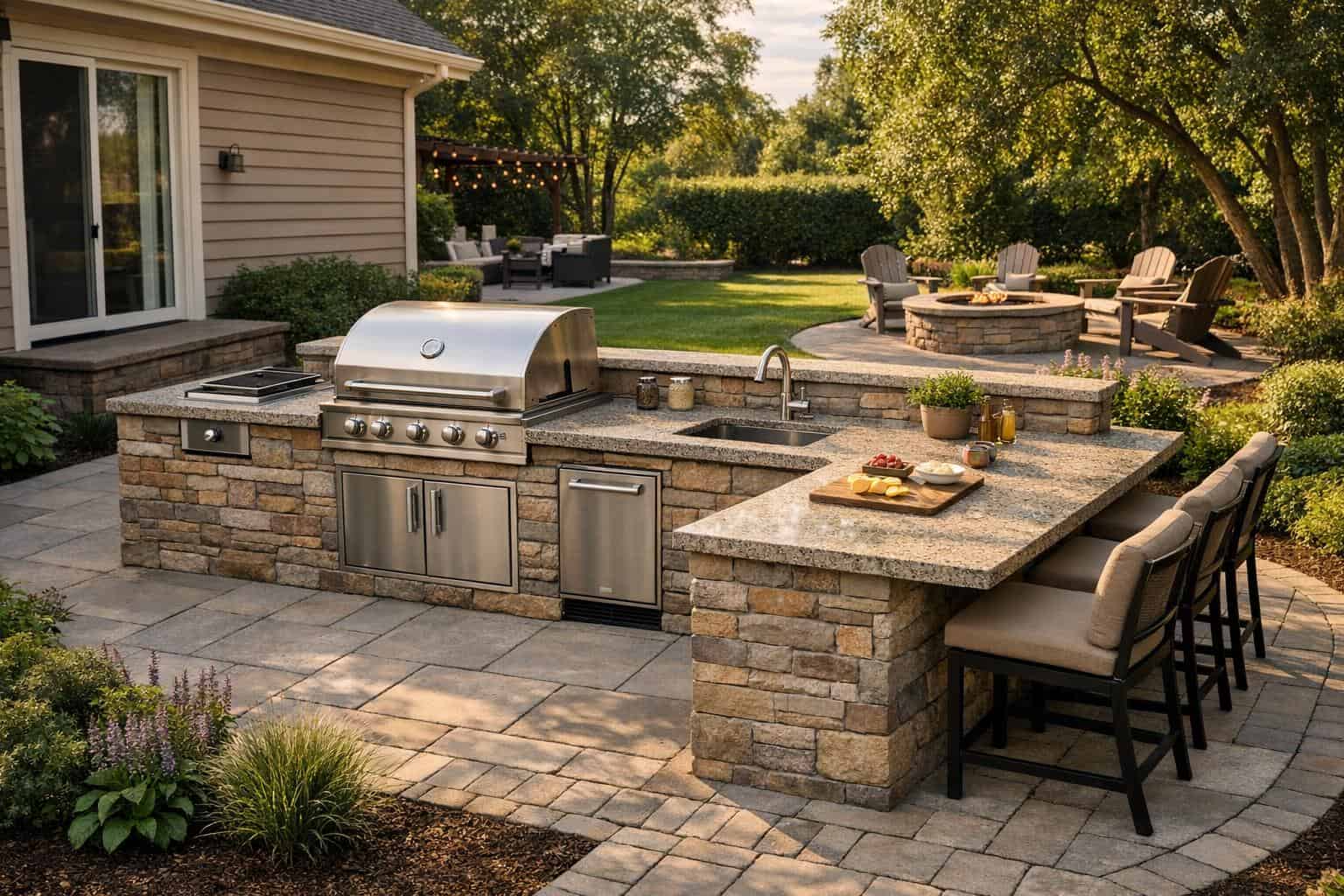
    The service side of an outdoor kitchen is where the layout either works smoothly or becomes frustrating. This is the side where cooking, prep, tools, trash, and serving decisions all come together, so the flow matters more than appearances alone.

    Keep the work sequence logical

    Prep, cooking, landing space, and cleanup should support each other instead of forcing constant crossover or backtracking.

    Let the guest side stay out of the work path

    One of the biggest layout improvements is often separating guest gathering from the most active service-side movements. Pair this with our Outdoor Kitchen Seating Layout Ideas Guide if the guest side still needs planning too.

    Design for the way you actually cook

    The right service-side layout depends on whether the kitchen is used for quick family grilling, more elaborate cooking, or larger entertaining.

    What homeowners should remember

    The best outdoor-kitchen service side makes the space easier to work in, not just better to look at.


  • Patio Planting for Sun vs Shade Guide

    Patio Planting for Sun vs Shade Guide

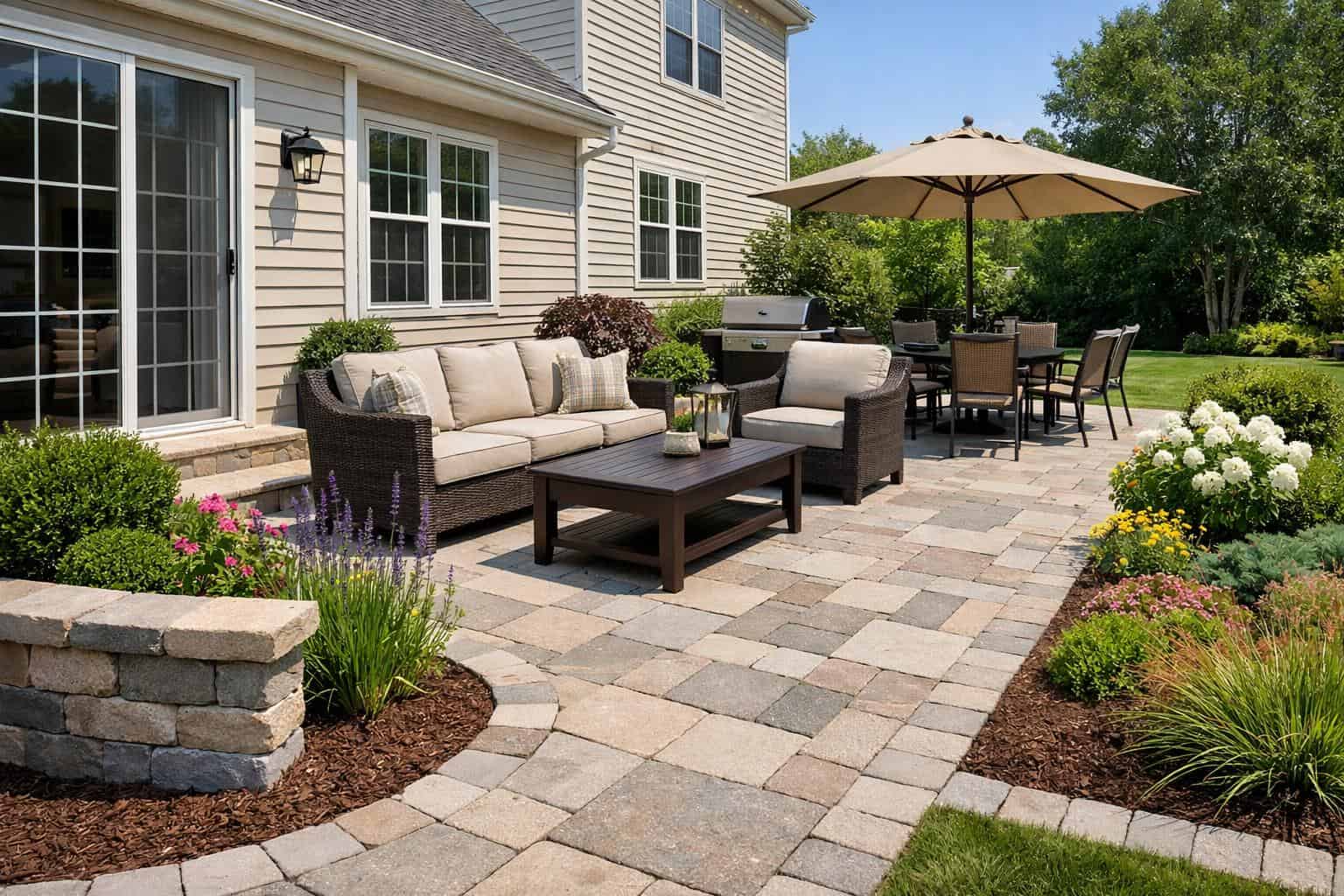
    Patio planting often looks good on day one and struggles later because the light conditions were underestimated. A patio edge in intense sun needs a very different planting strategy than one that stays shaded for much of the day.

    Read the exposure where the patio actually sits

    The house, nearby fences, structures, and trees can change light conditions more than homeowners expect.

    Choose planting that supports comfort and maintenance

    The best patio-edge plants still need to work with circulation, debris, and how the space is used. Pair this with our Patio Perimeter Planting Ideas Guide for Homeowners if the patio border still needs visual planning too.

    Do not force one palette across very different microclimates

    One side of a patio may behave very differently than another, especially when the house creates half-day shade.

    What homeowners should remember

    The best patio planting decisions match the real exposure conditions so the outdoor room stays attractive and manageable over time.


  • Walkway Entry Width Guide for Homeowners

    Walkway Entry Width Guide for Homeowners

    Walkway width affects both function and feel. A narrow path can feel pinched or secondary, while a wider entry path can make the front approach feel more comfortable and welcoming. The best width usually depends on the house scale, approach length, and how formal the entry should read.

    Match the width to the importance of the route

    The primary front walk often deserves a more generous width than a side path or a garden route.

    Let house scale and planting width influence the choice

    A walkway should feel like it belongs to the house and still leave enough room for surrounding planting to work. Pair this with our Curved Walkway vs Straight Walkway Guide for Homeowners if shape and route are also part of the decision.

    Think about how people actually arrive

    Entry width feels different on a short direct route than on a longer path where two people may walk side by side.

    What homeowners should remember

    The best walkway width is usually the one that makes the approach feel natural and appropriate to the house.


  • Outdoor Kitchen Landing Space Guide for Homeowners

    Outdoor Kitchen Landing Space Guide for Homeowners

    Landing space is the counter area where food, trays, tools, or plates can actually be set down. It sounds like a small detail, but it often decides whether an outdoor kitchen feels usable or frustrating once the cooking starts.

    Give key appliances a place to offload to

    Grills, side burners, and prep areas all work better when there is nearby landing space for real cooking tasks.

    Do not treat landing space as leftover counter

    The best layouts plan it intentionally rather than hoping the remaining counter is enough. Pair this with our Outdoor Kitchen Prep Zone Layout Guide for Homeowners if prep workflow is also part of the same decision.

    Think about serving and cleanup too

    Landing space matters for more than cooking. It also affects how the kitchen handles drinks, plates, and guest flow.

    What homeowners should remember

    The best outdoor-kitchen layouts make room for real use, not just appliance placement.


  • Patio Edge Seating vs Open Perimeter Guide

    Patio Edge Seating vs Open Perimeter Guide

    Some patios feel more inviting when the edge is lined with a bench, wall seat, or built-in gathering element. Others work better when the perimeter stays open and movement is easier. The right choice depends on the patio size, circulation needs, and how the yard is used.

    Use edge seating when the patio needs more gathering capacity

    Built-in or perimeter seating can add structure and function, especially when the patio is meant for entertaining.

    Keep the perimeter open when circulation matters more

    Some patios benefit from cleaner movement around the edge, especially where the space connects to steps, lawn, or multiple activity zones. Pair this with our Backyard Patio Layout Ideas Guide for Homeowners if you are still shaping the larger patio plan.

    Match the edge strategy to the patio size

    Smaller patios can feel crowded faster, while larger patios may benefit more from seating at the perimeter.

    What homeowners should remember

    The best patio edge is usually the one that supports both how people gather and how they move through the space.


  • Outdoor Kitchen Counter Height vs Bar Height Guide

    Outdoor Kitchen Counter Height vs Bar Height Guide

    Counter height and bar height can make an outdoor kitchen feel very different to use. The right choice depends on whether the focus is cooking workflow, casual gathering, dining comfort, or separating the prep zone from guest seating.

    Use counter height when workflow matters most

    Counter-height layouts often feel more practical for prepping, serving, and flexible dining or standing use.

    Use bar height when separation helps

    Bar height can create a clearer distinction between the working side of the kitchen and the guest side. Pair this with our Outdoor Kitchen Grill vs Prep Space Balance Guide if overall workflow is still being refined.

    Think about who uses the space most

    The better fit usually comes from how the household entertains and cooks rather than from style alone.

    What homeowners should remember

    The best height decision supports both how the kitchen works and how people actually gather around it.


  • Evergreen Screen Spacing Guide for Homeowners

    Evergreen Screen Spacing Guide for Homeowners

    Spacing is one of the most important decisions in any evergreen screen. Plant too tightly and the screen may become overcrowded, harder to maintain, or less healthy long term. Plant too loosely and homeowners may be disappointed with how slowly the privacy fills in.

    Plan for mature size, not just immediate coverage

    Spacing should be based on how the chosen plants will actually grow on the site, not just how bare the line looks on planting day.

    Let the privacy need shape the spacing strategy

    Some screens can fill in gradually. Others need faster coverage in key sightline areas. Pair this with our Evergreen Screen Ideas Guide for Homeowners if the larger screen approach is still taking shape.

    Do not forget maintenance access

    Even privacy screens need room for cleanup, pruning, and long-term management.

    What homeowners should remember

    The best evergreen spacing decisions support both the privacy goal and the long-term health of the planting line.


  • Patio Border vs Open Edge Guide for Homeowners

    Patio Border vs Open Edge Guide for Homeowners

    Some patios feel best with a strong edge treatment or border that clearly defines the space. Others work better when the patio transitions more openly into lawn or surrounding planting. The right choice depends on the layout, materials, and how formal the yard should feel.

    Use borders when the patio needs more definition

    A border can help reinforce shape, connect to nearby walkways, or make a simple surface feel more finished.

    Use open edges when the patio should blend into the yard

    Some patios benefit from softer transitions into planting or lawn, especially if the goal is a more relaxed backyard feel. Pair this with our Patio Perimeter Planting Ideas Guide for Homeowners if planting is part of that edge strategy.

    Let the architecture and layout lead

    The best patios usually choose one dominant edge language and let the rest of the design support it.

    What homeowners should remember

    The right patio edge is usually the one that makes the outdoor room feel more intentional without forcing a style that does not match the yard.


  • Outdoor Kitchen Dining Distance Guide for Homeowners

    Outdoor Kitchen Dining Distance Guide for Homeowners

    Outdoor dining works best when it sits close enough to the kitchen to feel convenient, but not so close that chairs, servers, and guests crowd the cook. The right distance depends on the size of the kitchen, the patio layout, and how the space will be used most often.

    Keep dining connected to the kitchen workflow

    If the table is too far away, serving becomes inconvenient. If it is too close, the kitchen can feel cramped during active use.

    Let the patio layout shape the distance

    Some patios naturally allow a tighter connection, while others need more space between zones. Pair this with our Outdoor Kitchen Seating Layout Ideas Guide if the dining arrangement is still being refined.

    Think about movement with real furniture in place

    Dining distance should be measured with chair pull-back, serving circulation, and how people actually gather around the table.

    What homeowners should remember

    The best dining-to-kitchen distance is the one that supports smooth movement and comfortable hosting at the same time.