Costs and Expectations

Cost and expectation guides focused on budgeting, lifespan, replacement decisions, and the real factors that shape landscaping quotes.

Start with the service type

Landscaping Services Guideposts

Use these guides to understand what each service includes before comparing providers or requesting quotes.

Core service explainers

Start here when you are still deciding what kind of landscaper or outdoor contractor you need.

Compare before you hire

Use these pages when two services or surface choices sound similar but lead to different scopes.

Hire smarter

Planning And Contractor Comparison

Use this hub when you are moving from ideas into estimates, bids, and contractor conversations.

Before requesting estimates

These guides help define scope and compare companies before the first site visit.

Budget with better assumptions

Cost Guides And Calculators

Use this hub to move from rough budget ranges into the details that usually change quotes.

Calculator starting points

Open the calculator hub or a cost guide when you need a quick planning range.

High-impact cost decisions

These pages help compare choices where price, lifespan, and maintenance tradeoffs matter.

Understand the build

Installation And Site-Work Pathways

Use these guides to understand sequencing, site prep, access, and the details that affect long-term performance.

Hardscape and site prep

These projects often depend on base prep, demolition, grading, drainage, and access.

Drainage and retaining work

Use these when water, grade, or slope stability is part of the project.

Choose materials with ownership in mind

Material And Finish Decision Paths

Use these guides when appearance, maintenance, replacement, and budget all affect the right material choice.

Surface and finish comparisons

Compare outdoor surfaces before committing to a driveway, patio, or lawn direction.

Landscape material planning

Use these pages when quantity, delivery, or long-term maintenance are the main concern.

Protect the investment

Maintenance And Ownership Next Steps

Use these guides to understand ongoing care, seasonal refreshes, and when maintenance points to a bigger fix.

Maintenance planning

These guides help compare recurring service, seasonal work, and refresh projects.

When upkeep becomes repair

Use these when repeated maintenance problems suggest drainage, surface, or material issues.

  • Regrading Cost vs Drainage Benefit Guide for Homeowners

    Regrading Cost vs Drainage Benefit Guide for Homeowners

    Regrading can feel expensive until homeowners compare it to the ongoing cost of water sitting in the wrong places, undermining the rest of the yard, or limiting how the property can be used.

    Where regrading often adds the most value

    • When yard shape is the root cause of repeated wet spots or bad runoff direction.
    • When the corrected grade protects future patios, planting, or lawn from recurring water issues.
    • When the change improves both drainage and how the yard can be used.

    Why some regrading costs feel high

    • Soil movement, access, shaping, and restoration all add labor.
    • The visible low spot may only be one symptom of a broader grade problem.
    • Good grading often has to be coordinated with drainage or landscape restoration work.

    How to compare the value

    • Ask what water problem the regrading truly solves.
    • Compare the price to the cost of repeated soggy-yard fixes and damage below the slope.
    • Think about what future landscape work the corrected grade protects.

    Bottom line

    The best grading value usually comes from solving the shape problem that keeps creating other landscape problems downstream.

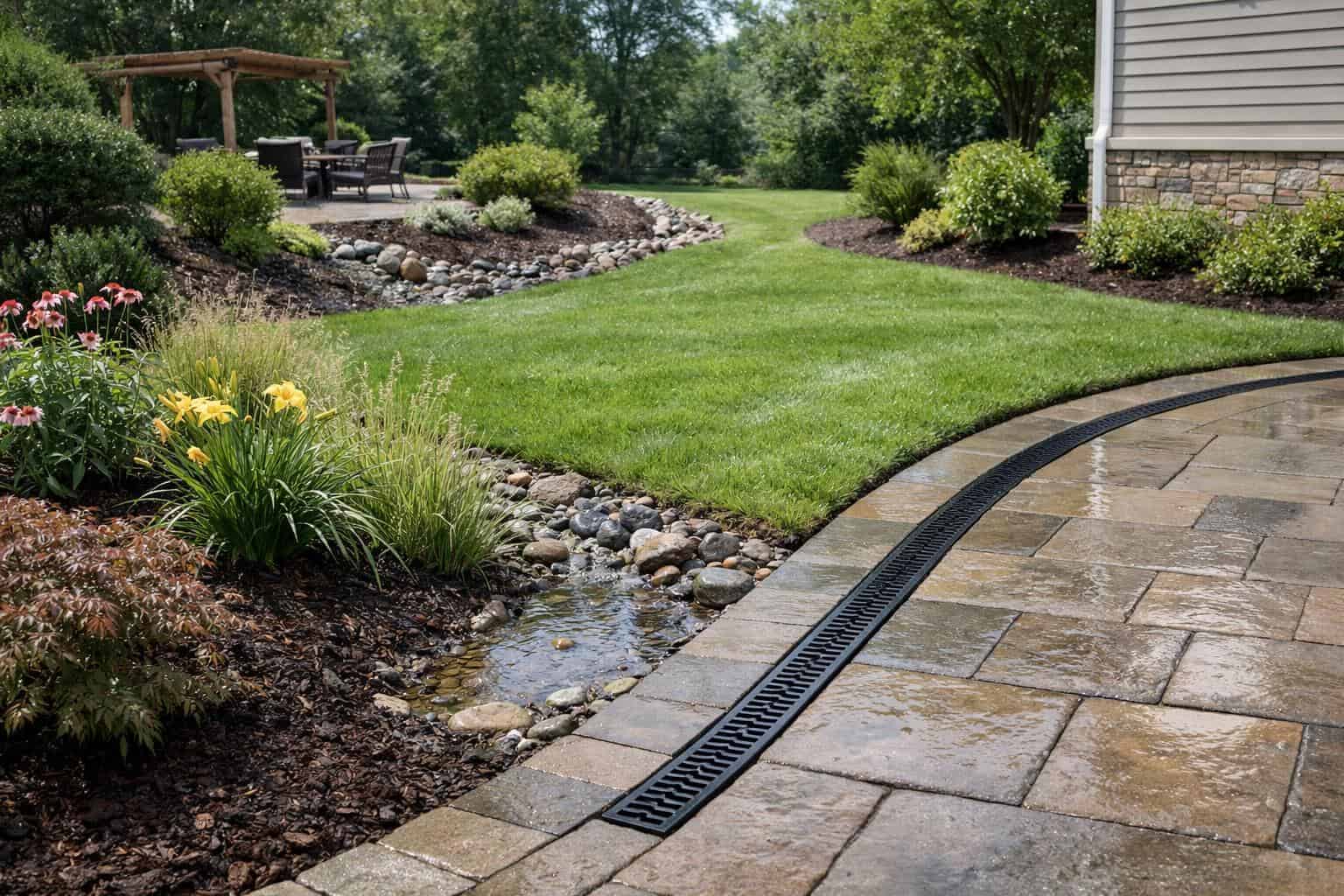
    Regrading Cost vs Drainage Benefit Guide for Homeowners related example showing Drainage detail relevant to pooling, runoff shifts, and warning signs
    This drainage example gives homeowners a visual reference for comparing layout, materials, and maintenance tradeoffs before starting the project.

    For the broader overview, continue with Grading and Yard Leveling Guide for Homeowners.

    Regrading Cost vs Drainage Benefit Guide for Homeowners related example showing Drainage detail relevant to planning mistakes, runoff diagnosis, and grading decisions
    This related drainage detail helps show how site conditions and finish choices can change the homeowner's plan.

  • Planting Cost vs Instant Impact Guide for Homeowners

    Planting Cost vs Instant Impact Guide for Homeowners

    Planting projects can look very different on day one depending on plant size, density, and how much of the design is expected to feel ‘finished’ right after installation.

    What usually increases planting cost

    • Larger or more mature plant material.
    • Denser installation for faster fill-in.
    • More complex bed preparation, irrigation support, and layered design.

    Why instant impact can be appealing

    • The yard feels more complete immediately.
    • High-visibility areas benefit from stronger early structure and presence.
    • Homeowners avoid the sparse first-season look some planting plans go through.

    How to compare the value

    • Ask where instant impact matters most and where it can wait.
    • Do not overspend on density in lower-priority areas.
    • Match the day-one look to the maintenance and budget plan you can sustain.

    Bottom line

    The best planting value comes from spending for instant impact where it matters most and letting the rest of the landscape grow in strategically.

    For the broader overview, continue with Garden Bed and Planting Installation Guide for Homeowners.


  • Erosion Control Cost vs Long-Term Damage Guide for Homeowners

    Erosion Control Cost vs Long-Term Damage Guide for Homeowners

    Erosion control often feels expensive until homeowners compare it to the cost of repeated washout, lost soil, failing slopes, and damage to the rest of the landscape below.

    What erosion-control spending can protect

    • Topsoil, planting investments, and yard usability.
    • The integrity of adjacent paths, patios, or drainage routes.
    • The long-term shape and stability of the slope itself.

    Why some bids feel high

    • Stabilization often combines surface treatment, water handling, and plant establishment.
    • The work may involve access difficulty, steep grades, and restoration layers.
    • A true fix may be broader than the visibly damaged area alone.

    How to compare the value

    • Compare cost to the rate and consequence of ongoing slope loss.
    • Ask what nearby areas are at risk if erosion continues.
    • Do not separate current damage from the future repair it can trigger.

    Bottom line

    The best erosion-control value is often measured by the damage it prevents from spreading, not just by the install price.

    For the broader overview, continue with Erosion Control Guide for Homeowners.


  • Fire Pit Cost vs Backyard Use Guide for Homeowners

    Fire Pit Cost vs Backyard Use Guide for Homeowners

    Fire pits can be one of the more emotionally appealing backyard upgrades, but their real value depends on whether they meaningfully increase the way the yard gets used.

    When a fire pit often feels worth it

    • The backyard already has a natural gathering zone waiting for an anchor feature.
    • The household actually enjoys spending evenings outside.
    • The pit will be part of a broader seating and lighting plan that supports use.

    Why some fire pits underperform

    • The feature is added without enough seating or circulation around it.
    • The location or scale makes the pit feel more decorative than useful.
    • The household does not use the yard in the evenings enough to justify the spend.

    How to compare the value

    • Ask whether the feature changes behavior, not just appearance.
    • Look at how the pit fits the patio and seating design.
    • Prioritize usability before premium finish details.

    Bottom line

    The best fire-pit value comes from a feature that truly increases backyard use, not just visual interest.

    For the broader overview, continue with Fire Pit Installation Guide for Homeowners.


  • Retaining Wall Cost vs Yard Function Guide for Homeowners

    Retaining Wall Cost vs Yard Function Guide for Homeowners

    Retaining walls can be expensive, but they often unlock yard function that the property cannot achieve without grade control, flat space, or stronger drainage handling.

    When wall cost often feels worth it

    • The wall creates usable space where the yard was previously too sloped or unstable.
    • It protects patios, lawn, or access routes from grade failure.
    • The wall helps the yard support more than one level of use.

    Why some walls feel overpriced

    • The design solves a visual problem more than a functional one.
    • The wall layout does not actually improve how the yard works.
    • Money goes into a statement feature before slope and circulation are well thought through.

    How to compare value

    • Ask what new yard function the wall creates.
    • Compare the wall’s benefit to what the yard cannot do without it.
    • Consider whether terraces or multiple levels make the rest of the landscape better.

    Bottom line

    The best retaining-wall value comes from the function it unlocks in the yard, not just the structure itself.

    For the broader overview, continue with Retaining Wall Guide for Homeowners.


  • Drainage Cost vs Property Protection Guide for Homeowners

    Drainage Cost vs Property Protection Guide for Homeowners

    Drainage work can feel expensive until homeowners compare it to the long-term cost of repeated water damage, erosion, failing hardscape, or unusable yard areas.

    Where drainage spend can protect value

    • Preventing water from undermining patios, walkways, driveways, or foundations.
    • Protecting lawn and planting investments from repeated saturation or washout.
    • Stopping recurring wet-yard problems from dictating how the property can be used.

    Why some drainage bids feel high

    • Excavation, routing, discharge planning, and restoration add real labor and site complexity.
    • The hidden parts of the system often matter more than homeowners realize.
    • A true fix may involve multiple connected elements rather than one simple install.

    How to compare the value

    • Compare the cost to the damage and frustration the water problem keeps causing.
    • Ask what the drainage work is protecting and how failure would show up if ignored.
    • Do not isolate price from the consequences of doing too little.

    Bottom line

    The best drainage value is often measured by what it prevents from getting worse, not just by what it costs to install.

    Drainage Cost vs Property Protection Guide for Homeowners related example showing Drainage detail relevant to pooling, runoff shifts, and warning signs
    This drainage example gives homeowners a visual reference for comparing layout, materials, and maintenance tradeoffs before starting the project.

    For the broader overview, continue with Drainage Solutions Guide for Homeowners.

    Drainage Cost vs Property Protection Guide for Homeowners related example showing Drainage detail relevant to planning mistakes, runoff diagnosis, and grading decisions
    This related drainage detail helps show how site conditions and finish choices can change the homeowner's plan.

    Estimate drainage cost before weighing property risk

    Use this drainage calculator to compare rough treatment ranges with the potential cost of leaving water problems unresolved.

    Drainage Cost Calculator

    Estimate drainage project pricing for swales, French drains, and catch basin style systems.


  • Patio Cost vs Backyard Value Guide for Homeowners

    Patio Cost vs Backyard Value Guide for Homeowners

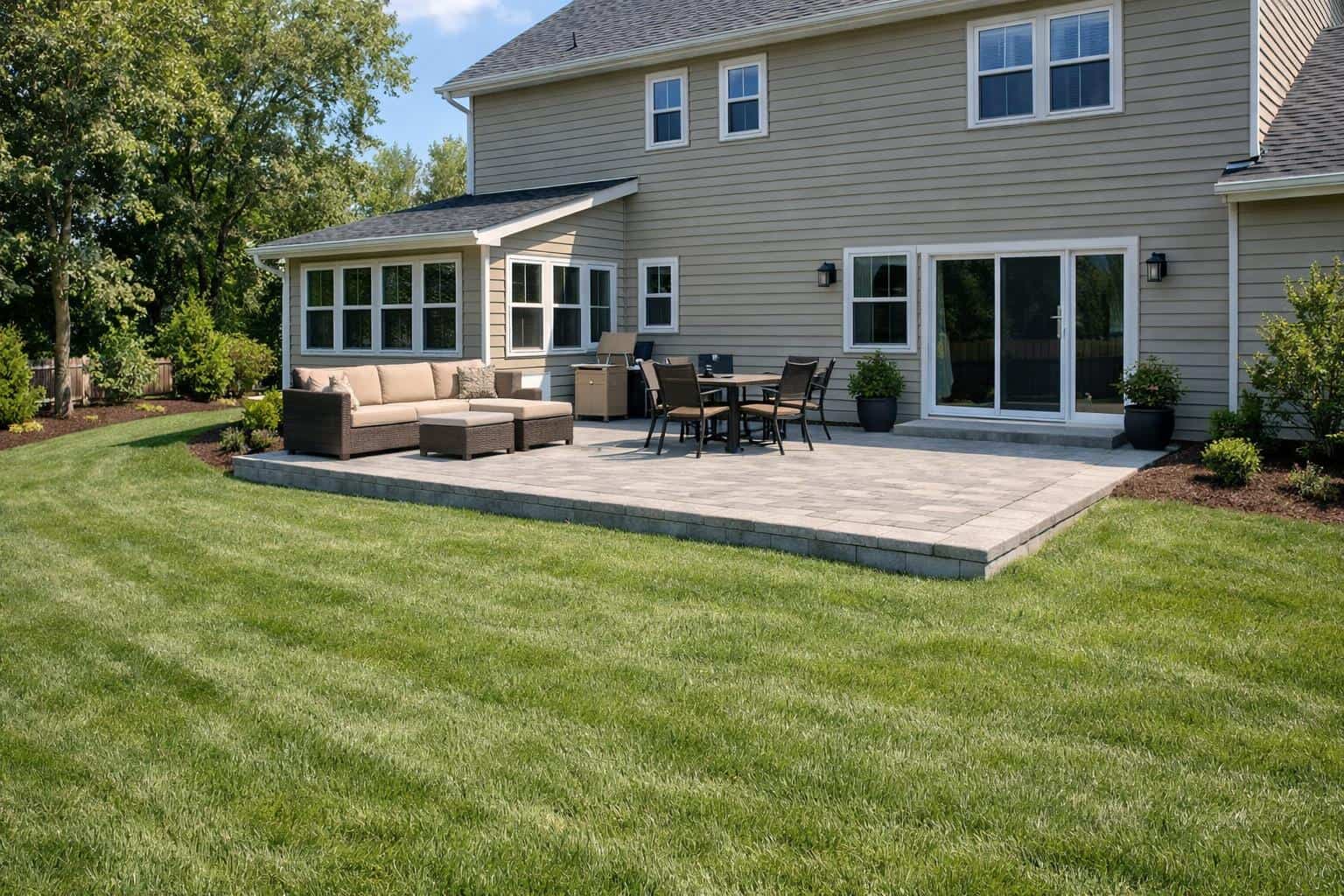
    Patios can add strong backyard value, but the return depends on whether the patio truly improves how the yard works instead of simply adding hardscape square footage.

    When patio cost often feels worth it

    • The yard lacks a clear gathering space and the patio solves that problem well.
    • The patio improves flow from the house into the backyard.
    • The design creates a usable destination rather than just a surface.

    Why some patio spends underperform

    • The patio is sized poorly for the intended use.
    • The build ignores shade, circulation, or the rest of the yard layout.
    • A premium finish is added before the patio’s basic functionality is solved.

    How to compare value

    • Ask whether the patio changes how often and how comfortably the yard gets used.
    • Look at layout and use quality, not only material price.
    • Prioritize function and integration before decorative upgrades.

    Bottom line

    The best patio value comes from building a space that improves the backyard’s real usefulness, not just its hardscape count.

    For the broader overview, continue with Patio Installation Guide for Homeowners.


  • Walkway Cost vs Durability Guide for Homeowners

    Walkway Cost vs Durability Guide for Homeowners

    Walkway costs can look close at first, but the more durable path is not always the cheapest to install and the cheapest path is not always the best long-term value.

    What drives walkway cost

    • Material type, base prep, edging, and route complexity.
    • How much cutting, shaping, or grading the path needs.
    • Whether the walkway ties into other hardscape or grade changes.

    What durability really depends on

    • Proper base and drainage, not just the surface material.
    • How much traffic and movement the path will see.
    • Whether the chosen material suits the site’s climate and maintenance level.

    How to compare value

    • Ask how the path is expected to age in your yard, not in ideal conditions.
    • Consider ease of repair alongside surface longevity.
    • Match the walkway’s build quality to the importance of the route.

    Bottom line

    The best walkway value usually comes from the system that fits the site’s traffic and drainage conditions, not simply the lowest upfront price.

    For the broader overview, continue with Walkway and Pathway Installation Guide for Homeowners.


  • Landscape Maintenance Cost vs Time Saved Guide for Homeowners

    Landscape Maintenance Cost vs Time Saved Guide for Homeowners

    Maintenance value is not just the invoice total. It also includes the time, consistency, and problem-prevention the homeowner gets back by not doing everything alone.

    Where maintenance cost can be worth it

    • When the yard regularly steals time from weekends and still never looks done.
    • When recurring neglect turns into larger repair or replacement problems.
    • When consistency matters more than occasional DIY cleanup marathons.

    Why some plans feel overpriced

    • The service scope is not clearly matched to the yard’s real needs.
    • The homeowner is paying for frequency or depth they do not actually value.
    • The plan focuses on recurring tasks but misses the issues causing the most frustration.

    How to judge the tradeoff

    • Compare cost against your real cleanup time and stress load.
    • Ask what work you still expect to do yourself.
    • Choose a plan that solves the right workload, not just the obvious one.

    Bottom line

    The best maintenance value comes from a plan that meaningfully reduces your workload and keeps the yard from drifting into bigger problems.

    Landscape Maintenance Cost vs Time Saved Guide for Homeowners related example showing Groundcover and hardscape materials relevant to comparing real long-term maintenance demands
    This low maintenance example gives homeowners a visual reference for comparing layout, materials, and maintenance tradeoffs before starting the project.

    For the broader overview, continue with Landscape Maintenance Plans Guide for Homeowners.

    Landscape Maintenance Cost vs Time Saved Guide for Homeowners related example showing Low-water landscape bed materials including rock and mulch relevant to drought-conscious groundcover selection
    This related low maintenance detail helps show how site conditions and finish choices can change the homeowner's plan.

  • Outdoor Kitchen Cost vs Usefulness Guide for Homeowners

    Outdoor Kitchen Cost vs Usefulness Guide for Homeowners

    Outdoor kitchens can become signature backyard features, but their value depends heavily on how often the household will actually cook, host, and spend time in that part of the yard.

    What usually drives outdoor-kitchen cost

    • Utility routing, appliance level, countertop material, and weather-rated storage.
    • How closely the kitchen ties into patio, shade, and seating design.
    • Whether the build is a simple grill station or a full outdoor cooking zone.

    Why some outdoor kitchens feel underused

    • The location is too far from the main gathering space or indoor kitchen flow.
    • The feature set is more impressive than practical for the household.
    • Climate, shade, or layout make the space less usable than expected.

    How to compare value honestly

    • Match the build to how the household actually entertains.
    • Prioritize layout usefulness before premium appliance wish lists.
    • Ask whether a simpler cooking zone would deliver most of the benefit.

    Bottom line

    The best outdoor-kitchen value comes from building the level of feature the yard will really support and the household will actually use.

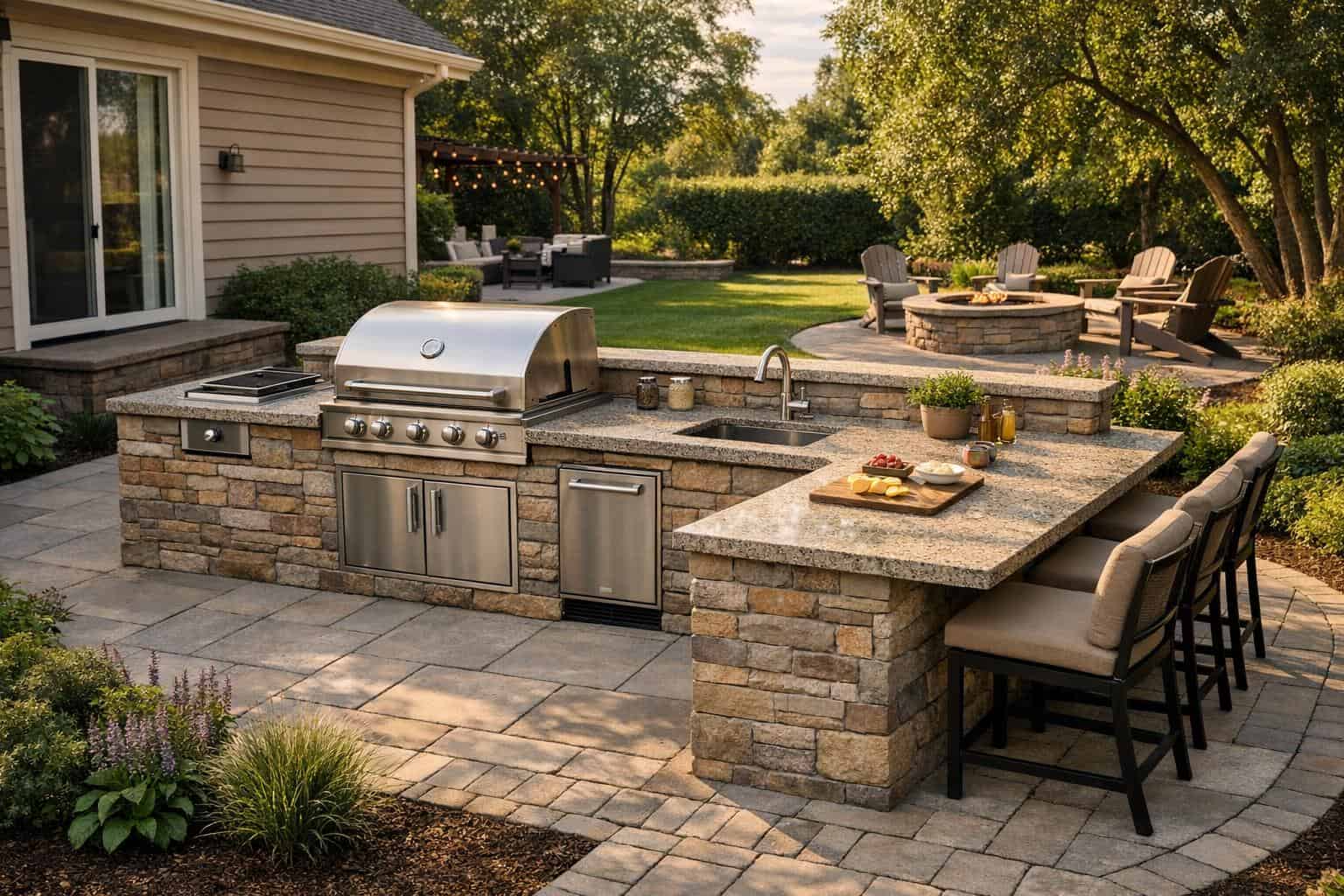
    Outdoor Kitchen Cost vs Usefulness Guide for Homeowners related example showing Residential outdoor kitchen with grill, counters, patio, and features that affect project cost
    This outdoor kitchen example gives homeowners a visual reference for comparing layout, materials, and maintenance tradeoffs before starting the project.

    For the broader overview, continue with Outdoor Kitchen Guide for Homeowners.

    Outdoor Kitchen Cost vs Usefulness Guide for Homeowners related example showing Outdoor kitchen construction detail relevant to utility work, finish scope, and quote comparison for homeowners
    This related outdoor kitchen detail helps show how site conditions and finish choices can change the homeowner's plan.