Landscaping Services

Homeowner guides to landscaping service types, including hardscaping, planting, drainage, lighting, irrigation, and maintenance planning.

Start with the service type

Landscaping Services Guideposts

Use these guides to understand what each service includes before comparing providers or requesting quotes.

Core service explainers

Start here when you are still deciding what kind of landscaper or outdoor contractor you need.

Compare before you hire

Use these pages when two services or surface choices sound similar but lead to different scopes.

Hire smarter

Planning And Contractor Comparison

Use this hub when you are moving from ideas into estimates, bids, and contractor conversations.

Before requesting estimates

These guides help define scope and compare companies before the first site visit.

Budget with better assumptions

Cost Guides And Calculators

Use this hub to move from rough budget ranges into the details that usually change quotes.

Calculator starting points

Open the calculator hub or a cost guide when you need a quick planning range.

High-impact cost decisions

These pages help compare choices where price, lifespan, and maintenance tradeoffs matter.

Understand the build

Installation And Site-Work Pathways

Use these guides to understand sequencing, site prep, access, and the details that affect long-term performance.

Hardscape and site prep

These projects often depend on base prep, demolition, grading, drainage, and access.

Drainage and retaining work

Use these when water, grade, or slope stability is part of the project.

Choose materials with ownership in mind

Material And Finish Decision Paths

Use these guides when appearance, maintenance, replacement, and budget all affect the right material choice.

Surface and finish comparisons

Compare outdoor surfaces before committing to a driveway, patio, or lawn direction.

Landscape material planning

Use these pages when quantity, delivery, or long-term maintenance are the main concern.

Protect the investment

Maintenance And Ownership Next Steps

Use these guides to understand ongoing care, seasonal refreshes, and when maintenance points to a bigger fix.

Maintenance planning

These guides help compare recurring service, seasonal work, and refresh projects.

When upkeep becomes repair

Use these when repeated maintenance problems suggest drainage, surface, or material issues.

  • Privacy Screening With Small Trees Guide

    Privacy Screening With Small Trees Guide

    Privacy Screening With Small Trees helps homeowners make a more specific landscaping decision before requesting estimates or buying materials. The best choice usually depends on canopy height, spacing, and root clearance, not just how the project looks in an inspiration photo.

    Why this decision matters

    This detail can affect cost, maintenance, comfort, and how well the finished yard works after installation. Thinking through it early helps avoid rework and keeps the project aligned with how the space will actually be used.

    What to compare before choosing

    Compare the site conditions, available space, material behavior, and long-term upkeep. A choice that looks simple on day one can become expensive if it creates drainage, access, pruning, cleaning, or replacement problems later.

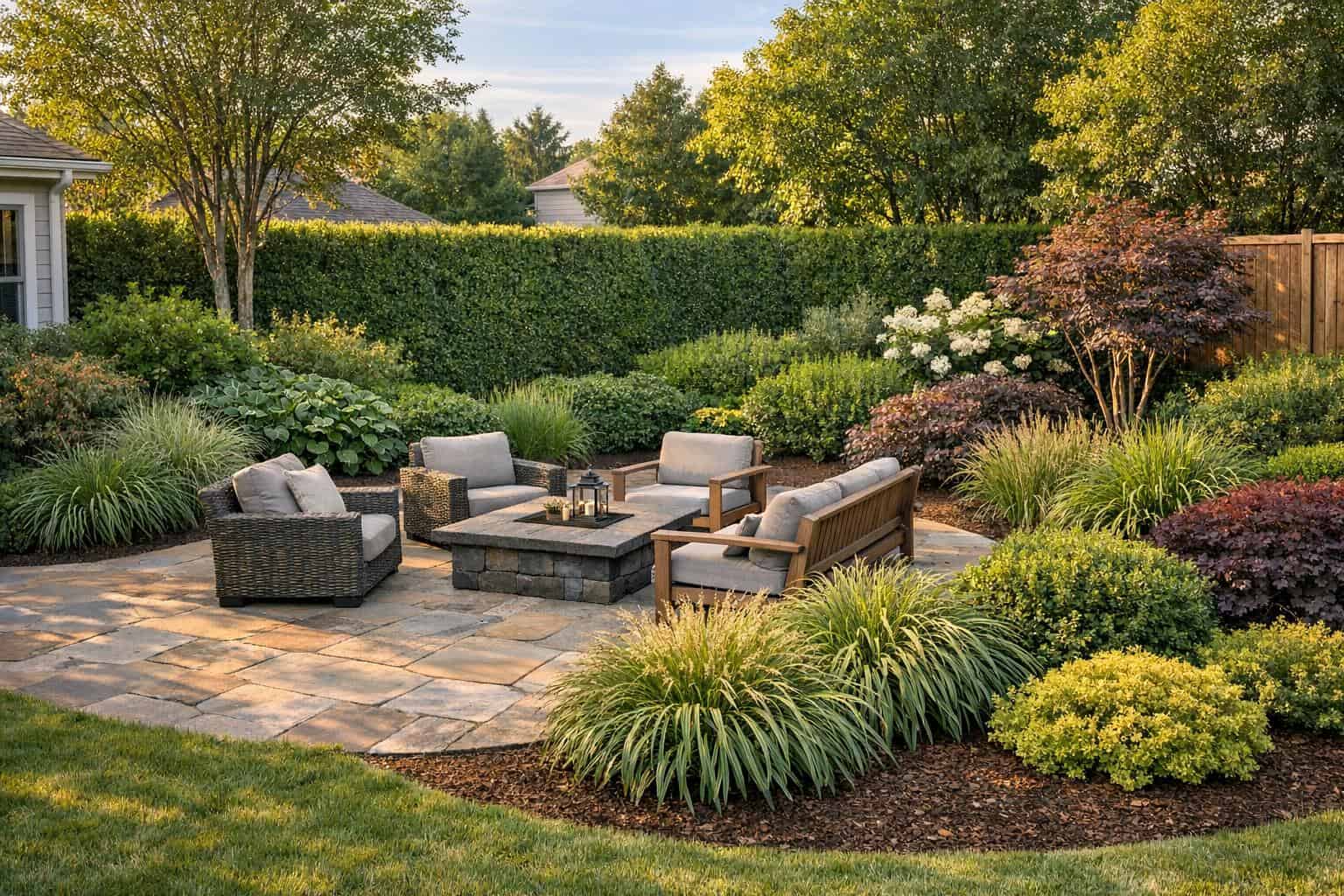
    Privacy Screening With Small Trees Guide related example showing Layered privacy landscaping with screening plants, mulch beds, and fence-line layout detail
    This privacy example gives homeowners a visual reference for comparing layout, materials, and maintenance tradeoffs before starting the project.

    Questions to ask a landscaper

    • What would you recommend for this exact location, and why?
    • What maintenance should I expect after the work is complete?
    • Are there cheaper options that would still perform well?
    • What problems do you see homeowners run into with this choice?

    How this fits into the bigger project

    Use this guide alongside the Privacy Landscaping Guide for Homeowners so the detail supports the broader layout, budget, and maintenance plan.

    Privacy Screening With Small Trees Guide related example showing Residential privacy landscaping scene with layered screening plants, planting beds, and fence line context
    This related privacy detail helps show how site conditions and finish choices can change the homeowner's plan.

    What homeowners should remember

    The best privacy screening with small trees choice is the one that supports soften elevated views without relying only on fences or hedges while staying realistic about cost, care, and the conditions already present in the yard.
  • Privacy Screening for Sloped Yards Guide

    Privacy Screening for Sloped Yards Guide

    Privacy Screening for Sloped Yards helps homeowners make a more specific landscaping decision before requesting estimates or buying materials. The best choice usually depends on elevation changes, view angles, and plant height, not just how the project looks in an inspiration photo.

    Why this decision matters

    This detail can affect cost, maintenance, comfort, and how well the finished yard works after installation. Thinking through it early helps avoid rework and keeps the project aligned with how the space will actually be used.

    What to compare before choosing

    Compare the site conditions, available space, material behavior, and long-term upkeep. A choice that looks simple on day one can become expensive if it creates drainage, access, pruning, cleaning, or replacement problems later.

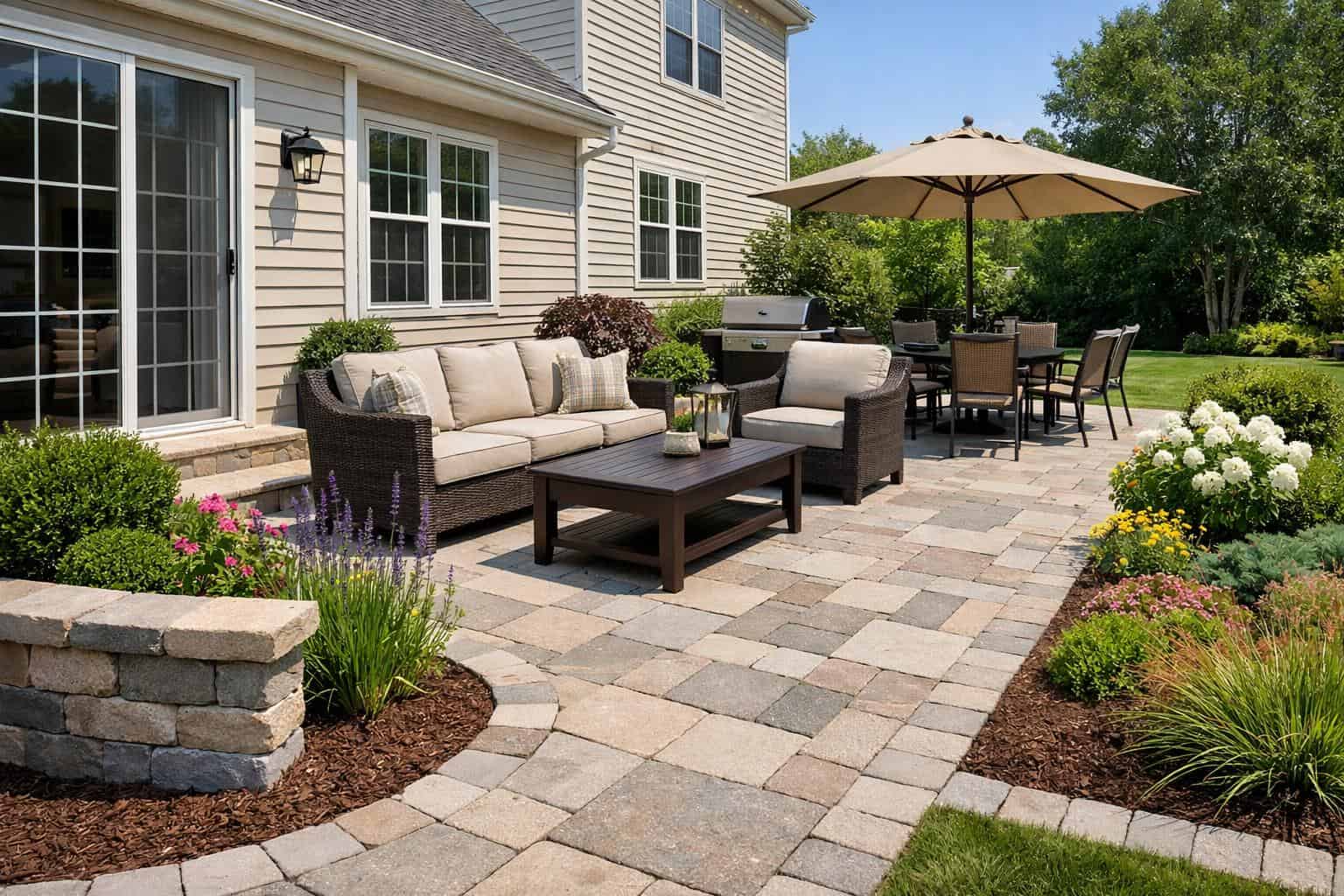
    Privacy Screening for Sloped Yards Guide related example showing Layered privacy landscaping with screening plants, mulch beds, and fence-line layout detail
    This privacy example gives homeowners a visual reference for comparing layout, materials, and maintenance tradeoffs before starting the project.

    Questions to ask a landscaper

    • What would you recommend for this exact location, and why?
    • What maintenance should I expect after the work is complete?
    • Are there cheaper options that would still perform well?
    • What problems do you see homeowners run into with this choice?

    How this fits into the bigger project

    Use this guide alongside the Privacy Landscaping Guide for Homeowners so the detail supports the broader layout, budget, and maintenance plan.

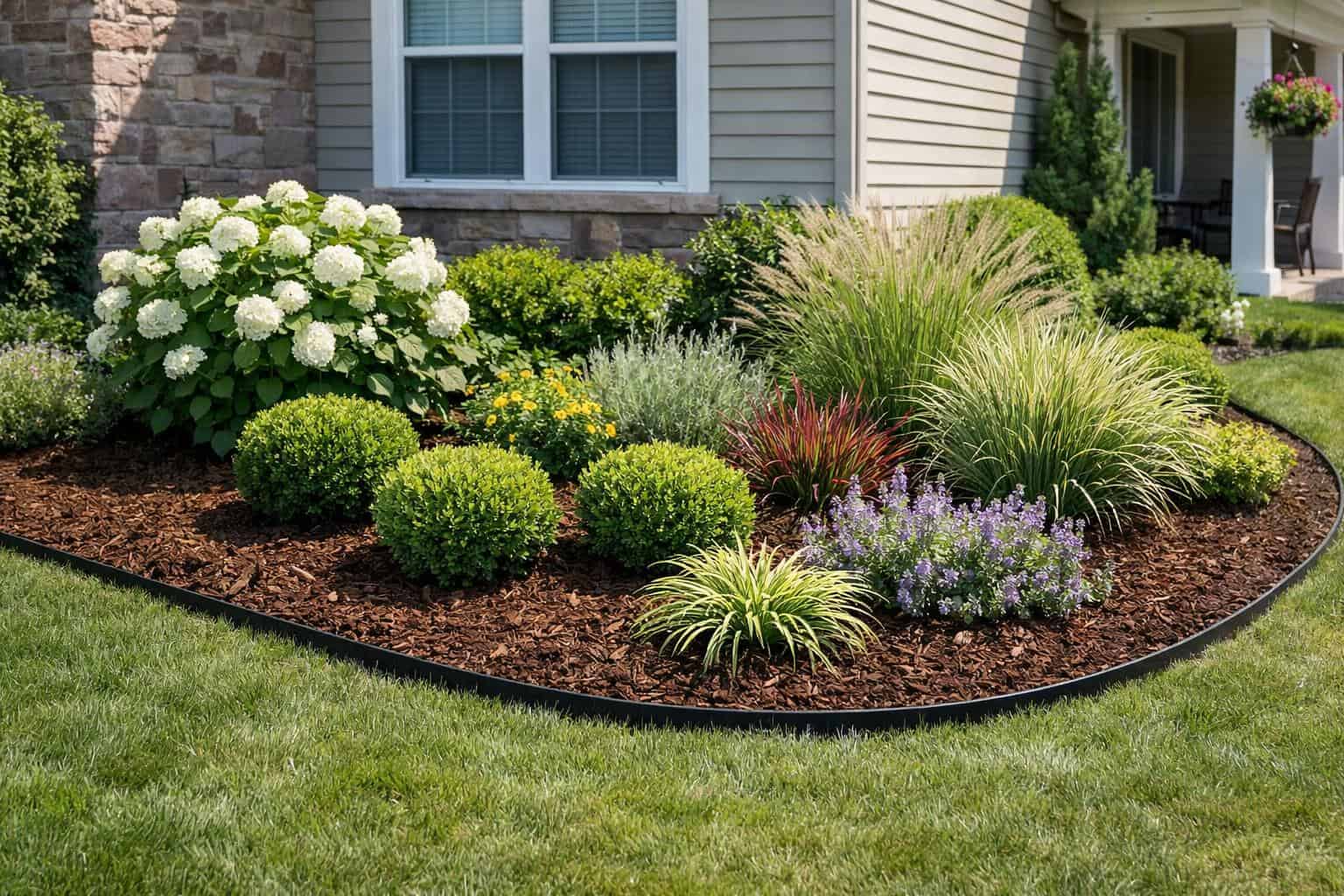
    Privacy Screening for Sloped Yards Guide related example showing Residential privacy landscaping scene with layered screening plants, planting beds, and fence line context
    This related privacy detail helps show how site conditions and finish choices can change the homeowner's plan.

    What homeowners should remember

    The best privacy screening on sloped yards choice is the one that supports screen the real line of sight instead of overplanting the entire slope while staying realistic about cost, care, and the conditions already present in the yard.


  • Privacy Screening for Townhomes Guide

    Privacy Screening for Townhomes Guide

    Privacy Screening for Townhomes helps homeowners make a more specific landscaping decision before requesting estimates or buying materials. The best choice usually depends on tight spaces, shared boundaries, and vertical views, not just how the project looks in an inspiration photo.

    Why this decision matters

    This detail can affect cost, maintenance, comfort, and how well the finished yard works after installation. Thinking through it early helps avoid rework and keeps the project aligned with how the space will actually be used.

    What to compare before choosing

    Compare the site conditions, available space, material behavior, and long-term upkeep. A choice that looks simple on day one can become expensive if it creates drainage, access, pruning, cleaning, or replacement problems later.

    Privacy Screening for Townhomes Guide related example showing Layered privacy landscaping with screening plants, mulch beds, and fence-line layout detail
    This privacy example gives homeowners a visual reference for comparing layout, materials, and maintenance tradeoffs before starting the project.

    Questions to ask a landscaper

    • What would you recommend for this exact location, and why?
    • What maintenance should I expect after the work is complete?
    • Are there cheaper options that would still perform well?
    • What problems do you see homeowners run into with this choice?

    How this fits into the bigger project

    Use this guide alongside the Privacy Landscaping Guide for Homeowners so the detail supports the broader layout, budget, and maintenance plan.

    Privacy Screening for Townhomes Guide related example showing Residential privacy landscaping scene with layered screening plants, planting beds, and fence line context
    This related privacy detail helps show how site conditions and finish choices can change the homeowner's plan.

    What homeowners should remember

    The best townhome privacy screening choice is the one that supports add privacy where space is limited and rules may be tighter while staying realistic about cost, care, and the conditions already present in the yard.


  • Privacy Screening for Hot Tubs Guide

    Privacy Screening for Hot Tubs Guide

    Privacy Screening for Hot Tubs helps homeowners make a more specific landscaping decision before requesting estimates or buying materials. The best choice usually depends on sightlines, access, and year-round enclosure, not just how the project looks in an inspiration photo.

    Why this decision matters

    This detail can affect cost, maintenance, comfort, and how well the finished yard works after installation. Thinking through it early helps avoid rework and keeps the project aligned with how the space will actually be used.

    What to compare before choosing

    Compare the site conditions, available space, material behavior, and long-term upkeep. A choice that looks simple on day one can become expensive if it creates drainage, access, pruning, cleaning, or replacement problems later.

    Privacy Screening for Hot Tubs Guide related example showing Layered privacy landscaping with screening plants, mulch beds, and fence-line layout detail
    This privacy example gives homeowners a visual reference for comparing layout, materials, and maintenance tradeoffs before starting the project.

    Questions to ask a landscaper

    • What would you recommend for this exact location, and why?
    • What maintenance should I expect after the work is complete?
    • Are there cheaper options that would still perform well?
    • What problems do you see homeowners run into with this choice?

    How this fits into the bigger project

    Use this guide alongside the Privacy Landscaping Guide for Homeowners so the detail supports the broader layout, budget, and maintenance plan.

    Privacy Screening for Hot Tubs Guide related example showing Residential privacy landscaping scene with layered screening plants, planting beds, and fence line context
    This related privacy detail helps show how site conditions and finish choices can change the homeowner's plan.

    What homeowners should remember

    The best hot tub privacy screening choice is the one that supports protect a soaking area without trapping moisture or making service difficult while staying realistic about cost, care, and the conditions already present in the yard.


  • Patio Planting for Hot Afternoon Sun Guide

    Patio Planting for Hot Afternoon Sun Guide

    Afternoon sun can make a patio uncomfortable even when the layout is otherwise strong. Planting can help, but only if the plants are chosen for heat, reflected light, available soil, and the way people actually use the space.

    Look for reflected heat, not just direct sun

    Pavers, walls, fences, and house siding can all increase heat around patio beds and containers.

    Use planting to support comfort

    Small trees, taller shrubs, and strategic containers can soften heat and glare when placed carefully. Pair this with our Patio Planting for Evening Use Guide for Homeowners if the same patio is used after sunset.

    Plan watering before buying plants

    Hot patio edges can dry out fast, especially where soil volume is limited.

    What homeowners should remember

    The best hot-sun patio planting improves comfort without creating a thirsty, high-maintenance edge.


  • Privacy Screening for Side Yards Guide for Homeowners

    Privacy Screening for Side Yards Guide for Homeowners

    Side yards can be tricky privacy spaces because they are often narrow, shaded, and needed for access. A good screen needs to soften views without blocking gates, utilities, drainage paths, or maintenance movement.

    Identify the specific view that needs screening

    Side-yard privacy is usually about one window, one walkway, or one seating angle rather than the full length of the property line.

    Keep access and utilities usable

    Dense planting can quickly become a problem if it blocks meters, hose bibs, gates, or drainage flow. Pair this with our Privacy Screening for Balcony Views Guide for Homeowners if elevated sightlines are part of the issue too.

    Choose narrow, manageable plant forms

    Columnar shrubs, trained vines, or layered small plantings often work better than wide-growing hedges in tight side yards.

    What homeowners should remember

    The best side-yard screen solves the privacy problem while preserving the practical purpose of the side yard.


  • Patio Planting for Evening Use Guide for Homeowners

    Patio Planting for Evening Use Guide for Homeowners

    Patios used in the evening need planting decisions that support comfort after dark, not only daytime appearance. Plant form, scent, lighting interaction, and cleanup all affect how the outdoor room feels at night.

    Choose planting that works with lighting

    Some plants catch light beautifully, while others create awkward shadows or block important path visibility.

    Keep the seating zone comfortable after dark

    Evening patios benefit from planting that adds enclosure without making the space feel closed in. Pair this with our Patio Edge Lighting Ideas Guide for Homeowners if lighting is part of the project.

    Think about fragrance and cleanup carefully

    Scent can add atmosphere, but messy plants near dining or seating may become frustrating.

    What homeowners should remember

    The best evening patio planting supports the mood of the space while keeping movement, lighting, and maintenance practical.


  • Privacy Screening for Balcony Views Guide for Homeowners

    Privacy Screening for Balcony Views Guide for Homeowners

    Balcony views can make a backyard feel exposed even when the property line is already planted. The best screening plans respond to the elevated angle of the view and protect the specific outdoor spaces people use most.

    Find the view angle before choosing plants

    The right screen location is often where the view crosses the yard, not necessarily along the edge of the property.

    Use trees and layered shrubs carefully

    Higher sightlines often require more vertical structure. Pair this with our Privacy Screening for Raised Decks Guide for Homeowners if elevated outdoor spaces are part of the same problem.

    Protect the use area without darkening the whole yard

    The best solution usually screens the patio, dining area, or seating zone without overclosing the rest of the landscape.

    What homeowners should remember

    The best balcony-view screening targets the actual line of sight instead of making every boundary taller and heavier.


  • Front Yard Entry Bed Evergreen Structure Guide

    Front Yard Entry Bed Evergreen Structure Guide

    Evergreen structure helps an entry bed hold its shape throughout the year. Seasonal flowers and perennials can add color, but evergreens often provide the backbone that keeps the front approach looking intentional when everything else is quieter.

    Use evergreens as the backbone, not the whole design

    A few well-placed evergreen forms can give the entry stability while still leaving room for softer seasonal planting.

    Keep scale and mature size in check

    Evergreens near the entry can quickly become a maintenance problem if they outgrow the bed or crowd the walk. Pair this with our Front Yard Entry Bed Height Balance Guide for Homeowners if plant height is also part of the issue.

    Repeat structure where it supports the route

    Evergreen rhythm can help guide the eye toward the front door without relying on constant color.

    What homeowners should remember

    The best evergreen structure makes an entry bed feel more finished year-round because the planting has a reliable framework.


  • Patio Planting for Small Spaces Guide for Homeowners

    Patio Planting for Small Spaces Guide for Homeowners

    Small patios benefit from planting, but they can also be overwhelmed quickly. The best small-space patio planting softens edges, adds privacy or atmosphere where needed, and avoids stealing the limited space people need to sit and move.

    Keep the usable patio area protected

    Plants should not spill heavily into chair space, table clearance, or the main route back to the house.

    Choose planting with compact mature size

    Small-space planting needs to stay proportional after it grows in. Pair this with our Small Patio Ideas Guide for Homeowners if the whole compact patio layout still needs planning.

    Use vertical and corner opportunities carefully

    In small patios, the best planting may be concentrated where it adds the most comfort without filling every edge.

    What homeowners should remember

    The best patio planting for small spaces makes the outdoor room feel more complete without making it feel smaller.