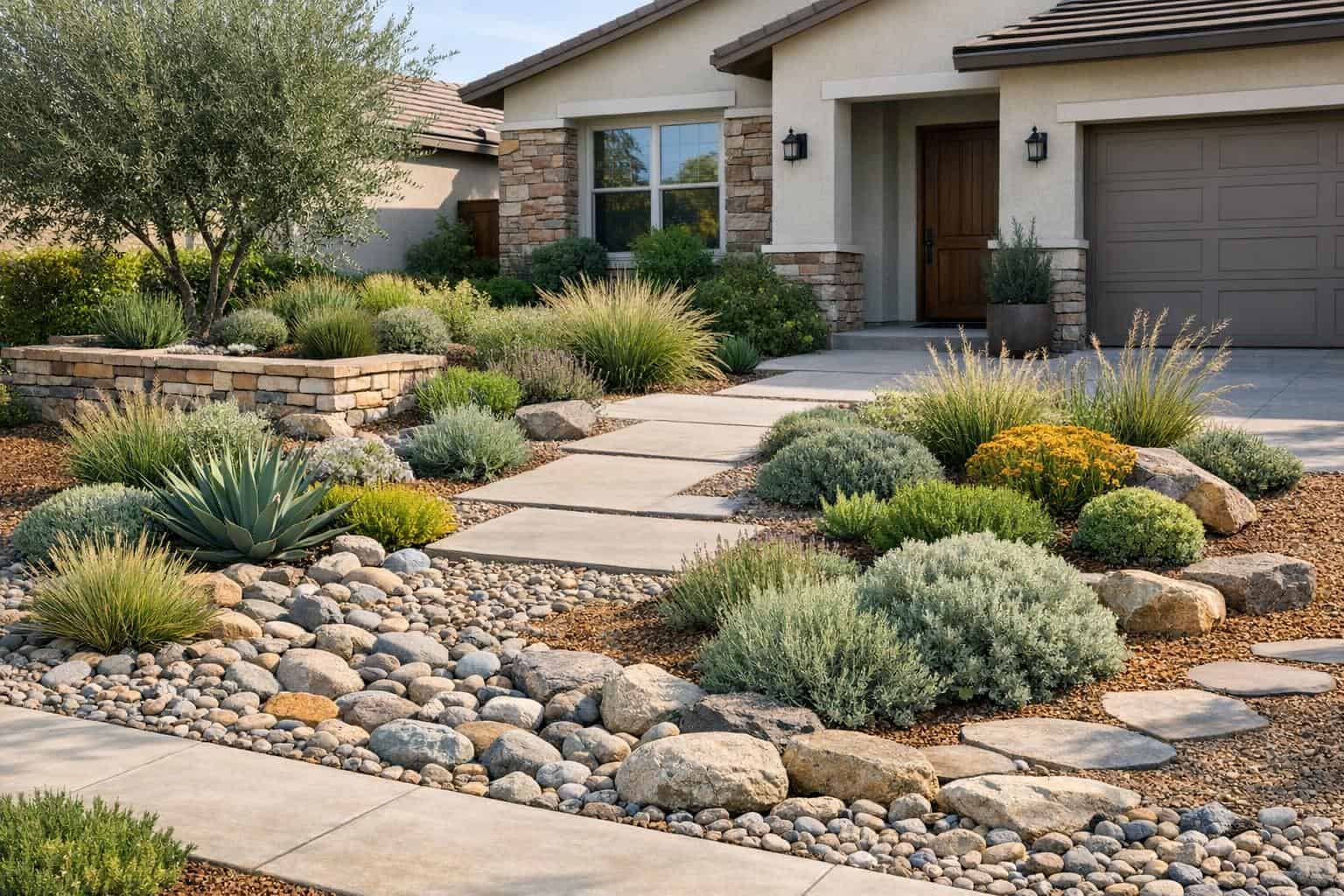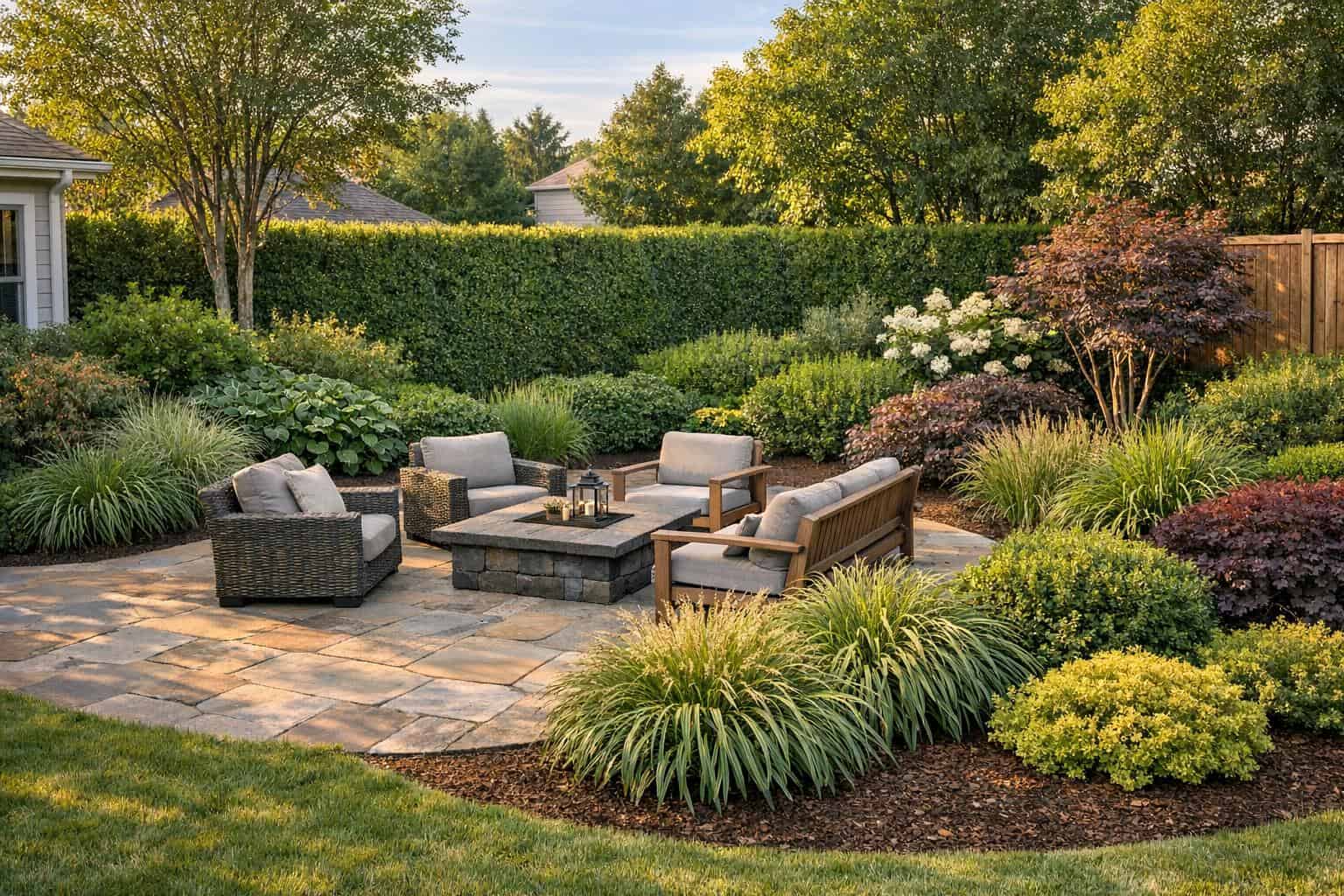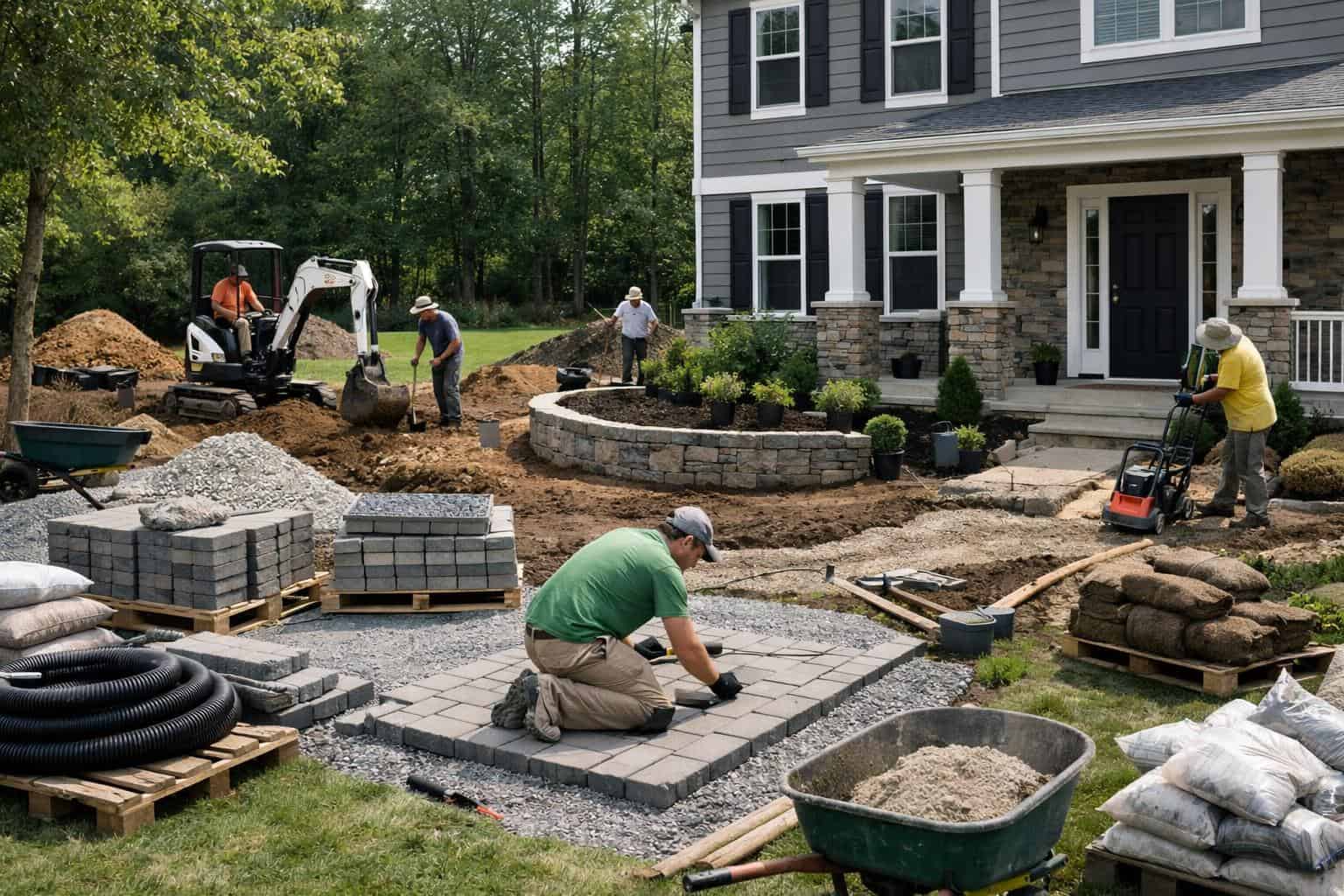
Landscaping Services

Homeowner guides to landscaping service types, including hardscaping, planting, drainage, lighting, irrigation, and maintenance planning.

Start with the service type

Landscaping Services Guideposts

Use these guides to understand what each service includes before comparing providers or requesting quotes.

Core service explainers

Start here when you are still deciding what kind of landscaper or outdoor contractor you need.

Compare before you hire

Use these pages when two services or surface choices sound similar but lead to different scopes.

Hire smarter

Planning And Contractor Comparison

Use this hub when you are moving from ideas into estimates, bids, and contractor conversations.

Before requesting estimates

These guides help define scope and compare companies before the first site visit.

Budget with better assumptions

Cost Guides And Calculators

Use this hub to move from rough budget ranges into the details that usually change quotes.

Calculator starting points

Open the calculator hub or a cost guide when you need a quick planning range.

High-impact cost decisions

These pages help compare choices where price, lifespan, and maintenance tradeoffs matter.

Understand the build

Installation And Site-Work Pathways

Use these guides to understand sequencing, site prep, access, and the details that affect long-term performance.

Hardscape and site prep

These projects often depend on base prep, demolition, grading, drainage, and access.

Drainage and retaining work

Use these when water, grade, or slope stability is part of the project.

Choose materials with ownership in mind

Material And Finish Decision Paths

Use these guides when appearance, maintenance, replacement, and budget all affect the right material choice.

Surface and finish comparisons

Compare outdoor surfaces before committing to a driveway, patio, or lawn direction.

Landscape material planning

Use these pages when quantity, delivery, or long-term maintenance are the main concern.

Protect the investment

Maintenance And Ownership Next Steps

Use these guides to understand ongoing care, seasonal refreshes, and when maintenance points to a bigger fix.

Maintenance planning

These guides help compare recurring service, seasonal work, and refresh projects.

When upkeep becomes repair

Use these when repeated maintenance problems suggest drainage, surface, or material issues.

  • Excavation Companies Near Me: What They Do Before a Landscape Project

    Excavation Companies Near Me: What They Do Before a Landscape Project

    Homeowners usually do not search for excavation companies until a project becomes more complicated than planting and surface-level upgrades. Once grading, drainage correction, retaining walls, patio prep, trenching, or major demolition are involved, excavation becomes one of the most important early parts of the job.

    This guide explains what excavation companies actually do before a landscaping project, how their work affects cost and scheduling, and what homeowners should clarify before hiring or approving excavation scope.

    Estimate related drainage work before excavation starts

    Drainage and excavation often overlap. Use this calculator to understand rough drainage ranges before deciding whether grading, trenching, or outlet work belongs in the scope.

    Drainage Cost Calculator

    Estimate drainage project pricing for swales, French drains, and catch basin style systems.


    What excavation means in a landscaping context

    Residential excavation is not just digging holes. In landscape work, excavation often means reshaping the site so the next trades can build correctly. It may involve demolition, trenching, export, grading, base preparation, slope correction, and access planning for later hardscape or drainage work.

    Excavation Companies Near Me: What They Do Before a Landscape Project related example showing Landscape beds and groundcover materials relevant to homeowner quantity planning for mulch, soil, and decorative rock
    This materials example gives homeowners a visual reference for comparing layout, materials, and maintenance tradeoffs before starting the project.
    • Grading areas for patios, walkways, and driveways
    • Cutting and filling for retaining walls and steps
    • Trenching for drainage, irrigation, or utilities
    • Removing unsuitable soil, roots, old materials, or buried debris
    • Preparing access and working room for installation crews

    Why excavation work affects the whole project

    Excavation is often where hidden site conditions become visible. Poor drainage, unstable base material, buried concrete, old roots, or unexpected elevation conflicts can all show up once the project starts opening the ground. That is why excavation scope can materially change both cost and timeline.

    Excavation Companies Near Me: What They Do Before a Landscape Project related example showing Concrete, paver, and stone outdoor surfaces showing common patio and walkway material choices for homeowners
    This related materials detail helps show how site conditions and finish choices can change the homeowner's plan.

    A homeowner who understands this early is less likely to panic when a contractor flags a legitimate site problem. The better question is whether the issue was identified and explained clearly, not whether the site remained simple.


    What an excavation company should review before pricing

    A serious excavation estimate should include more than machine hours. The contractor should look at access, soil conditions, disposal routes, nearby structures, runoff paths, and how the excavation work connects to the next phase of construction.

    Excavation Companies Near Me: What They Do Before a Landscape Project related example showing Pet-Friendly Backyard Landscaping detail relevant to warning signs, wear, and maintenance decisions
    This related materials detail helps show how site conditions and finish choices can change the homeowner's plan.
    • Equipment access and protection of existing surfaces
    • How spoil material or demolition debris will be hauled off site
    • Existing grade and where water currently moves
    • How far excavation extends beyond the visible finished area
    • Whether shoring, compaction, or wall prep may be needed

    For homeowners dealing with water management, this is also where guides like Drainage Swale vs French Drain and French Drain vs Surface Drain become useful. Drainage choices often change how excavation should be scoped in the first place.


    Questions to ask before the work starts

    Excavation can feel disruptive, so homeowners benefit from asking practical questions before machinery arrives. The best questions are about impact, sequencing, and restoration.

    • What exactly will be removed, cut, or filled?
    • How much of the yard will be disturbed beyond the finished project footprint?
    • What happens if poor soil or buried obstacles are uncovered?
    • Who restores surrounding grades or surfaces after excavation is complete?
    • How does excavation timing affect the rest of the project schedule?

    How to recognize a weak excavation scope

    Excavation estimates become risky when they are priced like simple labor instead of site-preparation work. Homeowners should be cautious if the contractor cannot describe haul-off, compaction, grading intent, or the relationship between excavation and the finished installation.

    • No explanation of what happens to spoils or demolition debris
    • No clear tie between excavation and drainage or grade control
    • No mention of compaction where later hardscape will be built
    • No discussion of access damage, cleanup, or restoration

    How homeowners should use this information

    Excavation is a planning service as much as a digging service. Homeowners should treat it as the foundation of the finished landscape outcome. Good excavation work gives the rest of the project a chance to perform correctly. Poor excavation creates problems that show up later as settling, drainage failure, awkward transitions, and preventable cost overruns.

    When homeowners understand what excavation really covers, they can compare scope more intelligently and avoid underestimating one of the most important early phases of a landscape project.

  • Landscaping Companies Near Me: How to Compare Services, Pricing, and Scope

    Landscaping Companies Near Me: How to Compare Services, Pricing, and Scope

    Searching for landscaping companies near you sounds simple, but homeowners usually discover quickly that the same search results can include design firms, maintenance crews, hardscape installers, irrigation specialists, and general outdoor contractors. Two companies may both call themselves landscapers while offering completely different scopes of work.

    This guide helps homeowners compare landscaping companies in a way that supports smarter hiring decisions. The goal is not to find the biggest company or the cheapest quote. The goal is to identify which type of company actually matches the project, budget, and property needs.


    Start by defining the kind of help you need

    Landscaping means different things to different companies. Some are best for recurring maintenance. Others are strongest at construction and installation. Some lead with design and planning. Homeowners should begin by writing down what kind of decision they are trying to make before comparing websites and estimates.

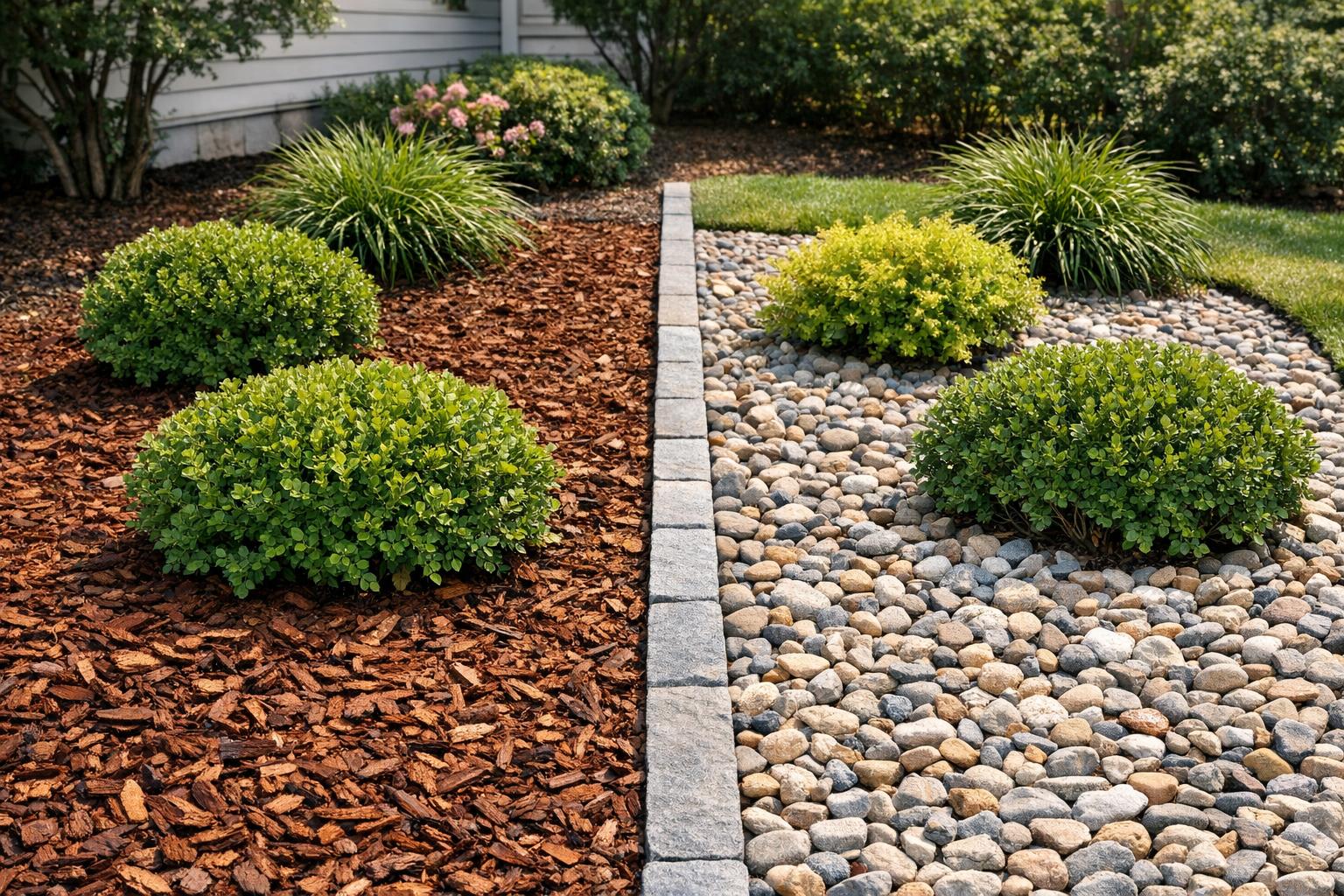
    Landscaping Companies Near Me: How to Compare Services, Pricing, and Scope related example showing Landscape beds and groundcover materials relevant to homeowner quantity planning for mulch, soil, and decorative rock
    This materials example gives homeowners a visual reference for comparing layout, materials, and maintenance tradeoffs before starting the project.
    • Routine maintenance and cleanup
    • Planting and softscape refreshes
    • Backyard redesign and phased installation
    • Patios, retaining walls, drainage, or irrigation work
    • A full-property plan that combines several services

    A company may be excellent at one of these categories and only average at another. That does not make them bad. It just means the homeowner should compare the right type of provider.


    What to compare on company websites and estimates

    Homeowners often look first at photos, but scope clarity matters more than polished marketing. The best company websites help readers understand what services are actually offered, what problems they solve, and how projects are typically phased. The same principle applies to estimates.

    • Specific service descriptions instead of vague promises
    • Examples of projects similar to yours
    • Real discussion of process, scheduling, and scope
    • Evidence of design, drainage, or installation thinking
    • Clear written estimates rather than one-number proposals

    Readers who need a broader service baseline can use Landscaping Services Guide for Homeowners and What to Expect When Hiring a Landscaper to separate service categories before comparing providers.


    How pricing style can reveal how the company works

    Estimate the broad landscaping budget range

    Before comparing landscaping companies, use this calculator to pressure-test the rough project range for the size, complexity, access, and finish level you have in mind.

    Landscaping Cost Range Calculator

    Estimate a broad landscaping budget range for common homeowner project types before comparing quotes.

    Price matters, but how the company presents pricing often tells homeowners just as much as the total number. Some companies are detail-oriented and break down the work into logical scopes. Others quote broadly because they have not thought through the property conditions yet. A low number with weak scope clarity can be more expensive in practice than a higher but more realistic bid.

    • Does the quote separate design, demolition, installation, and cleanup?
    • Are material allowances specific or generic?
    • Does the proposal discuss drainage, access, or prep work?
    • Is there a clear change-order process if site conditions shift?

    Questions that help homeowners compare companies fairly

    A fair comparison means asking each company the same core questions. This keeps the decision from being driven only by personality or the first attractive photo gallery.

    Landscaping Companies Near Me: How to Compare Services, Pricing, and Scope related example showing Concrete, paver, and stone outdoor surfaces showing common patio and walkway material choices for homeowners
    This related materials detail helps show how site conditions and finish choices can change the homeowner's plan.
    • What types of projects are you strongest at?
    • What parts of this project would you handle directly versus subcontract?
    • What site conditions are most likely to change the budget?
    • How do you sequence design, installation, and maintenance planning?
    • What does a realistic timeline look like for a project like this?

    When a company is the wrong fit even if it seems reputable

    A reputable company can still be the wrong fit for a specific homeowner. A maintenance-focused landscaper may not be the right choice for a complex patio, grading, and drainage project. A hardscape builder may not be the best lead if the homeowner still needs help clarifying layout and planting direction. Fit matters just as much as reputation.

    Landscaping Companies Near Me: How to Compare Services, Pricing, and Scope related example showing Pet-Friendly Backyard Landscaping detail relevant to warning signs, wear, and maintenance decisions
    This related materials detail helps show how site conditions and finish choices can change the homeowner's plan.

    The strongest hire decision usually happens when the homeowner chooses a company whose strengths match the project stage. Early planning needs a different kind of help than final installation or ongoing maintenance.


    How to make the final choice

    The right landscaping company is the one that helps the homeowner make better decisions, not just faster ones. Look for a company that can explain scope clearly, identify tradeoffs honestly, and show how the project will affect the rest of the yard over time.

    That kind of company usually produces a better long-term result than one that rushes the estimate, avoids details, or treats a landscaping project like a commodity purchase. Hiring smarter starts with comparing companies on clarity, fit, and scope, not just on a search result position or an attractive before-and-after photo.


  • Concrete Contractor Guide for Homeowners

    Concrete Contractor Guide for Homeowners

    Homeowners searching for a concrete contractor are often trying to solve more than one problem at once. The visible problem may be a worn driveway, a patio project, or a walkway upgrade, but the real decision usually involves drainage, thickness, reinforcement, finish, access, demolition, and how the new surface connects to the rest of the landscape.

    This guide explains how homeowners can compare concrete contractors with a wider lens. It is useful whether the project is a driveway, patio, walkway, pad, or part of a larger front-yard or backyard remodel.


    Know what kind of concrete contractor the project needs

    Concrete is not one single service category. Some contractors focus on structural work, some on decorative flatwork, and some on residential hardscape installations that overlap with grading, landscape layout, and paving transitions. Homeowners get better results when they match the contractor to the actual job rather than searching only for the broad term ‘concrete contractor’.

    • Driveways and vehicle surfaces need contractors experienced with load-bearing flatwork.
    • Patios and outdoor-living spaces often need stronger design coordination and drainage integration.
    • Walkways and entry paths require careful elevation control, transitions, and curb-appeal planning.
    • Decorative finishes require a contractor who can show completed local examples, not just promise options.

    What to review before asking for estimates

    A homeowner does not need technical engineering knowledge before calling contractors, but some basic project clarity makes the estimate process much more useful. The contractor should know what the slab is for, how the area is used, and whether there are known drainage, cracking, or access issues on the property.

    Concrete Contractor Guide for Homeowners related example showing Concrete, paver, and stone outdoor surfaces showing common patio and walkway material choices for homeowners
    This patio example gives homeowners a visual reference for comparing layout, materials, and maintenance tradeoffs before starting the project.
    • Replacement versus new installation
    • Decorative finish versus standard broom finish
    • Drainage problems or areas that already hold water
    • Vehicle weight or heavy-use expectations
    • Whether nearby landscaping, irrigation, or retaining work may be affected

    If the project overlaps with driveway work specifically, homeowners should also review Choosing the Right Contractor for a Concrete Driveway and Concrete vs Paver Driveway to understand how contractor fit changes by project type.


    The parts of a concrete estimate that matter most

    Run a quick concrete project cost check

    These calculators help homeowners frame driveway and patio budgets before asking a concrete contractor to price site-specific prep, drainage, and finish details.

    Driveway Cost Calculator

    Estimate driveway material plus labor ranges for gravel, asphalt, concrete, or paver installs.

    Paver Patio Cost Calculator

    Estimate patio cost ranges using size, paver tier, prep complexity, and demolition assumptions.

    Many homeowners focus first on the total number, but the scope language is where the real quality differences show up. Good concrete estimates explain demolition, subgrade work, base preparation, thickness, reinforcement, finish, joints, cleanup, and curing expectations. Weak estimates jump straight to price and square footage.

    • Existing concrete removal and disposal
    • Base preparation and compaction assumptions
    • Concrete thickness and reinforcement details
    • Finish type, control joints, and edge treatment
    • Drainage adjustments, adjacent grading, and cleanup

    The estimate should also be clear about what is not included. Exclusions around drainage, staining, sealing, permit fees, or utility issues can materially change the real homeowner cost.


    How to tell whether the contractor is planning for performance

    Concrete quality problems often begin long before the pour. Poor subgrade prep, bad drainage, weak edge support, rushed finishing, and unrealistic cure expectations create long-term trouble even when the finished slab looks clean on the install day. Homeowners should listen closely to how the contractor describes the invisible parts of the job.

    Concrete Contractor Guide for Homeowners related example showing Residential fire pit area with patio, seating, and layout details that affect project cost
    This related patio detail helps show how site conditions and finish choices can change the homeowner's plan.
    • Do they talk about compaction and base depth without being prompted?
    • Do they explain how water will move away from the slab?
    • Do they describe where joints belong and why?
    • Do they discuss curing and when the slab can actually be used?

    Questions to ask before signing

    Good contractor interviews are practical. The homeowner is trying to understand how the contractor thinks, not force a perfect sales pitch.

    • What usually causes concrete problems on projects like this one?
    • How will you handle drainage or slope issues at this site?
    • What traffic or use assumptions are you pricing for?
    • What parts of the process happen on different days?
    • What would cause a change order?

    How this fits into broader landscaping planning

    Concrete projects rarely live in isolation. A new patio may affect planting beds, irrigation, privacy screening, lighting, and circulation through the backyard. A new driveway may change curb appeal, runoff, or front-yard grading. That is why homeowners should treat the concrete contractor as one part of a larger landscape decision, not just a commodity installer.

    Concrete Contractor Guide for Homeowners related example showing Pet-Friendly Backyard Landscaping detail relevant to warning signs, wear, and maintenance decisions
    This related patio detail helps show how site conditions and finish choices can change the homeowner's plan.

    The best hire is usually the contractor who understands both the concrete work itself and how that work fits into the property as a whole. That broader view is what keeps a concrete project from becoming a disconnected upgrade that creates new problems elsewhere in the yard.


  • Drainage for Clay Soil Guide

    Drainage for Clay Soil Guide

    Drainage for Clay Soil helps homeowners narrow a real landscaping decision before paying for design, materials, or installation. The best answer usually depends on slow infiltration, grading, and plant tolerance, not just the first option that looks good in a photo.

    Why homeowners should plan this early

    This decision can affect budget, maintenance, access, drainage, safety, and how the finished yard feels after the project is complete. Planning it early gives a landscaper clearer direction and helps prevent expensive rework.

    Drainage for Clay Soil Guide related example showing Drainage detail relevant to pooling, runoff shifts, and warning signs
    This drainage example gives homeowners a visual reference for comparing layout, materials, and maintenance tradeoffs before starting the project.

    What to compare before choosing

    Compare the site conditions, mature sizes, installation requirements, and maintenance tradeoffs. A good choice should solve the immediate problem while still making sense after plants grow, weather changes, or the space gets used every week.

    Questions to ask before approving the work

    • What would you recommend for this exact location, and what would you avoid?
    • How will this choice affect maintenance after the first season?
    • Are there material, layout, or plant alternatives that cost less but still perform well?
    • What access, drainage, or clearance issues should be solved before installation?

    How this fits into the larger project

    Use this guide with the How to Choose the Right Yard-Grading Plan Guide so the detail supports the broader layout, budget, and long-term ownership plan.

    What homeowners should remember

    The best drainage for clay soil choice is not only attractive. It should help homeowners plan drainage around soil that holds water while staying realistic about cost, upkeep, and the conditions already present in the yard.

    Drainage for Clay Soil Guide related example showing Drainage detail relevant to planning mistakes, runoff diagnosis, and grading decisions
    This related drainage detail helps show how site conditions and finish choices can change the homeowner's plan.

  • Drainage Pop-Up Emitter Placement Guide

    Drainage Pop-Up Emitter Placement Guide

    Drainage Pop-Up Emitter Placement helps homeowners narrow a real landscaping decision before paying for design, materials, or installation. The best answer usually depends on discharge location, lawn use, and freezing risk, not just the first option that looks good in a photo.

    Why homeowners should plan this early

    This decision can affect budget, maintenance, access, drainage, safety, and how the finished yard feels after the project is complete. Planning it early gives a landscaper clearer direction and helps prevent expensive rework.

    Drainage Pop-Up Emitter Placement Guide related example showing Drainage detail relevant to pooling, runoff shifts, and warning signs
    This drainage example gives homeowners a visual reference for comparing layout, materials, and maintenance tradeoffs before starting the project.

    What to compare before choosing

    Compare the site conditions, mature sizes, installation requirements, and maintenance tradeoffs. A good choice should solve the immediate problem while still making sense after plants grow, weather changes, or the space gets used every week.

    Drainage Pop-Up Emitter Placement Guide related example showing Drainage detail relevant to planning mistakes, runoff diagnosis, and grading decisions
    This related drainage detail helps show how site conditions and finish choices can change the homeowner's plan.

    Questions to ask before approving the work

    • What would you recommend for this exact location, and what would you avoid?
    • How will this choice affect maintenance after the first season?
    • Are there material, layout, or plant alternatives that cost less but still perform well?
    • What access, drainage, or clearance issues should be solved before installation?

    How this fits into the larger project

    Use this guide with the How to Choose the Right Yard-Grading Plan Guide so the detail supports the broader layout, budget, and long-term ownership plan.

    What homeowners should remember

    The best drainage pop-up emitter placement choice is not only attractive. It should help homeowners release collected water without creating a new nuisance while staying realistic about cost, upkeep, and the conditions already present in the yard.


  • Drainage Swale vs French Drain Guide

    Drainage Swale vs French Drain Guide

    Drainage Swale vs French Drain helps homeowners narrow a real landscaping decision before paying for design, materials, or installation. The best answer usually depends on surface water, subsurface water, slope, and cost, not just the first option that looks good in a photo.

    Why homeowners should plan this early

    This decision can affect budget, maintenance, access, drainage, safety, and how the finished yard feels after the project is complete. Planning it early gives a landscaper clearer direction and helps prevent expensive rework.

    Drainage swale and French drain project example showing trenching, pipe work, and yard-restoration context for homeowners
    This drainage project example helps homeowners compare when buried collection and discharge work may be part of the solution.

    What to compare before choosing

    Compare the site conditions, mature sizes, installation requirements, and maintenance tradeoffs. A good choice should solve the immediate problem while still making sense after plants grow, weather changes, or the space gets used every week.

    Questions to ask before approving the work

    • What would you recommend for this exact location, and what would you avoid?
    • How will this choice affect maintenance after the first season?
    • Are there material, layout, or plant alternatives that cost less but still perform well?
    • What access, drainage, or clearance issues should be solved before installation?

    How this fits into the larger project

    Use this guide with the How to Choose the Right Yard-Grading Plan Guide so the detail supports the broader layout, budget, and long-term ownership plan.

    What homeowners should remember

    The best drainage swale vs French drain choice is not only attractive. It should help homeowners choose the drainage approach that matches how water moves while staying realistic about cost, upkeep, and the conditions already present in the yard.

    Drainage swale versus French drain planning example showing problem definition, runoff handling, and restoration choices for homeowners
    This drainage-planning example gives homeowners a second visual reference for comparing surface-water control with more hidden drainage work.

  • Irrigation Head Spacing Guide

    Irrigation Head Spacing Guide

    Irrigation Head Spacing helps homeowners narrow a real landscaping decision before paying for design, materials, or installation. The best answer usually depends on coverage overlap, pressure, and plant zones, not just the first option that looks good in a photo.

    Why homeowners should plan this early

    This decision can affect budget, maintenance, access, drainage, safety, and how the finished yard feels after the project is complete. Planning it early gives a landscaper clearer direction and helps prevent expensive rework.

    Irrigation Head Spacing Guide related example showing Irrigation detail relevant to controller checks, head alignment, and maintenance
    This irrigation example gives homeowners a visual reference for comparing layout, materials, and maintenance tradeoffs before starting the project.

    What to compare before choosing

    Compare the site conditions, mature sizes, installation requirements, and maintenance tradeoffs. A good choice should solve the immediate problem while still making sense after plants grow, weather changes, or the space gets used every week.

    Irrigation Head Spacing Guide related example showing Irrigation detail relevant to planning mistakes, zoning, and controller decisions
    This related irrigation detail helps show how site conditions and finish choices can change the homeowner's plan.

    Questions to ask before approving the work

    • What would you recommend for this exact location, and what would you avoid?
    • How will this choice affect maintenance after the first season?
    • Are there material, layout, or plant alternatives that cost less but still perform well?
    • What access, drainage, or clearance issues should be solved before installation?

    How this fits into the larger project

    Use this guide with the How to Choose the Right Irrigation Layout Guide so the detail supports the broader layout, budget, and long-term ownership plan.

    What homeowners should remember

    The best irrigation head spacing choice is not only attractive. It should help homeowners water lawns and beds evenly without dry arcs while staying realistic about cost, upkeep, and the conditions already present in the yard.


  • Evergreen Screen for Noisy Streets Guide

    Evergreen Screen for Noisy Streets Guide

    Evergreen Screen for Noisy Streets helps homeowners narrow a real landscaping decision before paying for design, materials, or installation. The best answer usually depends on visual buffering, planting depth, and realistic sound reduction, not just the first option that looks good in a photo.

    Why homeowners should plan this early

    This decision can affect budget, maintenance, access, drainage, safety, and how the finished yard feels after the project is complete. Planning it early gives a landscaper clearer direction and helps prevent expensive rework.

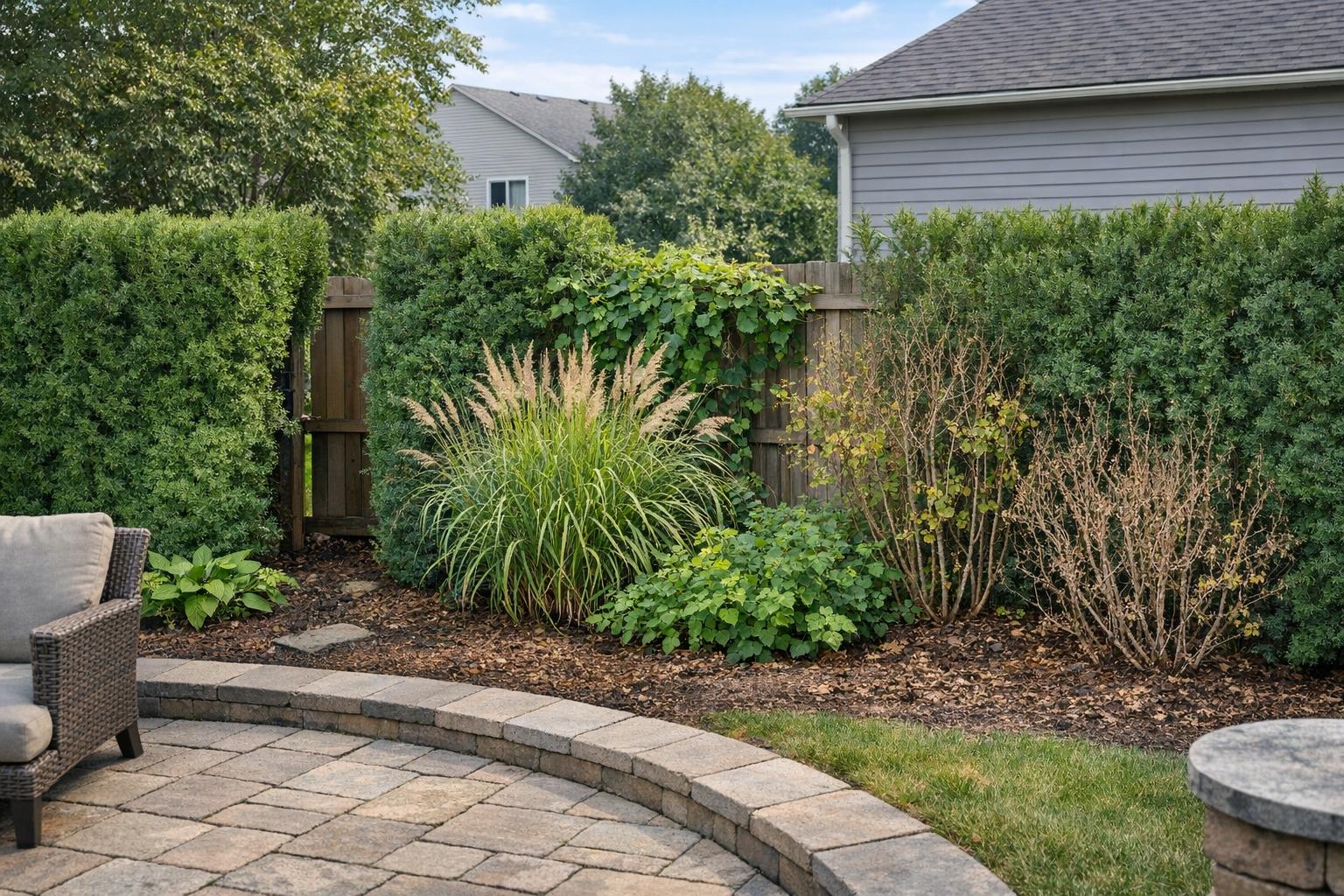
    Evergreen Screen for Noisy Streets Guide related example showing Layered privacy landscaping with screening plants, mulch beds, and fence-line layout detail
    This evergreen example gives homeowners a visual reference for comparing layout, materials, and maintenance tradeoffs before starting the project.

    What to compare before choosing

    Compare the site conditions, mature sizes, installation requirements, and maintenance tradeoffs. A good choice should solve the immediate problem while still making sense after plants grow, weather changes, or the space gets used every week.

    Evergreen Screen for Noisy Streets Guide related example showing Residential privacy landscaping scene with layered screening plants, planting beds, and fence line context
    This related evergreen detail helps show how site conditions and finish choices can change the homeowner's plan.

    Questions to ask before approving the work

    • What would you recommend for this exact location, and what would you avoid?
    • How will this choice affect maintenance after the first season?
    • Are there material, layout, or plant alternatives that cost less but still perform well?
    • What access, drainage, or clearance issues should be solved before installation?

    How this fits into the larger project

    Use this guide with the Evergreen Screen Ideas Guide for Homeowners so the detail supports the broader layout, budget, and long-term ownership plan.

    What homeowners should remember

    The best evergreen screening for noisy streets choice is not only attractive. It should help homeowners soften street exposure while setting honest expectations while staying realistic about cost, upkeep, and the conditions already present in the yard.


  • Privacy Screening for Front Yard Sitting Areas Guide

    Privacy Screening for Front Yard Sitting Areas Guide

    Privacy Screening for Front Yard Sitting Areas helps homeowners narrow a real landscaping decision before paying for design, materials, or installation. The best answer usually depends on street views, entry access, and neighborhood fit, not just the first option that looks good in a photo.

    Why homeowners should plan this early

    This decision can affect budget, maintenance, access, drainage, safety, and how the finished yard feels after the project is complete. Planning it early gives a landscaper clearer direction and helps prevent expensive rework.

    Privacy Screening for Front Yard Sitting Areas Guide related example showing Layered privacy landscaping with screening plants, mulch beds, and fence-line layout detail
    This privacy example gives homeowners a visual reference for comparing layout, materials, and maintenance tradeoffs before starting the project.

    What to compare before choosing

    Compare the site conditions, mature sizes, installation requirements, and maintenance tradeoffs. A good choice should solve the immediate problem while still making sense after plants grow, weather changes, or the space gets used every week.

    Privacy Screening for Front Yard Sitting Areas Guide related example showing Residential privacy landscaping scene with layered screening plants, planting beds, and fence line context
    This related privacy detail helps show how site conditions and finish choices can change the homeowner's plan.

    Questions to ask before approving the work

    • What would you recommend for this exact location, and what would you avoid?
    • How will this choice affect maintenance after the first season?
    • Are there material, layout, or plant alternatives that cost less but still perform well?
    • What access, drainage, or clearance issues should be solved before installation?

    How this fits into the larger project

    Use this guide with the Privacy Landscaping Guide for Homeowners so the detail supports the broader layout, budget, and long-term ownership plan.

    What homeowners should remember

    The best front yard sitting area privacy choice is not only attractive. It should help homeowners make a front sitting area feel comfortable without walling it off while staying realistic about cost, upkeep, and the conditions already present in the yard.


  • Privacy Screening for Small Backyards Guide

    Privacy Screening for Small Backyards Guide

    Privacy Screening for Small Backyards helps homeowners narrow a real landscaping decision before paying for design, materials, or installation. The best answer usually depends on space, shade, and seating-area sightlines, not just the first option that looks good in a photo.

    Why homeowners should plan this early

    This decision can affect budget, maintenance, access, drainage, safety, and how the finished yard feels after the project is complete. Planning it early gives a landscaper clearer direction and helps prevent expensive rework.

    Privacy Screening for Small Backyards Guide related example showing Layered privacy landscaping with screening plants, mulch beds, and fence-line layout detail
    This privacy example gives homeowners a visual reference for comparing layout, materials, and maintenance tradeoffs before starting the project.

    What to compare before choosing

    Compare the site conditions, mature sizes, installation requirements, and maintenance tradeoffs. A good choice should solve the immediate problem while still making sense after plants grow, weather changes, or the space gets used every week.

    Privacy Screening for Small Backyards Guide related example showing Residential privacy landscaping scene with layered screening plants, planting beds, and fence line context
    This related privacy detail helps show how site conditions and finish choices can change the homeowner's plan.

    Questions to ask before approving the work

    • What would you recommend for this exact location, and what would you avoid?
    • How will this choice affect maintenance after the first season?
    • Are there material, layout, or plant alternatives that cost less but still perform well?
    • What access, drainage, or clearance issues should be solved before installation?

    How this fits into the larger project

    Use this guide with the Privacy Landscaping Guide for Homeowners so the detail supports the broader layout, budget, and long-term ownership plan.

    What homeowners should remember

    The best small backyard privacy screening choice is not only attractive. It should help homeowners create enclosure without making the yard feel smaller while staying realistic about cost, upkeep, and the conditions already present in the yard.