Maintenance and Ownership

Maintenance and ownership guides that explain what happens after installation, from cleaning and sealing to ongoing care and protection.

Start with the service type

Landscaping Services Guideposts

Use these guides to understand what each service includes before comparing providers or requesting quotes.

Core service explainers

Start here when you are still deciding what kind of landscaper or outdoor contractor you need.

Compare before you hire

Use these pages when two services or surface choices sound similar but lead to different scopes.

Hire smarter

Planning And Contractor Comparison

Use this hub when you are moving from ideas into estimates, bids, and contractor conversations.

Before requesting estimates

These guides help define scope and compare companies before the first site visit.

Budget with better assumptions

Cost Guides And Calculators

Use this hub to move from rough budget ranges into the details that usually change quotes.

Calculator starting points

Open the calculator hub or a cost guide when you need a quick planning range.

High-impact cost decisions

These pages help compare choices where price, lifespan, and maintenance tradeoffs matter.

Understand the build

Installation And Site-Work Pathways

Use these guides to understand sequencing, site prep, access, and the details that affect long-term performance.

Hardscape and site prep

These projects often depend on base prep, demolition, grading, drainage, and access.

Drainage and retaining work

Use these when water, grade, or slope stability is part of the project.

Choose materials with ownership in mind

Material And Finish Decision Paths

Use these guides when appearance, maintenance, replacement, and budget all affect the right material choice.

Surface and finish comparisons

Compare outdoor surfaces before committing to a driveway, patio, or lawn direction.

Landscape material planning

Use these pages when quantity, delivery, or long-term maintenance are the main concern.

Protect the investment

Maintenance And Ownership Next Steps

Use these guides to understand ongoing care, seasonal refreshes, and when maintenance points to a bigger fix.

Maintenance planning

These guides help compare recurring service, seasonal work, and refresh projects.

When upkeep becomes repair

Use these when repeated maintenance problems suggest drainage, surface, or material issues.

  • Retaining Wall Maintenance Guide for Homeowners

    Retaining Wall Maintenance Guide for Homeowners

    Retaining walls usually benefit from steady observation instead of heavy routine maintenance. Homeowners do not need to rebuild the wall themselves, but they do benefit from noticing drainage behavior, movement, surface change, and grade shift early. These small observations often matter more than cosmetic cleaning alone.

    The goal is to spot small wall issues before they turn into bigger performance or safety concerns.

    Retaining wall detail relevant to maintenance, drainage, and movement checks
    Good retaining wall maintenance usually means watching drainage behavior, noticing movement early, and treating small surface or grade changes seriously.

    Drainage awareness is part of wall maintenance

    Water behavior around the wall, behind the wall, and near nearby grades can all affect long-term performance. If drainage changes, the wall may start showing stress in ways homeowners can catch early.

    Movement and surface change deserve attention

    Bulging, leaning, settlement, cracking, and shifting grades are all worth noticing before they become more obvious or more expensive to correct.

    Good maintenance starts with understanding the original build

    The retaining wall expectations guide, retaining wall quote guide, and retaining wall service guide help homeowners understand what to watch over time.

  • Drainage Maintenance Guide for Homeowners

    Drainage Maintenance Guide for Homeowners

    Drainage projects do not end the day the crew leaves. Homeowners usually benefit from watching how water moves through the yard after storms, seasonal changes, or irrigation cycles. Small outlet issues, debris buildup, runoff shifts, and surface changes often show up before a bigger drainage problem returns.

    The best maintenance approach is usually steady observation and early correction rather than waiting until the yard starts failing again.

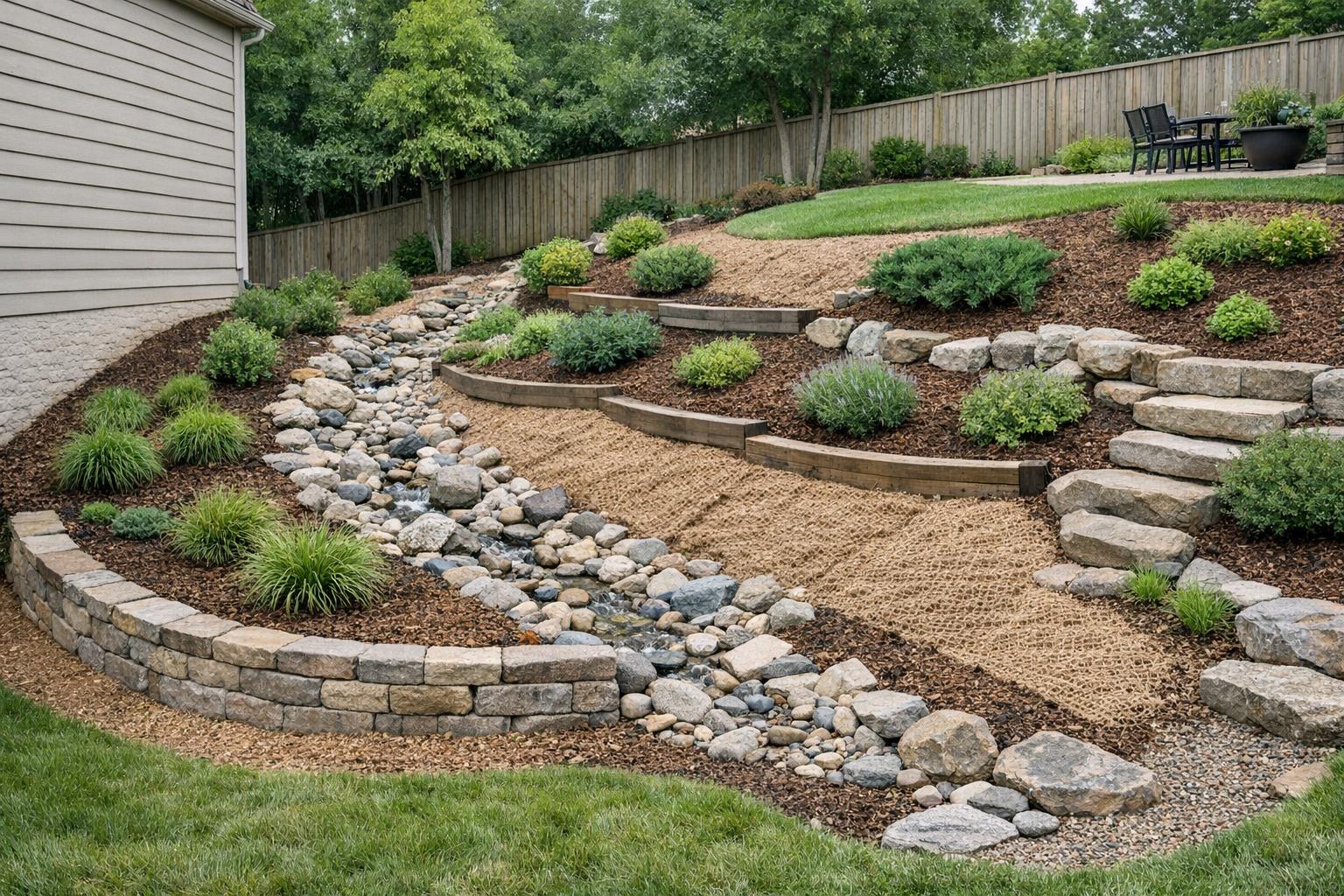
    Drainage detail relevant to runoff monitoring, outlet checks, and maintenance
    Good drainage maintenance usually means watching runoff patterns, checking outlets and low spots, and clearing small issues before they turn back into major water problems.

    Water movement should be watched after storms

    Low spots, pooling, outlet behavior, washed areas, and new runoff paths are all worth noticing early. These patterns often reveal whether the system is still performing the way it should.

    Small clogs and surface changes matter

    Drainage features can be affected by debris, settlement, grading changes, and how nearby areas of the yard evolve over time. Small maintenance tasks often prevent bigger frustration later.

    Drainage Maintenance Guide for Homeowners related example showing Drainage detail relevant to pooling, runoff shifts, and warning signs
    This drainage example gives homeowners a visual reference for comparing layout, materials, and maintenance tradeoffs before starting the project.

    Maintenance works best when you understand the original fix

    The drainage expectations guide, drainage quote guide, and drainage service guide help homeowners understand what parts of the solution deserve the most attention over time.


  • Patio Maintenance Guide for Homeowners

    Patio Maintenance Guide for Homeowners

    Patios usually last better when homeowners give them occasional attention instead of waiting until the surface feels visibly tired or uneven. Leaves, staining, joint loss, edge wear, drainage patterns, and seasonal exposure can all affect how the space looks and performs over time.

    Most routine maintenance is fairly simple, and it usually matters more than homeowners expect.

    Patio detail relevant to cleaning, joint care, and maintenance
    Good patio maintenance usually means cleaning the surface, watching joints and edges, and noticing small movement or wear before it spreads.

    Cleaning and joint care help preserve the surface

    Dirt, organic matter, weeds, moisture, and joint loss can all change the way a patio looks and feels. Light maintenance often helps the space stay cleaner and more stable.

    Patio Maintenance Guide for Homeowners related example showing Concrete, paver, and stone outdoor surfaces showing common patio and walkway material choices for homeowners
    This patio example gives homeowners a visual reference for comparing layout, materials, and maintenance tradeoffs before starting the project.

    Small movement is easier to address early

    Edge shifts, settling, pooling water, and loose sections are all worth noticing before they become more disruptive repair issues. These changes often show up before homeowners think of the patio as needing work.

    Maintenance makes more sense when you understand the build

    The patio expectations guide, patio timeline guide, and patio service guide help homeowners judge what kind of care their patio actually needs.


  • Signs Your Planting Beds Need Attention Guide

    Signs Your Planting Beds Need Attention Guide

    Planting beds usually change gradually, which makes early warning signs easy to miss. A bed may start thinning, showing stress, losing balance, or feeling harder to keep attractive even though the plants are still technically alive. These small changes often point to irrigation, maintenance, or layout issues that deserve attention before the bed declines further.

    Homeowners often have the most flexibility when they notice those changes before a whole season passes.

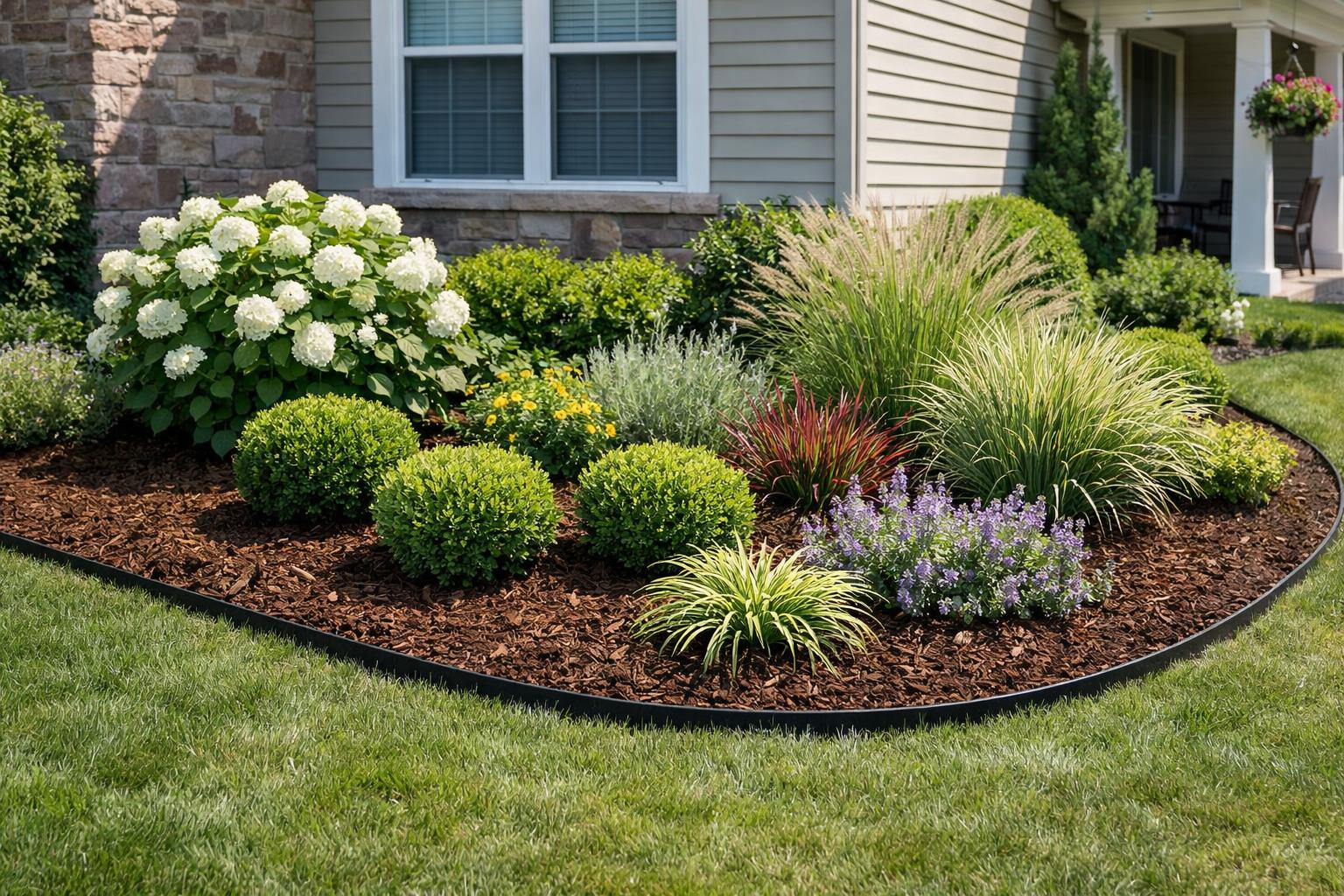
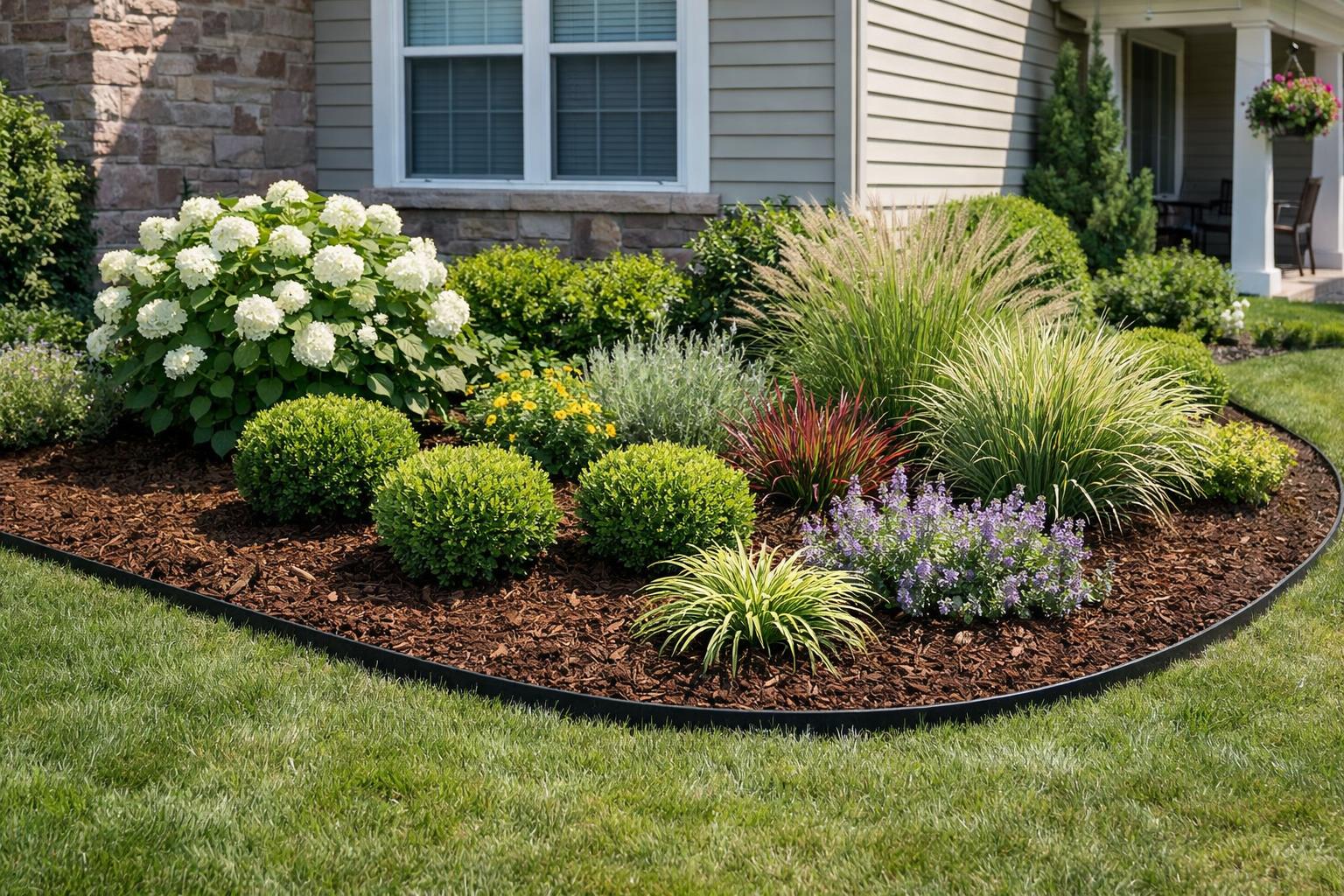
    Garden bed detail relevant to plant stress, thin coverage, and warning signs
    Planting-bed issues often begin with stress, thin areas, mulch problems, irrigation gaps, or a design that stops feeling balanced as the bed matures.

    Plant health and visual balance should be judged together

    Stress, weak growth, thin areas, and plants that no longer fit the bed can all affect how the planting looks and functions. Sometimes the issue is plant health. Sometimes it is that the bed no longer matches the original design intent.

    Irrigation and mulch often reveal the maintenance gap

    Dry spots, weak mulch condition, inconsistent moisture, and seasonal decline often point to the kind of care issues that are easier to fix early than later.

    Use maintenance and planning guides to decide next steps

    The planting maintenance guide, planting quote guide, and planting planning mistakes guide help homeowners decide whether the bed needs light correction or a broader refresh.

    Signs Your Planting Beds Need Attention Guide related example showing Attractive residential front yard with walkway, planting beds, lawn, and curb appeal landscaping
    This front yard example gives homeowners a visual reference for comparing layout, materials, and maintenance tradeoffs before starting the project.

  • Signs Your Sod or Lawn Needs Attention Guide

    Signs Your Sod or Lawn Needs Attention Guide

    Lawns usually show early warning signs before homeowners decide they need total replacement. Thinning, stress, poor rooting, irrigation trouble, and uneven growth can all signal that the lawn needs attention sooner rather than later. The challenge is deciding whether the issue is a temporary care problem or the start of a deeper decline.

    Looking closely at patterns and timing usually helps homeowners judge whether the lawn needs small corrections or a broader reset.

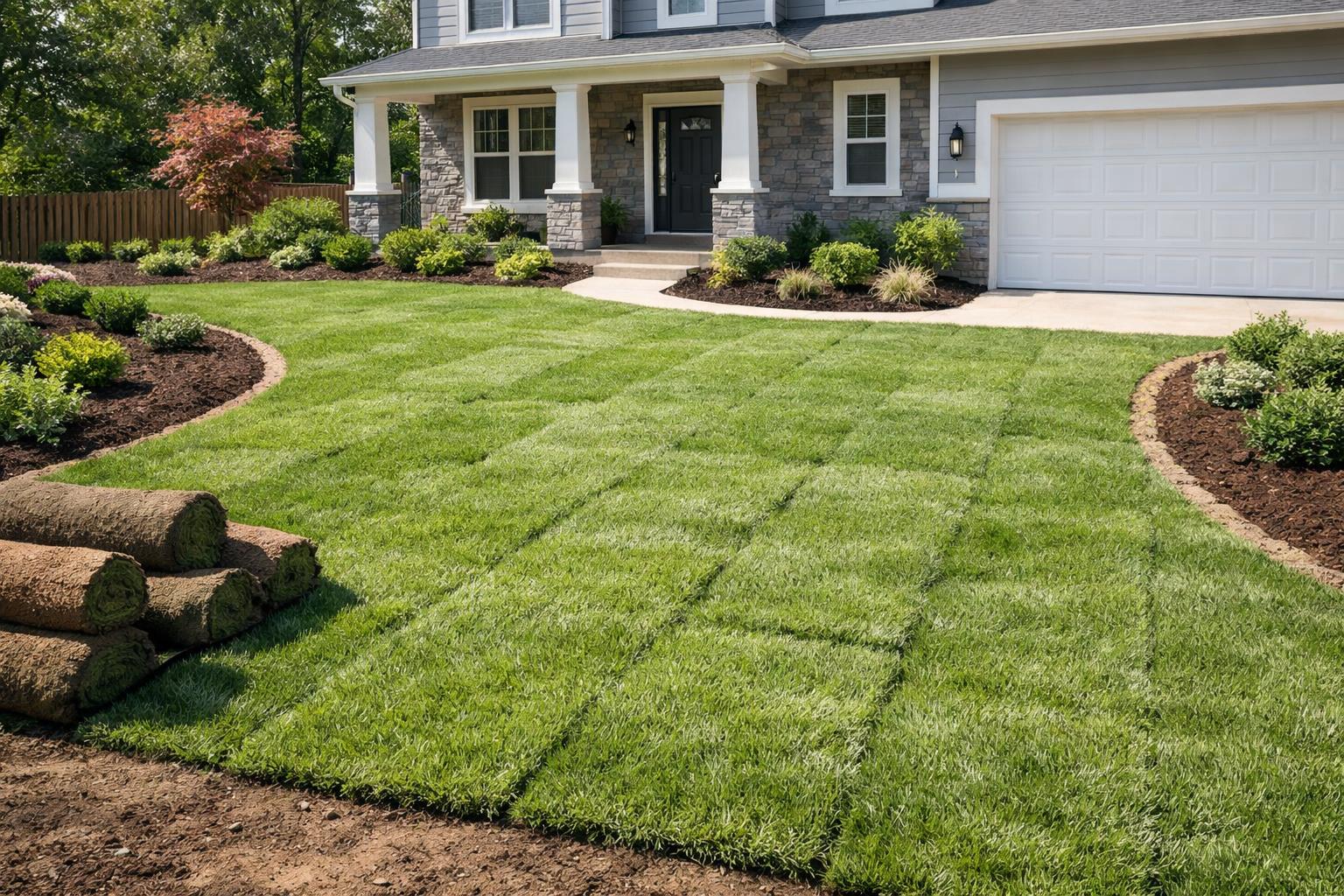
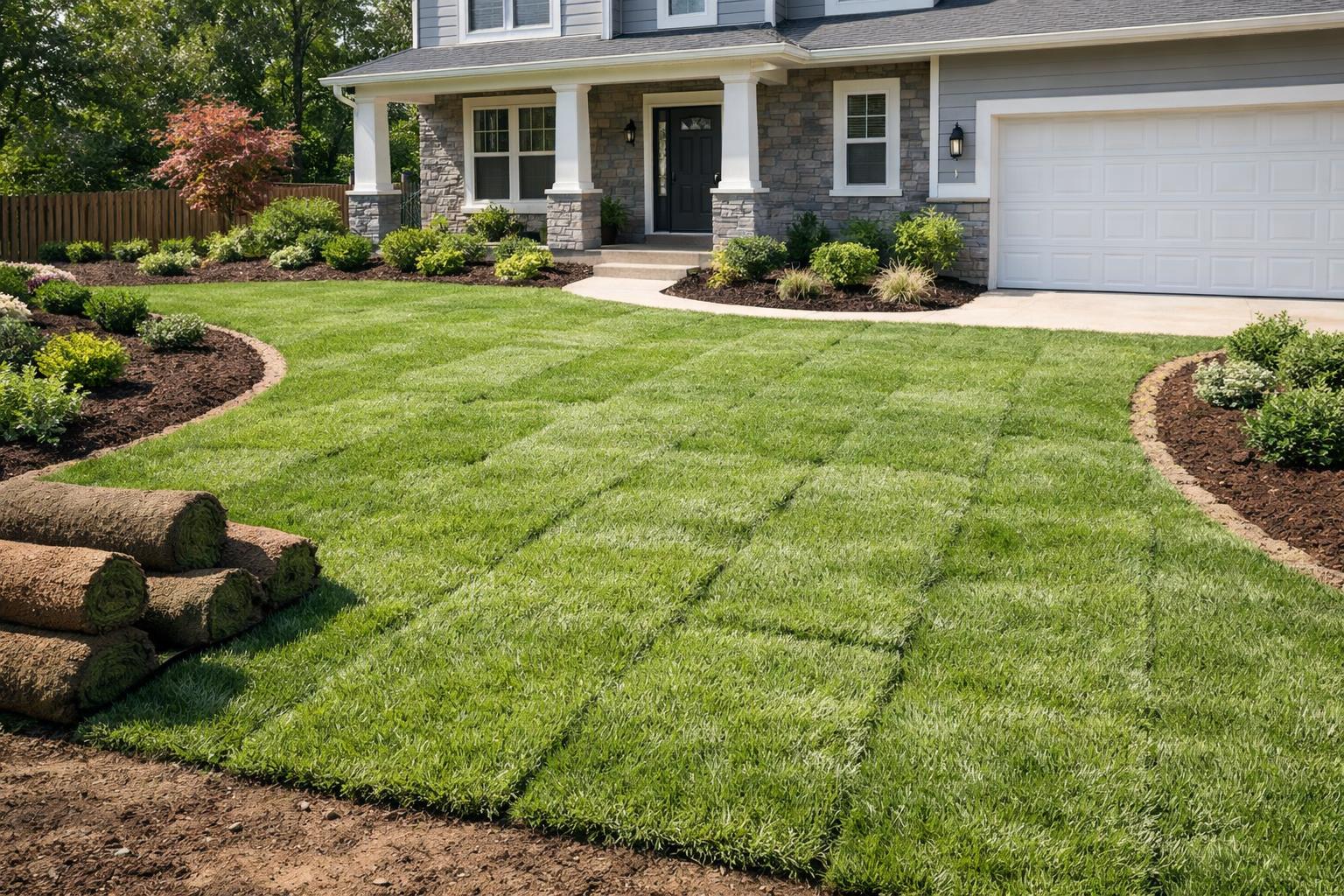
    Lawn detail relevant to thinning, irrigation stress, and warning signs
    Lawn issues often show up first through uneven color, weak rooting, traffic damage, or sections that never establish the way homeowners expected.

    Establishment and irrigation issues often show up first

    If certain areas never fill in correctly, stay weak after watering, or seem to root poorly, the issue may be tied to irrigation, prep, timing, or traffic rather than the grass type alone.

    Uneven wear can signal a bigger pattern

    Traffic damage, stress during weather swings, patchiness, and recurring weak zones often tell homeowners that the lawn is not getting what it needs consistently.

    Use maintenance and planning guides to judge next steps

    The sod maintenance guide, sod quote guide, and sod planning mistakes guide help homeowners decide whether the lawn needs better care, targeted repair, or a more serious change.

    Signs Your Sod or Lawn Needs Attention Guide related example showing Residential lawn showing thin, patchy, and stressed turf near patio and planting beds
    This lawn example gives homeowners a visual reference for comparing layout, materials, and maintenance tradeoffs before starting the project.

  • Signs Your Walkway or Pathway Needs Attention Guide

    Signs Your Walkway or Pathway Needs Attention Guide

    Walkways rarely jump from perfect to failing overnight. More often, homeowners start noticing small signs: a dip here, a loose edge there, joints washing out, or transitions feeling less even underfoot. These early changes are worth paying attention to because they usually become easier to fix when they are still localized.

    Catching those warning signs early often helps homeowners avoid a larger repair or a more disruptive reset later.

    Walkway detail relevant to settling, edge wear, and warning signs
    Walkway issues often begin as small shifts, loose edges, washout, or uneven spots that feel minor until they affect safety or comfort.

    Movement and edge changes are important clues

    Settling, shifting edges, uneven cuts, and transitions that stop feeling smooth can all point to underlying movement or finish wear that deserves attention before it spreads.

    Drainage and surface wear matter too

    Pooling water, washed-out joints, staining, weed pressure, and surface changes may not look dramatic at first, but they often reveal why the walkway feels less stable or attractive over time.

    Signs Your Walkway or Pathway Needs Attention Guide related example showing Front entry walkway with edging, planting beds, and material detail relevant to pathway cost planning
    This walkway example gives homeowners a visual reference for comparing layout, materials, and maintenance tradeoffs before starting the project.

    Use maintenance and planning guides to judge severity

    The walkway maintenance guide, walkway quote guide, and walkway planning mistakes guide help homeowners decide whether the path needs light repair or more serious attention.


  • Signs Your Landscape Lighting Needs Attention Guide

    Signs Your Landscape Lighting Needs Attention Guide

    Landscape lighting systems often drift out of balance gradually. A fixture may shift, nearby plants may grow in, one area may start looking dim, or a control issue may make the whole system feel less dependable. These changes are easy to ignore because the lights still technically work, but the nighttime effect is usually what tells homeowners something needs attention.

    Small lighting problems are usually easier to correct before the whole system feels uneven or underwhelming.

    Lighting detail relevant to dim areas, fixture shifts, and warning signs
    Lighting problems often start subtly with dim zones, glare, timer issues, or plant growth that changes the way the yard looks after dark.

    Coverage and balance often reveal the issue first

    Dim spots, glare, uneven brightness, and focal points that disappear after plant growth changes are all signs that the system needs more than a casual glance. Good lighting depends on balance, not just operation.

    Controls and fixtures both deserve attention

    Timer trouble, shifting fixtures, dirty lenses, and wiring or transformer issues can all make the yard feel inconsistent after dark. These issues often show up as small annoyances before homeowners think of them as repairs.

    Use maintenance and planning guides to judge next steps

    The lighting maintenance guide, lighting quote guide, and lighting planning mistakes guide help homeowners decide whether the system needs simple adjustment or a more meaningful update.

    Signs Your Landscape Lighting Needs Attention Guide related example showing Landscape lighting detail relevant to fixture placement, wire routing, and project timing for homeowners
    This lighting example gives homeowners a visual reference for comparing layout, materials, and maintenance tradeoffs before starting the project.

  • Planting and Garden Bed Maintenance Guide for Homeowners

    Planting and Garden Bed Maintenance Guide for Homeowners

    New planting beds often look finished when the installation crew leaves, but the real success of the project depends on what happens afterward. Watering, mulch management, pruning discipline, seasonal observation, and plant health follow-up all affect whether the bed matures into the design the homeowner paid for.

    Most planting problems are easier to prevent with steady maintenance than to reverse once the bed has been neglected for a season or two.

    Garden bed detail relevant to watering, pruning, and maintenance
    Good planting maintenance often comes down to steady watering, mulch care, light pruning, and noticing stress or imbalance before it spreads through the bed.

    Watering and mulch management matter early

    New plantings usually need more consistent support than homeowners expect. Watering patterns, mulch condition, and watching for early stress often determine whether the bed establishes evenly.

    Pruning and seasonal observation shape the long-term look

    Over-pruning, under-pruning, or ignoring weak plants can shift the balance of the bed over time. Seasonal checks help homeowners catch those problems while the fixes are still relatively light.

    Maintenance works best when it follows the original plan

    The planting expectations guide, planting timeline guide, and planting service guide help homeowners understand what ongoing care the design really needs.

    Planting and Garden Bed Maintenance Guide for Homeowners related example showing Attractive residential front yard with walkway, planting beds, lawn, and curb appeal landscaping
    This front yard example gives homeowners a visual reference for comparing layout, materials, and maintenance tradeoffs before starting the project.

  • Sod and Lawn Maintenance Guide for Homeowners

    Sod and Lawn Maintenance Guide for Homeowners

    Sod can make a yard look finished quickly, but long-term success depends on what happens after installation day. Watering, mowing timing, traffic management, seasonal care, and early stress monitoring all affect whether the lawn fills in cleanly or starts thinning out faster than expected.

    Many lawn frustrations come from assuming the hard part ended when the sod went down, when the real establishment period was just starting.

    Lawn detail relevant to watering, mowing, and maintenance
    Good lawn maintenance usually starts with early watering discipline and then shifts into mowing, seasonal care, and noticing stress before the lawn thins out.

    Early watering discipline matters

    New sod usually needs consistent moisture and a realistic establishment routine before it can be treated like a mature lawn. Skipping that early discipline often shows up later as weak rooting or uneven health.

    Seasonal habits shape long-term results

    Mowing timing, traffic, irrigation adjustments, and how the lawn is handled during heat or seasonal stress all affect how well it holds up over time. Homeowners usually benefit from treating the lawn like a living system, not a one-time install.

    Maintenance makes more sense when you understand the install

    The sod expectations guide, sod timeline guide, and sod service guide help homeowners understand how early installation choices affect ongoing care.

    Sod and Lawn Maintenance Guide for Homeowners related example showing Lawn detail relevant to thinning, irrigation stress, and warning signs
    This lawn example gives homeowners a visual reference for comparing layout, materials, and maintenance tradeoffs before starting the project.

  • Walkway and Pathway Maintenance Guide for Homeowners

    Walkway and Pathway Maintenance Guide for Homeowners

    Walkways and pathways usually hold up better when homeowners give them occasional attention instead of waiting until the surface feels loose, uneven, or neglected. Leaves, weeds, staining, joint loss, edge movement, and small settling issues can all change the look and safety of a path over time.

    Routine upkeep is usually simpler than a later repair, especially when the first signs of movement are still small.

    Walkway detail relevant to cleaning, settling checks, and maintenance
    Walkway maintenance often means cleaning the surface, watching joints and edges, and noticing small shifts before they affect safety or appearance.

    Surface cleaning and joint care help preserve the path

    Debris, joint washout, weeds, and moisture exposure can all affect how clean and stable the walkway feels. Light maintenance often helps the surface look better and perform more predictably.

    Walkway and Pathway Maintenance Guide for Homeowners related example showing Front entry walkway with edging, planting beds, and material detail relevant to pathway cost planning
    This walkway example gives homeowners a visual reference for comparing layout, materials, and maintenance tradeoffs before starting the project.

    Edges and settling deserve attention early

    If edges shift, transitions dip, or a section starts settling, the problem is easier to address while it is still minor. These issues often show up before homeowners think of the walkway as needing repair.

    Maintenance works best when you understand the original build

    The walkway expectations guide, walkway timeline guide, and walkway service guide help homeowners understand which changes are normal and which need more attention.