Maintenance and Ownership

Maintenance and ownership guides that explain what happens after installation, from cleaning and sealing to ongoing care and protection.

Start with the service type

Landscaping Services Guideposts

Use these guides to understand what each service includes before comparing providers or requesting quotes.

Core service explainers

Start here when you are still deciding what kind of landscaper or outdoor contractor you need.

Compare before you hire

Use these pages when two services or surface choices sound similar but lead to different scopes.

Hire smarter

Planning And Contractor Comparison

Use this hub when you are moving from ideas into estimates, bids, and contractor conversations.

Before requesting estimates

These guides help define scope and compare companies before the first site visit.

Budget with better assumptions

Cost Guides And Calculators

Use this hub to move from rough budget ranges into the details that usually change quotes.

Calculator starting points

Open the calculator hub or a cost guide when you need a quick planning range.

High-impact cost decisions

These pages help compare choices where price, lifespan, and maintenance tradeoffs matter.

Understand the build

Installation And Site-Work Pathways

Use these guides to understand sequencing, site prep, access, and the details that affect long-term performance.

Hardscape and site prep

These projects often depend on base prep, demolition, grading, drainage, and access.

Drainage and retaining work

Use these when water, grade, or slope stability is part of the project.

Choose materials with ownership in mind

Material And Finish Decision Paths

Use these guides when appearance, maintenance, replacement, and budget all affect the right material choice.

Surface and finish comparisons

Compare outdoor surfaces before committing to a driveway, patio, or lawn direction.

Landscape material planning

Use these pages when quantity, delivery, or long-term maintenance are the main concern.

Protect the investment

Maintenance And Ownership Next Steps

Use these guides to understand ongoing care, seasonal refreshes, and when maintenance points to a bigger fix.

Maintenance planning

These guides help compare recurring service, seasonal work, and refresh projects.

When upkeep becomes repair

Use these when repeated maintenance problems suggest drainage, surface, or material issues.

  • Patio Planting for Hot Afternoon Sun Guide

    Patio Planting for Hot Afternoon Sun Guide

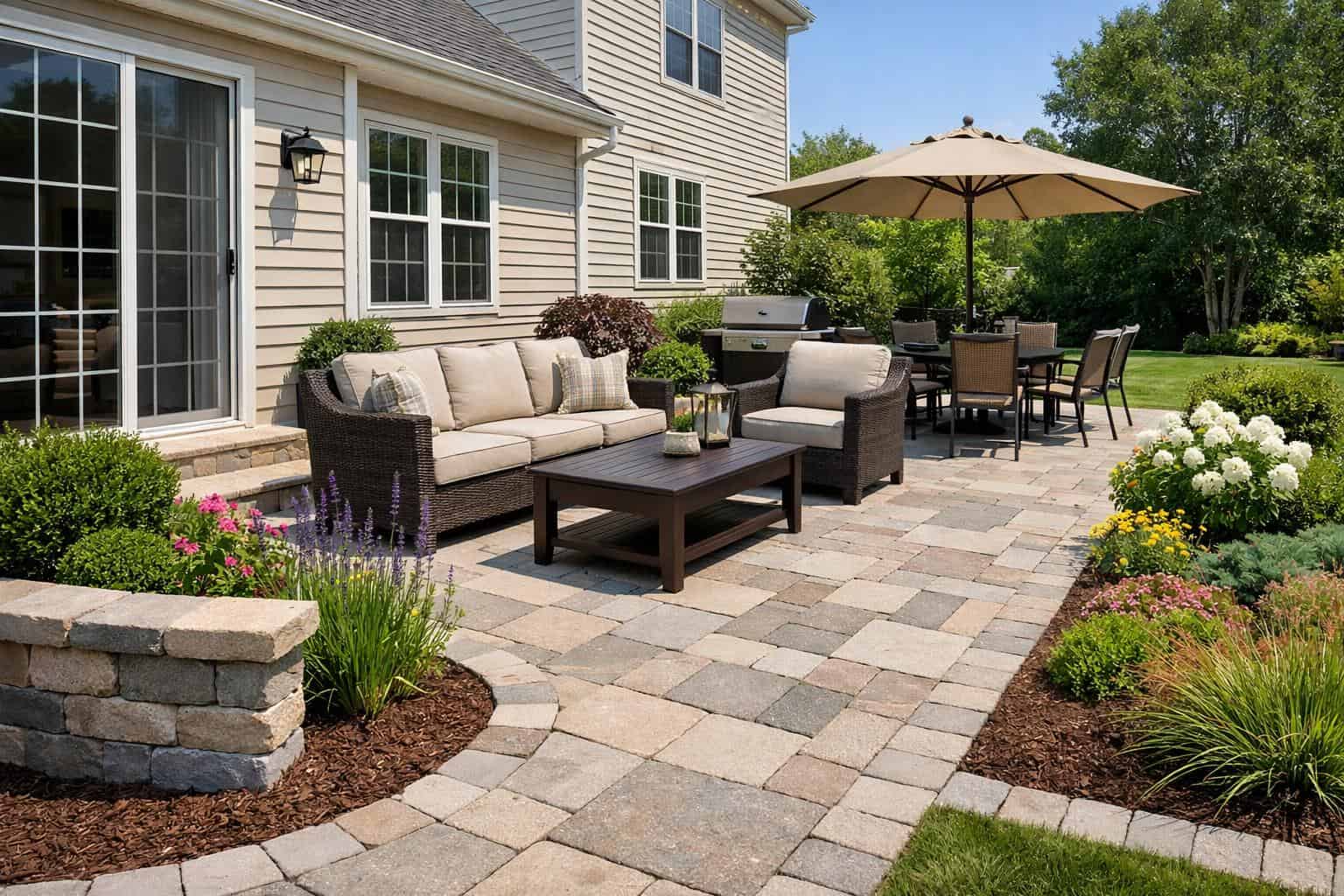
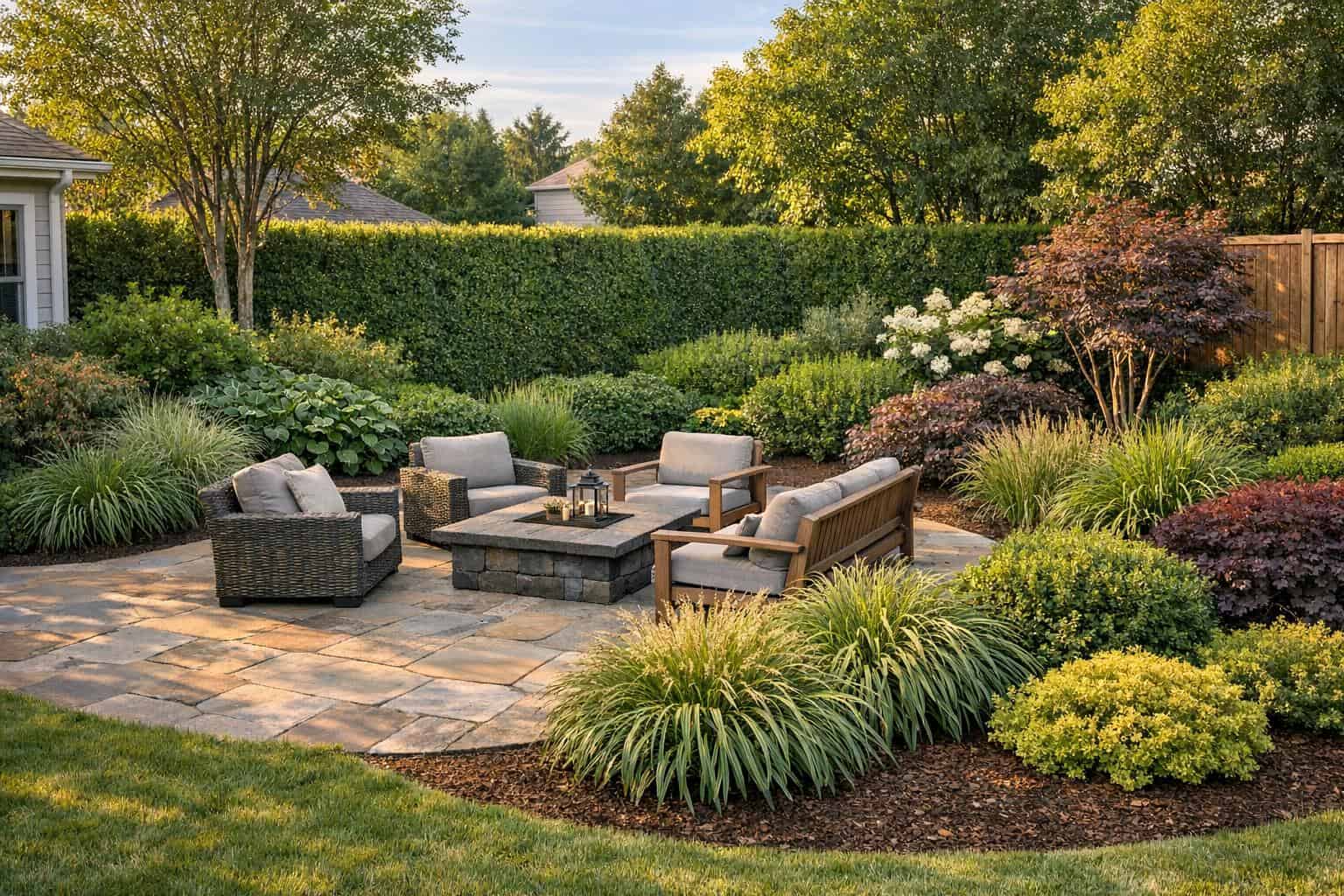
    Afternoon sun can make a patio uncomfortable even when the layout is otherwise strong. Planting can help, but only if the plants are chosen for heat, reflected light, available soil, and the way people actually use the space.

    Look for reflected heat, not just direct sun

    Pavers, walls, fences, and house siding can all increase heat around patio beds and containers.

    Use planting to support comfort

    Small trees, taller shrubs, and strategic containers can soften heat and glare when placed carefully. Pair this with our Patio Planting for Evening Use Guide for Homeowners if the same patio is used after sunset.

    Plan watering before buying plants

    Hot patio edges can dry out fast, especially where soil volume is limited.

    What homeowners should remember

    The best hot-sun patio planting improves comfort without creating a thirsty, high-maintenance edge.
  • Low-Maintenance Front Yard Perennial vs Shrub Guide

    Low-Maintenance Front Yard Perennial vs Shrub Guide

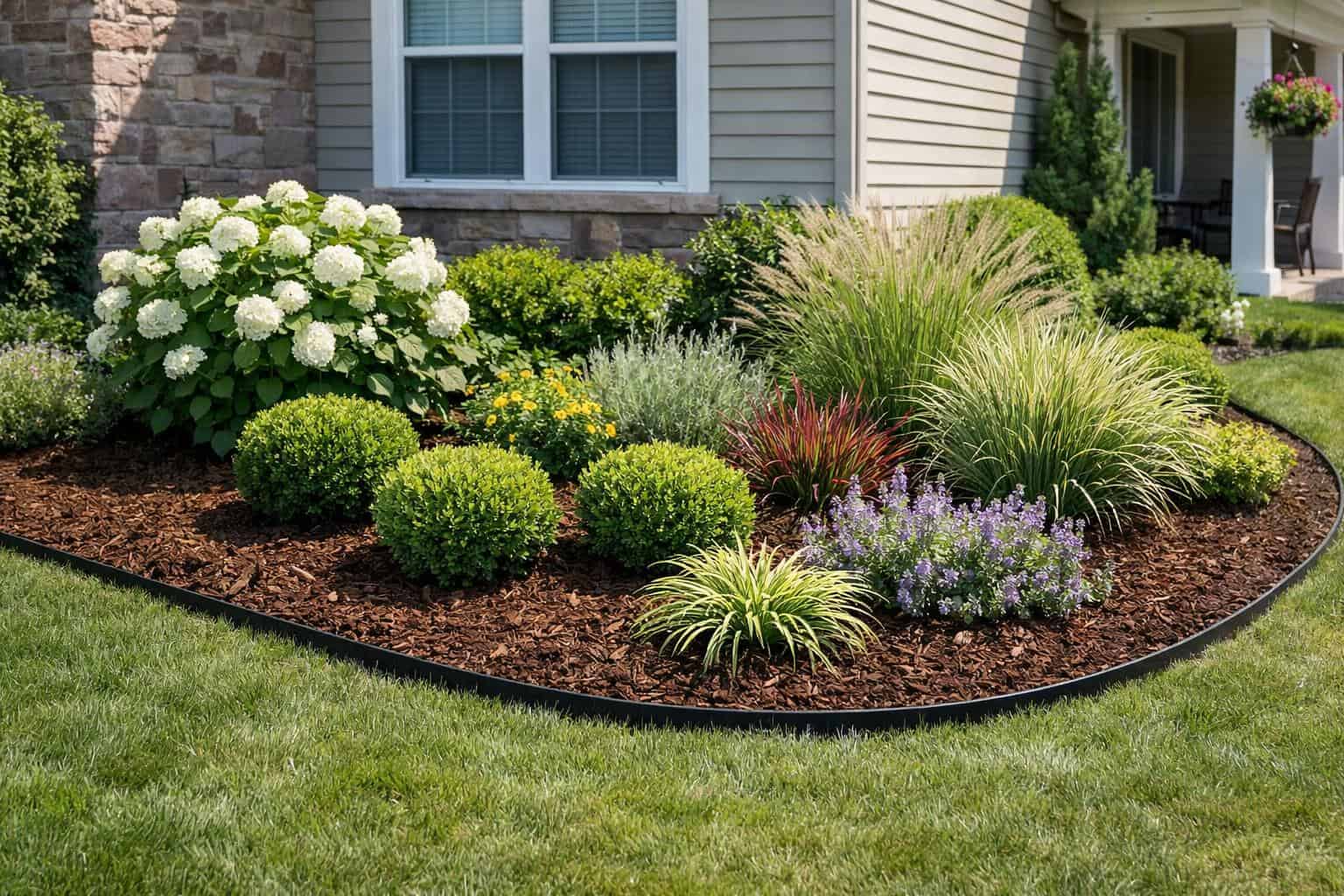
    Perennials and shrubs can both support a low-maintenance front yard, but they do different jobs. Shrubs often provide structure and year-round presence. Perennials can add texture, color, and seasonal softness when they are used carefully.

    Use shrubs for structure and repeatable form

    Right-sized shrubs often reduce maintenance because they give the bed a stable framework.

    Use perennials where seasonal interest is worth the care

    Perennials can make the bed feel alive, but some need more cutting back, dividing, or cleanup. Pair this with our Front Yard Entry Bed Evergreen Structure Guide if year-round shape is the priority.

    Balance both instead of choosing only one

    Many low-maintenance beds work best when shrubs do the heavy lifting and perennials add controlled seasonal interest.

    What homeowners should remember

    The best low-maintenance planting usually uses shrubs and perennials for different roles rather than expecting one group to do everything.


  • Evergreen Screen Gap Filling Guide for Homeowners

    Evergreen Screen Gap Filling Guide for Homeowners

    Gaps in an evergreen screen can happen because of spacing, plant loss, uneven growth, or pruning mistakes. The best fix depends on whether the gap is temporary, structural, or a sign that the whole screen strategy needs to change.

    Identify why the gap exists

    A missing plant, poor spacing, shade, drought stress, or pruning damage can each call for a different solution.

    Do not automatically cram in more plants

    Adding plants can help, but it can also create crowding if the existing screen simply needs time or better care. Pair this with our Evergreen Screen Replacement vs Pruning Guide if the screen may need a bigger reset.

    Think about the long-term line

    The right fix should support the future shape of the screen, not just cover one bare spot this season.

    What homeowners should remember

    The best gap-filling plan fixes the cause of the opening, not only the visible empty space.


  • Low-Maintenance Front Yard Rock vs Mulch Guide

    Low-Maintenance Front Yard Rock vs Mulch Guide

    Rock and mulch both get used in front yards, but they do very different things. Rock can look clean and long-lasting in the right place, while mulch often supports planting health and seasonal refreshes better. The best choice depends on heat, plant needs, style, and maintenance expectations.

    Use mulch where plant health is the priority

    Mulch often works better around many shrubs and perennials because it helps create a softer planting environment.

    Use rock selectively where permanence matters

    Rock can work well in specific areas, but it is not automatically lower maintenance everywhere. Pair this with our Mulch vs Rock Landscaping Guide for Homeowners if you want the broader comparison first.

    Think about heat and cleanup

    Front yards with strong sun, leaf drop, or delicate plants may respond very differently to rock than to mulch.

    What homeowners should remember

    The best material is usually the one that matches the plant needs and maintenance reality, not just the one that sounds lower maintenance.


  • Evergreen Screen Replacement vs Pruning Guide

    Evergreen Screen Replacement vs Pruning Guide

    An evergreen privacy screen can sometimes be improved with careful pruning, but there are situations where replacement makes more sense. The key is knowing whether the screen still has a healthy structure to work with or whether it has outgrown the site too badly to correct.

    Use pruning when the screen is still structurally sound

    If the plants are healthy and only slightly out of shape, pruning may restore enough order without starting over.

    Consider replacement when the screen no longer fits the site

    Severe crowding, bare lower growth, disease, or poor original spacing may make replacement the more practical long-term choice. Pair this with our Evergreen Screen Pruning and Shape Guide for Homeowners if pruning still seems possible.

    Think about the next screen differently

    If replacement is needed, the new layout should solve the spacing and maintenance problems that caused the old screen to fail.

    What homeowners should remember

    The best choice depends on whether the screen still has a healthy long-term path or is simply being forced to stay alive in the wrong form.


  • Low-Maintenance Front Bed Weed Control Guide

    Low-Maintenance Front Bed Weed Control Guide

    Weed control in front beds works best when the whole bed is set up to stay cleaner over time. Mulch, spacing, bed-line clarity, and plant coverage all matter. The goal is not just to remove weeds once, but to make the bed easier to keep under control going forward.

    Use the bed structure to reduce weed pressure

    Clearer bed lines, better mulch coverage, and fuller intended planting often make weed problems easier to manage long term.

    Do not rely on one material to solve everything

    Lower-maintenance results usually come from the whole bed strategy, not one product or one round of cleanup. Pair this with our Low-Maintenance Front Bed Mulch Refresh Guide if mulch condition is part of the problem.

    Make the bed easier to monitor

    The cleaner and more intentional the bed is, the easier it is to spot and address weeds before they spread.

    What homeowners should remember

    The best weed-control strategy usually works because the bed is easier to maintain overall, not because one treatment did all the work.


  • Front Yard Entry Bed Seasonal Refresh Guide

    Front Yard Entry Bed Seasonal Refresh Guide

    Entry beds often need periodic refreshes to keep the front of the house feeling cared for. The best seasonal updates do not try to reinvent the whole bed. They support the existing design with cleanup, selective plant replacement, mulch, and edge definition that can be repeated over time.

    Refresh the bed in ways that support the original design

    Seasonal improvement is usually strongest when it sharpens what is already working rather than adding unrelated new elements.

    Focus on the parts people notice first

    Mulch, edge clarity, and the plants nearest the walk often shape the whole first impression. Pair this with our Front Yard Entry Bed Mulch and Edging Guide if those details are the main priority.

    Keep the refresh manageable

    The best seasonal work is something homeowners can realistically repeat without turning every season into a large project.

    What homeowners should remember

    The best seasonal refreshes keep the entry bed looking intentional because they maintain the structure instead of constantly chasing big changes.


  • Low-Maintenance Entry Shrub Guide for Homeowners

    Low-Maintenance Entry Shrub Guide for Homeowners

    Entry shrubs do a lot of work in a front yard, but they can also create a surprising amount of maintenance if the size, form, or spacing is wrong. The best lower-maintenance shrub choices support the entry while staying in scale over time.

    Choose shrubs for mature fit, not nursery appeal

    Many entry-shrub problems begin when the plants are chosen for instant fullness rather than long-term size and form.

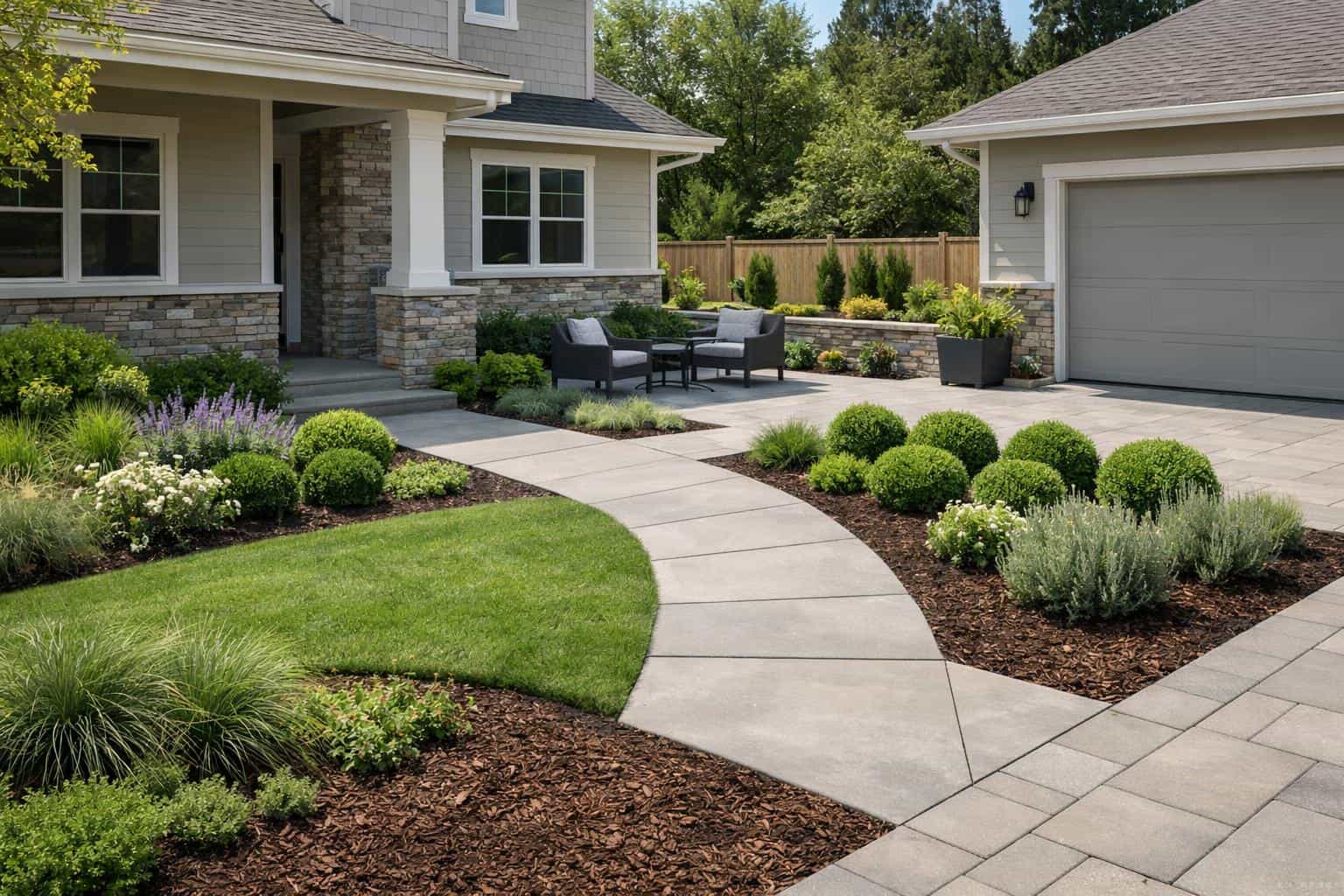
    Let the shrubs support the route, not crowd it

    The entry path still needs to feel open and readable. Pair this with our Front Yard Planting Near Steps Guide for Homeowners if stair-edge planting is part of the same area.

    Use simpler repeated forms where possible

    Often the easiest-care entry zones use a few strong repeated shrubs instead of a mixed collection of fussy shapes.

    What homeowners should remember

    The best low-maintenance entry shrubs make the approach feel more grounded without turning the entry into a pruning project.


  • Evergreen Screen Mulch and Soil Care Guide for Homeowners

    Evergreen Screen Mulch and Soil Care Guide for Homeowners

    Mulch and soil care influence how an evergreen screen establishes and how evenly it fills in over time. While they are not the only factors, they often affect moisture retention, root comfort, and the overall consistency of the planting line.

    Use mulch to support root-zone stability

    A good mulch strategy can help moderate moisture swings and reduce competition, especially while the screen is still establishing.

    Do not treat mulch as a cure-all

    Mulch supports the planting, but it does not replace good spacing, watering, or site preparation. Pair this with our Evergreen Screen Root Zone Care Guide for Homeowners if the root-zone side of the problem still needs attention.

    Pay attention to the actual soil conditions

    Different screens and sites may need different levels of soil improvement or ongoing monitoring.

    What homeowners should remember

    The best evergreen screens often succeed because basic soil and mulch care consistently support the planting after installation.


  • Front Yard Entry Bed Mulch and Edging Guide

    Front Yard Entry Bed Mulch and Edging Guide

    Mulch and edging are small details, but they strongly affect how finished the front entry feels. A cleaner edge and a more intentional mulch refresh can make the route to the door look more maintained even before bigger planting changes happen.

    Use edging to clarify the entry route

    The bed should support the walk to the door, not blur its boundary or make the approach feel softer than intended.

    Let mulch support the planting rather than become the whole refresh

    Mulch can improve a bed’s appearance quickly, but it works best when the bed structure is already in decent shape. Pair this with our Low-Maintenance Entry Bed Refresh Guide for Homeowners if you are considering a broader entry-zone refresh.

    Keep the details repeatable and easy to maintain

    The best entry details are the ones homeowners can realistically keep up over time without constant fuss.

    What homeowners should remember

    The best mulch and edging decisions make the entry feel cleaner because the bed has sharper definition and easier upkeep.