Materials and Finish Choices

Material and finish comparison guides for homeowners deciding between surface options, appearance, maintenance, and long-term durability.

Start with the service type

Landscaping Services Guideposts

Use these guides to understand what each service includes before comparing providers or requesting quotes.

Core service explainers

Start here when you are still deciding what kind of landscaper or outdoor contractor you need.

Compare before you hire

Use these pages when two services or surface choices sound similar but lead to different scopes.

Hire smarter

Planning And Contractor Comparison

Use this hub when you are moving from ideas into estimates, bids, and contractor conversations.

Before requesting estimates

These guides help define scope and compare companies before the first site visit.

Budget with better assumptions

Cost Guides And Calculators

Use this hub to move from rough budget ranges into the details that usually change quotes.

Calculator starting points

Open the calculator hub or a cost guide when you need a quick planning range.

High-impact cost decisions

These pages help compare choices where price, lifespan, and maintenance tradeoffs matter.

Understand the build

Installation And Site-Work Pathways

Use these guides to understand sequencing, site prep, access, and the details that affect long-term performance.

Hardscape and site prep

These projects often depend on base prep, demolition, grading, drainage, and access.

Drainage and retaining work

Use these when water, grade, or slope stability is part of the project.

Choose materials with ownership in mind

Material And Finish Decision Paths

Use these guides when appearance, maintenance, replacement, and budget all affect the right material choice.

Surface and finish comparisons

Compare outdoor surfaces before committing to a driveway, patio, or lawn direction.

Landscape material planning

Use these pages when quantity, delivery, or long-term maintenance are the main concern.

Protect the investment

Maintenance And Ownership Next Steps

Use these guides to understand ongoing care, seasonal refreshes, and when maintenance points to a bigger fix.

Maintenance planning

These guides help compare recurring service, seasonal work, and refresh projects.

When upkeep becomes repair

Use these when repeated maintenance problems suggest drainage, surface, or material issues.

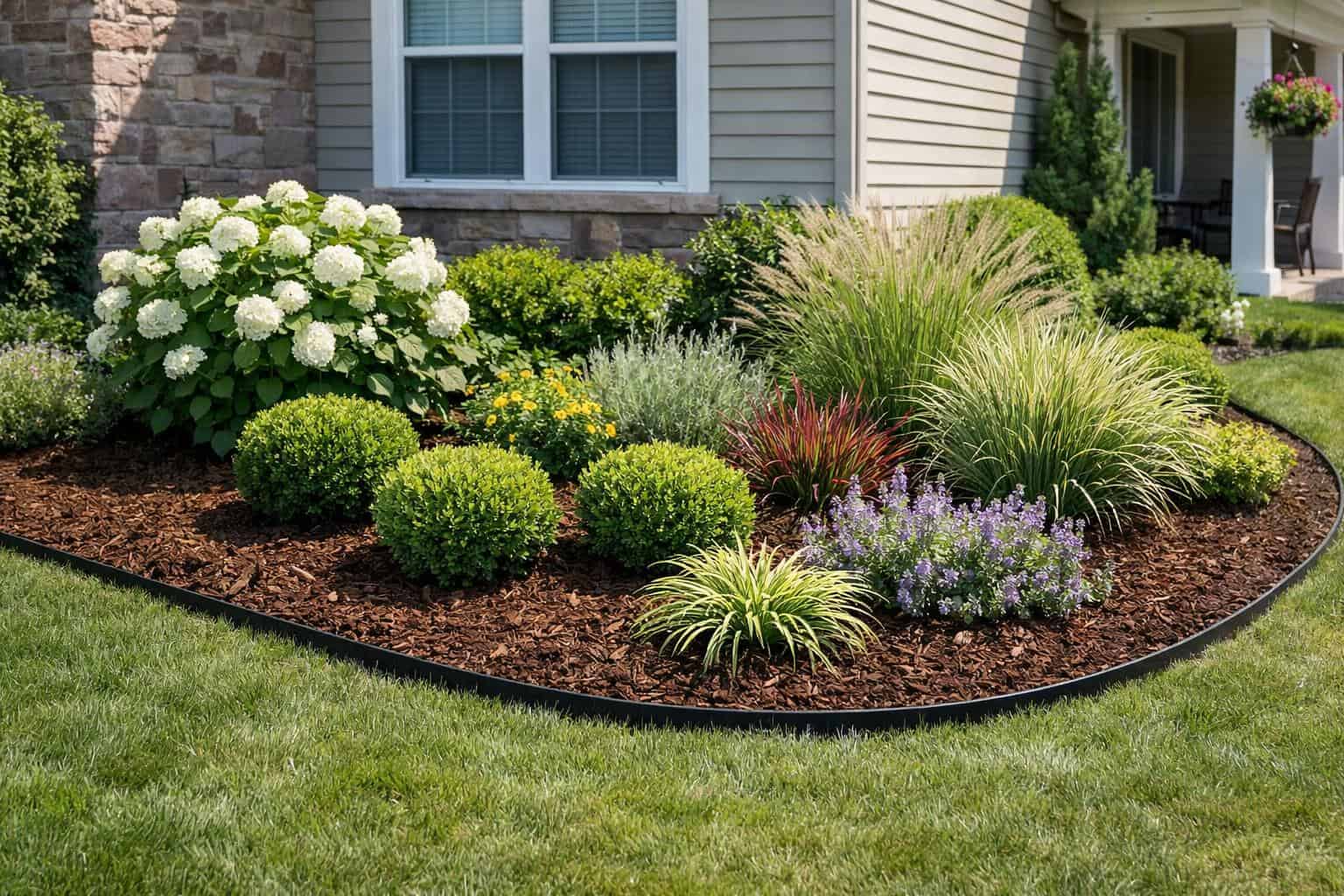
  • Low-Maintenance Front Yard Perennial vs Shrub Guide

    Low-Maintenance Front Yard Perennial vs Shrub Guide

    Perennials and shrubs can both support a low-maintenance front yard, but they do different jobs. Shrubs often provide structure and year-round presence. Perennials can add texture, color, and seasonal softness when they are used carefully.

    Use shrubs for structure and repeatable form

    Right-sized shrubs often reduce maintenance because they give the bed a stable framework.

    Use perennials where seasonal interest is worth the care

    Perennials can make the bed feel alive, but some need more cutting back, dividing, or cleanup. Pair this with our Front Yard Entry Bed Evergreen Structure Guide if year-round shape is the priority.

    Balance both instead of choosing only one

    Many low-maintenance beds work best when shrubs do the heavy lifting and perennials add controlled seasonal interest.

    What homeowners should remember

    The best low-maintenance planting usually uses shrubs and perennials for different roles rather than expecting one group to do everything.
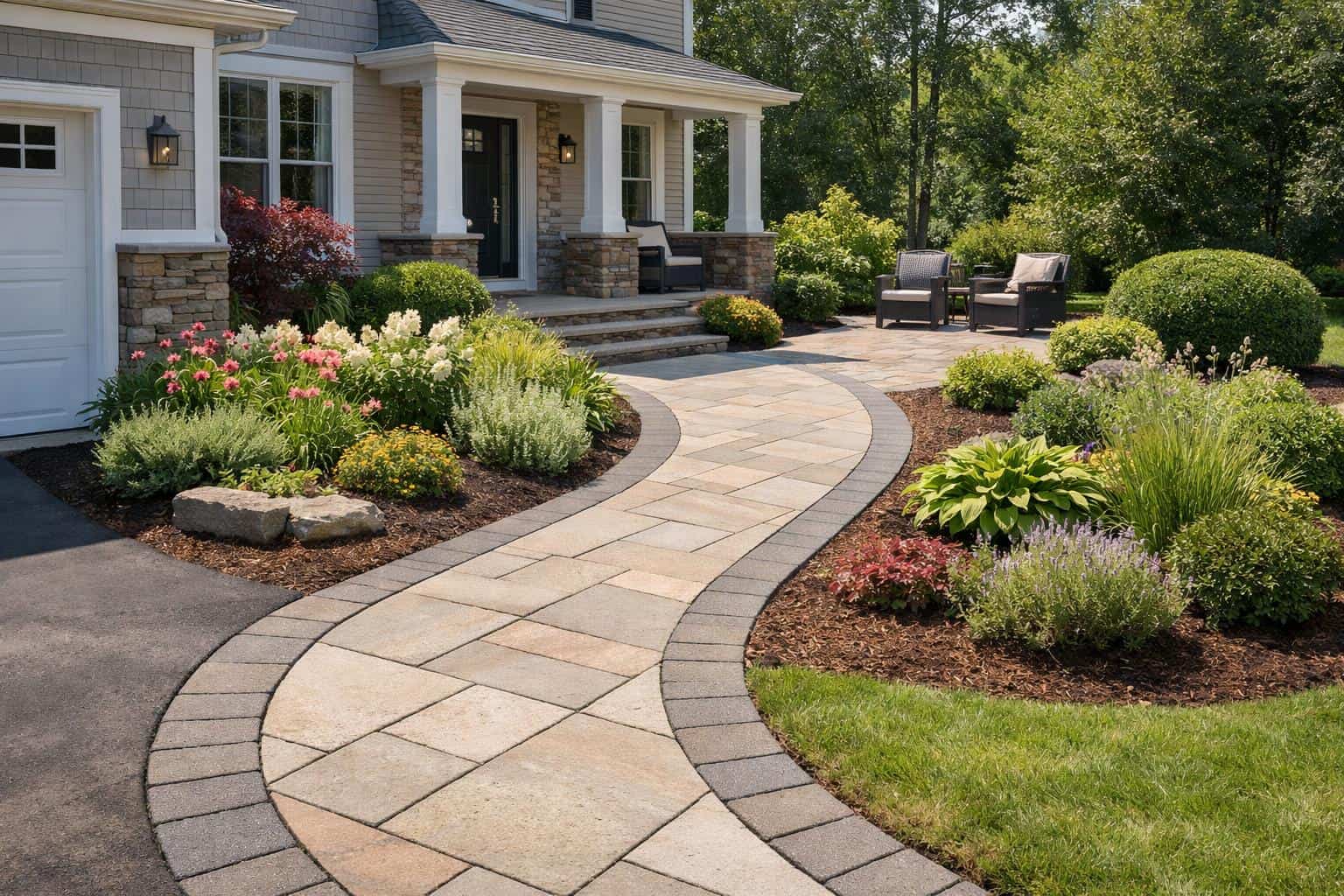
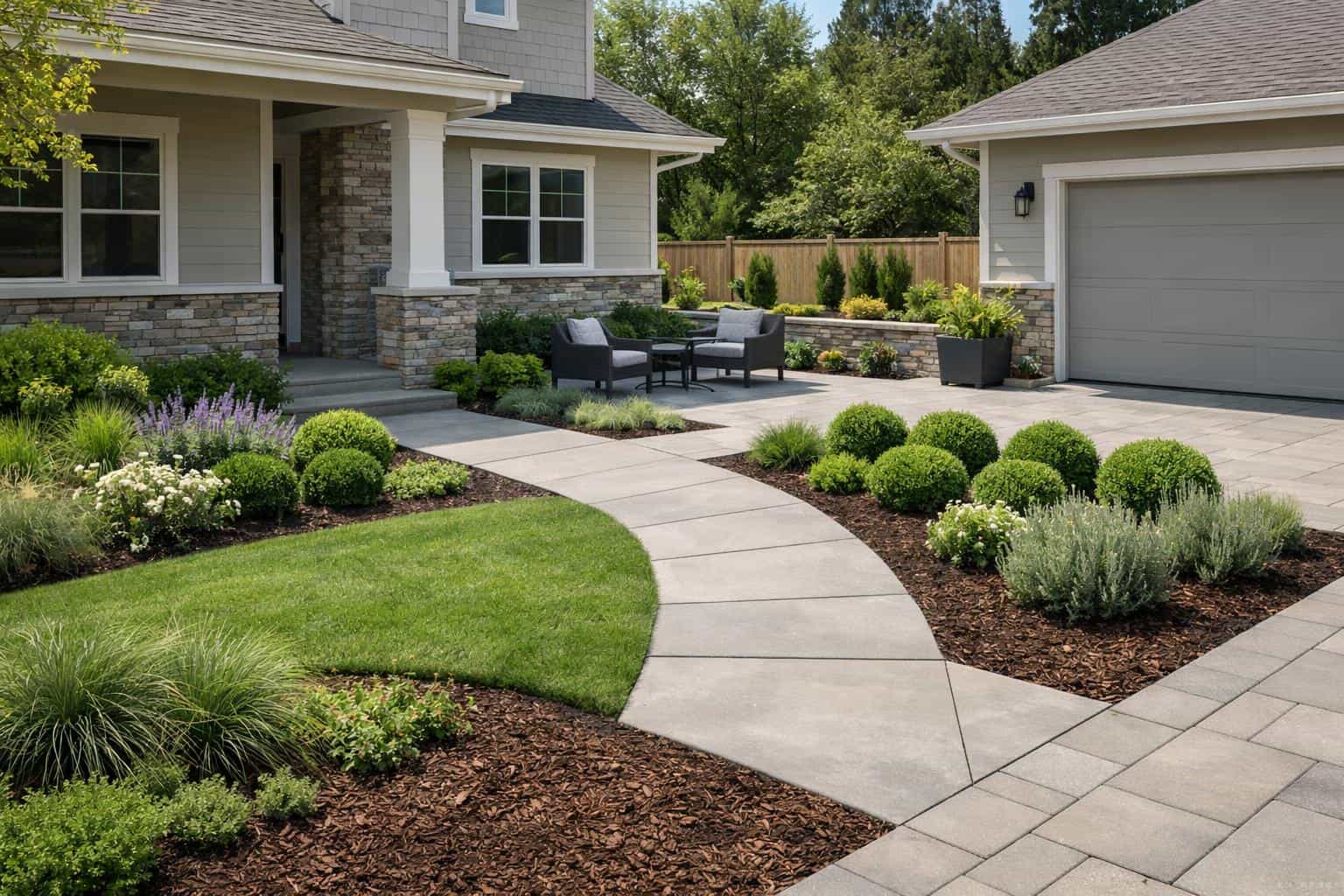
  • Walkway Material Match with Driveway Guide

    Walkway Material Match with Driveway Guide

    The front walkway and driveway usually appear together, so their materials need to relate in some way. That does not always mean they should match exactly. Sometimes a contrast looks better, as long as it feels intentional and connected to the house.

    Match materials when the front approach needs calm

    Similar materials can help the driveway and walkway feel like one coordinated system instead of separate decisions.

    Use contrast when it clarifies the path

    A different walkway material can help the route to the door stand out, especially if the driveway is visually large. Pair this with our Front Walk Material Transition Ideas Guide if the connection between surfaces still needs work.

    Let the house palette guide the choice

    The strongest material decisions usually relate to the house, not only to the driveway surface.

    What homeowners should remember

    The best walkway and driveway pairing feels intentional whether the materials match closely or simply coordinate well.


  • Low-Maintenance Front Yard Rock vs Mulch Guide

    Low-Maintenance Front Yard Rock vs Mulch Guide

    Rock and mulch both get used in front yards, but they do very different things. Rock can look clean and long-lasting in the right place, while mulch often supports planting health and seasonal refreshes better. The best choice depends on heat, plant needs, style, and maintenance expectations.

    Use mulch where plant health is the priority

    Mulch often works better around many shrubs and perennials because it helps create a softer planting environment.

    Use rock selectively where permanence matters

    Rock can work well in specific areas, but it is not automatically lower maintenance everywhere. Pair this with our Mulch vs Rock Landscaping Guide for Homeowners if you want the broader comparison first.

    Think about heat and cleanup

    Front yards with strong sun, leaf drop, or delicate plants may respond very differently to rock than to mulch.

    What homeowners should remember

    The best material is usually the one that matches the plant needs and maintenance reality, not just the one that sounds lower maintenance.


  • Patio Border Materials Guide for Homeowners

    Patio Border Materials Guide for Homeowners

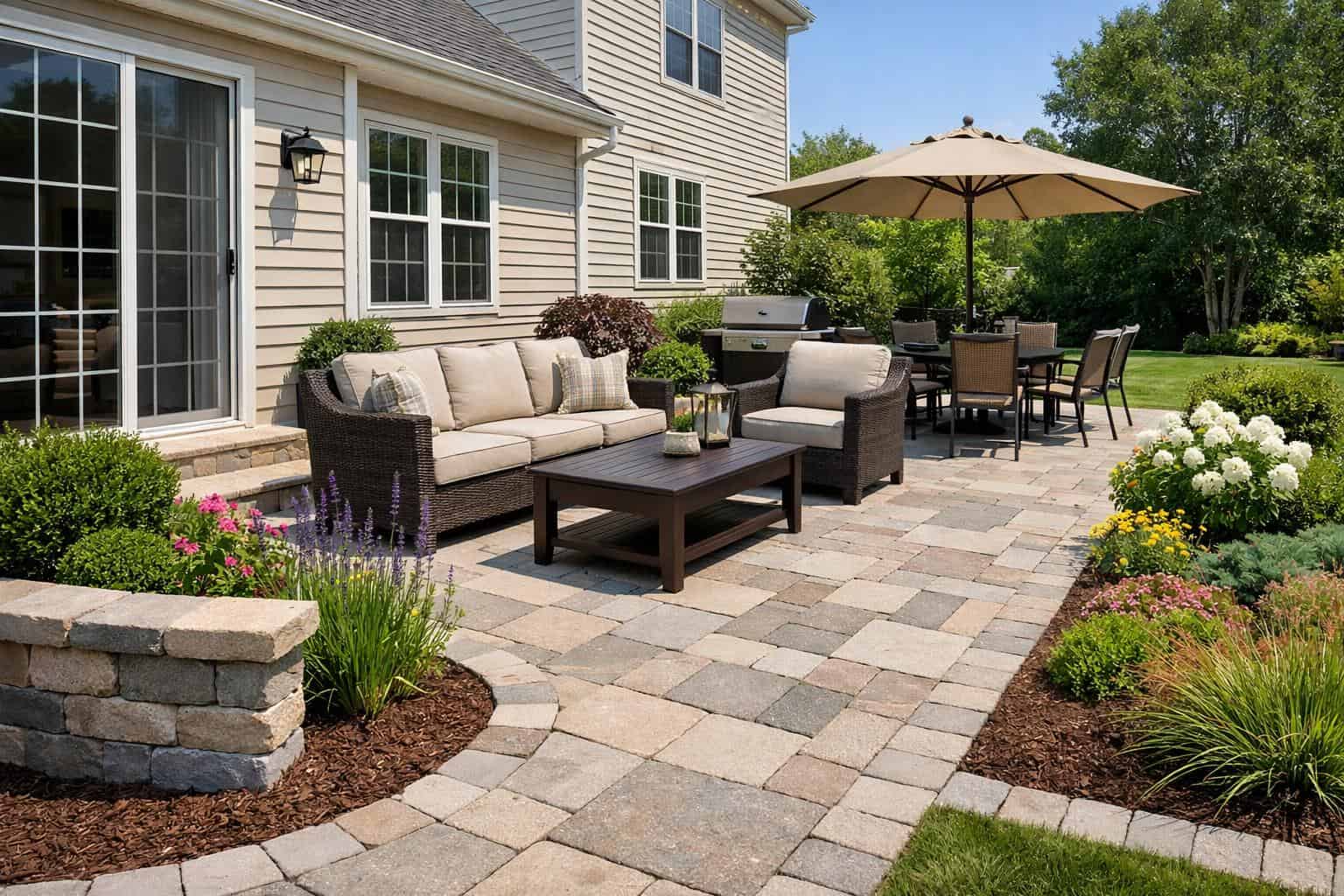
    Patio borders can make a simple outdoor surface feel more finished, but the border material should support the patio instead of fighting with it. The best choice depends on how strong the edge should read and how it connects to nearby paths, planting, or the house.

    Use borders to clarify the patio edge

    Some materials create a stronger frame, while others keep the edge more subtle. The right choice usually depends on how formal the patio should feel.

    Connect the border to the rest of the hardscape palette

    The patio border often looks strongest when it relates to the walkway, driveway, or entry materials. Pair this with our Patio Border vs Open Edge Guide for Homeowners if the broader edge strategy is still being decided.

    Avoid over-detailing the perimeter

    The border should help the patio feel more intentional, not more visually busy.

    What homeowners should remember

    The best patio border material is usually the one that strengthens the patio’s shape without stealing attention from the space itself.


  • Evergreen Screen vs Fence Privacy Guide for Homeowners

    Evergreen Screen vs Fence Privacy Guide for Homeowners

    Privacy can be created with plants, fencing, or a mix of both. An evergreen screen may feel softer and more landscape-driven, while a fence can provide faster definition and more immediate separation. The right choice depends on the site, the privacy need, and how much living landscape the homeowner wants to manage.

    Use evergreens when the landscape should do more of the work

    Planted screening can soften views, add depth, and feel more integrated into the yard, especially where privacy and aesthetics need to work together.

    Use fencing when immediate definition matters most

    Some sites need a faster or more explicit edge. Pair this with our Privacy Planting Between Neighbors Guide for Homeowners if the line between properties is still the main concern.

    Think about long-term feel, not just installation day

    The right privacy choice often comes down to how structured, soft, or maintenance-heavy you want the edge to be years from now.

    Evergreen Screen vs Fence Privacy Guide for Homeowners related example showing Layered privacy landscaping with screening plants, mulch beds, and fence-line layout detail
    This evergreen example gives homeowners a visual reference for comparing layout, materials, and maintenance tradeoffs before starting the project.

    What homeowners should remember

    The best privacy edge is usually the one that fits the site and the homeowner’s maintenance comfort as much as the screening need.

    Evergreen Screen vs Fence Privacy Guide for Homeowners related example showing Residential privacy landscaping scene with layered screening plants, planting beds, and fence line context
    This related evergreen detail helps show how site conditions and finish choices can change the homeowner's plan.

  • Front Yard Bed Edging Ideas Guide for Homeowners

    Front Yard Bed Edging Ideas Guide for Homeowners

    Bed edging is one of the small details that can make the whole front yard feel more finished. A cleaner edge helps organize the planting, sharpen curb appeal, and define the relationship between lawn, mulch, and hardscape.

    Use edging to clarify the planting shape

    A good edge helps people read the bed as a coherent part of the front-yard design instead of a loose patch of planting.

    Let the edging match the style of the yard

    Some front yards want a sharper edge, while others work better with a softer transition. Pair this with our Front Yard Layered Planting Ideas Guide for Homeowners if the bed composition is still being refined.

    Keep maintenance in mind

    The best edge is usually the one that looks good and stays practical to maintain over time.

    What homeowners should remember

    The best bed-edging ideas make the front yard feel more intentional because the planting, lawn, and path each have clearer boundaries.


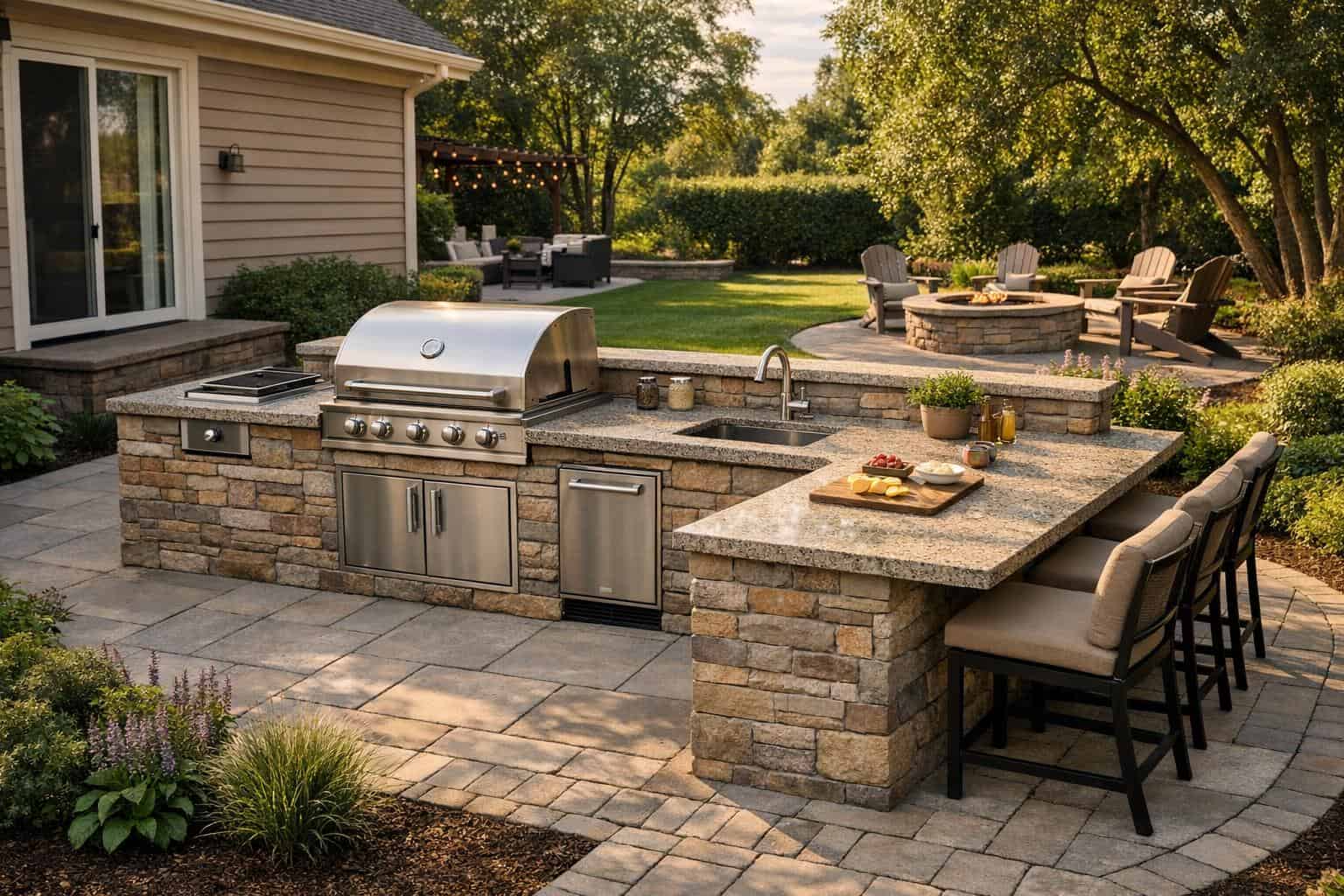
  • Outdoor Kitchen Counter Height vs Bar Height Guide

    Outdoor Kitchen Counter Height vs Bar Height Guide

    Counter height and bar height can make an outdoor kitchen feel very different to use. The right choice depends on whether the focus is cooking workflow, casual gathering, dining comfort, or separating the prep zone from guest seating.

    Use counter height when workflow matters most

    Counter-height layouts often feel more practical for prepping, serving, and flexible dining or standing use.

    Use bar height when separation helps

    Bar height can create a clearer distinction between the working side of the kitchen and the guest side. Pair this with our Outdoor Kitchen Grill vs Prep Space Balance Guide if overall workflow is still being refined.

    Think about who uses the space most

    The better fit usually comes from how the household entertains and cooks rather than from style alone.

    What homeowners should remember

    The best height decision supports both how the kitchen works and how people actually gather around it.


  • Patio Border vs Open Edge Guide for Homeowners

    Patio Border vs Open Edge Guide for Homeowners

    Some patios feel best with a strong edge treatment or border that clearly defines the space. Others work better when the patio transitions more openly into lawn or surrounding planting. The right choice depends on the layout, materials, and how formal the yard should feel.

    Use borders when the patio needs more definition

    A border can help reinforce shape, connect to nearby walkways, or make a simple surface feel more finished.

    Use open edges when the patio should blend into the yard

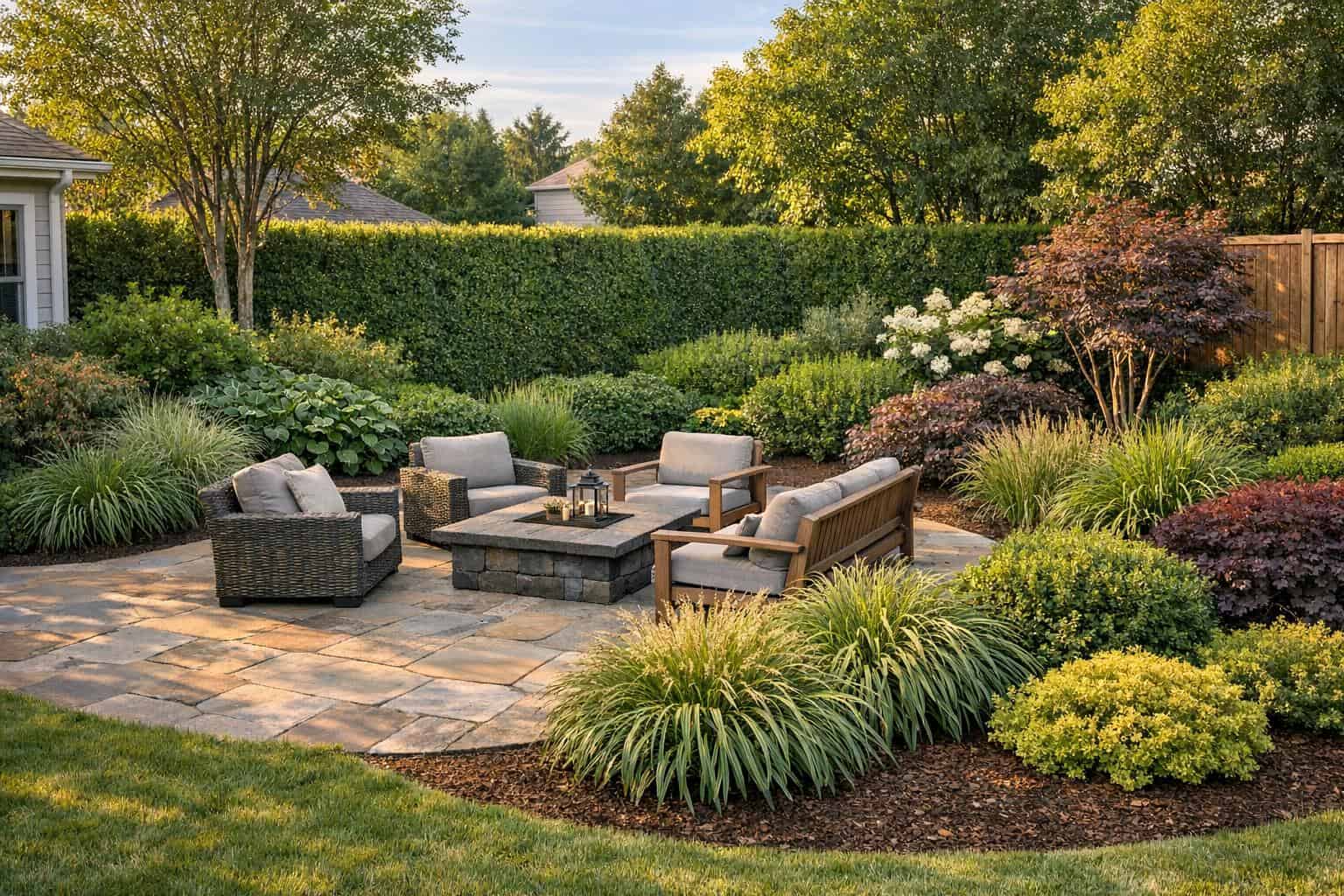
    Some patios benefit from softer transitions into planting or lawn, especially if the goal is a more relaxed backyard feel. Pair this with our Patio Perimeter Planting Ideas Guide for Homeowners if planting is part of that edge strategy.

    Let the architecture and layout lead

    The best patios usually choose one dominant edge language and let the rest of the design support it.

    What homeowners should remember

    The right patio edge is usually the one that makes the outdoor room feel more intentional without forcing a style that does not match the yard.


  • Front Walk Material Transition Ideas Guide

    Front Walk Material Transition Ideas Guide

    The front walk often connects several different materials: driveway, main path, porch, steps, or edging. When those transitions are handled well, the approach feels finished. When they are not, even a good walkway can feel pieced together.

    Let the main path stay visually dominant

    Transitions should support the front walk, not interrupt it. The route to the door still needs to feel obvious and calm.

    Use transitions to connect the house and hardscape palette

    Changes in material usually look strongest when they relate to the home, entry, or driveway rather than appearing arbitrary. Pair this with our Driveway Border and Apron Ideas Guide for Homeowners if the driveway edge is part of the same front-approach redesign.

    Keep joints and thresholds clean

    Simple, well-placed transitions usually look better than overcomplicated patterns or abrupt shifts in finish.

    What homeowners should remember

    The best front-walk transitions make the whole entry sequence feel more polished without distracting from the route itself.


  • Layered Screening vs Single-Row Hedge Guide for Homeowners

    Layered Screening vs Single-Row Hedge Guide for Homeowners

    Privacy screens can feel very different depending on whether they are built as a single consistent hedge or as a layered mix of trees, shrubs, and lower planting. The right choice depends on how formal the yard should feel, how much space is available, and how fast the screening needs to work.

    Use a single-row hedge for more formal structure

    A hedge can work well when the yard wants order, consistency, and a simpler visual line.

    Use layered screening for depth and softness

    Layered planting often feels more natural and flexible, especially around patios and backyard edges. Pair this with our Evergreen vs Deciduous Privacy Screen Guide for Homeowners if plant type is still part of the decision.

    Match the method to the available depth

    Layered screens usually need more room, while a hedge may fit tighter sites better if the formal look suits the property.

    What homeowners should remember

    The best privacy-edge choice usually balances the look you want with the room and maintenance the site can realistically support.