Landscaping Guru

  • Outdoor Kitchen Dining Distance Guide for Homeowners

    Outdoor Kitchen Dining Distance Guide for Homeowners

    Outdoor dining works best when it sits close enough to the kitchen to feel convenient, but not so close that chairs, servers, and guests crowd the cook. The right distance depends on the size of the kitchen, the patio layout, and how the space will be used most often.

    Keep dining connected to the kitchen workflow

    If the table is too far away, serving becomes inconvenient. If it is too close, the kitchen can feel cramped during active use.

    Let the patio layout shape the distance

    Some patios naturally allow a tighter connection, while others need more space between zones. Pair this with our Outdoor Kitchen Seating Layout Ideas Guide if the dining arrangement is still being refined.

    Think about movement with real furniture in place

    Dining distance should be measured with chair pull-back, serving circulation, and how people actually gather around the table.

    What homeowners should remember

    The best dining-to-kitchen distance is the one that supports smooth movement and comfortable hosting at the same time.


  • Low-Maintenance Backyard Corner Landscaping Guide

    Low-Maintenance Backyard Corner Landscaping Guide

    Backyard corners often become overlooked because they feel separate from the main patio or lawn, but they still influence how finished the yard feels. The best low-maintenance corner ideas simplify these edges so they support the whole backyard without turning into cluttered filler zones.

    Decide whether the corner should be active or quiet

    Some corners work better as simple planted edges. Others support a small seating zone or visual anchor. The right approach depends on how the rest of the yard is used.

    Keep the planting calm and durable

    Corners often benefit from fewer, more dependable materials and plants. Pair this with our Backyard Corner Seating Ideas Guide for Homeowners if the corner might also become a usable retreat.

    Let the corner support the whole yard

    The best corner treatments reinforce the overall backyard structure instead of feeling like isolated decorative leftovers.

    What homeowners should remember

    The strongest low-maintenance corner ideas make the yard feel more complete without creating extra work.


  • Layered Screening vs Single-Row Hedge Guide for Homeowners

    Layered Screening vs Single-Row Hedge Guide for Homeowners

    Privacy screens can feel very different depending on whether they are built as a single consistent hedge or as a layered mix of trees, shrubs, and lower planting. The right choice depends on how formal the yard should feel, how much space is available, and how fast the screening needs to work.

    Use a single-row hedge for more formal structure

    A hedge can work well when the yard wants order, consistency, and a simpler visual line.

    Use layered screening for depth and softness

    Layered planting often feels more natural and flexible, especially around patios and backyard edges. Pair this with our Evergreen vs Deciduous Privacy Screen Guide for Homeowners if plant type is still part of the decision.

    Match the method to the available depth

    Layered screens usually need more room, while a hedge may fit tighter sites better if the formal look suits the property.

    What homeowners should remember

    The best privacy-edge choice usually balances the look you want with the room and maintenance the site can realistically support.


  • Patio Edge Lighting Ideas Guide for Homeowners

    Patio Edge Lighting Ideas Guide for Homeowners

    Patio lighting is not only about overhead fixtures or statement accents. In many yards, the edge of the patio is where lighting makes movement easier, defines the outdoor room, and helps the space feel calmer after dark.

    Use lighting to clarify the patio boundary

    Where the patio meets lawn, steps, planting, or another surface is often where subtle edge lighting adds the most value.

    Keep the glow soft and directional

    Edge lighting should help with movement and atmosphere without becoming harsh. Pair this with our Backyard Lighting Ideas Guide for Homeowners if you are planning the wider nighttime layout too.

    Coordinate lighting with seating and transitions

    The best edge-lighting ideas support how people enter, leave, and move around the patio in real life.

    What homeowners should remember

    The strongest patio-edge lighting improves safety and mood while still letting the space feel relaxed after dark.


  • Privacy Planting Around Patio Guide for Homeowners

    Privacy Planting Around Patio Guide for Homeowners

    Patio privacy often works best when the planting is shaped around the patio itself rather than applied evenly across the whole property line. A well-planned patio screen can make the space feel more comfortable while keeping the rest of the yard open and usable.

    Focus on the seated sightlines first

    The most important privacy views are often the ones people notice while sitting or dining, not every edge of the yard.

    Let planting support the patio layout

    Privacy beds should work with the patio’s circulation and furniture arrangement. Pair this with our Privacy Patio Ideas Guide for Homeowners if the seating layout is also under discussion.

    Keep the patio breathable

    Good screening should still allow for light, airflow, and comfortable movement around the outdoor room.

    What homeowners should remember

    The best patio privacy planting makes the space feel more comfortable without making the whole backyard feel smaller.


  • Front Yard Planting Around Mailbox Guide for Homeowners

    Front Yard Planting Around Mailbox Guide for Homeowners

    Mailbox planting can improve curb appeal quickly, but it also sits in one of the most visible and functional parts of the front yard. The best mailbox-bed ideas stay low enough for visibility, durable enough for the street edge, and simple enough to maintain.

    Keep the planting low and readable

    The mailbox area should still feel clear from the street and from the driveway. Lower plants and cleaner groupings usually work better than tall shrubs here.

    Use tough plants and simple shapes

    Street-edge planting often deals with heat, splash, and tighter maintenance conditions. Pair this with our Front Yard Landscaping Guide for Homeowners if the mailbox zone is part of a bigger curb-appeal refresh.

    Let the mailbox bed support the whole front-yard composition

    The mailbox area should connect visually to the rest of the front yard rather than feeling like a separate tiny project.

    What homeowners should remember

    The best mailbox planting ideas add polish to the curb edge without creating a maintenance-heavy distraction.


  • Front Yard Focal Point Ideas Guide for Homeowners

    Front Yard Focal Point Ideas Guide for Homeowners

    A front yard focal point gives the eye something clear to notice, but it should support the house and entry instead of distracting from them. The best focal-point ideas create emphasis in a way that feels natural inside the overall front-yard composition.

    Choose one main emphasis area

    Many front yards get weaker when several different elements compete for attention. A specimen plant, a tree, a stronger entry bed, or a clear walkway axis is often enough.

    Let the house and entry stay in charge

    The focal point should usually reinforce the arrival sequence or house character. Pair this with our Front Yard Symmetry vs Asymmetry Guide for Homeowners if you are also deciding how formal the composition should feel.

    Use planting and space to frame the focal point

    Even a strong focal element can disappear if the surrounding layout is too busy. Simpler supporting planting usually helps the emphasis land better.

    What homeowners should remember

    The best front-yard focal points make the curb view feel clearer and more intentional, not more crowded.


  • Side Yard Path Ideas Guide for Homeowners

    Side Yard Path Ideas Guide for Homeowners

    Side yard paths do more than connect the front and backyard. They often influence maintenance access, storage movement, drainage behavior, and how finished the side of the property feels. The best ideas keep the route clear and practical while still making the space feel intentional.

    Design the path for the kind of access it needs

    Some side routes only handle foot traffic, while others need to move bins, tools, or maintenance equipment. The path width and material should reflect that reality.

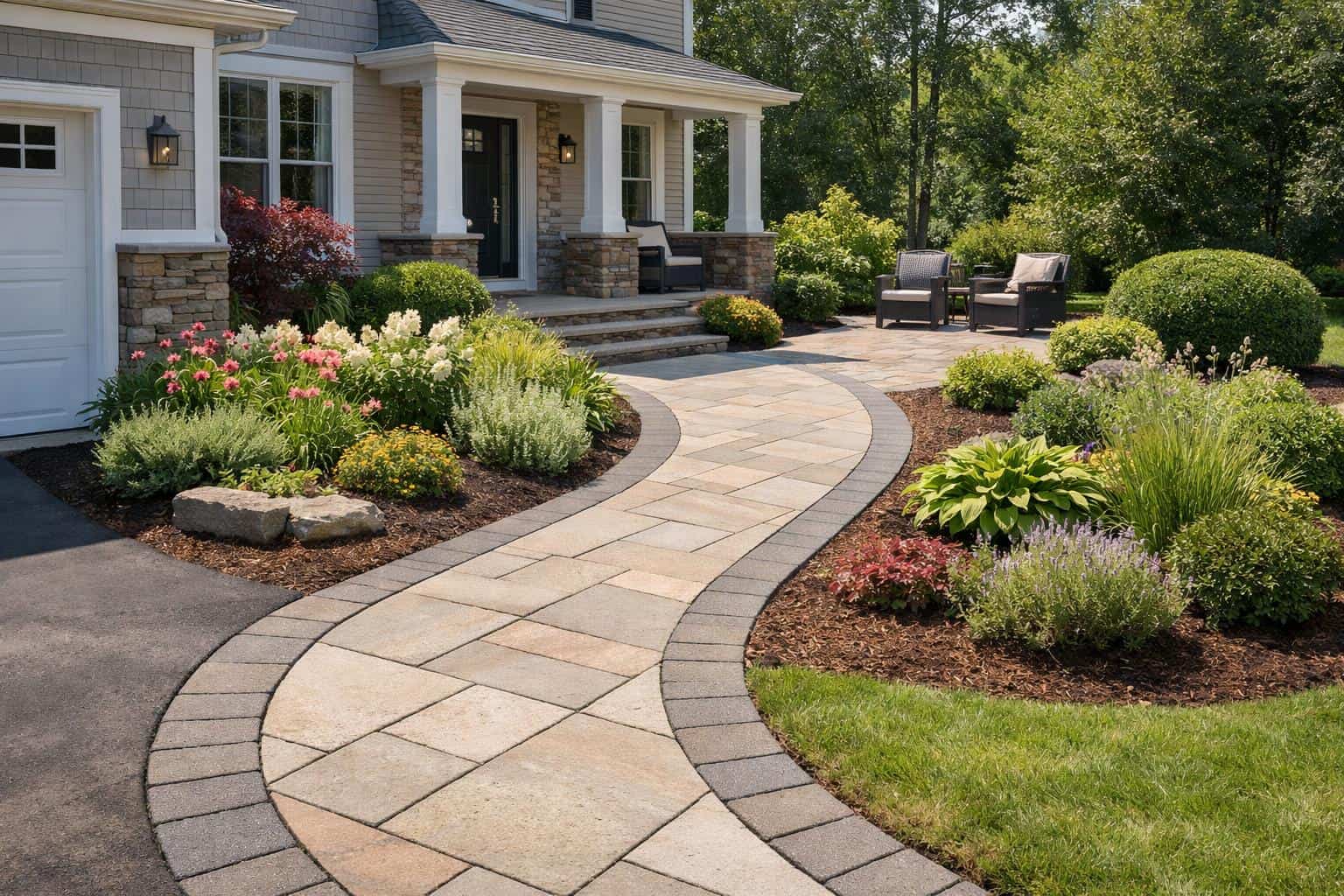
    Side Yard Path Ideas Guide for Homeowners related example showing Front entry walkway with edging, planting beds, and material detail relevant to pathway cost planning
    This walkway example gives homeowners a visual reference for comparing layout, materials, and maintenance tradeoffs before starting the project.

    Keep the side yard from feeling like leftover space

    A clean path, better edge treatment, and simpler planting can make the side of the house feel much more finished. Use this with our Low-Maintenance Side Yard Ideas Guide for Homeowners if you are also rethinking the surrounding layout.

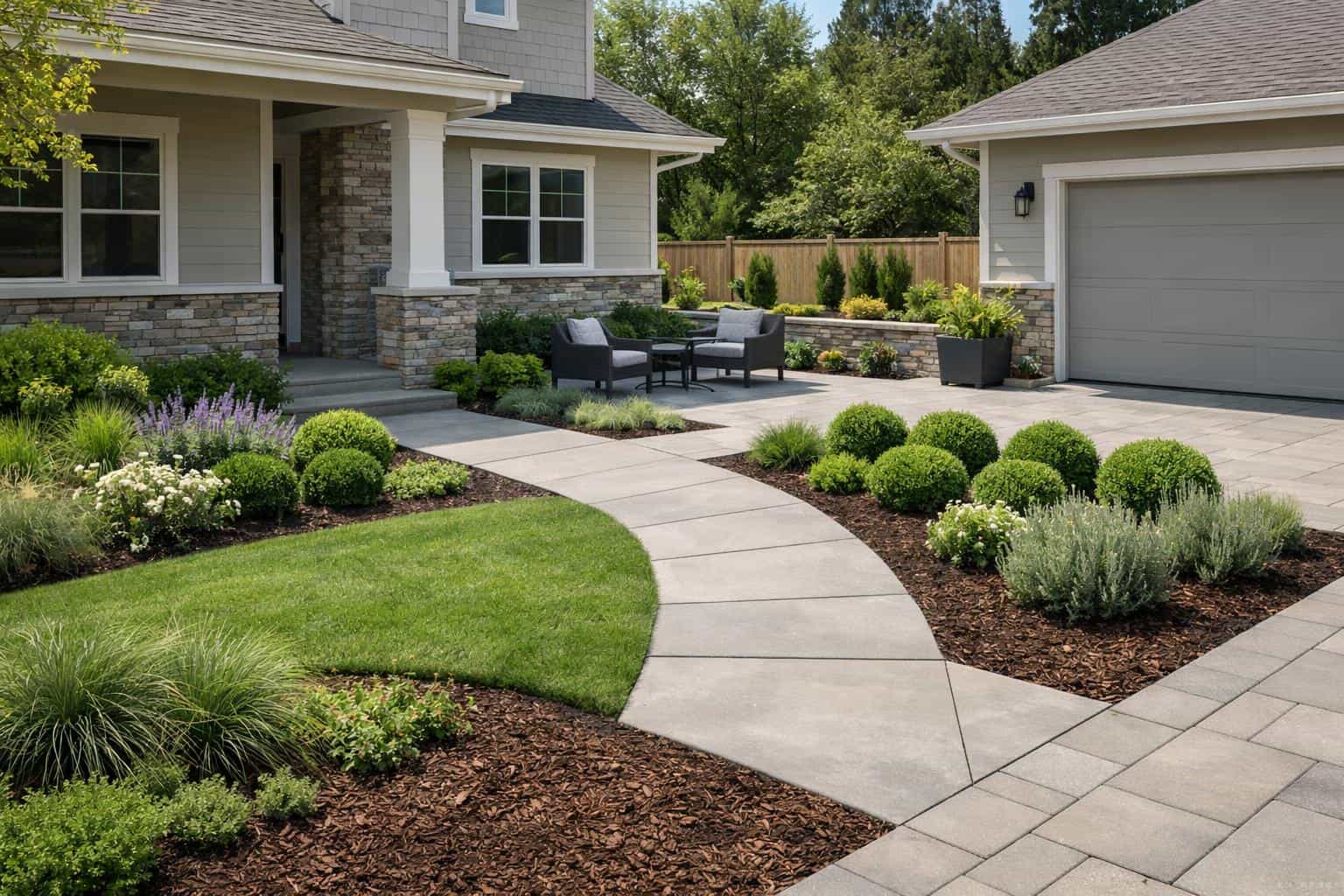
    Side Yard Path Ideas Guide for Homeowners related example showing Walkway detail relevant to settling, edge wear, and warning signs
    This related walkway detail helps show how site conditions and finish choices can change the homeowner's plan.

    Watch drainage and wear patterns

    Side yards can become muddy or messy quickly if water movement is ignored. A durable route usually starts with the conditions under the path, not just the surface look.

    What homeowners should remember

    The best side-yard path ideas make a narrow utility route feel easier to use and more intentionally designed.


  • Outdoor Kitchen Grill vs Prep Space Balance Guide

    Outdoor Kitchen Grill vs Prep Space Balance Guide

    Outdoor kitchens often get over-designed around appliance count and under-designed around workflow. The balance between grill presence and prep space matters because it determines how the kitchen actually feels to use once people start cooking and serving.

    Do not let the grill take over the whole plan

    A large grill may be the visual centerpiece, but prep space is what often makes the kitchen function well in everyday use.

    Plan for staging and serving, not just cooking

    Prep, plating, and guest interaction all need room. Pair this with our Outdoor Kitchen Prep Zone Layout Guide for Homeowners if you are refining workflow in the same project.

    Let the kitchen size match how you entertain

    The right balance depends on whether the space is for frequent cooking, casual hosting, or occasional use as part of a larger patio setup.

    What homeowners should remember

    The best outdoor-kitchen layouts balance appliance goals with enough prep room to keep the space comfortable and functional.


  • Low-Maintenance Fence Line Landscaping Guide

    Low-Maintenance Fence Line Landscaping Guide

    Fence lines can either help organize the yard or quietly become some of the highest-maintenance areas on the property. The best low-maintenance fence-line landscaping keeps the edge simple, accessible, and visually consistent.

    Keep the border easy to trim and clean

    A fence line is harder to maintain when the bed is too narrow, too busy, or planted with aggressive forms that quickly crowd the edge.

    Use the fence line to support the yard layout

    Long edges often look stronger when the planting repeats rhythmically instead of constantly changing. Use this with our Low-Maintenance Backyard Border Ideas Guide if you are refining the broader perimeter strategy.

    Avoid building a maintenance trap

    The best fence-line ideas still allow room for access, cleanup, and the occasional repair or inspection.

    What homeowners should remember

    The best low-maintenance fence-line landscaping usually makes the whole backyard feel cleaner because the perimeter becomes simpler and more consistent.