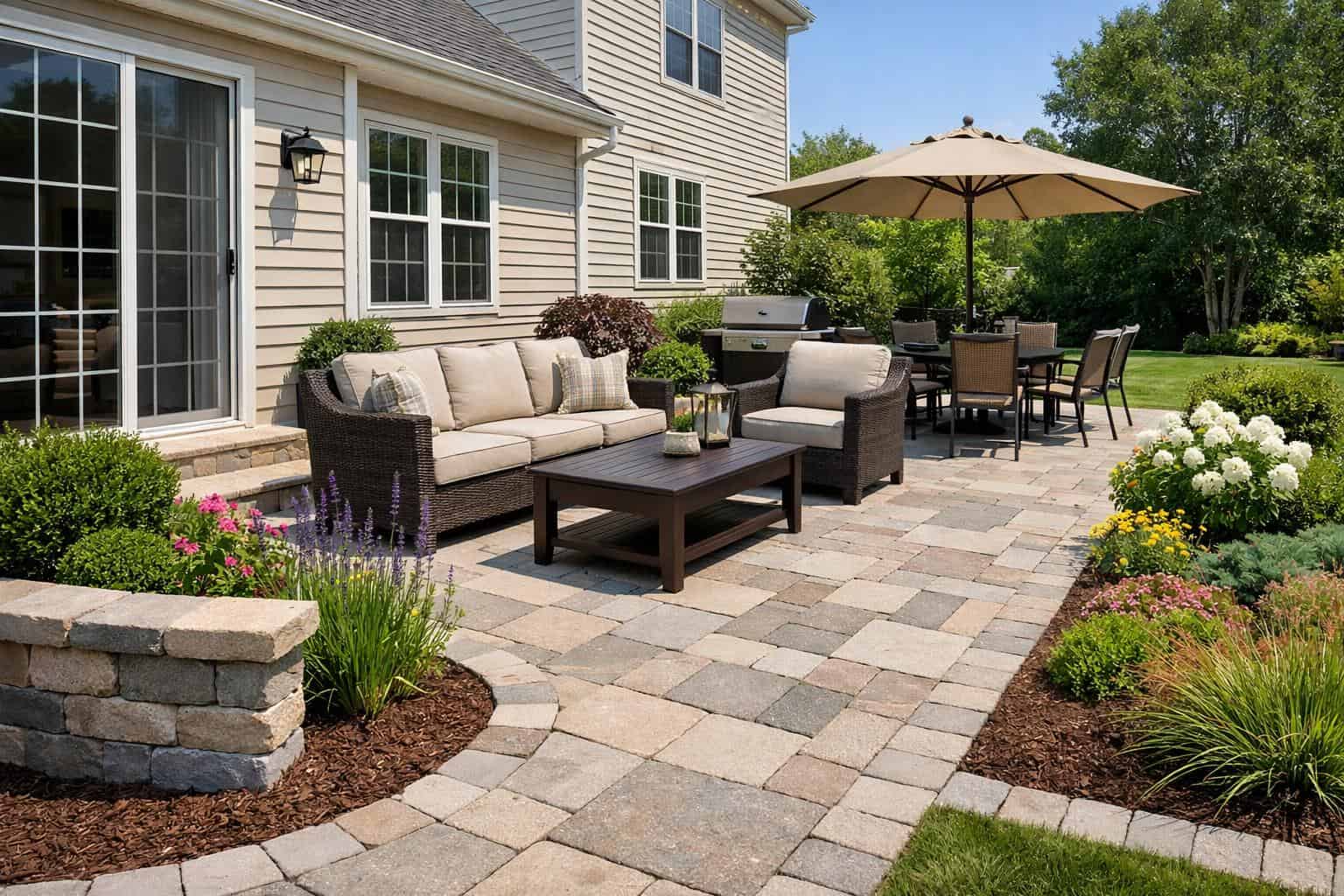
Hot tub areas usually need more focused privacy than the rest of the backyard. The best screening ideas protect the sitting zone from the views that matter most while still allowing the yard around it to breathe.
Screen the seated sightlines first
What matters most is what someone sees while sitting in the hot tub, not necessarily every angle of the property line. That often makes the project more efficient and better looking.
People still need to move around the area comfortably, especially from the house or patio. Good screening should not turn the route into a squeeze point.
What homeowners should remember
The best hot tub screening ideas improve comfort and privacy where it matters most without making the whole backyard feel closed in.
Shrub grouping is one of the simplest ways to make a front yard feel more designed. Instead of placing single shrubs as isolated objects, grouping them in intentional clusters can create stronger rhythm, better scale, and easier maintenance.
Group shrubs by role, not just by species
Some shrubs define edges, some provide body, and some anchor corners or transitions. The best groupings usually balance these roles instead of using every plant the same way.
Layered planting helps front beds look more intentional because it organizes height, depth, texture, and repetition instead of leaving the bed as one flat row of shrubs. Done well, layered planting can make even a simple front yard feel richer and more finished.
Think in foreground, middle, and background
Many front beds improve when lower plants define the front edge, medium plants provide body, and a few taller forms anchor the composition. This usually creates more depth than repeating one shrub size everywhere.
Use repetition to keep the bed from feeling busy
Layering does not mean adding endless variety. Repeating the same forms or colors across the bed often creates a stronger result. If the bed sits close to the house, pair this with our Foundation Planting Ideas Guide for Homeowners.
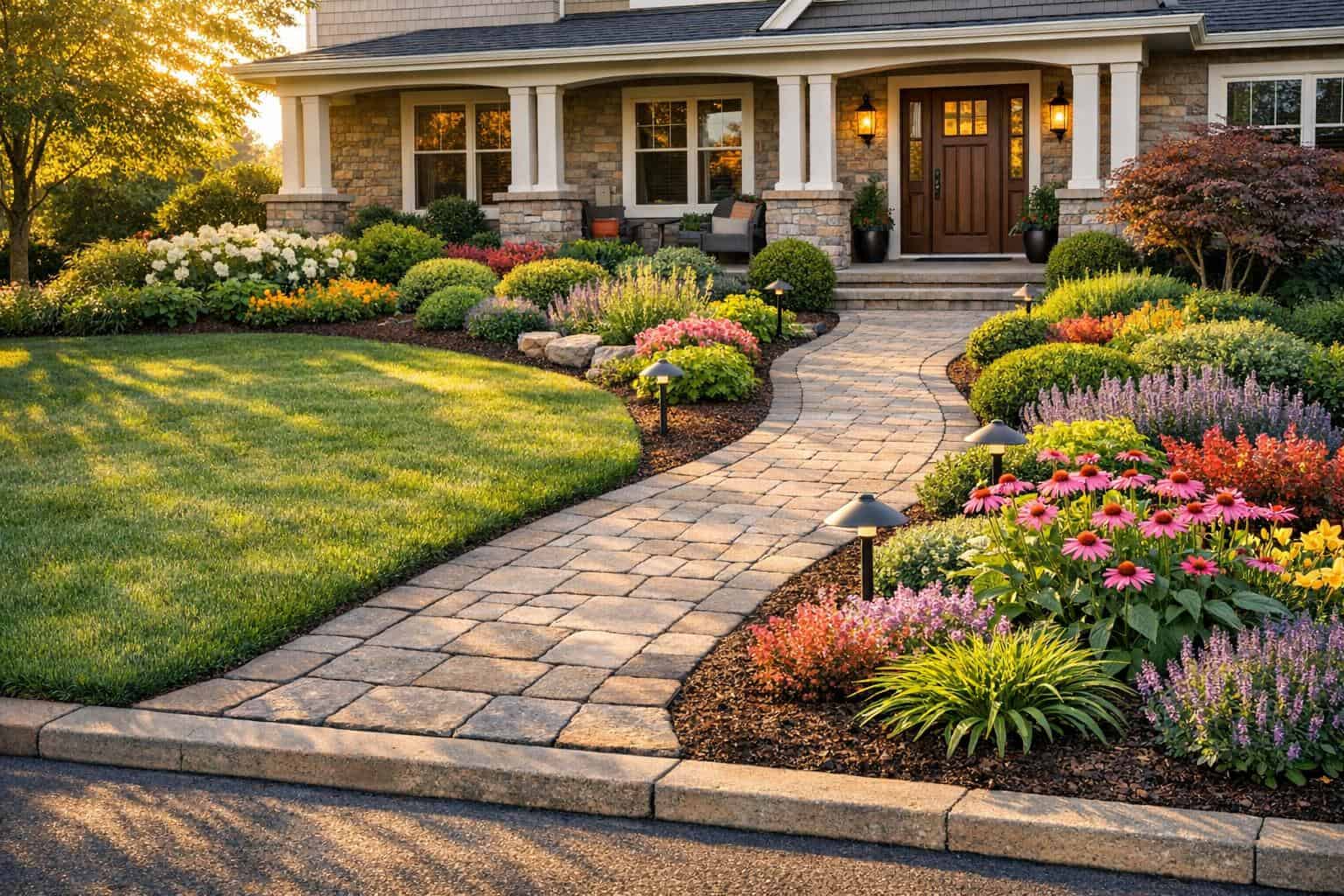
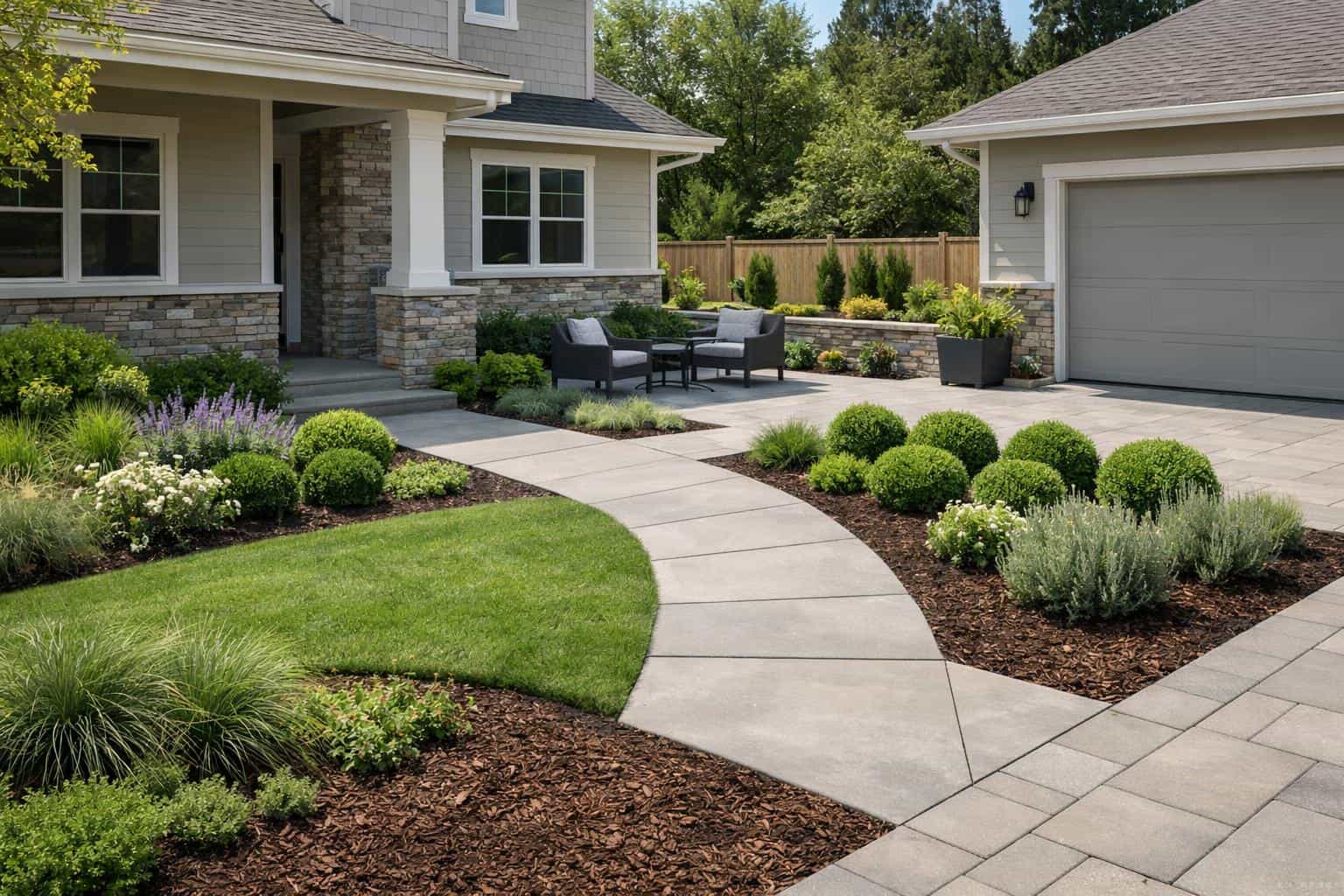
This front yard example gives homeowners a visual reference for comparing layout, materials, and maintenance tradeoffs before starting the project.
Plan for mature size and maintenance
Layered beds should still be easy to maintain. Homeowners get the best results when the planting plan is honest about eventual spread, pruning needs, and how much space the bed really has.
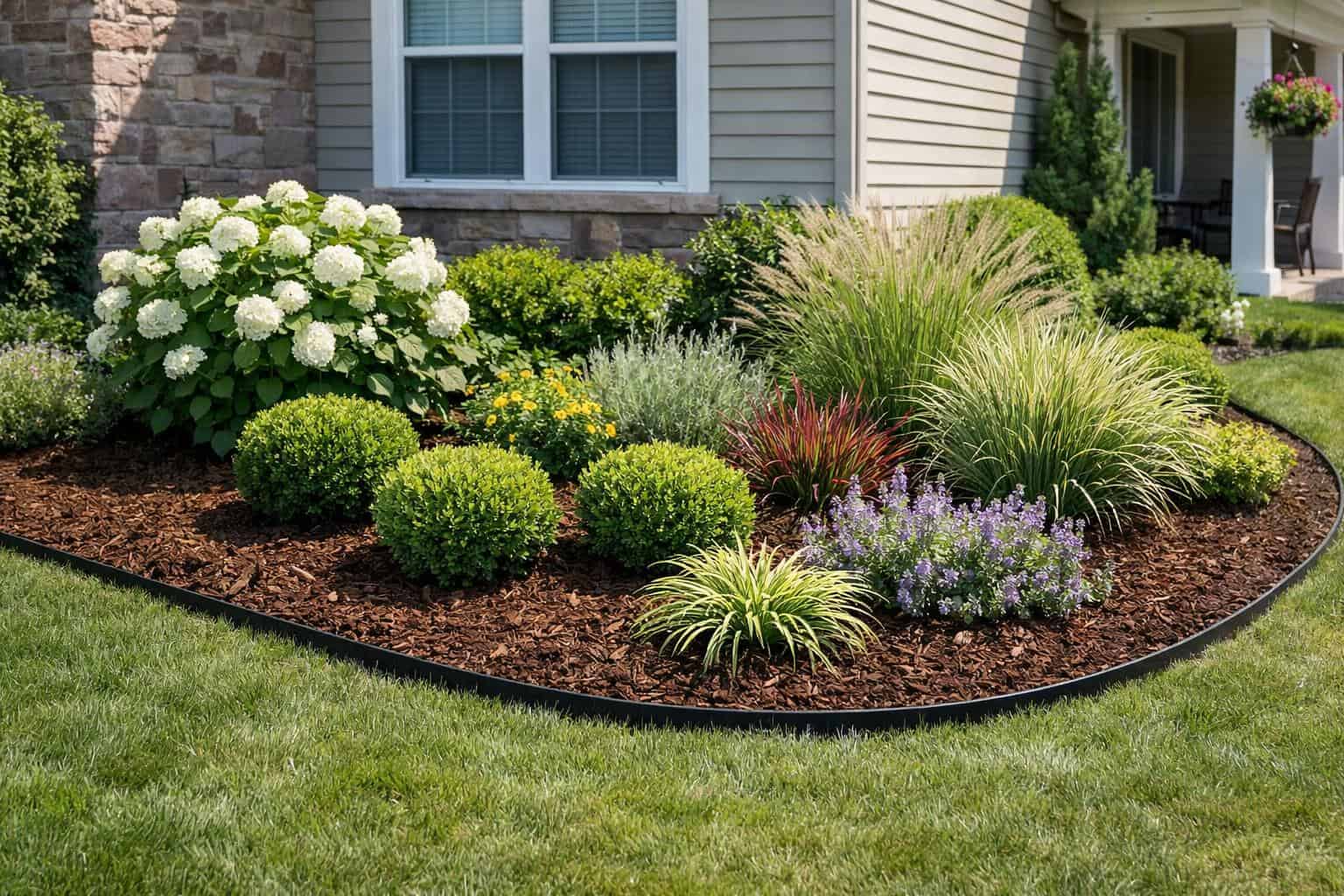
This related front yard detail helps show how site conditions and finish choices can change the homeowner's plan.
What homeowners should remember
The best layered-planting ideas create more depth and curb appeal while still feeling organized and easy to live with.
Walkway shape changes how the front or backyard feels before you ever choose the surface material. A straight path can feel direct and formal. A curved path can feel softer and more landscape-driven. The right choice depends on the house, the available space, and how people are meant to move.
Use straight paths for direct movement
Straight walkways often work well where the route is obvious and the architecture is clean or formal. They can also feel more efficient in tighter spaces where there is no room for a softer sweep.
Use curves when the landscape needs gentler movement
Curved walkways can help the yard feel less rigid and can create better relationships with planting beds or naturalized areas. That said, curves should still feel purposeful. They should not wander without a reason.
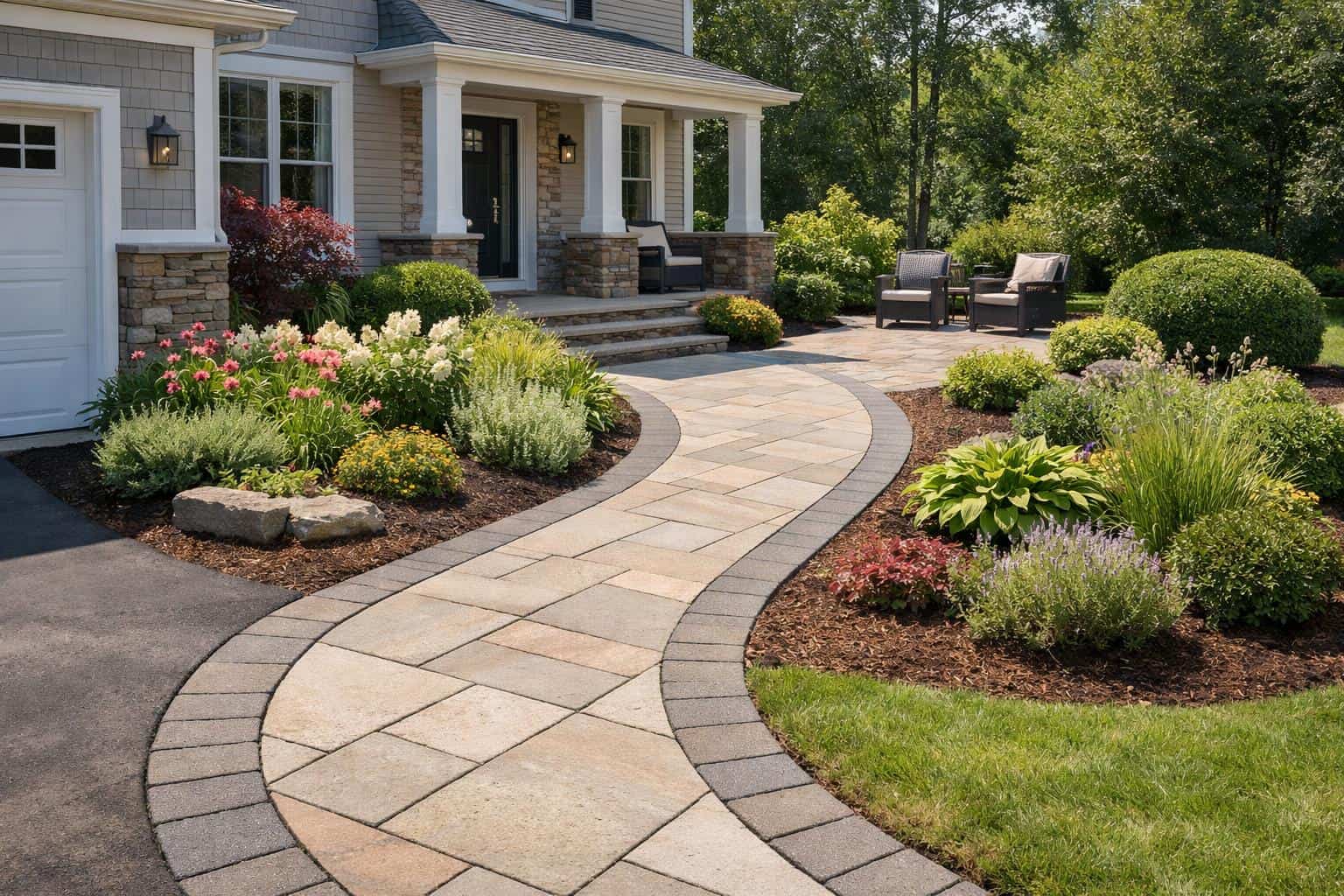
This walkway example gives homeowners a visual reference for comparing layout, materials, and maintenance tradeoffs before starting the project.
An outdoor kitchen works better when the seating plan is considered at the same time as the appliances and prep area. Otherwise the space can become awkward to move through or uncomfortable for guests to use while someone is cooking.
Separate cooking circulation from guest seating
Guests should feel included without standing in the cook’s path. Many layouts work better when bar seating, dining seating, and standing space are organized around the kitchen instead of pressed tightly against it.
Let the seating support the main use case
Some outdoor kitchens are mostly for entertaining. Others are more family-dinner focused. The layout should reflect how the space will actually be used. Pair this with our Outdoor Kitchen Guide for Homeowners if the larger project is still taking shape.
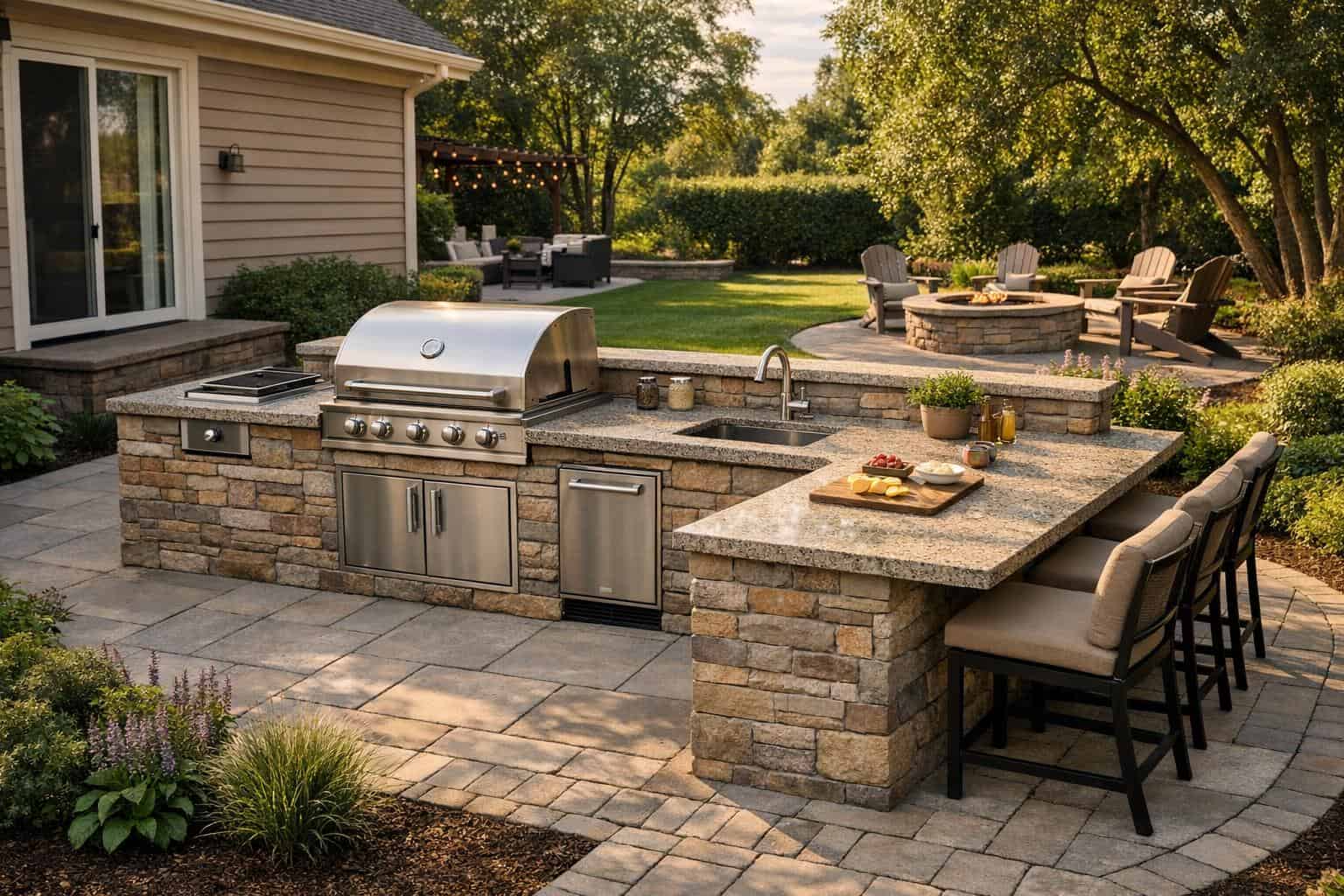
This outdoor kitchen example gives homeowners a visual reference for comparing layout, materials, and maintenance tradeoffs before starting the project.
Connect the kitchen to the wider patio
Outdoor kitchens work best when the seating layout makes sense as part of the whole backyard plan instead of as an isolated island in the yard.
This related outdoor kitchen detail helps show how site conditions and finish choices can change the homeowner's plan.
What homeowners should remember
The best outdoor-kitchen seating ideas make the space feel easier to host in, not just more full.
Side yards often become some of the most neglected parts of a property because they are narrow, hard to access, and easy to ignore. The best low-maintenance side-yard ideas simplify the layout so these spaces feel intentional without demanding constant cleanup or watering.
Decide whether the side yard is for access, utility, or appearance
Some side yards need to move people and equipment. Others need to hide service areas or just look cleaner from adjacent views. The right design usually starts with being honest about what the side yard is actually for.
This low maintenance example gives homeowners a visual reference for comparing layout, materials, and maintenance tradeoffs before starting the project.
Use simpler materials and planting
Side yards often improve when they use fewer materials, cleaner edges, and plants that do not require constant shaping. For more on choosing easier-care finishes, see our What Makes a Landscape Material Low Maintenance Guide.
This related low maintenance detail helps show how site conditions and finish choices can change the homeowner's plan.
Make circulation easy
If the side yard is the main route to the backyard, the path should feel clear and durable. A side space that is easy to walk through often becomes easier to maintain too.
What homeowners should remember
The best low-maintenance side-yard ideas usually reduce clutter, clarify movement, and make a narrow space feel more purposeful.
Evergreen screening is one of the most popular ways to create year-round privacy, but it works best when the screen is planned for mature size, spacing, and maintenance instead of just instant coverage. A good evergreen screen should improve privacy and structure without taking over the yard.
Choose the screen width before choosing the plant
Many evergreen-screen problems come from choosing a plant that is too wide or too tall for the available depth. On tighter sites, a layered or mixed screen may work better than one large hedge species.
Think about year-round appearance, not just privacy
An evergreen screen often becomes a major visual backdrop in the yard, so color, density, and texture matter. Our Privacy Landscaping Guide for Homeowners is a good companion if you are comparing evergreen options with broader screening strategies.
Plan for maintenance access
Even lower-maintenance evergreen screens need some access for trimming, cleanup, and monitoring. Planting too tightly against fences, walls, or paths often creates the problems homeowners were trying to avoid.
What homeowners should remember
The best evergreen-screen ideas provide privacy and long-term structure without creating a maintenance burden that outgrows the site.
Use these deeper guides when the broad project direction is clear and the next decision is about layout, materials, maintenance, or cost tradeoffs.
This evergreen example gives homeowners a visual reference for comparing layout, materials, and maintenance tradeoffs before starting the project.
Evergreen Screen Narrow Space Planting Guide: Use this when planning narrow evergreen screen planting to build privacy in tight spaces without choosing plants that get too wide.
Evergreen Screen Mixed Species Guide: Use this when planning mixed species evergreen screen to avoid a screen that fails all at once from one pest or disease issue.
Evergreen Screen Winter Browning Guide: Use this when planning evergreen screen winter browning to understand whether browning is seasonal stress or a bigger health problem.
Evergreen Screen Fence Offset Guide: Use this when planning evergreen screen fence offset to plant far enough from the fence for growth and care.
More specific homeowner planning guides
Use these deeper guides when the broad project direction is clear and the next decision is about layout, materials, access, maintenance, or cost tradeoffs.
This related evergreen detail helps show how site conditions and finish choices can change the homeowner's plan.
Evergreen Screen Plant Size Selection Guide: Use this when planning evergreen screen plant size selection to choose plant sizes that balance privacy now with establishment success.
Evergreen Screen Watering Zone Guide: Use this when planning evergreen screen watering zones to water privacy screens consistently without overwatering nearby beds.
Evergreen Screen Under Fence Line Guide: Use this when planning evergreen screen under fence lines to improve privacy near fences without damaging access or airflow.
Evergreen Screen for Noisy Streets Guide: Use this when planning evergreen screening for noisy streets to soften street exposure while setting honest expectations.
Patio transitions matter more than many homeowners expect. A patio can have attractive materials and plenty of space but still feel awkward if the steps, thresholds, or level changes do not connect cleanly to the house and the rest of the yard.
Use steps to reinforce movement
Steps should help people understand where to move next. In many yards, that means aligning them with door locations, path routes, or the next outdoor zone instead of placing them wherever the grade happens to drop.
Make level changes feel intentional
Transitions usually look stronger when they are integrated into the patio shape and edge treatment rather than attached later. If the whole patio still needs planning, pair this with our Backyard Patio Layout Ideas Guide for Homeowners.
This patio example gives homeowners a visual reference for comparing layout, materials, and maintenance tradeoffs before starting the project.
Think about comfort and safety at the same time
Well-sized treads, consistent risers, and clear lighting matter just as much as appearance. Patio steps should feel easy to use in everyday conditions, not just good in a photo.
This related patio detail helps show how site conditions and finish choices can change the homeowner's plan.
What homeowners should remember
The best patio-transition ideas make the yard feel smoother to move through while helping grade changes look like part of the design.
Backyard corners often become leftover space by default, but they can also become some of the most comfortable parts of the yard when seating, privacy, and circulation are planned well. A corner seating area can work as a quiet retreat, a conversation nook, or a support zone connected to a larger patio.
Use the corner for a distinct mood
A corner seating area often works better when it has a different role than the main patio. That might mean quieter conversation, reading, morning coffee, or a smaller overflow gathering space.
Support the corner with privacy and planting
Corners usually feel more usable when the surrounding planting creates a sense of enclosure without closing the whole yard in. If privacy is part of the goal, use this with the Backyard Privacy Screen Ideas Guide for Homeowners.
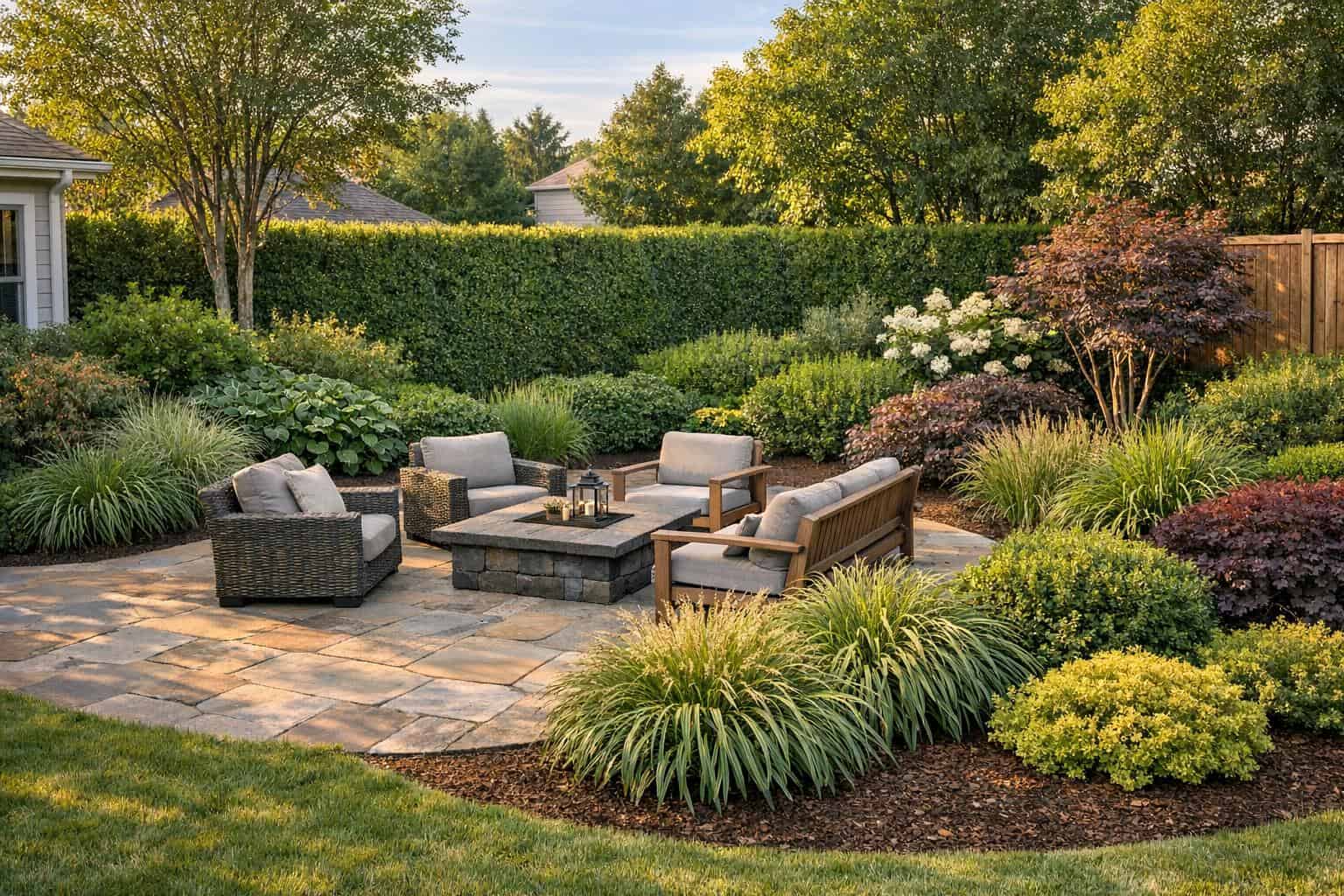
This backyard example gives homeowners a visual reference for comparing layout, materials, and maintenance tradeoffs before starting the project.
Keep the path into the space clear
A seating nook should feel tucked away, not awkward to access. The best corner layouts protect the route into the space while still giving it a sense of separation.
This related backyard detail helps show how site conditions and finish choices can change the homeowner's plan.
What homeowners should remember
The best backyard-corner seating ideas turn underused edges into spaces people genuinely want to spend time in.
Tree placement in the front yard affects much more than appearance. The right tree can improve shade, scale, and curb appeal. The wrong placement can create maintenance issues, blocked sightlines, crowding near the house, or long-term conflicts with walkways and utilities.
Use trees to support the house, not hide it
In most front yards, the best tree location helps frame the home or soften its scale without covering the entry, swallowing windows, or making the front yard feel crowded.
This front yard example gives homeowners a visual reference for comparing layout, materials, and maintenance tradeoffs before starting the project.
Respect mature size and root impact
One of the biggest mistakes in front-yard design is choosing location based on nursery size instead of mature canopy and root behavior. If the tree may affect a path, driveway, or foundation zone later, placement needs more thought now.