Landscaping Guru

  • Sloped Yard Landscaping Ideas Guide for Homeowners

    Sloped Yard Landscaping Ideas Guide for Homeowners

    Sloped yards need more than cosmetic ideas. The best slope-friendly landscape plans balance beauty with drainage, stability, circulation, and maintenance. Before you think about finishes, you need to understand how water moves and what kind of access the yard needs.

    Terrace only where it creates real function

    Not every slope needs multiple retaining walls or a full terraced redesign. Sometimes one level gathering area, one stabilized walkway, or one strategically placed wall solves the real problem. If you are evaluating structural changes, see the Retaining Wall Guide for Homeowners before choosing materials.

    Sloped Yard Landscaping Ideas Guide for Homeowners related example showing Landscape beds and groundcover materials relevant to homeowner quantity planning for mulch, soil, and decorative rock
    This materials example gives homeowners a visual reference for comparing layout, materials, and maintenance tradeoffs before starting the project.

    Planting matters more on slopes than in flat yards

    Root structure, coverage, and maintenance all matter on a slope. A planting plan for a hill should help hold soil, slow runoff, and reduce bare exposed areas. The Erosion Control Guide for Homeowners can help you think through which parts of the slope need more than just a decorative refresh.

    Sloped Yard Landscaping Ideas Guide for Homeowners related example showing Landscape beds and groundcover materials relevant to homeowner quantity planning for mulch, soil, and decorative rock
    This related materials detail helps show how site conditions and finish choices can change the homeowner's plan.

    Circulation should feel safe and obvious

    If people need to move through the yard, the path route should be planned early. On slopes, walkway width, stepping rhythm, and lighting matter more because missteps are more likely. This is especially important when the slope connects the driveway, front entry, or backyard entertaining space.

    Separate the view goal from the maintenance reality

    Some slopes look great in fresh photos but become difficult to weed, trim, irrigate, or access later. Homeowners should always ask whether the idea still makes sense after the first season of growth and cleanup.

    What homeowners should remember

    The best sloped-yard ideas are usually the ones that make the site safer, more stable, and easier to use before they try to make it more elaborate.


  • Small Front Yard Landscaping Ideas Guide for Homeowners

    Small Front Yard Landscaping Ideas Guide for Homeowners

    A small front yard needs more discipline than a large one. When the space is limited, every path, bed line, shrub, and material choice is more noticeable. That is why small front yards usually look best when the layout is simple, the planting is scaled correctly, and the entry sequence feels clear.

    Prioritize the path and the front door

    If people cannot immediately read how to get from the sidewalk or driveway to the front door, the yard will feel cluttered no matter how attractive the planting is. In tight spaces, the walkway should lead the composition. If your entry path needs work, use our Front Yard Landscaping Guide for Homeowners alongside the walkway guide to think through both design and circulation.

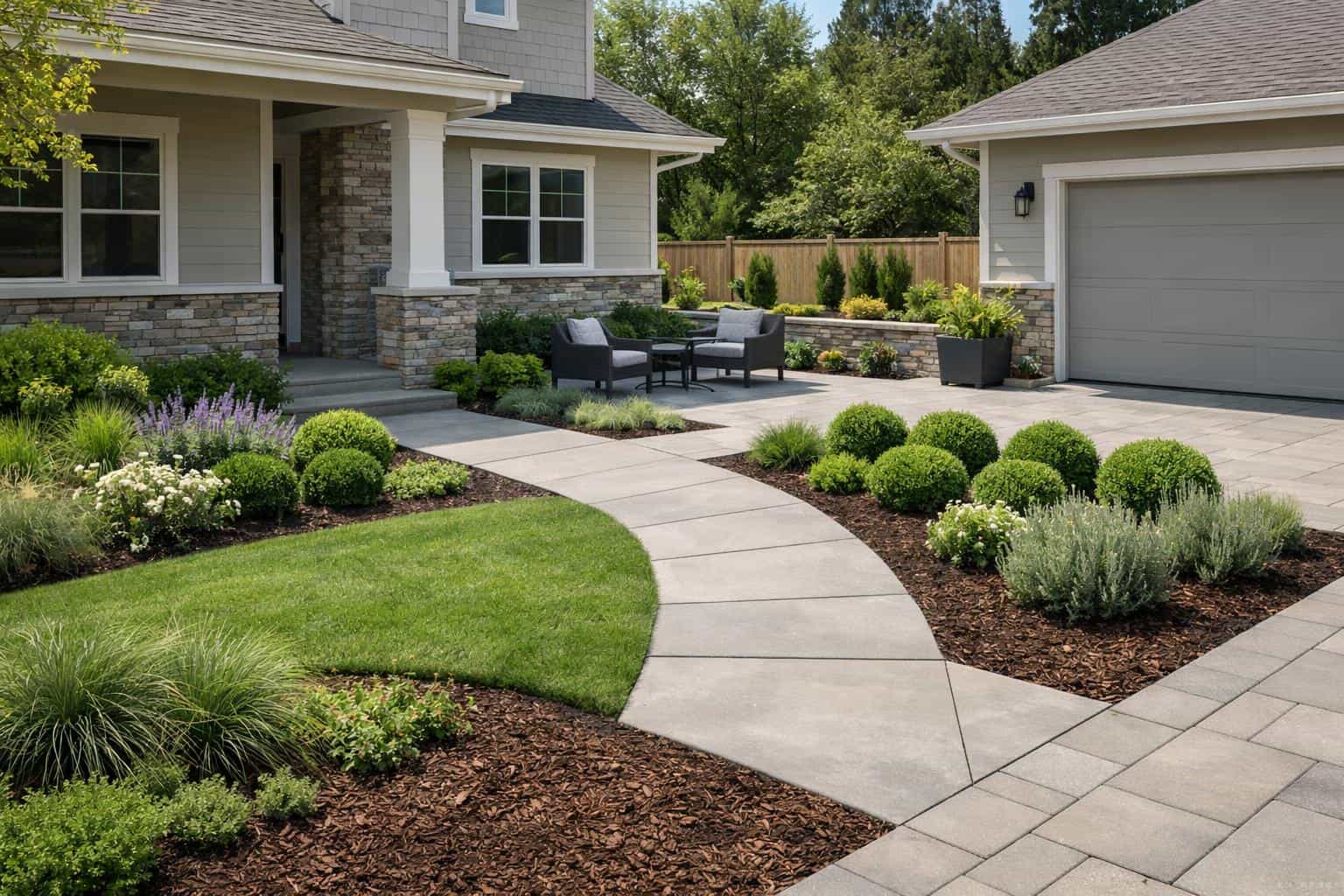
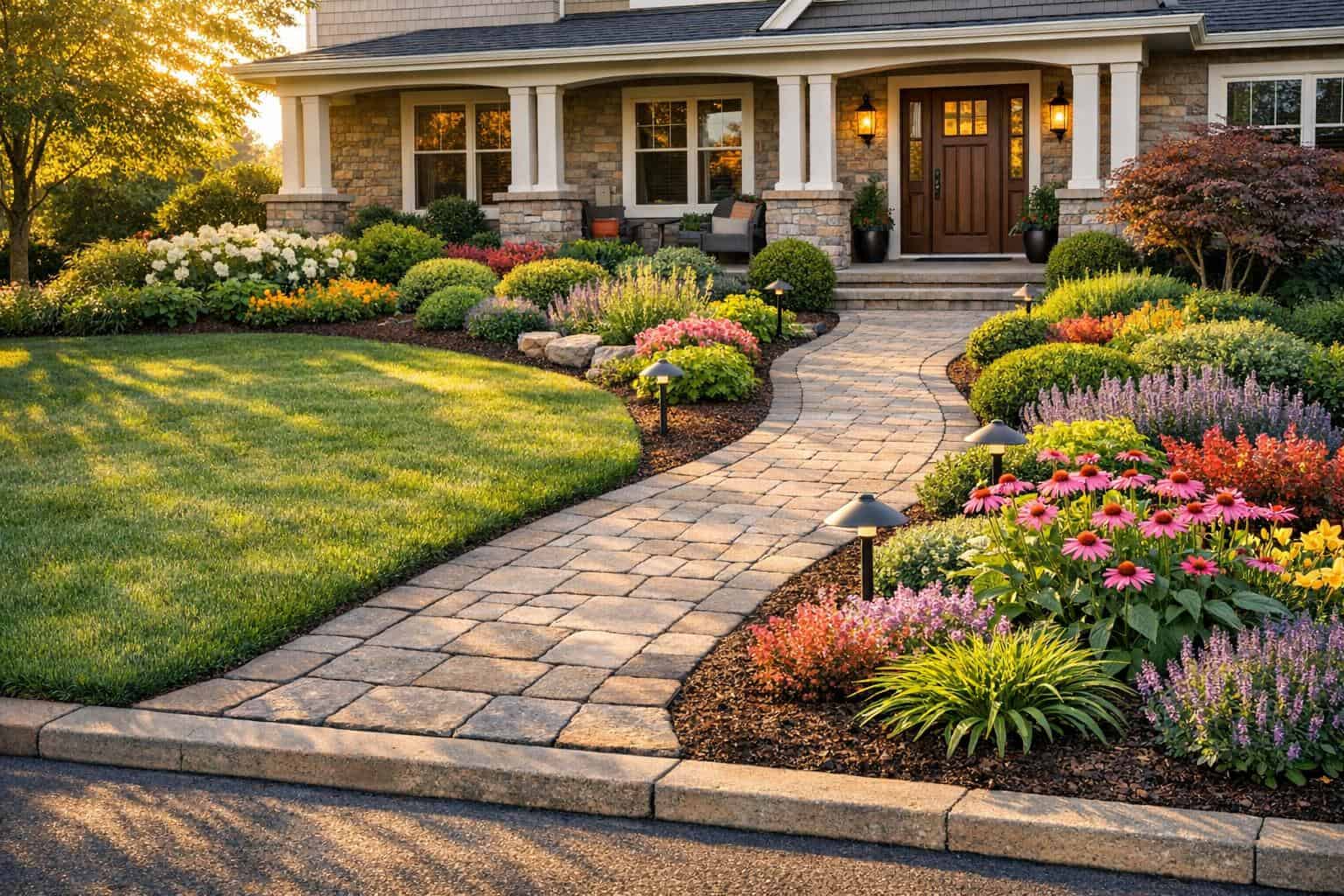
    Small Front Yard Landscaping Ideas Guide for Homeowners related example showing Front entry landscape materials relevant to choosing surfaces and finishes for a smaller yard
    This front yard example gives homeowners a visual reference for comparing layout, materials, and maintenance tradeoffs before starting the project.

    Use fewer larger moves instead of many tiny details

    Small front yards often get overloaded with little edging changes, scattered flowers, or too many accent objects. A simpler bed shape, one specimen shrub or tree, repeated ground-level plantings, and a cleaner material palette usually feels stronger.

    Keep plant size honest

    Many small yards become maintenance problems because the original plant choices outgrow the space. Check mature size, not nursery size. You want room for the plants to fill in without swallowing windows, paths, or the entry stoop.

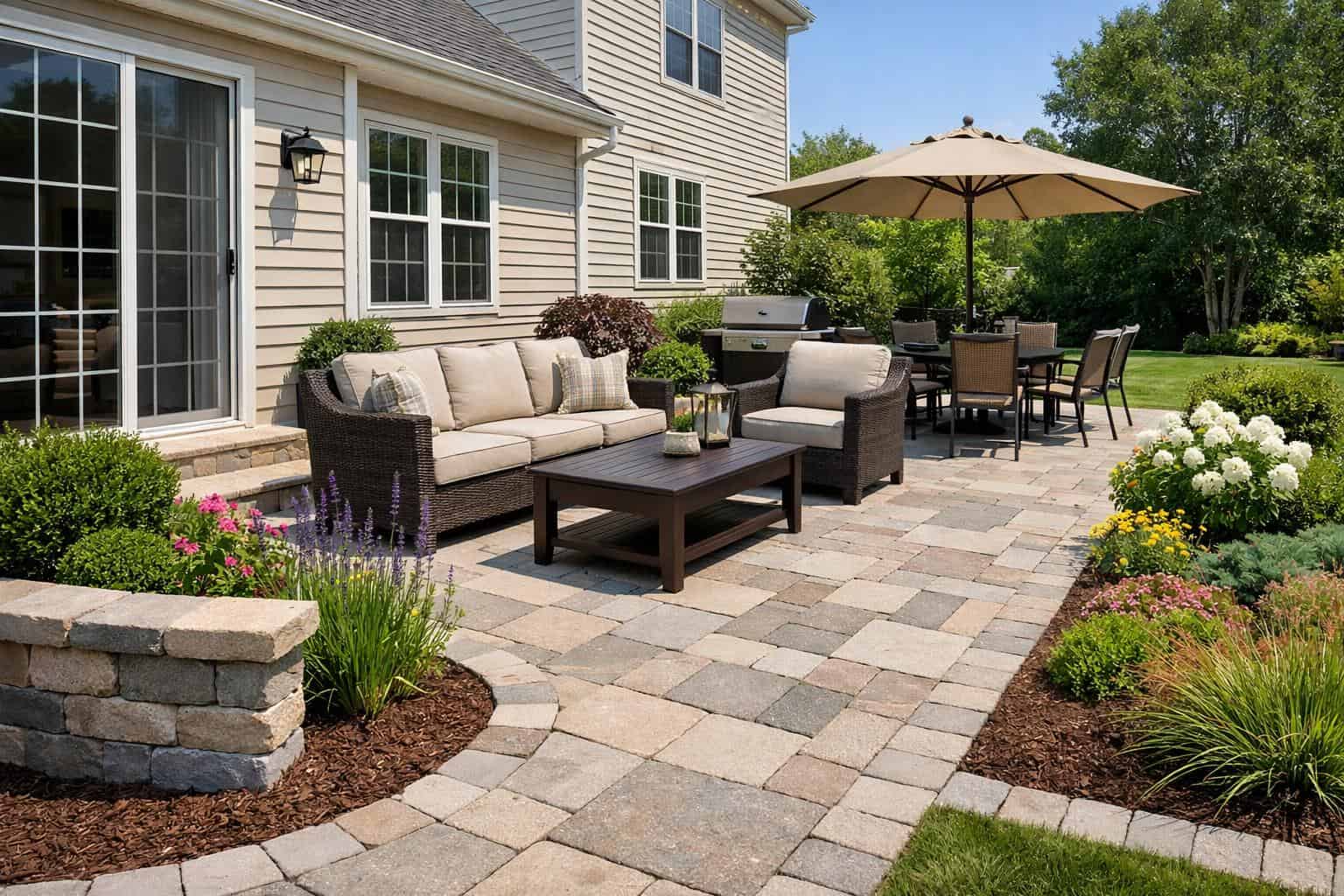
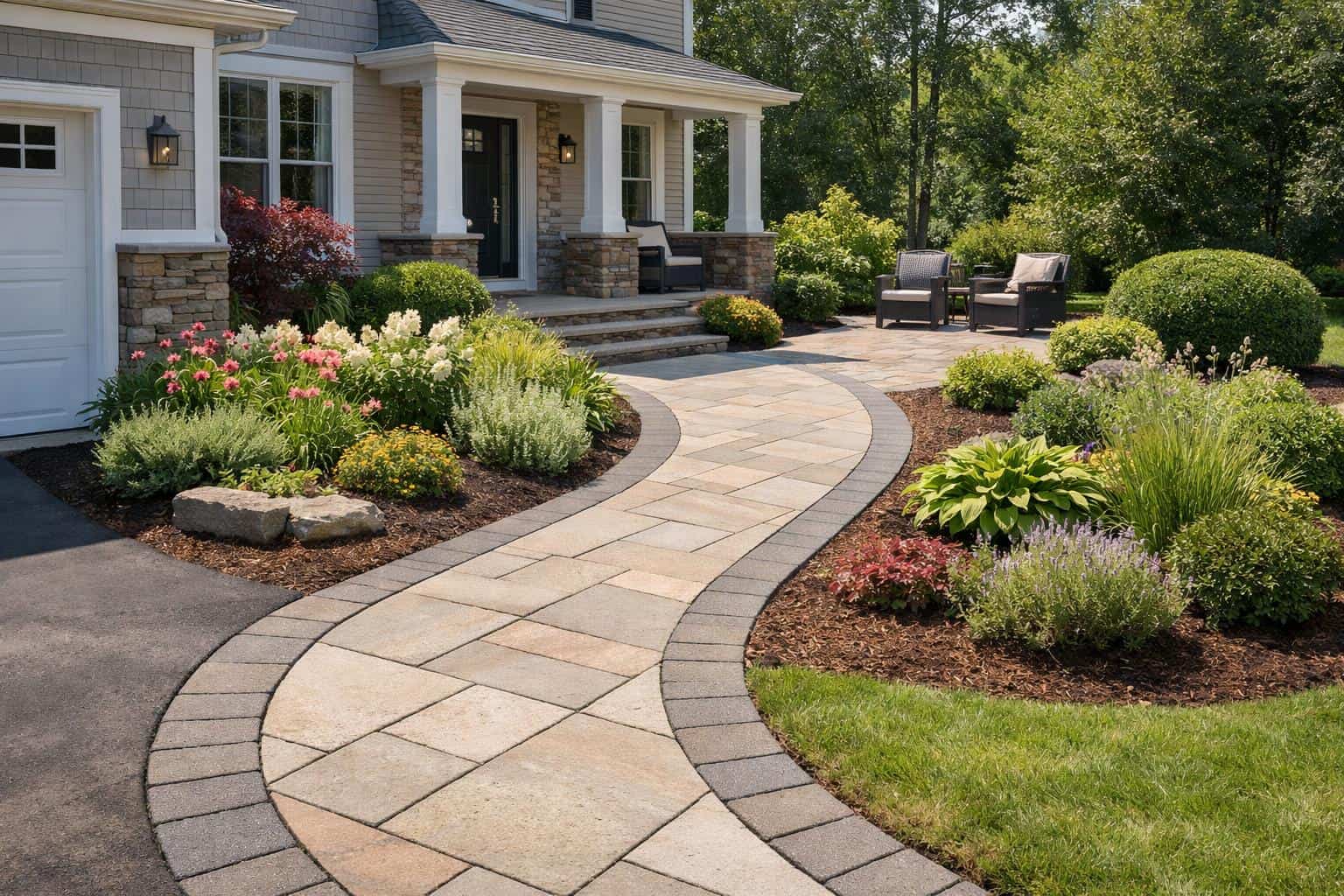
    Small Front Yard Landscaping Ideas Guide for Homeowners related example showing Small front yard hardscape and planting materials relevant to curb-appeal planning
    This related front yard detail helps show how site conditions and finish choices can change the homeowner's plan.

    Use lighting and edging to make the yard feel finished

    Because the square footage is limited, small front yards benefit from details that make the design look sharper rather than bigger. Clean edging, a defined mulch line, and a few well-placed lights can make a modest layout look much more intentional.

    What homeowners should remember

    Small front yard landscaping is usually not about fitting in more features. It is about removing confusion, simplifying the layout, and making the arrival experience feel polished the moment someone sees the house.


  • Budget Backyard Landscaping Ideas Guide for Homeowners

    Budget Backyard Landscaping Ideas Guide for Homeowners

    A better backyard does not always start with a large project. In many yards, the biggest improvement comes from choosing a few smart moves that make the space easier to use, easier to maintain, and more finished than it feels now.

    Budget-minded backyard planning usually works best when you focus on function first. Ask what the yard needs to do better: more seating, better circulation, privacy, drainage fixes, shade, or simpler upkeep. For the bigger planning view, see our Backyard Landscaping Ideas and Planning Guide for Homeowners.

    Improve one gathering zone before you redo the whole yard

    A modest patio refresh, a cleaned-up seating zone, or a better dining area often changes how the yard feels faster than scattering money across many small purchases. If you are deciding whether to invest in a patio area, the Patio Installation Guide for Homeowners can help you think through size and layout.

    Use planting to frame the yard instead of filling every edge

    Homeowners often overspend by trying to plant every bed heavily at once. A tighter budget usually works better with a few stronger plant groupings that frame the yard, soften hard edges, and make the space feel intentional. You can fill in later as the project phases out.

    Fix drainage or grading before cosmetic upgrades

    If puddling, runoff, or slope issues are part of the backyard problem, that work often needs to happen before decorative improvements. Otherwise you risk redoing planting or hardscape later. Our Drainage Solutions Guide for Homeowners is a good starting point if water is part of the conversation.

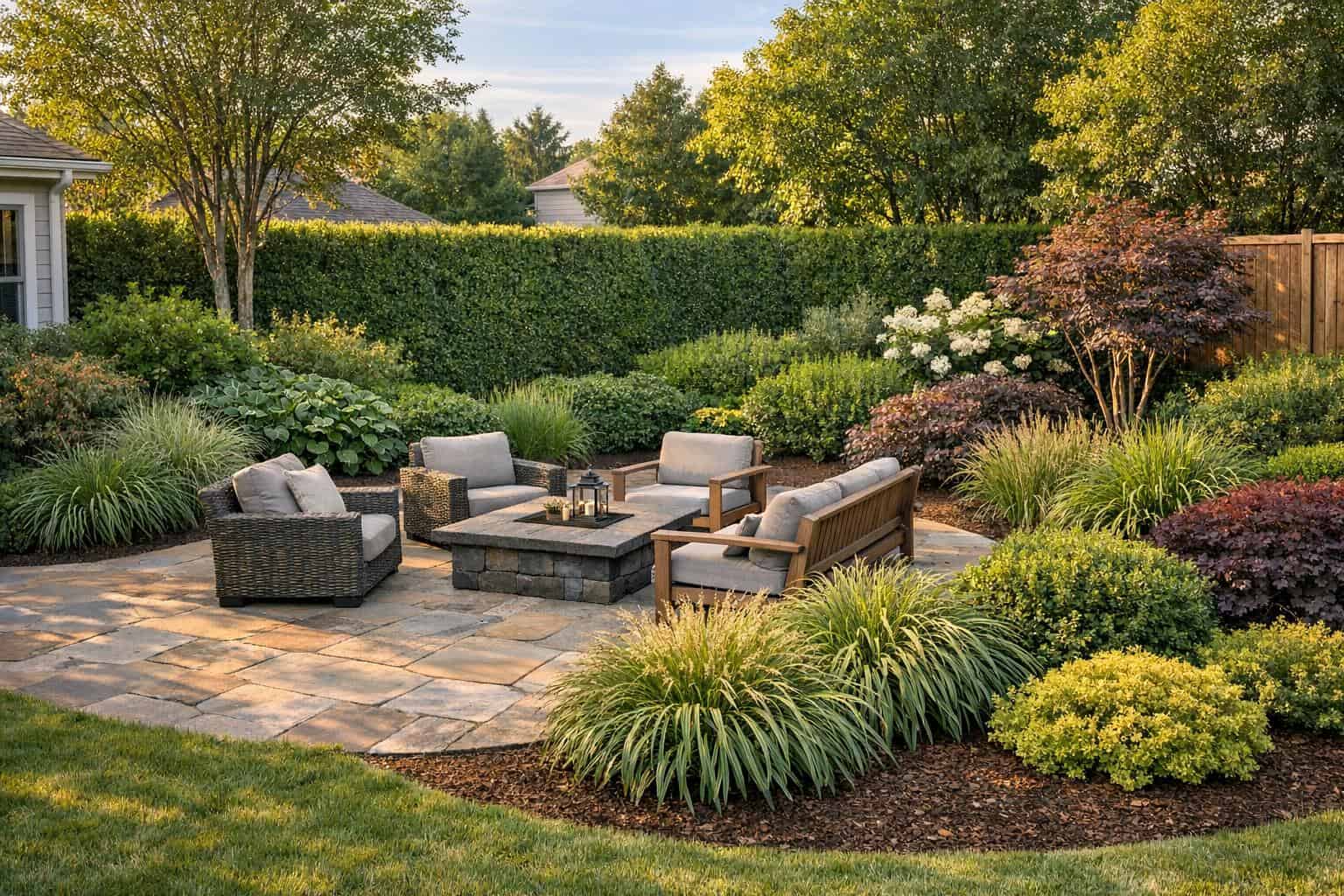
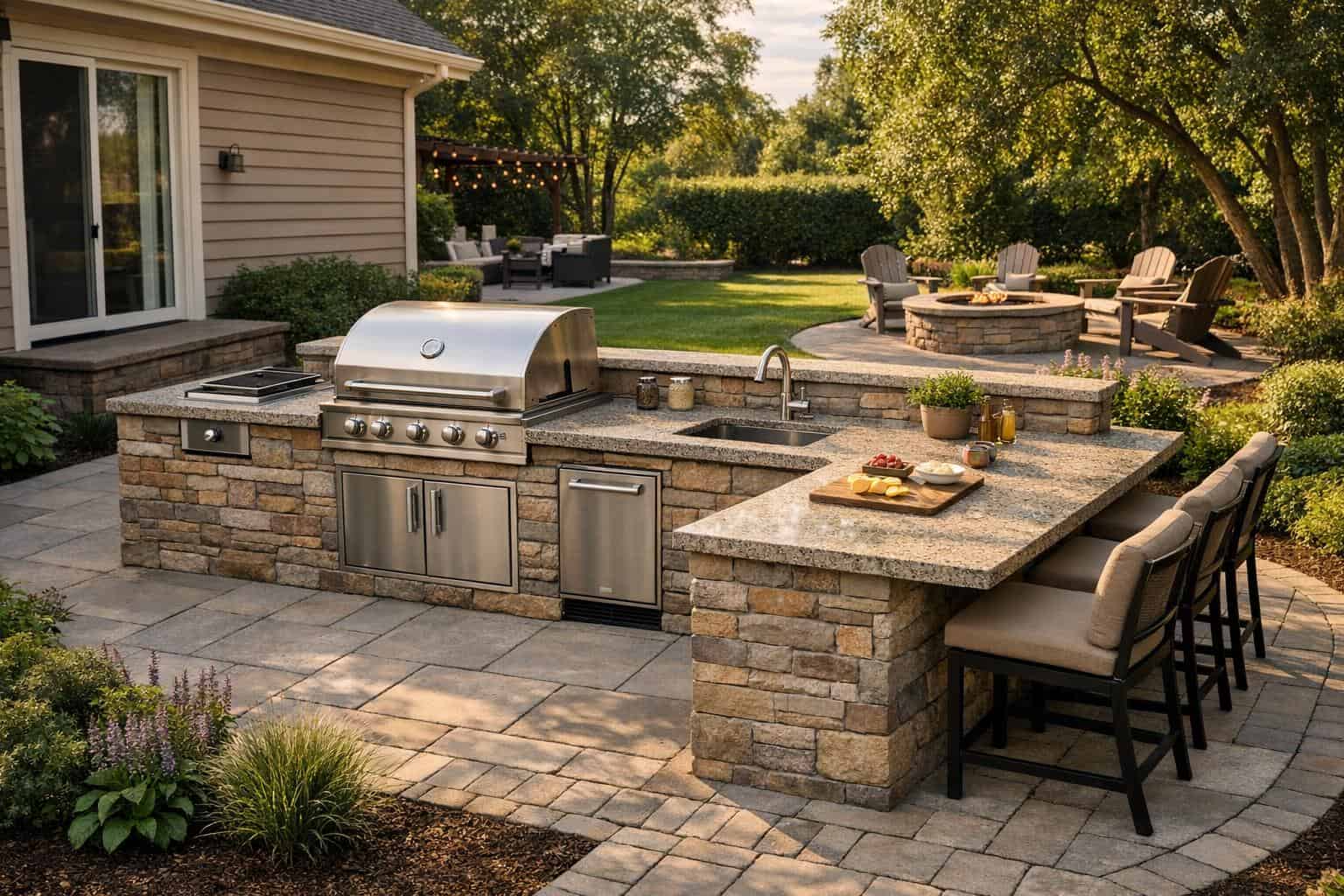
    Budget Backyard Landscaping Ideas Guide for Homeowners related example showing Small Backyard Landscaping detail relevant to warning signs, wear, and maintenance decisions
    This backyard example gives homeowners a visual reference for comparing layout, materials, and maintenance tradeoffs before starting the project.

    Build in phases on purpose

    Budget landscaping gets easier when the project is phased intentionally instead of postponed randomly. Start with what affects daily use the most, then move to privacy, lighting, and finish upgrades later. The site’s How to Phase a Landscaping Project Guide can help you decide what should happen first.

    What homeowners should remember

    Budget backyard landscaping works best when each dollar supports comfort, circulation, maintenance, or future expansion. The smartest lower-cost project is usually the one that makes the yard more usable now and easier to improve later.

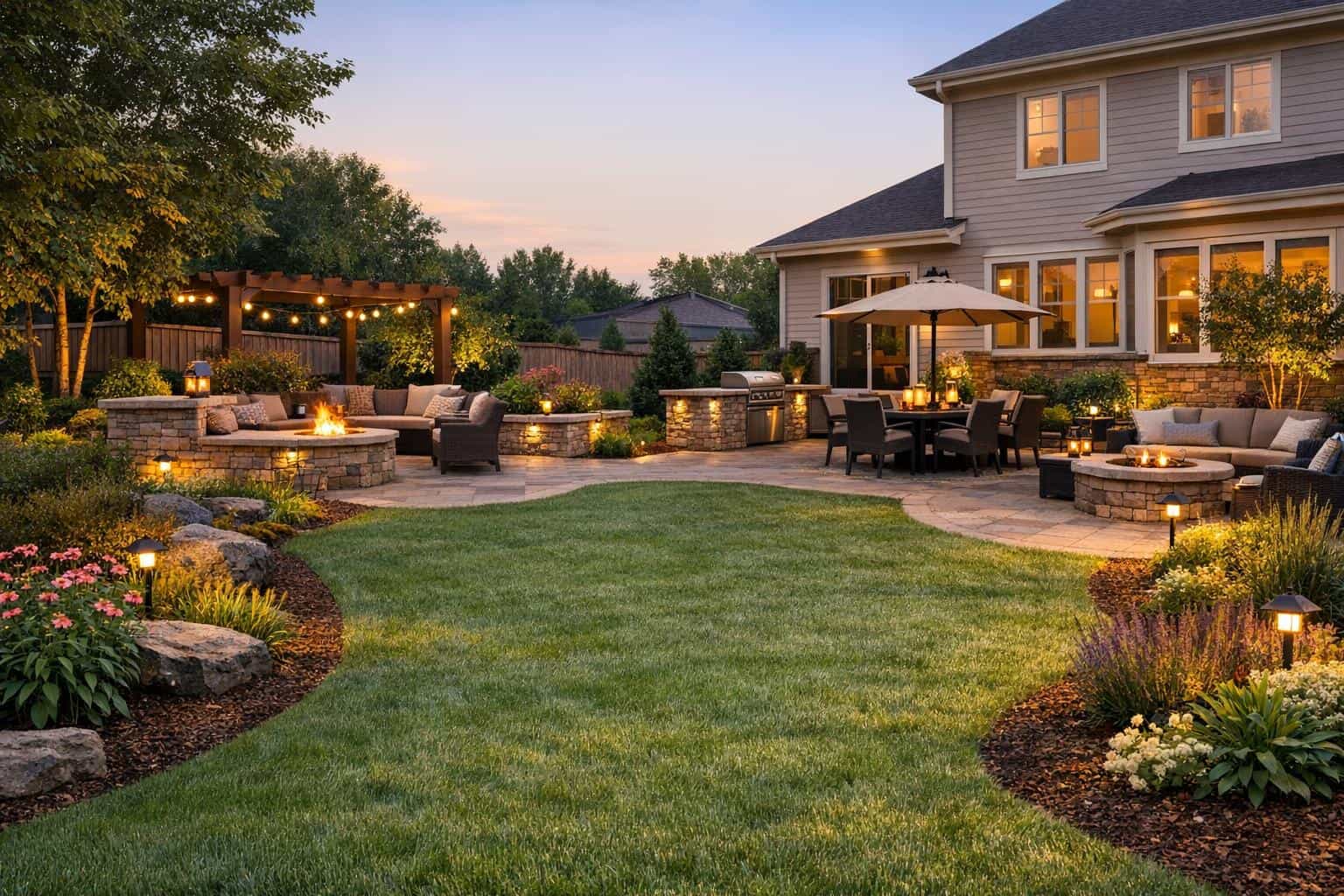
    Budget Backyard Landscaping Ideas Guide for Homeowners related example showing Small Backyard Landscaping detail relevant to planning mistakes, layout, and upkeep expectations
    This related backyard detail helps show how site conditions and finish choices can change the homeowner's plan.

  • Modern Front Yard Landscaping Ideas Guide for Homeowners

    Modern Front Yard Landscaping Ideas Guide for Homeowners

    Modern front yard landscaping usually works best when the design feels clean, intentional, and easy to maintain. That does not mean the yard has to feel cold or minimal for the sake of style. It means the layout, materials, planting, and lighting all support the same visual direction instead of competing with each other.

    For most homeowners, a modern front yard comes down to a few repeatable decisions: simplify the plant palette, sharpen the hardscape lines, make the entry sequence clear, and reduce visual clutter. If you want the broader planning context first, start with our Front Yard Landscaping Guide for Homeowners.

    Use fewer plant varieties and repeat them well

    One of the easiest ways to make a front yard feel more modern is to stop treating every bed like a separate little project. Repeating the same shrub form, ground cover, or perennial grouping creates a cleaner look than mixing many unrelated textures. That does not mean every plant has to match. It means the yard should read as one composition when someone sees it from the curb.

    Make the walkway and entry do more visual work

    Many front yards feel dated because the path to the door feels like an afterthought. A modern layout usually gives the walkway clearer edges, better proportion, and stronger connection to the house. If your walkway is part of the project, our Walkway and Pathway Installation Guide for Homeowners can help you think through width, material, and circulation before you choose finishes.

    Choose materials with a calmer color range

    Modern front yards often look more expensive because the material palette is tighter. Neutral pavers, dark mulch, restrained rock accents, steel or black fixtures, and clean edging can all help. The goal is not to eliminate contrast. The goal is to avoid a patchwork of colors and finishes that make the yard feel busy.

    Modern Front Yard Landscaping Ideas Guide for Homeowners related example showing Front entry landscape materials relevant to choosing surfaces and finishes for a smaller yard
    This front yard example gives homeowners a visual reference for comparing layout, materials, and maintenance tradeoffs before starting the project.

    Use lighting to sharpen the design at night

    Landscape lighting can make a simple front yard look more intentional after dark by highlighting path edges, entry trees, and house features. It also makes the arrival sequence safer. If lighting is part of your plan, see the Landscape Lighting Guide for Homeowners for fixture and layout basics.

    What homeowners should remember

    A modern front yard does not require a massive budget. Most of the improvement comes from simplification, repetition, and a better relationship between the house, path, plants, and materials. If you want a cleaner look, start by removing visual noise before adding more features.

    Modern Front Yard Landscaping Ideas Guide for Homeowners related example showing Small front yard hardscape and planting materials relevant to curb-appeal planning
    This related front yard detail helps show how site conditions and finish choices can change the homeowner's plan.

  • How to Choose Landscaping Projects with the Best ROI Guide

    How to Choose Landscaping Projects with the Best ROI Guide

    The best ROI projects are usually the ones that improve broad appeal, functionality, and ease of ownership rather than the ones that simply cost the most or feel the most unique.

    What strong ROI projects often share

    • They improve first impression or day-to-day yard use in obvious ways.
    • They reduce visible problems instead of just decorating around them.
    • They fit the scale, style, and maintenance expectations of the property.

    What weak ROI projects often share

    • They are highly customized without solving a meaningful problem.
    • They increase upkeep or look mismatched to the home.
    • They consume budget that would have gone farther fixing more basic weaknesses.

    How to choose better

    • Prioritize broad usefulness and visual clarity.
    • Look for projects that improve both perception and function.
    • Compare each idea against what the property most needs to feel stronger as a whole.

    Bottom line

    The best ROI choices usually make the property feel more complete, more functional, and easier to own, not just more expensive.

    For the broader overview, continue with Does Landscaping Increase Home Value Guide.


  • Landscaping ROI for Front Yard vs Backyard Guide

    Landscaping ROI for Front Yard vs Backyard Guide

    Front and backyard investments create value differently. One shapes first impressions and curb appeal, while the other often drives use and lifestyle value once someone is already interested in the property.

    Where front-yard ROI often shows up

    • Curb appeal, entry clarity, and stronger initial perception of the property.
    • Quick visual trust that the home has been cared for.
    • Better photography and drive-by appeal.

    Where backyard ROI often shows up

    • Usefulness, comfort, and the feeling that the property has livable outdoor space.
    • A stronger reason to stay outside and picture real life in the yard.
    • Higher payoff when the backyard solves a meaningful functional gap.

    How to prioritize between them

    • Fix the front if first impressions are holding the property back.
    • Invest in the backyard when it clearly adds lifestyle value and function.
    • Let the current weakness of the property decide where the next dollar goes.

    Bottom line

    The better ROI target depends on whether the property most needs stronger first impression or stronger outdoor-living function.

    For the broader overview, continue with Does Landscaping Increase Home Value Guide.


  • Landscaping That Looks Expensive but Adds Little Value Guide

    Landscaping That Looks Expensive but Adds Little Value Guide

    Some projects look premium but do little to improve how the property functions, feels, or appeals to future buyers. Those are often the landscaping spends that feel hardest to justify later.

    Where homeowners often overspend

    • Highly personalized features with narrow appeal.
    • Decorative upgrades added before drainage, layout, or usability are solved.
    • Luxury elements that overpower the scale or value of the property.

    Why these projects underperform

    • They can feel like one owner’s preference rather than a broadly useful property improvement.
    • They often increase maintenance or repair expectations without improving core function.
    • They may compete with more practical upgrades for the same budget.

    How to spot the weak-value spend

    • Ask whether the project improves function, first impression, or ease of ownership.
    • Notice whether the feature fits the home and the rest of the landscape.
    • Compare it to more practical projects the same budget could solve instead.

    Bottom line

    The landscaping that adds the least value is usually the work that looks impressive in isolation but does not improve the property’s overall experience in a meaningful way.

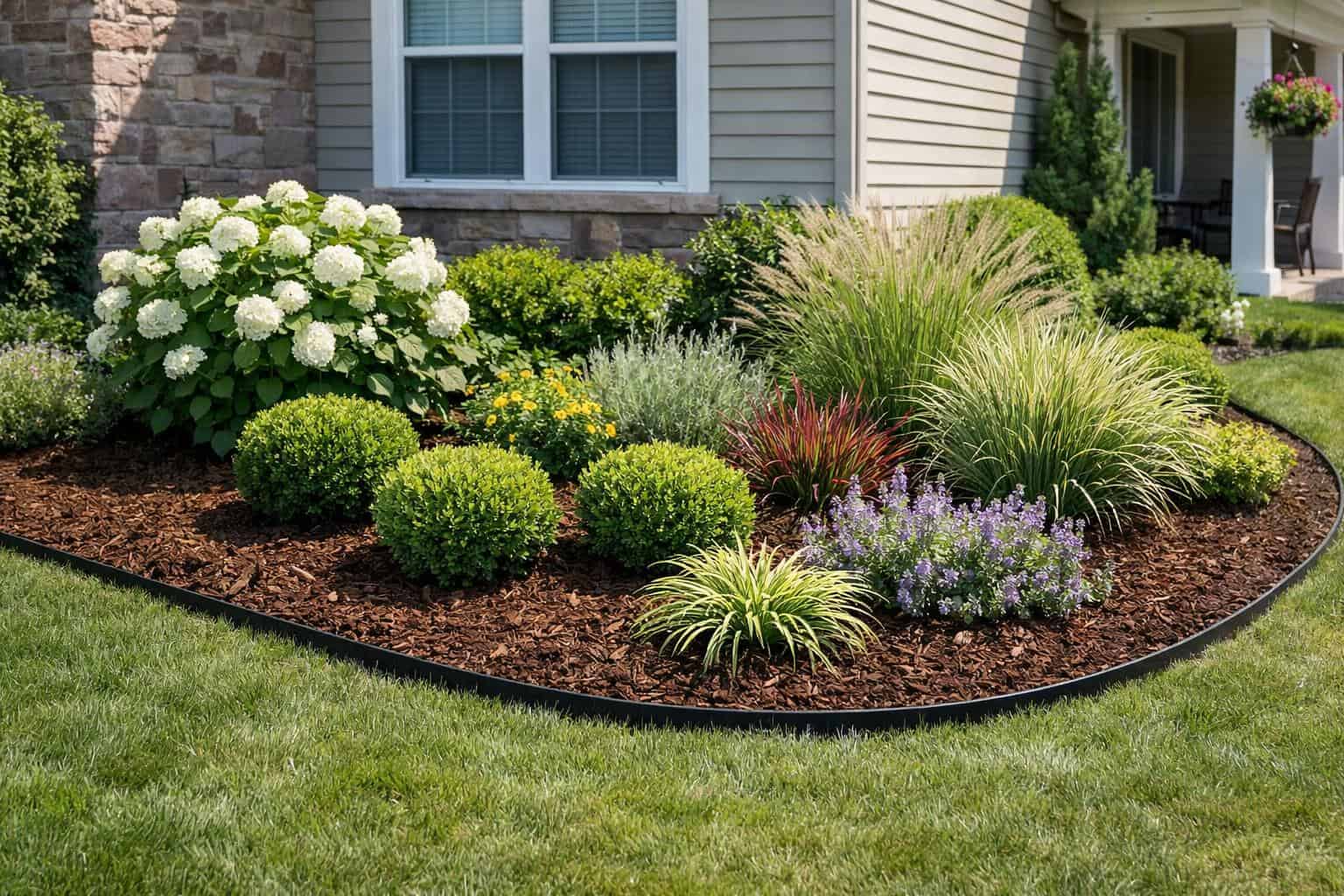
    Landscaping That Looks Expensive but Adds Little Value Guide related example showing Landscape beds and groundcover materials relevant to homeowner quantity planning for mulch, soil, and decorative rock
    This materials example gives homeowners a visual reference for comparing layout, materials, and maintenance tradeoffs before starting the project.

    For the broader overview, continue with Does Landscaping Increase Home Value Guide.

    Landscaping That Looks Expensive but Adds Little Value Guide related example showing Landscape beds and groundcover materials relevant to homeowner quantity planning for mulch, soil, and decorative rock
    This related materials detail helps show how site conditions and finish choices can change the homeowner's plan.

  • Landscaping That Adds Value Fast Guide for Homeowners

    Landscaping That Adds Value Fast Guide for Homeowners

    Some landscaping changes create visible improvement quickly because they affect first impressions, usability, and the sense that the property is well cared for without requiring a full landscape overhaul.

    What often adds visible value quickly

    • Front-yard cleanup, walkway or entry improvements, lighting, and targeted planting refreshes.
    • Fixes that reduce obvious neglect or awkward approach to the home.
    • Backyard changes that create one strong functional gathering zone.

    Why these moves tend to work

    • They improve perception without requiring buyers to imagine future work.
    • They suggest consistent ownership and lower maintenance burden.
    • They often blend appearance and function instead of relying on novelty.

    How to choose fast-value projects

    • Look for the upgrades that most improve first impression and daily use.
    • Favor high-visibility improvements over overly specialized features.
    • Choose projects that feel finished and easy to maintain.

    Bottom line

    The fastest value-adding landscaping usually comes from improvements buyers and homeowners understand immediately and appreciate without explanation.

    For the broader overview, continue with Does Landscaping Increase Home Value Guide.


  • How to Avoid Rework in a Phased Landscaping Project Guide

    How to Avoid Rework in a Phased Landscaping Project Guide

    Most costly phasing mistakes come from building later ideas on top of unfinished logic. Rework is usually a planning problem before it becomes a construction problem.

    What rework usually comes from

    • Installing finishes before grading, drainage, or circulation is truly settled.
    • Treating each phase like a separate mini-project with no master logic.
    • Letting short-term choices block long-term yard function.

    What protects against rework

    • A clear overall plan even if the budget is phased.
    • Early infrastructure decisions that support later additions.
    • Sequencing that keeps permanent work from being disturbed by the next phase.

    How to phase smarter

    • Always ask what future work the current phase might interfere with.
    • Choose durable early moves that support the long-term layout.
    • Use each phase to reduce future complexity, not add to it.

    Bottom line

    The best way to avoid rework is to phase from a complete plan instead of improvising each stage as the budget opens up.

    For the broader overview, continue with How to Phase a Landscaping Project Guide.


  • What to Delay Without Hurting the Landscape Plan Guide

    What to Delay Without Hurting the Landscape Plan Guide

    Some project elements can wait without much downside, while others become expensive mistakes if they are deferred too long. The key is knowing which is which.

    What can often wait

    • Purely decorative upgrades that do not affect structure or flow.
    • Secondary destination areas that are not essential to current use.
    • Finish details that can be layered after the main yard logic is settled.

    What usually should not wait

    • Drainage, grading, and foundational circulation decisions.
    • Infrastructure that later phases depend on.
    • Any work that would require disturbing expensive finished areas later.

    How to decide safely

    • Delay only what will not undermine the logic of the larger plan.
    • Protect phase-one work from future disruption.
    • Use the delay list to simplify the current phase, not to avoid foundational decisions.

    Bottom line

    The right things to delay are the ones that leave the larger landscape plan intact while keeping current spending focused and strategic.

    For the broader overview, continue with How to Phase a Landscaping Project Guide.