Maintenance and Ownership

Maintenance and ownership guides that explain what happens after installation, from cleaning and sealing to ongoing care and protection.

Start with the service type

Landscaping Services Guideposts

Use these guides to understand what each service includes before comparing providers or requesting quotes.

Core service explainers

Start here when you are still deciding what kind of landscaper or outdoor contractor you need.

Compare before you hire

Use these pages when two services or surface choices sound similar but lead to different scopes.

Hire smarter

Planning And Contractor Comparison

Use this hub when you are moving from ideas into estimates, bids, and contractor conversations.

Before requesting estimates

These guides help define scope and compare companies before the first site visit.

Budget with better assumptions

Cost Guides And Calculators

Use this hub to move from rough budget ranges into the details that usually change quotes.

Calculator starting points

Open the calculator hub or a cost guide when you need a quick planning range.

High-impact cost decisions

These pages help compare choices where price, lifespan, and maintenance tradeoffs matter.

Understand the build

Installation And Site-Work Pathways

Use these guides to understand sequencing, site prep, access, and the details that affect long-term performance.

Hardscape and site prep

These projects often depend on base prep, demolition, grading, drainage, and access.

Drainage and retaining work

Use these when water, grade, or slope stability is part of the project.

Choose materials with ownership in mind

Material And Finish Decision Paths

Use these guides when appearance, maintenance, replacement, and budget all affect the right material choice.

Surface and finish comparisons

Compare outdoor surfaces before committing to a driveway, patio, or lawn direction.

Landscape material planning

Use these pages when quantity, delivery, or long-term maintenance are the main concern.

Protect the investment

Maintenance And Ownership Next Steps

Use these guides to understand ongoing care, seasonal refreshes, and when maintenance points to a bigger fix.

Maintenance planning

These guides help compare recurring service, seasonal work, and refresh projects.

When upkeep becomes repair

Use these when repeated maintenance problems suggest drainage, surface, or material issues.

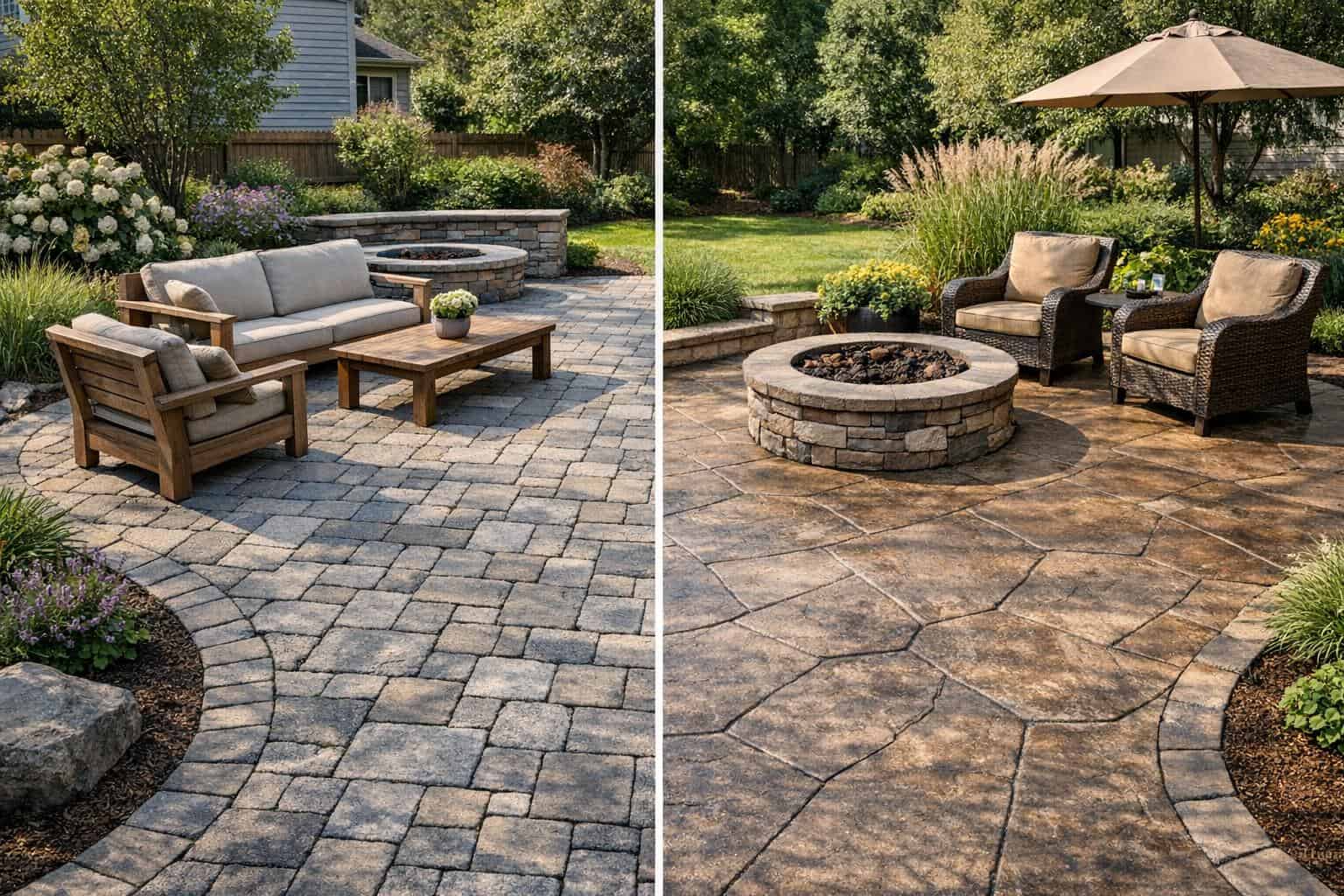
  • Paver Patio vs Stamped Concrete Maintenance Guide for Homeowners

    Paver Patio vs Stamped Concrete Maintenance Guide for Homeowners

    Maintenance is one of the most practical differences between pavers and stamped concrete because damage, wear, and appearance changes show up in different ways.

    What paver patio upkeep often includes

    • Joint sand care, weed control, edge stability, and occasional reset of shifted areas.
    • Cleaning between units and watching for local settlement.
    • Selective repair when one area wears differently from another.

    What stamped concrete upkeep often includes

    • Cleaning, sealing, and watching for cracking, flaking, or color wear.
    • Managing drainage so water does not accelerate surface problems.
    • Treating appearance issues that can be harder to disguise once they spread.

    Which system feels easier

    • Pavers can feel more forgiving because local repair is easier.
    • Stamped concrete can feel simpler until cracks or finish wear become visible.
    • The easier choice depends on climate, drainage, and how particular you are about surface appearance.

    Bottom line

    The better maintenance fit is the one whose repair pattern feels more manageable for your climate and ownership style.

    For the broader overview, continue with Paver Patio vs Stamped Concrete Patio Guide for Homeowners.
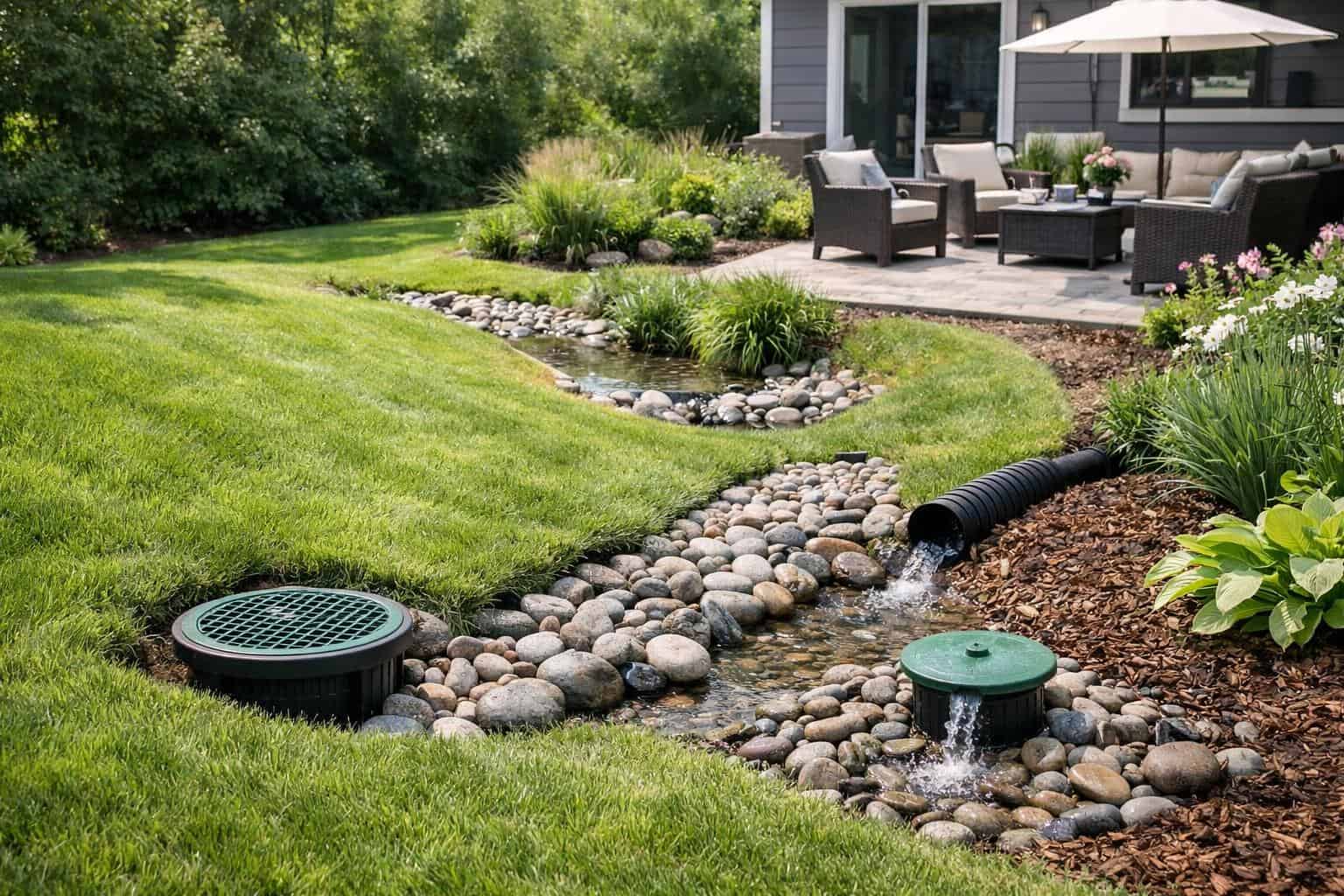
  • Drainage vs Regrading Maintenance Guide for Homeowners

    Drainage vs Regrading Maintenance Guide for Homeowners

    Drainage features and regraded surfaces age differently, so long-term upkeep matters when deciding how to solve a water problem.

    What drainage-system upkeep usually looks like

    • Keeping inlets and outlets clear.
    • Watching for clogs, crushed sections, and overflow during storms.
    • Cleaning out basins or debris traps before performance drops.

    What regraded-yard upkeep usually looks like

    • Watching for settlement, erosion, washout, and low spots returning over time.
    • Protecting the new slope with stable planting, lawn, or finish materials.
    • Checking whether irrigation is undermining the corrected grade.

    Which one feels easier to own

    • Drainage systems concentrate maintenance into key components.
    • Regraded yards may feel simpler until erosion or settlement starts to undo the improvement.
    • The easier option depends on site conditions and whether water pressure is chronic.

    Bottom line

    The best long-term choice is the one that matches how the property handles water and how much ongoing inspection you are willing to do.

    For the broader overview, continue with Drainage vs Regrading Guide for Homeowners.


  • Artificial Turf vs Natural Grass Maintenance Guide for Homeowners

    Artificial Turf vs Natural Grass Maintenance Guide for Homeowners

    Turf and natural grass can both look great, but the maintenance pattern is completely different and should shape the decision as much as the appearance does.

    What artificial turf upkeep usually involves

    • Debris cleanup, brushing, spot cleaning, and watching seams or edges.
    • Managing heat and use patterns in sunny or pet-heavy areas.
    • Occasional infill adjustment and minor repair if sections shift or wear.

    What natural grass upkeep usually involves

    • Mowing, watering, seasonal feeding, weed control, and repair of worn spots.
    • Adjustment for weather, irrigation performance, and soil condition.
    • More visible weekly upkeep during the growing season.

    Which one feels easier

    • Artificial turf often reduces routine lawn chores but still needs active cleanup.
    • Natural grass demands more recurring work but can feel cooler and more forgiving in some climates.
    • The easier option depends on whether you want less mowing or fewer synthetic-surface concerns.

    Bottom line

    The best maintenance choice is the one that fits your climate, use pattern, and tolerance for either lawn chores or synthetic-surface management.

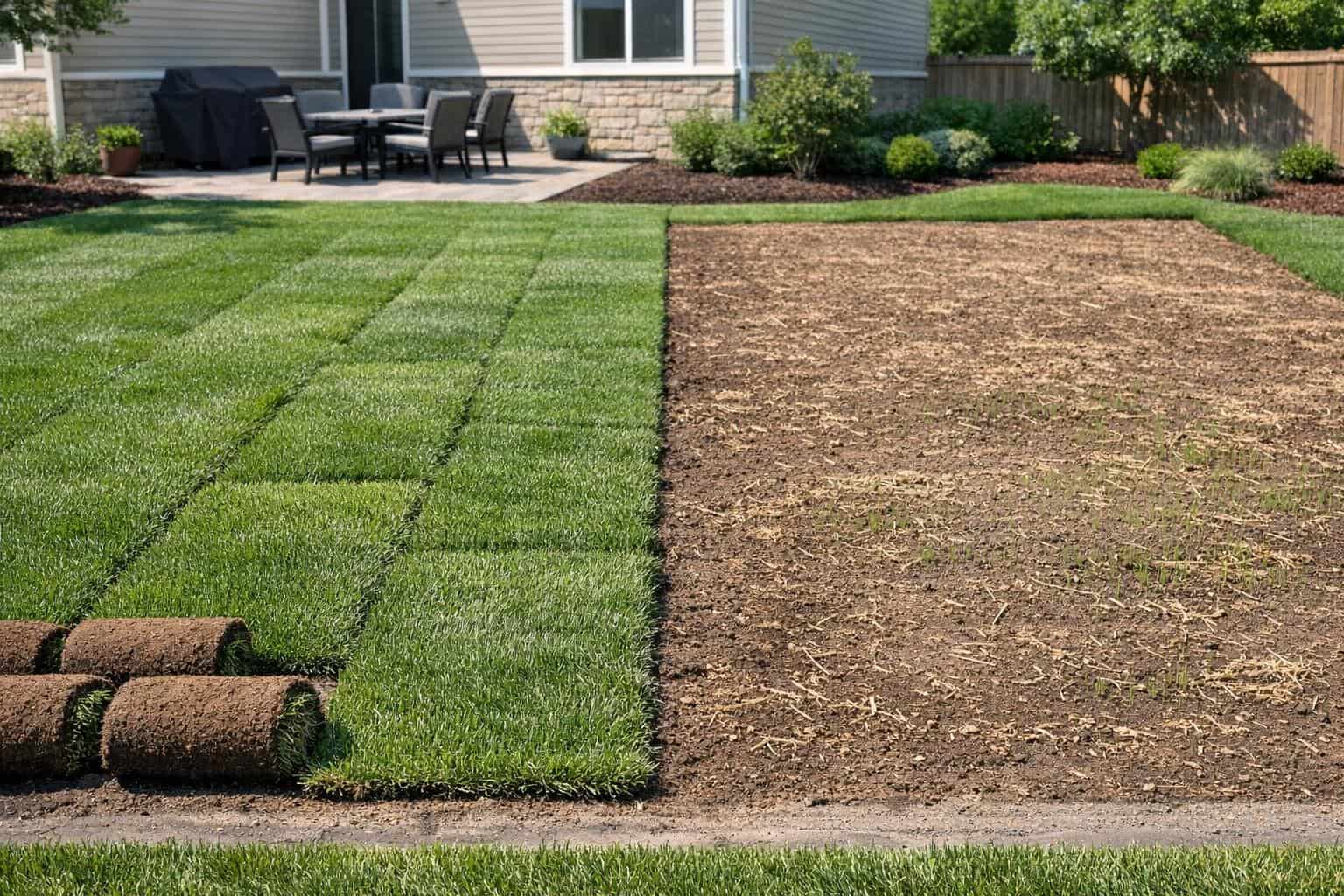
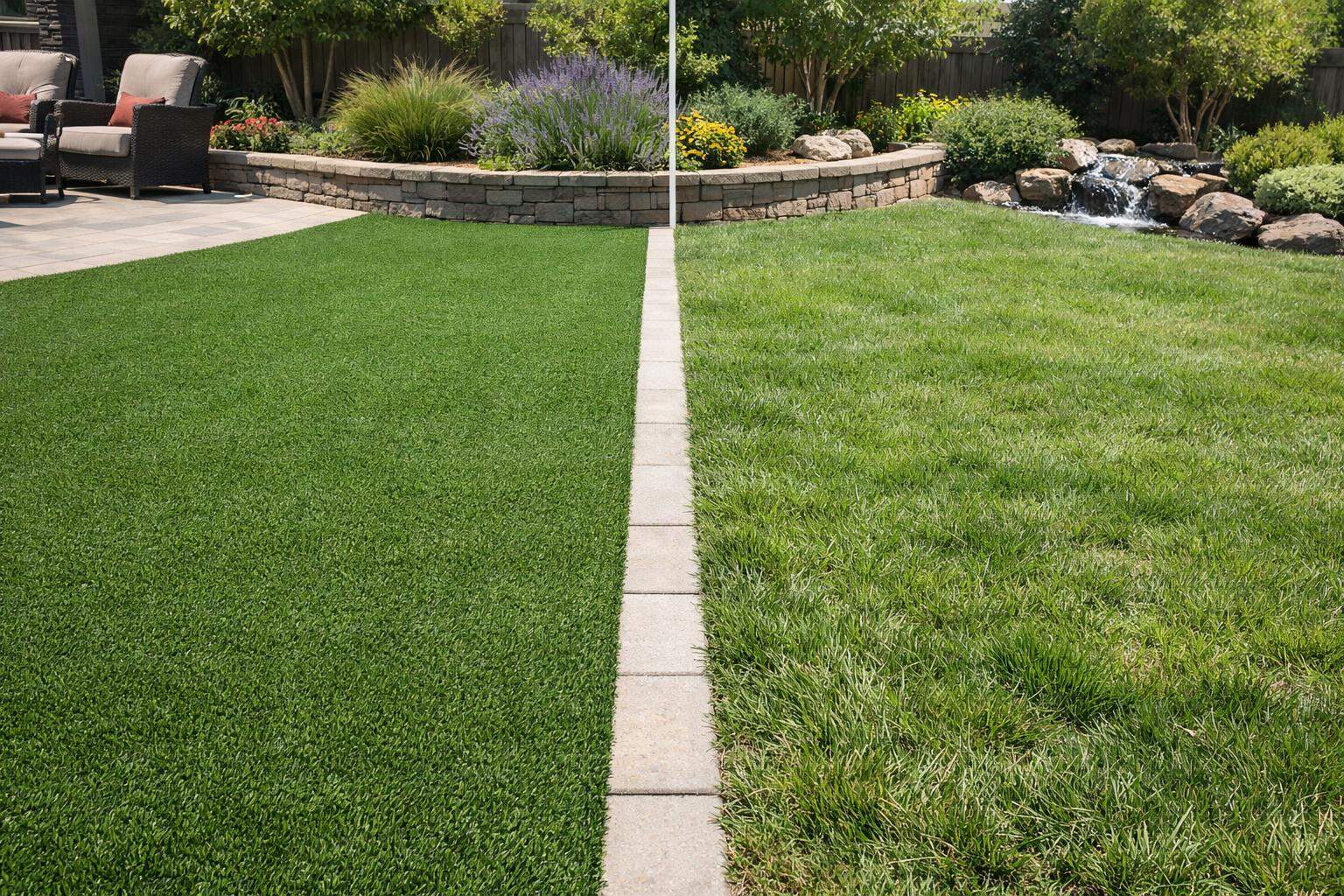
    Artificial Turf vs Natural Grass Maintenance Guide for Homeowners related example showing Lawn detail relevant to watering, mowing, and maintenance
    This lawn example gives homeowners a visual reference for comparing layout, materials, and maintenance tradeoffs before starting the project.

    For the broader overview, continue with Artificial Turf vs Natural Grass Guide for Homeowners.

    Artificial Turf vs Natural Grass Maintenance Guide for Homeowners related example showing Lawn detail relevant to thinning, irrigation stress, and warning signs
    This related lawn detail helps show how site conditions and finish choices can change the homeowner's plan.

  • Retaining Wall Block vs Concrete Maintenance Guide for Homeowners

    Retaining Wall Block vs Concrete Maintenance Guide for Homeowners

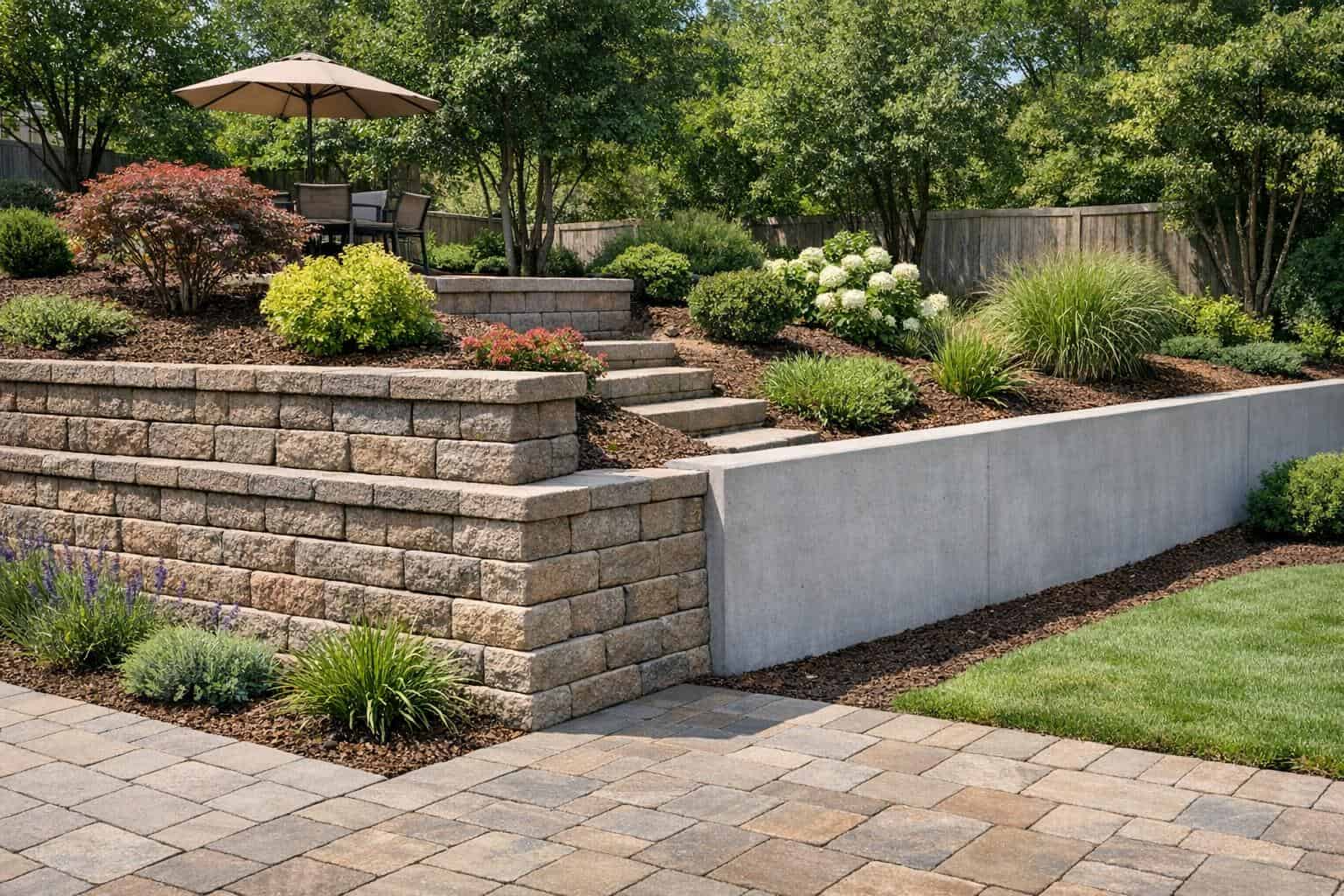
    Maintenance matters because retaining walls are not just decorative. They hold soil, manage water pressure, and need to stay structurally trustworthy over time.

    What block-wall maintenance often involves

    • Watching for movement, bulging, or separation between units.
    • Checking caps, joints, and surrounding drainage conditions.
    • Handling isolated repairs where movement is local rather than system-wide.

    What poured-concrete maintenance often involves

    • Watching for cracking, spalling, drainage problems, and structural movement.
    • Monitoring whether visible damage is cosmetic or tied to pressure and settlement.
    • Addressing finish wear if appearance matters.

    What owners should pay attention to regardless of type

    • Water movement behind and around the wall.
    • Changes in slope, settlement, or pressure from above.
    • Whether early signs of distress are isolated or spreading.

    Bottom line

    The lower-maintenance wall is the one that suits the site’s drainage and structural demands, not just the one that looks tougher at first glance.

    For the broader overview, continue with Retaining Wall Block vs Poured Concrete Guide for Homeowners.


  • Gas vs Wood Fire Pit Maintenance Guide for Homeowners

    Gas vs Wood Fire Pit Maintenance Guide for Homeowners

    Gas and wood fire pits deliver different ownership experiences once the novelty wears off. Maintenance is one of the biggest lifestyle separators between them.

    What gas fire pit upkeep usually looks like

    • Keeping burners, ignition components, and media clean and functioning.
    • Inspecting connections and controls periodically.
    • Protecting the feature from weather and buildup.

    What wood fire pit upkeep usually looks like

    • Ash removal, soot management, and more regular cleanup around the feature.
    • Watching for heat wear in the burn area and nearby seating zone.
    • Handling wood storage and sparks with more care.

    Which one feels easier

    • Gas usually wins on convenience and cleanup.
    • Wood often wins on simplicity of fuel source and traditional fire experience for people who enjoy the ritual.
    • The easier choice depends on whether convenience or atmosphere matters more to you.

    Bottom line

    The maintenance difference is often what turns a preference into a final decision.

    For the broader overview, continue with Fire Pit Gas vs Wood Guide for Homeowners.


  • Sod vs Seed Maintenance Guide for Homeowners

    Sod vs Seed Maintenance Guide for Homeowners

    Both sod and seed need careful early maintenance, but the pattern of attention feels different depending on how quickly the lawn covers and stabilizes.

    What sod usually needs

    • Consistent early watering so the new turf roots into the soil below.
    • Traffic control while seams knit and roots establish.
    • Close watching for dry edges, lifting, or uneven irrigation.

    What seed usually needs

    • More frequent watering during germination and early growth.
    • Extra patience with patchiness, weeds, and slower fill-in.
    • Possible overseeding or correction in thin or washed areas.

    What homeowners should consider

    • Whether you can commit to the watering and attention window.
    • How much disruption the yard can tolerate while the lawn establishes.
    • Whether instant appearance or slower establishment is easier for your household.

    Bottom line

    The easier option is often the one whose establishment demands best fit your schedule and patience level.

    For the broader overview, continue with Sod vs Seed Guide for Homeowners.


  • Mulch vs Rock Maintenance Guide for Homeowners

    Mulch vs Rock Maintenance Guide for Homeowners

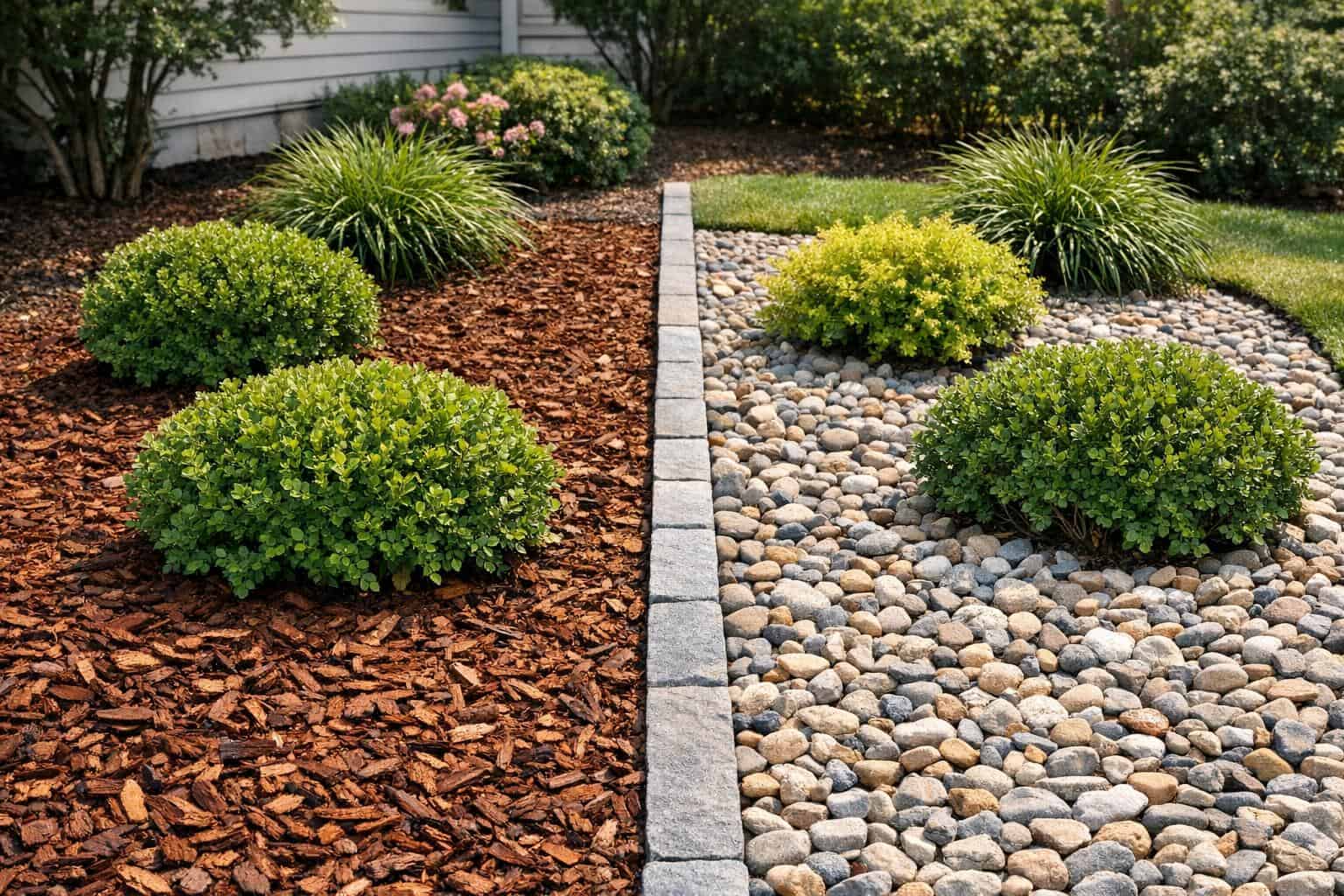
    Mulch and rock ask for very different upkeep. Homeowners should choose based on the kind of maintenance they want, not just which material seems more permanent.

    What mulch maintenance looks like

    • Refreshing depth as the material breaks down.
    • Cleaning blown material off paths and keeping edges neat.
    • Watching for weed pressure and moisture balance in planting beds.

    What rock maintenance looks like

    • Managing weed growth in gaps and keeping rock from migrating out of place.
    • Cleaning leaves, debris, and soil buildup from the surface.
    • Watching for heat stress, glare, and instability on slopes or edges.

    Which one feels easier

    • Mulch can feel simpler if you are comfortable with periodic replenishment.
    • Rock can feel more permanent but often creates more visible cleanup demands.
    • Planting density, wind, slope, and tree litter heavily affect the answer.

    Bottom line

    The easier-care material is the one whose upkeep pattern actually suits the bed conditions and the way you use the yard.

    For the broader overview, continue with Mulch vs Rock Landscaping Guide for Homeowners.


  • Patio vs Deck Maintenance Guide for Homeowners

    Patio vs Deck Maintenance Guide for Homeowners

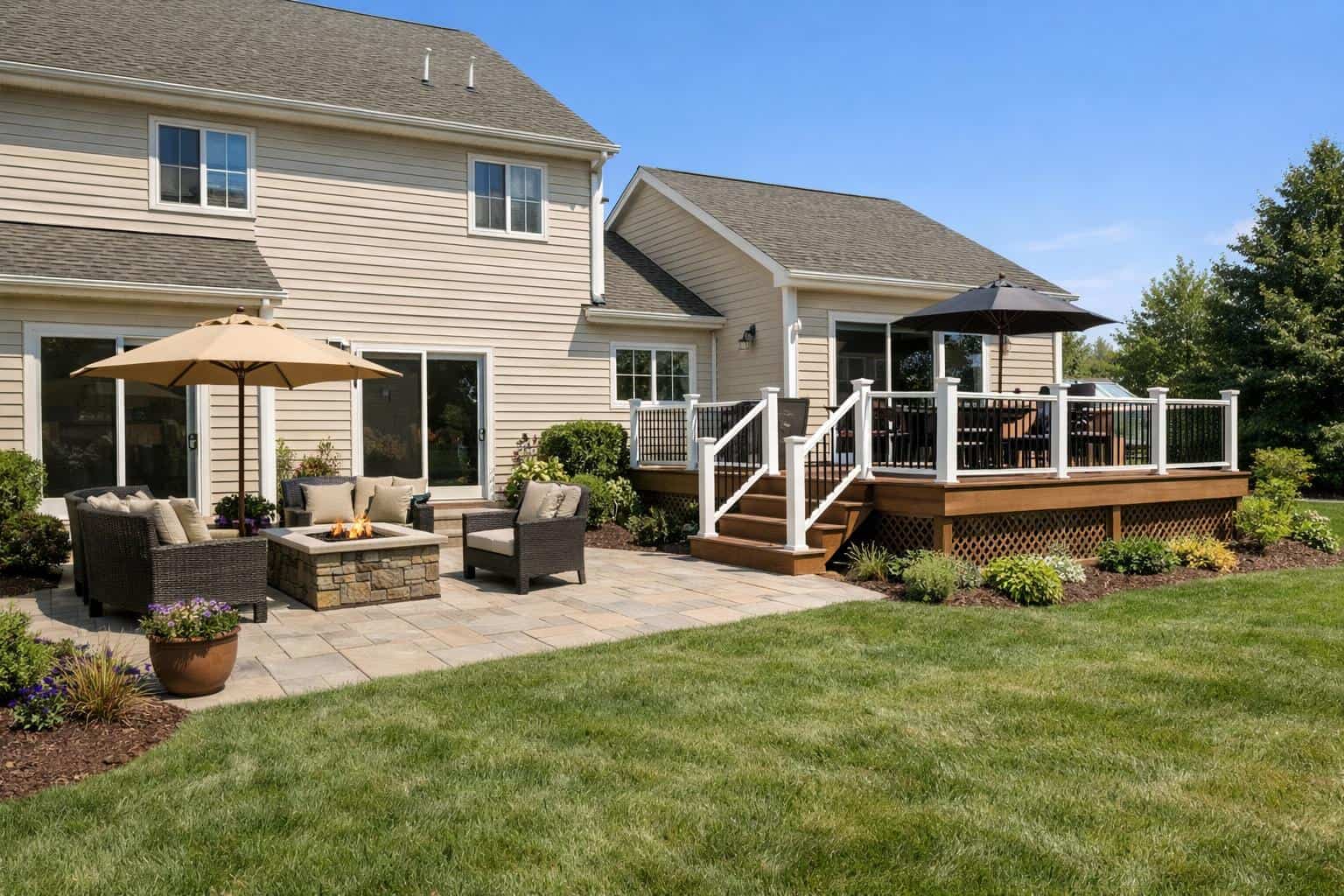
    A patio and a deck can deliver similar outdoor living function, but the upkeep experience is very different once the project is built.

    What patio maintenance usually involves

    • Sweeping, joint care, occasional sealing depending on material, and watching for settling or drainage issues.
    • Cleaning stains, moss, or weed intrusion in joints where relevant.
    • Checking edges and nearby grades so runoff does not shorten the surface life.

    What deck maintenance usually involves

    • Inspecting boards, fasteners, railings, stairs, and structural elements.
    • Cleaning, staining, or sealing for wood systems.
    • Monitoring movement, rot risk, and finish wear over time.

    Which one feels easier

    • Patios often feel lower maintenance in many climates, but drainage and joint stability still matter.
    • Decks can require more frequent visible upkeep, especially with natural wood.
    • The right answer depends on material choice, shade, moisture, and how exposed the space is.

    Bottom line

    The lower-maintenance option is usually the one whose upkeep pattern best matches your climate and how much hands-on care you are comfortable with.

    For the broader overview, continue with Patio vs Deck Guide for Homeowners.


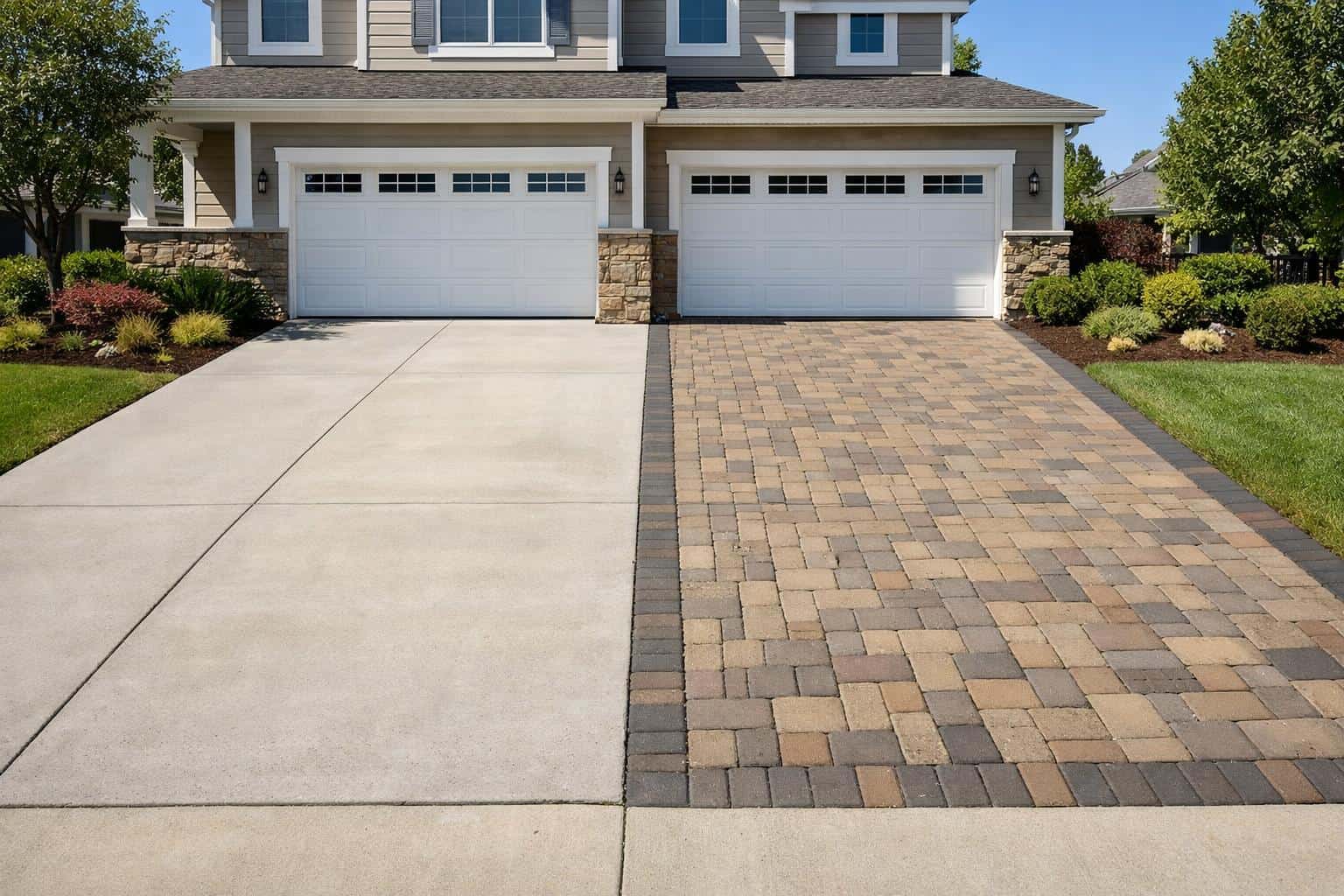
  • Concrete Driveway vs Pavers Maintenance Guide for Homeowners

    Concrete Driveway vs Pavers Maintenance Guide for Homeowners

    Maintenance is one of the clearest differences between concrete and paver driveways. Both can last well, but they ask for attention in different ways.

    What concrete owners usually deal with

    • Watching for crack growth, edge wear, and drainage-related damage.
    • Cleaning and sealing if appearance protection matters.
    • Monitoring settlement or surface breakdown in traffic-heavy areas.

    What paver owners usually deal with

    • Joint sand loss, weeds, edge movement, and localized settling.
    • Occasional resetting or re-leveling in spots that shift.
    • Cleaning between units and protecting against staining where needed.

    Which one feels easier day to day

    The answer depends on whether you prefer a more monolithic surface or a system made of repairable units.

    Concrete Driveway vs Pavers Maintenance Guide for Homeowners related example showing Concrete, paver, and stone outdoor surfaces showing common patio and walkway material choices for homeowners
    This patio example gives homeowners a visual reference for comparing layout, materials, and maintenance tradeoffs before starting the project.
    • Concrete can feel simpler until cracking or surface wear becomes more visible.
    • Pavers can be more forgiving for spot repairs but ask for more attention to joints and alignment.
    • Climate, tree roots, and drainage have a big say in which upkeep pattern is easier.

    Bottom line

    Neither option is zero-maintenance, but the kind of maintenance is very different and should match how hands-on you want to be.

    Concrete Driveway vs Pavers Maintenance Guide for Homeowners related example showing Backyard patio comparison showing paver surface and stamped concrete surface
    This related patio detail helps show how site conditions and finish choices can change the homeowner's plan.

    For the broader overview, continue with Concrete vs Paver Driveway Guide for Homeowners.


  • Signs Your Concrete Driveway Needs Attention Guide

    Signs Your Concrete Driveway Needs Attention Guide

    Not every driveway crack is a crisis, but recurring damage, settlement, spalling, drainage issues, or widening joints are signs the surface deserves a closer look.

    Common signs something is off

    When concrete driveway stops working well, the warning signs usually show up before total failure. Paying attention early gives you more options and usually lowers repair cost.

    Signs Your Concrete Driveway Needs Attention Guide related example showing Concrete, paver, and stone outdoor surfaces showing common patio and walkway material choices for homeowners
    This patio example gives homeowners a visual reference for comparing layout, materials, and maintenance tradeoffs before starting the project.
    • Cracks are widening, multiplying, or showing vertical displacement
    • Water is pooling on the slab or draining back toward the garage or walkway
    • Edges are chipping or flaking where tires cross or water sits
    • Sections look sunken, lifted, or no longer meet adjacent surfaces cleanly
    • The driveway surface is breaking down instead of aging evenly

    What to check first

    Compare new changes to the driveway’s earlier condition. Movement, moisture, and surface breakdown patterns are more important than one isolated hairline mark.

    • Look after heavy rain to see whether drainage is contributing to damage
    • Check joints and edges where movement often shows up first
    • Notice whether cracking is cosmetic or tied to settlement and height change

    When to call a pro

    If you are seeing repeated problems, safety issues, drainage changes, cracking, movement, dead materials, or loss of function, it is worth getting a professional opinion instead of guessing.

    Signs Your Concrete Driveway Needs Attention Guide related example showing Patio detail relevant to settling, drainage, and warning signs
    This related patio detail helps show how site conditions and finish choices can change the homeowner's plan.
    • Noticeable settlement, heaving, or displacement
    • Drainage problems directing water under or against the slab
    • Surface deterioration spreading quickly across traffic areas

    Bottom line

    The earlier you respond to trouble signs in concrete driveway, the better your odds of fixing the problem with a smaller scope and lower cost.

    For the full service background, go back to the main Concrete Driveway Installation Process Explained Step-by-Step.