Landscaping Guru

  • Irrigation Zone Planning for Mixed Planting Guide

    Irrigation Zone Planning for Mixed Planting Guide

    Irrigation Zone Planning for Mixed Planting helps homeowners make a more specific landscaping decision before requesting estimates or buying materials. The best choice usually depends on plant water needs, sun exposure, and soil differences, not just how the project looks in an inspiration photo.

    Why this decision matters

    This detail can affect cost, maintenance, comfort, and how well the finished yard works after installation. Thinking through it early helps avoid rework and keeps the project aligned with how the space will actually be used.

    What to compare before choosing

    Compare the site conditions, available space, material behavior, and long-term upkeep. A choice that looks simple on day one can become expensive if it creates drainage, access, pruning, cleaning, or replacement problems later.

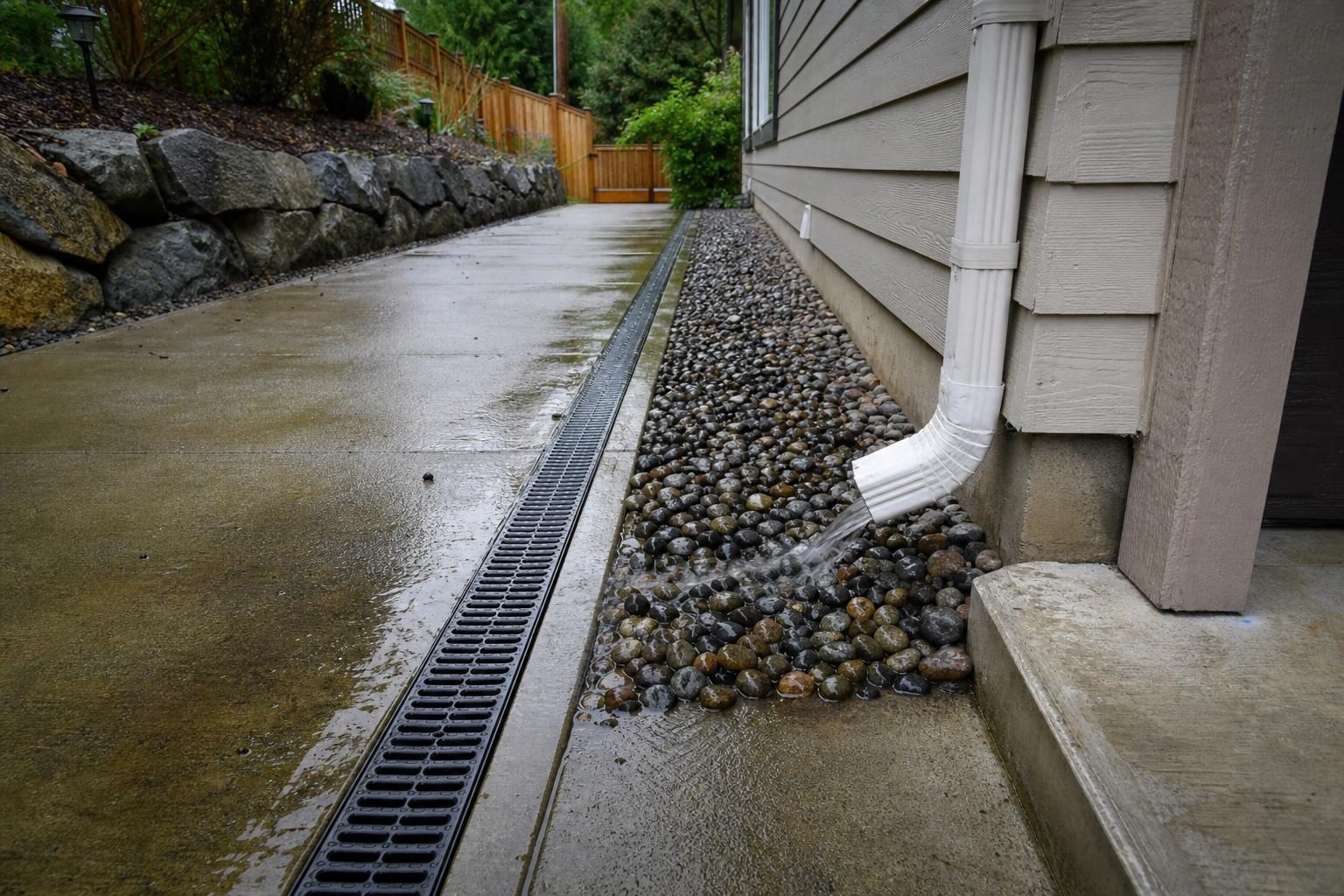
    Irrigation Zone Planning for Mixed Planting Guide related example showing Irrigation detail relevant to planning mistakes, zoning, and controller decisions
    This irrigation example gives homeowners a visual reference for comparing layout, materials, and maintenance tradeoffs before starting the project.

    Questions to ask a landscaper

    • What would you recommend for this exact location, and why?
    • What maintenance should I expect after the work is complete?
    • Are there cheaper options that would still perform well?
    • What problems do you see homeowners run into with this choice?

    How this fits into the bigger project

    Use this guide alongside the How to Choose the Right Irrigation Layout Guide so the detail supports the broader layout, budget, and maintenance plan.

    Irrigation Zone Planning for Mixed Planting Guide related example showing Irrigation detail relevant to controller checks, head alignment, and maintenance
    This related irrigation detail helps show how site conditions and finish choices can change the homeowner's plan.

    What homeowners should remember

    The best irrigation zones for mixed planting choice is the one that supports avoid watering every plant as if it needs the same schedule while staying realistic about cost, care, and the conditions already present in the yard.


  • Drip Irrigation for Shrub Beds Guide

    Drip Irrigation for Shrub Beds Guide

    Drip Irrigation for Shrub Beds helps homeowners make a more specific landscaping decision before requesting estimates or buying materials. The best choice usually depends on watering depth, emitter spacing, and plant establishment, not just how the project looks in an inspiration photo.

    Why this decision matters

    This detail can affect cost, maintenance, comfort, and how well the finished yard works after installation. Thinking through it early helps avoid rework and keeps the project aligned with how the space will actually be used.

    What to compare before choosing

    Compare the site conditions, available space, material behavior, and long-term upkeep. A choice that looks simple on day one can become expensive if it creates drainage, access, pruning, cleaning, or replacement problems later.

    Drip Irrigation for Shrub Beds Guide related example showing Irrigation detail relevant to planning mistakes, zoning, and controller decisions
    This irrigation example gives homeowners a visual reference for comparing layout, materials, and maintenance tradeoffs before starting the project.

    Questions to ask a landscaper

    • What would you recommend for this exact location, and why?
    • What maintenance should I expect after the work is complete?
    • Are there cheaper options that would still perform well?
    • What problems do you see homeowners run into with this choice?

    How this fits into the bigger project

    Use this guide alongside the How to Choose the Right Irrigation Layout Guide so the detail supports the broader layout, budget, and maintenance plan.

    Drip Irrigation for Shrub Beds Guide related example showing Irrigation detail relevant to controller checks, head alignment, and maintenance
    This related irrigation detail helps show how site conditions and finish choices can change the homeowner's plan.

    What homeowners should remember

    The best drip irrigation for shrub beds choice is the one that supports water shrubs efficiently without overspray or runoff while staying realistic about cost, care, and the conditions already present in the yard.


  • Walkway Step Riser Comfort Guide

    Walkway Step Riser Comfort Guide

    Walkway Step Riser Comfort helps homeowners make a more specific landscaping decision before requesting estimates or buying materials. The best choice usually depends on step height, tread depth, and safe movement, not just how the project looks in an inspiration photo.

    Why this decision matters

    This detail can affect cost, maintenance, comfort, and how well the finished yard works after installation. Thinking through it early helps avoid rework and keeps the project aligned with how the space will actually be used.

    What to compare before choosing

    Compare the site conditions, available space, material behavior, and long-term upkeep. A choice that looks simple on day one can become expensive if it creates drainage, access, pruning, cleaning, or replacement problems later.

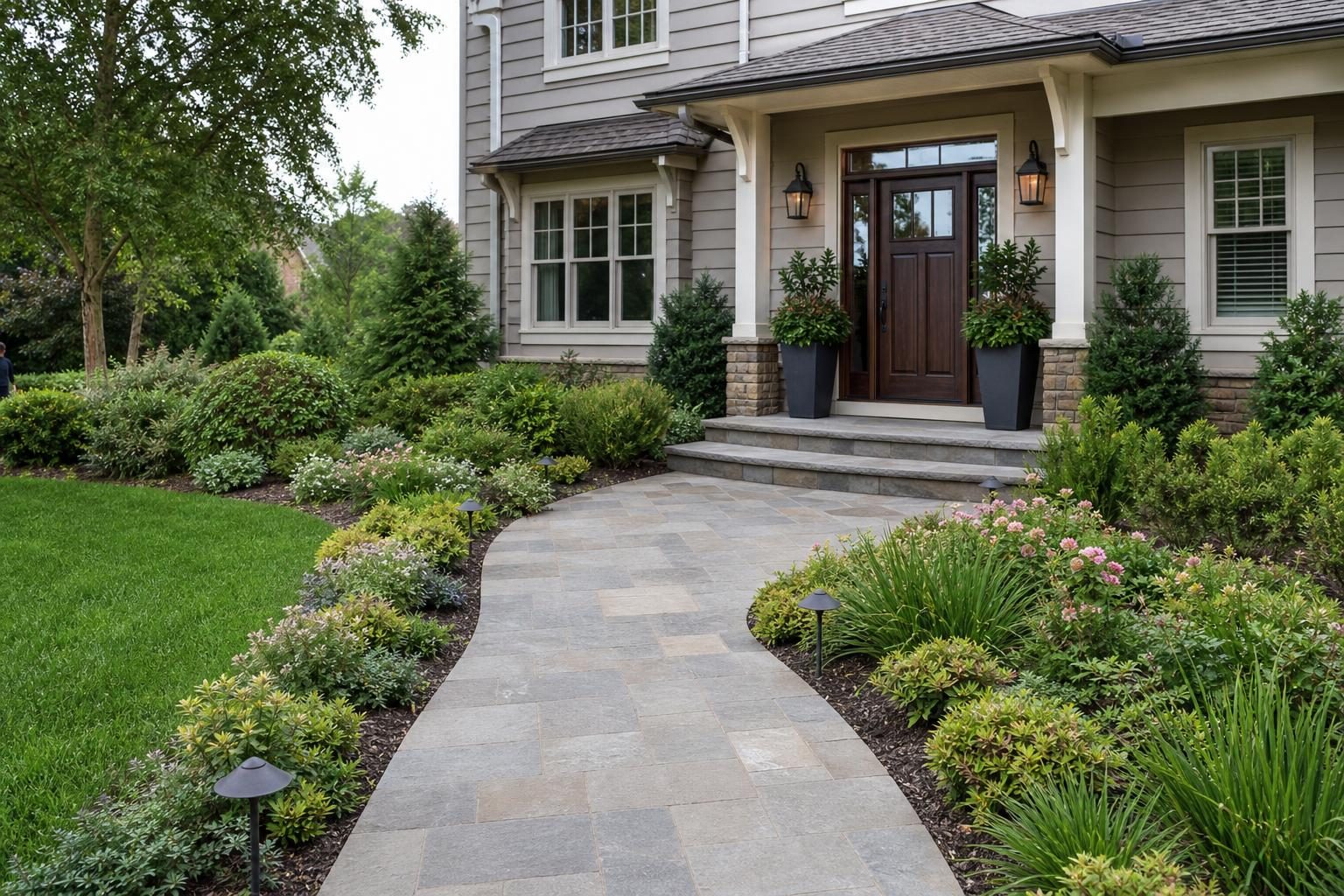
    Walkway Step Riser Comfort Guide related example showing Front entry walkway with edging, planting beds, and material detail relevant to pathway cost planning
    This walkway example gives homeowners a visual reference for comparing layout, materials, and maintenance tradeoffs before starting the project.

    Questions to ask a landscaper

    • What would you recommend for this exact location, and why?
    • What maintenance should I expect after the work is complete?
    • Are there cheaper options that would still perform well?
    • What problems do you see homeowners run into with this choice?

    How this fits into the bigger project

    Use this guide alongside the Walkway and Pathway Installation Guide for Homeowners so the detail supports the broader layout, budget, and maintenance plan.

    Walkway Step Riser Comfort Guide related example showing Walkway detail relevant to settling, edge wear, and warning signs
    This related walkway detail helps show how site conditions and finish choices can change the homeowner's plan.

    What homeowners should remember

    The best walkway step riser comfort choice is the one that supports make outdoor steps feel natural instead of awkward or tiring while staying realistic about cost, care, and the conditions already present in the yard.


  • Walkway Width for Two People Guide

    Walkway Width for Two People Guide

    Walkway Width for Two People helps homeowners make a more specific landscaping decision before requesting estimates or buying materials. The best choice usually depends on comfort, entry flow, and available space, not just how the project looks in an inspiration photo.

    Why this decision matters

    This detail can affect cost, maintenance, comfort, and how well the finished yard works after installation. Thinking through it early helps avoid rework and keeps the project aligned with how the space will actually be used.

    What to compare before choosing

    Compare the site conditions, available space, material behavior, and long-term upkeep. A choice that looks simple on day one can become expensive if it creates drainage, access, pruning, cleaning, or replacement problems later.

    Walkway Width for Two People Guide related example showing Front entry walkway with edging, planting beds, and material detail relevant to pathway cost planning
    This walkway example gives homeowners a visual reference for comparing layout, materials, and maintenance tradeoffs before starting the project.

    Questions to ask a landscaper

    • What would you recommend for this exact location, and why?
    • What maintenance should I expect after the work is complete?
    • Are there cheaper options that would still perform well?
    • What problems do you see homeowners run into with this choice?

    How this fits into the bigger project

    Use this guide alongside the Walkway and Pathway Installation Guide for Homeowners so the detail supports the broader layout, budget, and maintenance plan.

    Walkway Width for Two People Guide related example showing Walkway detail relevant to settling, edge wear, and warning signs
    This related walkway detail helps show how site conditions and finish choices can change the homeowner's plan.

    What homeowners should remember

    The best walkway width for two people choice is the one that supports decide when a wider path is worth the extra material cost while staying realistic about cost, care, and the conditions already present in the yard.


  • Walkway Lighting and Planting Coordination Guide

    Walkway Lighting and Planting Coordination Guide

    Walkway Lighting and Planting Coordination helps homeowners make a more specific landscaping decision before requesting estimates or buying materials. The best choice usually depends on fixture placement, plant growth, and nighttime visibility, not just how the project looks in an inspiration photo.

    Why this decision matters

    This detail can affect cost, maintenance, comfort, and how well the finished yard works after installation. Thinking through it early helps avoid rework and keeps the project aligned with how the space will actually be used.

    What to compare before choosing

    Compare the site conditions, available space, material behavior, and long-term upkeep. A choice that looks simple on day one can become expensive if it creates drainage, access, pruning, cleaning, or replacement problems later.

    Walkway Lighting and Planting Coordination Guide related example showing Front entry walkway with edging, planting beds, and material detail relevant to pathway cost planning
    This walkway example gives homeowners a visual reference for comparing layout, materials, and maintenance tradeoffs before starting the project.

    Questions to ask a landscaper

    • What would you recommend for this exact location, and why?
    • What maintenance should I expect after the work is complete?
    • Are there cheaper options that would still perform well?
    • What problems do you see homeowners run into with this choice?

    How this fits into the bigger project

    Use this guide alongside the Walkway and Pathway Installation Guide for Homeowners so the detail supports the broader layout, budget, and maintenance plan.

    Walkway Lighting and Planting Coordination Guide related example showing Walkway detail relevant to settling, edge wear, and warning signs
    This related walkway detail helps show how site conditions and finish choices can change the homeowner's plan.

    What homeowners should remember

    The best walkway lighting and planting coordination choice is the one that supports make path lighting useful after plants mature while staying realistic about cost, care, and the conditions already present in the yard.


  • Walkway Edge Restraint Guide

    Walkway Edge Restraint Guide

    Walkway Edge Restraint helps homeowners make a more specific landscaping decision before requesting estimates or buying materials. The best choice usually depends on paver movement, gravel containment, and long-term maintenance, not just how the project looks in an inspiration photo.

    Why this decision matters

    This detail can affect cost, maintenance, comfort, and how well the finished yard works after installation. Thinking through it early helps avoid rework and keeps the project aligned with how the space will actually be used.

    What to compare before choosing

    Compare the site conditions, available space, material behavior, and long-term upkeep. A choice that looks simple on day one can become expensive if it creates drainage, access, pruning, cleaning, or replacement problems later.

    Questions to ask a landscaper

    • What would you recommend for this exact location, and why?
    • What maintenance should I expect after the work is complete?
    • Are there cheaper options that would still perform well?
    • What problems do you see homeowners run into with this choice?

    How this fits into the bigger project

    Use this guide alongside the Walkway and Pathway Installation Guide for Homeowners so the detail supports the broader layout, budget, and maintenance plan.

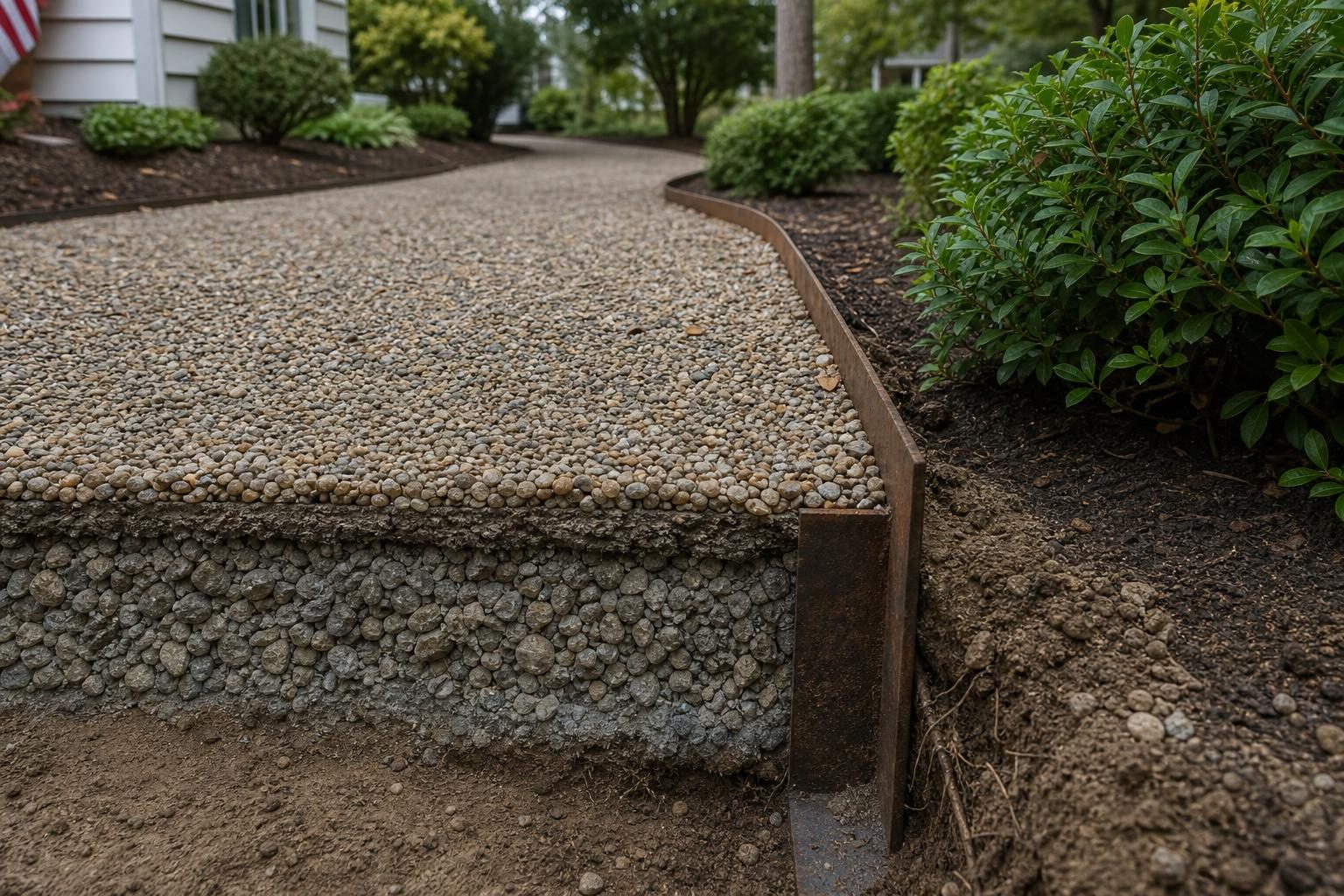
    Walkway Edge Restraint Guide related example showing Front entry walkway with edging, planting beds, and material detail relevant to pathway cost planning
    This walkway example gives homeowners a visual reference for comparing layout, materials, and maintenance tradeoffs before starting the project.

    What homeowners should remember

    The best walkway edge restraint choice is the one that supports keep path materials from spreading or shifting over time while staying realistic about cost, care, and the conditions already present in the yard.

    Walkway Edge Restraint Guide related example showing Walkway construction detail relevant to layout, edge restraint, and quote comparison for homeowners
    This related walkway detail helps show how site conditions and finish choices can change the homeowner's plan.

  • Walkway Drainage Slope Guide

    Walkway Drainage Slope Guide

    Walkway Drainage Slope helps homeowners make a more specific landscaping decision before requesting estimates or buying materials. The best choice usually depends on surface pitch, puddling, and adjacent beds, not just how the project looks in an inspiration photo.

    Why this decision matters

    This detail can affect cost, maintenance, comfort, and how well the finished yard works after installation. Thinking through it early helps avoid rework and keeps the project aligned with how the space will actually be used.

    What to compare before choosing

    Compare the site conditions, available space, material behavior, and long-term upkeep. A choice that looks simple on day one can become expensive if it creates drainage, access, pruning, cleaning, or replacement problems later.

    Walkway Drainage Slope Guide related example showing Front entry walkway with edging, planting beds, and material detail relevant to pathway cost planning
    This walkway example gives homeowners a visual reference for comparing layout, materials, and maintenance tradeoffs before starting the project.

    Questions to ask a landscaper

    • What would you recommend for this exact location, and why?
    • What maintenance should I expect after the work is complete?
    • Are there cheaper options that would still perform well?
    • What problems do you see homeowners run into with this choice?

    How this fits into the bigger project

    Use this guide alongside the Walkway and Pathway Installation Guide for Homeowners so the detail supports the broader layout, budget, and maintenance plan.

    Walkway Drainage Slope Guide related example showing Walkway detail relevant to settling, edge wear, and warning signs
    This related walkway detail helps show how site conditions and finish choices can change the homeowner's plan.

    What homeowners should remember

    The best walkway drainage slope choice is the one that supports move water off the path without sending it toward the house while staying realistic about cost, care, and the conditions already present in the yard.


  • Walkway Material Slip Resistance Guide

    Walkway Material Slip Resistance Guide

    Walkway Material Slip Resistance helps homeowners make a more specific landscaping decision before requesting estimates or buying materials. The best choice usually depends on surface texture, weather, and household use, not just how the project looks in an inspiration photo.

    Why this decision matters

    This detail can affect cost, maintenance, comfort, and how well the finished yard works after installation. Thinking through it early helps avoid rework and keeps the project aligned with how the space will actually be used.

    What to compare before choosing

    Compare the site conditions, available space, material behavior, and long-term upkeep. A choice that looks simple on day one can become expensive if it creates drainage, access, pruning, cleaning, or replacement problems later.

    Walkway Material Slip Resistance Guide related example showing Front entry walkway with edging, planting beds, and material detail relevant to pathway cost planning
    This walkway example gives homeowners a visual reference for comparing layout, materials, and maintenance tradeoffs before starting the project.

    Questions to ask a landscaper

    • What would you recommend for this exact location, and why?
    • What maintenance should I expect after the work is complete?
    • Are there cheaper options that would still perform well?
    • What problems do you see homeowners run into with this choice?

    How this fits into the bigger project

    Use this guide alongside the Walkway and Pathway Installation Guide for Homeowners so the detail supports the broader layout, budget, and maintenance plan.

    Walkway Material Slip Resistance Guide related example showing Walkway detail relevant to settling, edge wear, and warning signs
    This related walkway detail helps show how site conditions and finish choices can change the homeowner's plan.

    What homeowners should remember

    The best walkway slip resistance choice is the one that supports choose a walkway material that stays safer in wet or shaded conditions while staying realistic about cost, care, and the conditions already present in the yard.


  • Outdoor Kitchen Wind Direction Guide

    Outdoor Kitchen Wind Direction Guide

    Outdoor Kitchen Wind Direction helps homeowners make a more specific landscaping decision before requesting estimates or buying materials. The best choice usually depends on smoke, heat, seating, and appliance placement, not just how the project looks in an inspiration photo.

    Why this decision matters

    This detail can affect cost, maintenance, comfort, and how well the finished yard works after installation. Thinking through it early helps avoid rework and keeps the project aligned with how the space will actually be used.

    What to compare before choosing

    Compare the site conditions, available space, material behavior, and long-term upkeep. A choice that looks simple on day one can become expensive if it creates drainage, access, pruning, cleaning, or replacement problems later.

    Outdoor Kitchen Wind Direction Guide related example showing Outdoor kitchen construction detail relevant to utility work, finish scope, and quote comparison for homeowners
    This outdoor kitchen example gives homeowners a visual reference for comparing layout, materials, and maintenance tradeoffs before starting the project.

    Questions to ask a landscaper

    • What would you recommend for this exact location, and why?
    • What maintenance should I expect after the work is complete?
    • Are there cheaper options that would still perform well?
    • What problems do you see homeowners run into with this choice?

    How this fits into the bigger project

    Use this guide alongside the Outdoor Kitchen Guide for Homeowners so the detail supports the broader layout, budget, and maintenance plan.

    Outdoor Kitchen Wind Direction Guide related example showing Residential outdoor kitchen with grill, counters, patio, and features that affect project cost
    This related outdoor kitchen detail helps show how site conditions and finish choices can change the homeowner's plan.

    What homeowners should remember

    The best outdoor kitchen wind direction choice is the one that supports plan the grill and seating so smoke does not ruin the gathering while staying realistic about cost, care, and the conditions already present in the yard.


  • Outdoor Kitchen Lighting Zone Guide

    Outdoor Kitchen Lighting Zone Guide

    Outdoor Kitchen Lighting Zone helps homeowners make a more specific landscaping decision before requesting estimates or buying materials. The best choice usually depends on task lighting, dining light, and safety, not just how the project looks in an inspiration photo.

    Why this decision matters

    This detail can affect cost, maintenance, comfort, and how well the finished yard works after installation. Thinking through it early helps avoid rework and keeps the project aligned with how the space will actually be used.

    What to compare before choosing

    Compare the site conditions, available space, material behavior, and long-term upkeep. A choice that looks simple on day one can become expensive if it creates drainage, access, pruning, cleaning, or replacement problems later.

    Outdoor Kitchen Lighting Zone Guide related example showing Outdoor kitchen construction detail relevant to utility work, finish scope, and quote comparison for homeowners
    This outdoor kitchen example gives homeowners a visual reference for comparing layout, materials, and maintenance tradeoffs before starting the project.

    Questions to ask a landscaper

    • What would you recommend for this exact location, and why?
    • What maintenance should I expect after the work is complete?
    • Are there cheaper options that would still perform well?
    • What problems do you see homeowners run into with this choice?

    How this fits into the bigger project

    Use this guide alongside the Outdoor Kitchen Guide for Homeowners so the detail supports the broader layout, budget, and maintenance plan.

    Outdoor Kitchen Lighting Zone Guide related example showing Residential outdoor kitchen with grill, counters, patio, and features that affect project cost
    This related outdoor kitchen detail helps show how site conditions and finish choices can change the homeowner's plan.

    What homeowners should remember

    The best outdoor kitchen lighting zones choice is the one that supports support cooking and cleanup without overlighting the whole patio while staying realistic about cost, care, and the conditions already present in the yard.