Hiring and Planning

Hiring and planning guides that help homeowners compare contractors, ask better questions, and understand project expectations before work begins.

Start with the service type

Landscaping Services Guideposts

Use these guides to understand what each service includes before comparing providers or requesting quotes.

Core service explainers

Start here when you are still deciding what kind of landscaper or outdoor contractor you need.

Compare before you hire

Use these pages when two services or surface choices sound similar but lead to different scopes.

Hire smarter

Planning And Contractor Comparison

Use this hub when you are moving from ideas into estimates, bids, and contractor conversations.

Before requesting estimates

These guides help define scope and compare companies before the first site visit.

Budget with better assumptions

Cost Guides And Calculators

Use this hub to move from rough budget ranges into the details that usually change quotes.

Calculator starting points

Open the calculator hub or a cost guide when you need a quick planning range.

High-impact cost decisions

These pages help compare choices where price, lifespan, and maintenance tradeoffs matter.

Understand the build

Installation And Site-Work Pathways

Use these guides to understand sequencing, site prep, access, and the details that affect long-term performance.

Hardscape and site prep

These projects often depend on base prep, demolition, grading, drainage, and access.

Drainage and retaining work

Use these when water, grade, or slope stability is part of the project.

Choose materials with ownership in mind

Material And Finish Decision Paths

Use these guides when appearance, maintenance, replacement, and budget all affect the right material choice.

Surface and finish comparisons

Compare outdoor surfaces before committing to a driveway, patio, or lawn direction.

Landscape material planning

Use these pages when quantity, delivery, or long-term maintenance are the main concern.

Protect the investment

Maintenance And Ownership Next Steps

Use these guides to understand ongoing care, seasonal refreshes, and when maintenance points to a bigger fix.

Maintenance planning

These guides help compare recurring service, seasonal work, and refresh projects.

When upkeep becomes repair

Use these when repeated maintenance problems suggest drainage, surface, or material issues.

  • What to Expect During a Planting and Garden Bed Project Guide

    What to Expect During a Planting and Garden Bed Project Guide

    Planting and garden bed projects often feel less linear than homeowners expect because the work includes preparation, delivery, placement, and finishing across several moving parts. Beds may look bare or overworked in the middle of the project, plant material may be staged on-site before installation, and mulch or cleanup may happen later than the homeowner assumed.

    That temporary mess is often part of a normal installation sequence, not a sign that the project is going badly.

    Planting detail relevant to project expectations, bed preparation, and finish work
    Planting projects often move from clearing and bed prep into plant staging, installation, mulch, irrigation tweaks, and final cleanup.

    Bed preparation can look rough before it looks better

    Clearing, reshaping, edging, soil improvement, and irrigation adjustments often happen before the plants go in. During that stage, the space may look less finished than it did when the project started.

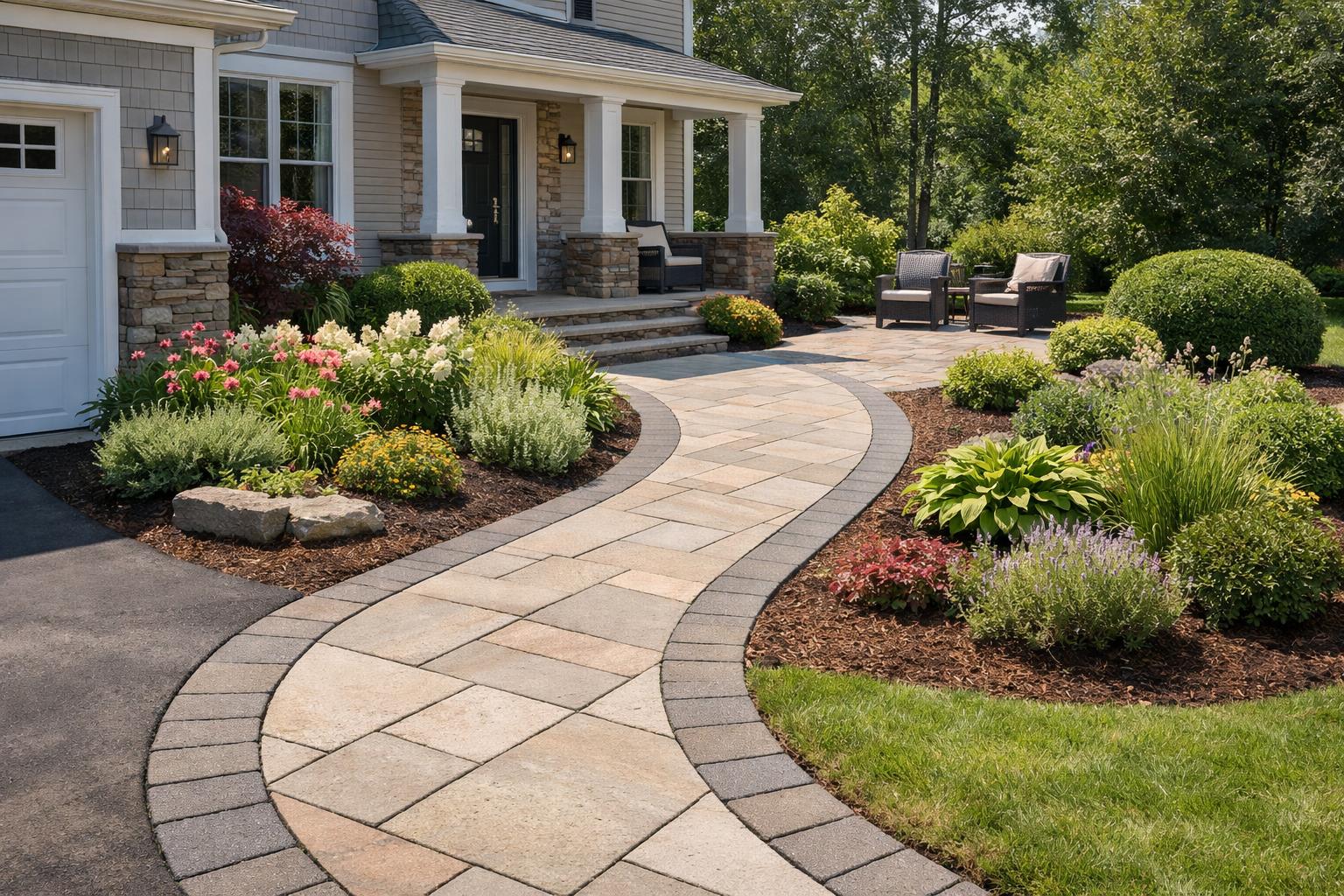
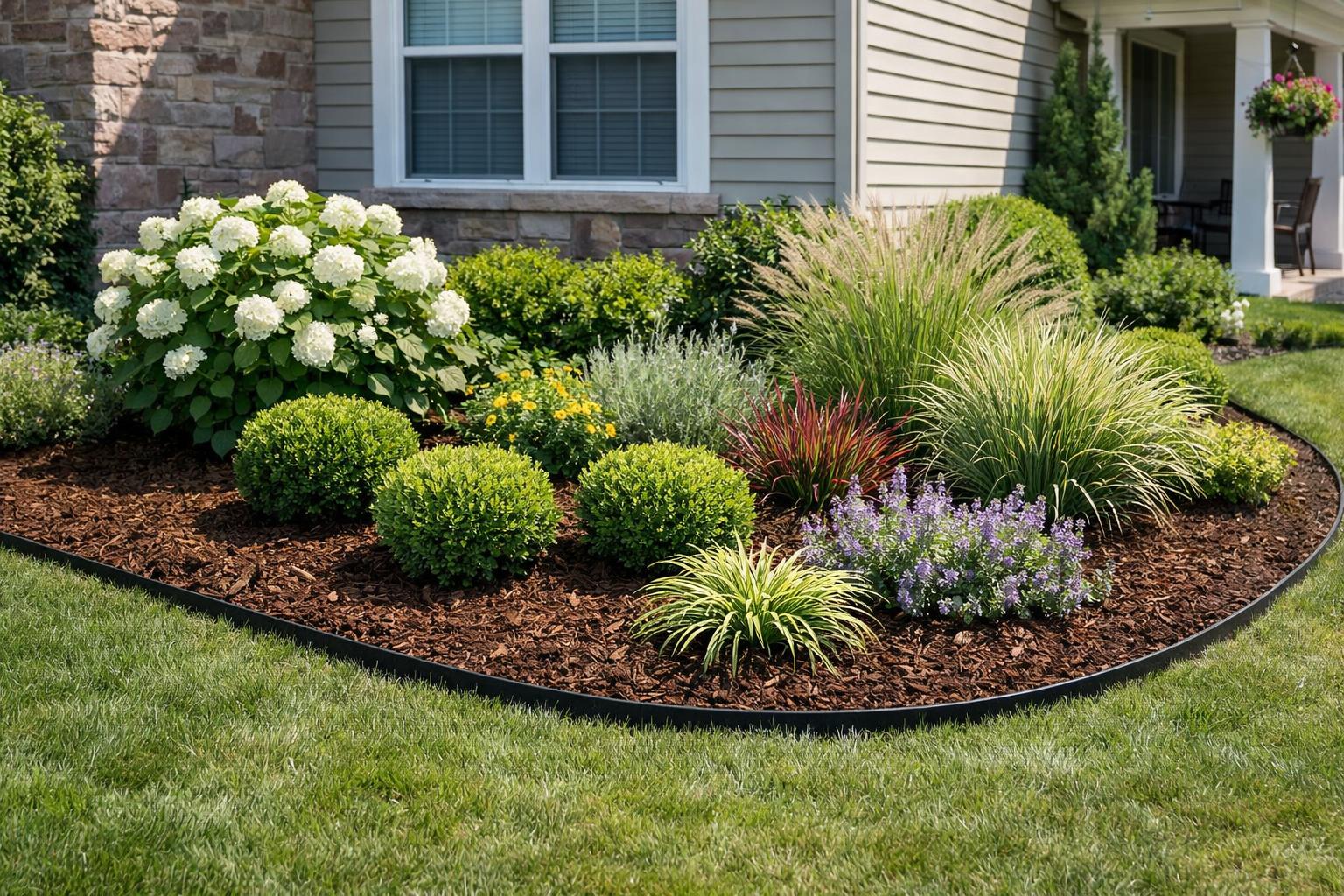
    What to Expect During a Planting and Garden Bed Project Guide related example showing Attractive residential front yard with walkway, planting beds, lawn, and curb appeal landscaping
    This front yard example gives homeowners a visual reference for comparing layout, materials, and maintenance tradeoffs before starting the project.

    Delivery and finishing phases often overlap

    Plant staging, placement, mulch, cleanup, and fine adjustments may happen in overlapping waves instead of a clean step-by-step order. On larger jobs, one section of the yard may be finishing while another is still being prepared.

    Use quote and timeline guides to frame expectations

    The planting quote guide, planting timeline guide, and planting service guide help homeowners understand the on-site process more clearly.

  • What to Expect During a Sod Installation Project Guide

    What to Expect During a Sod Installation Project Guide

    Sod projects often transform the yard quickly at the end, but the early part of the job can look rougher than homeowners expect. Old lawn removal, grading, soil preparation, irrigation checks, and access for material delivery all happen before the finished lawn appears. That does not mean the project is off track. It usually means the crew is building the foundation for better results.

    Homeowners usually feel better about the process when they know the yard may look less finished before it starts looking dramatically better.

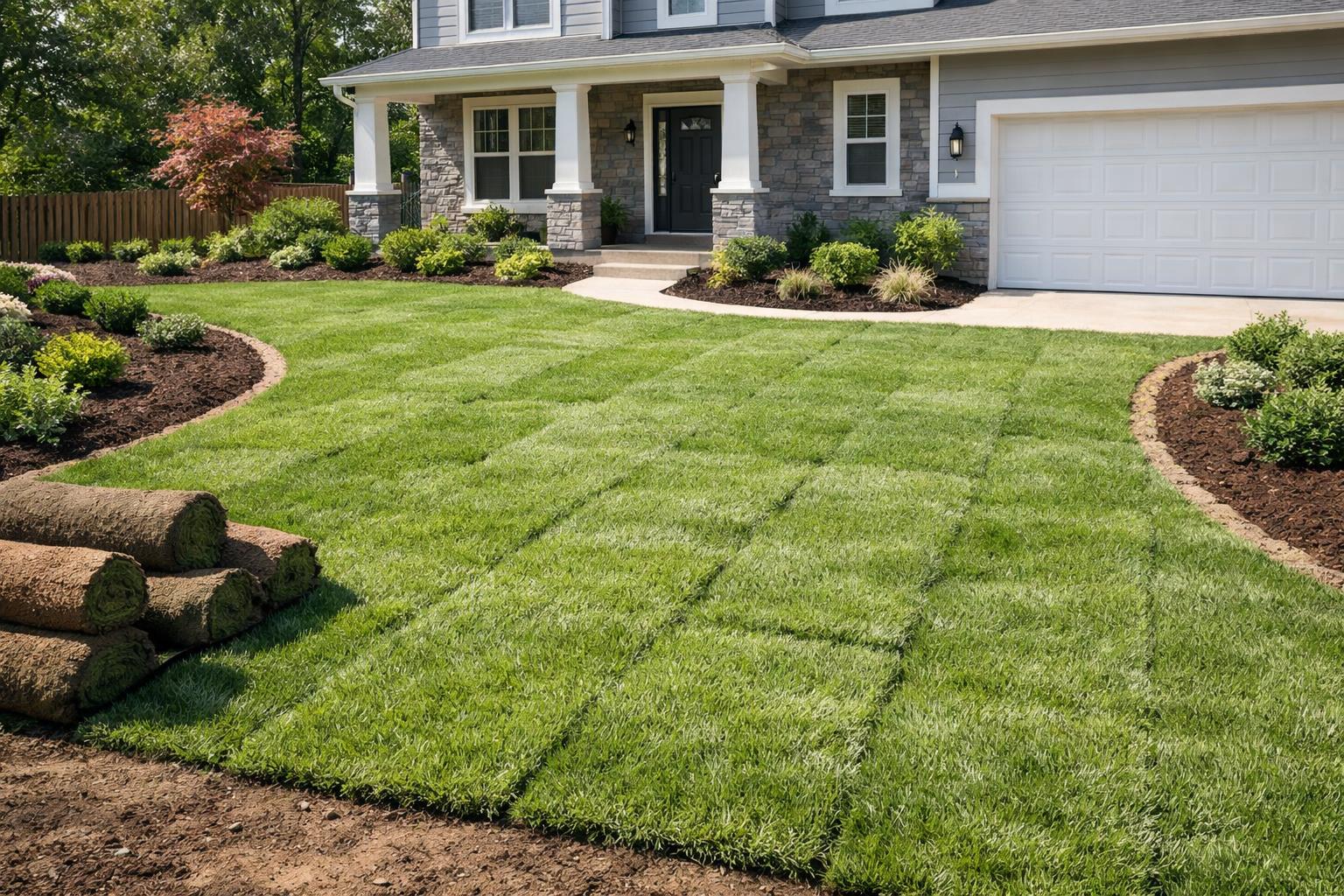
    Sod installation detail relevant to project expectations, soil preparation, and early care
    Sod projects often move from removal and grading into soil prep, irrigation checks, sod placement, rolling, and early care guidance for the homeowner.

    Preparation often creates the most disruption

    Crews may remove old turf, reshape the area, bring in soil, adjust sprinklers, and prepare the surface before the sod arrives. This stage can feel messy, but it is often the most important part of the job.

    What to Expect During a Sod Installation Project Guide related example showing Sod installation detail relevant to soil preparation, grading, irrigation, and quote comparison for homeowners
    This lawn example gives homeowners a visual reference for comparing layout, materials, and maintenance tradeoffs before starting the project.

    Installation is fast, but follow-through still matters

    Once the sod is down, the project can look nearly complete, but watering guidance, seam checks, rolling, and early establishment habits still matter. Homeowners should expect a handoff period rather than a simple instant finish.

    Use quote and timeline guides to judge the process

    The sod quote guide, sod timeline guide, and sod service guide help homeowners connect what they see on-site to the promised scope.


  • What to Expect During a Walkway and Pathway Project Guide

    What to Expect During a Walkway and Pathway Project Guide

    Walkway and pathway projects often affect how homeowners move through the yard while the work is happening. Demolition, excavation, base preparation, paving, and edge detail can all temporarily change access and make the site feel rougher than the finished result suggests. That is normal for a good installation.

    Homeowners usually feel more comfortable with the project when they know the messy preparation phase is often where long-term performance gets decided.

    Walkway construction detail relevant to project expectations, excavation, and finish work
    Walkway projects often move through demolition, excavation, base compaction, paving, edge detail, and restoration around the finished path.

    Preparation often feels bigger than the finished path

    Crews may remove old surfaces, reshape grades, haul material, and compact base layers before the new path looks close to finished. The site may feel more disrupted during this phase than homeowners expected.

    Finish detail matters at the end

    Edge restraint, cuts, transitions, cleanup, and restoration around the walkway usually come after the main surface is placed. Those final steps are often what make the project feel complete.

    What to Expect During a Walkway and Pathway Project Guide related example showing Front entry walkway with edging, planting beds, and material detail relevant to pathway cost planning
    This walkway example gives homeowners a visual reference for comparing layout, materials, and maintenance tradeoffs before starting the project.

    Use quote and timeline guides to frame expectations

    The walkway quote guide, walkway timeline guide, and walkway service guide help homeowners understand what they are seeing during the project.


  • What to Expect During a Landscape Lighting Project Guide

    What to Expect During a Landscape Lighting Project Guide

    Landscape lighting projects often feel cleaner and less disruptive than major hardscape jobs, but homeowners should still expect layout decisions, buried wire paths, fixture staging, and nighttime adjustment to shape the process. The project may move quickly, yet the final look usually depends on more than a simple one-day install.

    Knowing what happens on-site helps homeowners judge progress more realistically and avoid assuming the job is “done” before final aiming happens.

    Landscape lighting detail relevant to project expectations, wire routing, and nighttime adjustment
    Lighting projects often move from layout and fixture placement into wire work, installation, testing, and evening adjustment before the final effect is dialed in.

    Daytime work usually focuses on layout and installation

    Crews may walk the property, confirm fixture locations, route wire, install transformers, and set fixtures before the final look becomes obvious. During this phase, the property can feel unfinished even though the project is moving correctly.

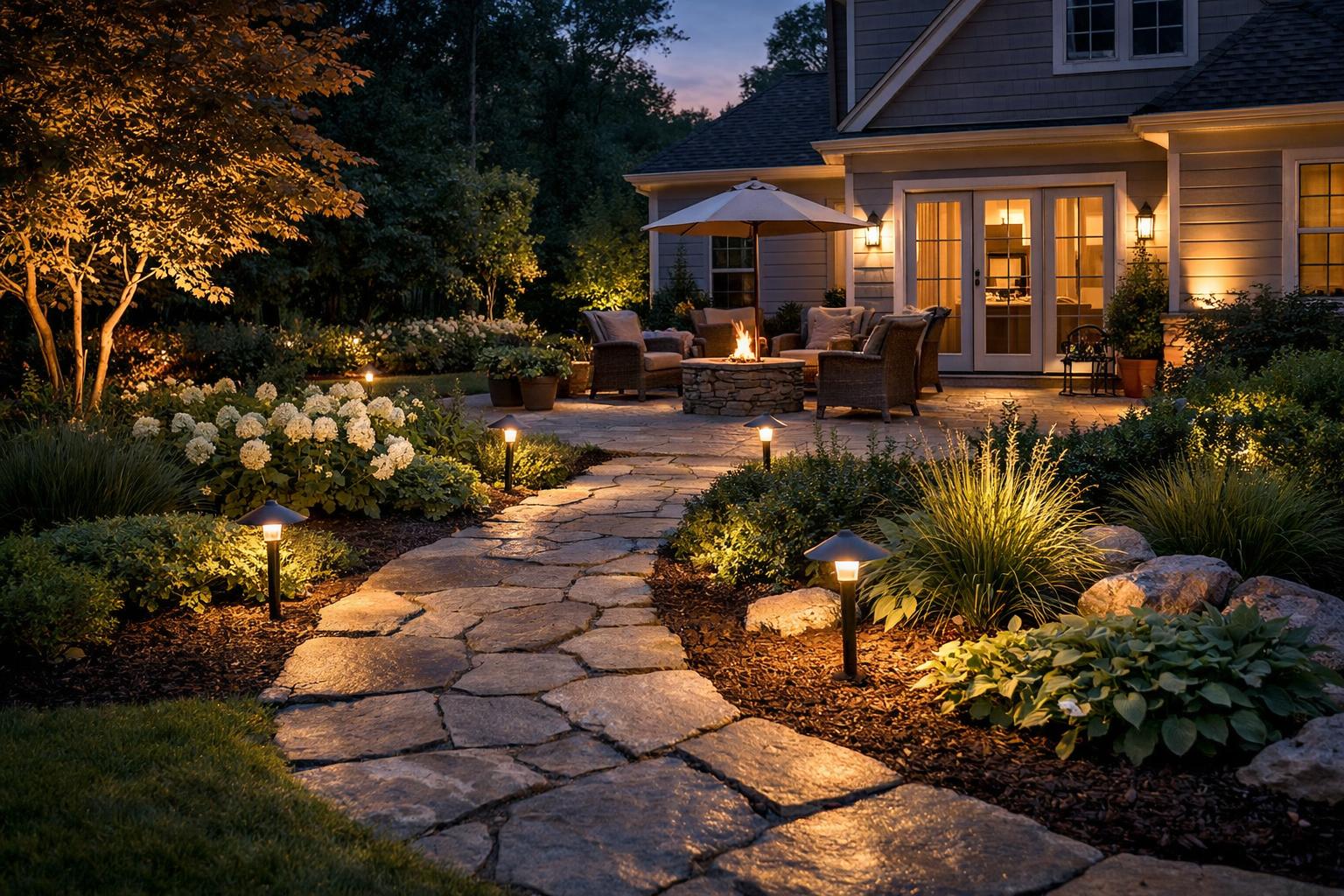
    What to Expect During a Landscape Lighting Project Guide related example showing Landscape lighting detail relevant to fixture placement, wiring scope, and quote comparison for homeowners
    This lighting example gives homeowners a visual reference for comparing layout, materials, and maintenance tradeoffs before starting the project.

    Final aiming often happens later than expected

    Many homeowners do not realize that nighttime adjustment is a normal part of landscape lighting. Fine-tuning brightness, direction, and balance may happen after the main hardware is already in place.

    Use quote and timeline guides to judge the process

    The lighting quote guide, lighting timeline guide, and lighting service guide help homeowners compare the on-site process to the promised scope.


  • Erosion Control Planning Mistakes Homeowners Should Avoid Guide

    Erosion Control Planning Mistakes Homeowners Should Avoid Guide

    Erosion control projects often go wrong when the visible symptom becomes the whole conversation. Homeowners may focus on exposed soil, washed-out mulch, or a bare slope while the real problem is runoff source, drainage concentration, or instability higher up the site. Choosing materials before understanding the cause can lock the project into a weak solution.

    The most common erosion-control mistakes come from treating symptoms without building a complete stabilization plan.

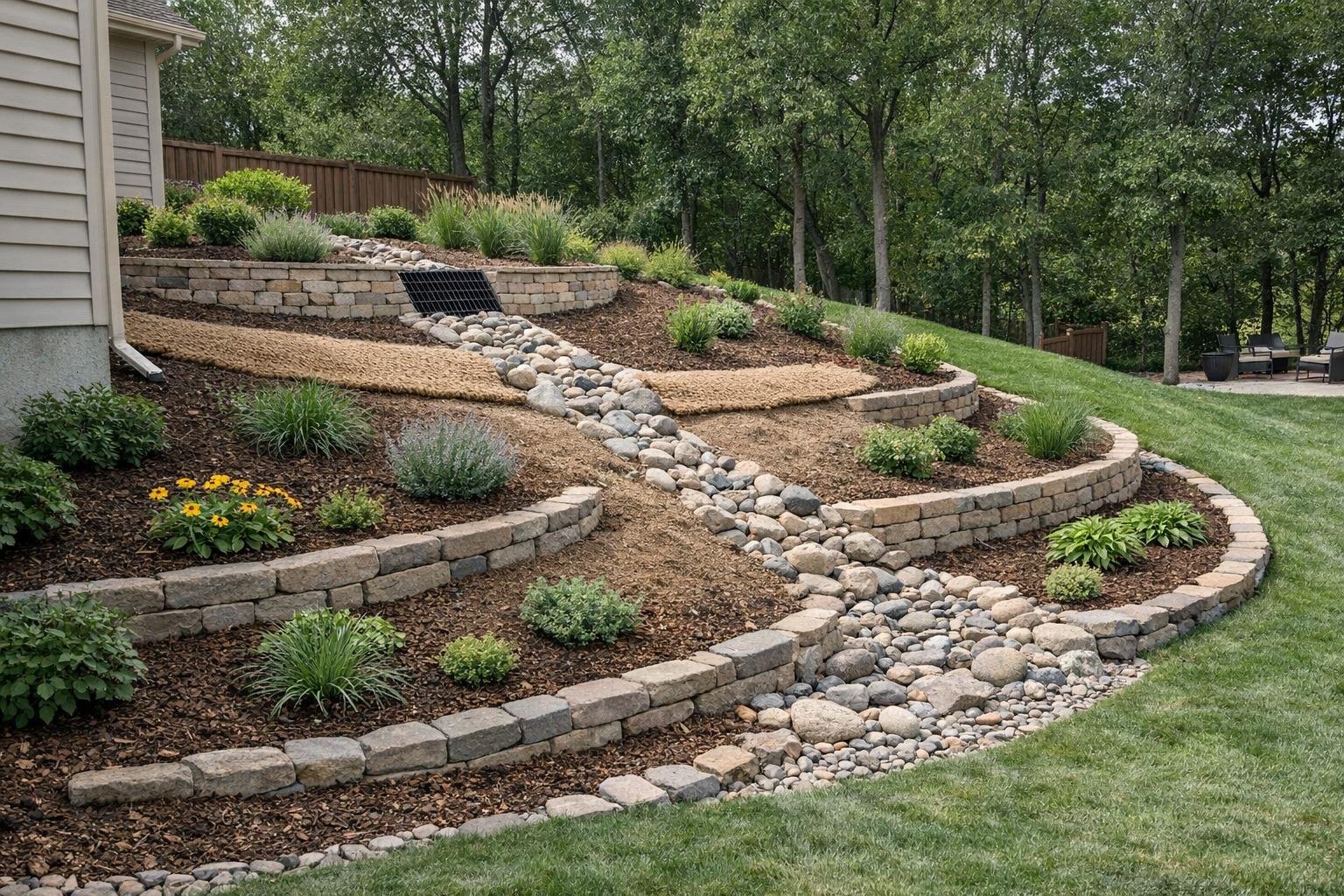
    Slope stabilization detail relevant to runoff diagnosis and planning mistakes for homeowners
    Many erosion-control problems get worse when the plan focuses on covering exposed soil without first addressing runoff source, slope behavior, and stabilization method.

    Runoff source and slope behavior are often underdiagnosed

    If the plan does not identify where water is coming from, how it is moving, and why the slope is failing, even expensive stabilization materials may underperform. Diagnosis matters before product choice.

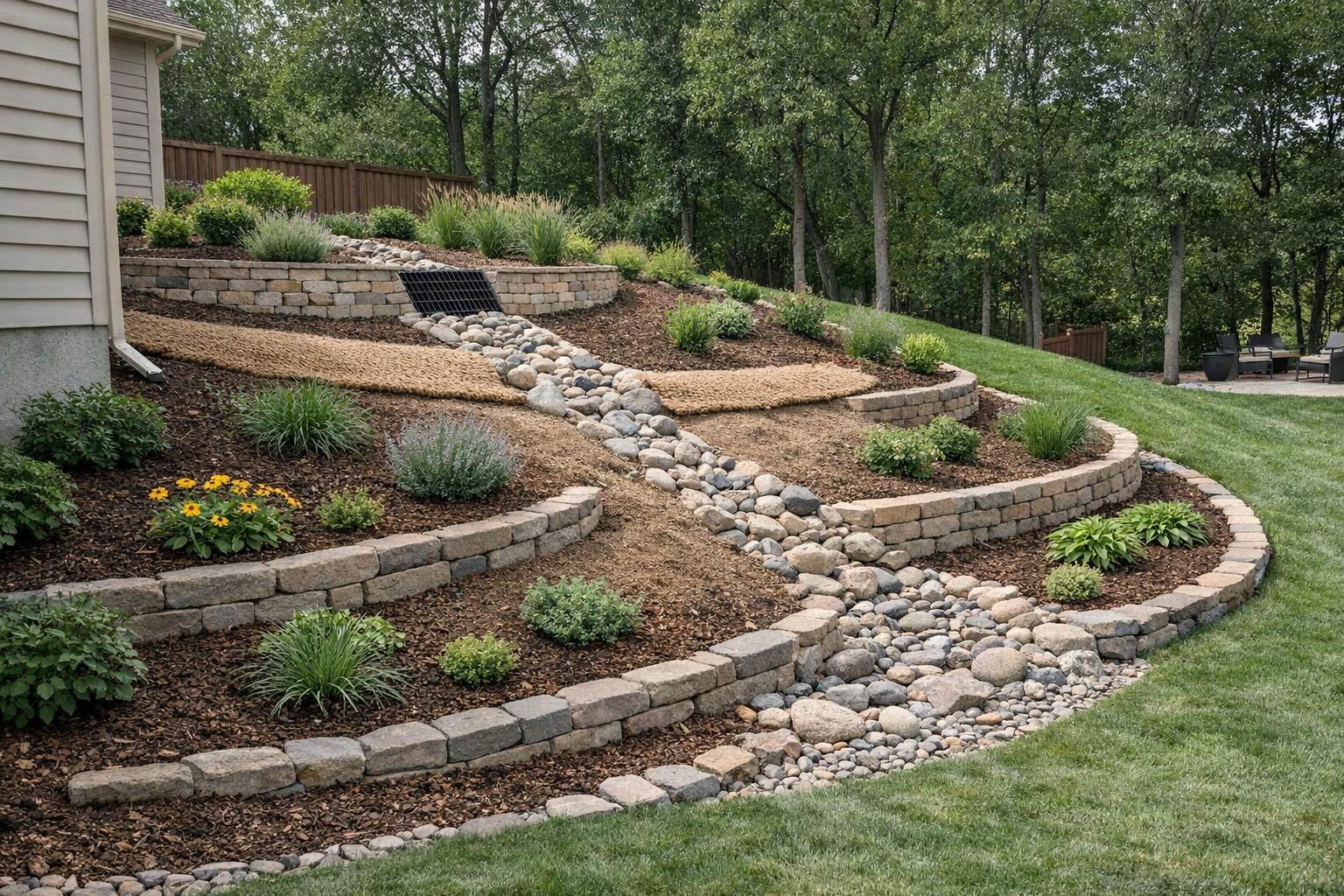
    Erosion Control Planning Mistakes Homeowners Should Avoid Guide related example showing Landscape beds and groundcover materials relevant to homeowner quantity planning for mulch, soil, and decorative rock
    This materials example gives homeowners a visual reference for comparing layout, materials, and maintenance tradeoffs before starting the project.

    Material choice without strategy leads to rework

    Rock, matting, planting, drainage, retaining elements, and regrading all have their place, but choosing them in isolation can leave the project incomplete. Homeowners benefit when the quote explains how each step fits the broader control plan.

    Use scope, timeline, and process guides to stress-test the plan

    The erosion control quote guide, erosion control timeline guide, and erosion control expectations guide help homeowners catch these planning mistakes before the crew starts.


  • Privacy Landscaping Planning Mistakes Homeowners Should Avoid Guide

    Privacy Landscaping Planning Mistakes Homeowners Should Avoid Guide

    Privacy landscaping projects often fall short because homeowners and contractors are not solving the same problem on paper. Some plans aim for quick visual screening, others for long-term layered privacy, and others for a softer border with partial screening. If the goal is vague, plant sizes, spacing, and budget decisions can drift in the wrong direction quickly.

    The biggest privacy-landscaping mistakes usually come from treating the plant list as the strategy instead of deciding what the screen is actually supposed to do.

    Privacy planting detail relevant to screening strategy, spacing, and planning mistakes for homeowners
    Many privacy-landscaping problems come from choosing plants or spacing for price alone instead of matching the screening goal, growth pattern, and site conditions.

    Weak screening strategy leads to disappointing results

    Choosing plants without deciding whether the goal is year-round privacy, seasonal softness, vertical screening, or a layered buffer can leave the yard feeling less private even after the job is complete.

    Spacing, irrigation, and growth assumptions matter

    Undersized plant material, overly wide spacing, missing irrigation support, and unrealistic expectations about how fast the screen will fill in all create frustration that could have been discussed earlier.

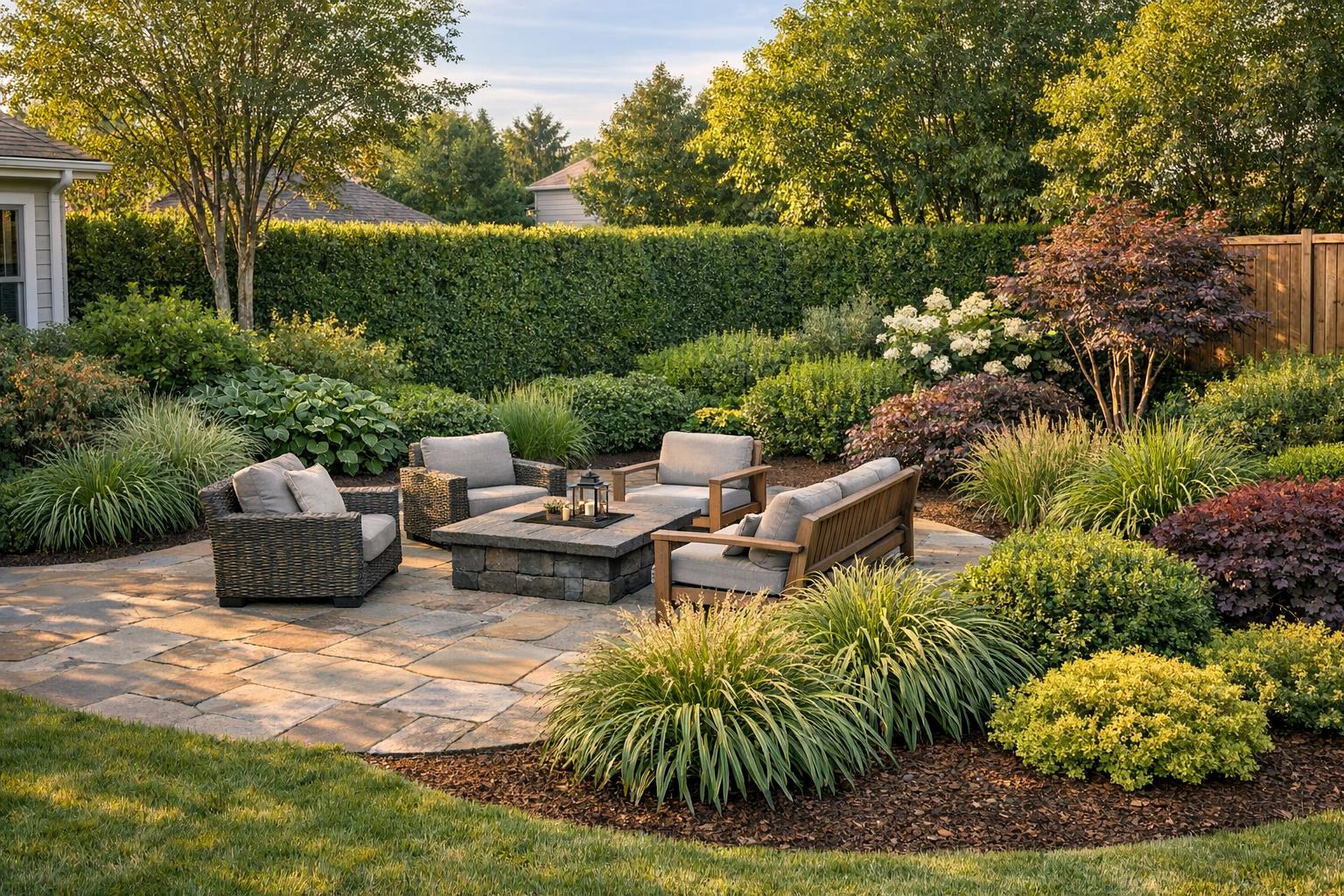
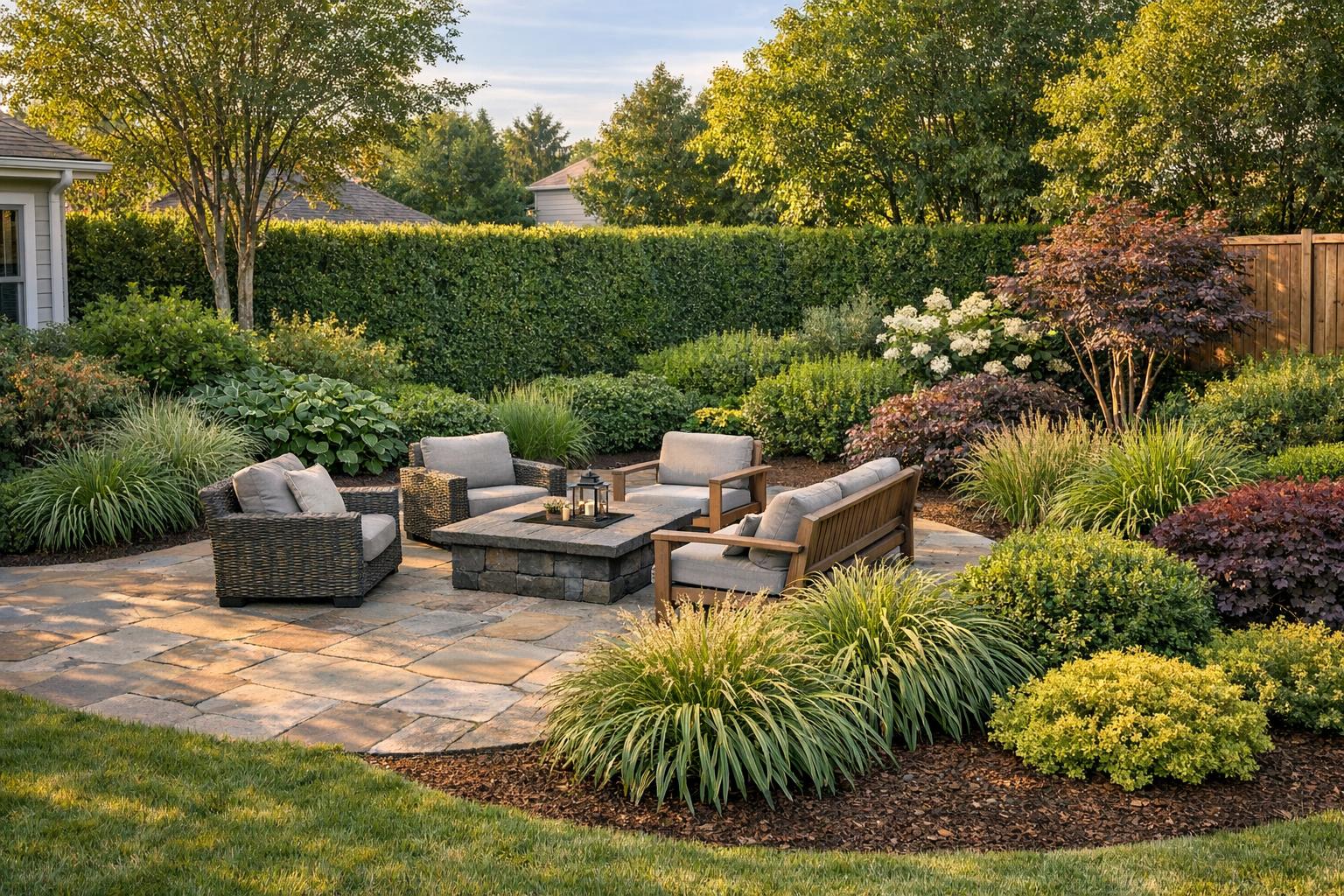
    Privacy Landscaping Planning Mistakes Homeowners Should Avoid Guide related example showing Layered privacy landscaping with screening plants, mulch beds, and fence-line layout detail
    This privacy example gives homeowners a visual reference for comparing layout, materials, and maintenance tradeoffs before starting the project.

    Pressure-test the plan with scope and timing guides

    The privacy landscaping quote guide, privacy landscaping timeline guide, and privacy landscaping expectations guide help homeowners catch these planning mistakes before installation starts.


  • Artificial Turf Planning Mistakes Homeowners Should Avoid Guide

    Artificial Turf Planning Mistakes Homeowners Should Avoid Guide

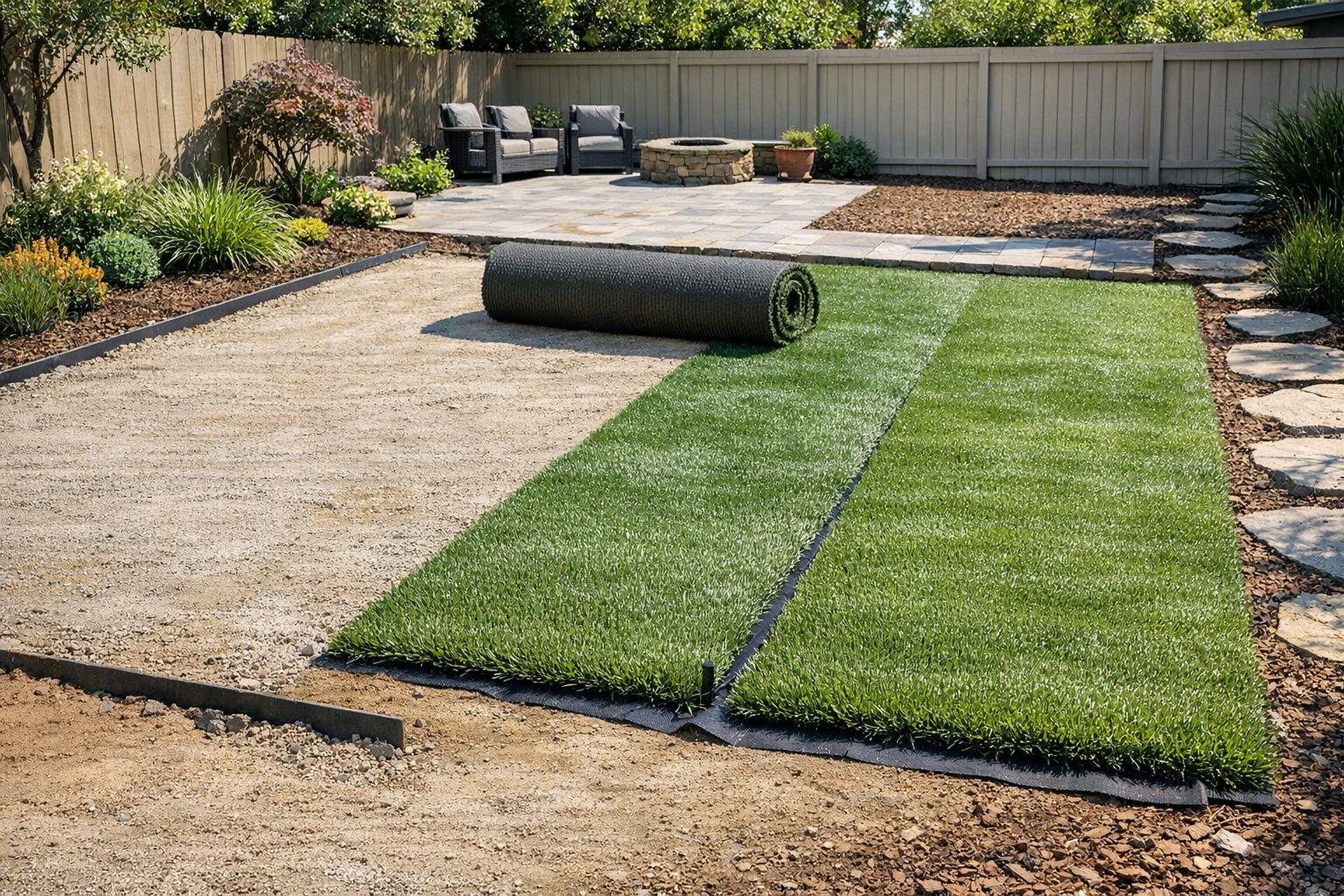
    Artificial turf projects often disappoint homeowners when the planning focuses too heavily on the finished green surface and not enough on what happens underneath. Drainage, grade correction, base depth, seam placement, infill, and edge detail all affect how the yard performs. Weak choices early in the project can create odor, drainage issues, movement, or a less convincing finished look.

    The most expensive mistakes usually come from oversimplifying the system instead of treating it like a real installation assembly.

    Artificial turf detail relevant to drainage, base depth, and planning mistakes for homeowners
    Many turf problems come from early choices about drainage, base preparation, seams, infill, and edge detail rather than the turf product alone.

    Drainage and base prep are often underestimated

    Homeowners sometimes compare turf options without asking enough about drainage, removal scope, compaction, and grade correction. Those elements often matter more than the visible product specification.

    Seams, edges, and maintenance expectations get glossed over

    Seam lines, transitions into patios or planting beds, pet use, heat expectations, and the actual maintenance routine should all be discussed before installation. Skipping those conversations leads to preventable frustration later.

    Artificial Turf Planning Mistakes Homeowners Should Avoid Guide related example showing Lawn detail relevant to planning mistakes, prep, and irrigation decisions
    This lawn example gives homeowners a visual reference for comparing layout, materials, and maintenance tradeoffs before starting the project.

    Use scope and timeline guides to pressure-test the plan

    The artificial turf quote guide, artificial turf timeline guide, and artificial turf expectations guide help homeowners catch these mistakes before work begins.


  • Fire Pit Planning Mistakes Homeowners Should Avoid Guide

    Fire Pit Planning Mistakes Homeowners Should Avoid Guide

    Fire pit projects often run into trouble long before construction begins. Many homeowner mistakes come from treating the feature as a simple add-on instead of part of a larger outdoor-living layout. Placement, seating distance, fuel assumptions, utility planning, and surrounding hardscape all affect how the finished space actually feels to use.

    A fire pit that looks good in isolation can still function poorly if the planning decisions around it are weak.

    Fire pit layout detail relevant to placement, fuel choice, and planning mistakes for homeowners
    Many fire pit mistakes start with placement and layout decisions that look fine on paper but feel cramped, smoky, or disconnected once the feature is built.

    Poor placement creates long-term frustration

    Placing the fire pit too close to the house, too far from seating, or in a location that traps smoke or interrupts yard circulation can make the finished space much less comfortable. These issues are easier to prevent than to fix afterward.

    Utility and finish assumptions are often too loose

    Gas vs wood decisions, hardscape tie-ins, drainage, seating, lighting, and cleanup details often get glossed over early. That can lead to change orders, awkward layout compromises, or a feature that feels less complete than expected.

    Fire Pit Planning Mistakes Homeowners Should Avoid Guide related example showing Landscape beds and groundcover materials relevant to homeowner quantity planning for mulch, soil, and decorative rock
    This materials example gives homeowners a visual reference for comparing layout, materials, and maintenance tradeoffs before starting the project.

    Compare mistakes against scope and timeline

    The fire pit quote guide, fire pit timeline guide, and fire pit expectations guide help homeowners spot these issues before the project starts.


  • What to Expect During an Erosion Control Project Guide

    What to Expect During an Erosion Control Project Guide

    Erosion control projects can feel less visually satisfying at the start than homeowners expect because the crew is usually solving a slope or runoff problem before the site looks better. Access changes, soil movement, drainage work, stabilization materials, and planting may happen in separate phases. Some projects also need time after installation before the result looks fully settled.

    Homeowners usually feel more confident in the process when they understand that early site work may look rough even when the project is moving correctly.

    Slope stabilization detail relevant to project expectations, runoff control, and follow-up for homeowners
    Erosion-control projects often move through diagnosis, runoff management, stabilization work, planting, and a follow-up period before the results fully settle in.

    Diagnosis and setup often come before visible improvement

    Crews may begin by confirming runoff patterns, opening access, protecting nearby areas, and preparing the slope before any final stabilization materials or planting go in. That can make the early project phase feel more technical than cosmetic.

    What to Expect During an Erosion Control Project Guide related example showing Landscape beds and groundcover materials relevant to homeowner quantity planning for mulch, soil, and decorative rock
    This materials example gives homeowners a visual reference for comparing layout, materials, and maintenance tradeoffs before starting the project.

    Stabilization and follow-up may happen in stages

    Drainage features, slope treatment, planting, and cleanup may not all happen on the same day. Some projects also need a short follow-up window for water movement, planted material, or surface conditions to settle in.

    Compare what you see on-site to the treatment plan

    The erosion control quote guide, erosion control timeline guide, and erosion control guide help homeowners connect site disruption to the actual treatment strategy.


  • What to Expect During a Privacy Landscaping Project Guide

    What to Expect During a Privacy Landscaping Project Guide

    Privacy landscaping projects often feel less linear than homeowners expect because the work combines design decisions, plant delivery, bed preparation, installation, and finishing. Large screening plants may arrive in stages, beds may look temporarily bare or overworked before mulch goes down, and irrigation adjustments may happen alongside planting instead of after it.

    Homeowners usually have a better experience when they know the yard may look incomplete for part of the project while the crew works through sourcing and installation order.

    Privacy planting detail relevant to project expectations, plant staging, and bed finishing for homeowners
    Privacy-landscaping projects often move through sourcing, plant staging, bed preparation, installation, irrigation adjustments, mulch, and cleanup.

    Staging and preparation usually happen before the yard feels transformed

    Plant material may be staged on-site, beds may be reshaped, soil may be amended, and irrigation may be adjusted before the privacy screen looks close to finished. That can make the middle of the project feel messier than the homeowner expected.

    What to Expect During a Privacy Landscaping Project Guide related example showing Layered privacy landscaping with screening plants, mulch beds, and fence-line layout detail
    This privacy example gives homeowners a visual reference for comparing layout, materials, and maintenance tradeoffs before starting the project.

    Planting and finishing often overlap

    Plant placement, mulch, edging, cleanup, and watering setup may happen in overlapping phases rather than a simple step-by-step sequence. On larger properties, different screening areas may be at different stages at the same time.

    Compare the on-site process to the screening plan

    The privacy landscaping quote guide, privacy landscaping timeline guide, and privacy landscaping guide help homeowners connect project expectations to the bigger plan.