Hiring and Planning

Hiring and planning guides that help homeowners compare contractors, ask better questions, and understand project expectations before work begins.

Start with the service type

Landscaping Services Guideposts

Use these guides to understand what each service includes before comparing providers or requesting quotes.

Core service explainers

Start here when you are still deciding what kind of landscaper or outdoor contractor you need.

Compare before you hire

Use these pages when two services or surface choices sound similar but lead to different scopes.

Hire smarter

Planning And Contractor Comparison

Use this hub when you are moving from ideas into estimates, bids, and contractor conversations.

Before requesting estimates

These guides help define scope and compare companies before the first site visit.

Budget with better assumptions

Cost Guides And Calculators

Use this hub to move from rough budget ranges into the details that usually change quotes.

Calculator starting points

Open the calculator hub or a cost guide when you need a quick planning range.

High-impact cost decisions

These pages help compare choices where price, lifespan, and maintenance tradeoffs matter.

Understand the build

Installation And Site-Work Pathways

Use these guides to understand sequencing, site prep, access, and the details that affect long-term performance.

Hardscape and site prep

These projects often depend on base prep, demolition, grading, drainage, and access.

Drainage and retaining work

Use these when water, grade, or slope stability is part of the project.

Choose materials with ownership in mind

Material And Finish Decision Paths

Use these guides when appearance, maintenance, replacement, and budget all affect the right material choice.

Surface and finish comparisons

Compare outdoor surfaces before committing to a driveway, patio, or lawn direction.

Landscape material planning

Use these pages when quantity, delivery, or long-term maintenance are the main concern.

Protect the investment

Maintenance And Ownership Next Steps

Use these guides to understand ongoing care, seasonal refreshes, and when maintenance points to a bigger fix.

Maintenance planning

These guides help compare recurring service, seasonal work, and refresh projects.

When upkeep becomes repair

Use these when repeated maintenance problems suggest drainage, surface, or material issues.

  • Drainage Planning Mistakes Homeowners Should Avoid Guide

    Drainage Planning Mistakes Homeowners Should Avoid Guide

    Drainage projects often go wrong when the visible symptom becomes the whole plan. A wet spot, muddy area, or runoff complaint may be easy to describe, but the real solution usually depends on water source, grading behavior, downstream effects, and how the rest of the yard is going to function afterward.

    The biggest drainage mistakes usually come from solving the wrong problem too narrowly.

    Drainage detail relevant to planning mistakes, runoff diagnosis, and grading decisions
    Many drainage problems get worse when the plan treats symptoms only and does not account for runoff source, grading behavior, or how the yard will be restored afterward.

    Runoff source and grading are often underestimated

    If the plan does not account for where water is coming from and how the site is shaped, even a technically correct drainage component may underperform. Homeowners usually benefit from understanding the cause before choosing the tool.

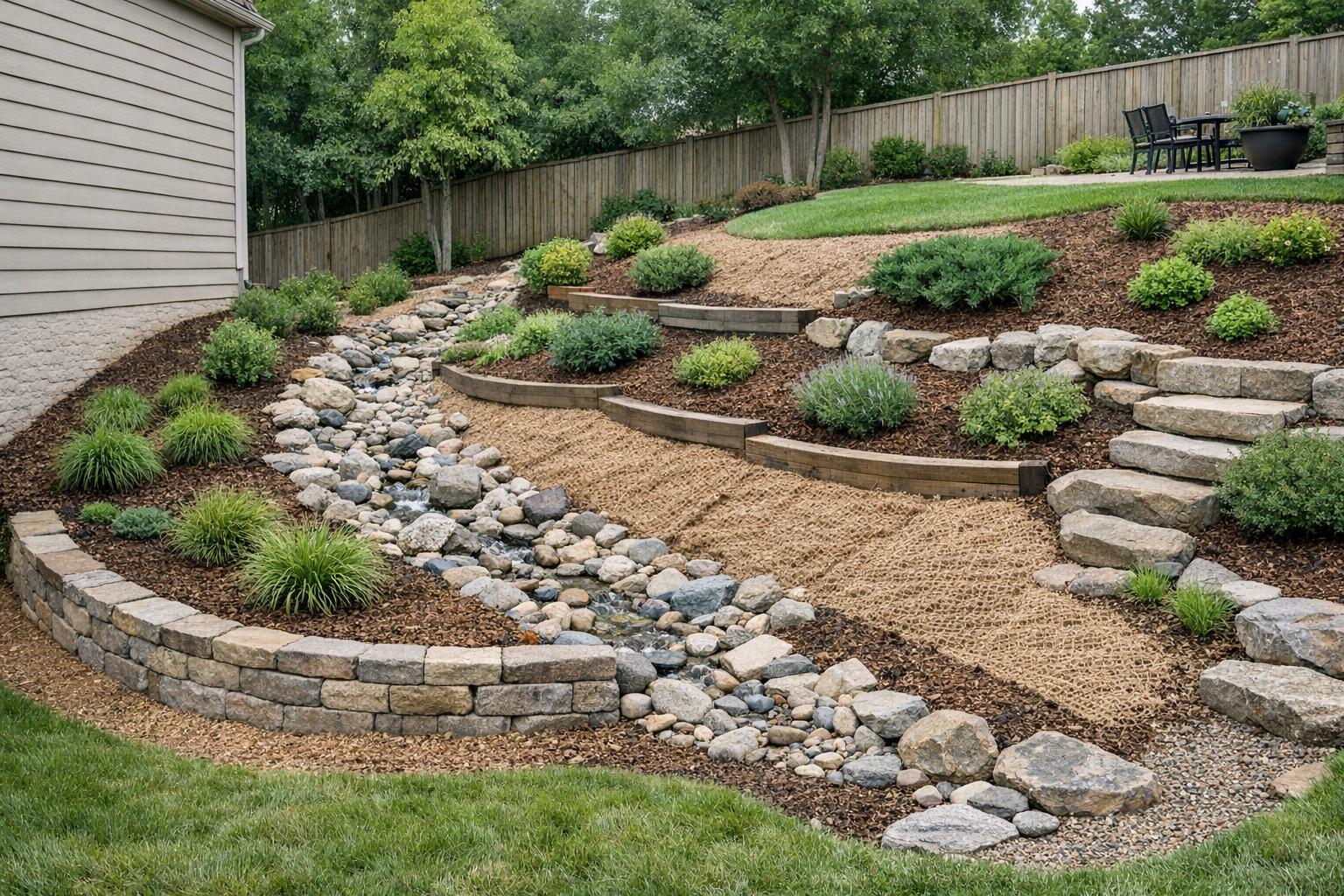
    Drainage Planning Mistakes Homeowners Should Avoid Guide related example showing Drainage detail relevant to pooling, runoff shifts, and warning signs
    This drainage example gives homeowners a visual reference for comparing layout, materials, and maintenance tradeoffs before starting the project.

    Restoration and yard function matter too

    Drainage work that fixes water but leaves the yard awkward, overbuilt, or poorly restored often creates a different kind of dissatisfaction. The best plan solves both water handling and usable finish quality.

    Use quote and expectations guides to stress-test the plan

    The drainage quote guide, drainage expectations guide, and drainage service guide help homeowners catch these planning mistakes before trenching begins.


  • Patio Planning Mistakes Homeowners Should Avoid Guide

    Patio Planning Mistakes Homeowners Should Avoid Guide

    Patio projects often disappoint homeowners when early planning decisions do not match how the space is really going to be used. Weak layout, poor drainage assumptions, undersized furniture areas, and finish-detail oversights can all make the patio feel less comfortable or complete than expected.

    The biggest patio mistakes usually start before the first piece of material is installed.

    Patio detail relevant to planning mistakes, layout, and drainage decisions
    Many patio regrets start with size, layout, drainage, and finish-detail choices that seemed small during planning but feel obvious once the patio is built.

    Layout and size matter more than the finish material alone

    A patio that is too small, awkwardly shaped, or disconnected from the rest of the yard may look acceptable on paper and still feel frustrating in real life. How people move, gather, and place furniture should shape the layout from the start.

    Drainage and finish detail are easy to underestimate

    Slopes, transitions, edges, seating zones, and nearby planting or lighting all affect how the patio performs. These details often create more long-term satisfaction than the surface material alone.

    Patio Planning Mistakes Homeowners Should Avoid Guide related example showing Concrete, paver, and stone outdoor surfaces showing common patio and walkway material choices for homeowners
    This patio example gives homeowners a visual reference for comparing layout, materials, and maintenance tradeoffs before starting the project.

    Use quote and expectations guides to pressure-test the plan

    The patio quote guide, patio expectations guide, and patio service guide help homeowners catch these mistakes before work begins.


  • What to Expect During an Irrigation Project Guide

    What to Expect During an Irrigation Project Guide

    Irrigation projects often feel more involved than homeowners first assume because the system depends on layout, trenching, line work, controller setup, and testing rather than just a few new sprinkler heads. Even a modest upgrade can temporarily affect the yard while crews open access, work through zones, and check coverage.

    Understanding that process helps homeowners judge the project more realistically and know why testing matters so much at the end.

    Irrigation detail relevant to project expectations, trenching, and system testing
    Irrigation projects often move through layout, trenching, line and head work, controller setup, testing, and cleanup before the system feels finished and dependable.

    Early work usually focuses on layout and trenching

    Crews may mark zones, open trenches, expose existing lines, and prepare for head, valve, or controller changes before the final system pattern is obvious. During this phase, the yard can feel more disrupted than homeowners expected.

    Testing and adjustment are a real part of the job

    Coverage checks, controller setup, drip tuning, and final adjustments often happen after the main hardware is already in place. Those steps are what make the system feel complete and trustworthy.

    Use quote and maintenance guides to judge the process

    The irrigation quote guide, irrigation warning signs guide, and irrigation service guide help homeowners understand what the crew is actually doing.

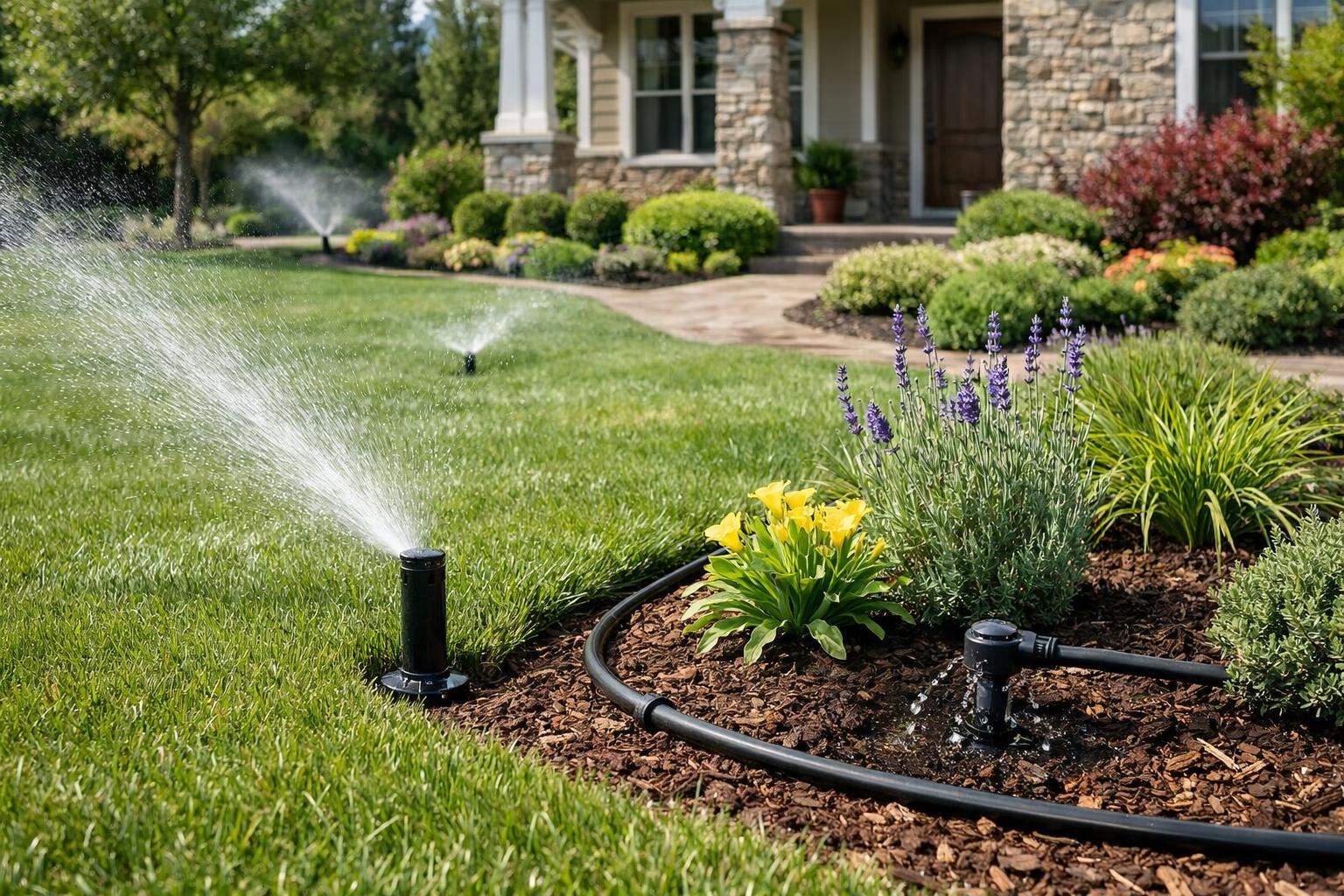
    What to Expect During an Irrigation Project Guide related example showing Irrigation detail relevant to planning mistakes, zoning, and controller decisions
    This irrigation example gives homeowners a visual reference for comparing layout, materials, and maintenance tradeoffs before starting the project.

    Estimate the irrigation budget before installation starts

    Use this calculator as a planning checkpoint before installation so the estimate conversation includes zones, controller choices, trenching, and restoration expectations.

    Irrigation Cost Calculator

    Estimate irrigation pricing based on area, system style, number of zones, and controller choice.


  • What to Expect During a Retaining Wall Project Guide

    What to Expect During a Retaining Wall Project Guide

    Retaining wall projects often feel bigger than homeowners expect because the visible wall face is only one part of the job. Excavation, base preparation, drainage detail, wall construction, backfill, and finish grading can all affect how much of the yard feels disrupted while the project is underway.

    The process often looks roughest before the wall really starts to make visual sense, which is normal for a structurally serious installation.

    Retaining wall detail relevant to project expectations, excavation, and drainage work
    Retaining wall projects often move through excavation, base work, drainage detail, wall construction, backfill, and finish grading before the site feels settled again.

    Early work usually focuses on prep and support

    Crews may excavate, remove soil, compact base material, and handle drainage detail before much of the finished wall face is visible. That preparation work is often what determines how well the wall performs over time.

    What to Expect During a Retaining Wall Project Guide related example showing Retaining wall detail relevant to planning mistakes, drainage, and grade behavior
    This retaining wall example gives homeowners a visual reference for comparing layout, materials, and maintenance tradeoffs before starting the project.

    Backfill and finish grading come after the main structure

    Even once the wall is standing, the job may still need backfill, drainage tie-ins, grading adjustments, cleanup, and restoration around the finished wall before the space feels complete.

    Use quote and timeline guides to frame expectations

    The retaining wall quote guide, retaining wall timeline guide, and retaining wall service guide help homeowners understand what they are seeing during the project.


  • What to Expect During a Drainage Project Guide

    What to Expect During a Drainage Project Guide

    Drainage projects often feel less visual than homeowners expect because much of the real work happens below the surface. Diagnosis, trenching, pipe work, grading adjustments, and outlet planning usually create temporary disruption before the yard looks normal again. That can make the project feel slower or messier than a homeowner anticipated even when it is moving correctly.

    Understanding that sequence usually makes it easier to judge progress and stress less about the temporary state of the yard.

    Drainage detail relevant to project expectations, trenching, and yard restoration
    Drainage projects often move through diagnosis, trenching, pipe installation, grading adjustments, and restoration before the yard starts feeling put back together.

    Early work usually focuses on diagnosis and access

    Crews may confirm runoff patterns, open access, trench, and expose problem areas before the final solution is obvious. During that stage, the project can feel more like investigation than installation.

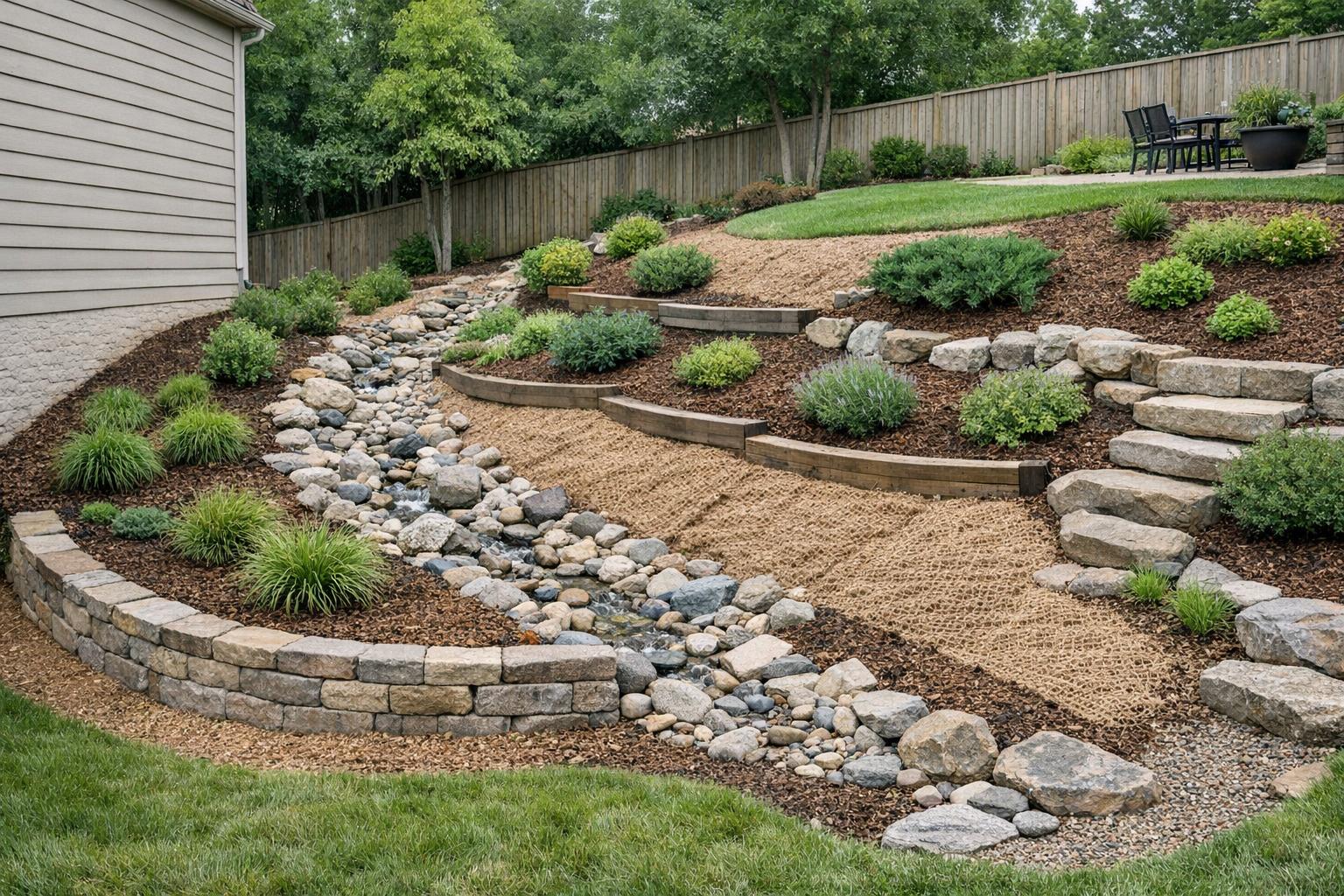
    What to Expect During a Drainage Project Guide related example showing Drainage detail relevant to pooling, runoff shifts, and warning signs
    This drainage example gives homeowners a visual reference for comparing layout, materials, and maintenance tradeoffs before starting the project.

    Restoration often comes after the technical fix

    Once drainage elements are installed, the yard may still need grading refinement, cleanup, and surface restoration before the space feels finished again. Those steps are an important part of the project, not an afterthought.

    Use quote and problem-diagnosis guides to judge the process

    The drainage quote guide, drainage vs regrading guide, and drainage service guide help homeowners understand what the crew is actually solving.


  • What to Expect During a Patio Project Guide

    What to Expect During a Patio Project Guide

    Patio projects often make the yard look rougher before it looks better. Demolition, excavation, base preparation, material staging, paving, and finish detail can all temporarily change how homeowners move through the space and how usable the yard feels. That is normal for a quality installation.

    Homeowners usually feel more comfortable with the process when they know the messy prep phase is often where long-term performance gets decided.

    Patio construction detail relevant to project expectations, excavation, and finish work
    Patio projects often move through demolition, excavation, base compaction, paving, edge work, and cleanup before the space starts feeling finished again.

    Preparation often creates the biggest visible disruption

    Crews may remove old surfaces, open access, excavate, compact base layers, and stage materials before the finished patio takes shape. During that stage, the space can look more torn up than expected even though the project is moving correctly.

    What to Expect During a Patio Project Guide related example showing Concrete, paver, and stone outdoor surfaces showing common patio and walkway material choices for homeowners
    This patio example gives homeowners a visual reference for comparing layout, materials, and maintenance tradeoffs before starting the project.

    Finish detail usually comes later than homeowners expect

    Edge work, transitions, cleanup, furniture-zone refinement, and restoration around the patio often happen after the main surface is already in place. Those steps are what usually make the project feel complete.

    Use quote and timeline guides to judge progress

    The patio quote guide, patio timeline guide, and patio service guide help homeowners connect what they see on-site to the promised scope.


  • Planting and Garden Bed Planning Mistakes Homeowners Should Avoid Guide

    Planting and Garden Bed Planning Mistakes Homeowners Should Avoid Guide

    Planting projects often disappoint homeowners when the design and the long-term care plan are not aligned. Weak layout strategy, undersized plants, unrealistic expectations about how fast the bed will fill in, and missing irrigation support can all make a new bed feel sparse or harder to manage than expected.

    The biggest planting mistakes usually come from focusing on the install day instead of how the bed is supposed to look and behave over time.

    Planting detail relevant to planning mistakes, layout, and maintenance expectations
    Many planting disappointments start with layout choices, undersized material, missing irrigation support, or maintenance expectations that do not match the design.

    Layout and plant-size choices shape the whole project

    Plant material that is too small, too sparse, or not suited to the intended look often creates disappointment that homeowners blame on the installation, even though the issue started in the plan.

    Maintenance expectations should be part of planning

    Watering, mulch, pruning, and seasonal care all affect whether the bed matures into the original design. If those needs are not part of the conversation, the project is easier to regret later.

    Planting and Garden Bed Planning Mistakes Homeowners Should Avoid Guide related example showing Attractive residential front yard with walkway, planting beds, lawn, and curb appeal landscaping
    This front yard example gives homeowners a visual reference for comparing layout, materials, and maintenance tradeoffs before starting the project.

    Use quote and expectations guides to pressure-test the bed design

    The planting quote guide, planting expectations guide, and planting service guide help homeowners catch these planning mistakes before installation.


  • Sod and Lawn Planning Mistakes Homeowners Should Avoid Guide

    Sod and Lawn Planning Mistakes Homeowners Should Avoid Guide

    Sod projects often feel straightforward, but many homeowner frustrations start in the planning stage. Weak soil-prep assumptions, irrigation gaps, poor project timing, and unrealistic expectations about traffic or early use can all undermine the finished lawn before it has a real chance to establish well.

    The biggest lawn mistakes usually come from assuming the green surface itself is the whole project.

    Lawn detail relevant to planning mistakes, prep, and irrigation decisions
    Many lawn problems start with shallow prep, weak irrigation assumptions, poor timing, or expecting a new lawn to handle traffic before it is ready.

    Preparation and irrigation are easy to underestimate

    Homeowners sometimes focus on sod variety or price without asking enough about grading, soil improvement, irrigation readiness, and how the lawn will be supported after installation. Those choices usually matter more than the roll of sod itself.

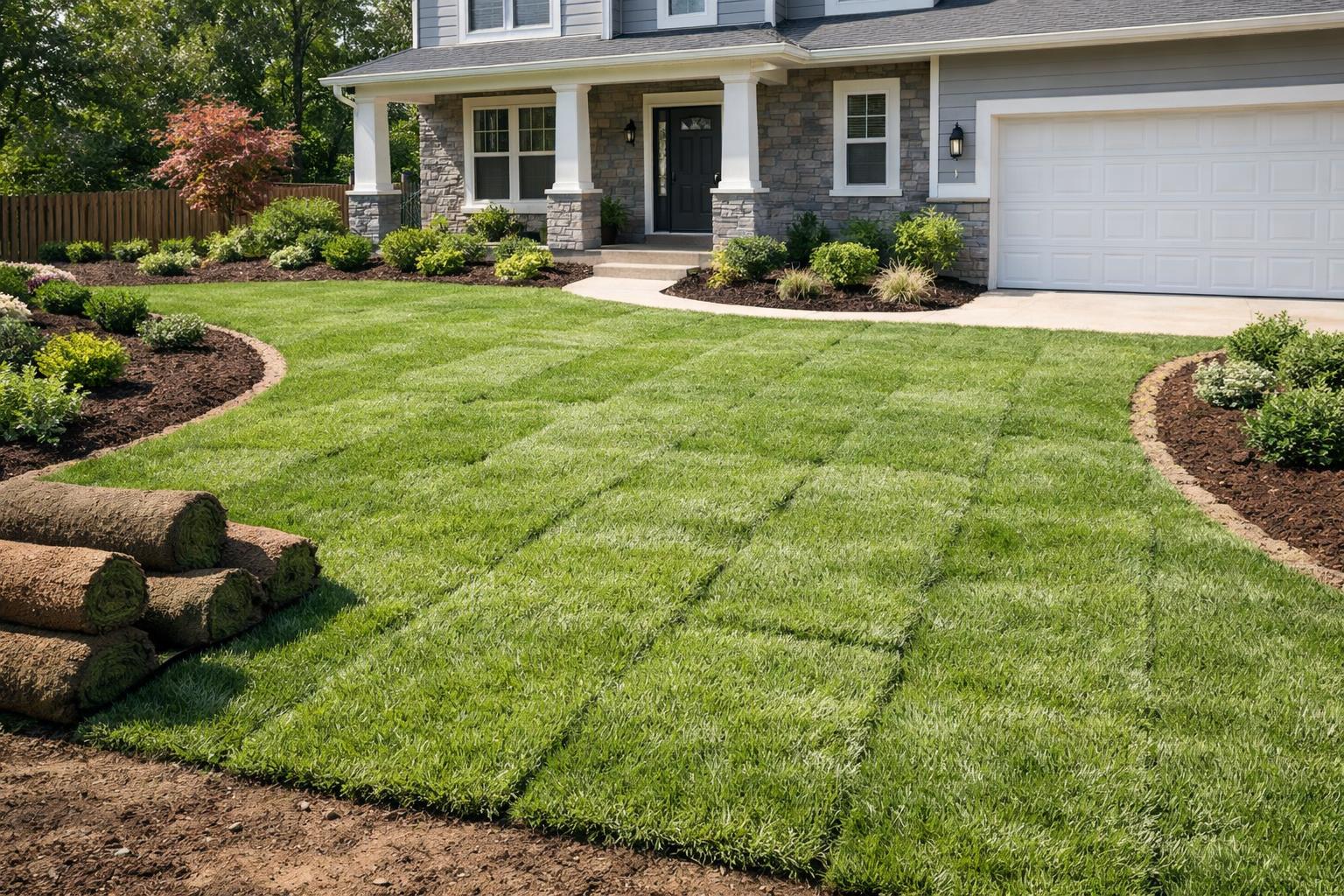
    Sod and Lawn Planning Mistakes Homeowners Should Avoid Guide related example showing Sod installation detail relevant to soil preparation, grading, irrigation, and quote comparison for homeowners
    This lawn example gives homeowners a visual reference for comparing layout, materials, and maintenance tradeoffs before starting the project.

    Timing and use expectations matter too

    Installing at the wrong moment, rushing traffic back onto the lawn, or assuming the yard will behave like a mature lawn too quickly often leads to preventable stress and disappointment.

    Use quote and expectations guides to pressure-test the plan

    The sod quote guide, sod expectations guide, and sod service guide help homeowners catch these planning mistakes before the work starts.


  • Walkway and Pathway Planning Mistakes Homeowners Should Avoid Guide

    Walkway and Pathway Planning Mistakes Homeowners Should Avoid Guide

    Walkways often seem simple when homeowners first sketch them out, but small planning choices can create lasting frustration. A path that is too narrow, awkwardly placed, poorly drained, or weakly tied into surrounding spaces may look acceptable at first and still function poorly over time.

    The biggest walkway mistakes usually start before materials are even chosen.

    Walkway detail relevant to planning mistakes, layout, and edge decisions
    Many walkway problems start with path width, awkward circulation, weak edge planning, or drainage decisions that do not get enough attention early.

    Layout and width matter more than homeowners expect

    Paths that feel cramped, awkward, or disconnected from how people actually move through the yard often create more regret than surface-material decisions. Good circulation should shape the layout from the start.

    Edges, drainage, and transitions are often underestimated

    Weak edge detail, poor transitions to patios or lawn, and drainage decisions that get treated as afterthoughts can all shorten the life of the path and make the finish feel less polished.

    Walkway and Pathway Planning Mistakes Homeowners Should Avoid Guide related example showing Front entry walkway with edging, planting beds, and material detail relevant to pathway cost planning
    This walkway example gives homeowners a visual reference for comparing layout, materials, and maintenance tradeoffs before starting the project.

    Use quote and expectations guides to catch these issues

    The walkway quote guide, walkway expectations guide, and walkway service guide help homeowners spot these planning mistakes early.


  • Landscape Lighting Planning Mistakes Homeowners Should Avoid Guide

    Landscape Lighting Planning Mistakes Homeowners Should Avoid Guide

    Landscape lighting can look dramatic in inspiration photos, but real homeowner mistakes usually start before the first fixture is installed. Weak layering, poor placement, over-lighting, and skipping nighttime adjustment can leave the yard feeling flat, harsh, or uneven after dark. A good lighting plan is more about balance than brightness.

    The most common disappointments usually come from treating the fixture list as the design.

    Lighting detail relevant to planning mistakes, placement, and brightness decisions
    Many lighting mistakes come from treating fixture count as the whole design instead of thinking about placement, balance, focal points, and how the yard feels after dark.

    Placement matters more than homeowners expect

    Too many lights in one area, not enough depth, weak path-light spacing, or trying to light every feature equally can all make the yard look less intentional. Good lighting usually depends on emphasis and restraint.

    Landscape Lighting Planning Mistakes Homeowners Should Avoid Guide related example showing Landscape lighting detail relevant to fixture placement, wiring scope, and quote comparison for homeowners
    This lighting example gives homeowners a visual reference for comparing layout, materials, and maintenance tradeoffs before starting the project.

    Skipping nighttime adjustment is a common mistake

    What looks correct during the day can feel totally different after dark. Final aiming and rebalancing are often what make the system feel professional.

    Use quote and expectations guides to stress-test the plan

    The lighting quote guide, lighting expectations guide, and lighting service guide help homeowners catch these mistakes before the project starts.