Landscaping Services

Homeowner guides to landscaping service types, including hardscaping, planting, drainage, lighting, irrigation, and maintenance planning.

Start with the service type

Landscaping Services Guideposts

Use these guides to understand what each service includes before comparing providers or requesting quotes.

Core service explainers

Start here when you are still deciding what kind of landscaper or outdoor contractor you need.

Compare before you hire

Use these pages when two services or surface choices sound similar but lead to different scopes.

Hire smarter

Planning And Contractor Comparison

Use this hub when you are moving from ideas into estimates, bids, and contractor conversations.

Before requesting estimates

These guides help define scope and compare companies before the first site visit.

Budget with better assumptions

Cost Guides And Calculators

Use this hub to move from rough budget ranges into the details that usually change quotes.

Calculator starting points

Open the calculator hub or a cost guide when you need a quick planning range.

High-impact cost decisions

These pages help compare choices where price, lifespan, and maintenance tradeoffs matter.

Understand the build

Installation And Site-Work Pathways

Use these guides to understand sequencing, site prep, access, and the details that affect long-term performance.

Hardscape and site prep

These projects often depend on base prep, demolition, grading, drainage, and access.

Drainage and retaining work

Use these when water, grade, or slope stability is part of the project.

Choose materials with ownership in mind

Material And Finish Decision Paths

Use these guides when appearance, maintenance, replacement, and budget all affect the right material choice.

Surface and finish comparisons

Compare outdoor surfaces before committing to a driveway, patio, or lawn direction.

Landscape material planning

Use these pages when quantity, delivery, or long-term maintenance are the main concern.

Protect the investment

Maintenance And Ownership Next Steps

Use these guides to understand ongoing care, seasonal refreshes, and when maintenance points to a bigger fix.

Maintenance planning

These guides help compare recurring service, seasonal work, and refresh projects.

When upkeep becomes repair

Use these when repeated maintenance problems suggest drainage, surface, or material issues.

  • Outdoor Room Layout Ideas Guide for Homeowners

    Outdoor Room Layout Ideas Guide for Homeowners

    Many backyards become easier to use when they are planned like outdoor rooms instead of one large open space. That does not mean every yard needs walls or elaborate structures. It means the layout should give the patio, dining area, lawn, circulation, and gathering spaces clearer roles.

    Give each zone one main purpose

    A backyard often works better when one zone is clearly for dining, one is clearly for lounging, and one is reserved for open-use space. This keeps furniture, traffic flow, and planting decisions from fighting each other.

    Outdoor Room Layout Ideas Guide for Homeowners related example showing Outdoor kitchen construction detail relevant to utility work, finish scope, and quote comparison for homeowners
    This outdoor kitchen example gives homeowners a visual reference for comparing layout, materials, and maintenance tradeoffs before starting the project.

    Use planting and hardscape to define rooms softly

    Outdoor rooms do not need hard separation everywhere. Sometimes a planting bed, a path shift, a low wall, or a lighting change is enough to help the spaces feel distinct.

    Outdoor Room Layout Ideas Guide for Homeowners related example showing Residential outdoor kitchen with grill, counters, patio, and features that affect project cost
    This related outdoor kitchen detail helps show how site conditions and finish choices can change the homeowner's plan.

    Plan circulation between zones early

    The layout matters most where people move from one zone to another. Our Backyard Landscaping Ideas and Planning Guide for Homeowners is the right companion if the whole yard still needs a broader master plan.

    What homeowners should remember

    The best outdoor room ideas usually make the backyard feel calmer and more useful because each part of the yard has a clearer job.
  • Gravel Path Ideas Guide for Homeowners

    Gravel Path Ideas Guide for Homeowners

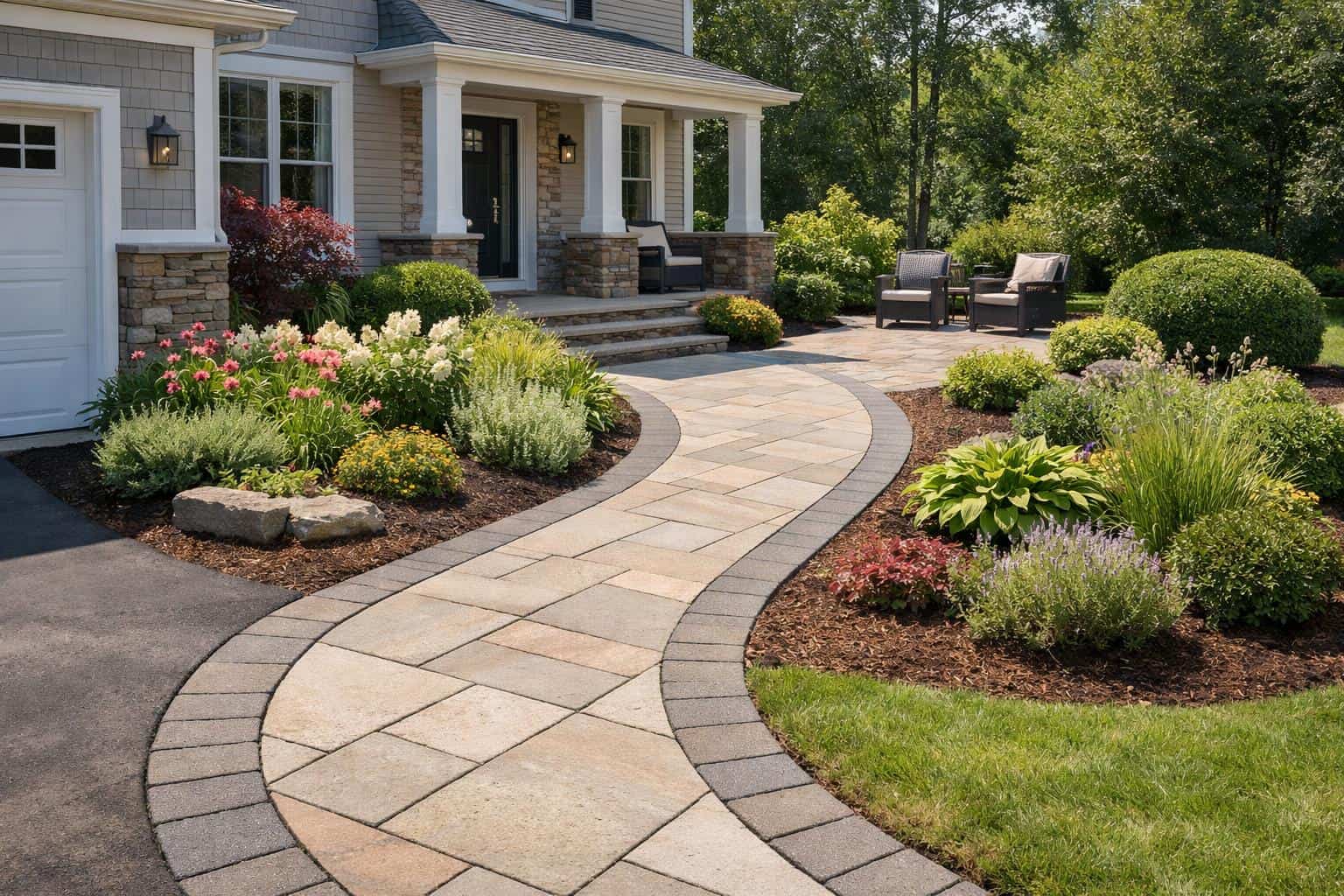
    Gravel paths can look relaxed and natural, but they still need structure to work well. The best gravel-path ideas account for edging, width, drainage, and how the path connects the important parts of the property.

    Make the route intentional

    A gravel path should guide movement clearly. Even an informal path should feel deliberate in how it connects entries, patios, garden areas, or side yards.

    Contain the material well

    Without good edging and base conditions, gravel can migrate, thin out, or become messy over time. If you are still comparing walkway types more broadly, use our Walkway and Pathway Installation Guide for Homeowners.

    Match the path style to the yard

    Gravel tends to fit best where the landscape has a softer, more natural character. On some homes, it can work beautifully. On others, a cleaner hardscape material may support the architecture better.

    What homeowners should remember

    The best gravel-path ideas balance softness with structure so the path feels intentional and stays practical to use.


  • Foundation Planting Ideas Guide for Homeowners

    Foundation Planting Ideas Guide for Homeowners

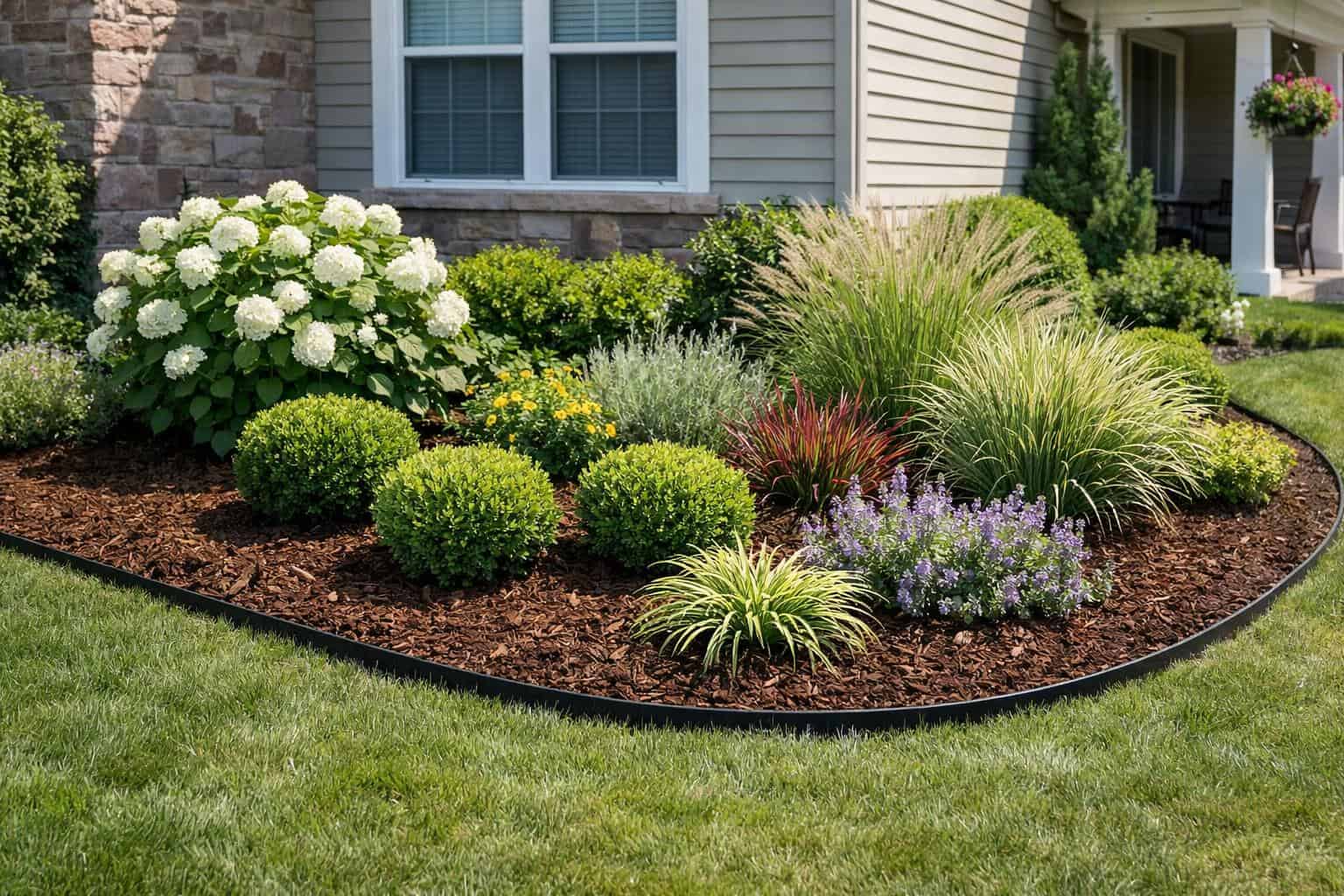
    Foundation planting should help the house sit better in the landscape. The best planting ideas soften long walls, frame windows and entry points, and create a more balanced relationship between the home and the yard without hiding the architecture.

    Use layering instead of one flat row

    A single line of shrubs can make the house feel heavy and dated. In many cases, foundation beds improve when there is more depth, plant-height variation, and better spacing.

    Respect windows, corners, and entry zones

    Foundation planting should support the parts of the house people notice most. That means staying honest about mature size and leaving important architectural elements visible.

    Coordinate the bed with the wider front yard

    Foundation planting feels strongest when it works with the walkway, front entry, and adjacent front-yard beds. Our Front Yard Landscaping Guide for Homeowners is the best next read if the whole front layout still needs work.

    What homeowners should remember

    The best foundation planting ideas make the house feel more grounded and intentional, not more crowded.


  • Backyard Dining Area Ideas Guide for Homeowners

    Backyard Dining Area Ideas Guide for Homeowners

    A backyard dining area usually works best when it is planned around movement, shade, lighting, and proximity to the house instead of only around the size of the table. The right dining layout can make the entire backyard feel more usable.

    Keep the dining zone connected to the house

    In many yards, outdoor dining works best when it is close enough to the kitchen or door to feel convenient. That does not always mean directly against the house, but it usually should not feel isolated.

    Protect room around the table

    Dining space needs pull-back room for chairs and enough circulation around the seating zone. If the patio itself still needs layout work, our Backyard Patio Layout Ideas Guide for Homeowners is a useful companion.

    Backyard Dining Area Ideas Guide for Homeowners related example showing Small Backyard Landscaping detail relevant to warning signs, wear, and maintenance decisions
    This backyard example gives homeowners a visual reference for comparing layout, materials, and maintenance tradeoffs before starting the project.

    Support the dining area with shade and lighting

    Good backyard dining ideas account for sun exposure during the day and visibility at night. A strong dining zone often depends as much on comfort conditions as on furniture selection.

    Backyard Dining Area Ideas Guide for Homeowners related example showing Small Backyard Landscaping detail relevant to planning mistakes, layout, and upkeep expectations
    This related backyard detail helps show how site conditions and finish choices can change the homeowner's plan.

    What homeowners should remember

    The best backyard dining areas usually feel convenient, comfortable, and naturally connected to the rest of the yard.


  • Drought-Tolerant Front Yard Ideas Guide for Homeowners

    Drought-Tolerant Front Yard Ideas Guide for Homeowners

    Drought-tolerant front yards can still feel polished, welcoming, and well-designed. The best ideas go beyond just removing turf. They balance water-saving plant choices with layout, entry clarity, and materials that make the front of the home feel intentional.

    Replace weak lawn areas first

    Awkward strips of turf, dry corners, and hard-to-irrigate zones are often the best candidates for conversion. Those areas usually offer the fastest water savings with the least effect on how the yard functions.

    Use stronger plant grouping and repetition

    Lower-water planting tends to look better when similar species are grouped intentionally. For the broader strategy, pair this with our Low-Water Landscaping Guide for Homeowners.

    Keep the front entry legible

    Even in lower-water designs, the path to the front door should remain the visual priority. A drought-tolerant yard should still feel like a front yard first, not just a water-reduction exercise.

    What homeowners should remember

    The best drought-tolerant front yard ideas usually improve both water use and curb appeal because the design gets cleaner and more purposeful.


  • Backyard Privacy Screen Ideas Guide for Homeowners

    Backyard Privacy Screen Ideas Guide for Homeowners

    A backyard privacy screen should make the space feel more comfortable, not more boxed in. Whether the screen is mostly planting, partly structural, or a mix of both, the best ideas usually focus on protecting the key sightlines that affect how the yard is actually used.

    Start with the patio or seating view

    Instead of screening every property edge equally, many homeowners get a better result by focusing first on the views from dining, lounging, or gathering zones.

    Use layers for a softer result

    Layered screening often feels better than one hard line because it gives the yard more depth and can be adjusted over time. Our Privacy Landscaping Guide for Homeowners is a helpful companion if you are still comparing hedge, tree, and mixed-screen approaches.

    Backyard Privacy Screen Ideas Guide for Homeowners related example showing Layered privacy landscaping with screening plants, mulch beds, and fence-line layout detail
    This privacy example gives homeowners a visual reference for comparing layout, materials, and maintenance tradeoffs before starting the project.

    Keep airflow and maintenance in mind

    Dense screening can create upkeep and comfort issues if it blocks access, traps debris, or becomes too tight around the patio. Good privacy ideas should still support cleanup and circulation.

    Backyard Privacy Screen Ideas Guide for Homeowners related example showing Residential privacy landscaping scene with layered screening plants, planting beds, and fence line context
    This related privacy detail helps show how site conditions and finish choices can change the homeowner's plan.

    What homeowners should remember

    The strongest backyard privacy screens usually improve comfort where people gather without making the yard feel smaller everywhere else.


  • Front Yard Walkway Lighting Ideas Guide

    Front Yard Walkway Lighting Ideas Guide

    Walkway lighting in the front yard should help the path feel obvious and welcoming after dark. The best ideas do not just add fixtures along both sides at even intervals. They support how people arrive, where the path turns, and what parts of the entry sequence deserve emphasis.

    Light the route, not just the edges

    Fixtures should help people understand the path to the door, especially where the walkway bends, narrows, or meets steps. In some front yards, fewer better-placed lights work more effectively than a long row of fixtures.

    Front Yard Walkway Lighting Ideas Guide related example showing Front entry walkway with edging, planting beds, and material detail relevant to pathway cost planning
    This walkway example gives homeowners a visual reference for comparing layout, materials, and maintenance tradeoffs before starting the project.

    Coordinate lighting with planting and entry design

    Walkway lighting looks stronger when it works with bed lines, planting rhythm, and the front entry instead of being added as an afterthought. Pair this with the Front Entry Landscaping Ideas Guide for Homeowners if the entrance itself still needs work.

    Front Yard Walkway Lighting Ideas Guide related example showing Walkway detail relevant to settling, edge wear, and warning signs
    This related walkway detail helps show how site conditions and finish choices can change the homeowner's plan.

    Avoid glare and over-lighting

    Path lights should guide movement without creating harsh points of brightness. A softer, layered approach often looks more expensive and feels better at night.

    What homeowners should remember

    The best walkway-lighting ideas make the front approach easier to use while still letting the yard feel calm and composed after dark.


  • Driveway Border and Apron Ideas Guide for Homeowners

    Driveway Border and Apron Ideas Guide for Homeowners

    Driveway borders and aprons can make a basic concrete or paved driveway look more intentional, but only when they support the overall layout instead of feeling like bolt-on decoration. The best designs help define edges, improve transition points, and tie the driveway to the walkway, curb, and front yard.

    Use borders to reinforce the driveway shape

    A border can make the driveway feel cleaner and more deliberate, especially when the main slab is visually simple. It often works best when it relates to walkway material, house color, or another hardscape finish already on the property.

    Driveway Border and Apron Ideas Guide for Homeowners related example showing Small Backyard Landscaping detail relevant to warning signs, wear, and maintenance decisions
    This backyard example gives homeowners a visual reference for comparing layout, materials, and maintenance tradeoffs before starting the project.

    Think about the apron as a transition zone

    The apron is usually where the driveway meets the street or curb, so it carries more visual weight than many homeowners expect. If you want the broader installation context, use this ideas page with our Concrete Driveway Installation Process Explained Step-by-Step.

    Do not let detail work outgrow the house

    One common mistake is adding too much pattern or contrast at the driveway edge. Borders and aprons should support curb appeal, not compete with it.

    Driveway Border and Apron Ideas Guide for Homeowners related example showing Small Backyard Landscaping detail relevant to planning mistakes, layout, and upkeep expectations
    This related backyard detail helps show how site conditions and finish choices can change the homeowner's plan.

    What homeowners should remember

    The strongest driveway border and apron ideas usually make the front of the property feel more finished without making the design busier.


  • Backyard Fire Pit Seating Ideas Guide for Homeowners

    Backyard Fire Pit Seating Ideas Guide for Homeowners

    Fire pit seating works best when it feels intentional, not improvised. The best layouts give people comfortable distances from the flame, clear movement around the feature, and enough room for the rest of the patio or yard to function.

    Decide whether the space is for conversation or larger entertaining

    A tighter circular layout can be great for conversation, while a broader patio arrangement may work better if the fire pit is only one part of a larger entertaining area.

    Backyard Fire Pit Seating Ideas Guide for Homeowners related example showing Small Backyard Landscaping detail relevant to warning signs, wear, and maintenance decisions
    This backyard example gives homeowners a visual reference for comparing layout, materials, and maintenance tradeoffs before starting the project.

    Leave room to move behind the seating

    One of the easiest ways to make a fire pit area feel cramped is to push the seating ring too tightly into planting, walls, or patio edges. Our Fire Pit Installation Guide for Homeowners is useful if you are still deciding how the feature itself should fit the yard.

    Backyard Fire Pit Seating Ideas Guide for Homeowners related example showing Small Backyard Landscaping detail relevant to planning mistakes, layout, and upkeep expectations
    This related backyard detail helps show how site conditions and finish choices can change the homeowner's plan.

    Let the surrounding surface support the seating plan

    The seating layout and the surface should be planned together. Otherwise the area can end up looking like furniture was dropped into leftover space instead of designed around the fire feature.

    What homeowners should remember

    The best fire pit seating ideas are usually the ones that make the whole gathering area feel easier to use, not just more full.


  • Corner Lot Front Yard Landscaping Ideas Guide

    Corner Lot Front Yard Landscaping Ideas Guide

    Corner lots often have more design potential and more landscaping pressure at the same time. Because there is more visible frontage, a corner-lot yard can feel unfinished more easily if the side exposure, bed layout, and entry sequence are not planned as one composition.

    Treat the side frontage like part of the front yard

    One of the most common mistakes on a corner lot is focusing only on the direct front elevation while leaving the exposed side yard underdesigned. The side should usually be simplified and organized so the whole property feels intentional.

    Corner Lot Front Yard Landscaping Ideas Guide related example showing Front entry landscape materials relevant to choosing surfaces and finishes for a smaller yard
    This front yard example gives homeowners a visual reference for comparing layout, materials, and maintenance tradeoffs before starting the project.

    Create a clear hierarchy of spaces

    Not every visible edge needs the same amount of detail. The front entry should still lead, but the side frontage needs enough structure and planting rhythm to support the home from multiple angles.

    Corner Lot Front Yard Landscaping Ideas Guide related example showing Small front yard hardscape and planting materials relevant to curb-appeal planning
    This related front yard detail helps show how site conditions and finish choices can change the homeowner's plan.

    Use scale and repetition to control the larger visual field

    Because corner lots are often visually wider, repeated shrubs, clean edging, and stronger bed organization usually work better than lots of small unrelated accents.

    What homeowners should remember

    The best corner-lot ideas make the whole property feel cohesive instead of treating the side frontage like leftover space.