Landscaping Services

Homeowner guides to landscaping service types, including hardscaping, planting, drainage, lighting, irrigation, and maintenance planning.

Start with the service type

Landscaping Services Guideposts

Use these guides to understand what each service includes before comparing providers or requesting quotes.

Core service explainers

Start here when you are still deciding what kind of landscaper or outdoor contractor you need.

Compare before you hire

Use these pages when two services or surface choices sound similar but lead to different scopes.

Hire smarter

Planning And Contractor Comparison

Use this hub when you are moving from ideas into estimates, bids, and contractor conversations.

Before requesting estimates

These guides help define scope and compare companies before the first site visit.

Budget with better assumptions

Cost Guides And Calculators

Use this hub to move from rough budget ranges into the details that usually change quotes.

Calculator starting points

Open the calculator hub or a cost guide when you need a quick planning range.

High-impact cost decisions

These pages help compare choices where price, lifespan, and maintenance tradeoffs matter.

Understand the build

Installation And Site-Work Pathways

Use these guides to understand sequencing, site prep, access, and the details that affect long-term performance.

Hardscape and site prep

These projects often depend on base prep, demolition, grading, drainage, and access.

Drainage and retaining work

Use these when water, grade, or slope stability is part of the project.

Choose materials with ownership in mind

Material And Finish Decision Paths

Use these guides when appearance, maintenance, replacement, and budget all affect the right material choice.

Surface and finish comparisons

Compare outdoor surfaces before committing to a driveway, patio, or lawn direction.

Landscape material planning

Use these pages when quantity, delivery, or long-term maintenance are the main concern.

Protect the investment

Maintenance And Ownership Next Steps

Use these guides to understand ongoing care, seasonal refreshes, and when maintenance points to a bigger fix.

Maintenance planning

These guides help compare recurring service, seasonal work, and refresh projects.

When upkeep becomes repair

Use these when repeated maintenance problems suggest drainage, surface, or material issues.

  • Small Front Yard Landscaping Ideas Guide for Homeowners

    Small Front Yard Landscaping Ideas Guide for Homeowners

    A small front yard needs more discipline than a large one. When the space is limited, every path, bed line, shrub, and material choice is more noticeable. That is why small front yards usually look best when the layout is simple, the planting is scaled correctly, and the entry sequence feels clear.

    Prioritize the path and the front door

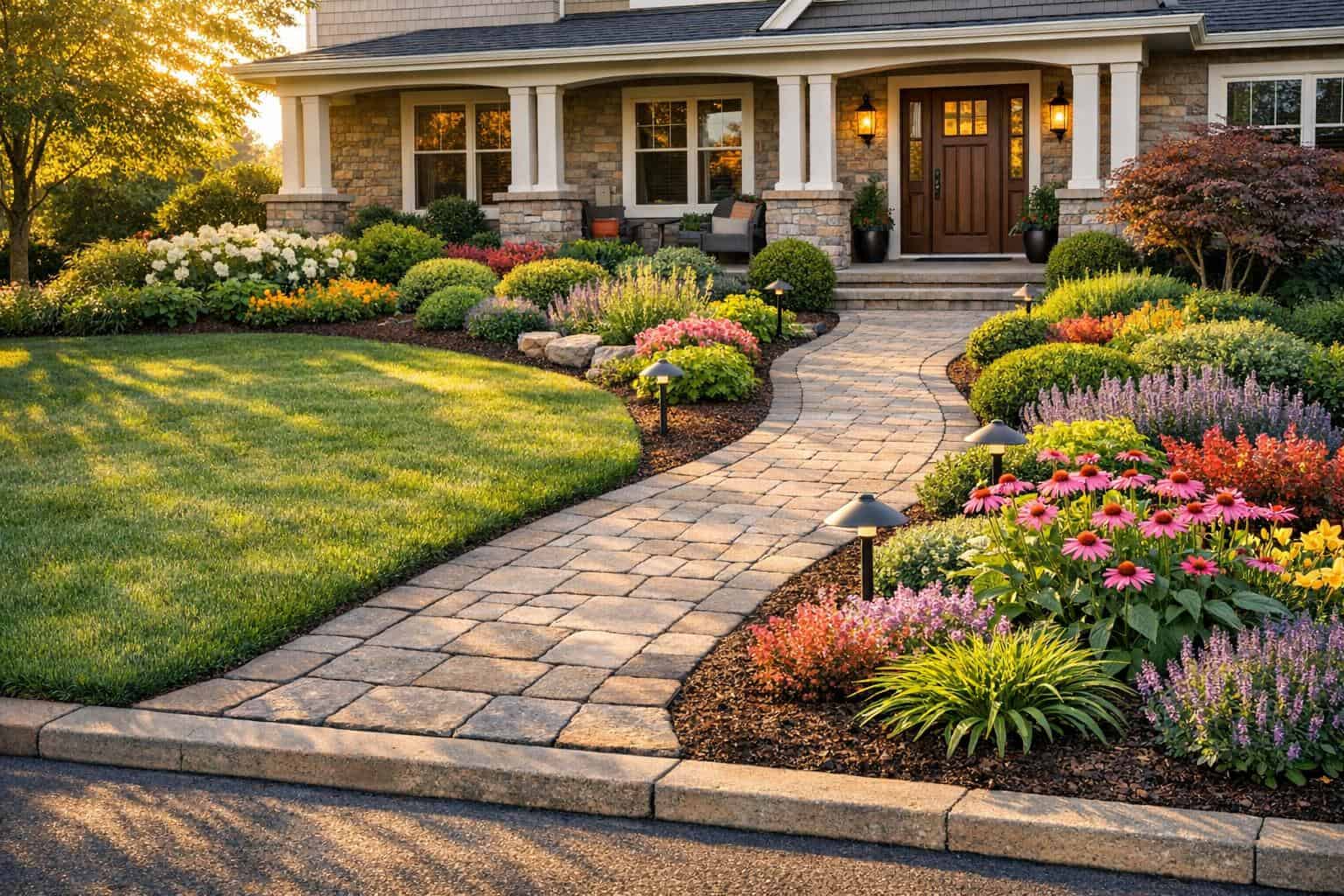
    If people cannot immediately read how to get from the sidewalk or driveway to the front door, the yard will feel cluttered no matter how attractive the planting is. In tight spaces, the walkway should lead the composition. If your entry path needs work, use our Front Yard Landscaping Guide for Homeowners alongside the walkway guide to think through both design and circulation.

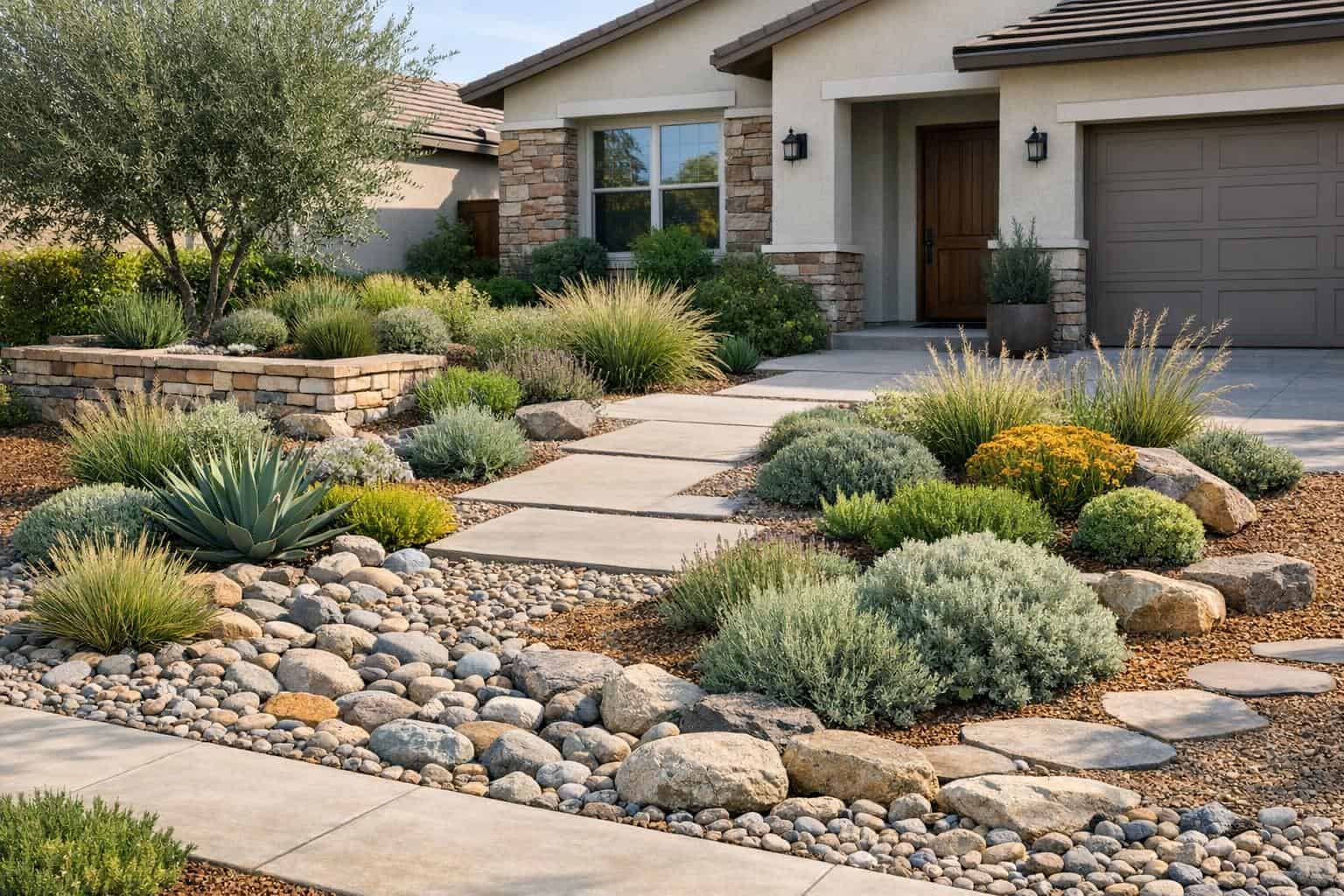
    Small Front Yard Landscaping Ideas Guide for Homeowners related example showing Front entry landscape materials relevant to choosing surfaces and finishes for a smaller yard
    This front yard example gives homeowners a visual reference for comparing layout, materials, and maintenance tradeoffs before starting the project.

    Use fewer larger moves instead of many tiny details

    Small front yards often get overloaded with little edging changes, scattered flowers, or too many accent objects. A simpler bed shape, one specimen shrub or tree, repeated ground-level plantings, and a cleaner material palette usually feels stronger.

    Keep plant size honest

    Many small yards become maintenance problems because the original plant choices outgrow the space. Check mature size, not nursery size. You want room for the plants to fill in without swallowing windows, paths, or the entry stoop.

    Small Front Yard Landscaping Ideas Guide for Homeowners related example showing Small front yard hardscape and planting materials relevant to curb-appeal planning
    This related front yard detail helps show how site conditions and finish choices can change the homeowner's plan.

    Use lighting and edging to make the yard feel finished

    Because the square footage is limited, small front yards benefit from details that make the design look sharper rather than bigger. Clean edging, a defined mulch line, and a few well-placed lights can make a modest layout look much more intentional.

    What homeowners should remember

    Small front yard landscaping is usually not about fitting in more features. It is about removing confusion, simplifying the layout, and making the arrival experience feel polished the moment someone sees the house.

  • Budget Backyard Landscaping Ideas Guide for Homeowners

    Budget Backyard Landscaping Ideas Guide for Homeowners

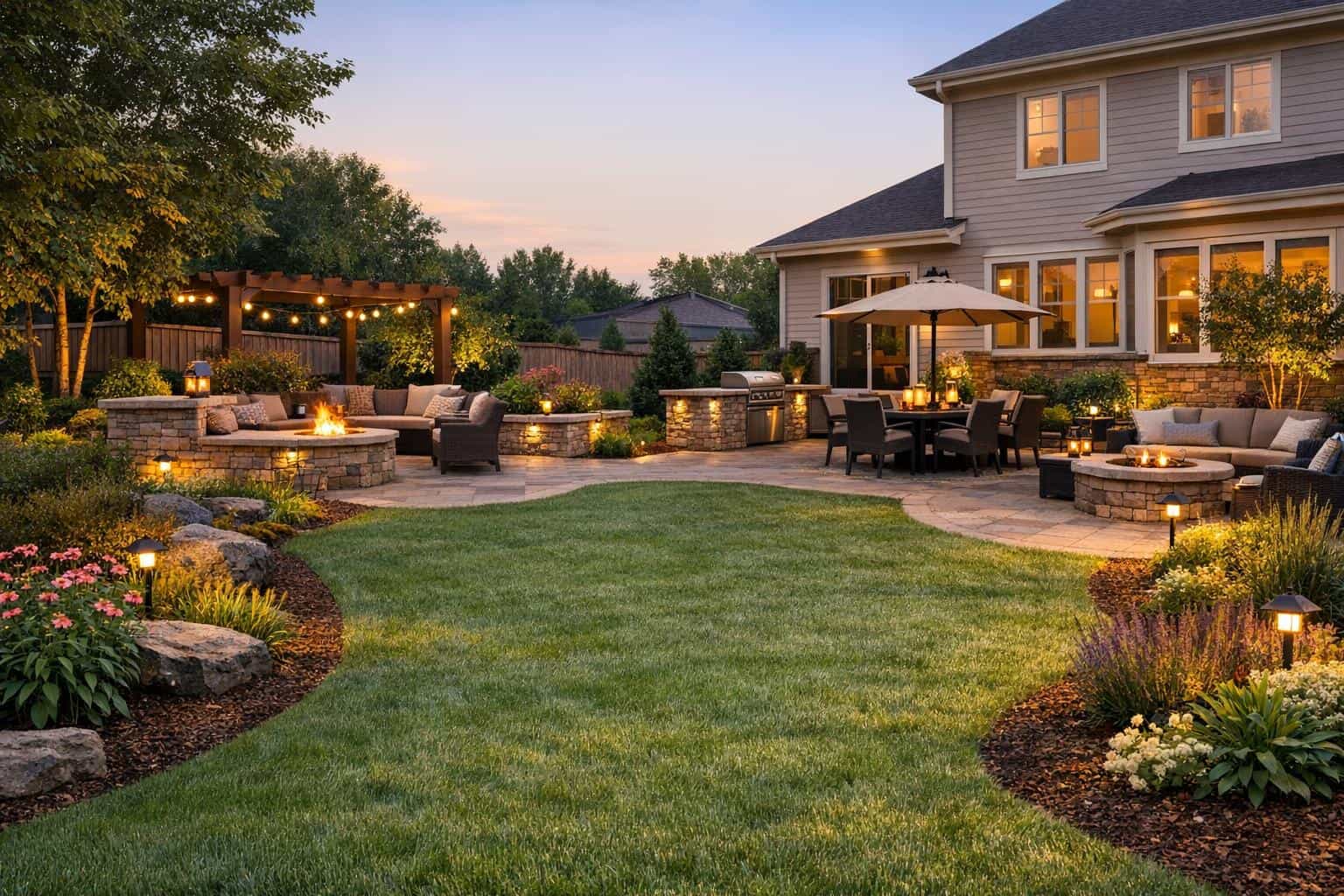
    A better backyard does not always start with a large project. In many yards, the biggest improvement comes from choosing a few smart moves that make the space easier to use, easier to maintain, and more finished than it feels now.

    Budget-minded backyard planning usually works best when you focus on function first. Ask what the yard needs to do better: more seating, better circulation, privacy, drainage fixes, shade, or simpler upkeep. For the bigger planning view, see our Backyard Landscaping Ideas and Planning Guide for Homeowners.

    Improve one gathering zone before you redo the whole yard

    A modest patio refresh, a cleaned-up seating zone, or a better dining area often changes how the yard feels faster than scattering money across many small purchases. If you are deciding whether to invest in a patio area, the Patio Installation Guide for Homeowners can help you think through size and layout.

    Use planting to frame the yard instead of filling every edge

    Homeowners often overspend by trying to plant every bed heavily at once. A tighter budget usually works better with a few stronger plant groupings that frame the yard, soften hard edges, and make the space feel intentional. You can fill in later as the project phases out.

    Fix drainage or grading before cosmetic upgrades

    If puddling, runoff, or slope issues are part of the backyard problem, that work often needs to happen before decorative improvements. Otherwise you risk redoing planting or hardscape later. Our Drainage Solutions Guide for Homeowners is a good starting point if water is part of the conversation.

    Budget Backyard Landscaping Ideas Guide for Homeowners related example showing Small Backyard Landscaping detail relevant to warning signs, wear, and maintenance decisions
    This backyard example gives homeowners a visual reference for comparing layout, materials, and maintenance tradeoffs before starting the project.

    Build in phases on purpose

    Budget landscaping gets easier when the project is phased intentionally instead of postponed randomly. Start with what affects daily use the most, then move to privacy, lighting, and finish upgrades later. The site’s How to Phase a Landscaping Project Guide can help you decide what should happen first.

    What homeowners should remember

    Budget backyard landscaping works best when each dollar supports comfort, circulation, maintenance, or future expansion. The smartest lower-cost project is usually the one that makes the yard more usable now and easier to improve later.

    Budget Backyard Landscaping Ideas Guide for Homeowners related example showing Small Backyard Landscaping detail relevant to planning mistakes, layout, and upkeep expectations
    This related backyard detail helps show how site conditions and finish choices can change the homeowner's plan.

  • Modern Front Yard Landscaping Ideas Guide for Homeowners

    Modern Front Yard Landscaping Ideas Guide for Homeowners

    Modern front yard landscaping usually works best when the design feels clean, intentional, and easy to maintain. That does not mean the yard has to feel cold or minimal for the sake of style. It means the layout, materials, planting, and lighting all support the same visual direction instead of competing with each other.

    For most homeowners, a modern front yard comes down to a few repeatable decisions: simplify the plant palette, sharpen the hardscape lines, make the entry sequence clear, and reduce visual clutter. If you want the broader planning context first, start with our Front Yard Landscaping Guide for Homeowners.

    Use fewer plant varieties and repeat them well

    One of the easiest ways to make a front yard feel more modern is to stop treating every bed like a separate little project. Repeating the same shrub form, ground cover, or perennial grouping creates a cleaner look than mixing many unrelated textures. That does not mean every plant has to match. It means the yard should read as one composition when someone sees it from the curb.

    Make the walkway and entry do more visual work

    Many front yards feel dated because the path to the door feels like an afterthought. A modern layout usually gives the walkway clearer edges, better proportion, and stronger connection to the house. If your walkway is part of the project, our Walkway and Pathway Installation Guide for Homeowners can help you think through width, material, and circulation before you choose finishes.

    Choose materials with a calmer color range

    Modern front yards often look more expensive because the material palette is tighter. Neutral pavers, dark mulch, restrained rock accents, steel or black fixtures, and clean edging can all help. The goal is not to eliminate contrast. The goal is to avoid a patchwork of colors and finishes that make the yard feel busy.

    Modern Front Yard Landscaping Ideas Guide for Homeowners related example showing Front entry landscape materials relevant to choosing surfaces and finishes for a smaller yard
    This front yard example gives homeowners a visual reference for comparing layout, materials, and maintenance tradeoffs before starting the project.

    Use lighting to sharpen the design at night

    Landscape lighting can make a simple front yard look more intentional after dark by highlighting path edges, entry trees, and house features. It also makes the arrival sequence safer. If lighting is part of your plan, see the Landscape Lighting Guide for Homeowners for fixture and layout basics.

    What homeowners should remember

    A modern front yard does not require a massive budget. Most of the improvement comes from simplification, repetition, and a better relationship between the house, path, plants, and materials. If you want a cleaner look, start by removing visual noise before adding more features.

    Modern Front Yard Landscaping Ideas Guide for Homeowners related example showing Small front yard hardscape and planting materials relevant to curb-appeal planning
    This related front yard detail helps show how site conditions and finish choices can change the homeowner's plan.

  • Landscaping Materials Guide for Homeowners

    Landscaping Materials Guide for Homeowners

    Landscaping materials do much more than change how a yard looks. They influence drainage, surface durability, weed pressure, maintenance needs, comfort underfoot, and how finished the property feels over time. That is why homeowners often get better results when they compare materials by function first and appearance second.

    Some materials are best for structure and hard use. Others work better for planting beds, softer transitions, or low-water goals. The smartest choice is usually the one that fits the site conditions and the amount of upkeep the household can realistically support.

    Landscape bed with stone, mulch, and hardscape materials illustrating common residential landscaping choices
    Homeowners usually get better results when mulch, stone, pavers, soil amendments, and planting materials are chosen as part of one coordinated yard plan.

    Common hardscape materials homeowners compare

    Pavers, poured concrete, natural stone, gravel, decomposed granite, and decorative rock are some of the most common hardscape-related materials used in patios, walkways, driveways, and outdoor-living spaces. Each one has different strengths around cost, appearance, repairability, and surface feel.

    Common softscape and ground-cover materials

    How to Compare Plant Material at a Nursery Guide for Homeowners
    Comparing plant material, mulch, and ground-cover options helps homeowners choose materials that fit both the site and the maintenance plan.

    Mulch, soil blends, compost, decorative rock, sod, seed, turf products, and plant material all play a different role in the landscape. Homeowners often think of these as cosmetic add-ons, but they directly affect moisture retention, weed suppression, root health, yard comfort, and long-term maintenance.

    Think about material systems, not isolated items

    Most landscaping projects work best when materials are selected together. A patio finish affects border detail. Ground-cover choices affect irrigation and maintenance. Soil and mulch choices affect planting performance. The more connected the materials are, the more finished the project tends to feel.

    The guides on where to buy landscaping materials, what landscaping materials cost, and patio and walkway materials help homeowners move from general ideas into more practical decisions.

    Sourcing guide: The contractor-vs-homeowner sourcing guide helps clarify who should handle material ordering on different project types.

    More Landscaping Materials Guides


  • Low-Water Landscaping Guide for Homeowners

    Low-Water Landscaping Guide for Homeowners

    Low-water landscaping is not just about removing lawn or filling a yard with rock. The best low-water landscapes still feel intentional, attractive, and livable. They simply rely on smarter planting, better irrigation planning, more efficient ground-cover choices, and a clearer understanding of how much water different parts of the yard really need.

    For many homeowners, the goal is not to eliminate water use entirely. It is to reduce waste, simplify maintenance, and create a yard that performs better in the local climate.

    Planting strategy matters more than one material choice

    Low-water landscapes usually succeed because the plant palette is aligned with the site. Sun exposure, soil conditions, irrigation zones, and maintenance expectations all shape what will thrive. A strong low-water yard still needs layering, structure, and visual interest. It just gets there differently than a lawn-heavy landscape might.

    Low-Water Landscaping Guide for Homeowners related example showing Groundcover and hardscape materials relevant to comparing real long-term maintenance demands
    This low maintenance example gives homeowners a visual reference for comparing layout, materials, and maintenance tradeoffs before starting the project.

    The planting installation guide and mulch vs rock guide both connect naturally to these decisions.

    Irrigation still matters in low-water landscapes

    Many homeowners assume low-water means no irrigation planning, but that is not usually true. Even drought-conscious planting benefits from an intentional watering strategy, especially during establishment. Efficient zones, correct coverage, and realistic maintenance expectations often matter more than trying to eliminate irrigation entirely.

    The irrigation guide is useful here because it explains how watering systems support long-term plant performance.

    Ground cover and maintenance tradeoffs

    Ground-cover choices can shape both the look and labor of a low-water yard. Rock, mulch, and planted coverage each create different heat, maintenance, and visual effects. The right choice depends on climate, plant palette, and how finished or natural you want the space to feel.

    Low-water does not have to feel empty

    One of the most common misconceptions is that reducing water means sacrificing comfort or personality. In practice, many of the best low-water yards feel more intentional because they rely on stronger structure, cleaner material transitions, and planting that suits the site better. Homeowners who treat the whole yard as a design problem, not just a water problem, usually get the best result.

    Low-Water Landscaping Guide for Homeowners related example showing Low-water landscape bed materials including rock and mulch relevant to drought-conscious groundcover selection
    This related low maintenance detail helps show how site conditions and finish choices can change the homeowner's plan.

    Seasonal guide: Water use and plant performance often change through the year. The Summer Landscaping Maintenance Guide helps carry low-water decisions into peak season.

    Turf option: Homeowners considering water-saving lawn alternatives can compare the Artificial Turf Installation Guide with lower-water planting strategies.

    Materials guide: Homeowners refining a drought-conscious layout can also review the low-water materials guide for a more product-focused decision path.

    Timeline guide: The low-water landscaping timeline guide helps homeowners understand how prep, planting, and finish work affect project length.

    Maintenance guide: The low-water landscaping maintenance guide helps homeowners keep the yard efficient, healthy, and visually balanced over time.

    Mistakes guide: The low-water landscaping planning mistakes guide helps homeowners catch layout and upkeep mismatches before installation.

    Warning signs guide: The low-water landscaping warning signs guide helps homeowners judge stress, imbalance, and when the yard needs attention.

    More Low-Water Backyard Planning Guides


  • Small Backyard Landscaping Ideas Guide for Homeowners

    Small Backyard Landscaping Ideas Guide for Homeowners

    Small backyards can become some of the most satisfying landscape projects because every decision matters. In a compact yard, layout, circulation, and visual openness are more important than the number of features you can fit. The wrong choices can make the yard feel crowded quickly. The right ones can make a limited space feel purposeful, usable, and surprisingly generous.

    Instead of trying to copy a large-yard design into a smaller footprint, it helps to think about what the backyard really needs to do. A small patio, flexible seating, layered planting, privacy, and clean circulation often matter more than adding multiple competing features.

    Keep the layout simple

    Small yards usually benefit from fewer, clearer zones. Too many changes in level, edging, or material can make the space feel busy. A simple patio or seating area, one main open zone, and a strong planted boundary often creates a cleaner result than a more fragmented layout.

    Small Backyard Landscaping Ideas Guide for Homeowners related example showing Small Backyard Landscaping detail relevant to warning signs, wear, and maintenance decisions
    This backyard example gives homeowners a visual reference for comparing layout, materials, and maintenance tradeoffs before starting the project.

    That is why the broader backyard planning guide is still useful even for compact spaces. The planning principles matter just as much, if not more.

    Use privacy without closing the yard in

    Small yards often need privacy, but solid screening everywhere can make them feel tighter. Layered planting, selective screening, and lighting can soften boundaries while keeping the yard open. The goal is to create comfort without turning the yard into a visual box.

    The privacy landscaping guide helps compare softer screening approaches that work well in tighter footprints.

    Favor multifunctional features

    In a small yard, one feature often needs to do more than one job. A patio may need to support dining and lounging. A planting edge may need to provide privacy and softness. Lighting may need to improve both atmosphere and function. Homeowners usually get better results by choosing fewer stronger features instead of several smaller competing ones.

    Avoid clutter and overbuilding

    Small yards can feel expensive and cramped when too many decorative elements compete for attention. Clean material choices, restrained plant palettes, and good circulation usually outperform more complicated designs. The best small backyard improvements make the space easier to use, not just more packed with ideas.

    Small Backyard Landscaping Ideas Guide for Homeowners related example showing Small Backyard Landscaping detail relevant to planning mistakes, layout, and upkeep expectations
    This related backyard detail helps show how site conditions and finish choices can change the homeowner's plan.

    Timeline guide: The small backyard landscaping timeline guide helps homeowners understand how tight access and compact layouts affect project length.

    Maintenance guide: The small backyard landscaping maintenance guide helps homeowners protect comfort, function, and visual balance in tight spaces.

    Mistakes guide: The small backyard landscaping planning mistakes guide helps homeowners catch layout and upkeep mismatches before work begins.

    Warning signs guide: The small backyard landscaping warning signs guide helps homeowners judge when compact spaces need adjustment instead of more clutter.

    Estimate a small-backyard project range

    Use these calculators to compare a broad small-yard improvement budget with a focused patio or hardscape range before deciding what to build first.

    Landscaping Cost Range Calculator

    Estimate a broad landscaping budget range for common homeowner project types before comparing quotes.

    Paver Patio Cost Calculator

    Estimate patio cost ranges using size, paver tier, prep complexity, and demolition assumptions.


  • Kid-Friendly Backyard Landscaping Guide for Homeowners

    Kid-Friendly Backyard Landscaping Guide for Homeowners

    A kid-friendly backyard should make family life easier, not more complicated. That usually means balancing open play space, adult seating, visibility, durable surfaces, and a layout that works for more than one kind of activity at a time. Some families need lawn space for running and play. Others need a patio that lets adults supervise comfortably while still keeping the yard attractive and easy to maintain.

    The strongest kid-friendly yards are designed around how the family actually uses the space. Instead of adding features one by one, it helps to think about supervision, circulation, and everyday routines first.

    Open space and visibility usually come first

    Families often value clear sightlines more than complicated backyard features. If adults cannot easily see the main play area from seating, kitchen windows, or common circulation routes, the yard may feel less practical even if it looks good. A simple open-lawn zone paired with patio space often works better than a more fragmented layout.

    The backyard planning guide is useful here because it frames the yard as a set of connected zones rather than isolated upgrades.

    Surfaces should match the way the yard is used

    Families often need a mix of surfaces: lawn or play space, hardscape for seating and dining, and planting that softens the edges without reducing usable space too much. The best combination depends on maintenance tolerance, climate, drainage, and how much running room the family wants to preserve.

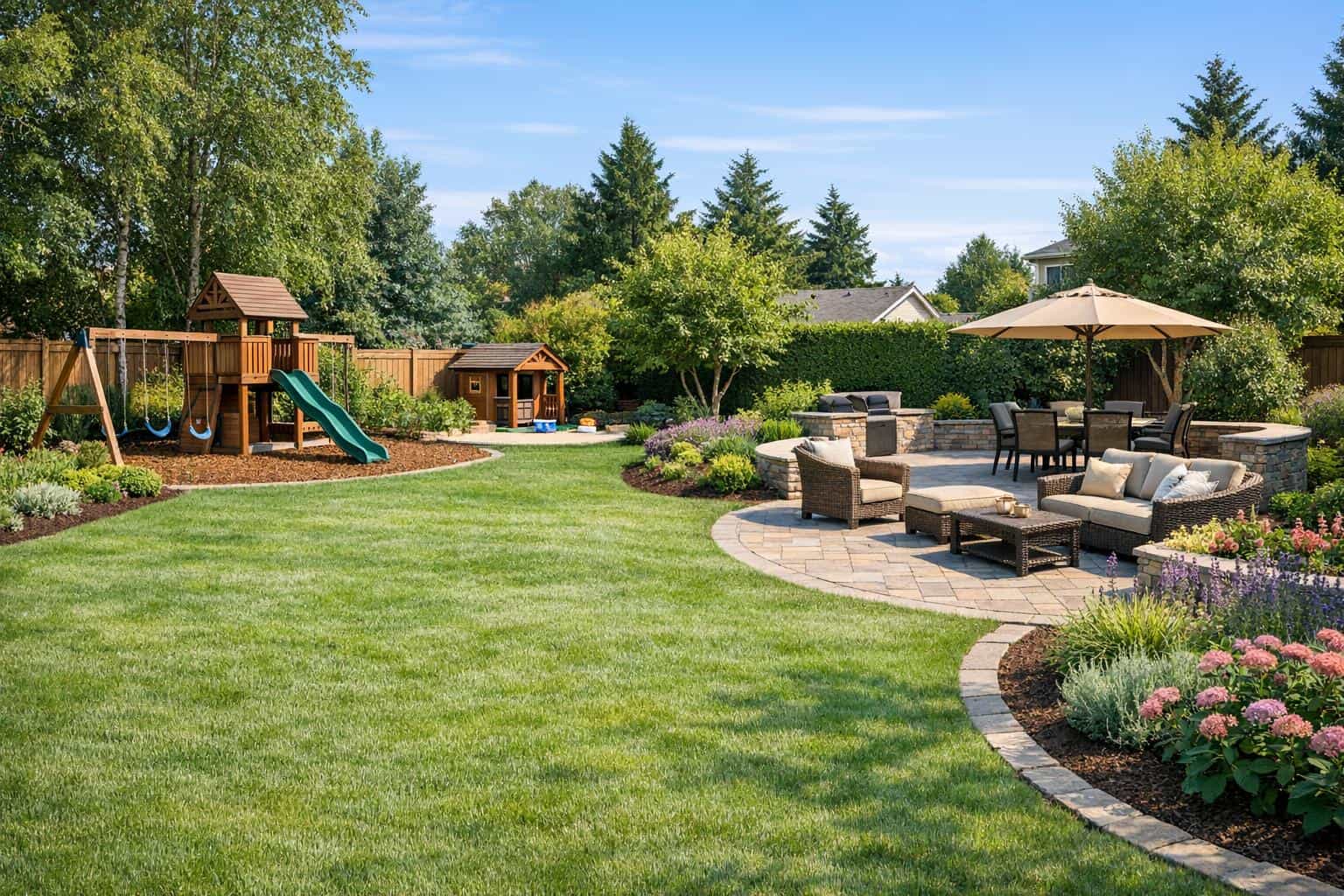
    Kid-Friendly Backyard Landscaping Guide for Homeowners related example showing Small Backyard Landscaping detail relevant to warning signs, wear, and maintenance decisions
    This backyard example gives homeowners a visual reference for comparing layout, materials, and maintenance tradeoffs before starting the project.

    If the lawn is a major part of the decision, the sod and lawn guide and artificial turf vs natural grass guide can help compare long-term expectations.

    Durability and maintenance still matter

    A kid-friendly yard is often a high-use yard, which means maintenance and durability should be part of the design from the beginning. Muddy routes, overcomplicated planting, and delicate finishes can become frustrating quickly. The goal is not to eliminate personality from the yard. It is to keep the space workable under real family use.

    Kid-Friendly Backyard Landscaping Guide for Homeowners related example showing Small Backyard Landscaping detail relevant to planning mistakes, layout, and upkeep expectations
    This related backyard detail helps show how site conditions and finish choices can change the homeowner's plan.

    Make room for the whole household

    The best family yards do not separate adult and kid use too harshly. They create overlap: visible seating near play space, lighting that keeps the yard usable later in the day, and circulation that moves naturally between patio, lawn, and entry points. That makes the yard feel more like a real extension of the home.

    More Kid-Friendly Backyard Landscaping Guides


  • Pet-Friendly Backyard Landscaping Guide for Homeowners

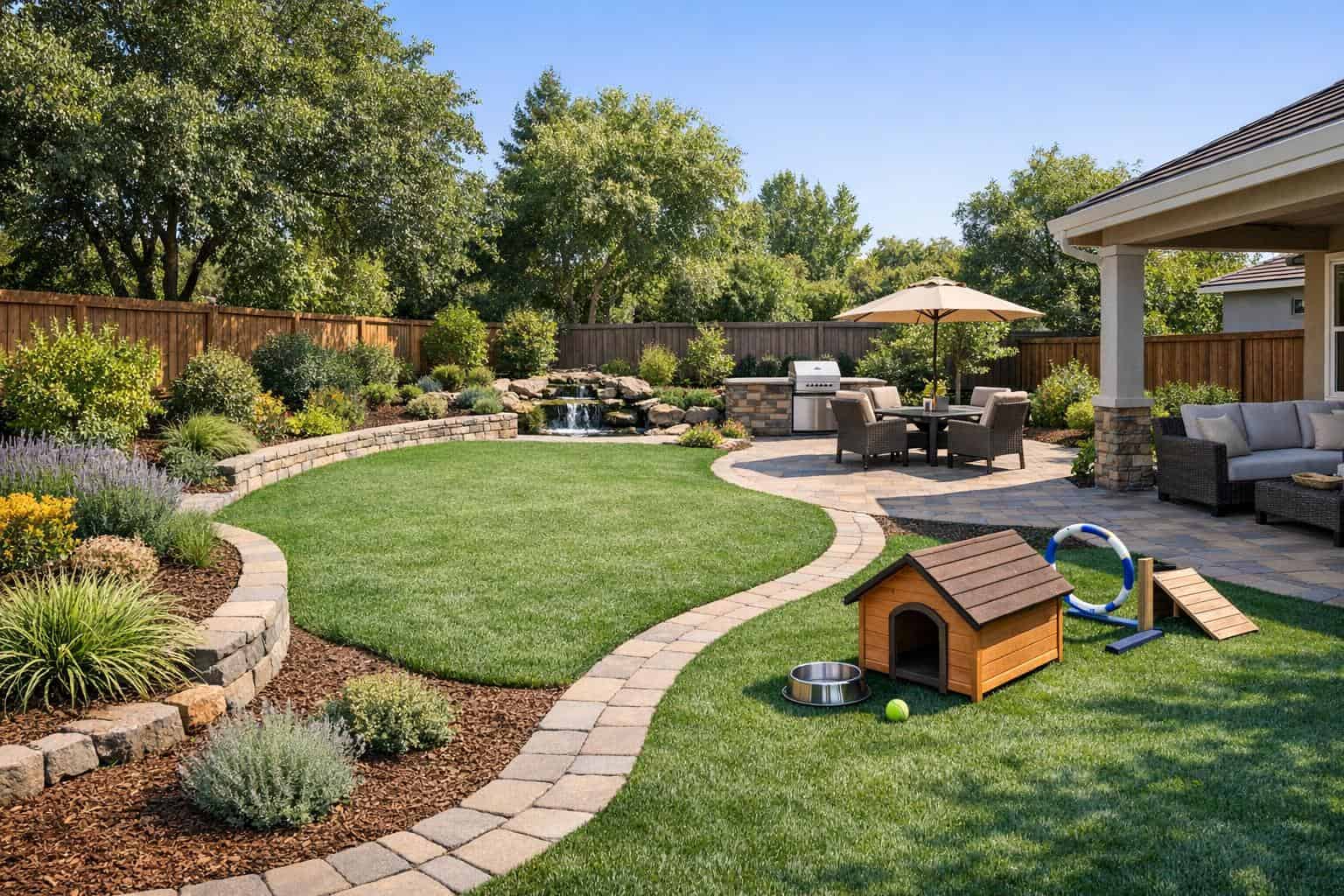
    Pet-Friendly Backyard Landscaping Guide for Homeowners

    A pet-friendly backyard should feel good for people too. The best designs balance durability, cleanup, circulation, and comfort without turning the yard into a purely utilitarian space. Homeowners with dogs often need more than just open grass. They need clear movement routes, surfaces that hold up to repeated wear, planting that does not create constant mess, and outdoor areas that still look intentional.

    Instead of asking what single surface is best, it helps to think about how pets actually use the yard every day. Entry routes, favorite paths, lounging spots, bathroom areas, and play zones all shape what materials and planting choices make sense.

    Durable surfaces matter

    Pet-friendly backyards often combine several surfaces rather than relying on one material everywhere. Some households prefer a lawn or sod play area. Others prefer lower-mess solutions in high-traffic zones. Patios, pathways, and selected ground-cover areas can reduce mud and improve cleanup, especially near doors and gates.

    If the lawn itself is still being decided, the artificial turf vs natural grass guide and sod vs seed guide both help frame the tradeoffs.

    Drainage and cleanup affect everyday usability

    Even a beautiful pet space becomes frustrating if it stays muddy, smells, or tracks dirt back into the house. That is why drainage, grading, and circulation often matter more than decorative details. A yard that sheds water poorly can turn pet use into a constant maintenance issue.

    Pet-Friendly Backyard Landscaping Guide for Homeowners related example showing Small Backyard Landscaping detail relevant to warning signs, wear, and maintenance decisions
    This backyard example gives homeowners a visual reference for comparing layout, materials, and maintenance tradeoffs before starting the project.

    Homeowners dealing with runoff or worn travel paths should compare the drainage guide and grading guide early in the planning process.

    Planting choices should support the space

    Dense delicate beds and fragile edging rarely stay tidy in high-pet-traffic backyards. The most successful pet-friendly yards usually rely on more resilient planting, clearer bed edges, and easier maintenance zones around favorite pet routes. That does not mean the yard has to look plain. It means the planting plan should reflect how the space is actually used.

    Keep the whole backyard usable

    A pet-friendly yard is still part of a broader backyard plan. Seating, lawn, privacy, lighting, and paths should work together so the space feels comfortable for everyone using it. The backyard planning guide is a good next step when homeowners want the yard to serve multiple purposes at once.

    Pet-Friendly Backyard Landscaping Guide for Homeowners related example showing Small Backyard Landscaping detail relevant to planning mistakes, layout, and upkeep expectations
    This related backyard detail helps show how site conditions and finish choices can change the homeowner's plan.

    Materials guide: The pet-friendly materials guide helps compare surface choices, cleanup, and durability more directly.

    Timeline guide: The pet-friendly backyard landscaping timeline guide helps homeowners understand how layout, surfaces, and finish work affect project length.

    Maintenance guide: The pet-friendly backyard maintenance guide helps homeowners protect durability, cleanliness, and how the yard works for pets over time.

    Mistakes guide: The pet-friendly backyard planning mistakes guide helps homeowners catch layout and material mismatches before installation.

    Warning signs guide: The pet-friendly backyard warning signs guide helps homeowners judge wear, stress, and when the yard needs adjustment for real pet use.


  • Backyard Landscaping Ideas and Planning Guide for Homeowners

    Backyard Landscaping Ideas and Planning Guide for Homeowners

    Backyard landscaping can mean almost anything, which is why many projects start with excitement and drift into confusion. A homeowner may want a patio, better privacy, cleaner planting, easier maintenance, and more room to entertain, all in the same yard. Those ideas can work together well, but only if the backyard is planned as a set of connected zones rather than a pile of separate upgrades.

    The best backyard projects usually start with use. Before choosing materials or features, decide how you want the space to function. Do you want dining, lounging, lawn play space, a fire feature, stronger privacy, lower upkeep, or a better place to host guests? Those answers shape the layout more than style images alone.

    Common backyard zones to plan for

    Many backyards work best when they are organized into a few clear zones. A patio or deck may handle seating and dining. Lawn or open space may support play or visual openness. Planting beds can soften edges and create privacy. Lighting, walkways, and fire features help connect everything into one usable environment.

    Instead of asking what single feature to add first, it helps to ask how people will move through the yard and where each activity belongs.

    Privacy, entertaining, and atmosphere

    Privacy often becomes more important once homeowners begin imagining actual use. A backyard can look good from inside the house but still feel exposed when people are dining or sitting outside. That is where the privacy landscaping guide becomes part of planning rather than a later add-on.

    Atmosphere also matters. Lighting and fire features can extend the usefulness of a backyard well beyond daylight hours. The lighting guide and fire pit guide are often natural next reads for homeowners building entertaining space.

    How to phase a backyard project

    Not every homeowner wants or needs to complete the whole backyard at once. Phasing can work well, but only when the project is still planned as a whole. For example, drainage, grading, and hardscape layout should usually be considered before adding final planting or decorative upgrades. A phased backyard should still feel like one plan, not a series of disconnected decisions.

    Backyard Landscaping Ideas and Planning Guide for Homeowners related example showing Small Backyard Landscaping detail relevant to warning signs, wear, and maintenance decisions
    This backyard example gives homeowners a visual reference for comparing layout, materials, and maintenance tradeoffs before starting the project.

    The project expectations guide is helpful here because it frames how different parts of a larger yard build often overlap.

    Backyard planning questions to answer early

    • What are the top two or three ways you want to use the yard?
    • Where should entertaining, lawn, privacy, and circulation each happen?
    • Does the backyard need drainage or grading work before cosmetic upgrades?
    • What features should be built first if the work is phased?
    • How much maintenance do you want after installation?

    A strong backyard plan makes the space feel easier to use, not just nicer to photograph. Homeowners usually get better results when they organize the yard around function first and finish choices second.

    Backyard Landscaping Ideas and Planning Guide for Homeowners related example showing Small Backyard Landscaping detail relevant to planning mistakes, layout, and upkeep expectations
    This related backyard detail helps show how site conditions and finish choices can change the homeowner's plan.

    Related guide: If the project will be built over multiple steps, the How to Phase a Landscaping Project Guide can help organize the order of work.

    Related guide: Small yards often need clearer prioritization than large ones. The Small Backyard Landscaping Ideas Guide for Homeowners helps narrow layout choices without making the yard feel crowded.

    Related guide: If the yard never feels comfortable to use even after upgrades, the Signs Your Backyard Layout Is Not Working Guide can help identify layout issues instead of isolated feature problems.

    Timeline guide: The backyard landscaping timeline guide helps homeowners understand how prep, installation, and finish work affect project length.

    Maintenance guide: The backyard landscaping maintenance guide helps homeowners protect comfort, function, and long-term appearance.

    Mistakes guide: The backyard landscaping planning mistakes guide helps homeowners catch layout and upkeep mismatches before work begins.

    Warning signs guide: The backyard landscaping warning signs guide helps homeowners judge when the yard needs more than casual refreshes.

    More Decision and Planning Guides

    More Backyard Ideas and Example Guides

    More Backyard Use and Comfort Guides

    More Backyard Space-Planning Guides

    More Backyard Seating and Layout Guides

    More Backyard Privacy and Border Guides


  • Front Yard Landscaping Guide for Homeowners

    Front Yard Landscaping Guide for Homeowners

    Front yard landscaping shapes first impressions, but it also does more than improve curb appeal. The front yard often handles access, lighting, drainage, lawn presentation, and the visual transition from the street to the home. A good front yard plan should feel attractive, functional, and manageable to maintain over time.

    Many homeowners start with isolated ideas, such as new shrubs, a walkway upgrade, or a cleaner lawn edge. The strongest results usually come from treating the front yard as one coordinated system instead of a series of separate fixes.

    What a front yard project may include

    Front yard landscaping can include planting beds, privacy or framing shrubs, walkway installation, lighting, lawn renovation, edging, mulch or rock finishes, and drainage adjustments. Some projects stay decorative. Others solve practical issues like poor curb appeal, worn access paths, pooling water, or planting that has outgrown the space.

    If your access path is part of the project, the walkway and pathway guide can help clarify layout and installation expectations.

    Balancing curb appeal and maintenance

    The front yard is usually the most visible part of the property, which can tempt homeowners to over-design it. A better approach is to decide what kind of upkeep you actually want. A highly detailed planting scheme can look impressive but require more trimming, cleanup, and seasonal attention. Simpler masses of durable plants may create a stronger long-term result for many households.

    That is why it helps to pair aesthetic decisions with the low-maintenance landscaping guide before choosing plant density and bed complexity.

    How lighting and lawn choices affect the whole look

    Front yard lighting can improve safety, highlight entry paths, and make the landscaping feel more finished at night. Lawn condition also has an outsized impact because it frames everything around it. A front yard with strong planting but weak turf often still feels incomplete. If lawn replacement or irrigation is part of the plan, those systems should be considered early rather than after the beds are installed.

    The landscape lighting guide, sod vs seed guide, and irrigation guide all connect naturally to front yard planning.

    Questions to ask before starting

    • What problem is the front yard project solving besides appearance?
    • How much maintenance do you realistically want?
    • Does the walkway, lighting, and lawn plan support the planting design?
    • Are drainage or grade issues affecting the front yard now?
    • Will the project be phased, or built as one coordinated upgrade?

    A successful front yard should make the home feel more welcoming and easier to care for. Homeowners usually get the best result when curb appeal, access, and maintenance are planned together from the start.

    Related guide: Homeowners improving curb appeal for resale often pair this topic with the Does Landscaping Increase Home Value Guide to think through value more strategically.

    Materials guide: If curb appeal is the priority, the small front-yard materials guide helps narrow surface choices and reduce visual clutter.

    Timeline guide: The front yard landscaping timeline guide helps homeowners understand how prep, installation, and finish work affect project length.

    Maintenance guide: The front yard landscaping maintenance guide helps homeowners protect curb appeal and catch small issues early.

    Mistakes guide: The front yard landscaping planning mistakes guide helps homeowners catch layout and upkeep mismatches before work begins.

    Warning signs guide: The front yard landscaping warning signs guide helps homeowners judge decline, wear, and weak curb-appeal performance.

    More Decision and Planning Guides

    More Front Yard Ideas and Example Guides

    More Front Entry and Curb Appeal Guides

    More Front Yard Layout and Planting Guides

    More Front Yard Tree and Planting Guides

    More Front Yard Composition Guides

    More Front Entry and Emphasis Guides

    More Front Edge and Anchor Guides

    More Front Entry and Bed Detail Guides

    More Front Bed Rhythm and Edge Guides

    More Front Bed Planning Guides

    More Front Bed Proportion Guides

    More Front Bed Decision Guides

    More Front Bed Condition and Detail Guides

    More Front Bed Shape and Seasonal Guides

    More Front Planting Emphasis Guides

    More Front Bed Color and Structure Guides

    Related homeowner planning guides

    Use these next-step guides to make the project more specific before comparing estimates or choosing materials.

    Related homeowner planning guides

    Use these next-step guides to narrow the project before choosing materials, comparing estimates, or changing the layout.

    More specific homeowner planning guides

    Use these deeper guides when the broad project direction is clear and the next decision is about layout, materials, maintenance, or cost tradeoffs.

    Front Yard Landscaping Guide for Homeowners related example showing Front entry landscape materials relevant to choosing surfaces and finishes for a smaller yard
    This front yard example gives homeowners a visual reference for comparing layout, materials, and maintenance tradeoffs before starting the project.

    More specific homeowner planning guides

    Use these deeper guides when the broad project direction is clear and the next decision is about layout, materials, access, maintenance, or cost tradeoffs.

    Front Yard Landscaping Guide for Homeowners related example showing Small front yard hardscape and planting materials relevant to curb-appeal planning
    This related front yard detail helps show how site conditions and finish choices can change the homeowner's plan.